

Flamingos, with their striking pink plumage and graceful, elegant stances, are a mesmerizing spectacle in the bird world. While typically associated with the saline and alkaline lakes of Africa and various coastal regions around the world, these captivating birds have recently been making headlines for their unexpected presence in the Gulf States. This surprising movement raises questions about what factors are influencing these magnificent birds to explore new habitats. In this article, we dive into the ecological, environmental, and behavioral factors prompting flamingos to frequent the Gulf States and the implications it has on the local ecosystem.
Ecological Background of Flamingos

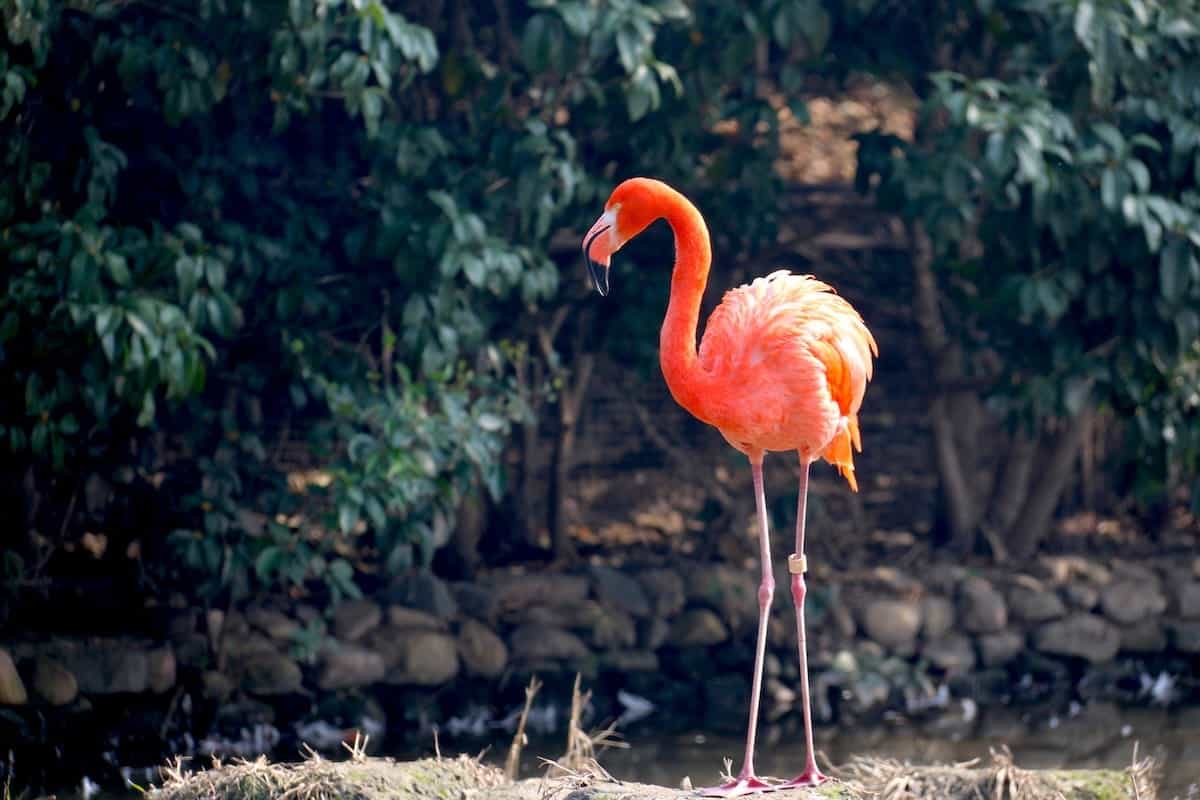
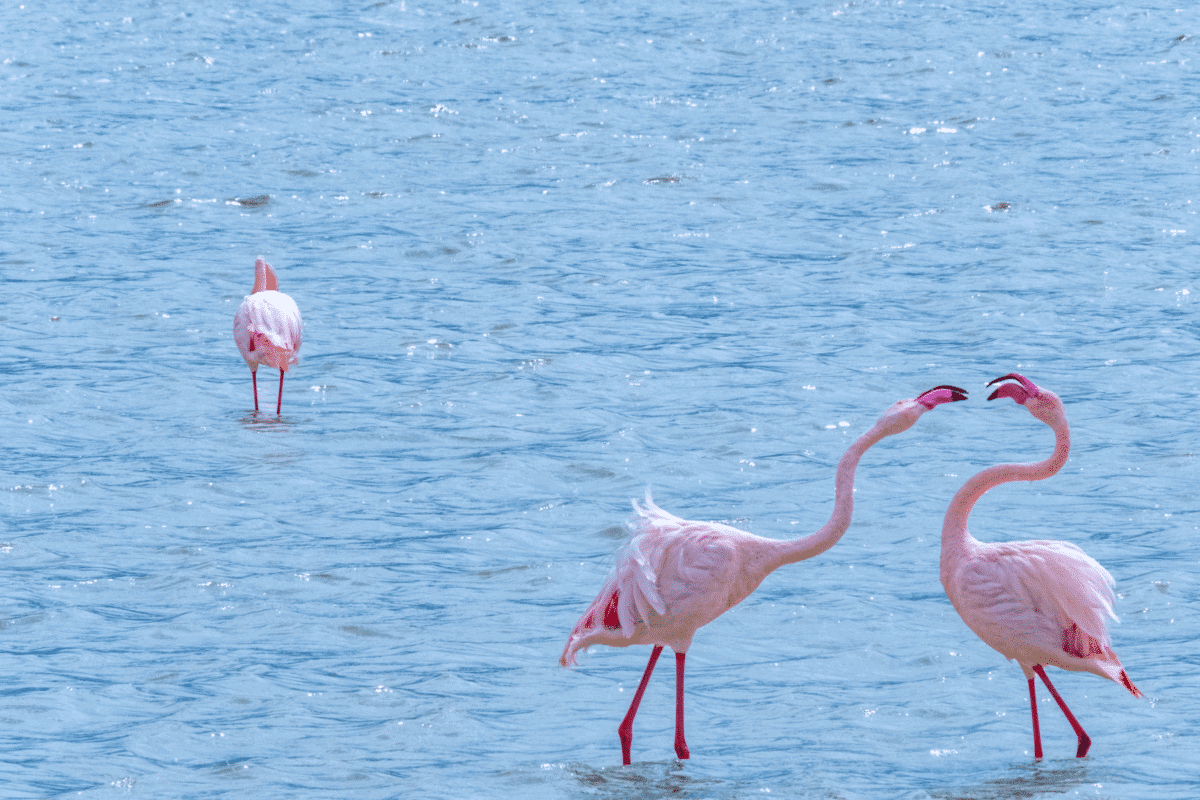
Flamingos are fascinating creatures that thrive in a variety of environments, primarily favoring shallow, saline, or alkaline waters. These habitats provide essential feeding grounds, where flamingos use their specialized beaks to filter-feed on algae, crustaceans, and small aquatic organisms. Traditionally, six recognized species of flamingos inhabit regions ranging from Africa and South America to parts of Europe and Asia. The recent sightings of flamingos in the Gulf States offer a unique opportunity to explore how their ecological needs intersect with changing environmental conditions.
Historical Migration Patterns

Flamingos are known for their migratory behavior, often traveling vast distances in response to environmental changes, such as water levels and food availability. While historically, their migration routes have not prominently featured the Gulf States, it is not wholly unprecedented. Occasional sightings have occurred during atypical weather events, suggesting a latent potential for migration routes to expand or shift over time.
Climate Change and Habitat Shifts

One of the most critical drivers influencing flamingo migration to the Gulf States is climate change. As temperatures rise and weather patterns become increasingly erratic, traditional habitats may become less hospitable. Changes in rainfall and increased evaporation rates can alter the water levels and salinity of flamingo habitats, prompting the birds to seek new territories that provide suitable living conditions and adequate food supply.
The Gulf States as Emerging Habitats

The Gulf States, with their warm climates and coastal regions, can offer alternative habitats for displaced flamingos. Shallow coastal lagoons and wetlands in these areas resemble the flamingos’ original habitats, providing potential new ground for these birds to forage and thrive. Such adaptive behavior showcases the resilience and adaptability of flamingos in the face of environmental challenges.
Influence of Human Activities
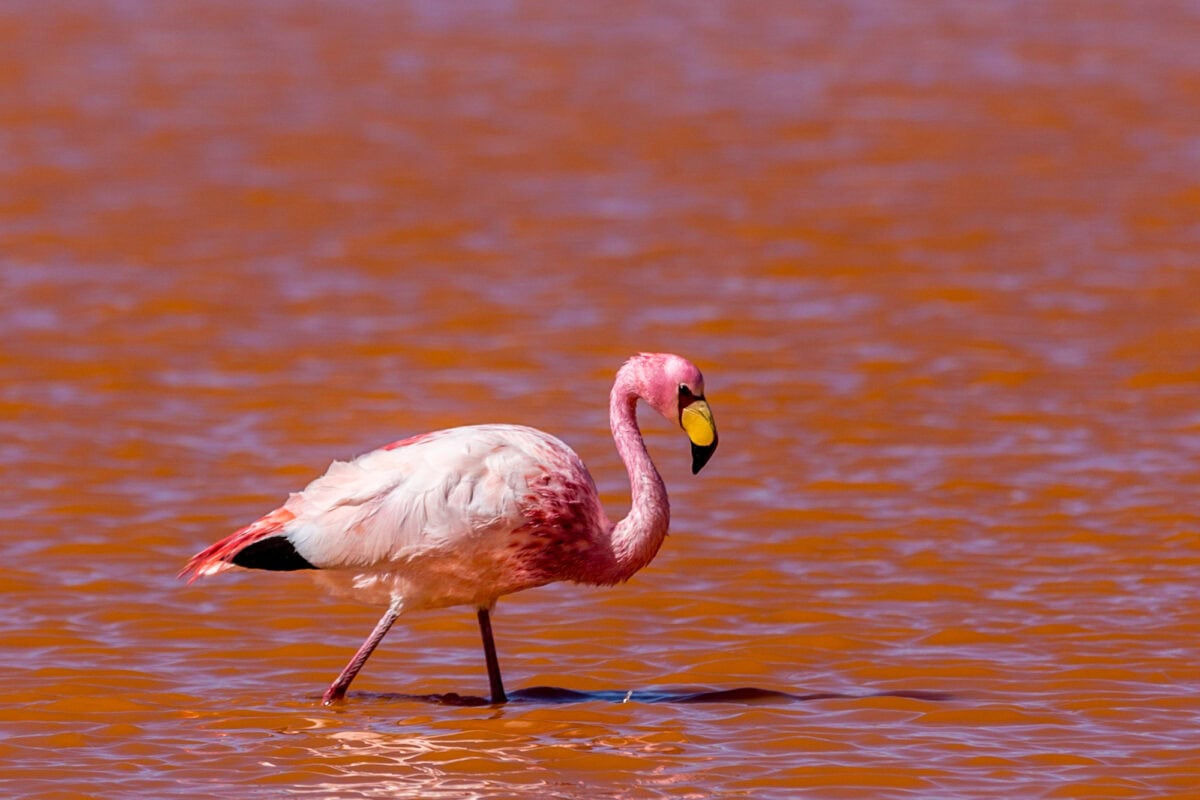
Human activities, including urbanization and industrialization, have significant effects on flamingo habitats. Nevertheless, conservation efforts in the Gulf States are emphasizing the protection of natural wetlands and the restoration of coastal ecosystems. These individual and collective efforts make the Gulf States a more attractive option for migrating flamingos, thereby facilitating their unexpected presence in the region.
Exploring Food Availability
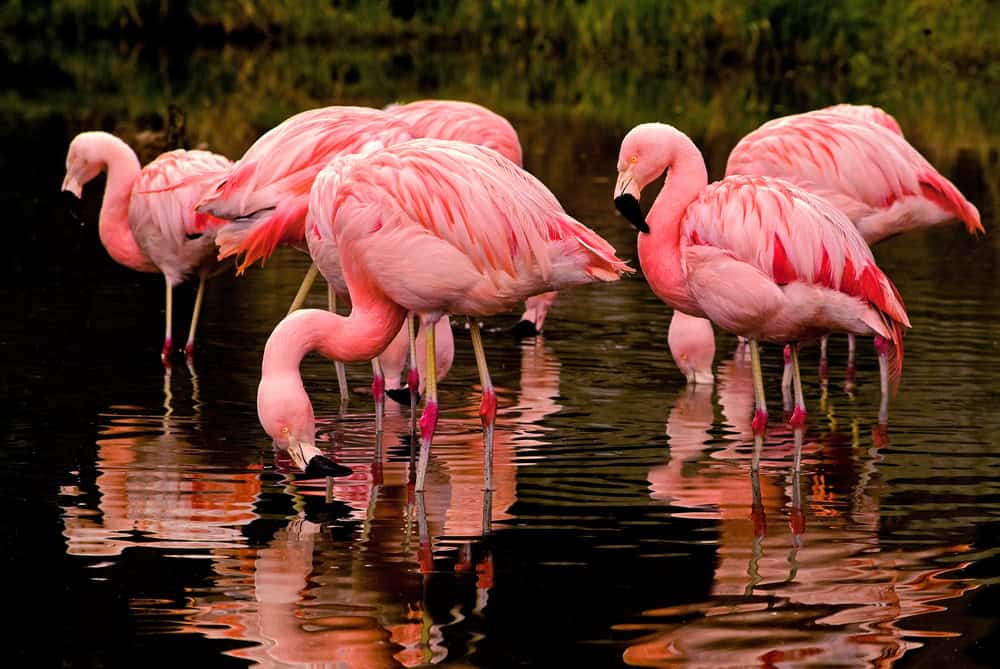
The presence and abundance of specific foods in the Gulf States may also play a crucial role in attracting flamingos. Equipped with specialized feeding mechanisms, flamingos rely on microorganisms found in water bodies. If Gulf State waters are rich in these food sources, they become naturally enticing to these birds, encouraging their seasonal or long-term stay.
Conservation Efforts and Impacts
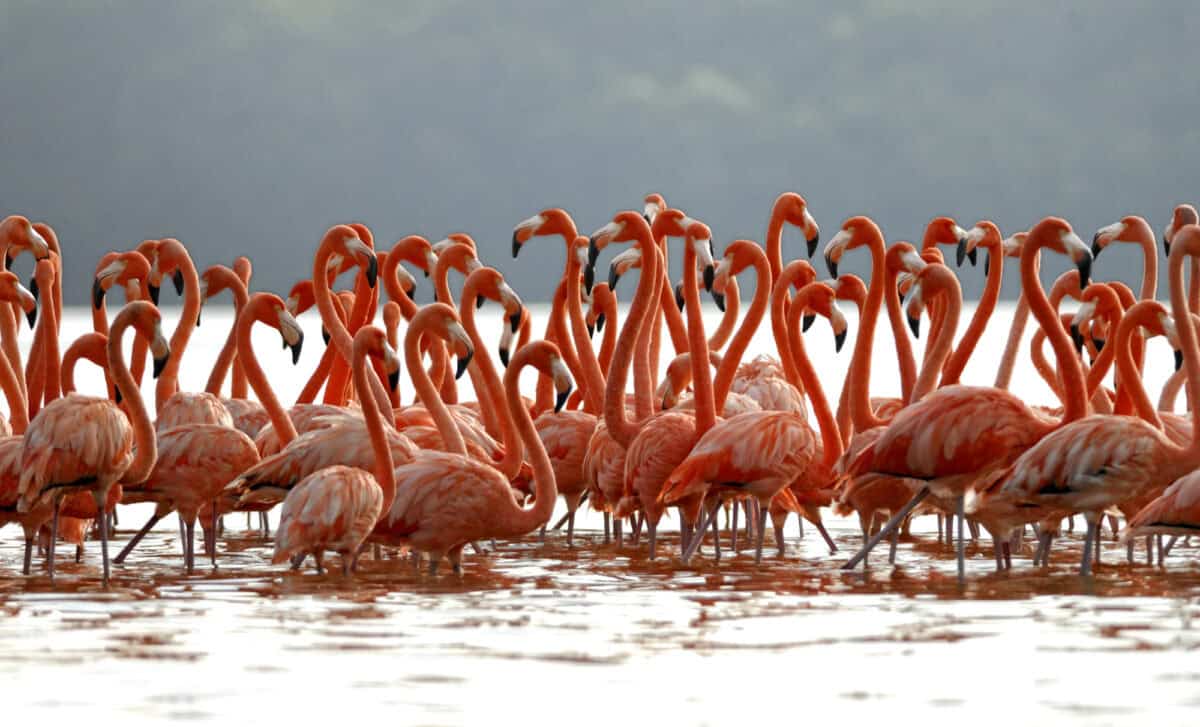
Efforts to protect and maintain natural habitats in the Gulf States serve as a beacon of hope for any wildlife displaced by climate changes elsewhere. Protected areas and reserves contribute not just to preserving native species, but also to providing suitable conditions for migratory birds like flamingos. Such initiatives highlight the vital role of conservation in supporting biodiversity and the challenges of addressing habitat needs.
Interactions with Local Wildlife
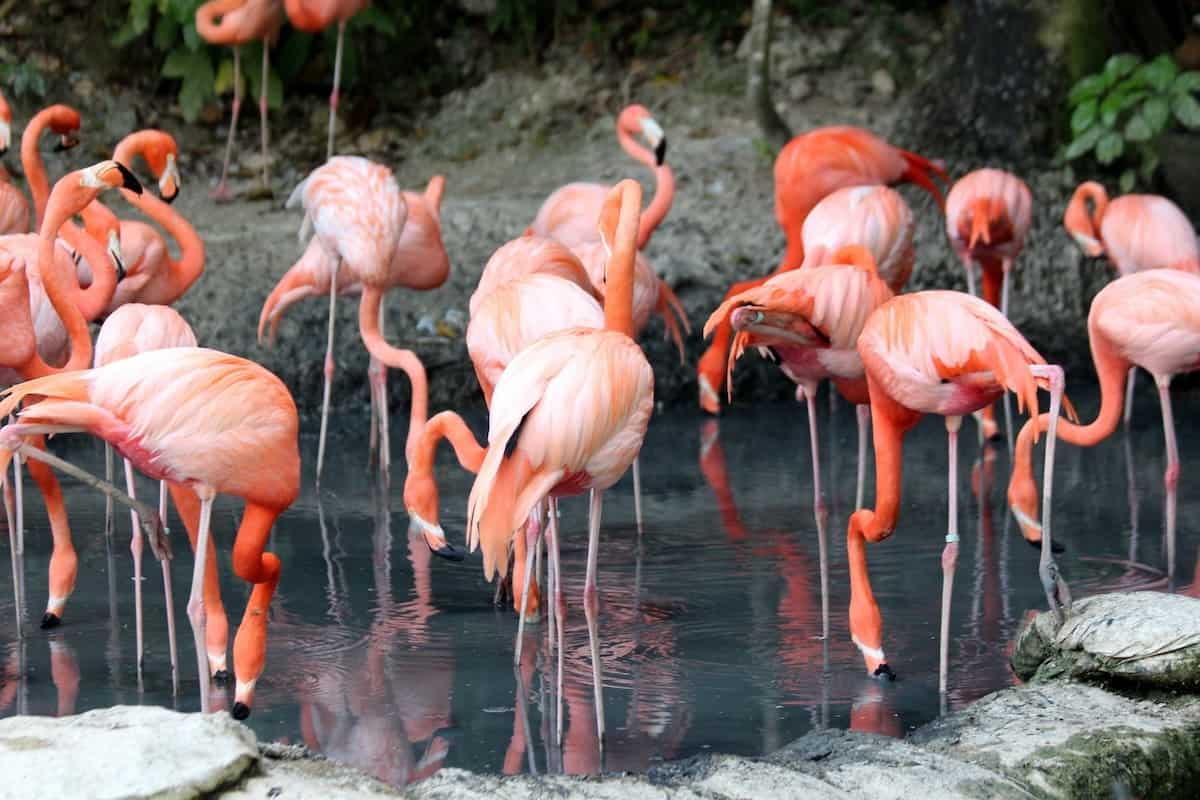
The arrival of flamingos in the Gulf States introduces different dynamics within the local ecosystems. Flamingos may compete with local bird species for resources, while also potentially impacting the population dynamics of aquatic organisms they feed on. The presence of these exotic birds can invite further research into the complex interactions between native and migratory species.
Tourism and Ecotourism Impacts

The unexpected presence of flamingos in the Gulf States can also attract tourism and ecotourism. Birdwatchers and nature enthusiasts may be drawn to these regions, boosting the local economy. However, careful management is necessary to ensure that tourism does not disturb or threaten flamingos and their habitat, highlighting the need for sustainable practices in wildlife tourism.
Potential Challenges and Risks
With the arrival of any new species, challenges and risks follow. Flamingos in the Gulf States may face threats from human encroachment, pollution, and habitat destruction. Additionally, disease transmission and competition for resources can pose significant challenges to their survival. Effective monitoring and management strategies are essential to mitigate these risks and ensure the harmonious existence of flamingos within these environments.
The Importance of Scientific Research

Understanding the intricacies of flamingo migration and adaption requires dedicated scientific research. Ongoing studies can help determine the specific factors driving their movement to the Gulf States and predict future migration patterns. Researchers can work with local authorities to implement data-driven conservation strategies, ensuring the protection of both local and migratory bird species.
Looking Towards the Future
The unexpected movement of flamingos to the Gulf States symbolizes the larger ecological shifts occurring globally due to climate change and human impact. As we look towards the future, this phenomenon underscores the importance of adaptive conservation efforts, ongoing research, and proactive policy-making to protect the biodiversity and ecological integrity of our planet.
In conclusion, the presence of flamingos in the Gulf States offers a unique window into the influence of environmental changes on wildlife distribution. By understanding the causes and implications of this migration, we can better equip ourselves to protect these vibrant creatures and preserve their habitats, ensuring that future generations can also marvel at the beauty of flamingos in all their glory.

- What Happens If You Lock Eyes With a Wild Leopard? - July 19, 2026
- 10 Fastest Racing Dog Breeds You Must Know - July 19, 2026
- The Story of the Arctic Fox’s Incredible Seasonal Transformation - July 18, 2026