


Arizona’s landscape is a tapestry of stunning desert vistas, rugged mountains, and iconic rock formations. But beyond the visible beauty lies a hidden world teeming with life, geological wonders, and archaeological treasures. When you flip over a rock in Arizona, you might be startled by what scurries away—or what remains, preserved for millennia. From venomous creatures that have adapted to harsh desert conditions to precious minerals formed over millions of years, Arizona’s rocks conceal secrets that tell the story of our planet’s history and the remarkable adaptations of desert life. This exploration takes us beneath the surface of Arizona’s rocky terrain to discover what’s hiding in plain sight, waiting to be uncovered by the curious observer.
Arizona’s Desert Dwellers: Scorpions and Their Rocky Hideouts

Perhaps the most notorious residents beneath Arizona’s rocks are scorpions. With over 50 species calling the state home, these arachnids are masterful at finding refuge from the blistering desert heat. The bark scorpion, Arizona’s most venomous species, is particularly fond of rocky crevices where it can hide during daylight hours before emerging to hunt at night. Their flattened bodies are perfectly evolved for squeezing into the narrowest of spaces between and beneath rocks.
What makes these creatures particularly fascinating is their fluorescence under ultraviolet light. Scorpion exoskeletons contain chemicals that glow an eerie blue-green when illuminated by a blacklight, making them easier to spot for researchers and cautious hikers alike. This adaptation remains something of a mystery to scientists, though theories suggest it might help scorpions detect UV light and find better shelter. For Arizona residents, knowing that scorpions may be lurking beneath nearby rocks has created a healthy respect for these ancient creatures that have survived relatively unchanged for over 400 million years.
Reptilian Residents: Snakes and Lizards
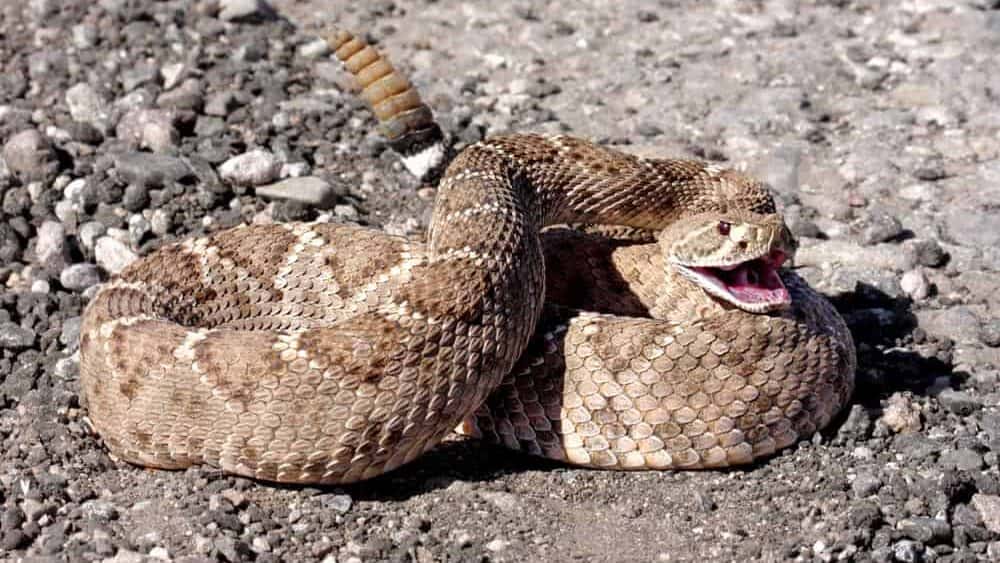
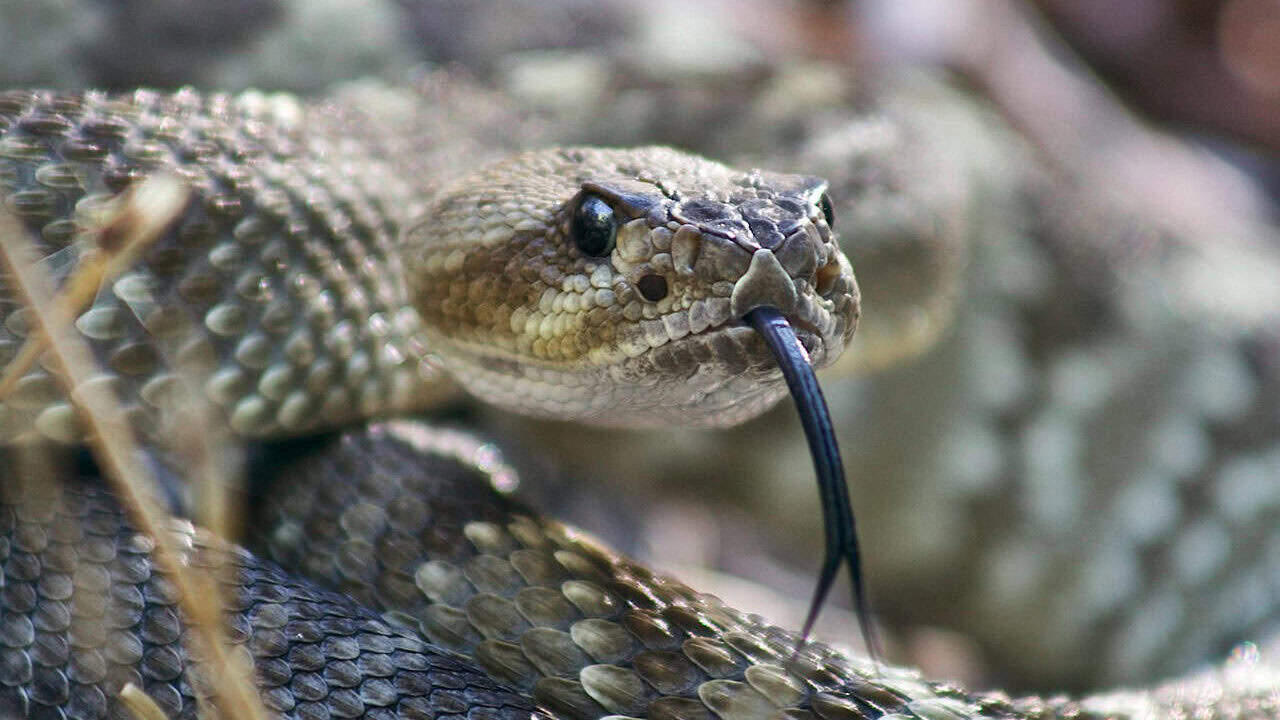
Arizona’s rocks provide essential habitat for the state’s rich diversity of reptiles. Thirteen species of rattlesnakes call Arizona home, including the iconic diamondback rattlesnake, and many use the spaces beneath rocks as dens, especially during the winter months when they brumate (the reptilian equivalent of hibernation). These rocky retreats offer protection from predators and help regulate body temperature—a critical need for ectothermic animals that rely on external heat sources.
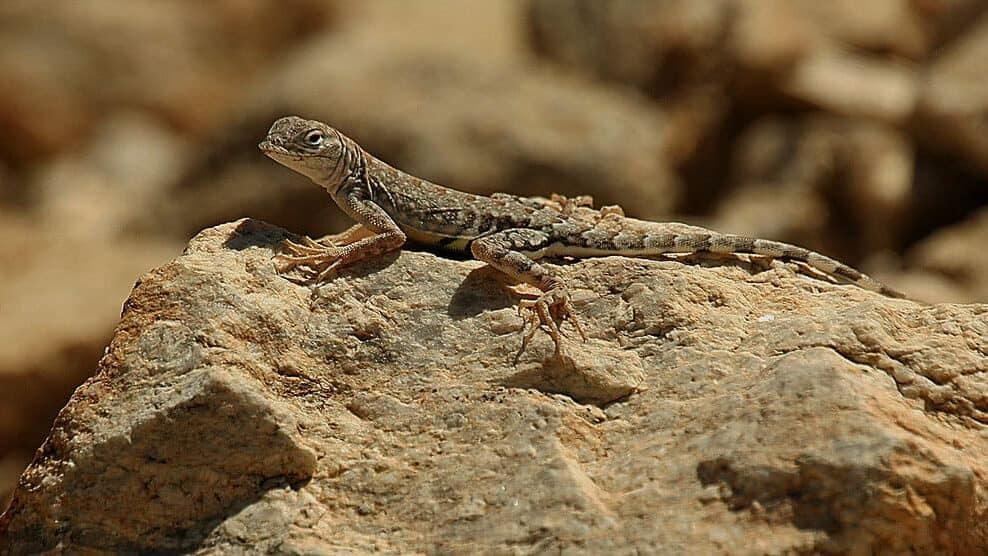
Lizards are equally abundant beneath Arizona’s rocks. The desert-adapted Gila monster—one of only two venomous lizards in the world—spends up to 95% of its life in underground burrows and beneath rocks, emerging primarily during the spring breeding season. Smaller species like the greater short-horned lizard and various skinks use rocks as hunting platforms, waiting for insects to pass by before darting out to capture prey. This rock-dwelling behavior has led to evolutionary adaptations including flattened bodies, specialized scales for gripping rocky surfaces, and coloration that perfectly matches the local geology, making these reptiles nearly invisible until they move.
The Eight-Legged Underground: Spiders and Their Relatives
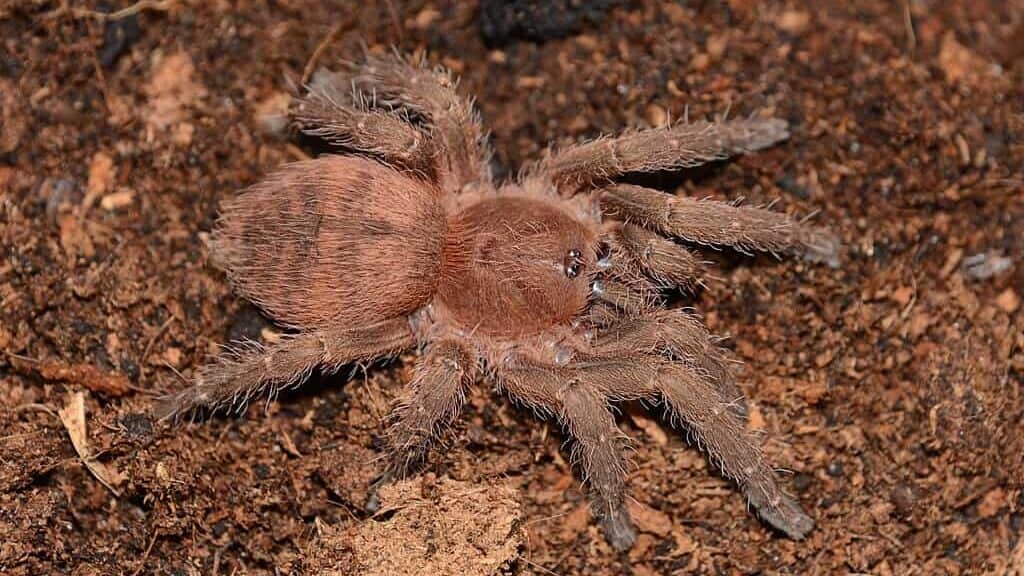
Arizona’s rocks harbor a remarkable diversity of arachnids beyond just scorpions. The state is home to dozens of spider species that utilize rocky habitats, including the famous tarantulas that construct burrows beneath or adjacent to stable rocks. These gentle giants, despite their fearsome appearance, are relatively harmless to humans and play crucial roles in controlling insect populations. During late summer and early fall, male tarantulas can be seen wandering across the desert floor in search of mates, while females typically remain in their rock-protected burrows.
More concerning to many are the brown spiders, including the brown recluse and desert recluse, which favor dark, undisturbed places like the undersides of rocks. These spiders possess medically significant venom but rarely bite humans unless threatened. Arizona is also home to the enigmatic vinegaroons or whip scorpions—harmless arachnids that spray acetic acid (vinegar) when disturbed. These fascinating creatures emerge from their rocky hideaways primarily at night, hunting insects and small invertebrates. The complex ecology of these arachnids demonstrates the importance of rocky microhabitats in supporting biodiversity in seemingly inhospitable desert environments.
Tiny Treasures: Insects and Arthropods
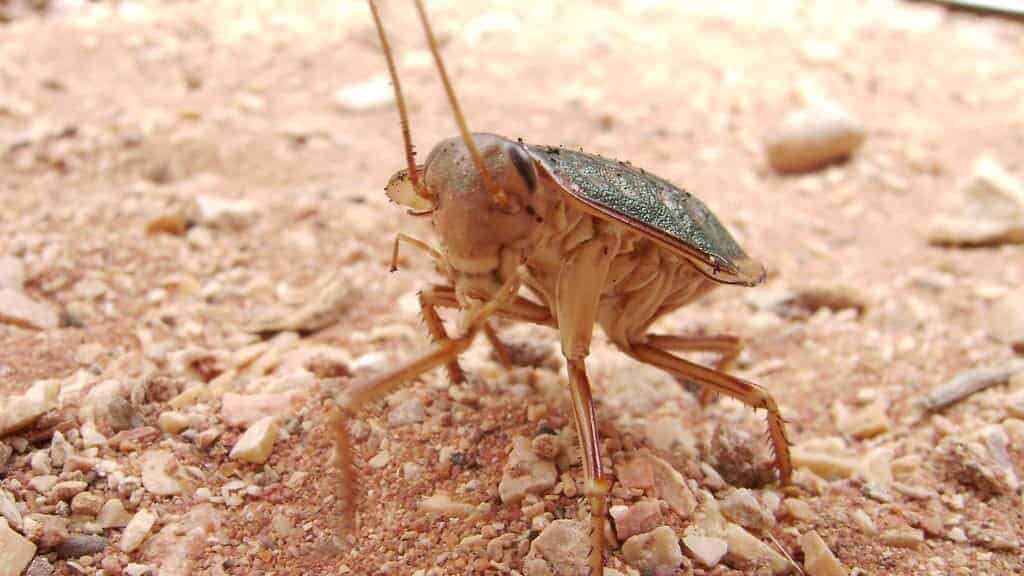
Lift a rock in the Arizona desert, and you’ll likely uncover a bustling community of insects and other arthropods. Desert millipedes and centipedes scurry for cover when their protective stone is removed, while colonies of harvester ants may have constructed elaborate tunnel systems beneath larger rocks. These insects play crucial ecological roles as decomposers, pollinators, and food sources for larger animals. The moisture retention beneath rocks creates microhabitats that can support life even during the driest desert conditions.
Among the most distinctive rock-dwelling insects are the desert cockroaches, remarkably different from their urban cousins. These native cockroaches are important decomposers that help break down organic matter. Arizona is also home to several species of sun spiders (also called wind scorpions or solifugids)—non-venomous arachnids that are fearsome predators of other arthropods. Jerusalem crickets, with their large, rounded heads and strong mandibles, are another surprising find beneath desert rocks. These nocturnal insects, despite their somewhat alarming appearance, are harmless to humans and primarily feed on roots, tubers, and occasionally smaller insects, forming an important link in the desert food web.
Geological Wonders: Minerals and Crystals
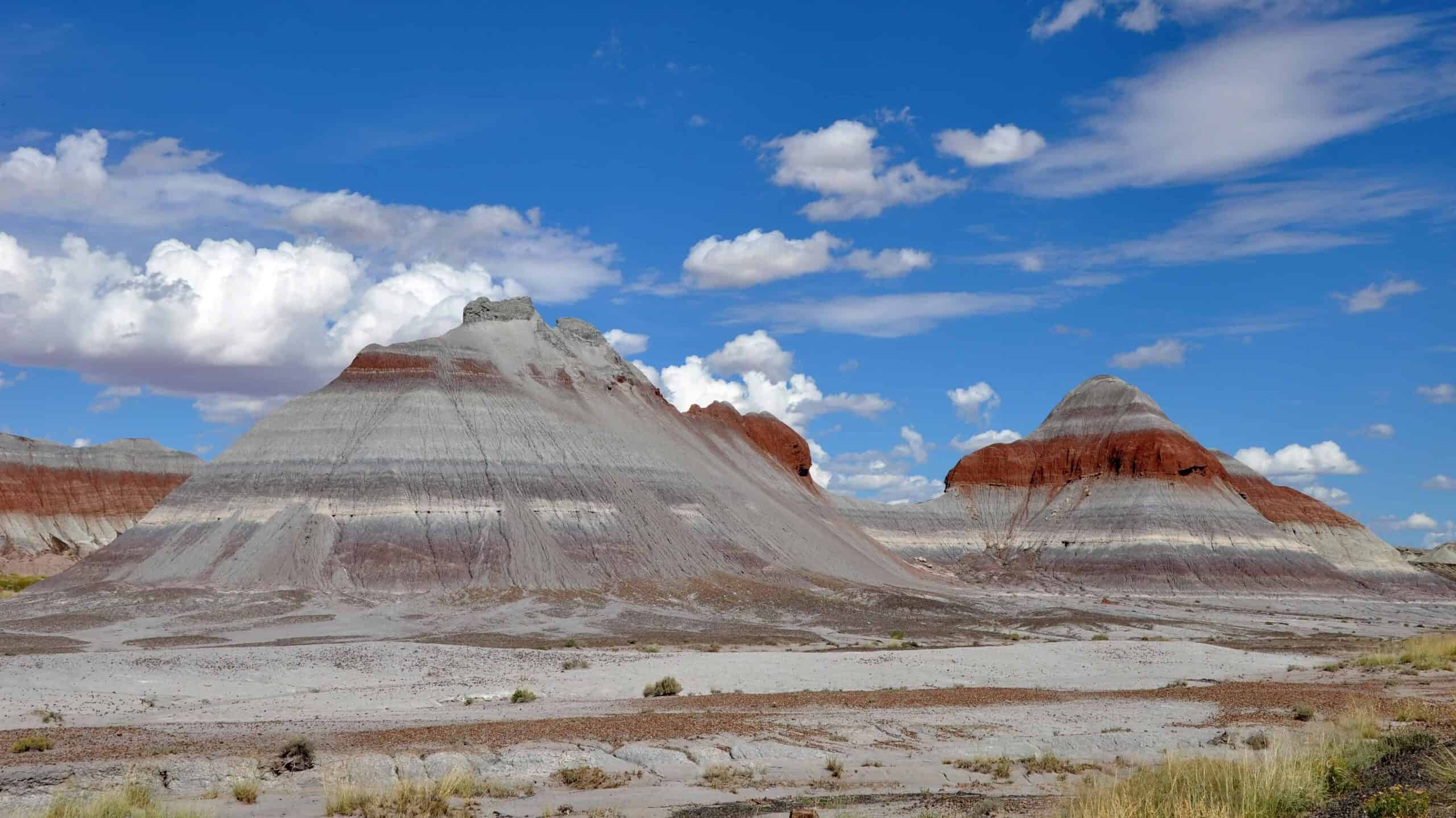
Arizona’s rocks don’t just shelter living creatures—they also conceal spectacular mineral formations. The state is renowned among rockhounds and mineral collectors for its extraordinary diversity of minerals. Copper, Arizona’s state metal, has been mined here for centuries, and spectacular specimens of azurite and malachite (both copper carbonate minerals) can be found beneath weathered surface rocks. The Morenci Copper Mine in eastern Arizona remains one of the largest copper-producing operations in North America, highlighting the mineral wealth hidden in the state’s geology.
Even more dazzling are Arizona’s quartz crystals, including amethyst and citrine, which form in geodes and vugs—small to medium-sized cavities in rock formations. The Four Peaks amethyst mine in Maricopa County produces some of the world’s highest quality amethyst, prized for its deep purple coloration. Petrified wood, formed when ancient trees were buried and mineralized over millions of years, is another geological treasure hidden beneath Arizona’s surface, with the Petrified Forest National Park showcasing spectacular examples of this transformation. These geological wonders represent millions of years of Earth’s history, preserved in stone and revealed only when erosion or human intervention exposes them to the light of day.
Archaeological Treasures: Human History Written in Stone
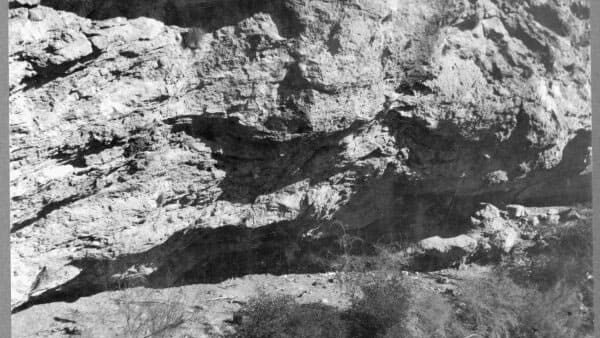
Arizona’s rocks don’t just conceal natural wonders—they also hide evidence of human history spanning thousands of years. Indigenous peoples have inhabited the region for at least 12,000 years, leaving behind artifacts that are occasionally found beneath rocks and in rock shelters. Projectile points, pottery shards, and stone tools offer glimpses into ancient lifeways and technologies. Some rocks themselves bear witness to human presence through petroglyphs—images carved into rock surfaces by ancient peoples, often depicting animals, supernatural beings, or celestial events.
Rock shelters and caves throughout Arizona served as temporary or permanent dwellings for ancient peoples, offering protection from the elements and predators. Archaeological excavations beneath rock overhangs have uncovered hearths, food remains, and other evidence of daily life. The Hohokam, Ancestral Puebloan, Mogollon, and Sinagua cultures all utilized Arizona’s rocky landscape in different ways, building structures that incorporated natural rock formations or using rocks as building materials. These archaeological treasures provide invaluable insights into how humans adapted to and thrived in Arizona’s challenging desert environment throughout prehistory and continue to be discovered as researchers explore beneath and between the state’s rocks.
Microecosystems: Life in Miniature
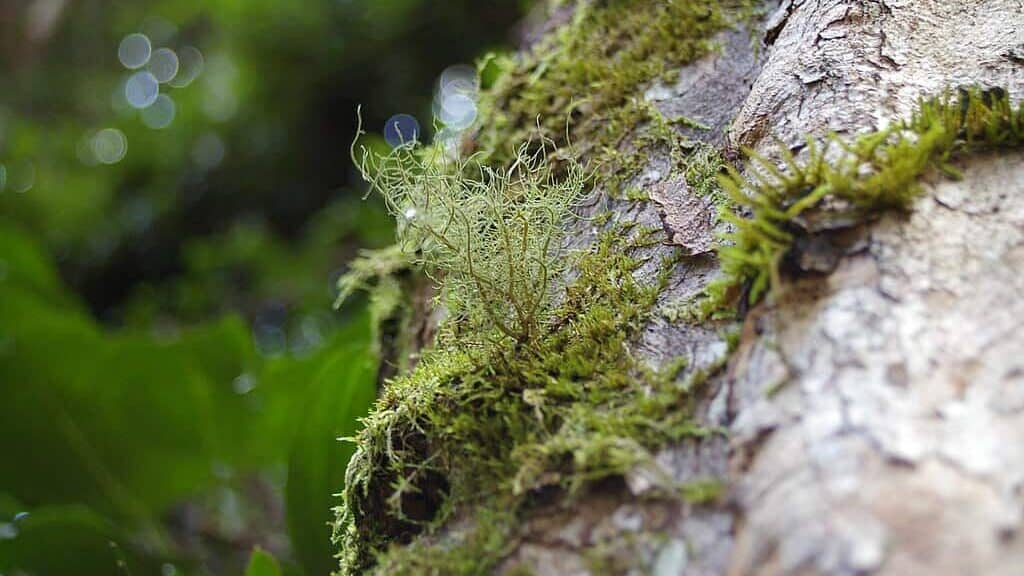
The spaces beneath Arizona’s rocks harbor entire ecosystems in miniature, with complex food webs and ecological relationships playing out on a tiny scale. Lichens—symbiotic partnerships between fungi and algae—often colonize the undersides of rocks where moisture is retained longer than on exposed surfaces. These hardy organisms can survive extreme conditions and serve as pioneer species, breaking down rock surfaces and beginning the long process of soil formation. Various mosses and small ferns may also establish themselves in these protected microhabitats, particularly in Arizona’s higher elevations or along riparian corridors.
The soil directly beneath rocks often has higher moisture content than surrounding areas, creating opportunities for specialized microbial communities to flourish. These microscopic organisms—bacteria, archaea, and fungi—perform crucial ecological functions like nutrient cycling and organic matter decomposition. Some fix nitrogen from the atmosphere, making this essential nutrient available to plants. Others form mycorrhizal relationships with plant roots, helping desert vegetation access water and nutrients in exchange for carbohydrates. These hidden microecosystems demonstrate the resilience and adaptability of life in seemingly inhospitable environments and play fundamental roles in maintaining desert ecosystem health despite being invisible to the casual observer.
Venomous Surprises: Arizona’s Most Dangerous Rock-Dwellers
While most creatures hiding beneath Arizona’s rocks are harmless or beneficial, the state is home to several venomous species that demand respect. The Arizona bark scorpion tops the list as North America’s most venomous scorpion, with a sting that can cause intense pain, numbness, and in rare cases, more serious medical complications. These scorpions are particularly adept at hiding in rocky crevices, tree bark, and human dwellings, making encounters relatively common in some areas. Antivenom is available for severe cases, though most healthy adults recover without medical intervention.
Arizona’s venomous snakes, particularly rattlesnakes, also utilize rocky habitat for shelter and hunting. The Mojave rattlesnake possesses one of the most potent venoms of any North American snake, containing both hemotoxic components that damage tissue and neurotoxic components that affect the nervous system. The western diamondback rattlesnake, while having less potent venom, is responsible for more bites due to its widespread distribution and sometimes aggressive defensive behavior. Both species frequently shelter beneath rocks during extreme temperatures. The rock-dwelling Gila monster, while slow-moving and unlikely to bite unless handled, delivers a painful venom through grooved teeth in its lower jaw. Despite these dangers, fatalities from venomous animals in Arizona are extremely rare, especially when basic precautions are taken when exploring rocky areas.
Cryptic Critters: Rare and Elusive Species
Some of Arizona’s most fascinating rock-dwelling species are rarely seen due to their secretive nature, limited range, or low population numbers. The Arizona worm lizard (Amphisbaena innocens) is one such cryptic creature—a legless, burrowing reptile that spends most of its life underground or beneath rocks. Despite resembling an earthworm at first glance, these animals are true reptiles with tiny eyes, specialized skulls for digging, and the ability to move backward as efficiently as forward. Their secretive lifestyle means they remain poorly studied compared to more visible desert species.
The Arizona alligator lizard is another elusive species found primarily in mountainous regions of the state, often hiding beneath rocks in pine-oak woodlands. Unlike many desert reptiles, these lizards prefer cooler, moister environments at higher elevations. Desert tortoises, while more well-known, are increasingly rare due to habitat loss and human impacts. These long-lived reptiles dig burrows beneath large rocks and desert vegetation, emerging primarily during the monsoon season. Other cryptic species include the Arizona shovel-nosed snake, which “swims” through loose soil and hides beneath rocks during the day, and various salamander species found only in isolated mountain ranges with sufficient moisture. These secretive animals represent some of the least understood components of Arizona’s biodiversity and may be particularly vulnerable to habitat changes.
Conservation Concerns: Threats to Rocky Habitats
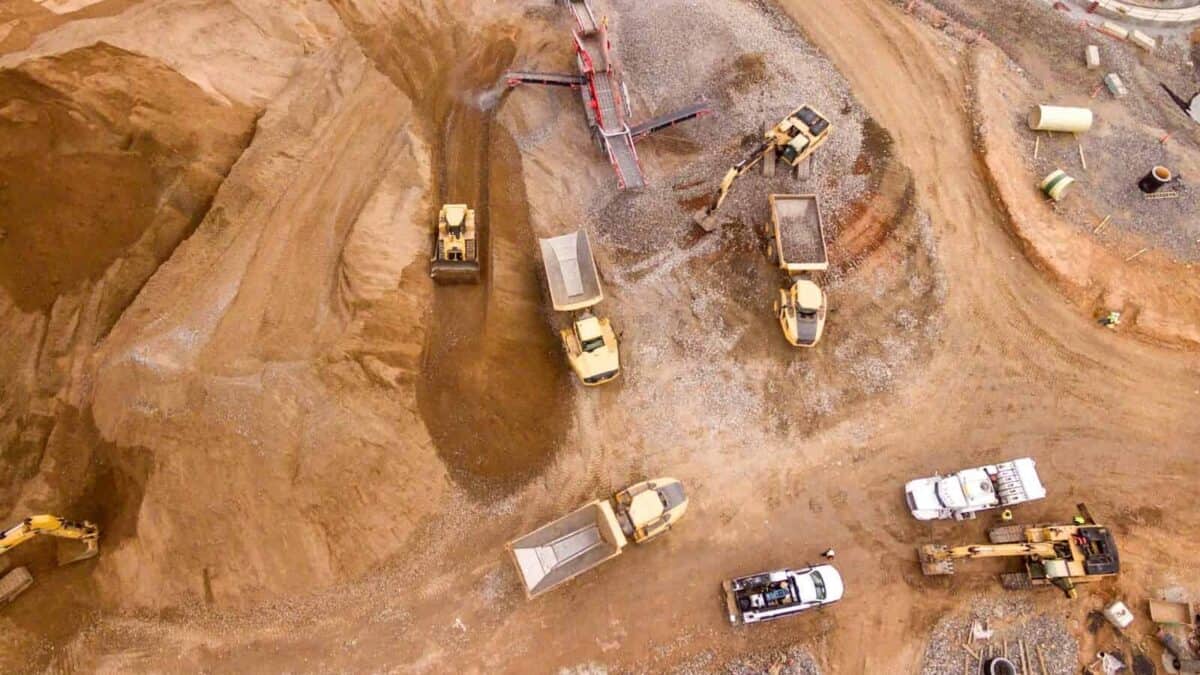
The hidden worlds beneath Arizona’s rocks face numerous threats in the modern era. Urban expansion, mining operations, and recreational activities can destroy or degrade rocky habitats that have supported complex ecosystems for millennia. Rock collecting, while popular, can inadvertently damage microhabitats when rocks are removed or disturbed. For species with specific habitat requirements, like certain reptiles or invertebrates that rely on particular rock formations, habitat fragmentation can lead to population isolation and decline.
Climate change poses perhaps the most pervasive threat to these ecosystems. As Arizona experiences higher average temperatures and more severe drought conditions, the moisture retained beneath rocks—crucial for many species’ survival—may decrease. Changing precipitation patterns may alter the vegetation communities that provide food and additional shelter for rock-dwelling animals. Invasive species like fire ants can displace native invertebrates from under-rock habitats, disrupting long-established ecological relationships. Conservation efforts focusing on these often-overlooked microhabitats include protected area designation, sustainable recreation guidelines (such as “leave no trace” principles that include replacing rocks exactly as they were found), habitat restoration, and research programs to better understand these complex underground communities before they are irreversibly altered.
Exploring Responsibly: How to Discover What’s Beneath the Rocks
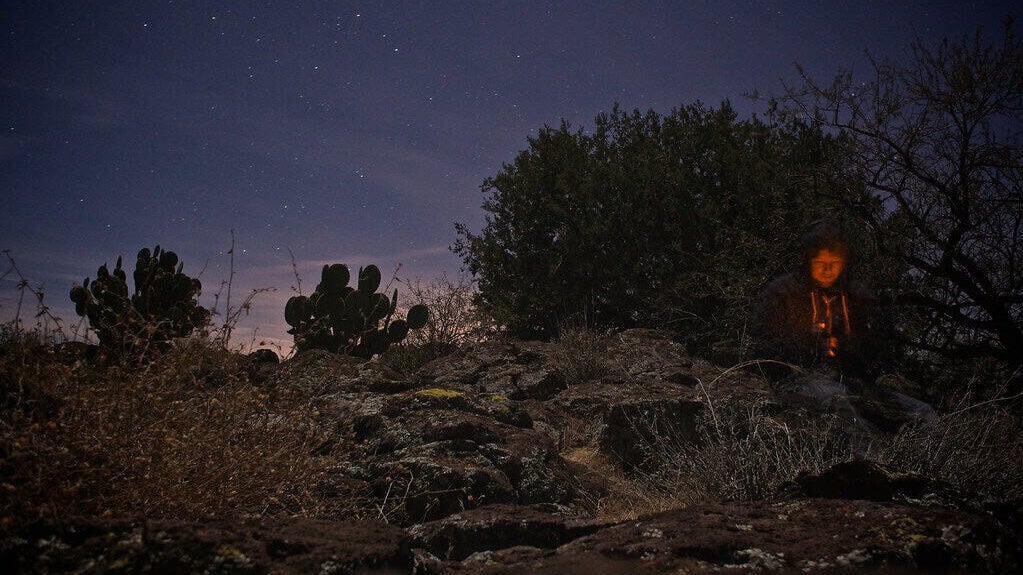
For those interested in discovering Arizona’s under-rock worlds firsthand, responsible exploration is essential. Always lift rocks carefully, using gloves for protection and replacing them exactly as you found them after observation. This minimizes habitat disruption and preserves the microclimate that supports the creatures living there. Photographing discoveries rather than collecting specimens allows others to enjoy these creatures while leaving them in their natural environment. Remember that collecting living organisms or artifacts may be illegal, particularly in protected areas like national parks and monuments.
Consider joining guided hikes led by naturalists who can help identify species and explain their ecological roles while ensuring minimal impact on fragile habitats. Night hikes with UV flashlights can reveal scorpions glowing on rock surfaces—a spectacular sight that doesn’t require disturbing their daytime refuges. Citizen science programs like iNaturalist allow casual observers to contribute valuable data about species distributions while learning from other nature enthusiasts. Educational programs at facilities like the Arizona-Sonora Desert Museum offer opportunities to learn about desert ecology in controlled settings where specimens are displayed with proper permits. Whatever approach you choose, maintaining a respectful distance from potentially dangerous species and practicing leave-no-trace ethics ensures these hidden worlds remain intact for future generations to discover and appreciate.
The rocks of Arizona conceal multitudes—from microscopic bacteria to venomous predators, from ancient human artifacts to glittering mineral treasures. These hidden worlds represent the remarkable adaptability of life in one of North America’s most challenging environments, where finding shelter from extreme temperatures and conserving precious moisture can mean the difference between survival and death. The complex ecological relationships playing out beneath Arizona’s rocks have evolved over millions of years, creating resilient systems that support an astonishing diversity of species despite harsh desert conditions. As we continue to study and appreciate these often-overlooked microhabitats, we gain not only scientific knowledge but also a deeper connection to the subtle wonders of the natural world.

- How Sustainable Farming Protects Wildlife in Tea Regions - July 21, 2026
- Why So Many Marine Animals Are Bioluminescent - July 21, 2026
- Wildlife Mysteries That Took Decades to Solve - July 21, 2026