


Swimming alongside dolphins in their natural habitat is an extraordinary experience that creates lasting memories. The opportunity to share the water with these intelligent, playful marine mammals offers a connection to nature that few other wildlife encounters can match. However, responsible dolphin encounters require careful consideration of locations, ethical practices, and proper preparation. This comprehensive guide explores the best destinations worldwide where you can ethically swim with wild dolphins, highlighting the importance of respecting these magnificent creatures in their natural environment.
Understanding Wild Dolphin Encounters
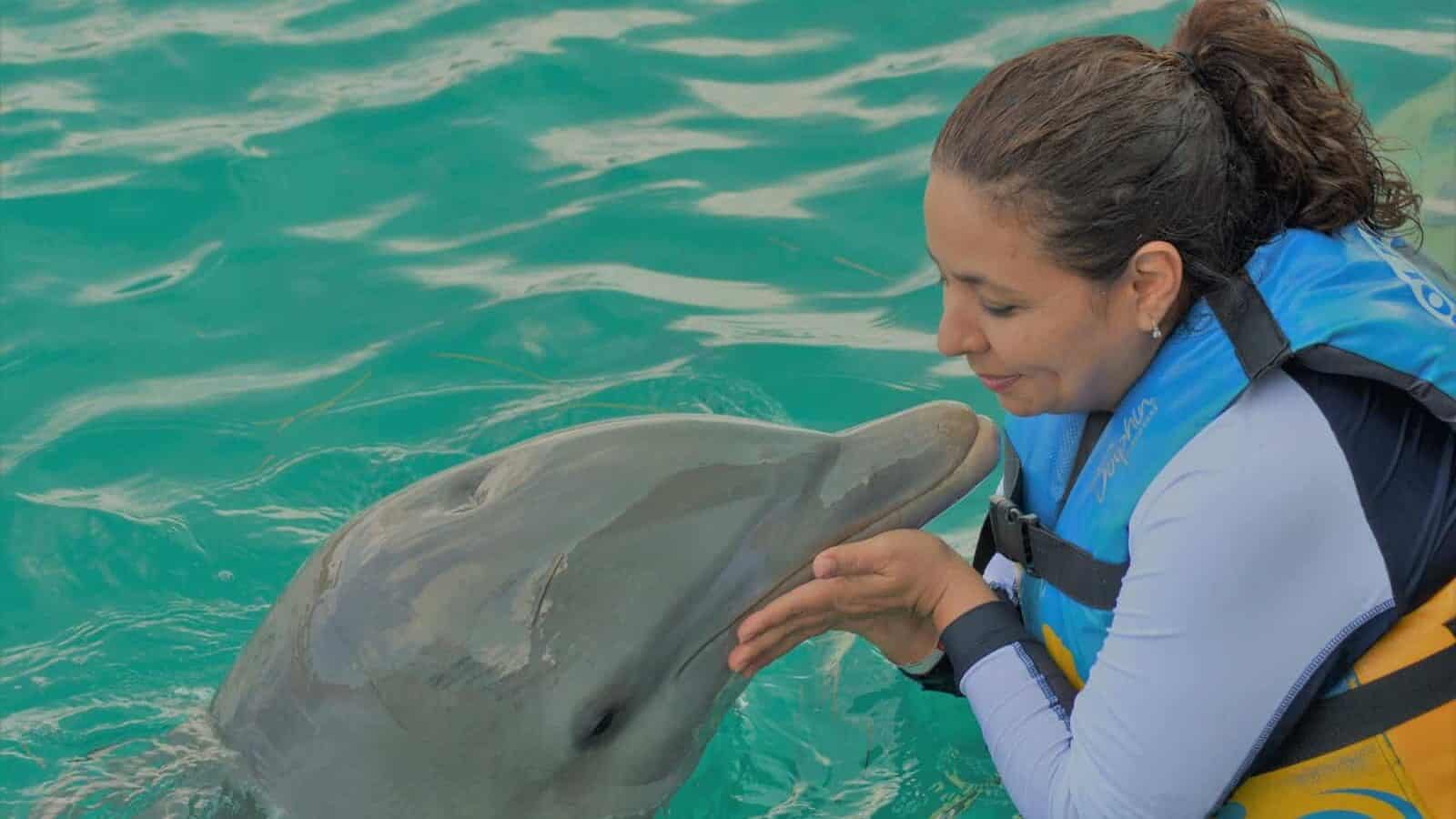
Unlike captive dolphin experiences, swimming with wild dolphins occurs on their terms. These encounters happen in the dolphins’ natural habitat where they maintain their natural behaviors and social structures. Wild dolphin swims are unpredictable—there’s never a guarantee of an interaction, as these are free-ranging animals that choose whether to approach humans. This unpredictability is part of what makes these encounters so special and meaningful. Ethical wild dolphin tours prioritize observation over interaction, maintaining appropriate distances and allowing dolphins to initiate any closer contact. These principles ensure the activity remains sustainable and non-disruptive to dolphin populations while still providing swimmers with authentic experiences.
The Hawaiian Islands: Spinner Dolphin Paradise
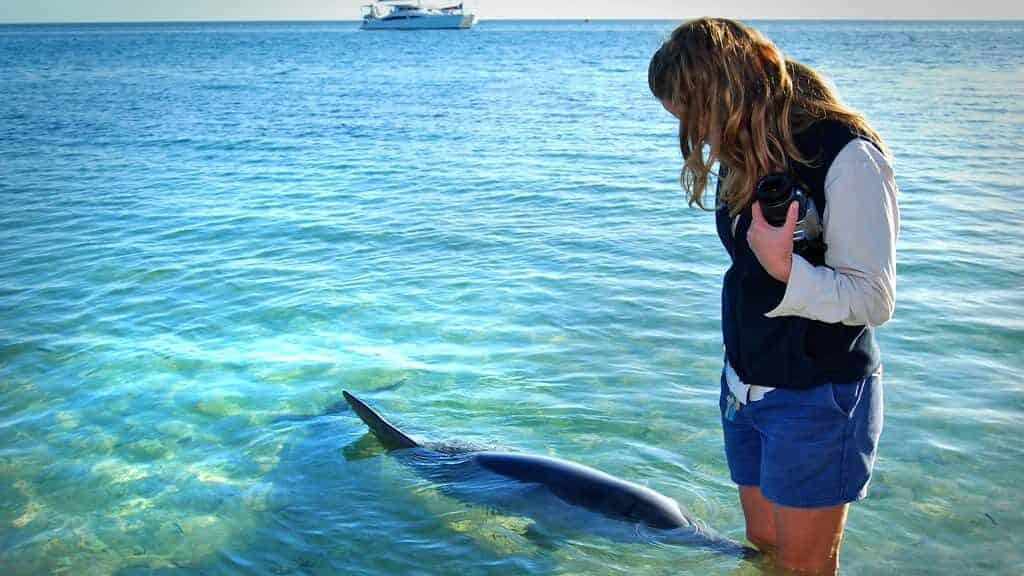
Hawaii stands as one of the world’s premier destinations for wild dolphin encounters, particularly with spinner dolphins (Stenella longirostris). These acrobatic dolphins are known for their spectacular aerial displays, including multiple rotations when leaping from the water. Kealakekua Bay and Honaunau Bay on the Big Island offer some of the most reliable spinner dolphin encounters. The dolphins typically rest in these sheltered bays during daylight hours after feeding offshore at night. Maui’s La Perouse Bay and Oahu’s Waianae Coast also provide opportunities for dolphin swims. However, it’s crucial to note that NOAA regulations in Hawaii prohibit swimming with dolphins within 50 yards, and recent regulations have further restricted activities during dolphin resting hours to protect these populations. Responsible tour operators follow these guidelines while still providing memorable viewing opportunities.
The Azores: Atlantic Dolphin Diversity
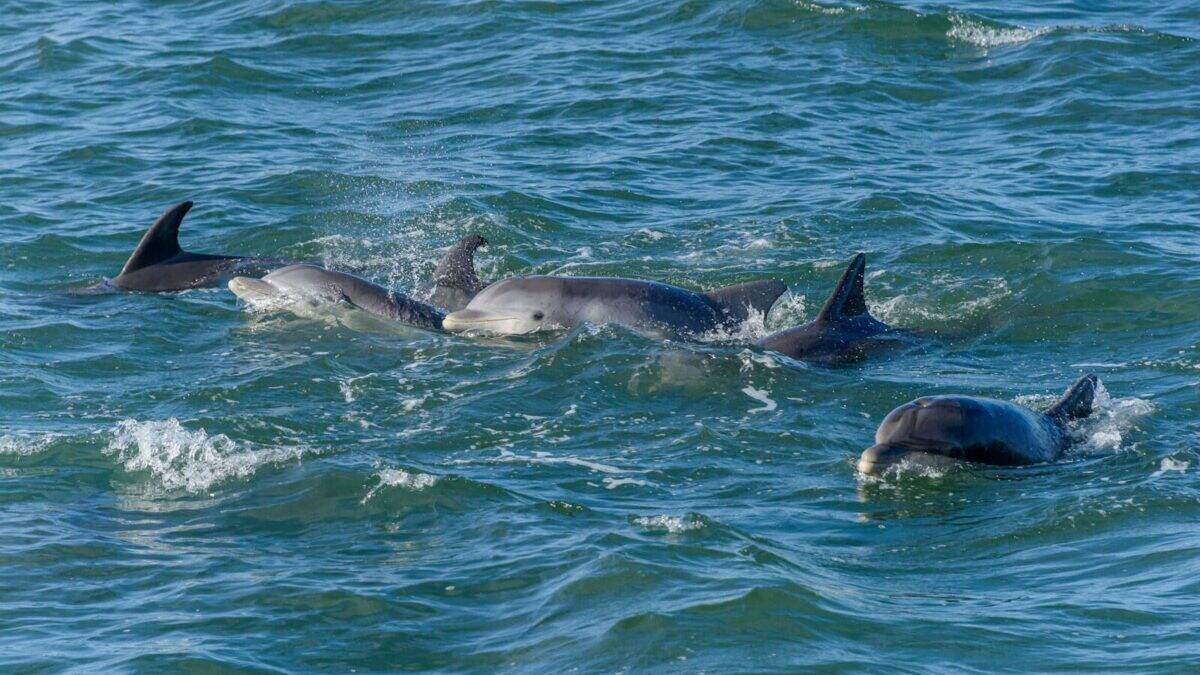
The Azores archipelago, located in the mid-Atlantic about 950 miles west of Portugal, represents one of Europe’s premier destinations for wild dolphin encounters. These volcanic islands sit in nutrient-rich waters that attract an impressive diversity of cetaceans. Common dolphins, bottlenose dolphins, Risso’s dolphins, and spotted dolphins frequently inhabit these waters, sometimes forming pods of hundreds. The best dolphin swimming opportunities exist from May through October when water conditions are optimal. The islands of Pico and Faial serve as the main departure points for dolphin excursions. The Azores government strictly regulates marine mammal tourism, limiting the number of boats and swimmers around dolphin pods and requiring licensed guides, ensuring these encounters remain sustainable and minimally invasive to the animals.
The Bahamas: Crystal Clear Encounters
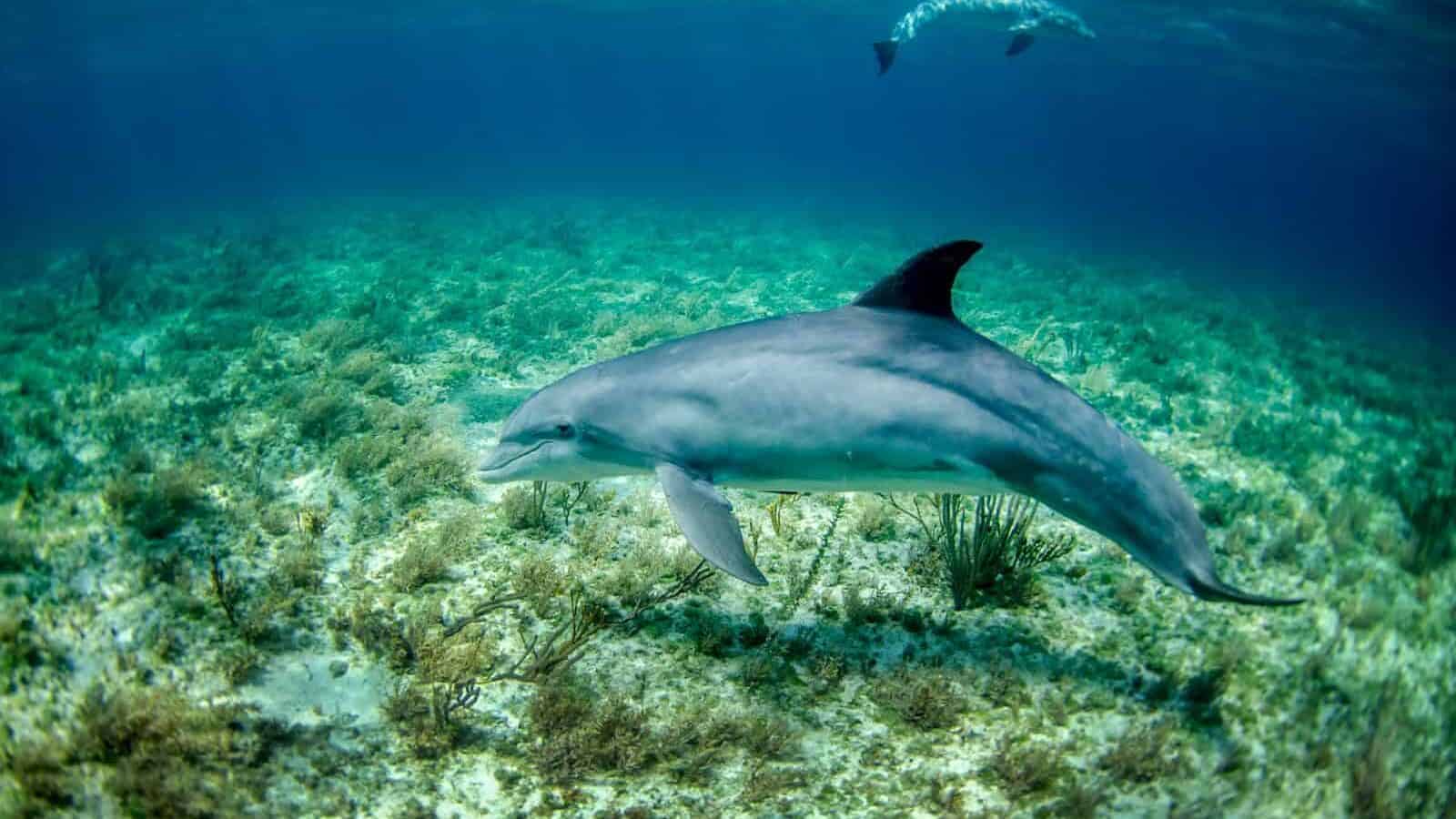
The Bahamas offers some of the world’s most pristine conditions for wild dolphin encounters, particularly around the islands of Bimini, Grand Bahama, and the Little Bahama Bank. These locations feature crystal-clear waters with visibility often exceeding 100 feet, creating ideal conditions for underwater observation. Two primary dolphin populations make the Bahamas special: resident Atlantic spotted dolphins and bottlenose dolphins. The spotted dolphins of the Bahamas are particularly known for their curiosity and playfulness around humans. These dolphins have been the subject of long-term research since the 1980s, with some individuals recognized and named by researchers for decades. Multi-day live-aboard boat trips provide the most immersive experience, allowing visitors to travel to remote dolphin habitats away from crowded tourist areas and potentially enjoy multiple encounters over several days.
Kaikoura, New Zealand: Dusky Dolphin Encounters
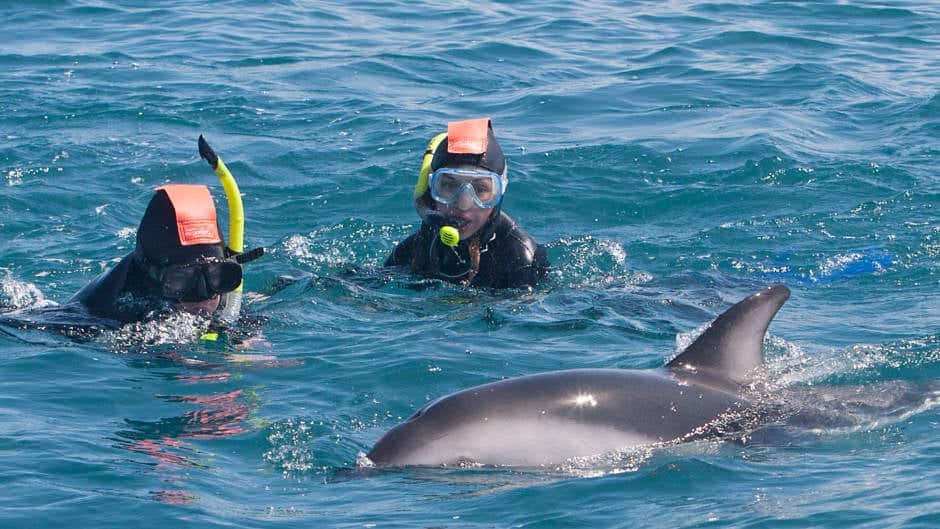
Kaikoura, located on New Zealand’s South Island, offers a unique opportunity to swim with dusky dolphins year-round. This coastal town sits beside a deep underwater canyon that creates an upwelling of nutrients, attracting abundant marine life. Dusky dolphins are particularly active and social, often traveling in pods of hundreds and performing acrobatic displays including backward flips and synchronized jumps. What makes Kaikoura special is the dolphins’ seemingly genuine interest in human interaction. Tour operators in Kaikoura follow strict protocols developed in cooperation with marine biologists to ensure these encounters remain sustainable. The experience typically involves entering the water in small groups while making noise and moving energetically to attract the dolphins’ curiosity. Water temperatures range from 55°F in winter to 68°F in summer, requiring wetsuits year-round, but the exhilaration of swimming among these playful dolphins makes any temporary discomfort worthwhile.
Egypt’s Red Sea: Spinner Dolphin Encounters
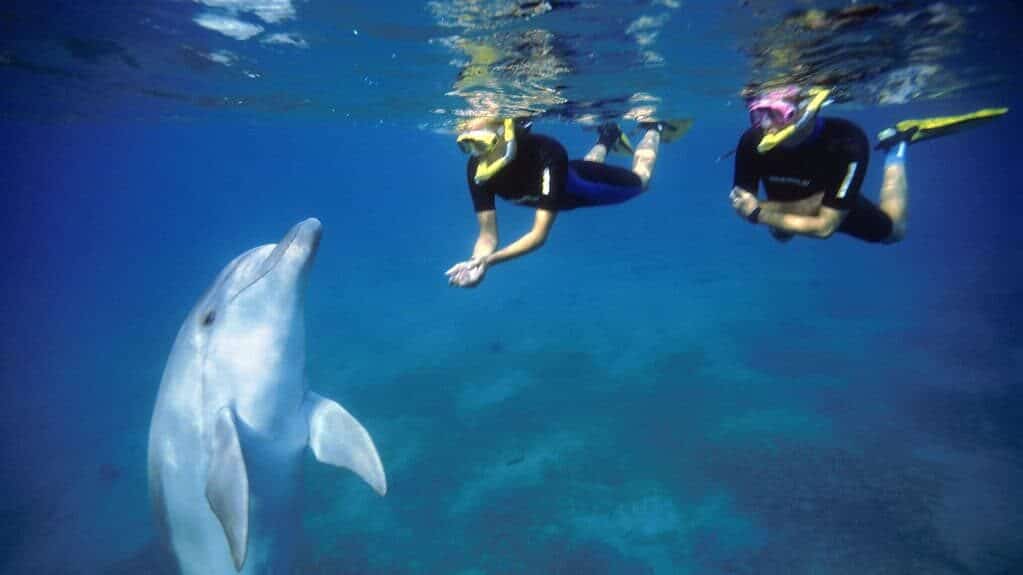
The Red Sea off Egypt’s eastern coast offers exceptional opportunities to swim with dolphins, particularly at Sataya Reef (Dolphin House) and Samadai Reef near Marsa Alam. These sheltered reefs serve as natural resting areas for pods of spinner dolphins that return daily after nighttime feeding in deeper waters. Sataya Reef hosts up to 100 spinner dolphins that use the protected lagoon as a safe haven. Samadai Reef has been designated as a protected marine reserve specifically for dolphin conservation, with strict regulations on visitor numbers and zoning systems that include no-entry areas exclusively for dolphins. The Egyptian government implemented these measures after studies showed dolphin behavior changing due to excessive tourism in the early 2000s. The regulations have successfully balanced tourism with conservation, making these sites models for sustainable wild dolphin interactions. The extraordinary visibility in the Red Sea, often exceeding 100 feet, combined with warm waters ranging from 71-84°F year-round, creates ideal conditions for observing these magnificent animals.
Mozambique: Indian Ocean Dolphin Experiences
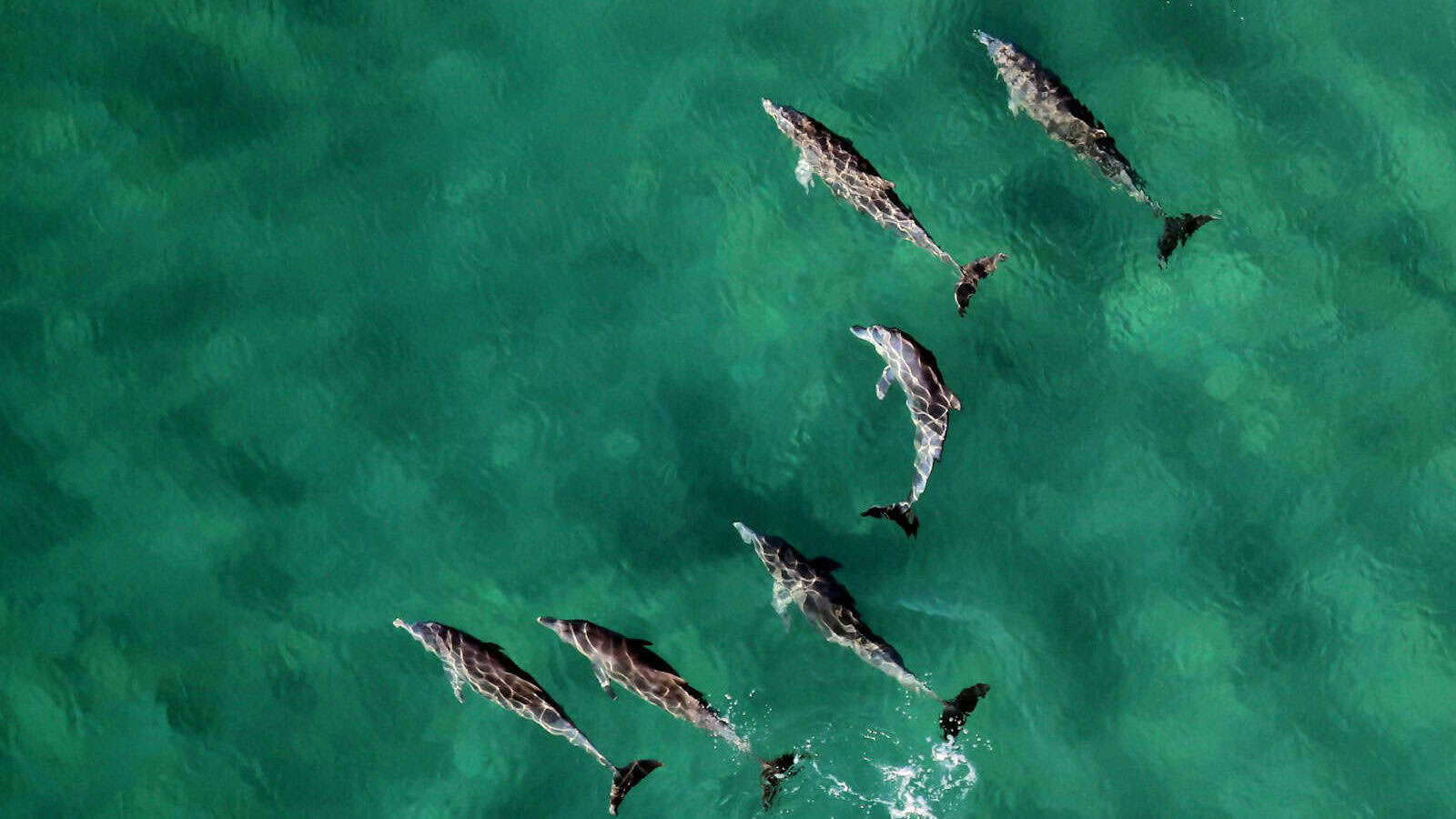
Mozambique’s 1,500-mile coastline along the Indian Ocean provides excellent opportunities for wild dolphin encounters, particularly around Ponta do Ouro and the Bazaruto Archipelago. These waters host several dolphin species, including bottlenose, humpback, and spinner dolphins. Ponta do Ouro, near the South African border, has established itself as a premier dolphin swim destination with a focus on conservation. Local operators adhere to strict guidelines developed with marine biologists to minimize impact on dolphin behavior. The Bazaruto Archipelago further north offers encounters with dolphins in a pristine marine environment that forms part of the largest marine protected area in Africa. The best time for dolphin encounters is during the dry season from May to November when water visibility improves dramatically. What makes Mozambique special is the combination of dolphin encounters with other marine life including manta rays, whale sharks, and humpback whales (in season), creating a comprehensive marine wildlife experience.
Port Stephens, Australia: Bottlenose Dolphin Haven
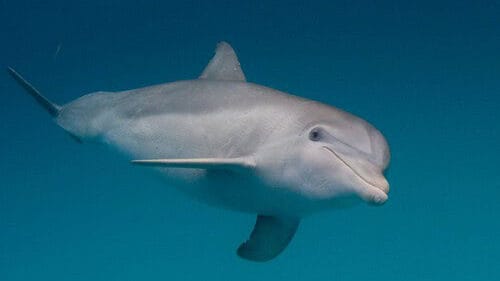
Port Stephens in New South Wales hosts Australia’s largest stable population of Indo-Pacific bottlenose dolphins, with approximately 160 resident dolphins inhabiting its sheltered bay. This population has become well-habituated to respectful human presence, creating reliable swimming opportunities. Conservation efforts in Port Stephens have been exemplary, with strict regulations limiting the number of daily swims, maintaining minimum approach distances, and capping the number of swimmers in the water at any time. Operators use a “boom net” system where swimmers hold onto a net towed behind the boat in dolphin territory, allowing the dolphins to approach the swimmers on their terms. This method has proven less invasive than direct swimming approaches while still creating meaningful encounters. The bay’s protected waters create ideal conditions year-round, though the Australian summer (December-February) offers warmer water temperatures. Port Stephens combines accessibility with responsible practices, making it ideal for families and first-time dolphin swimmers.
Ethical Considerations for Dolphin Swims
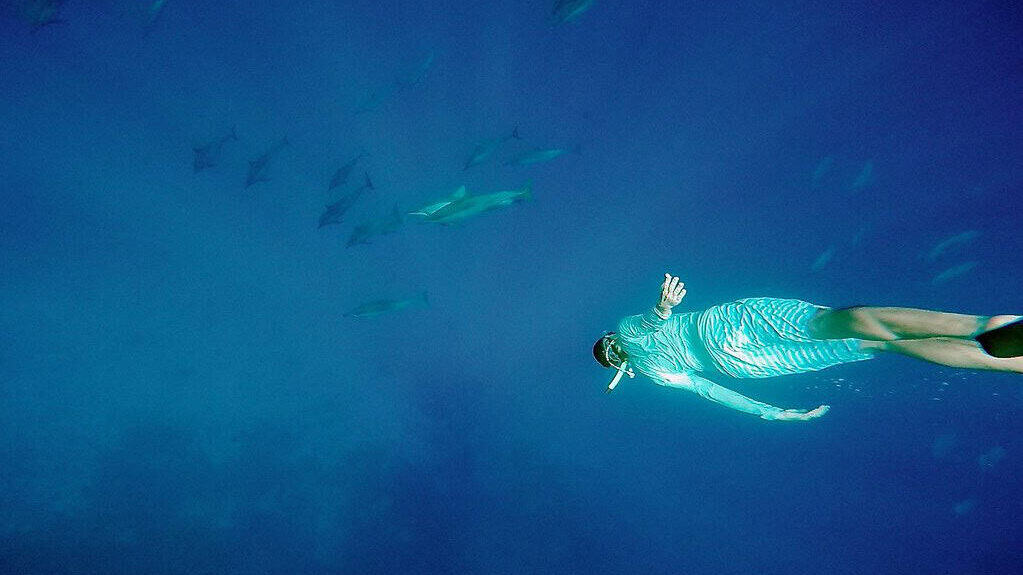
Swimming with wild dolphins carries significant ethical considerations that responsible travelers should understand before booking any experience. First and foremost, dolphins are wild animals with their own natural behaviors, social structures, and needs—not tourist attractions. Numerous scientific studies have documented the potential negative impacts of poorly managed tourism on dolphin populations, including disruption of crucial resting periods, feeding behaviors, and reproductive activities. Ethical dolphin encounters follow strict protocols: maintaining appropriate distances (usually minimum 50 yards until dolphins approach on their own), limiting swimming time per encounter (typically 15-30 minutes), restricting swimmer numbers, prohibiting touching or feeding, and avoiding separating mothers from calves. Responsible operators prioritize education about dolphin conservation and employ experienced guides, often with marine biology backgrounds. They also contribute to research and conservation efforts. Before booking, travelers should research operators thoroughly, looking for those affiliated with conservation organizations and adhering to recognized guidelines like those from the World Cetacean Alliance or local marine protected area regulations.
Preparation for Wild Dolphin Swims
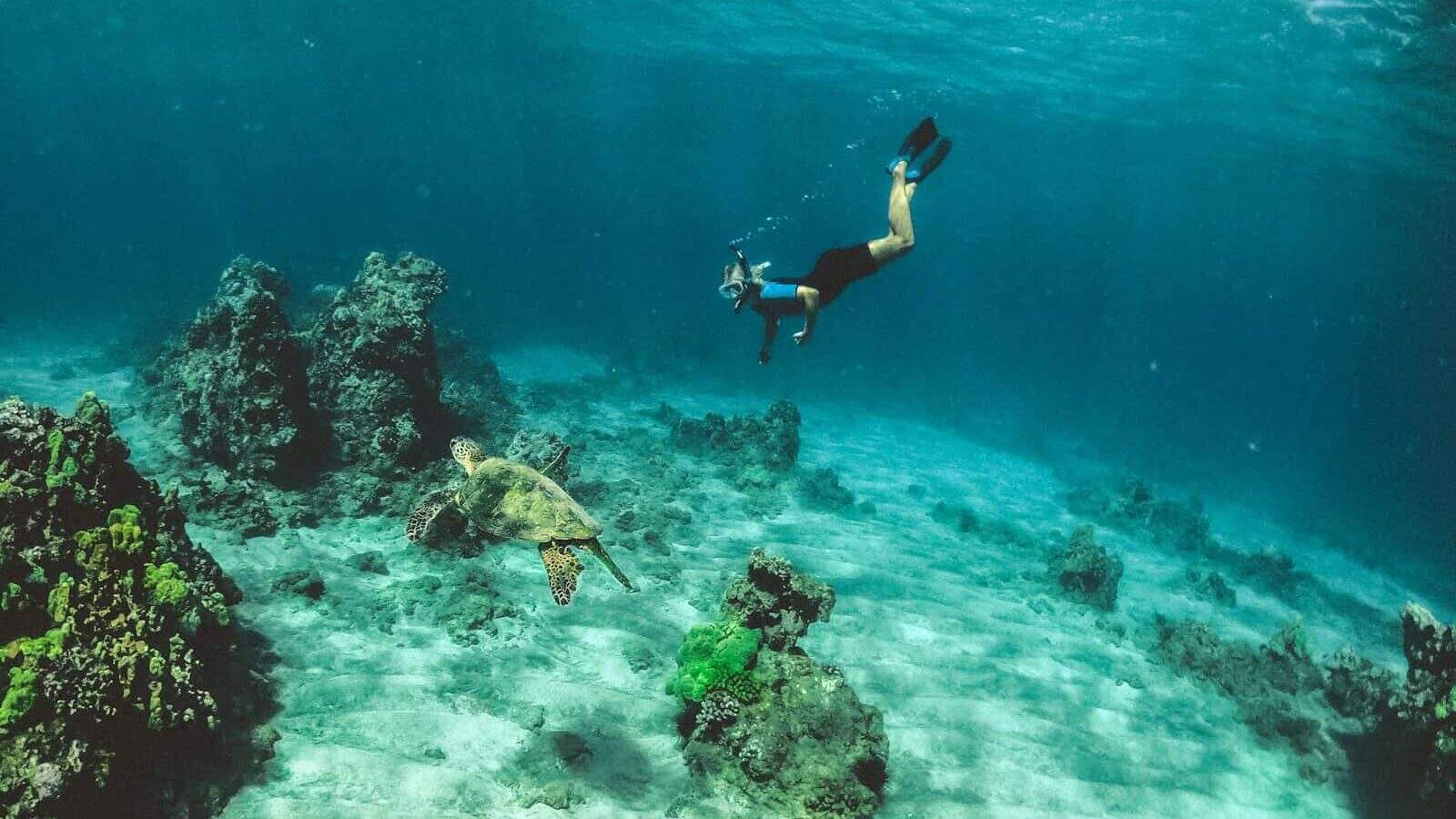
Proper preparation significantly enhances the quality and safety of wild dolphin encounters. Swimming comfort and proficiency are essential prerequisites—participants should be confident swimmers capable of staying afloat in occasionally challenging open-water conditions without disturbing marine life. Snorkeling skills, particularly proper mask clearing and efficient finning techniques, allow for better underwater observation while conserving energy. Physical fitness matters too, as dolphin swims often involve quickly entering water from boats and potentially swimming against currents. Equipment needs typically include a well-fitting mask, snorkel, fins, and wetsuit appropriate for local water temperatures. Many operators provide this equipment, but personal gear ensures proper fit and comfort. Participants should practice using equipment before the trip. Understanding basic dolphin behavior enhances the experience—knowing that rapid movements and splashing may frighten dolphins while calm, horizontal swimming may encourage curiosity. Listening carefully to guides’ briefings about local protocols and dolphin behavior patterns maximizes chances for positive interactions while minimizing environmental impact.
Understanding Dolphin Behavior During Encounters
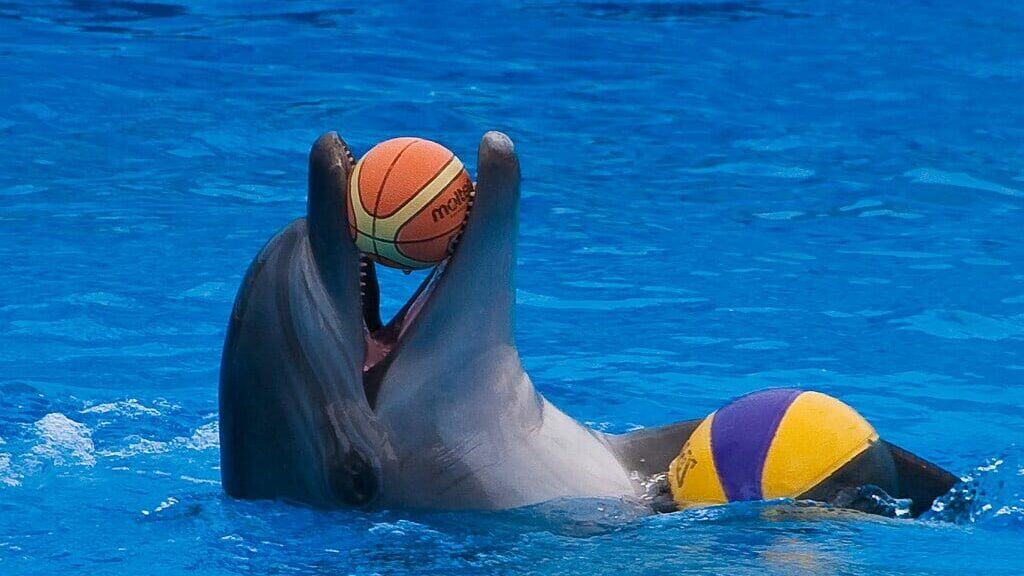
Wild dolphin behavior during human encounters varies considerably based on species, location, time of day, and individual dolphin personality. Recognizing these behaviors helps swimmers understand when interactions are welcome and when dolphins prefer space. Curious dolphins often approach swimmers directly, swim in circles around them, or position themselves to make eye contact. These behaviors indicate interest and provide the most meaningful encounter opportunities. Playful dolphins may engage in behaviors like swimming upside down near humans, bringing objects like seaweed to swimmers, or mimicking human movements—all positive signs of engagement. Conversely, behaviors like tail slapping, rapid directional changes, extended diving, or moving away from swimmers indicate discomfort or disinterest. Responsible swimmers should recognize these signs and give dolphins space accordingly. Dolphins also communicate extensively through body language and vocalizations. Arched postures or open-mouth displays signal aggression or irritation and require immediate distancing. Understanding that dolphins have distinct “activity periods” throughout the day for socializing, feeding, traveling, and resting helps visitors time encounters appropriately, avoiding disruption of critical behaviors like resting, which typically occurs during daylight hours for many species.
Beyond Swimming: Alternative Ethical Dolphin Experiences
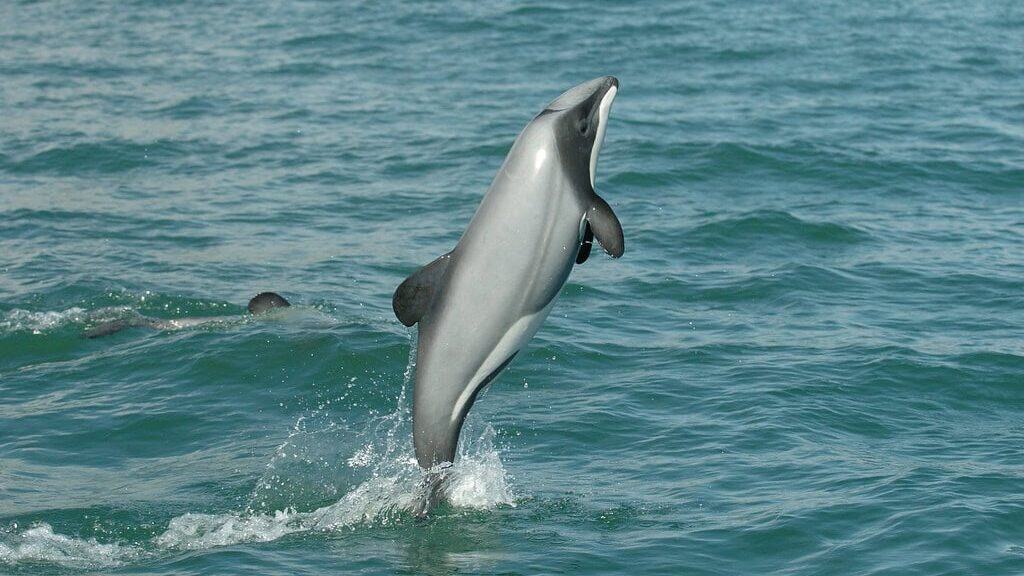
For travelers who want to experience dolphins without swimming, numerous ethical alternatives provide meaningful encounters. Responsible dolphin watching from boats remains the most accessible option, with specialized tours operating in coastal areas worldwide. The best tours maintain appropriate distances, limit viewing time, cut engines when near dolphins, and approach parallel rather than head-on. Land-based dolphin watching from strategic coastal viewpoints offers a zero-impact alternative in locations like Scotland’s Moray Firth, New Zealand’s Kaikoura Peninsula, or California’s Point Reyes, where dolphins predictably visit near-shore waters. Citizen science programs like the Dolphin Research Center’s field projects in Florida or the Sarasota Dolphin Research Program allow visitors to participate in actual dolphin research alongside scientists, contributing to conservation while learning about dolphins in-depth. For those seeking immersive experiences beyond observation, specialized photography workshops teach techniques for capturing dolphin behavior while adhering to ethical guidelines. These alternatives provide profound connections with dolphins while sometimes offering even better observation opportunities than in-water encounters, all with minimal wildlife disturbance.
Swimming with wild dolphins represents one of the most profound wildlife experiences available, creating connections between humans and the marine environment that can inspire lasting conservation commitment. The destinations highlighted in this guide offer ethical opportunities to encounter dolphins in their natural habitat while prioritizing their welfare. As travelers, our responsibility extends beyond simply following guidelines during the encounter—it includes carefully selecting operators committed to dolphin conservation, preparing properly to minimize our impact, and sharing our experiences in ways that promote responsible practices. The future of wild dolphin swim experiences depends entirely on maintaining their sustainability through respectful human behavior and science-based management. By approaching these encounters with respect, patience, and knowledge, we can ensure that both dolphins and humans benefit from these extraordinary interactions for generations to come.

- Why Male Frogs Inflate Their Throats to Attract Mates - July 20, 2026
- Rare Species That Survive in Northern California Mountains - July 20, 2026
- How to Create a Bee-Friendly Backyard This Spring - July 20, 2026