
Worried about unexpected vet bills?
Pet insurance can cover thousands in unexpected vet costs. Get a free quote from Lemonade in under 2 minutes.
Get My Free Quote →Sponsored · Opens Lemonade.com
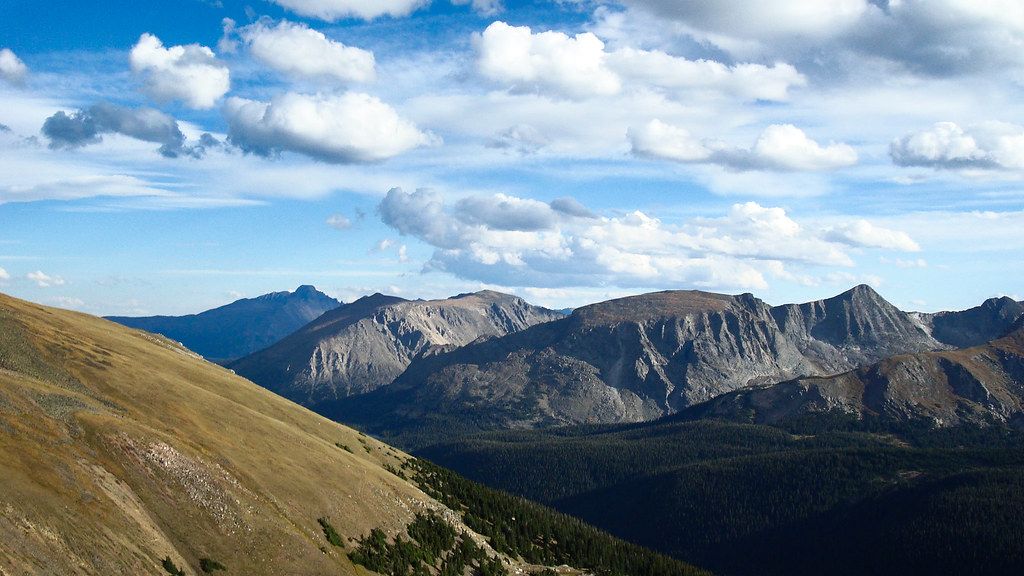
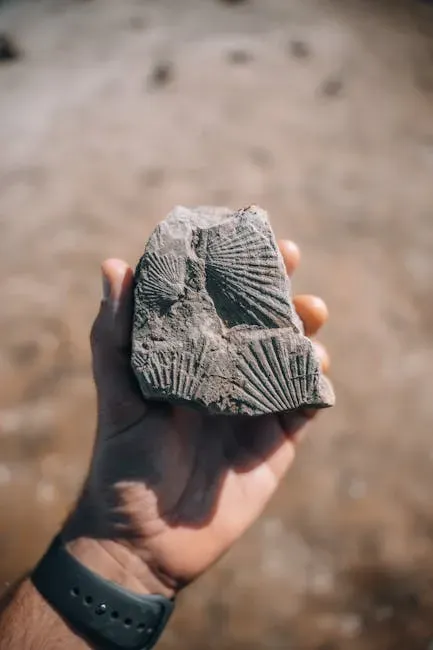
Pick up a piece of limestone along a trail in Colorado or Montana, look closely, and you might notice something that stops you in your tracks: the unmistakable curve of a shell, pressed into rock nearly two miles above sea level. It’s not a trick of light or an overactive imagination. Fossils in the Rocky Mountains can be unexpected, since sea creatures don’t typically live at seven thousand feet. Yet that’s exactly what you can find if you look closely enough.
Centuries ago, scholars puzzled over how seashells could wind up on the tops of mountains. Fossil seashells are now recognized as the remains of ancient sea floors raised to high altitudes by mountain building. The story behind this is one of the most breathtaking chapters in Earth’s long biography, one written in stone over hundreds of millions of years.
North America Was Once Split in Two by an Inland Sea
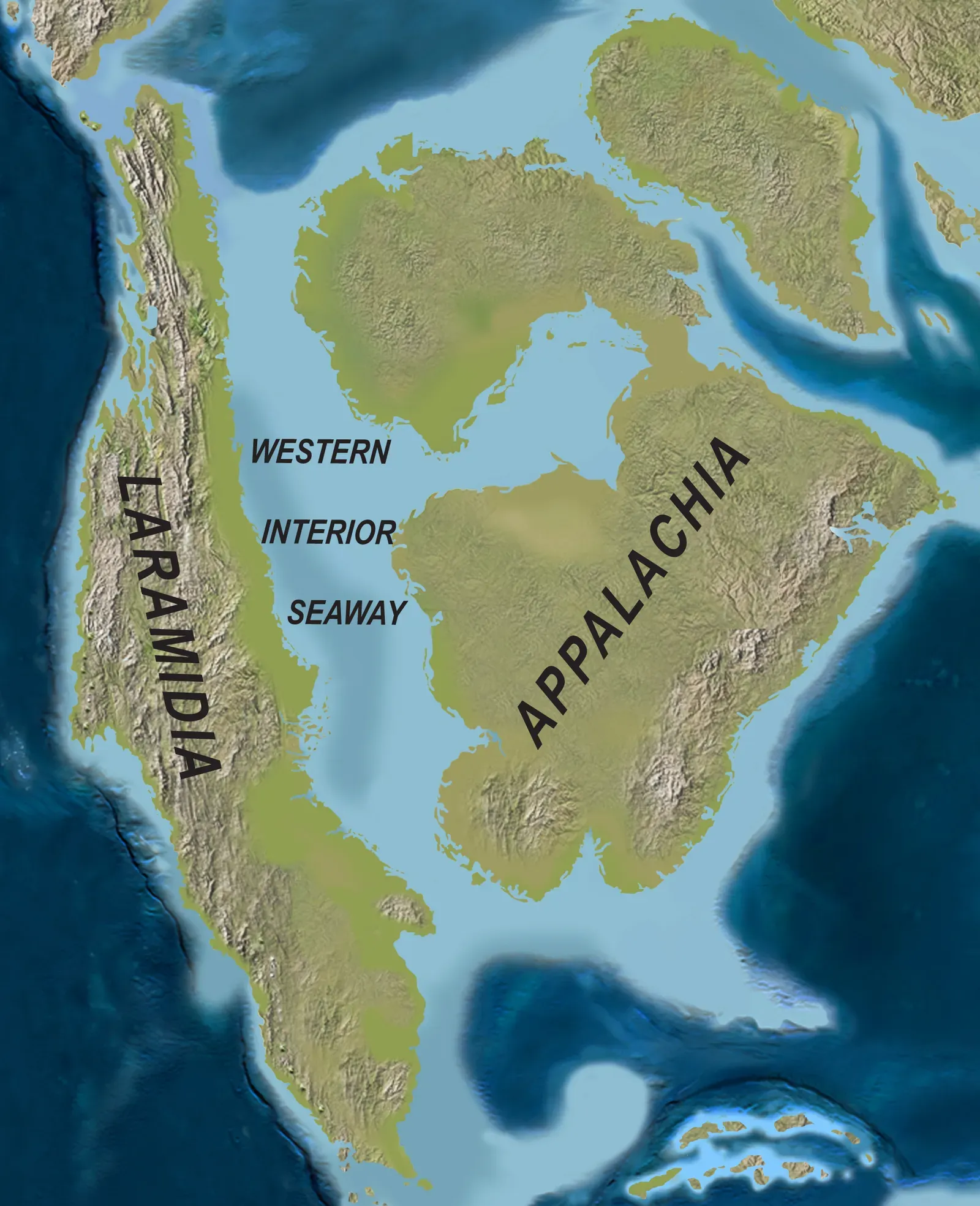
Long before the Rocky Mountains existed in their current form, a vast body of water dominated the interior of the continent. The Western Interior Seaway was a large inland sea that existed roughly over the present-day Great Plains of North America, splitting the continent into two landmasses known as Laramidia to the west and Appalachia to the east.
This ancient sea existed for approximately 34 million years, from the early Late Cretaceous around 100 million years ago to the earliest Paleocene, around 66 million years ago, connecting the Gulf of Mexico to the Arctic Ocean. It was not a deep, dark abyss, either. Water depths were shallow compared to modern oceans, generally a few hundred feet at most, which made the seaway warm, sunlit, and biologically productive.
At its largest extent, the seaway was roughly 760 meters deep, nearly 1,000 kilometers wide, and over 3,200 kilometers long. This was a thriving, warm, tropical inland ocean sitting right in the middle of what would one day become the American heartland.
The Ancient Ocean Was Teeming with Life
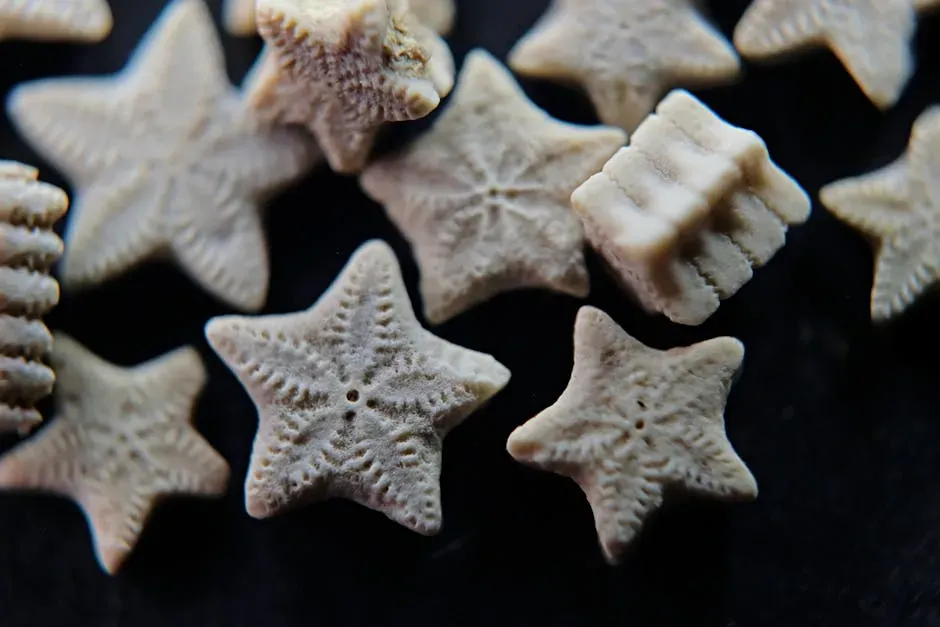
Sea creatures such as trilobites originated up to 350 million years ago when a shallow tropical ocean covered this entire region, and they are ultimately why there are fossils in the Rocky Mountains today. The seaway was far more than just clams and shells on a muddy bottom.
The Western Interior Seaway was a shallow sea filled with abundant marine life, including predatory marine reptiles such as mosasaurs growing up to 18 meters long, ichthyosaurs, and plesiosaurs, along with sharks and advanced bony fish. Even the bottom was rich. On the seafloor, the giant clam Inoceramus left common fossilized shells in what is now called the Pierre Shale, its thick shell paved with prisms of calcite that gave it a pearly luster in life.
Some fossils recovered from the region near the Sangre de Cristo Mountains are almost certainly from the Pennsylvanian, which is what geologists call the period between 320 million and 300 million years ago. Layer upon layer of shells, organisms, and organic material accumulated across this seabed over tens of millions of years, waiting to be pressed into stone.
Plate Tectonics Drove the Sea Floors Skyward
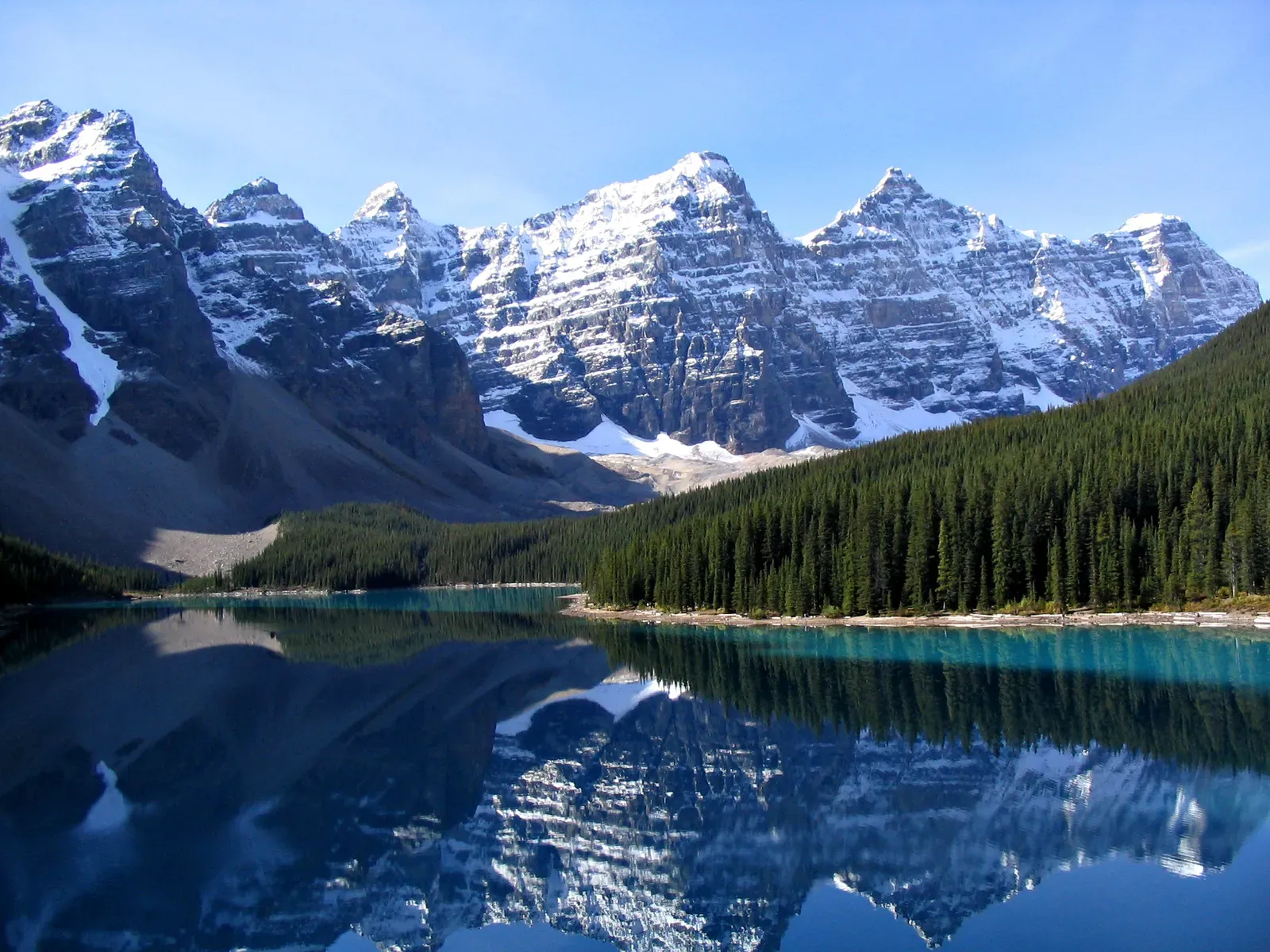
When two plates carrying continental crust collide, neither easily sinks beneath the other because continental rock is buoyant and thick. Instead, the crust crumples and buckles. This process is called orogeny, or mountain building, and it is one of the most powerful geological forces on Earth.
The movement of those plates provided a mechanism, the collision and overlapping of plates pushing Earth’s crust upward over millions of years, by which an ancient seabed could become a mountaintop. In the case of North America, the culprit was a now-vanished oceanic plate sliding beneath the continent from the west.
Geologists attribute the Laramide Orogeny, the mountain-building event that raised the Rockies, to the subduction of the Farallon Plate beneath the North American Plate. This subduction began roughly 160 million years ago, but the Laramide Orogeny only commenced around 80 to 70 million years ago. That slow, grinding collision is what eventually turned seafloor into summit.
The Laramide Orogeny: When Mountains Replaced the Sea
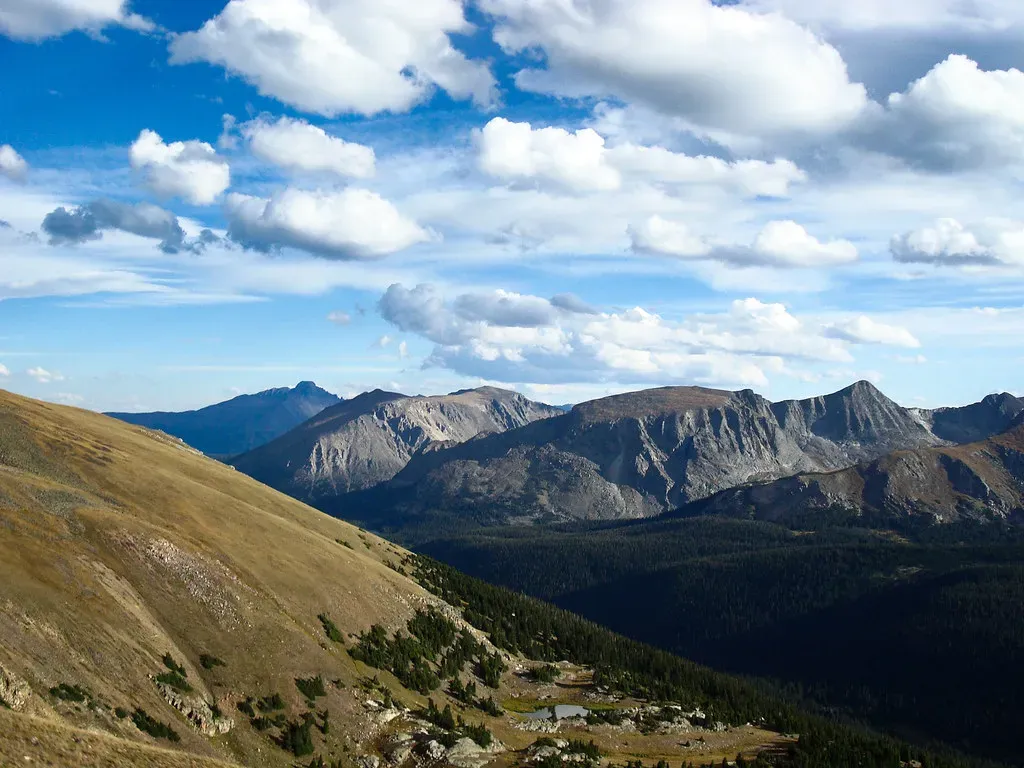
The Laramide Orogeny was a period of mountain building in western North America that started in the Late Cretaceous, roughly 80 to 70 million years ago, and ended between 55 and 35 million years ago. It was a prolonged, restless event rather than a single dramatic moment.
The Laramide Orogeny occurred in the Late Cretaceous and Paleogene periods, about 85 to 55 million years ago, and changed the face of the United States. It was caused when the Farallon plate began subducting at a shallower angle, forming mountains farther inland than would normally be expected above a subduction zone, uplifting the Rocky Mountains in Wyoming, Colorado, and New Mexico.
The second major force was the Laramide Orogeny itself, the mountain-building event that created the Rocky Mountains. The Western Interior Seaway, which had split North America in two, drained away over roughly 20 million years as sea levels dropped and the Rocky Mountains rose. As the land rose, the sea retreated, and everything that had lived on that seafloor was carried upward with the rock.
How Fossils Get Locked Into Mountain Rock
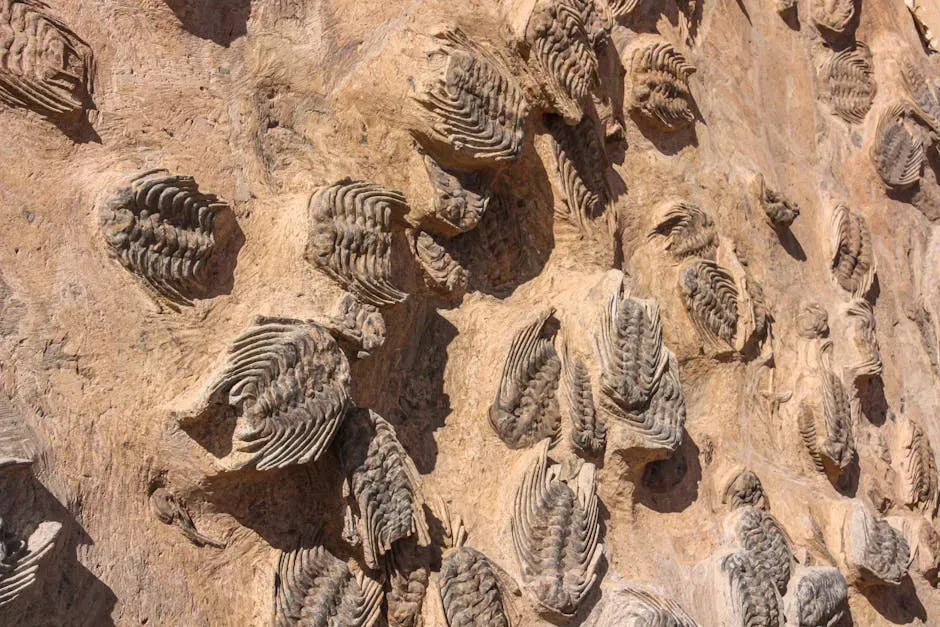
Over time, sediments deposited in ancient oceans become lithified into sedimentary rock, which may contain marine fossils. Through plate tectonics, these rock layers can be uplifted to form mountains, carrying the fossils with them. The process sounds almost impossibly slow, because it genuinely is.
Sedimentary rock is the type most likely to contain fossils. These rocks form in layers from mud, sand, or lime deposited in aquatic environments. When scientists see certain types of sedimentary rock such as limestone, shale, or sandstone at high elevations, they know they’re looking at ancient seafloors.
Millions of years later, the water drained away and forces within the Earth’s crust pushed the rock layer upward, forming mountains. As the mountains formed, weathering and erosion wore away the newer layers, exposing the ancient rock with the seashells. Erosion, in a sense, is what finally brings these fossils to the surface where curious hikers can find them today.
What These Fossils Tell Us About Deep Time
The North American plate was once situated slightly south of the equator, and Montana was a warm, humid environment. It was low-lying at the time, during a period of very high standing sea levels. The world looked almost nothing like it does today.
Marine fossils such as those from Rocky Mountain formations can be found at high altitudes because they were carried there by tectonic forces. The study of these fossils and rock formations provides valuable insight into Earth’s geological and evolutionary history. Each shell is a data point in an immense record of how this planet has rearranged itself.
Even knowing the geological history of the region, it’s always a bit surreal to encounter marine fossils in the same place where mountain goats and pikas now live. That combination of the ancient and the present, sharing the same rocky slope, is quietly astonishing once you understand what it means.
Conclusion
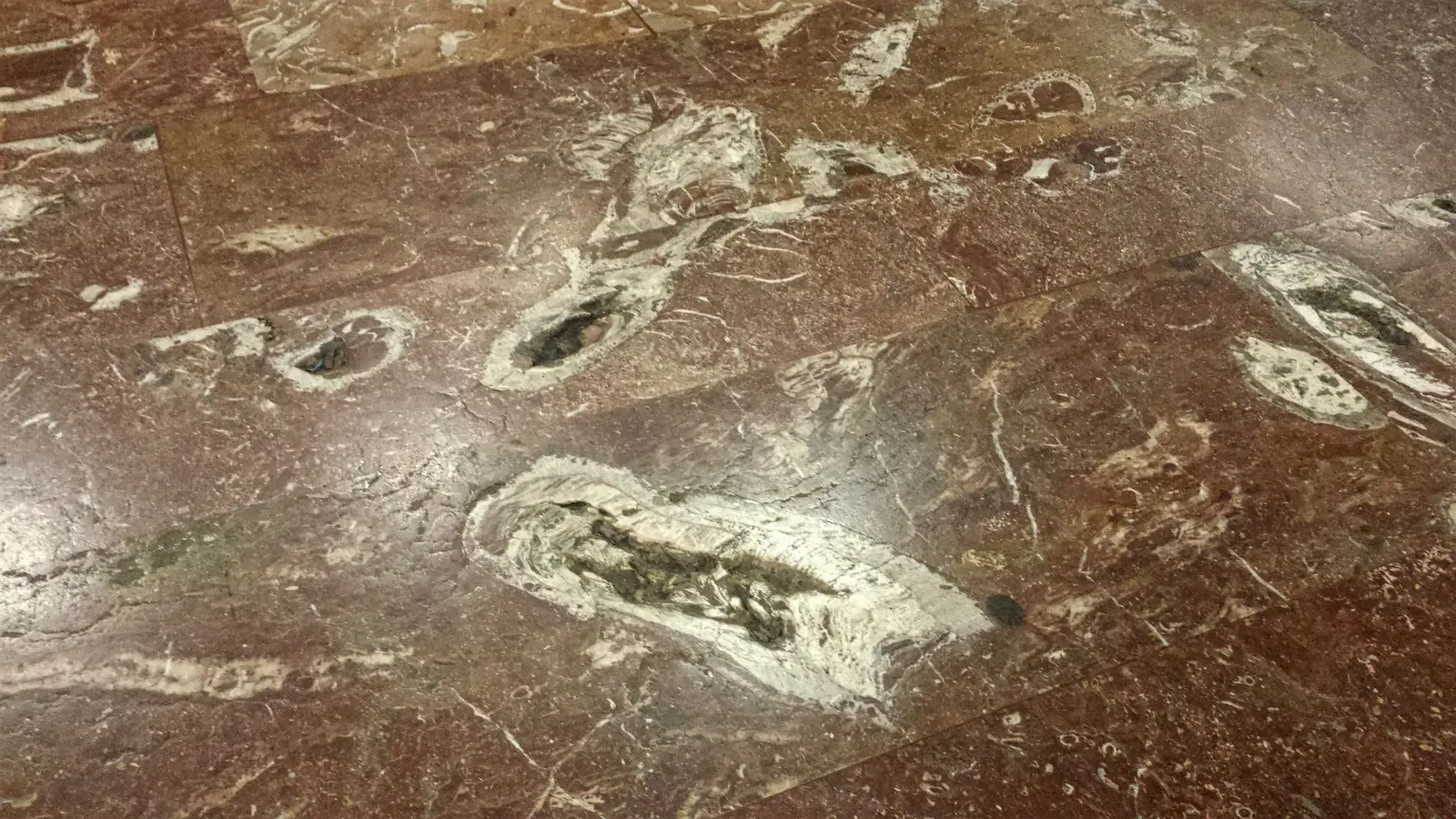
The seashell fossils of the Rocky Mountains are not anomalies or curiosities. They are evidence of a planet that has never been still. The seaway’s seafloor did not vanish. It became the bedrock beneath the Great Plains, and ultimately the bones of the mountains themselves.
The story stretches from a warm tropical sea that covered the American interior, through the slow grinding of tectonic plates, to the gradual rise of some of North America’s most iconic peaks. Getting those fossils from the seabed to the top of a mountain takes millions of years, so long that the fossilized lifeforms preserved there may no longer exist anywhere else in the world.
There is something genuinely humbling about holding a fragment of limestone embedded with an ancient shell, standing at altitude with cold wind at your back, knowing that the ground beneath your feet was once the floor of a tropical inland ocean. The mountains did not erase that past. They carried it upward, grain by grain, and left it there for us to find.
Worried about unexpected vet bills?
Pet insurance can cover thousands in unexpected vet costs. Get a free quote from Lemonade in under 2 minutes.
Get My Free Quote →Sponsored · Opens Lemonade.com
