
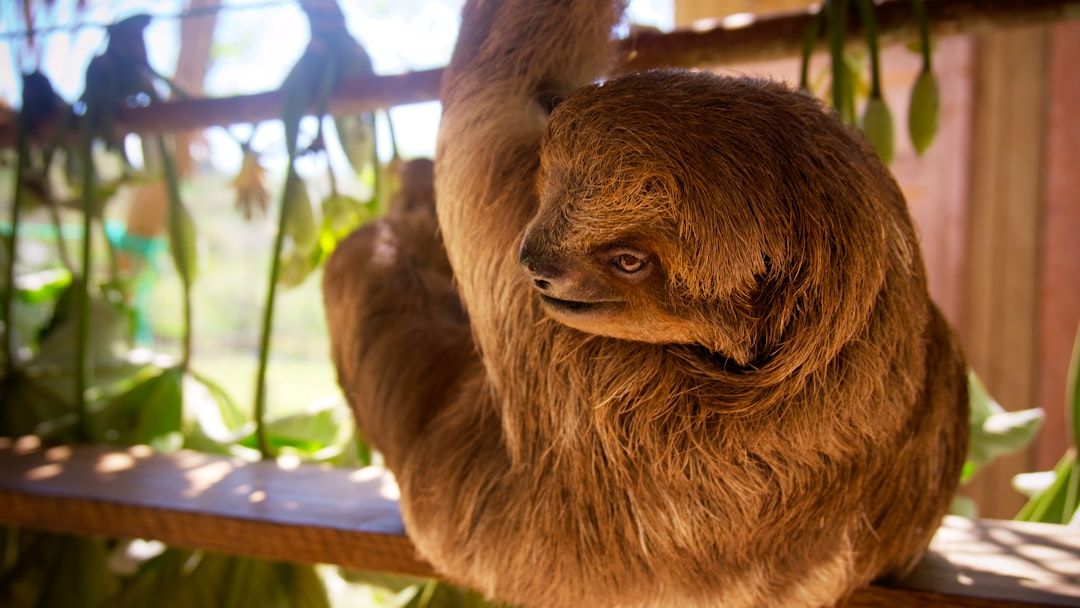
There is something almost hypnotic about watching a sloth move. One , deliberate reach of the arm. A pause. Then another. It looks almost like a creature living in a completely different time zone from the rest of the animal kingdom. Honestly, it can feel both maddening and strangely peaceful all at once.
Most people write sloths off as lazy, dim-witted, and frankly a little ridiculous. The word “sloth” has literally become a synonym for laziness in most languages around the world. Yet here is the twist that should stop you in your tracks: sloths have been surviving on this planet for nearly 64 million years. That is longer than most speed-and-power animals we can name. So maybe the real question is not “?” but rather “why on earth aren’t more animals this ?” Let’s dive in.
The Leaf Diet That Started It All
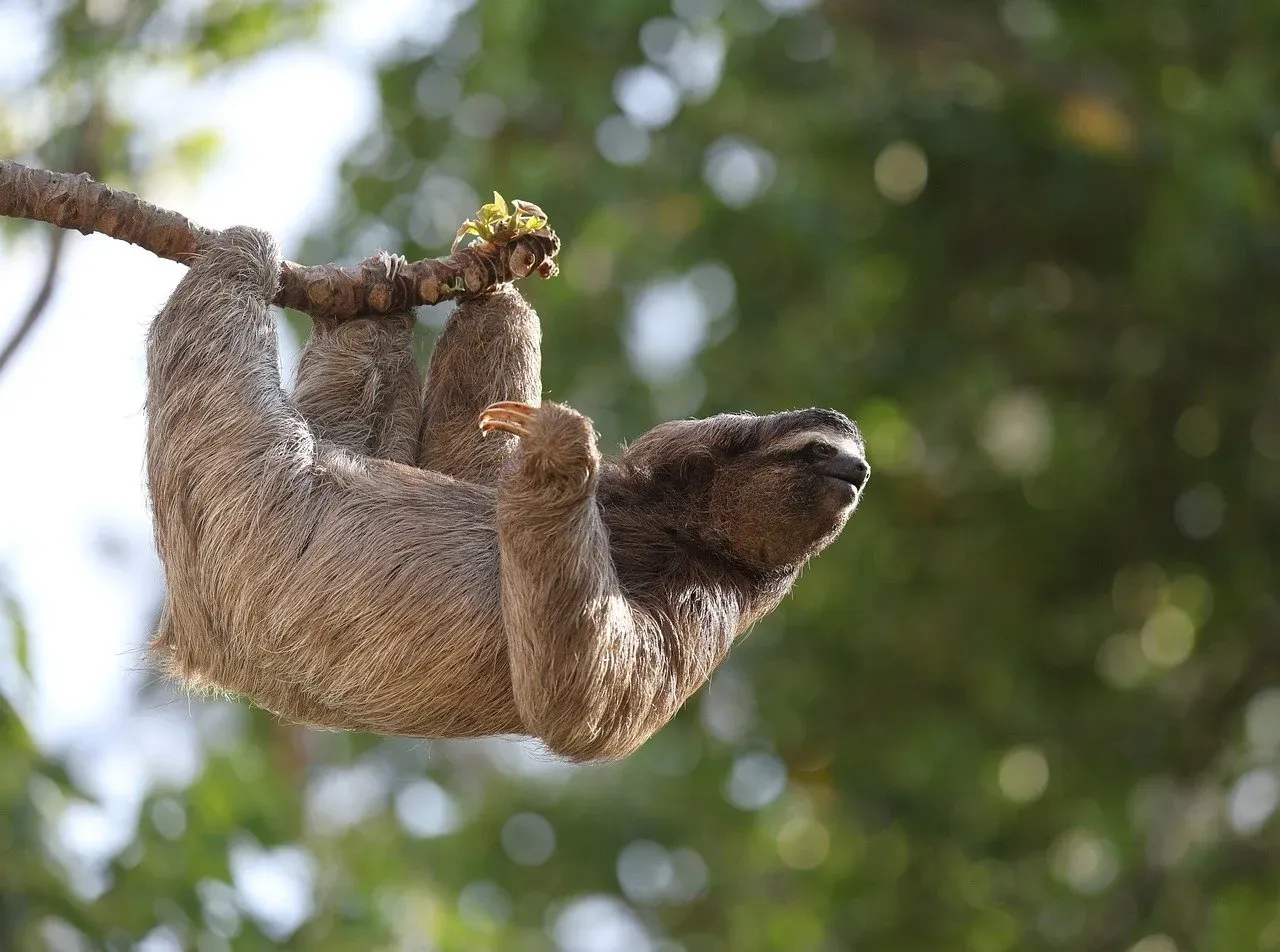
Imagine eating nothing but plain salad leaves, every single day, with zero dressing, zero protein, and basically zero flavor. That is pretty much the sloth’s menu. The ness of sloths is directly attributed to adaptations related to their diet. They depend on leaves, which are poor in nutrients and low in calories, and so their -moving lifestyle, which favors a metabolism, is designed to conserve energy.
Here’s the thing: leaves are about the worst possible fuel source for an active animal. If you ate nothing but salad greens for a week without taking in any fats or protein, you probably wouldn’t have a ton of excess energy either. Likewise, sloths’ diets, which may also include fruits and flower buds, don’t provide much nutrition.
The stomach situation is almost unbelievable. Leaves, the sloth’s main food source, provide very little energy or nutrients and do not digest easily, so sloths have large, -acting, multi-chambered stomachs in which symbiotic bacteria break down the tough leaves. As much as two thirds of a well-fed sloth’s body weight consists of the contents of its stomach, and the digestive process can take a month or more to complete.
The sloth’s four-chambered stomach is constantly full, so more leaves can only be ingested when digested content leaves the stomach and enters the small intestine. Food intake and energy expenditure are likely limited by digestion rate and available room in the stomach. The abdominal contents of a sloth can account for up to roughly a third of their total body mass. Think about that. A third of their body is just lunch.
A Metabolism Unlike Any Other Animal on Earth
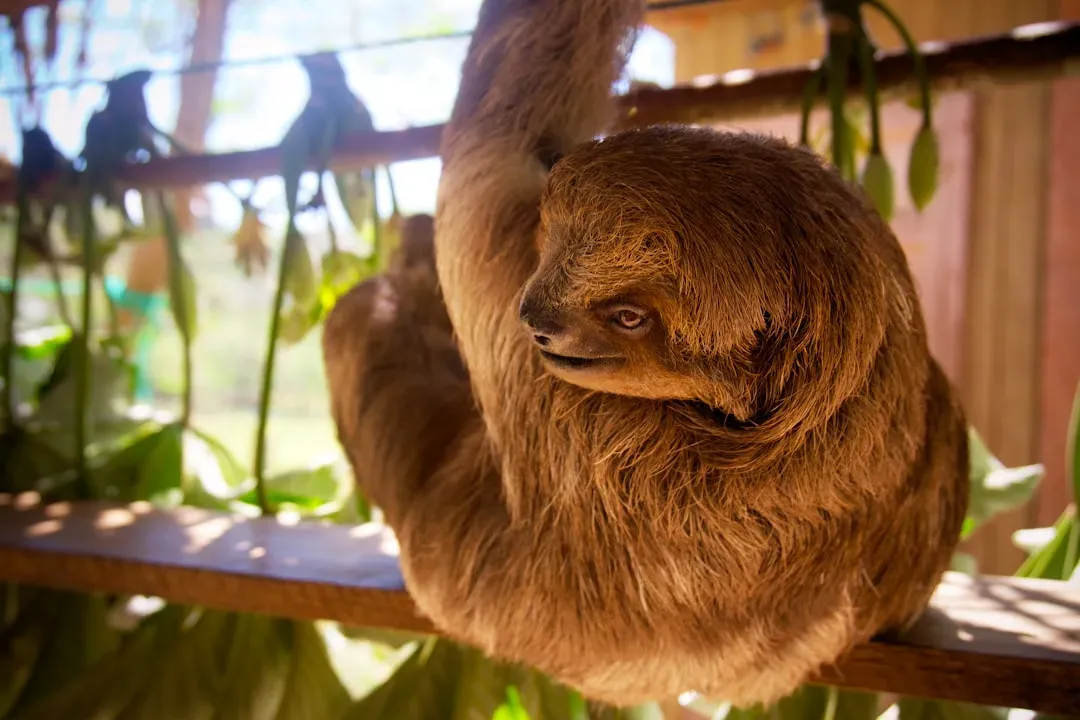
If you thought the diet was extreme, wait until you hear about the sloth’s metabolism. It is genuinely in a category of its own. Sloths have the est metabolism of any non-hibernating mammal, survive on a low-calorie diet, and take approximately one month to digest a single leaf.
Sloths have leafy, low-calorie diets and very metabolisms to match. Their metabolic rate is only about 40 to 45 percent of what would be typical for their body weight. Because of this specialized metabolism, sloths need to be frugal with their energy use, so they move ly and tend not to wander far from their small home ranges.
Let me put that into perspective with a simple analogy. Imagine your car runs on a fuel that barely burns. The only logical solution is to drive as ly as possible and never take long road trips. That is exactly what sloths do, biologically speaking. It can take anywhere from 157 to over 1,000 hours for a sloth to metabolize and excrete a single leaf it eats. This means their energy stores are constantly limited, and they have to be careful to always have enough energy for their next intake of food. The solution is to move ly and restrict activities to a very small home range.
Sloths have also sacrificed the energy-intensive activity of thermoregulation, instead basking in the sun to raise their body temperature or sleeping in the shade to cool down. They even depress their metabolism in hot weather to avoid creating extra heat when they’re trying to stay cool. It’s essentially a full-time energy conservation project.
Poor Eyesight and the Danger of Living in the Treetops
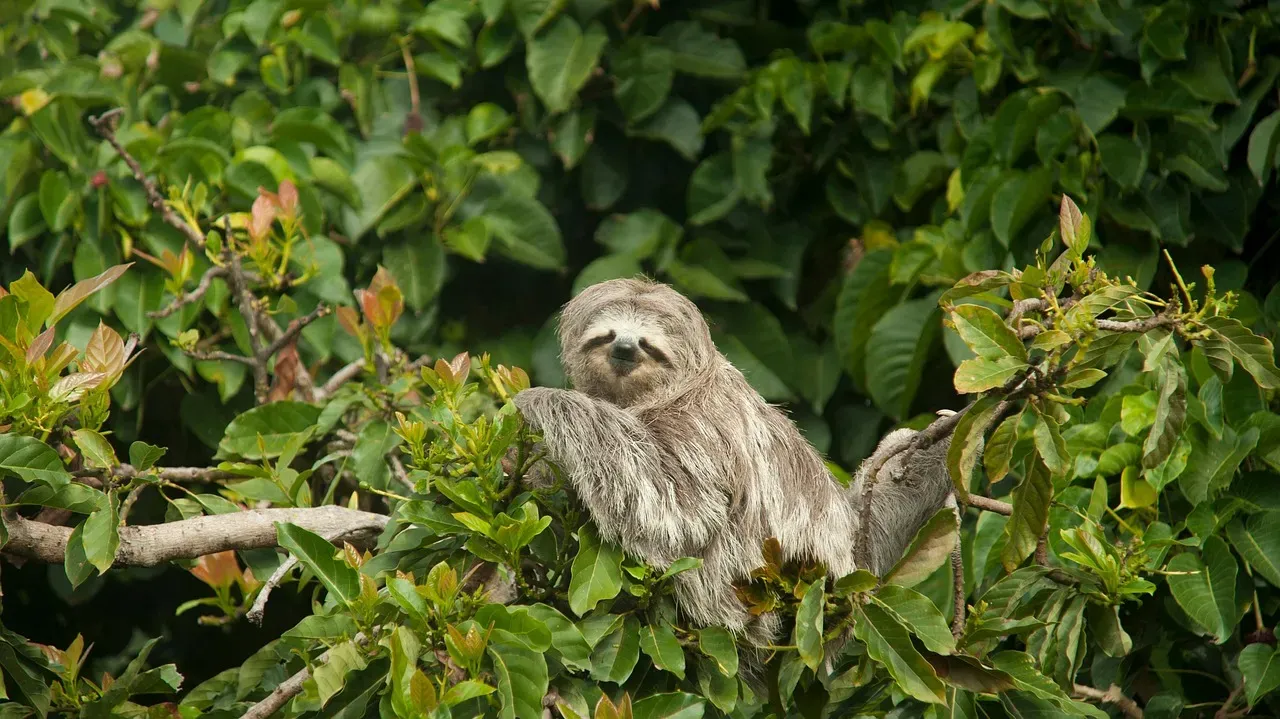
Speed requires confidence. Confidence requires vision. Sloths, it turns out, have neither in generous supply. Research has shown that all sloths have a rare genetic condition called “rod monochromacy,” which means sloths lack the cone cells in their eyes that most other mammals use to see color. This leaves them completely colorblind, only able to see poorly in dim light and completely blind in bright daylight.
I know it sounds crazy, but these animals are essentially navigating the forest canopy while nearly blind. Sloths were originally ground-dwellers, and the sloths we see today only took to the trees quite recently in their evolutionary history. As they were already mostly blind by this point, moving into the trees was a dangerous move. There are not many blind climbers, and those that do usually have remarkable adaptations to cope with the lack of vision. You cannot run around in the trees if you cannot see where you are going. ness was the only option for sloths.
Sloths are extremely flexible and have a strong grip. By moving ly through the trees, they are able to plan their travel route more carefully and lessen the chance that they will fall somewhere dangerous. Think of it like navigating a dark room. You don’t sprint. You feel your way, one careful step at a time.
ness as a Superpower: Hiding in Plain Sight
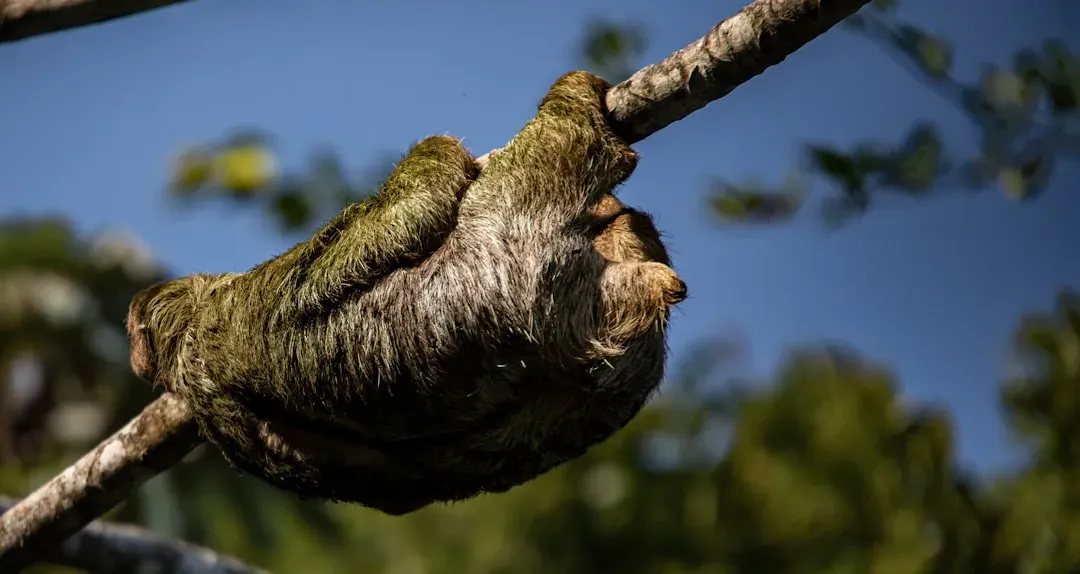
Now here is where things get genuinely fascinating. Being is not just a consequence of poor fuel and bad eyesight. It is actually a masterful survival strategy. The ness of sloths doesn’t attract much attention from predators below, since jaguars and other carnivorous animals are often visual predators that notice movement.
Instead, a sloth’s survival is entirely dependent upon camouflage, and moving ly is a great way to blend in with the rainforest canopy. Sloths’ main predators, big cats and birds, primarily detect their prey visually, and sloths simply move at a pace that doesn’t get them noticed.
The camouflage element goes even deeper than just keeping still. Each strand of a sloth’s coarse fur has grooves that run from top to bottom where two types of blue-green algae grow. The green tint of the algae helps sloths blend into their leafy surroundings, but it also invites ticks, mites, beetles, moths and other creatures. This little ecosystem created by the algae is so unique that some species, like the sloth moth, live exclusively on sloth fur.
By being , sloths are able to be silent. Sloths have been observed for thousands of hours in the forest and can attest to their ability to stay hidden, not only through amazing camouflage, but also through their ability to move silently through the forest canopy. If a predator cannot hear them, they are far less likely to be found. Stealth mode, permanently activated.
The Surprising Strengths Hidden Inside a Body
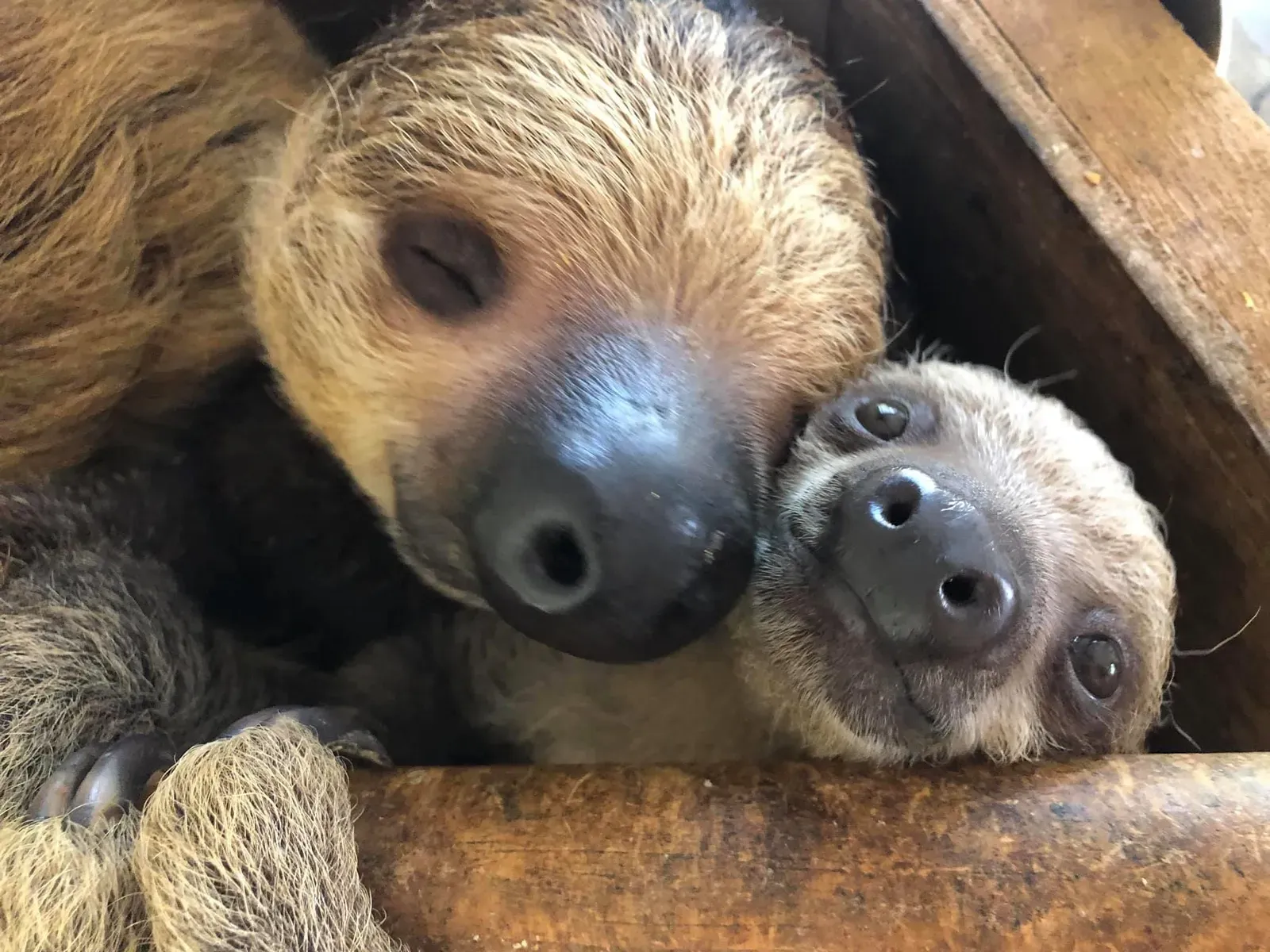
Let’s be real: sloths have a serious reputation problem. The world assumes equals weak, useless, and vulnerable. The reality is considerably more interesting. In spite of their er pace, both internally and externally, sloths continue to function efficiently. For example, sloths have about half the muscle mass of other animals their size, but that doesn’t handicap them from a practical perspective.
Sloths are surprisingly strong swimmers and can reach notable speeds in water. They use their long arms to paddle through and can cross rivers and swim between islands. Sloths can even reduce their already metabolism further and their heart rate to less than a third of normal, allowing them to hold their breath underwater for up to 40 minutes. Forty minutes. That puts many trained human divers to shame.
Every time a herbivore leaves its habitat to look for food, it runs the risk of attracting the attention of a lurking predator. Not so with sloths. Sloths have a metabolism and much lower energy requirements, so they don’t have to risk leaving their safe zone to search for food. Less energy consumption means less risky foraging.
The sloth life is certainly not the “lowest form of existence.” They are energy-saving mammals taking life at a pace to avoid the rush for food, while adopting movement patterns that help them avoid being identified as prey. Honestly, when you lay it all out like that, sloths start to sound less like the universe’s laziest animal and more like one of its most quietly brilliant.
Conclusion
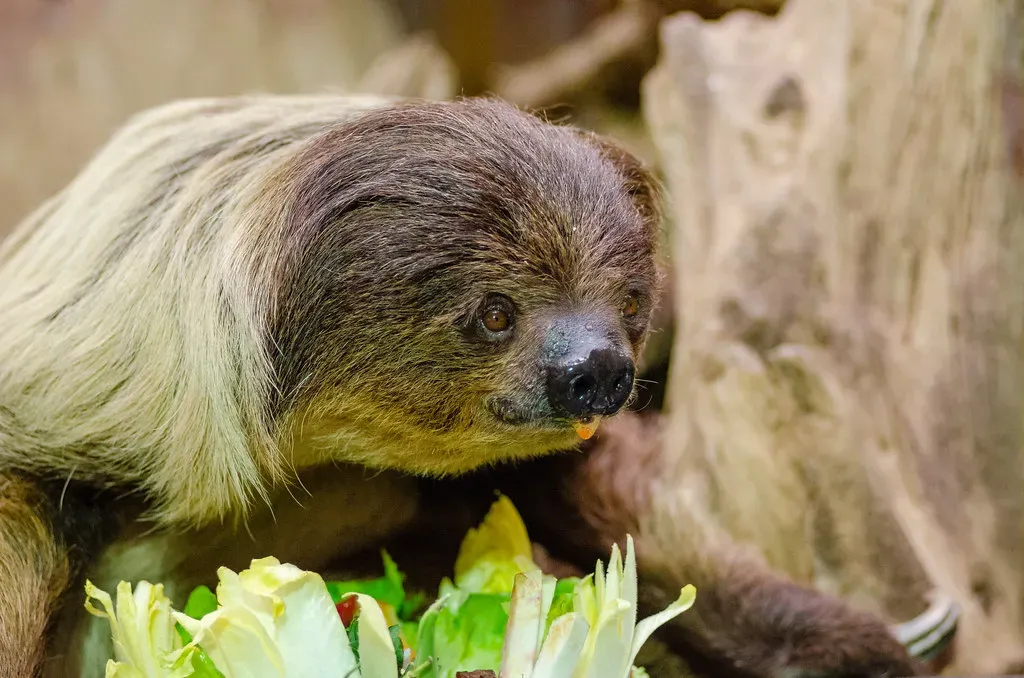
Sloths are not because they are lazy or poorly designed. They are because ness, for them, is the ultimate solution to a very specific set of biological challenges. A near-empty-calorie diet, an impossibly metabolism, near-blindness in daylight, and a life spent high in the predator-filled rainforest canopy all demand one answer: do everything deliberately, quietly, and as efficiently as possible.
Being is an incredibly successful strategy for survival. In fact, being has helped sloths survive on this planet for almost 64 million years. It is, by any measure, a winning tactic.
We live in a world that rewards hustle, speed, and constant motion. Sloths have spent 64 million years quietly proving that the opposite approach works just fine. So the next time life feels like it’s moving too fast, maybe the sloth has something to teach us after all. What do you think? Could ing down actually be the smarter move? Let us know in the comments.
