
Once soaring majestically over American skies, bald eagles nearly vanished from the Midwest forever. These magnificent birds that symbolize our nation’s strength and freedom almost became nothing more than memories in much of the region. The story of their disappearance reads like an environmental thriller filled with chemical villains and a race against time.
Today, however, something remarkable is happening across Wisconsin, Minnesota, Illinois, Iowa and beyond. Eagle nests dot the landscape where none existed for decades. Citizens report more sightings than ever before. Conservation groups document breeding pairs in counties that hadn’t seen eagles since their grandparents were children. Let’s dive into the incredible comeback story unfolding right in America’s heartland.
The Devastating Impact of DDT
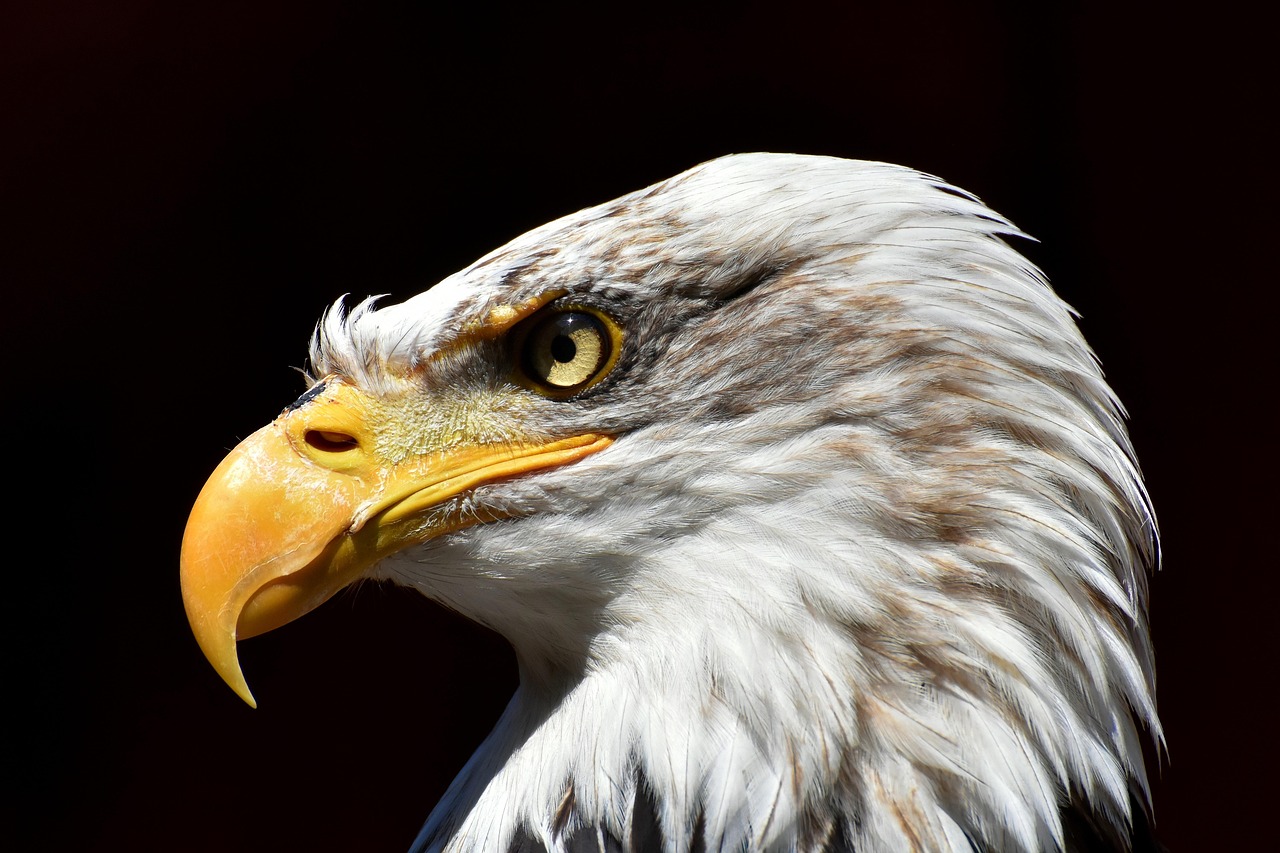
The culprit behind the eagles’ near extinction wasn’t hunting or habitat loss alone. After the insecticide DDT was used extensively after the mid-1940s, Bald Eagle populations declined catastrophically. DDT caused the eggshells to become so thin that they would easily break. Imagine parent eagles returning to their nests only to find crushed shells and no chicks.
By 1963, only 417 nesting pairs were found in the lower 48 states. This number represented a shocking collapse from what scientists estimate were once tens of thousands of breeding pairs across the continent. The amounts of pesticide in the eggs of Chesapeake Bay area eagles were some of the highest in the country.
The chemical worked its way up the food chain like poison moving through veins. Fish absorbed DDT from contaminated water, eagles ate the fish, and the pesticide concentrated in their bodies. Female eagles couldn’t produce strong enough shells to protect their developing chicks.
The 1972 DDT Ban Changed Everything
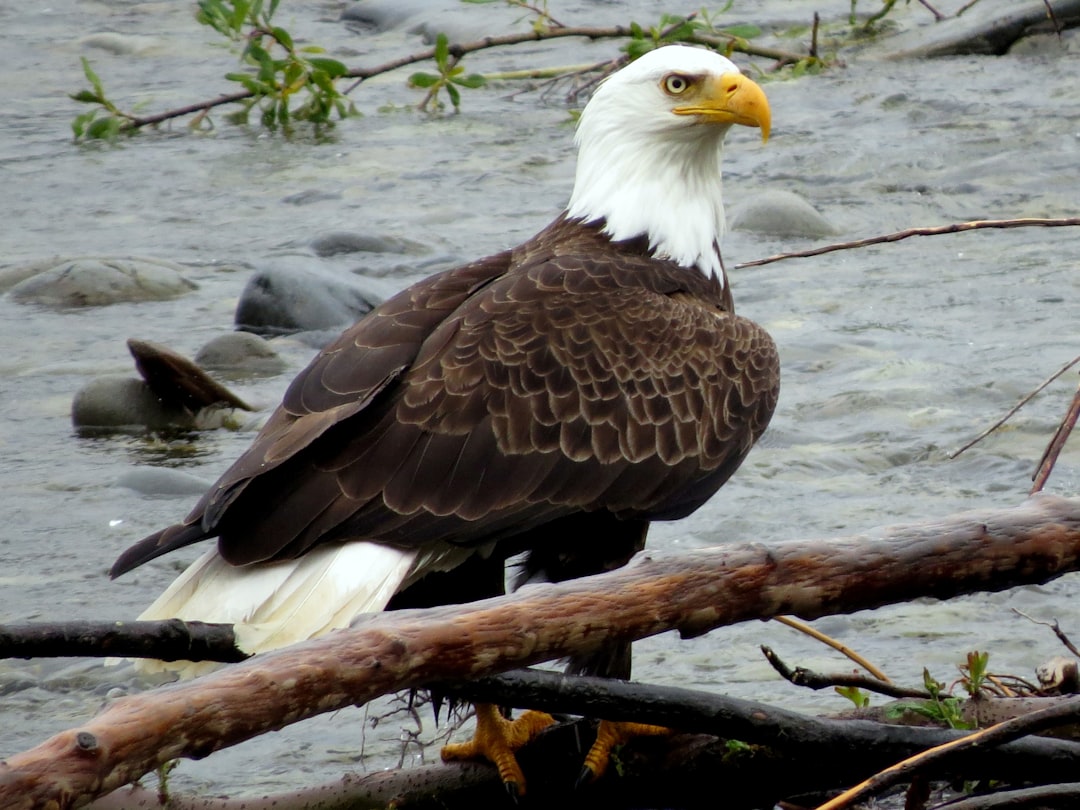
In 1972, DDT was banned from most uses in the United States. In the years following the ban, bald eagle and other bird-of-prey populations slowly recovered. This decision marked a turning point that would reshape the American landscape forever.
The efforts ultimately led to a nationwide ban on DDT issued on June 14, 1972 by then-Environmental Protection Agency (EPA) Administrator William Ruckelshaus. The battle wasn’t easy – chemical companies fought the ban fiercely, claiming it would devastate agriculture and lead to widespread famine.
Rachel Carson’s groundbreaking book “Silent Spring” had already sounded the alarm about DDT’s dangers nearly a decade earlier. In the subsequent years many suffering bird populations rebounded – bald eagle populations have increased dramatically since 1970. The results spoke louder than any corporate propaganda.
Strategic Restoration Programs Across the Midwest

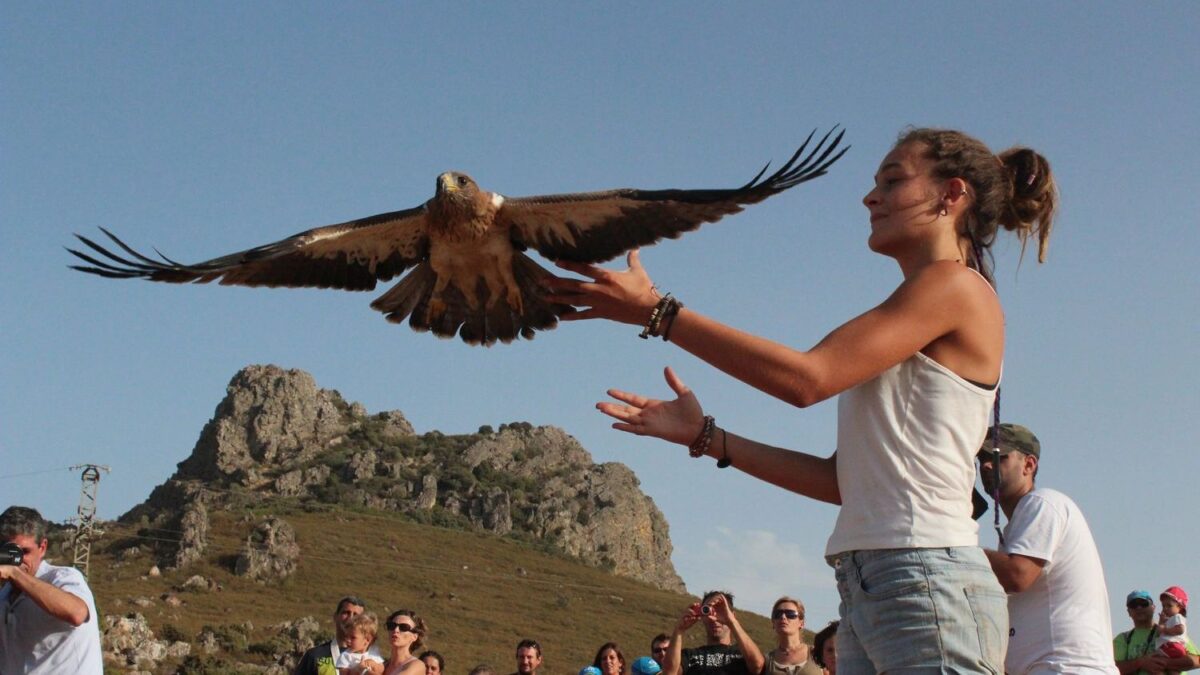
The DDT ban alone wasn’t enough to bring eagles back to regions where they’d been completely eliminated. The four or five eagles released each year during the first five years of New York’s program were supplied by the states of Michigan, Minnesota and Wisconsin, and the US Fish and Wildlife Service captive breeding facility at Patuxent, Maryland.
As one of the first restoration efforts of the Nongame Wildlife Program, the Minnesota DNR captured four eagle chicks in northern Minnesota for transport and release in other states each year. In this way, Minnesota aided in the restoration of bald eagles in New York, Pennsylvania, Tennessee, Missouri, Arkansas and Georgia. These Midwest states became the breeding ground for America’s eagle recovery.
Wisconsin emerged as another crucial player in restoration efforts. DNR aerial nest surveys in 2019 found 1,684 occupied nests, up from 108 in the 1970s. All Wisconsin counties now have documented active eagle nests. The transformation has been nothing short of extraordinary.
Perfect Midwest Habitat Conditions
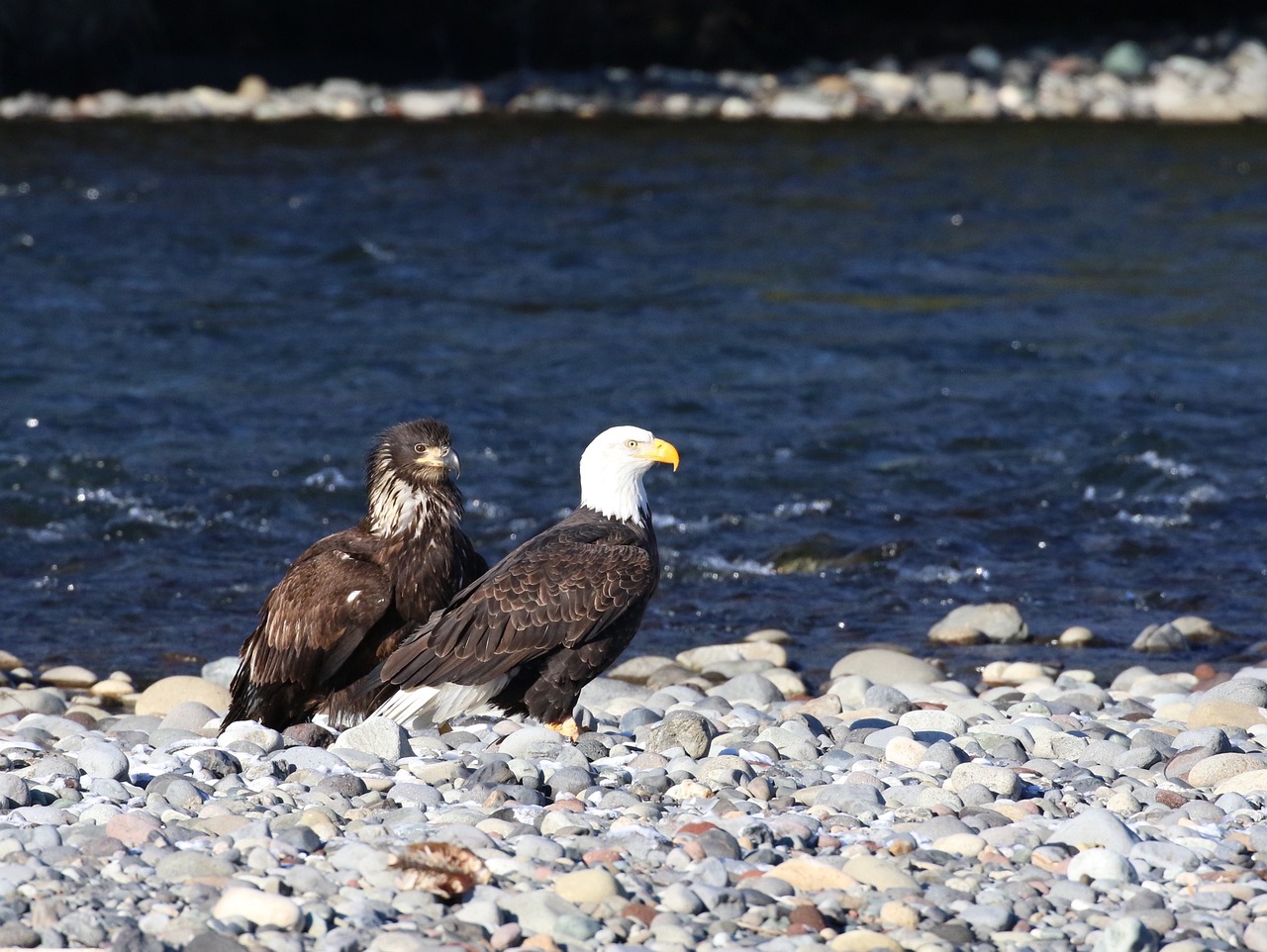
The Cuyahoga Valley, with expansive, secluded wooded wetlands and rebounding fish populations, has become an ideal place for eagles to feed and nest. This description could apply to countless waterways throughout the Midwest region.
Staff at the Upper Mississippi River National Wildlife and Fish Refuge, which spans the river floodplain from Wabasha, Minnesota, to Rock Island, Illinois, say a combination of habitat restoration projects and the banning of the pesticide DDT are allowing eagles to flourish. The Mississippi River system provides an eagle highway stretching through multiple Midwest states.
Bald eagles from northern Wisconsin, Canada, northern Michigan and Minnesota move south in winter in search of open water where they can catch fish. They typically congregate along open water areas along the Wisconsin, Mississippi and Fox rivers. These rivers remain unfrozen longer than northern waters, offering abundant fishing opportunities.
Modern Success Stories and Future Challenges
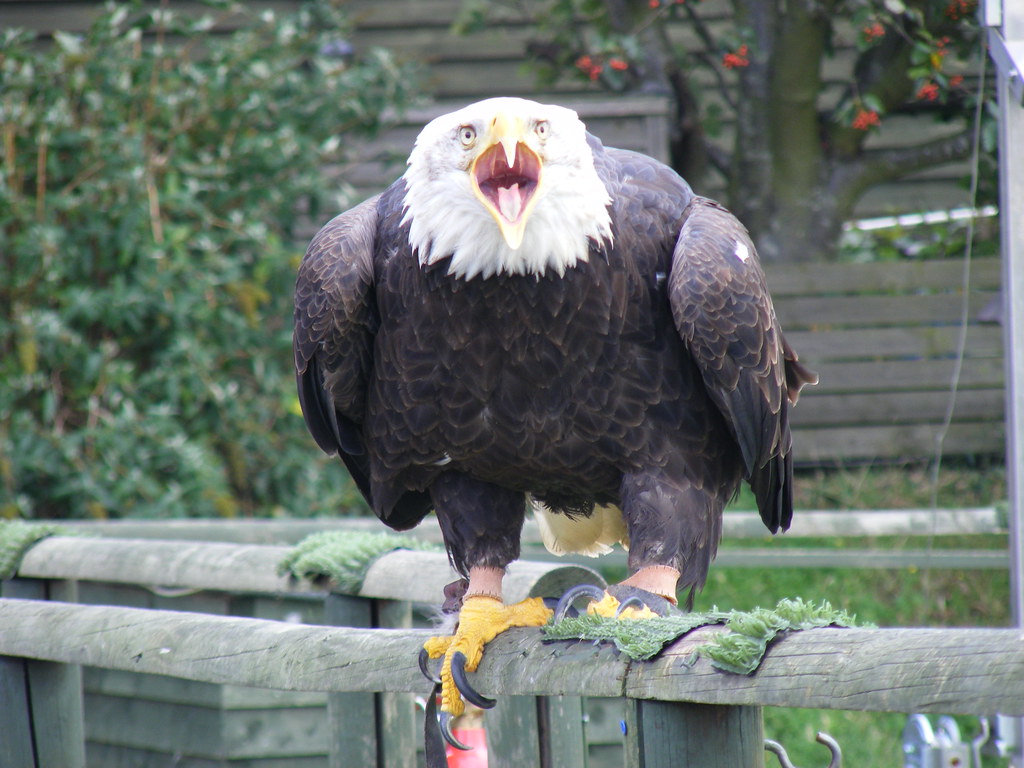
According to recent estimates, the bald eagle population has climbed to over 316,000 individual bald eagles, including more than 71,000 nesting pairs. This estimate indicates that the bald eagle population has quadrupled since the last set of data was collected in 2009. The numbers tell an incredible success story.
Department of Natural Resources officials report that bald eagle breeding pairs have been documented in every Wisconsin county. What was once unthinkable has become reality across the Midwest. “They’re exploding. They’re everywhere. There are so many this year,” said Hallie Schulz, visitor services manager for the refuge.
Yet challenges remain. Today, one of the most serious dangers facing Bald Eagles is lead poisoning. In a 10-year period (2011 – 2021), of the more than 360 Bald Eagles admitted as patients, 271 of the eagles, almost three out of four, had measurable levels of lead in their blood. Climate change also threatens to disrupt the delicate balance that has allowed their recovery.
The return of bald eagles to the Midwest represents one of conservation’s greatest victories. These magnificent birds now soar over landscapes where they were absent for generations, their white heads gleaming against blue skies that once seemed empty. From Wisconsin’s abundant waterways to Minnesota’s pristine lakes, eagles have reclaimed their rightful place as symbols of both natural resilience and human determination.
This recovery didn’t happen by accident. It required bold action, scientific expertise, and the collective will to choose wildlife over chemical convenience. The lesson echoes far beyond eagle conservation – when society decides to act decisively on environmental threats, remarkable recoveries are possible. What do you think made the difference in bringing these majestic birds back from the brink?
