
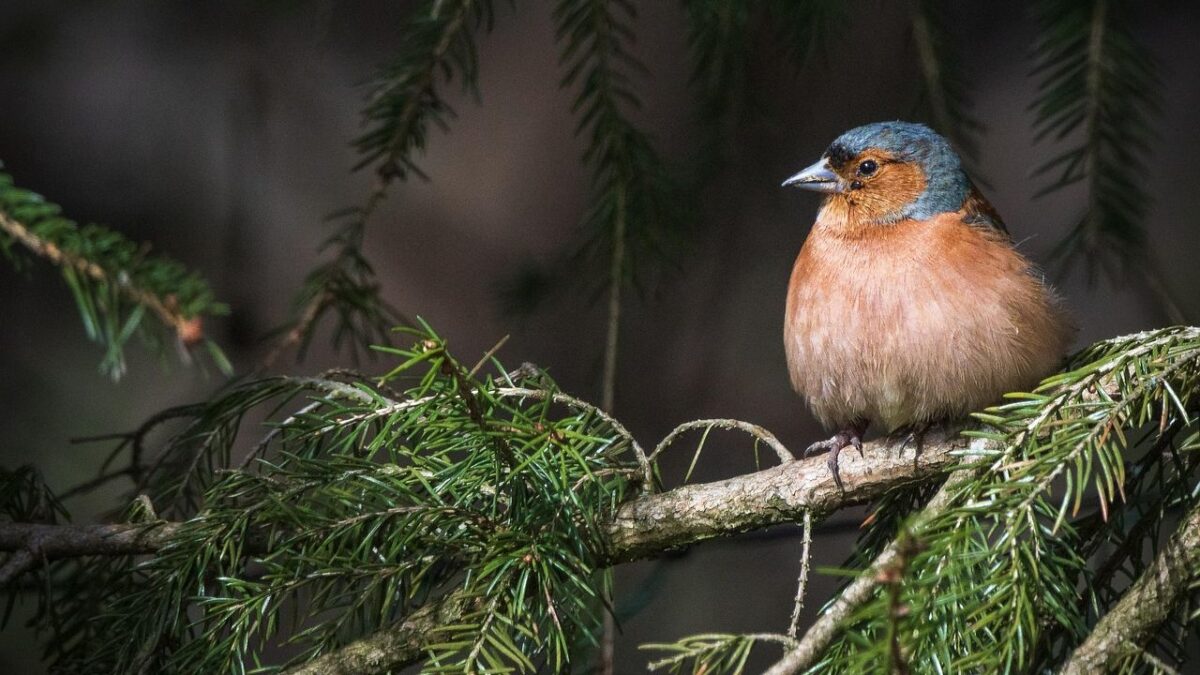
There is something quietly devastating about walking through a forest or sitting in a garden and realizing the morning sounds are… dimmer. Less layered. Less alive. For most of human history, birdsong has been the original soundtrack of our world, the thing that told us seasons were changing, that life was thriving, that all was well. Honestly, most of us never even thought to question whether it would always be there.
It won’t. Not automatically, anyway. Natural sounds, and bird song in particular, play a key role in building and maintaining our connection with nature, but widespread declines in bird populations mean that the acoustic properties of natural soundscapes may be changing. The numbers behind that quiet reality are frankly shocking. So let’s get into it.
A Soundscape Slowly Going Silent
Historical reconstructions using bird monitoring and song recordings collected by citizen scientists reveal that the soundscape of birdsong in North America and Europe is both quieter and less varied, mirroring declines in bird diversity and abundance. Think about that for a second. The very texture of nature, the richness we grew up hearing, is thinning out like a fading radio signal.
After analyzing and compiling data, researchers found a decline in diversity and intensity of birdsong in both continents over the past 25 years, meaning that soundscapes have gone quieter with less variety in songs. This isn’t just bad for birds. It’s bad for us too.
A 2022 study showed a “significant positive association between seeing or hearing birds and improved mental well-being, even when accounting for other possible explanations such as education, occupation, or the presence of greenery.” In other words, birdsong is quite literally medicine we’ve been taking for free our entire lives. The idea that we might be losing access to it is both startling and deeply sad.
Given that people predominantly hear, rather than see, birds, reductions in the quality of natural soundscapes are likely to be the mechanism through which the impact of ongoing population declines is most keenly felt by the general public. We may not always notice a missing bird. But we will notice a missing song.
The Numbers Behind the Silence
Here’s the thing: the scale of this crisis is almost hard to absorb. It is estimated that North America has lost nearly 3 billion breeding birds since 1970, which is roughly 1 out of every 4 birds. One in four. Gone. In the span of a single human lifetime.
The 2025 State of the Birds report reveals continued widespread declines in American bird populations across all mainland and marine habitats, with 229 species requiring urgent conservation action. That’s not a small number tucked away in a footnote. That’s an emergency.
Key findings show that more than one-third of U.S. bird species are of high or moderate conservation concern, including 112 Tipping Point species that have lost more than half of their populations in the last 50 years. Some of these are birds people know and love. The losses include iconic songsters such as Eastern and Western Meadowlarks and favorite birds at feeders, such as Dark-eyed Juncos and White-throated Sparrows.
In the EU, populations have declined by around 600 million breeding birds since the 1980s. Researchers have found that nearly half of the world’s bird species are in decline, while more than one in five are considered a significant conservation concern. This is not a regional problem. It is a planetary one.
What Is Killing the Songs
I know it sounds almost too simple, but most of the answers point right back at us. All of birds’ biggest challenges, including habitat loss, pesticides, glass windows, and even domestic cats, are man-made. Climate change, which alters and sometimes shrinks birds’ ranges, is a threat multiplier.
The latest research suggests that intensive farming practices, particularly an increase in pesticides and fertilizer use, is the main driver of most bird population declines. Fields that once hummed with insects now sit chemically sterilized, offering birds nothing to eat and nowhere to nest.
One study found that a single seed coated with neonicotinoids, the most widely used insecticide in the world, can kill a songbird. A single seed. That’s not a metaphor. That’s a measurement of how precise and devastating our agricultural choices have become.
Then there is the songs themselves. The complexity disappears alongside the birds. Research found that song complexity decreased as the numbers of birds declined. The songs sung by different birds sound more alike today than they did in the past. Researchers suggest the loss in complexity is due to young birds having fewer adults to learn from as they grow. It’s a cultural erasure as much as an ecological one. Songs that evolved over thousands of years, gone because there are too few elders left to teach them.
The Hidden Threats We Don’t Think About
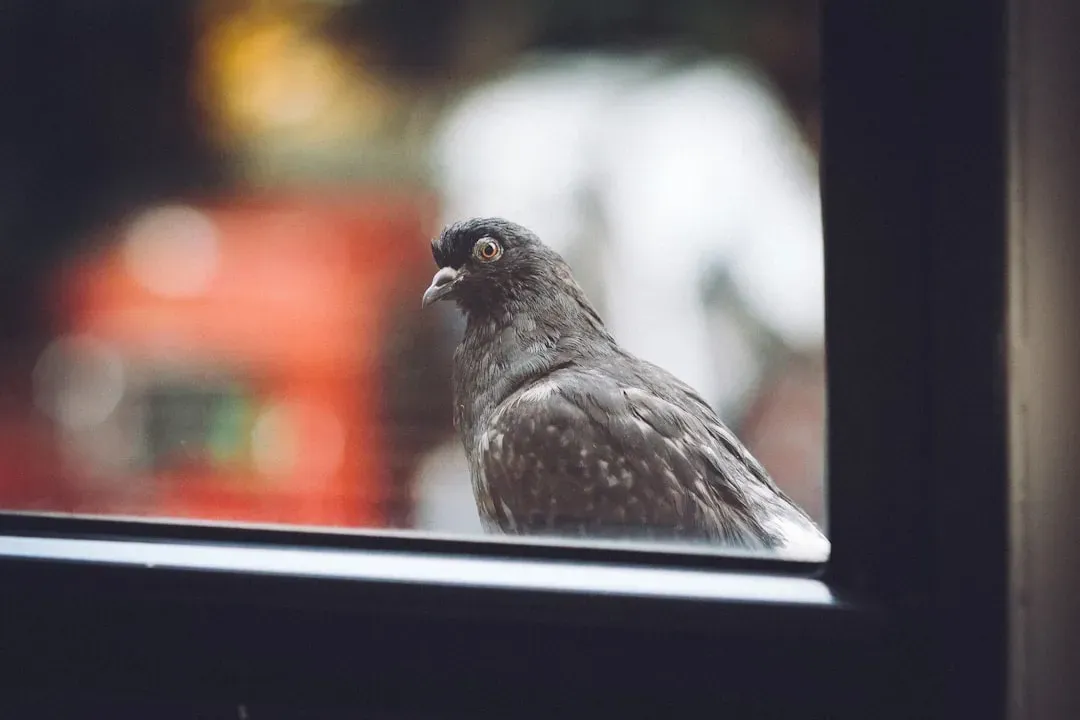
Beyond pesticides and habitat loss, there are threats hiding in plain sight. Ones that feel almost domestic, almost trivial, until you see the numbers. Up to 1 billion birds are estimated to die each year after hitting windows in the United States and Canada. Ordinary glass, on ordinary homes and office buildings, kills birds on a catastrophic scale.
Across the U.S., cats are thought to kill between 1.3 to 4 billion birds each year, in addition to other forms of wildlife. Our beloved pets, it turns out, are among the most lethal predators birds face. Even when they are well-fed at home, pet cats who roam outside instinctively hunt and kill birds.
Declines are happening across the board: in grasslands, aridlands, western and eastern forests, in Hawaii’s fragile ecosystems, and with shorebirds and seabirds. Even waterfowl, which had rebounded strongly thanks to decades of conservation work, are seeing sharp recent declines. There is almost no safe corner left for birds to retreat to.
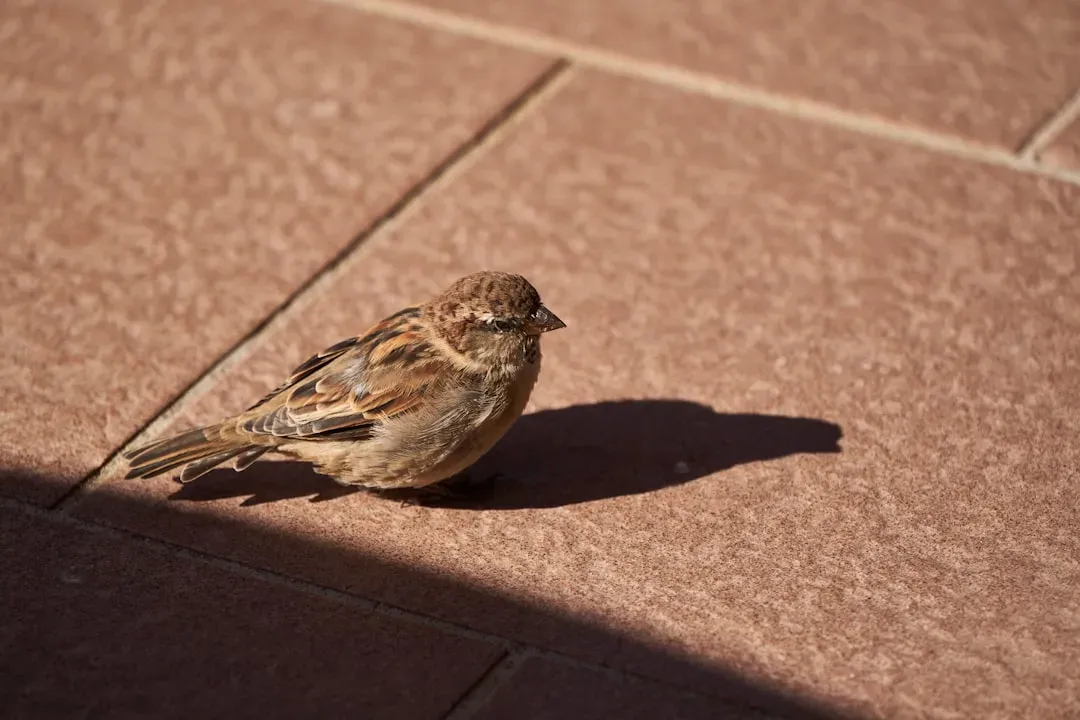
The disappearance of even common species indicates a general shift in our ecosystems’ ability to support basic birdlife. That’s the real alarm bell, not just the rare, exotic birds disappearing, but the everyday ones. The sparrows outside your window. The finches at your feeder.
What We Can Actually Do to Bring Birds Back
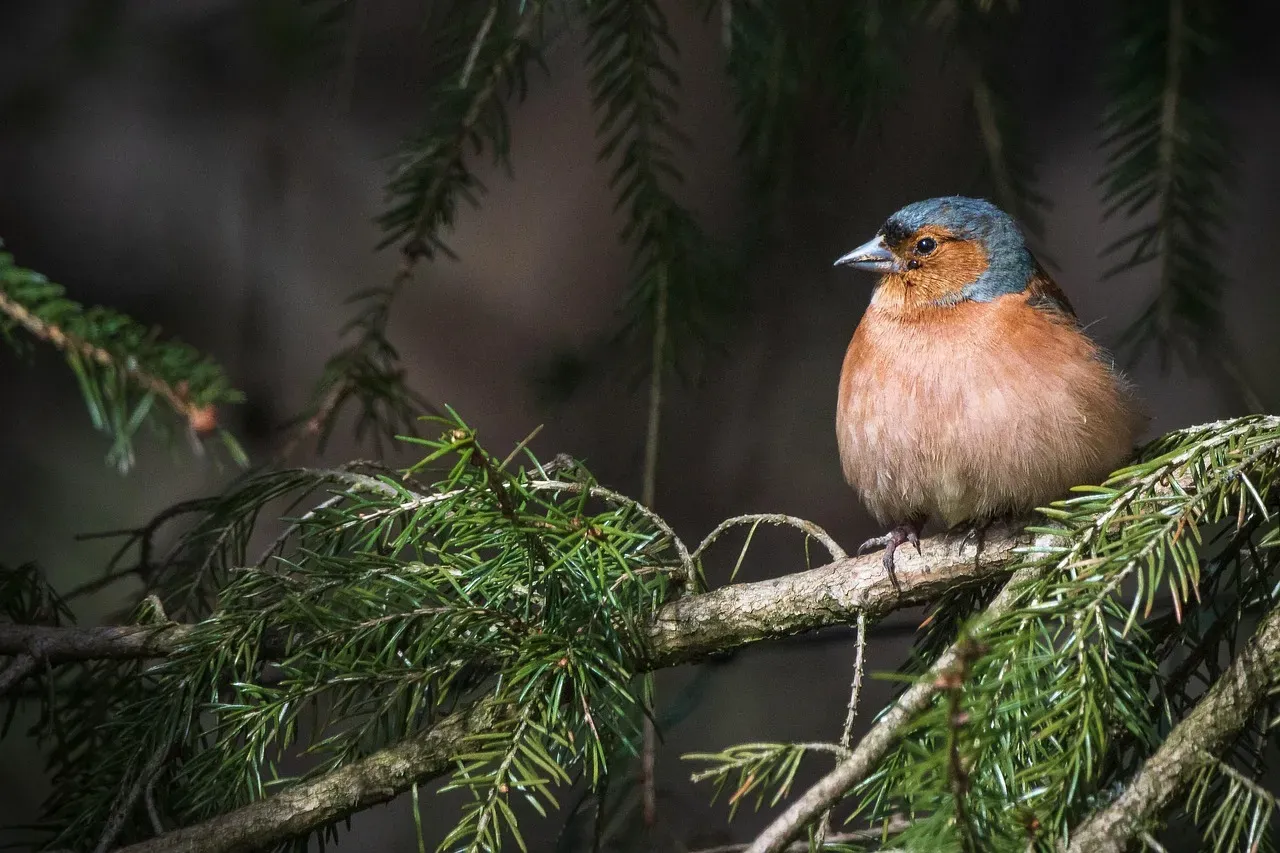
Let’s be real: the scale of this problem can feel paralyzing. But conservation science keeps pointing to the same encouraging truth. Despite the concerning trends, reports emphasize that conservation efforts can succeed when adequately supported. Small actions, repeated across millions of households, add up to something enormous.
Planting native vegetation in your yard or on your property is the longest-term improvement you can make for native insects and birds. Feeding birds isn’t limited to putting up birdfeeders, since native plants provide a much-needed food source for adult and growing baby birds. Think of your garden as a tiny wildlife corridor. It might be the only safe patch for miles.
Joining a project such as eBird, Project FeederWatch, Christmas Bird Count, or the International Shorebird Survey to record your bird observations provides valuable information to show where birds are thriving and where they need help. Citizen science is genuinely one of the most powerful tools researchers have right now. You don’t need a PhD. You just need to look up.
Simple measures such as closing curtains or blinds, using window decals, and turning most lights off at night can dramatically cut down on window collision deaths. Keeping your cat indoors, setting up enclosed outdoor catios, or even training your cat to walk on a leash can help prevent millions of bird deaths per year. These are not huge lifestyle overhauls. They are small, deliberate choices that genuinely matter.
Private lands programs and conservation partnerships such as conservation ranching, coastal restoration, forest renewal, and seabird translocation show how concerted efforts and strategic investments can recover bird populations. The tools exist. The knowledge exists. What’s needed now is the collective will to use them.
Conclusion: The Morning Will Tell Us Everything
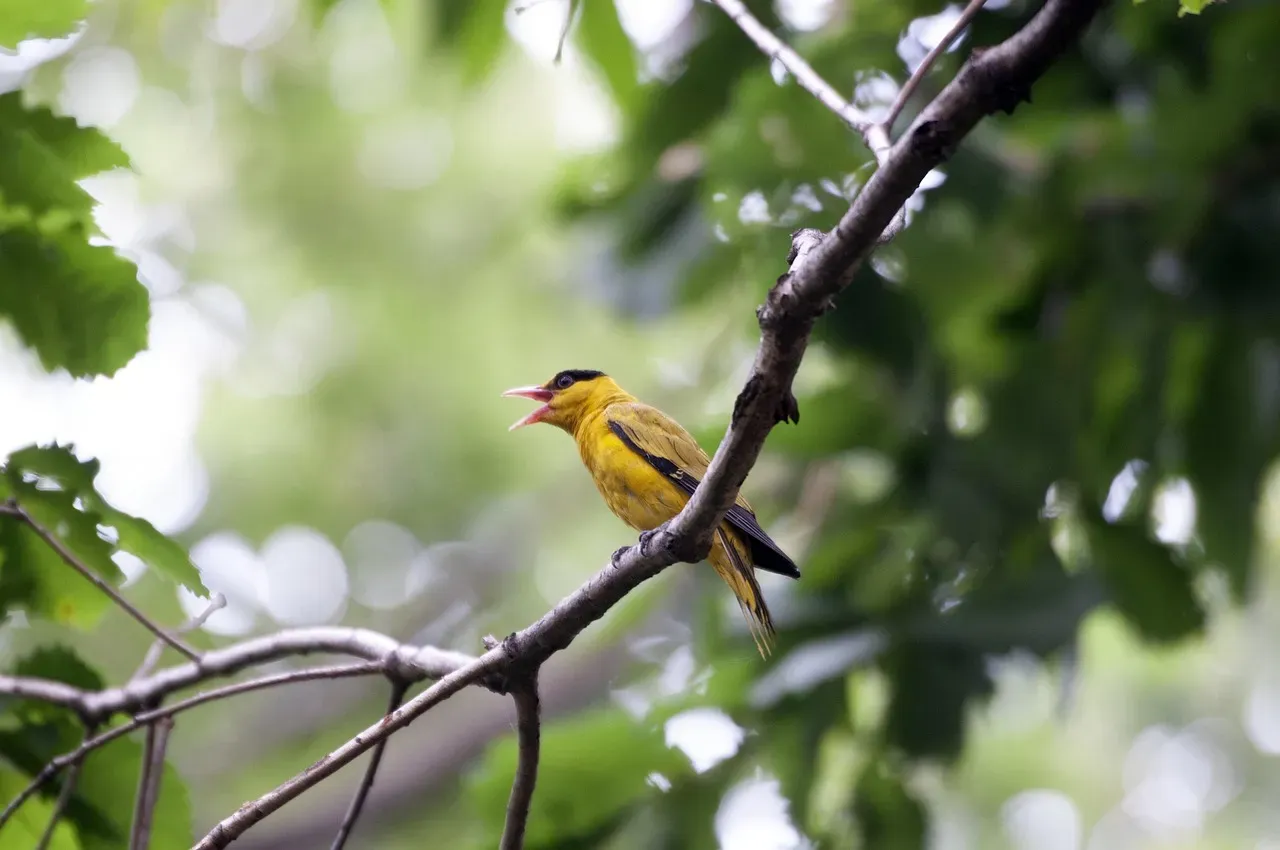
There is an old idea, deeply human and deeply true, that you can tell the health of a place by what you hear at dawn. Step outside early enough and the birds will tell you everything. Are there many voices? Are they varied and layered and wild? Or is it quieter than it should be?
Birds are telling us that the habitats people depend on are vanishing. Declines are happening across the board: in grasslands, aridlands, western and eastern forests, in Hawaii’s fragile ecosystems, and with shorebirds and seabirds. They are not just singing for mates and territory anymore. They are, in a way, singing for our attention.
The remarkable thing is that recovery is possible. Past conservation efforts have helped raptors, notably the bald eagle, and woodpeckers rebound. Waterfowl hunters and private landowner efforts to restore wetlands have helped bring an increase in ducks and geese. Nature responds when we give it room to breathe.
Every native plant you put in the ground, every feeder you fill thoughtfully, every light you turn off at night, and every window decal you apply quietly adds to a larger chorus of care. The dawn chorus doesn’t have to go silent. It just needs more of us listening closely enough to fight for it.
What would your mornings sound like if the birds stopped singing altogether? Think about that. Then go plant something.
