

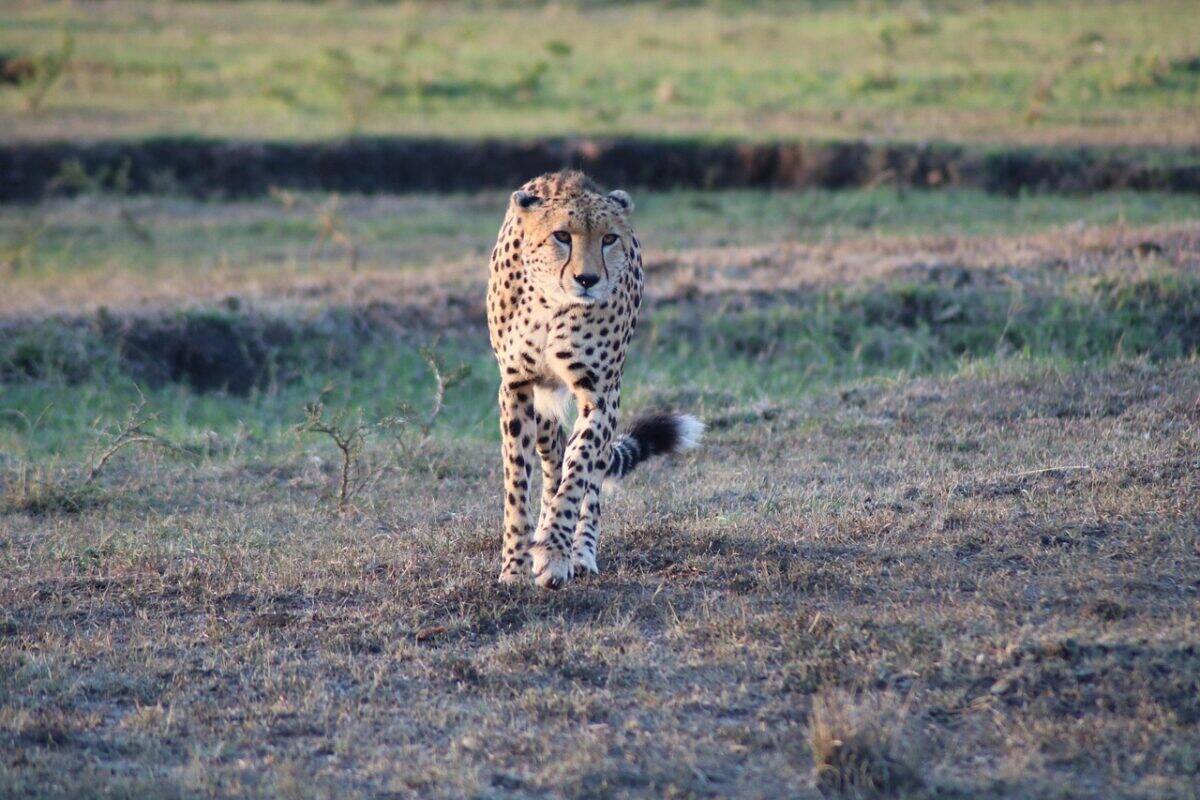
Cheetahs stand apart in the predator world with their extraordinary hunting strategies. Unlike most big cats that rely heavily on their sense of smell, cheetahs have evolved to prioritize visual prowess over olfactory abilities. This adaptation isn’t random but represents millions of years of evolutionary refinement that has created nature’s most specialized speed predator. As we explore the fascinating hunting mechanics of these remarkable cats, we’ll discover how their entire physiology—from their oversized optic nerves to their reduced nasal cavities—supports a hunting style that depends primarily on sharp eyesight rather than scent detection. This evolutionary trade-off has produced the fastest land mammal on Earth, with hunting behaviors uniquely adapted to the open grasslands of Africa.
The Evolutionary Context of Cheetah Hunting
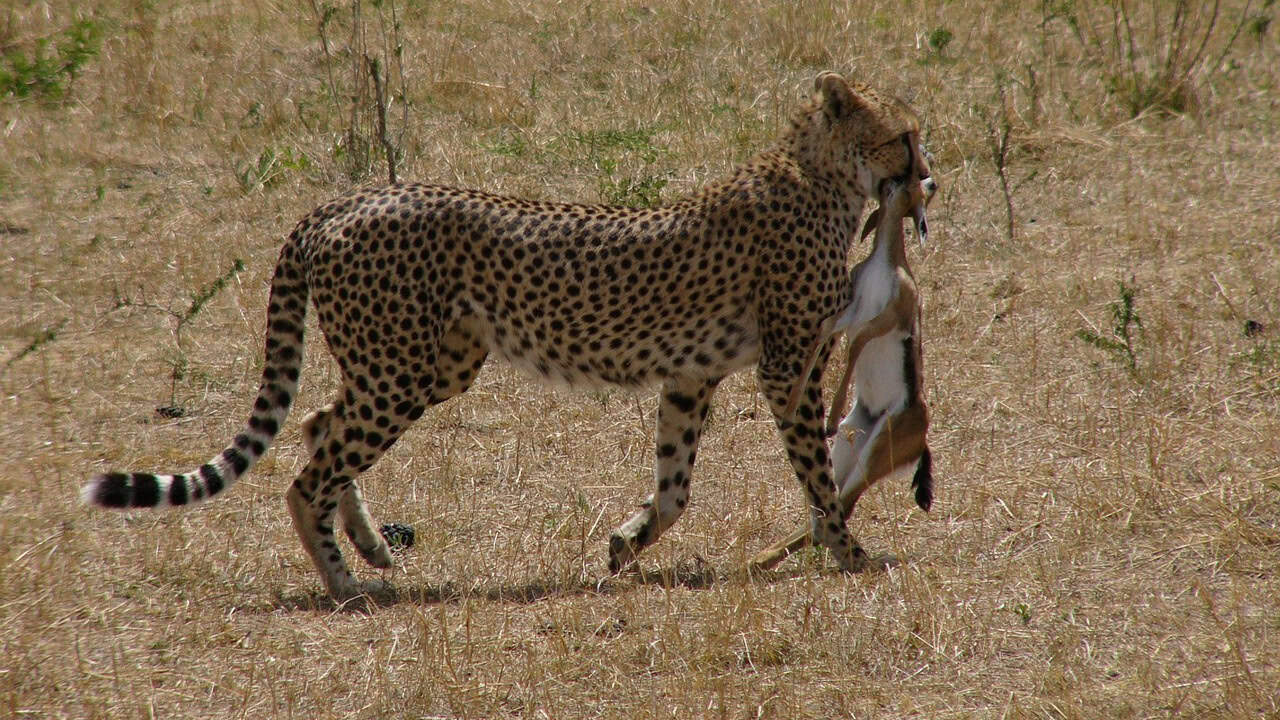
Cheetahs (Acinonyx jubatus) evolved approximately 8.5 million years ago, diverging from other big cats as they specialized for speed hunting in open habitats. Unlike ambush predators such as lions and leopards, cheetahs developed as pursuit predators that chase down prey over short distances. This evolutionary path required significant adaptations that prioritized visual tracking over scent-based hunting, fundamentally reshaping their sensory capabilities.
Their entire body structure reveals this specialized evolution—from their non-retractable claws (unique among cats) that function like running cleats to their enlarged heart and lungs that support sprinting. But perhaps most telling is the cheetah’s cranial structure, which allocates significantly more space to visual processing centers than to olfactory regions. This evolutionary trade-off reflects the premium that natural selection placed on vision for these remarkable hunters of Africa’s savannas.
Anatomy of the Cheetah’s Visual System

The cheetah’s visual system demonstrates remarkable specialization for hunting. Their eyes are positioned high on their skull, providing an expansive panoramic view that spans approximately 210 degrees. This positioning allows them to scan vast stretches of savanna for potential prey without moving their head. The eyes themselves are proportionally large, with dilated pupils that maximize light capture in various conditions and a high concentration of photoreceptors that enhance visual acuity.
Most notably, cheetahs possess an enlarged optic nerve compared to other cats of similar size. Research shows their optic nerve is approximately 20% larger than would be expected based on body mass, indicating heightened capacity for visual information processing. Their retinas contain a high concentration of ganglionic cells and a pronounced visual streak—a horizontal band of densely packed photoreceptors that provides sharp resolution across the horizon where prey typically appears. These adaptations collectively create a visual system perfectly attuned to detecting the slightest movements across open terrain.
Limitations of the Cheetah’s Olfactory System
While cheetahs have a functional sense of smell, it is notably less developed than in other big cats. Their nasal cavities are significantly smaller than those of lions, leopards, or tigers, providing less surface area for olfactory epithelium—the specialized tissue containing scent receptors. Studies examining turbinate bones (the scroll-like structures inside the nasal cavity that support olfactory tissue) reveal that cheetahs have approximately 40% less surface area dedicated to scent detection compared to similarly sized cats.
Genetic analyses further support this anatomical evidence, showing that cheetahs have fewer functional olfactory receptor genes than other felids. This reduced olfactory capacity isn’t a deficiency but rather represents an evolutionary compromise. As cheetahs specialized for high-speed visual hunting, cranial space was reallocated from olfactory structures to accommodate larger visual processing centers and respiratory adaptations that support their sprinting capabilities. The cheetah’s streamlined skull simply cannot accommodate the expansive nasal structures seen in scent-focused hunters like lions.
Hunting in Open Habitats: Why Vision Trumps Smell

The vast, open savannas where cheetahs evolved and primarily hunt present unique sensory challenges that favor vision over smell. In these environments, winds frequently shift direction and intensity, making scent trails unreliable for tracking prey. Visual cues, by contrast, remain constant regardless of wind conditions. The unobstructed sightlines of grasslands allow cheetahs to spot potential prey from distances of up to two kilometers away—far beyond the range at which even the keenest sense of smell would be effective.
The cheetah’s prey species, primarily gazelles and other medium-sized ungulates, have also evolved to minimize scent signatures. Many have scent glands positioned to leave minimal ground-level odor trails, and in dry savanna conditions, scents dissipate quickly. Visual detection allows cheetahs to identify not just the presence of prey but also crucial details about their condition, age, and potential vulnerability—all from a safe distance that doesn’t alert the prey. This strategic advantage would be impossible through olfactory hunting in open terrain.
The Role of Binocular Vision in Precision Hunting

Unlike many predators that rely primarily on peripheral vision to detect movement, cheetahs possess excellent binocular vision—where the fields of both eyes overlap to create depth perception. This overlap occurs in approximately 38 degrees of their visual field, compared to roughly 25 degrees in domestic cats. This enhanced binocular vision provides cheetahs with superior depth perception and distance calculation capabilities, crucial for a predator that makes split-second decisions while running at speeds exceeding 100 km/h (62 mph).
During high-speed chases, this binocular vision allows cheetahs to precisely gauge the distance to their prey and anticipate directional changes. Researchers have observed that cheetahs can adjust their trajectory mid-sprint to intercept prey based on visual calculations alone, often cutting corners to catch fleeing animals. This remarkable precision is evidenced in their high hunting success rate—approximately 58% according to studies in the Serengeti, significantly higher than lions (about 30%) which rely more heavily on scent and ambush tactics rather than visual pursuit.
Visual Adaptations for Different Light Conditions
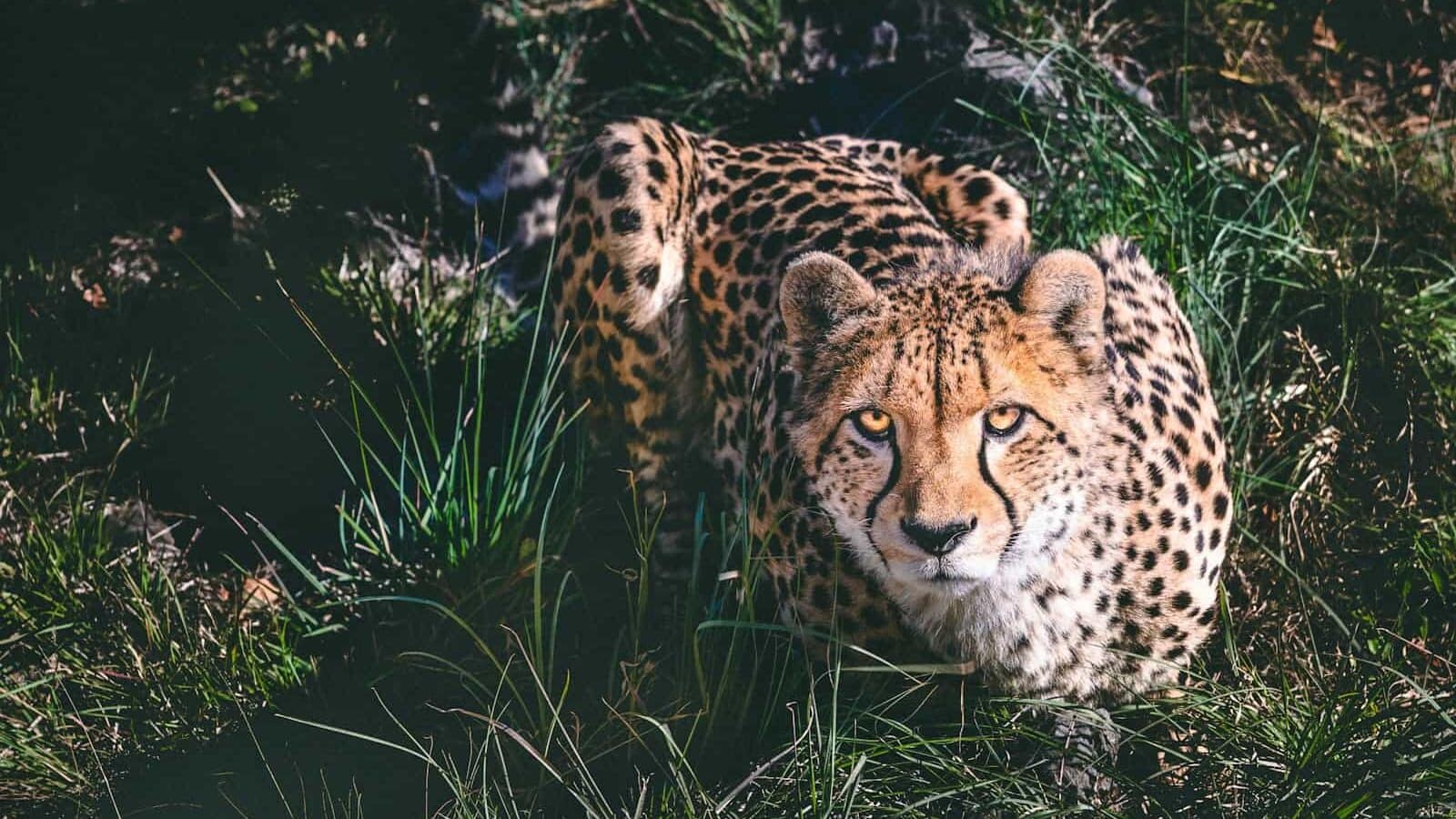
Cheetahs are primarily diurnal hunters, with peak activity during early morning and late afternoon—times when their visual adaptations provide maximum advantage. Their eyes feature a reflective layer called the tapetum lucidum, which enhances light sensitivity by reflecting light back through the retina a second time. This adaptation, while common in cats, is particularly refined in cheetahs, with a cellular structure optimized for the crepuscular light conditions when they most often hunt.
Additionally, cheetahs possess vertically elongated pupils that can dilate widely in low light and contract to narrow slits in bright conditions. This pupillary flexibility allows them to hunt effectively across a range of light conditions while maintaining visual acuity. Research using electroretinography has demonstrated that cheetahs can detect movement in light levels approximately six times dimmer than humans can perceive, though their night vision is less acute than that of lions or leopards—another evolutionary trade-off that reflects their specialization as visual daylight hunters.
Movement Detection: The Cheetah’s Visual Superpower
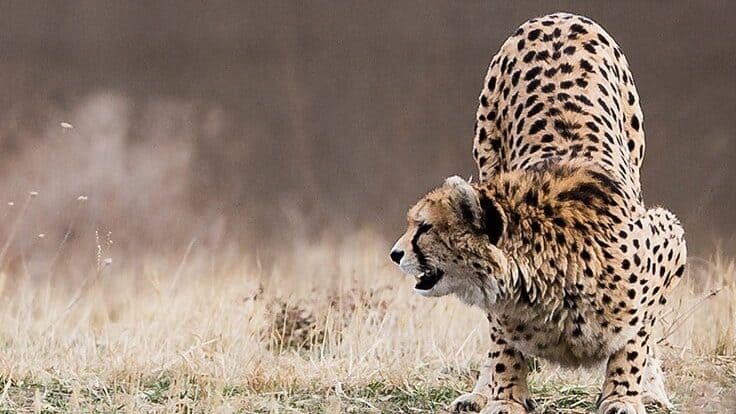
Perhaps the most remarkable aspect of the cheetah’s visual system is its extraordinary sensitivity to movement. Studies indicate that cheetahs can detect movements as subtle as the flick of a gazelle’s ear from distances exceeding 500 meters. This ability stems from specialized motion-detecting neurons in their visual cortex that respond to even minimal movement against stationary backgrounds. Neurological research suggests cheetahs possess approximately 25% more motion-sensitive neurons in their visual cortex compared to domestic cats.
This movement sensitivity explains why cheetahs often remain motionless for extended periods during hunting, scanning the environment for the slightest motion that might reveal prey. Once movement is detected, they enter a focused visual tracking state, keeping their gaze locked on the target as they plan their approach. Even during high-speed chases, cheetahs maintain this visual lock through a specialized anatomical feature called the puncta lacrimalia, which prevents tears from obscuring their vision while running. This ensures clear sight even at speeds where wind resistance would normally cause tearing and visual impairment.
The Cheetah’s Stalk-and-Chase Strategy
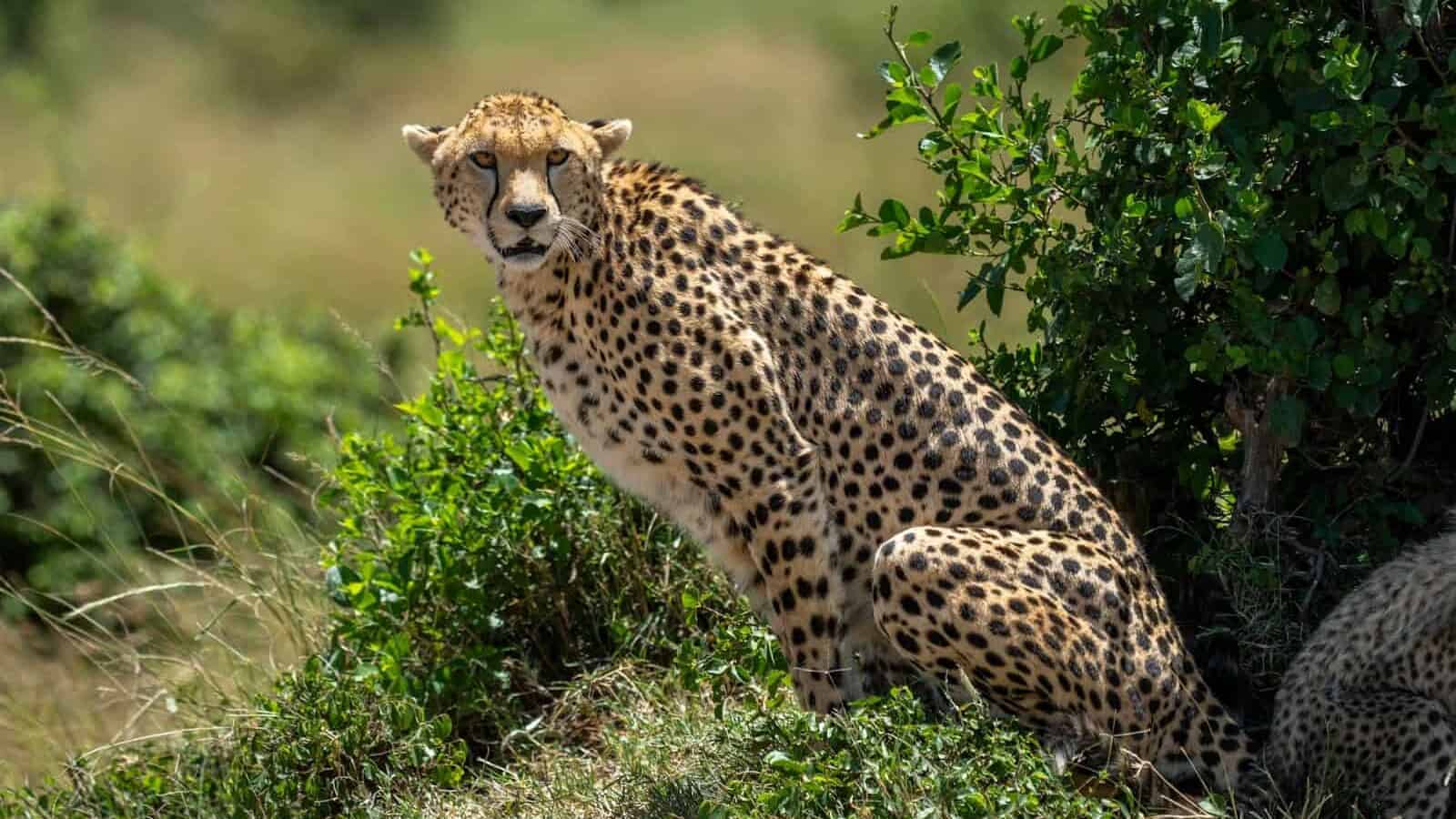
Unlike scent-oriented predators that may follow prey trails for kilometers, cheetahs employ a distinctive hunting strategy built around visual detection and assessment. A typical hunt begins with extended periods of scanning from elevated vantage points. Once potential prey is spotted, the cheetah enters a careful stalking phase, using visual cues to select the most vulnerable individual. Studies in the Serengeti have shown that cheetahs are remarkably adept at visually identifying sick, young, or otherwise compromised individuals within a herd based on subtle movement patterns invisible to human observers.
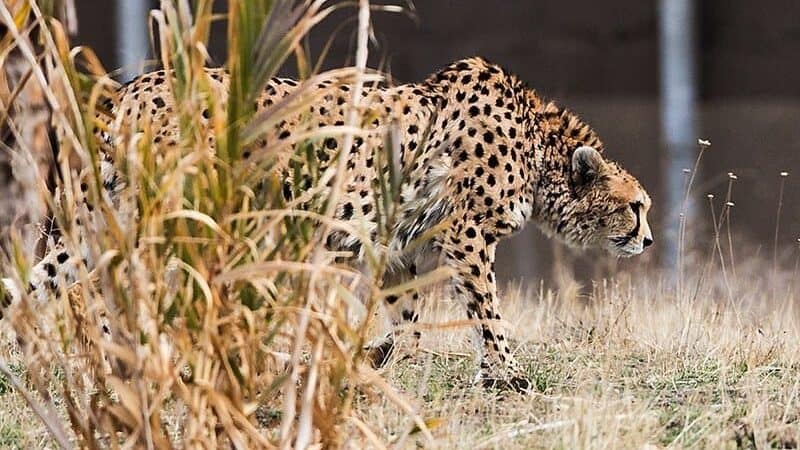
The stalking phase relies entirely on visual camouflage rather than scent management, with cheetahs approaching to within 60-70 meters of prey before initiating their sprint. During the chase, which typically lasts less than 60 seconds, cheetahs rely on real-time visual processing to adjust their course as prey attempts evasive maneuvers. This visual hunting strategy is extraordinarily effective but energetically costly—cheetahs must succeed quickly or abandon the chase, as their body temperature rises rapidly during sprints. Their visual specialization thus supports a high-risk, high-reward hunting style that would be impossible with primary reliance on scent.
How Cubs Learn Visual Hunting Skills

The primacy of vision in cheetah hunting is further evidenced by how cubs develop their predatory skills. Unlike lion cubs, which learn significantly through scent-based tracking, cheetah mothers focus on teaching visual hunting techniques to their offspring. Cubs as young as six weeks old engage in games that develop motion tracking, with mothers encouraging them to chase moving objects like leaves or small animals that they have no chance of catching. These games specifically target the development of the visual-motor coordination needed for high-speed pursuit.
By the time cubs reach 14-18 months of age, mothers begin bringing live, small prey for cubs to chase, gradually increasing the challenge as their visual tracking skills improve. Research on captive cheetahs shows that cubs raised without these specific visual hunting lessons struggle significantly more with prey capture as adults than those who received proper visual training, even when their physical development is normal. This educational emphasis on visual skills rather than scent tracking underscores how fundamentally vision-oriented cheetah hunting behavior is, with the neural pathways for visual hunting requiring specific developmental experiences to properly form.
Comparing Cheetahs to Other Big Cats
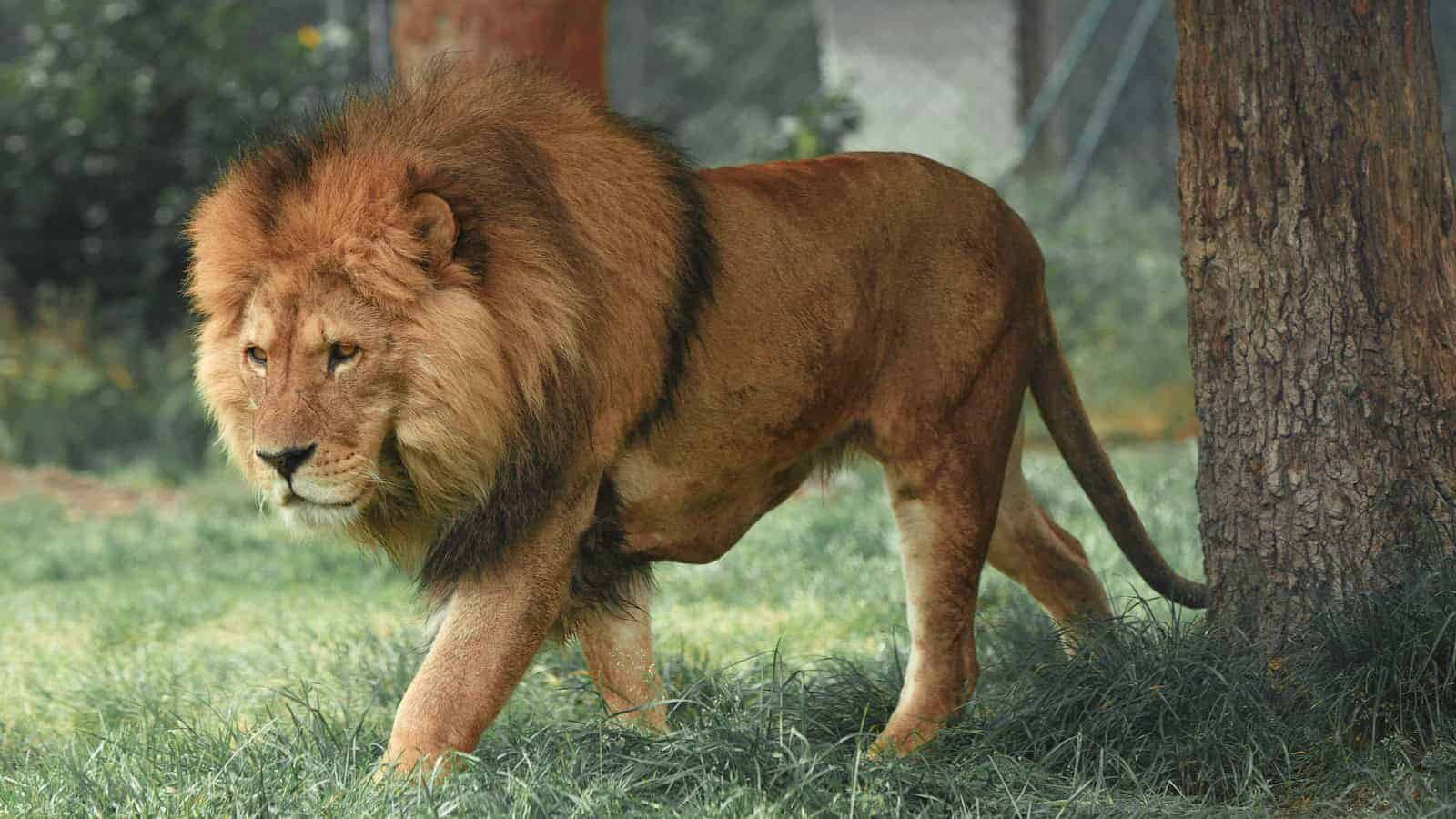
The contrast between cheetahs and other big cats highlights their unique sensory specialization. Lions, for instance, have nasal cavities approximately 2.4 times larger relative to skull size than cheetahs, with correspondingly more extensive olfactory epithelium. Lions can track prey by scent alone for several kilometers and often hunt at night when visual cues are limited. Similarly, leopards possess highly developed olfactory capabilities that allow them to locate cached prey they’ve hidden days earlier, even after rain has fallen.
Tigers represent perhaps the most extreme contrast, with olfactory bulbs nearly three times larger relative to brain size than those of cheetahs. Tigers can detect some scents at concentrations as low as one part per trillion—an ability cheetahs simply don’t possess. Yet when testing visual acuity and movement detection, cheetahs consistently outperform these other cats, especially in daylight conditions. This sensory divergence reflects the different ecological niches these cats occupy: while other big cats evolved as generalist predators with enhanced olfactory capabilities for locating prey in varied environments, cheetahs specialized exclusively as visual hunters of open habitats.
Conservation Implications of the Cheetah’s Visual Hunting Style

The cheetah’s reliance on vision for hunting has significant conservation implications. As specialized visual hunters, cheetahs require vast, open spaces with good visibility and sufficient prey density. Habitat fragmentation and conversion of grasslands to agriculture directly impact their hunting success by restricting the open sightlines they depend on. Unlike scent-oriented predators that can adapt to more densely vegetated areas, cheetahs struggle when visual hunting conditions deteriorate.
Furthermore, their daylight hunting pattern puts cheetahs in direct conflict with human activities. While nocturnal, scent-hunting predators can sometimes persist near human settlements by hunting when people are inactive, cheetahs must hunt during daylight hours when their visual advantages are greatest—often bringing them into conflict with farmers and livestock. Conservation strategies must account for these specialized sensory needs, focusing on preserving not just adequate territory but specifically the open, visually unobstructed habitat that supports their unique hunting style. The most successful cheetah conservation programs have emphasized maintaining these visual corridors between protected areas.
The cheetah’s remarkable reliance on vision over smell represents one of nature’s most successful examples of sensory specialization. By developing extraordinary visual capabilities at the expense of olfactory prowess, cheetahs carved out a unique ecological niche that allowed them to thrive in open habitats where other predators couldn’t match their hunting efficiency. Their entire physiology—from brain structure to eye placement to hunting behavior—has been shaped by the evolutionary premium placed on visual acuity and movement detection.
This specialization serves as a fascinating study in evolutionary trade-offs, demonstrating how adaptation often involves compromise rather than universal enhancement. The cheetah sacrificed the generalist hunting abilities of its ancestors, including their superior sense of smell, to become the ultimate visual pursuit predator. In doing so, they achieved hunting success rates that exceed those of most other large carnivores, despite their relatively small size and limited strength compared to other big cats.
As we consider the cheetah’s precarious conservation status today, understanding their reliance on vision helps explain both their historical success and current vulnerability. These magnificent cats evolved specific sensory adaptations for a world of vast, open grasslands that are increasingly fragmented and disappearing. Their future depends on our ability to preserve not just the cheetahs themselves, but the specific environmental conditions that support their specialized visual hunting strategy.
The story of the cheetah reminds us that in nature, specialization can lead to extraordinary capabilities but also creates dependencies that become vulnerabilities when environments change. The very adaptations that made cheetahs such successful hunters for millions of years now require thoughtful conservation approaches to ensure these visual specialists continue to race across Africa’s plains for generations to come.

- Cuddling for Warmth: How Meerkats Stay Cozy - July 18, 2026
- This U.S. Lake Is Mysteriously Disappearing—Here’s What Scientists Say - July 18, 2026
- This Jellyfish Hunts in Packs - July 18, 2026
Leave a comment
You must be logged in to post a comment.