

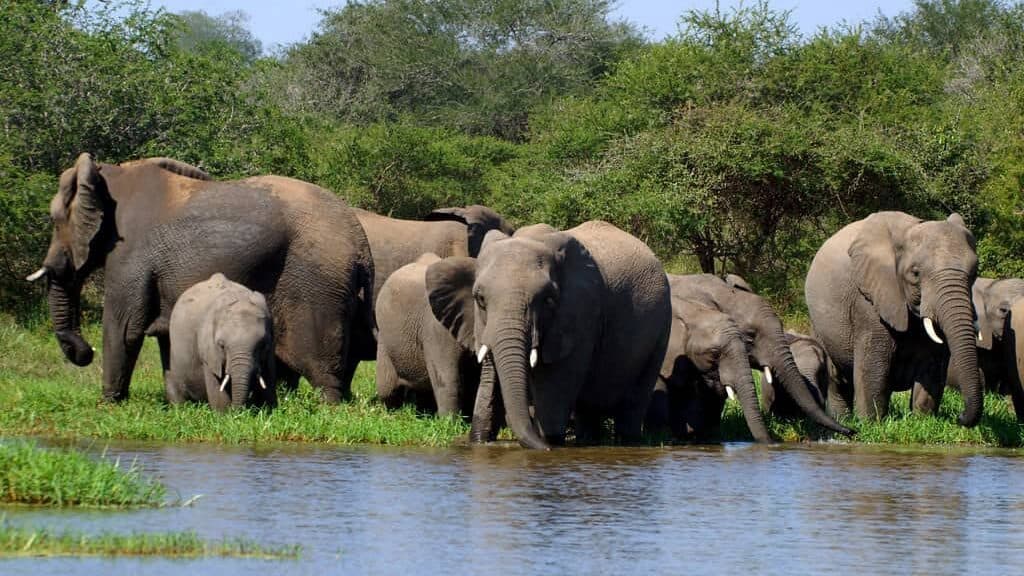
Elephants stand as magnificent giants in the animal kingdom, commanding respect not only for their impressive size but also for their extraordinary dietary requirements. These majestic creatures consume between 149-169 kg (330-375 pounds) of food daily in the wild—equivalent to approximately 4-7% of their body weight. This staggering amount isn’t mere gluttony but a biological necessity tied to their enormous size, unique digestive system, and ecological role. Elephants dedicate 16-18 hours of their day to feeding, making food acquisition their primary daily activity.
Whether African or Asian, elephants face the constant challenge of gathering sufficient nutrition to power their massive bodies. Their prodigious appetite directly influences their behavior, migration patterns, social structures, and even shapes the ecosystems they inhabit. Understanding why elephants require such vast quantities of food provides insight into the delicate balance between these gentle giants and their environment, highlighting the challenges they face in a world where their natural habitats are increasingly threatened.
Enormous Body Size Demands Enormous Energy
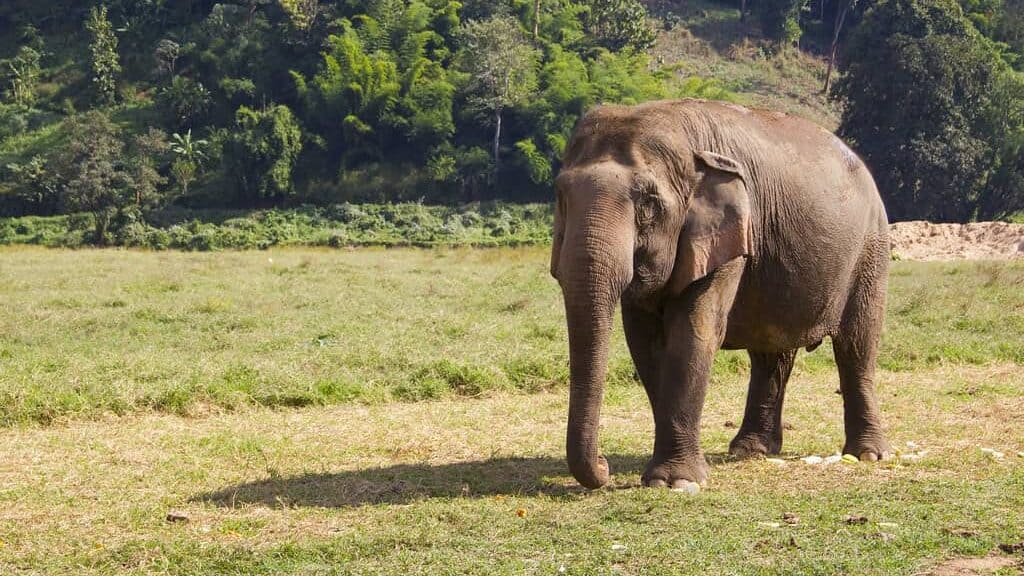
African elephants can weigh up to 6,000 kg (13,200 pounds), while their Asian cousins typically reach 5,500 kg (12,100 pounds). Maintaining such massive bodies requires tremendous energy input. The square-cube law explains this relationship: as an animal’s size increases, its volume (and thus mass) grows at a faster rate than its surface area. Consequently, larger animals have higher absolute energy requirements than smaller ones, even though their metabolic rate per unit of body mass is actually lower—a phenomenon known as Kleiber’s law.
An elephant’s massive frame supports several energy-intensive systems: a four-chambered heart weighing around 12-21 kg pumping blood through a body containing approximately 450 liters of blood, a brain weighing 4.5-5.5 kg requiring constant glucose, and a muscular trunk containing approximately 40,000 muscles. Just moving this enormous body demands significant energy—an elephant walking at a moderate pace burns substantially more calories than a human running a marathon. This metabolic reality makes consuming large volumes of food not a choice but a biological imperative for survival.
Inefficient Digestion: Quantity Over Quality
Despite their enormous food intake, elephants possess surprisingly inefficient digestive systems. Unlike ruminants such as cows that can extract up to 80% of the nutrients from plant material, elephants typically digest only 40-50% of what they consume. This inefficiency stems from their hindgut fermentation system. Food passes relatively quickly through an elephant’s digestive tract—typically in 24-48 hours compared to the 70-100 hours in ruminants—giving gut bacteria less time to break down tough plant fibers.
This digestive inefficiency creates a paradoxical situation: elephants must eat more precisely because they extract less nutrition from each kilogram of food. Their approach emphasizes quantity over quality, allowing them to subsist on lower-quality vegetation that other animals might avoid. This adaptation enables elephants to thrive in environments where food quality may be poor but abundance compensates. The undigested material doesn’t go to waste in the ecosystem—elephant dung becomes an important resource for dung beetles, soil enrichment, and seed dispersal.
The Complex Digestive Anatomy of Elephants
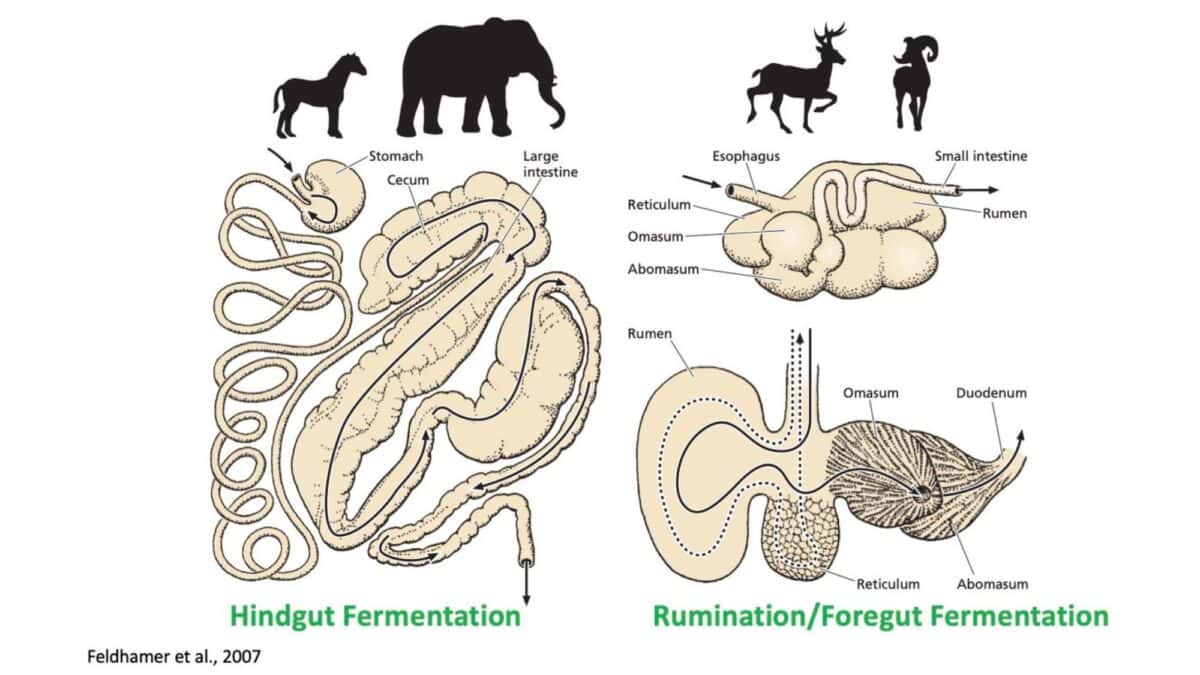
An elephant’s digestive system is a remarkable feat of evolutionary engineering designed to process vast quantities of plant material. Unlike ruminants with their multi-chambered stomachs, elephants have a relatively simple single-chambered stomach. However, they possess an enlarged cecum and colon where bacterial fermentation occurs. This hindgut fermentation system allows them to break down cellulose, the main component of plant cell walls that is indigestible to most mammals without microbial assistance.
The elephant gut houses diverse microbiota comprising hundreds of bacterial species that produce enzymes capable of breaking down complex plant compounds. The digestive tract of an adult elephant measures approximately 19-24 meters (60-80 feet) in length, providing ample space for this microbial activity. This elaborate system processes enormous volumes of food continuously, as elephants rarely experience the luxury of an empty stomach. Even during sleep, their digestive system continues working, sometimes producing audible rumbles that indicate the ongoing fermentation process within their massive abdomens.
Diverse Diet: Browsers and Grazers
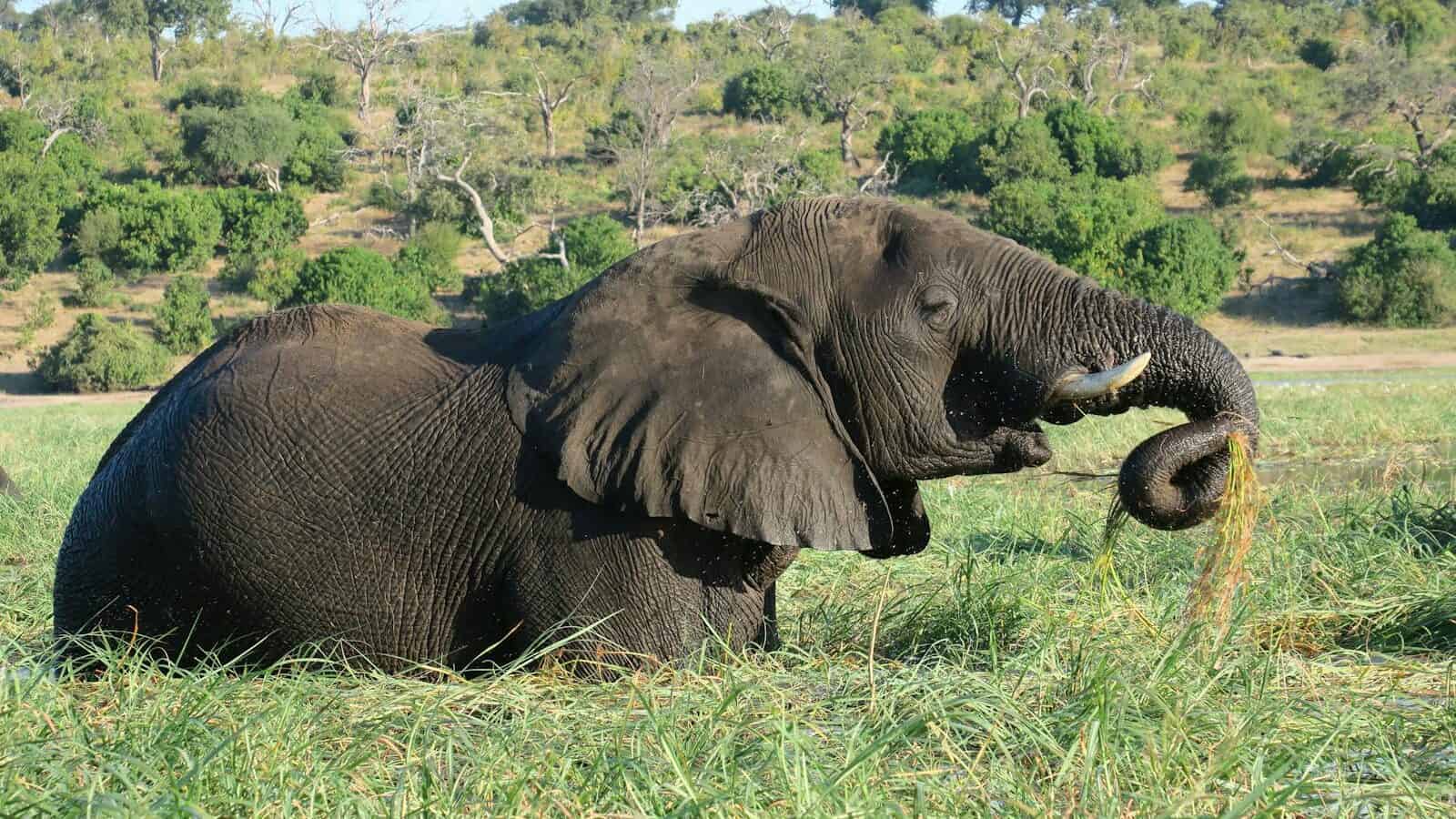
Elephants are adaptable feeders classified as mixed feeders—combining browsing (eating leaves, bark, and branches from trees and shrubs) and grazing (consuming grasses and ground vegetation). Their diet encompasses over 100 plant species in most habitats, showcasing remarkable dietary flexibility. African savanna elephants typically consume more grasses in wet seasons when these plants are nutritious and abundant, shifting to more browse during dry periods. Forest elephants and Asian elephants generally rely more heavily on browse year-round due to their forest habitats.
This dietary diversity enables elephants to meet their enormous nutritional requirements across seasonal fluctuations and habitat variations. A typical day’s menu might include grasses, leaves, bark, fruits, roots, and even soil for minerals. Bark consumption provides essential minerals and helps wear down molars naturally. The proportions of these food types vary by season, location, and individual preference—elephants develop distinct feeding strategies based on nutritional needs and environmental conditions. This adaptive feeding behavior allows elephants to maintain their massive bodies even when preferred food sources become scarce.
Water Requirements: Drinking Giants
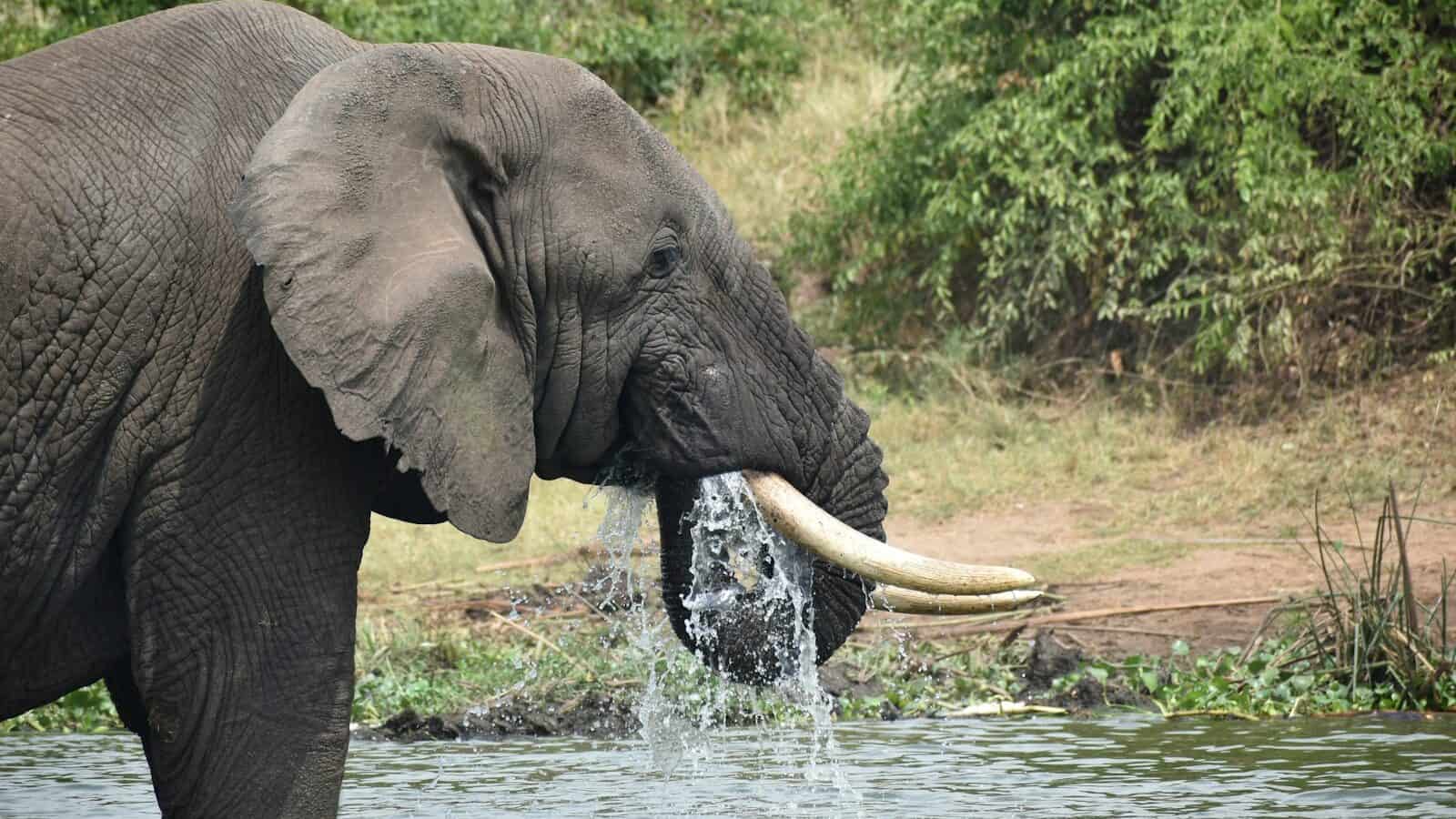
Elephants’ massive food consumption necessitates equally impressive water intake. An adult elephant typically drinks 150-300 liters (40-80 gallons) of water daily, with requirements increasing during hot weather or when consuming drier foods. This volume—enough to fill a standard bathtub—reflects the water needed for digestion, thermoregulation, and cellular function in such enormous animals. Water isn’t just for hydration; it’s essential for processing the massive quantities of fibrous plant material passing through their digestive systems.
This substantial water requirement significantly influences elephant behavior and migration patterns. Elephants typically remain within 24-48 hours’ walking distance from water sources, and their legendary migrations often follow seasonal water availability. During droughts, their ability to locate water becomes crucial for survival. They’ve evolved remarkable adaptations to find water, including detecting underground water sources by sensing vibrations through their feet and using their trunks to dig wells up to one meter deep in dry riverbeds. These “elephant wells” often provide critical water access not just for elephants but for numerous other species during dry periods.
The Remarkable Trunk: A Feeding Multi-Tool
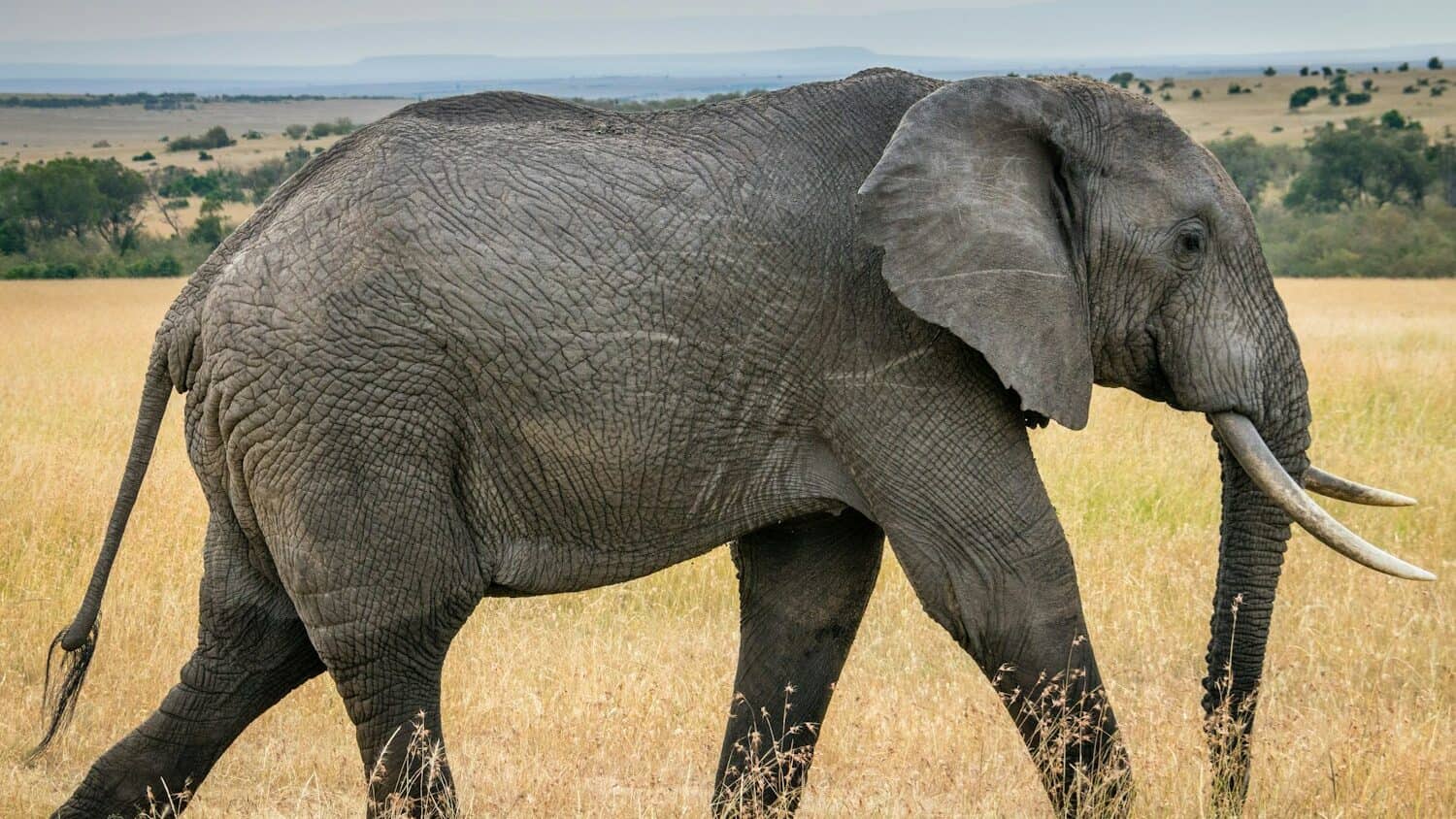
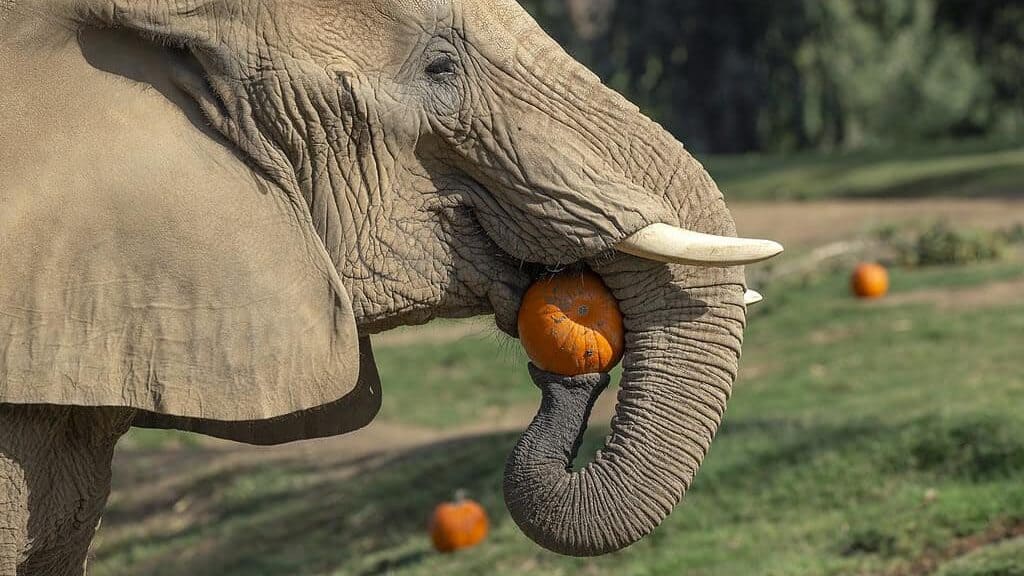
The elephant’s trunk stands as one of nature’s most versatile feeding adaptations, enabling these massive creatures to meet their substantial dietary needs. This remarkable appendage combines the functions of nose, upper lip, and a fifth limb, containing up to 40,000 muscles arranged in complex bundles that provide extraordinary dexterity. African elephant trunks feature two finger-like projections at the tip, while Asian elephants have a single finger-like projection, both allowing for surprising precision in food manipulation.
An elephant can use its trunk to pluck a single blade of grass or uproot an entire tree, showcasing the incredible range of feeding techniques available to them. This appendage allows them to reach foliage up to 7 meters (23 feet) high or gather ground vegetation without having to kneel. Elephants can process approximately 150-200 kg of vegetation daily through this versatile tool, which can carry about 8-10 liters of water at once to the mouth. The trunk also contains over 100,000 nerve endings, allowing elephants to detect subtle differences in food quality through smell and touch, helping them select the most nutritious options to fuel their enormous bodies.
Constantly Growing Teeth for Constant Feeding
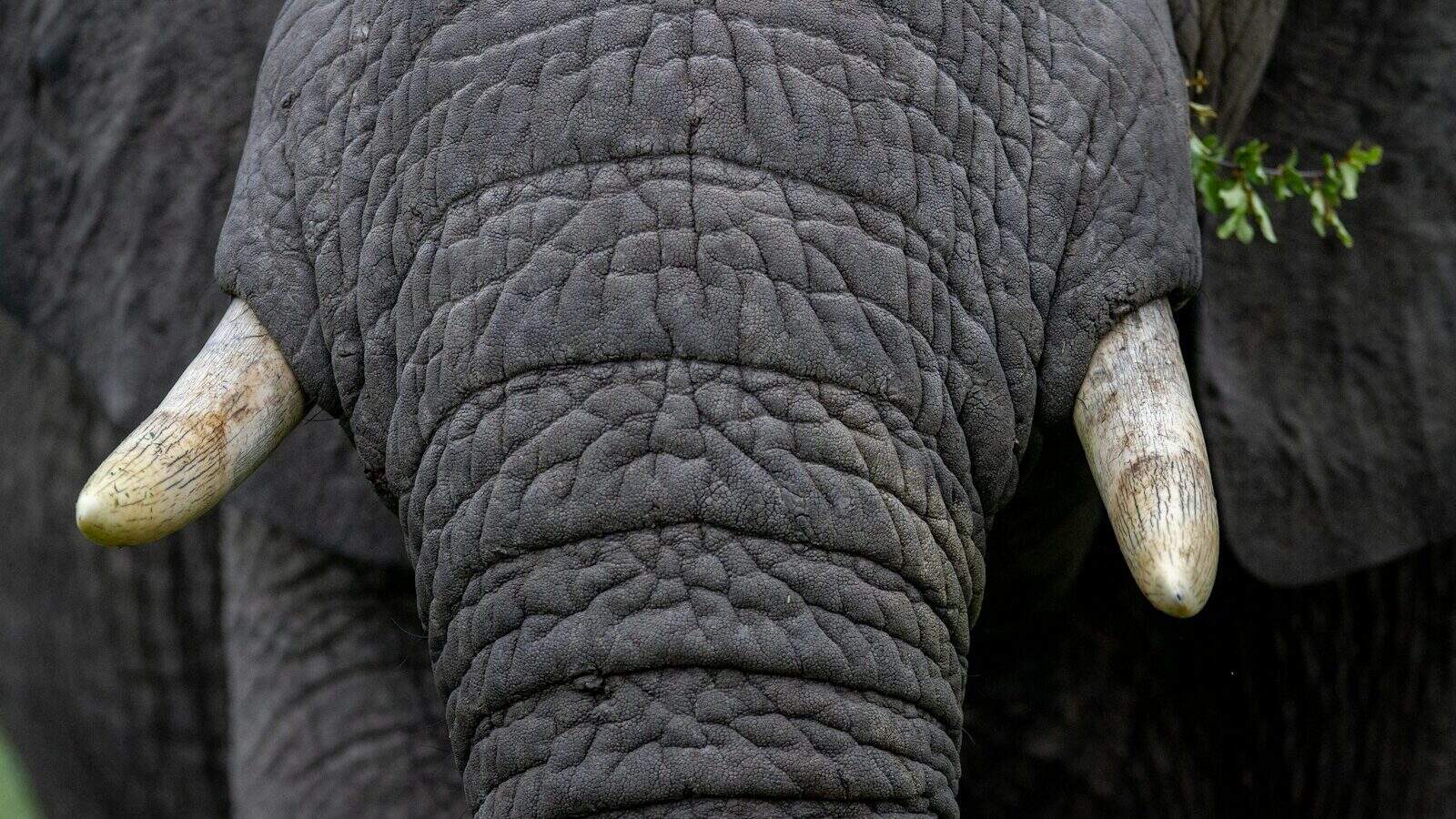
Elephants possess one of the animal kingdom’s most specialized dental adaptations: a series of six molar teeth in each jaw quadrant that appear sequentially throughout their lifetime. Unlike most mammals, which have a single set of adult teeth, elephants experience a horizontal tooth succession where new molars move forward from the back of the jaw as older ones wear down and eventually fall out. This unique system provides them with fresh grinding surfaces to process the massive quantities of abrasive plant material they consume daily.
Each molar can weigh up to 5 kg and measure 30 cm in length, featuring ridged surfaces perfectly adapted for grinding tough vegetation. These massive teeth bear the brunt of processing up to 170 kg of fibrous plant material daily. An elephant will cycle through approximately 24 molars during its lifetime—six sets of four teeth. When the final set wears down, usually between 60-70 years of age, elephants can no longer process food effectively, leading to malnutrition and often death. This dental timeline effectively determines an elephant’s lifespan, creating a direct link between their feeding adaptations and mortality—a stark reminder of how their enormous dietary requirements shape every aspect of their biology.
Energy Budgeting: Balancing Caloric Needs
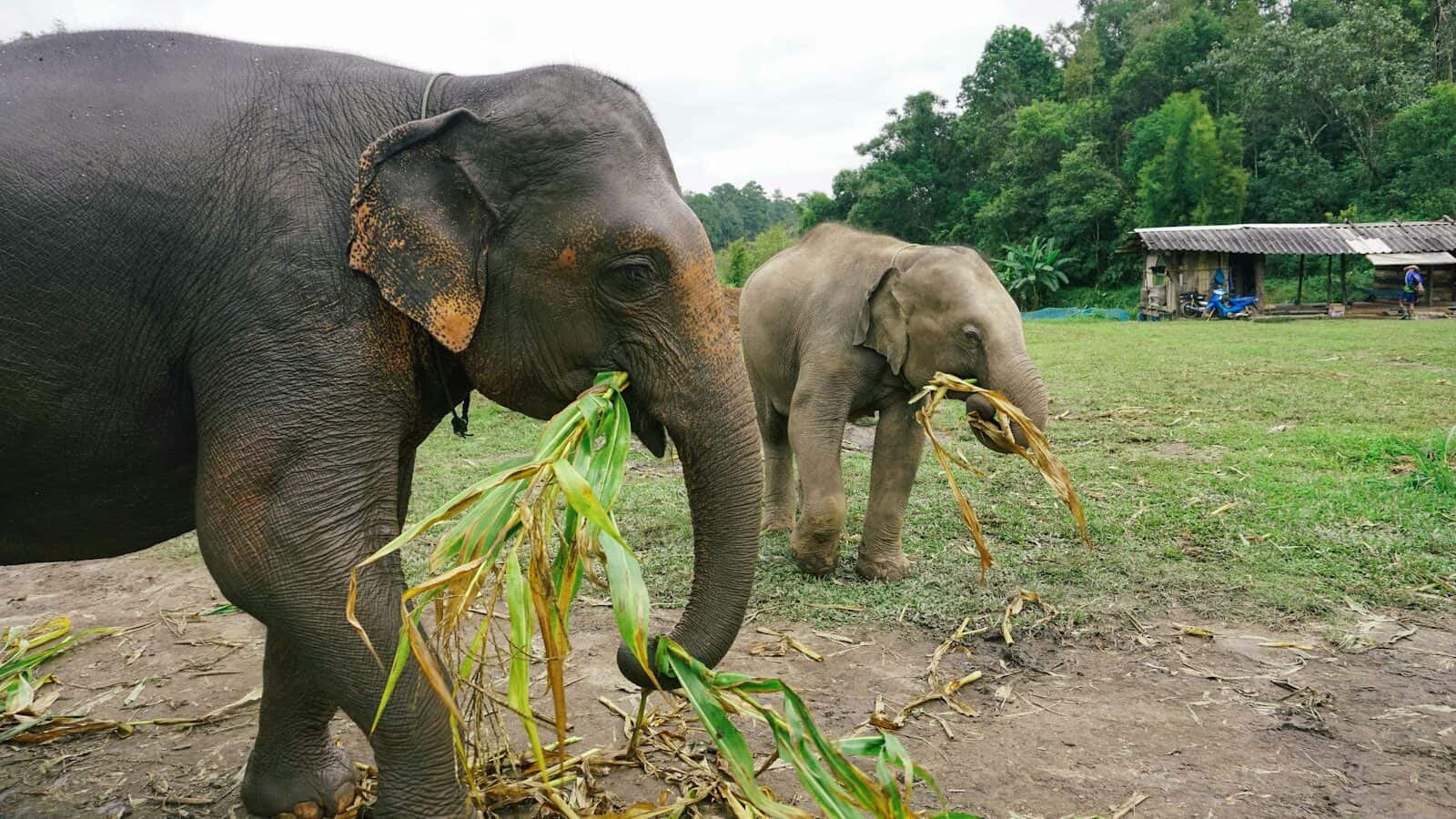
The daily energy budget of an elephant represents a masterclass in biological resource management. An adult elephant requires approximately 40,000-50,000 calories daily—roughly 20-25 times what an average human needs. This massive energy requirement must be balanced against the effort expended to obtain food. Elephants have evolved sophisticated strategies to maximize their energetic efficiency, including selective feeding on the most nutritious parts of plants when available and adjusting their movement patterns to minimize unnecessary energy expenditure.
During the wet season when food is abundant, elephants build energy reserves by consuming more nutritious vegetation and storing fat. These reserves become crucial during dry seasons when food quality and quantity decline. Pregnant and lactating females face even greater energetic demands—milk production alone requires an additional 8,000-10,000 calories daily. A lactating female may need to consume up to 230 kg (500 pounds) of vegetation daily to meet these combined requirements. This delicate energy balancing act influences nearly every aspect of elephant behavior, from daily movement patterns to seasonal migrations, all orchestrated to ensure their massive bodies receive sufficient sustenance.
Ecological Impact: Ecosystem Engineers

The enormous appetite of elephants transforms them into powerful ecosystem engineers whose feeding habits reshape entire landscapes. As they consume vast quantities of vegetation daily, elephants convert dense woodland into more open savanna by pushing over trees, stripping bark, and breaking branches. This habitat modification creates a mosaic of vegetation types that supports greater biodiversity than either closed forest or open grassland alone. Their feeding activities create gaps in the canopy that allow light to reach the forest floor, stimulating new plant growth and creating microhabitats for countless other species.
Additionally, elephants serve as prolific seed dispersers, transporting seeds up to 65 kilometers from parent plants. Their inefficient digestion leaves many seeds intact but scarified by digestive acids, enhancing germination rates. A single elephant dung pile may contain thousands of seeds from dozens of plant species, deposited with a ready supply of fertilizer. Research has identified over 350 plant species that depend partly or entirely on elephants for seed dispersal. Paradoxically, the same voracious appetite that can sometimes damage vegetation also ensures forest regeneration and maintains ecosystem health over the long term, making elephants keystone species whose feeding requirements benefit countless other organisms.
Food Scarcity and Human-Elephant Conflict
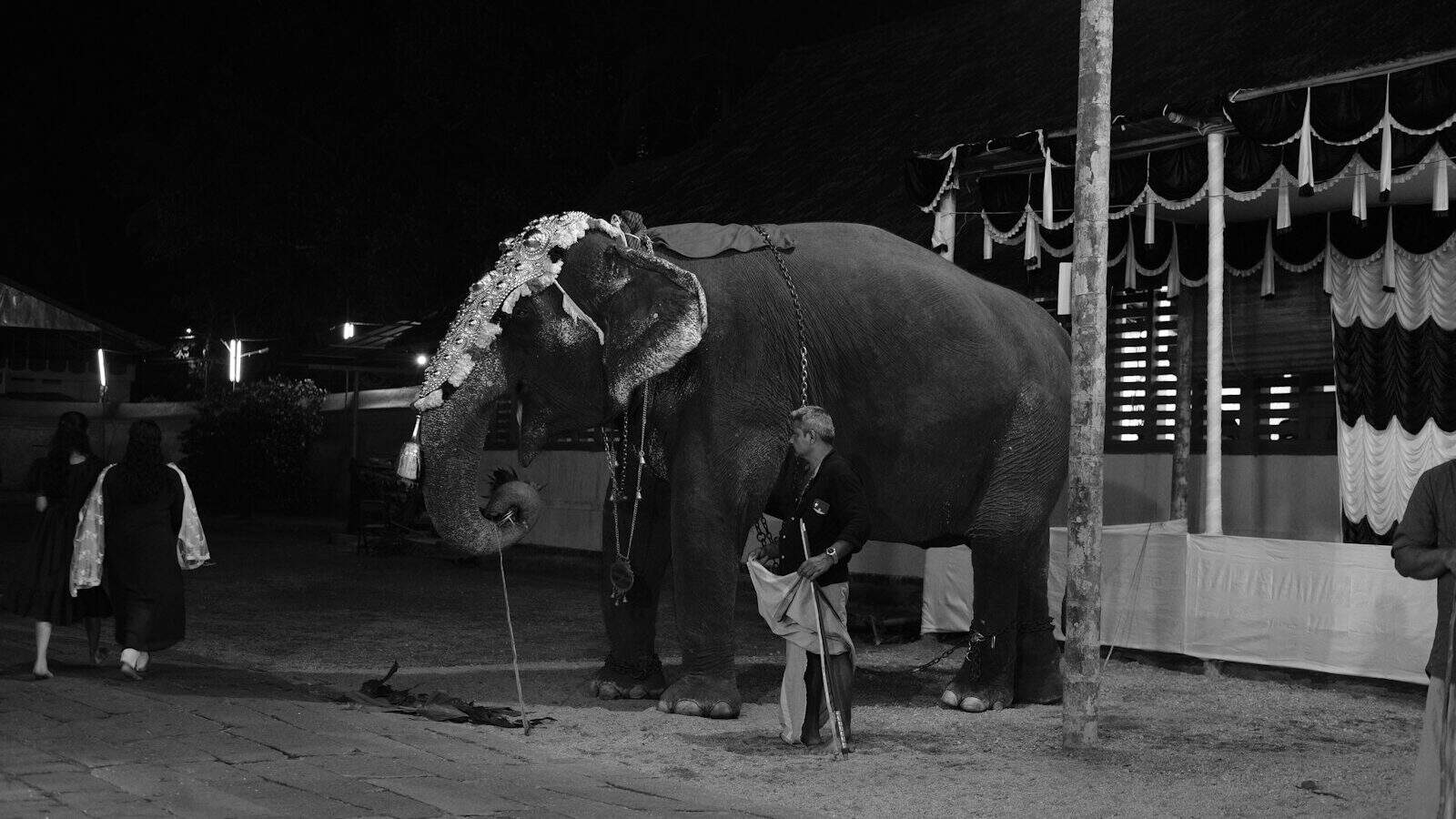
The enormous dietary needs of elephants inevitably bring them into conflict with humans in areas where natural habitat has been converted to agricultural land. A single elephant can consume or damage a family’s entire crop in one night—a devastating loss for subsistence farmers. As natural habitats shrink due to human population growth and agricultural expansion, elephants increasingly raid crops to satisfy their massive food requirements. These raids aren’t random but represent a rational economic choice from the elephant’s perspective: cultivated crops provide more calories with less effort than wild vegetation.
This conflict has severe consequences for both elephants and humans. Farmers may resort to lethal measures to protect their livelihoods, while elephants face injury or death from retaliatory killings. Various mitigation strategies have been developed, including beehive fences (elephants avoid bees), chili-based deterrents, early warning systems, and wildlife corridors connecting habitat fragments. The most successful approaches recognize that this conflict stems directly from the biological reality of elephant food requirements and involve community-based solutions that acknowledge both human needs and the ecological importance of elephants. Finding sustainable solutions to human-elephant conflict represents one of the most pressing challenges for elephant conservation globally.
Conservation Implications: Feeding the Giants
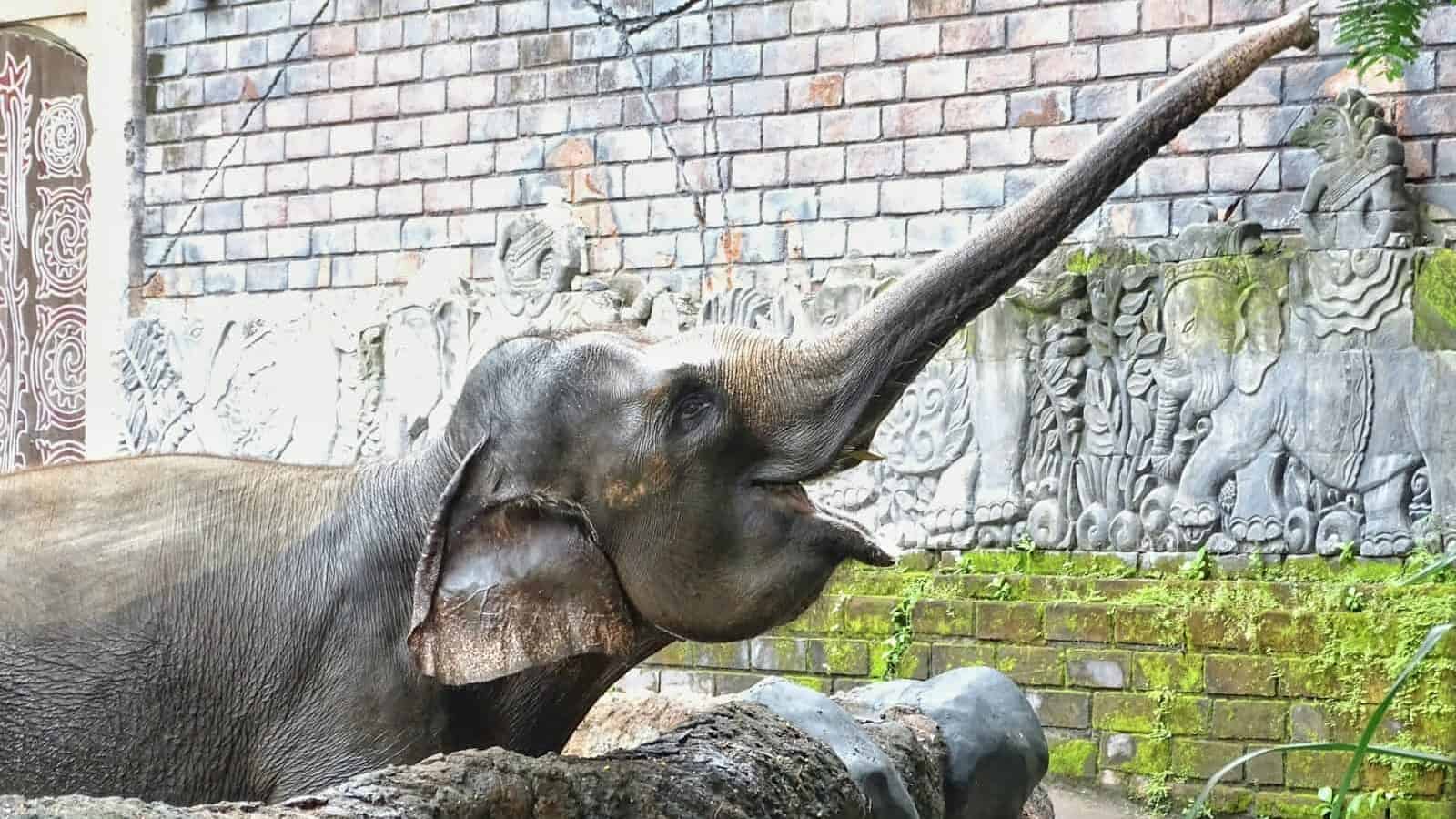
The enormous food requirements of elephants create unique conservation challenges, particularly in protected areas with limited space. A healthy elephant population can dramatically alter vegetation structure over time, potentially reducing habitat suitability for other species. Conservation managers must balance maintaining viable elephant populations with preserving overall ecosystem health. In some fenced reserves, elephant populations can exceed the environment’s carrying capacity, necessitating interventions such as translocation, contraception, or occasionally culling to prevent habitat degradation.
Climate change further complicates this picture by altering plant productivity, phenology, and water availability—all critical factors for elephants’ ability to meet their substantial nutritional requirements. Extended droughts may reduce food availability below sustainable thresholds, while changing rainfall patterns disrupt traditional migration routes that elephants have followed for generations to find sufficient food. Conservation strategies increasingly focus on maintaining landscape connectivity through wildlife corridors, allowing elephants the freedom to move in response to changing food and water distribution. These approaches recognize that protecting elephants requires protecting not just the animals themselves but ensuring access to the vast quantities of food they require daily for survival.
The Profound Connection Between Feeding and Survival
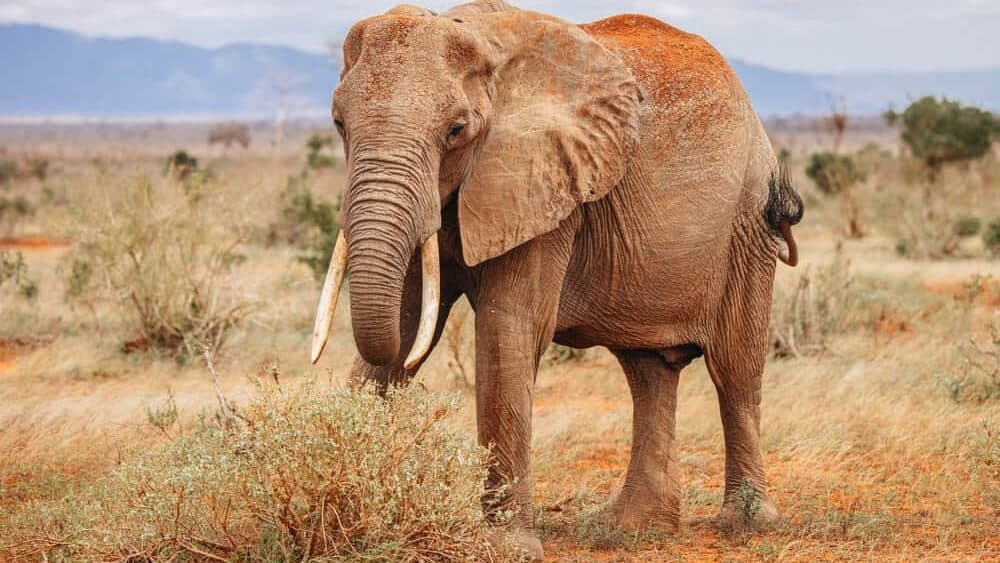
The massive food requirements of elephants represent far more than a biological curiosity—they constitute the central organizing principle around which elephant life revolves. Every aspect of elephant physiology, behavior, and ecology relates directly or indirectly to their need to consume enormous quantities of vegetation daily. Their specialized digestive systems, unique dental adaptations, remarkable trunks, and even their social structures have evolved primarily to solve the fundamental challenge of acquiring sufficient nutrition to sustain their massive bodies. This relationship between feeding and survival has shaped elephants into the magnificent creatures we recognize today.
As elephant habitats continue to shrink worldwide, understanding these nutritional requirements becomes increasingly crucial for conservation efforts. Without sufficient space and resources to meet their prodigious appetites, elephant populations cannot remain viable long-term. The future of these magnificent creatures depends on our willingness to protect not just elephants themselves but the vast landscapes they require to feed themselves. Their enormous food requirements aren’t merely an interesting fact but the key to their continued existence—a reminder that preserving biodiversity often means ensuring that even the largest appetites in nature can be satisfied within our increasingly human-dominated world.

- This Ancient Supervolcano Might Be About to Erupt—Should We Worry? - July 18, 2026
- 12 Most Remarkable Animals Thriving in U.S. Wetlands - July 18, 2026
- 12 Most Hilarious Cat Behaviors That Will Make You Laugh - July 18, 2026
Leave a comment
You must be logged in to post a comment.