

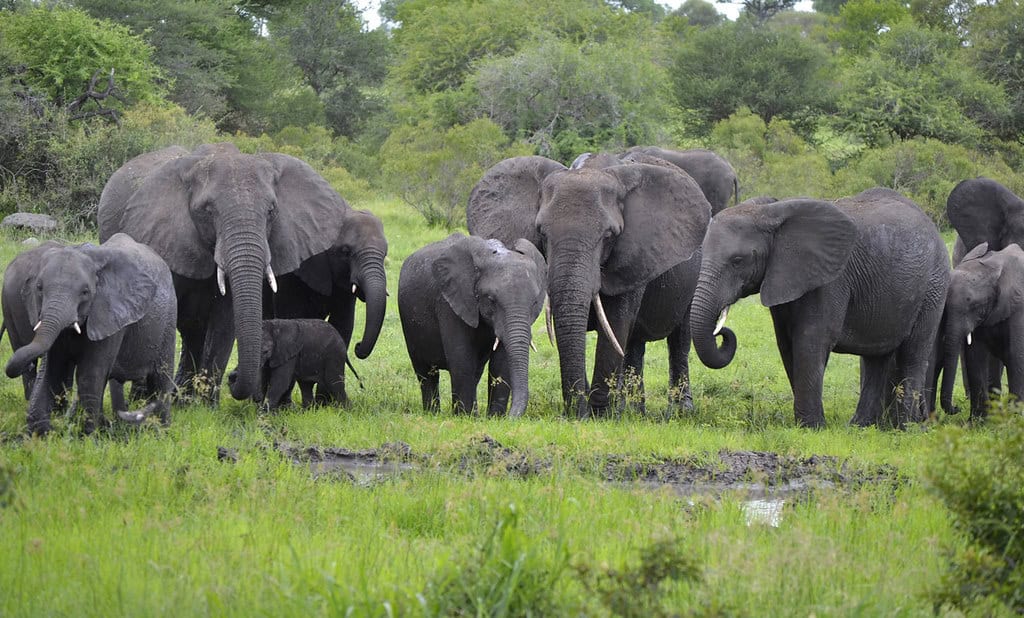
Elephants possess one of the most extraordinary memory capacities in the animal kingdom, a trait that has fascinated scientists and inspired the popular saying “an elephant never forgets.” This cognitive ability isn’t just impressive—it’s a critical survival adaptation that has evolved over millions of years. Their remarkable memory allows elephants to remember specific individuals, both elephant and human, for decades, even after long periods of separation. They can recall precise locations of water sources across vast landscapes and recognize threats they encountered years earlier.
Research conducted at the Amboseli National Park in Kenya has documented elephants recognizing and responding to calls from family members they hadn’t encountered in more than 12 years. This exceptional memory isn’t just a curious phenomenon—it serves vital functions in their complex social structures and helps these intelligent animals navigate their challenging environments. As highly social creatures with lifespans comparable to humans, elephants rely on their memory banks as essential tools for survival, social bonding, and avoiding dangers in their increasingly threatened habitats.
The Neurological Basis Behind Elephant Memory
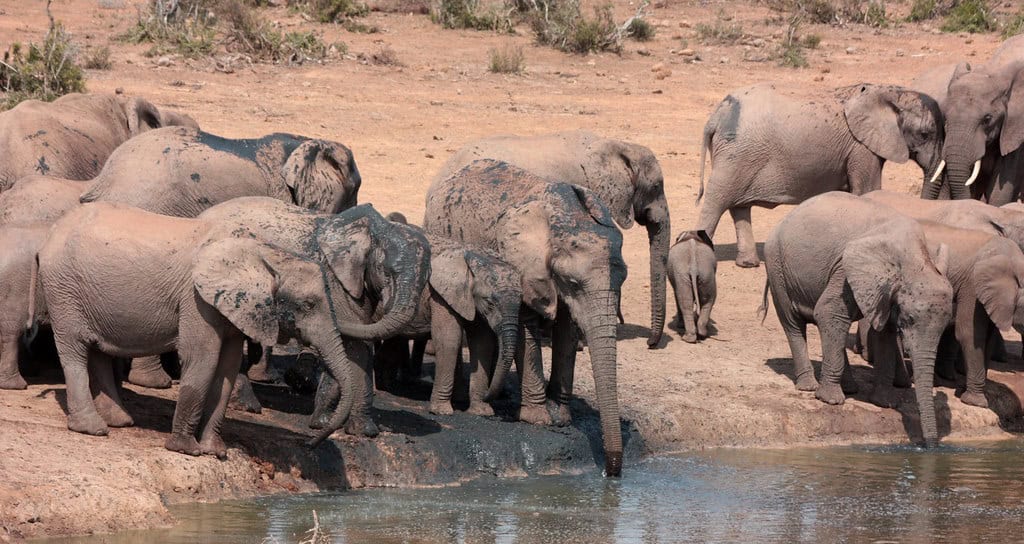
Elephants possess a brain that weighs approximately 5 kg (11 pounds), making it the largest of any land animal. However, it’s not just size that matters—it’s structure and specialization. The temporal lobe, which processes sensory input to form memories, is particularly well-developed in elephants. Even more importantly, elephants have a remarkably dense hippocampus, the brain region primarily responsible for memory formation and spatial navigation. Their hippocampus contains as many neurons as a human’s despite our brains having three times more neurons overall.
Neurobiologists have discovered that elephants share with humans and a few other highly intelligent species a high density of von Economo neurons, also known as spindle neurons. These specialized brain cells are thought to play a crucial role in social awareness, empathy, and emotional learning—all cognitive functions that support the formation of long-lasting memories tied to social interactions. This neurological hardware provides elephants with the capacity to form detailed, emotional memories that persist throughout their long lives, allowing them to remember not just what happened but how they felt about specific events and individuals.
Social Recognition: Remembering Friends and Family

Elephant society revolves around complex, multi-tiered social relationships that would be impossible to maintain without exceptional memory. Female elephants live in tight-knit family units led by a matriarch, typically the oldest female, whose memory serves as a crucial repository of social knowledge. Studies have shown that matriarchs can remember and recognize the calls of up to 100 different elephants from various family groups. This recognition ability helps them make vital decisions about which groups are friendly and which might present competition for resources.
When family members reunite after separations, they engage in elaborate greeting ceremonies that demonstrate clear recognition—trumpeting, ear-flapping, temporal gland secretions, and physical contact that convey excitement. Karen McComb, a behavioral ecologist at the University of Sussex, documented elephants that could recognize the calls of family members they hadn’t seen in 12 years or more. This long-term social memory extends beyond immediate family; elephants maintain relationships in extended networks called bond groups and clan groups, with some recognition capabilities extending to hundreds of individuals across multiple elephant families—a mental social directory that rivals human capabilities.
Remembering Human Faces and Interactions
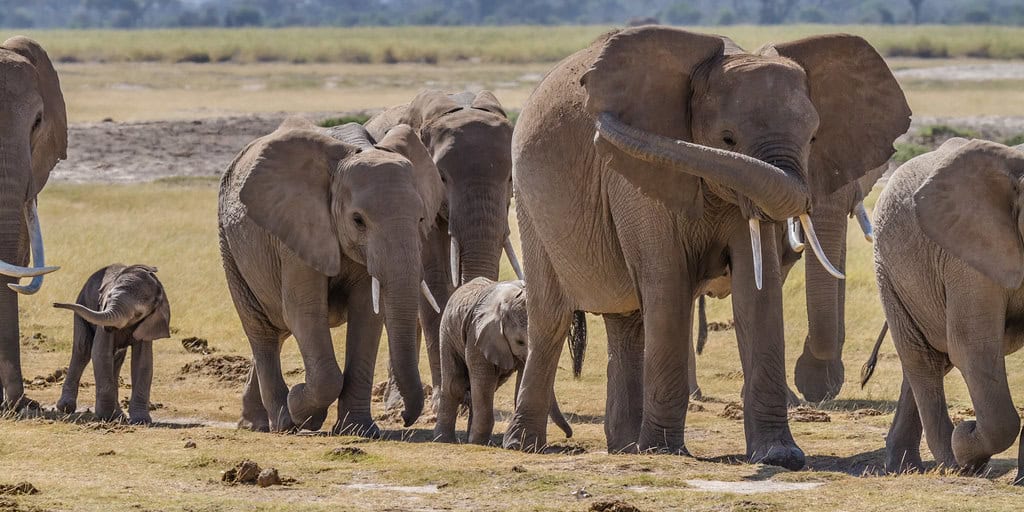
Elephants don’t limit their recognition abilities to their own kind—they demonstrate remarkable capacity to remember specific humans, both those who have treated them kindly and those who have posed threats. Researchers working with elephants in sanctuaries often report being recognized after years of absence, with elephants showing visible excitement upon reunion. More scientifically, studies with working elephants have demonstrated their ability to follow commands from specific handlers they haven’t seen in years, while showing uncertainty with unfamiliar humans giving the same commands.
Perhaps most compellingly, research conducted by Dr. Lucy Bates and Dr. Richard Byrne with African elephants demonstrated that these animals can distinguish between human ethnic groups that historically posed different levels of threat. In their study in Amboseli National Park, elephants responded more defensively to the scent and red clothing associated with Maasai warriors (who have traditionally speared elephants) than to the scent and white clothing of Kamba people (who rarely hunt elephants). This ability to categorize humans based on previous experiences demonstrates not just memory but sophisticated threat assessment capabilities that help elephants navigate potentially dangerous encounters with our species.
Navigational Memory: Mental Maps of Vast Territories

Elephants maintain detailed mental maps of enormous territories, sometimes covering thousands of square kilometers. Their remarkable spatial memory allows them to remember precise locations of water holes, feeding grounds, mineral deposits, and migration routes across these vast areas. This navigational prowess becomes particularly evident during droughts, when matriarchs lead their families to remote water sources they may have visited only once, decades earlier. GPS tracking studies have documented elephants making direct journeys to seasonal water sources over 50 kilometers away, without wasting energy on meandering routes.
This spatial memory extends beyond simple locations to include understanding of resource timing—elephants remember not just where resources are, but when they are likely to be available. A study in Tarangire National Park, Tanzania, found that during the dry season, elephants would travel directly to distant water sources that were only seasonally available, suggesting they maintained temporal information alongside spatial data in their mental maps. This sophisticated four-dimensional mapping (space plus time) allows elephant families to optimize their movement patterns in ways that maximize access to essential resources while minimizing energy expenditure—a critical adaptation in their challenging environments.
Threat Recognition and Avoidance

One of the most crucial aspects of elephant memory is their ability to remember and avoid specific threats. Elephants that have experienced poaching will show heightened wariness for years afterward, sometimes avoiding entire areas where they encountered danger. They can distinguish between different types of human threats—reacting differently to vehicles containing tourists versus those that might contain poachers. This threat memory extends to natural dangers as well, with elephants remembering locations of predator encounters or natural hazards like unstable ground.
This threat recognition ability is vividly demonstrated in how elephants respond to the sounds of bees. In a groundbreaking study by Dr. Lucy King, elephants were found to flee and emit special alarm calls when they heard recordings of active beehives. The elephants would shake their heads and flap their ears in attempts to prevent bee stings around vulnerable areas like their eyes and trunks. This specific memory of bee threats has even been leveraged for conservation, with “beehive fences” now used in some areas to protect crops from elephant raids without harming the animals. The elephants’ memory of previous painful bee encounters creates a natural boundary they won’t cross.
Intergenerational Knowledge Transfer
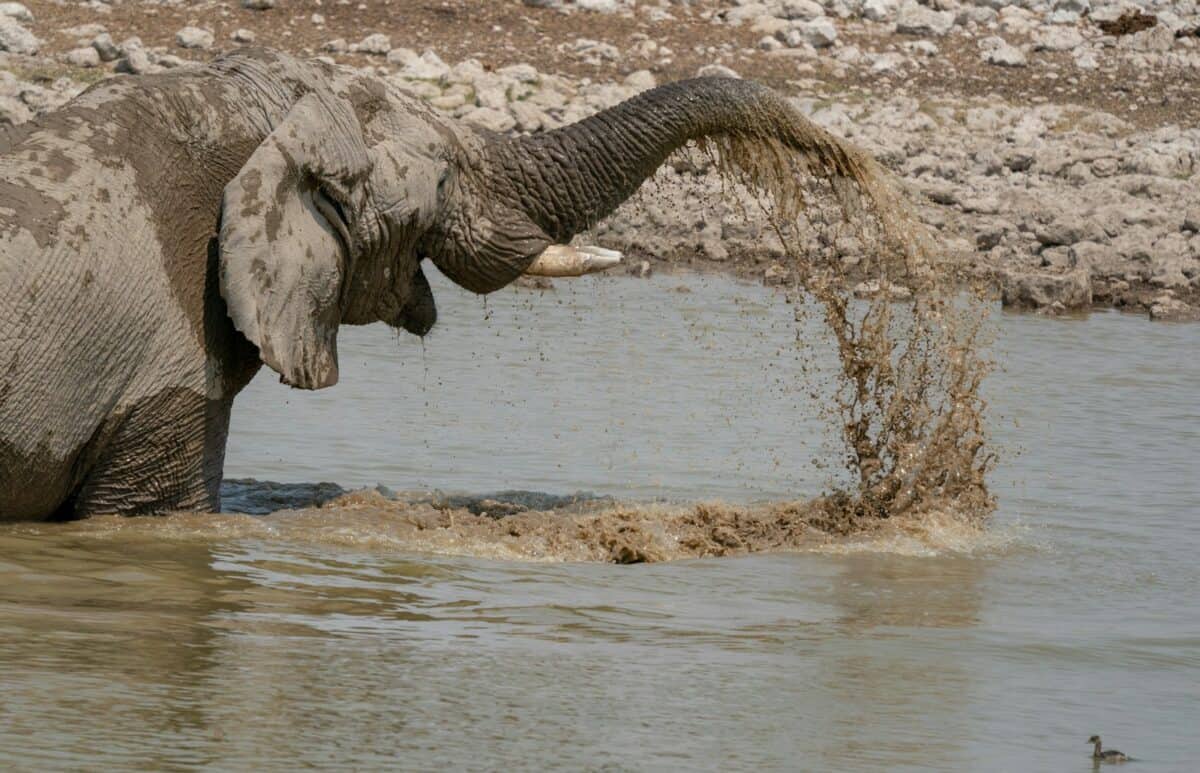
The extraordinary memory of elephants doesn’t just benefit individuals—it serves as a repository of critical knowledge that can be passed down through generations. Elder matriarchs, who may be 50-60 years old, possess memories of rare water sources, migration routes, and specific threats that younger elephants haven’t experienced. During extreme droughts, researchers have observed that groups led by older matriarchs have higher survival rates than those led by younger females, likely because the older matriarchs remember survival strategies from previous drought cycles that might occur only once every few decades.
This knowledge transfer happens through observation and direct teaching. Young elephants watch and mimic the responses of elders to various situations, absorbing crucial survival information. When researchers played recordings of unfamiliar elephant calls to family groups, they found that younger elephants would look to the matriarch before responding, essentially checking for her assessment of whether the unfamiliar elephants represented a threat. The systematic destruction of elephant family structures through poaching has had devastating effects beyond the immediate loss of life—it has erased irreplaceable knowledge bases contained in the memories of elder elephants, leaving younger generations without access to this crucial environmental and social wisdom.
The Emotional Component of Elephant Memory
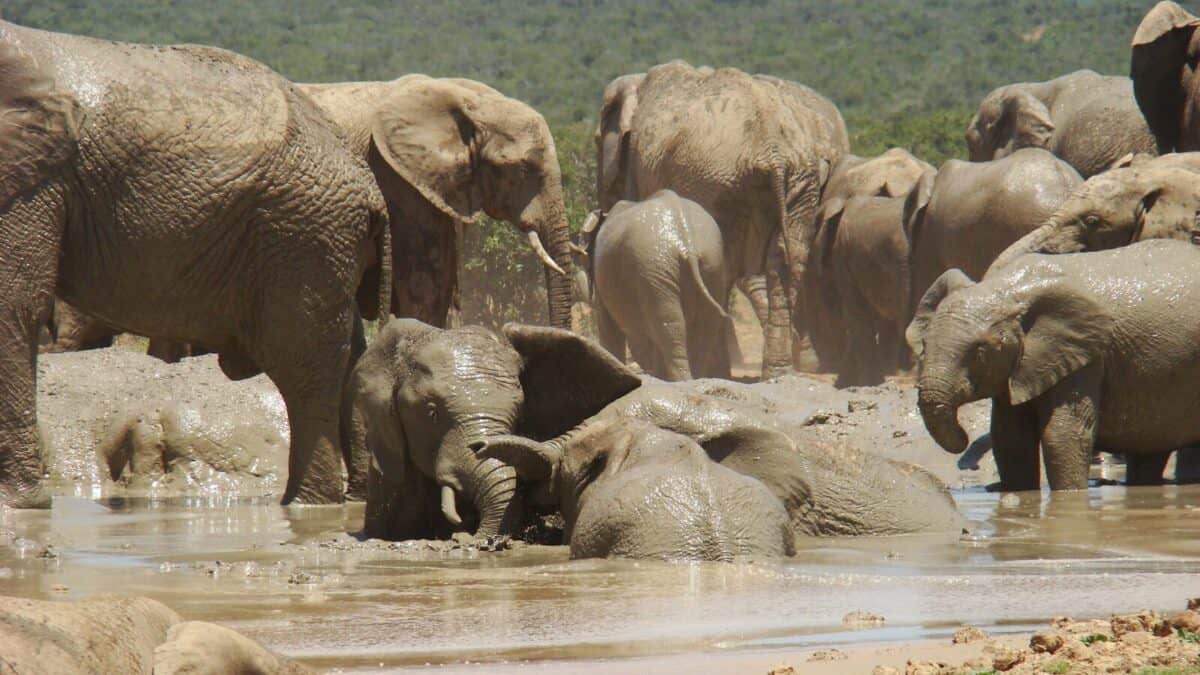
Elephant memories aren’t just factual records—they carry powerful emotional components that influence behavior for years. Elephants demonstrate clear signs of grief when encountering the remains of deceased family members, often spending days near the site, touching the bones with their trunks, and maintaining unusual silence. Even more remarkably, they appear to specifically recognize the remains of close family members versus those of unrelated elephants. In one documented case, a family group discovered the bones of their deceased matriarch, who had died several years earlier, and spent days investigating the remains despite having passed by many other elephant skeletons without showing particular interest.
This emotional memory extends to traumatic experiences as well. Elephants that have witnessed poaching or culling operations show symptoms consistent with post-traumatic stress disorder, including heightened aggression, abnormal startle responses, and disrupted social behavior. Young elephants orphaned by poaching or culling operations have been documented having nightmares, waking suddenly with loud vocalizations in a manner similar to humans experiencing PTSD. These emotional memories become part of the elephant’s decision-making framework, influencing how they respond to similar situations in the future—often with increased caution or avoidance of locations associated with past trauma.
Experimental Evidence of Elephant Memory

Laboratory-style experiments have provided further evidence of elephants’ exceptional memory capabilities. In controlled recognition tests, elephants have demonstrated the ability to remember specific objects, sequences, and quantities for extended periods. In one study at the Elephant Nature Park in Thailand, elephants were shown two buckets, with food placed in only one. When tested days later, the elephants consistently selected the correct bucket at rates far exceeding chance, demonstrating their ability to maintain these memories over time.
Mirror self-recognition tests have revealed that elephants can remember their own appearance and identify marks placed on their bodies that they can only see in reflection—a rare cognitive ability shared with only a few species including great apes, dolphins, and magpies. Perhaps most impressively, a study published in the Proceedings of the National Academy of Sciences demonstrated that elephants could keep track of the relative locations of multiple family members through scent cues alone. In this experiment, researchers moved urine samples from family members to unexpected locations, and the elephants showed clear surprise and increased investigation when they detected family members’ scents in places that contradicted their mental tracking of where those individuals should be—evidence of a sophisticated working memory that maintains awareness of others’ movements.
Memory in Captive Versus Wild Elephants
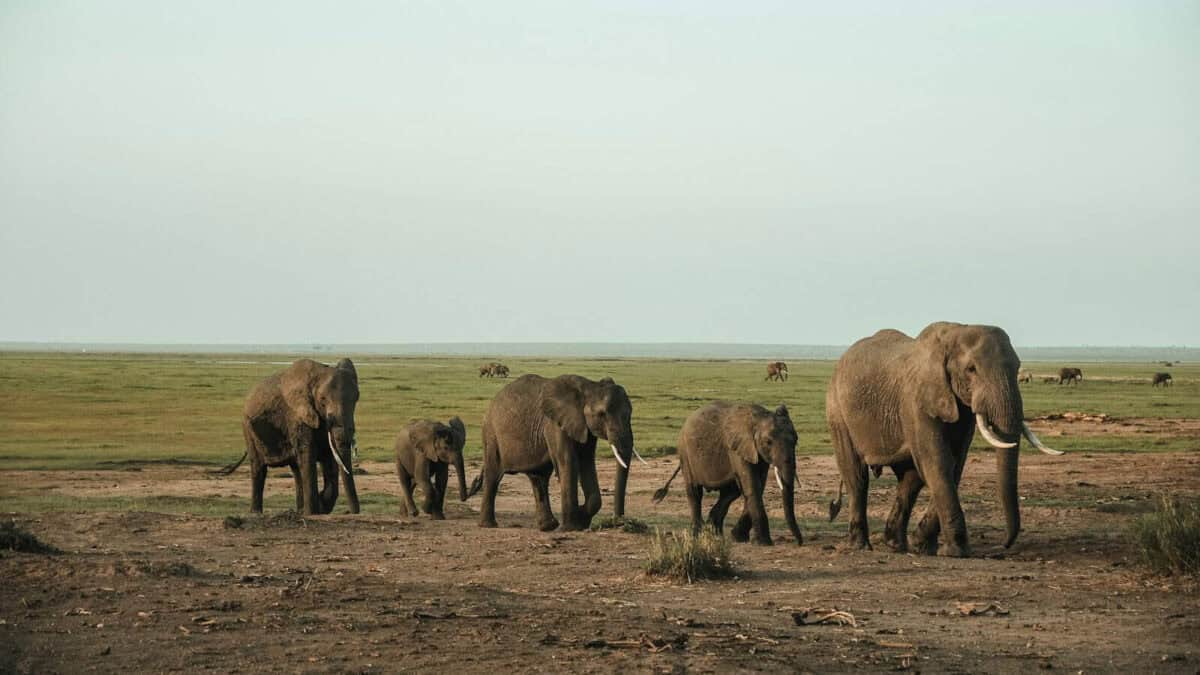
Captive elephants provide additional insights into elephant memory capabilities. Zoo elephants have been documented recognizing keepers who return after absences of many years, showing excitement through ear flapping, trumpeting, and increased temporal gland secretions that indicate positive emotional states. Circus and working elephants demonstrate the ability to remember complex routines involving dozens of commands, showcasing their procedural memory capabilities. However, the more restricted environments of captivity limit the full expression of elephants’ natural memory capacities, particularly regarding spatial navigation and large social networks.
The contrast between captive and wild elephant memory use highlights important welfare considerations. Wild elephants constantly exercise their memory capabilities across vast landscapes, making decisions about navigation, resource location, and social interactions that captive environments cannot fully replicate. This cognitive difference may contribute to the behavioral problems sometimes observed in captive elephants, such as stereotypic movements and heightened aggression. Some progressive zoos have recognized this issue and implemented memory-challenging enrichment programs, creating puzzle feeders, scent trails, and unpredictable food distribution that require elephants to use their natural memory capabilities—efforts that have shown success in reducing abnormal behaviors and improving welfare indicators.
Memory as a Conservation Challenge

The extraordinary memory of elephants presents both opportunities and challenges for conservation efforts. On one hand, their ability to remember safe corridors and resource locations can help conservation planners design protected areas that work with elephants’ natural movement patterns. On the other hand, their long memories of negative human interactions can make rehabilitating human-elephant relationships difficult in areas with histories of conflict. In regions where elephants have experienced poaching or harassment, their wariness can persist for generations, making conservation interventions more challenging.
Elephant memory also contributes to the particular tragedy of habitat fragmentation. When traditional migration routes are blocked by human development, elephants may continue attempting to follow these paths for many years, leading to dangerous human-elephant conflicts. A particularly poignant example comes from areas where fences or settlements have blocked routes to traditional water sources—elephants will sometimes continue trying to access these remembered resources for years, even when alternative water sources have been provided elsewhere. This persistence based on memory highlights the importance of maintaining landscape connectivity and working with, rather than against, the deeply ingrained spatial knowledge that elephants carry with them throughout their lives.
The Evolutionary Advantage of Exceptional Memory

The remarkable memory capabilities of elephants didn’t evolve by chance—they represent a specific adaptation to the challenges of their ecological niche. As large-bodied mammals with high caloric requirements living in environments with patchy, seasonally variable resources, elephants face significant challenges in meeting their nutritional needs. Their memory of specific resource locations across vast landscapes allows them to minimize energy expenditure while maximizing resource acquisition. The ability to remember which trees fruit at which times of year, or which underground water sources remain available during specific phases of drought, provides a critical survival advantage.
Similarly, their social memory evolved in response to the complexity of elephant society and the benefits of cooperation. By remembering individuals and their past behaviors, elephants can make sophisticated decisions about whom to trust and cooperate with—a capacity that strengthens family bonds and promotes group survival. Their threat memory evolved as a direct response to predation pressure and environmental hazards, allowing them to avoid dangers without having to relearn painful lessons. Together, these memory adaptations have contributed significantly to the success of elephants as a species over millions of years, though they now face unprecedented challenges from human-caused habitat loss and poaching that even their remarkable memories cannot easily overcome.
Conclusion: The Enduring Power of Elephant Memory

The extraordinary memory capabilities of elephants represent one of nature’s most remarkable cognitive adaptations, allowing these intelligent giants to navigate complex physical and social landscapes over their long lifespans. From remembering the locations of hidden water sources during droughts to recognizing family members after decades of separation, elephant memory serves as a critical survival tool that has helped these species thrive for millions of years. Their ability to remember human faces—both friendly and threatening—has shaped their relationships with our species and contributes to the profound connections many people feel when interacting with these perceptive animals.
As we work to protect remaining elephant populations, understanding their memory capabilities becomes increasingly important for effective conservation. Preserving not just elephants themselves, but the knowledge contained in their memories—especially that of elder matriarchs—represents a crucial conservation priority. The saying that “an elephant never forgets” contains profound truth that science continues to validate and expand upon. Their memory capabilities remind us that these are not simply large animals to be admired, but thinking, feeling beings with rich inner lives shaped by experiences they carry with them throughout their lives.
As habitats shrink and human-elephant conflicts increase, the memory of elephants presents both challenges and opportunities. Their ability to remember threats can make rehabilitation efforts difficult in areas with histories of conflict, but their capacity for recognizing friendly humans also creates possibilities for building more positive relationships. For the elephants themselves, their remarkable memory serves as both blessing and burden—helping them survive while also ensuring they carry the emotional weight of losses and traumas in a world increasingly shaped by human activities. In protecting elephants, we preserve not just a species, but living libraries of environmental and social knowledge accumulated across generations.
The elephant’s memory stands as a testament to the sophisticated cognitive abilities that can evolve in social mammals, reminding us how much we still have to learn about animal intelligence and consciousness. As research continues to uncover the neurological and behavioral aspects of elephant memory, our appreciation for these remarkable animals only deepens, strengthening our commitment to ensuring they maintain their place in the wild landscapes where their memories continue to serve them as essential tools for survival and social cohesion.

From exploring the marine wonders in the Azores and witnessing the vast savannas of Kenya, to delving deep into the rich biodiversity of South Africa and traversing iconic landscapes in Australia and the US like Yellowstone, Chris's experiences are vast.
With a penchant for diving alongside sharks, the ocean holds a special place in his heart.
Through his academic insights, he champions wildlife conservation, striving with 'Animals Around The Globe' to cultivate a profound connection between humans and animals, enhancing our mutual appreciation.
Connect with him at Feedback@animalsaroundtheglobe.com.
- How Tigers Mark Their Territory Using Scent and Scratches - July 29, 2026
- The Deadly Volcano That Erased a Town Is Now Active Again - July 29, 2026
- 12 Deep Sea Animals With Terrifying Adaptations - July 29, 2026