
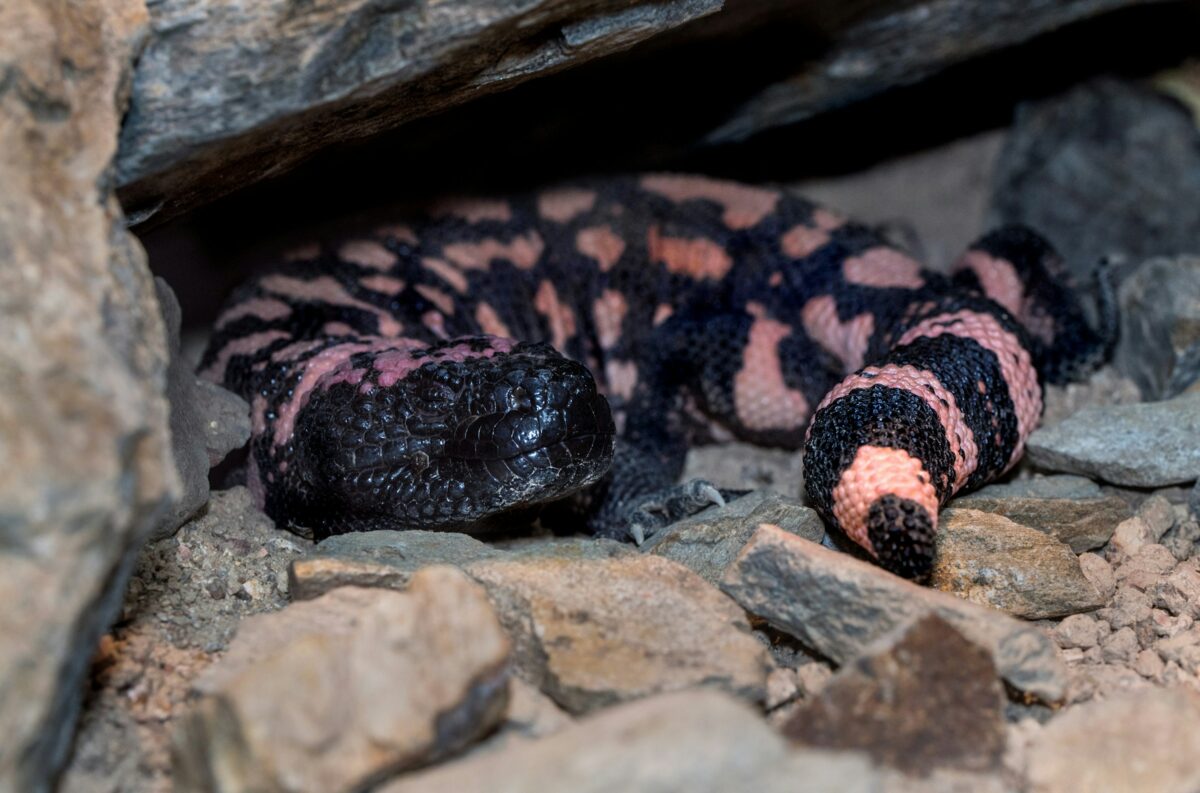
Imagine a creature so elusive that it spends nearly its entire existence out of sight, emerging only briefly to bask in the sun or hunt. The Gila monster, North America’s largest native lizard, embodies this secretive lifestyle, spending about 95% of its life underground.
This subterranean existence isn’t just a quirky habit; it’s a survival strategy honed over millennia. By staying hidden, Gila monsters avoid predators and the harsh extremes of their desert habitats. Their burrows provide a stable environment, shielding them from the scorching heat of summer and the biting cold of winter.
Masters of Disguise: The Hidden Life of Gila Monsters
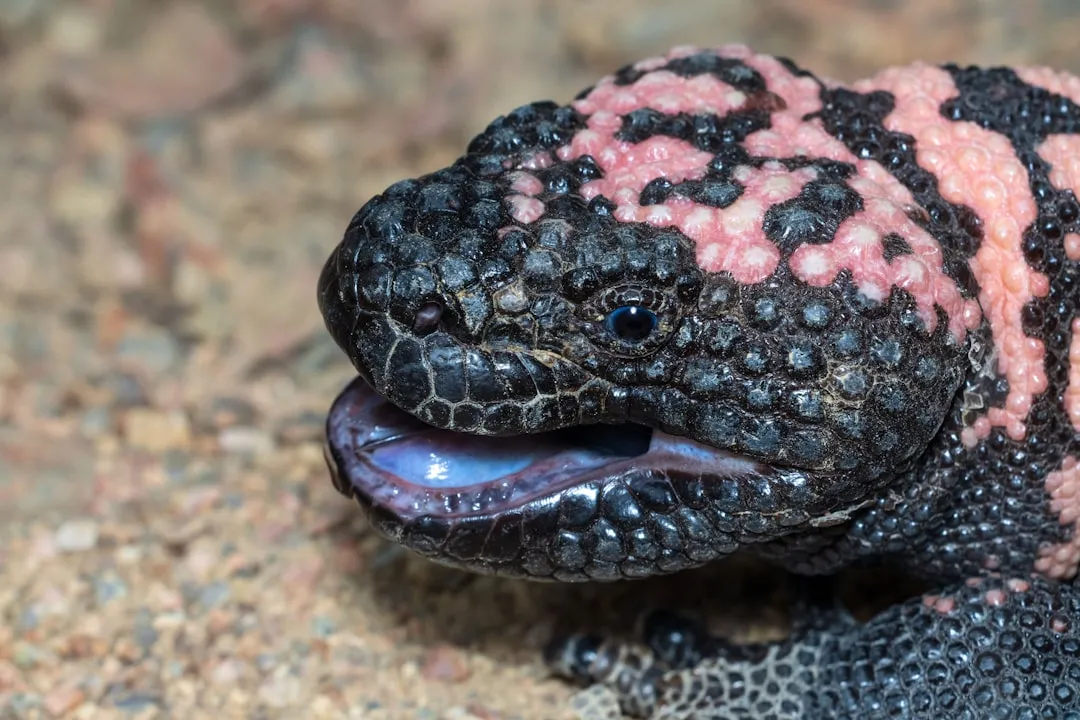
Imagine a creature so elusive that it spends nearly its entire existence out of sight, emerging only briefly to bask in the sun or hunt. The Gila monster, North America’s largest native lizard, embodies this secretive lifestyle, spending about 95% of its life underground.
This subterranean existence isn’t just a quirky habit; it’s a survival strategy honed over millennia. By staying hidden, Gila monsters avoid predators and the harsh extremes of their desert habitats. Their burrows provide a stable environment, shielding them from the scorching heat of summer and the biting cold of winter.
Desert Dwellers: Adapting to Arid Environments
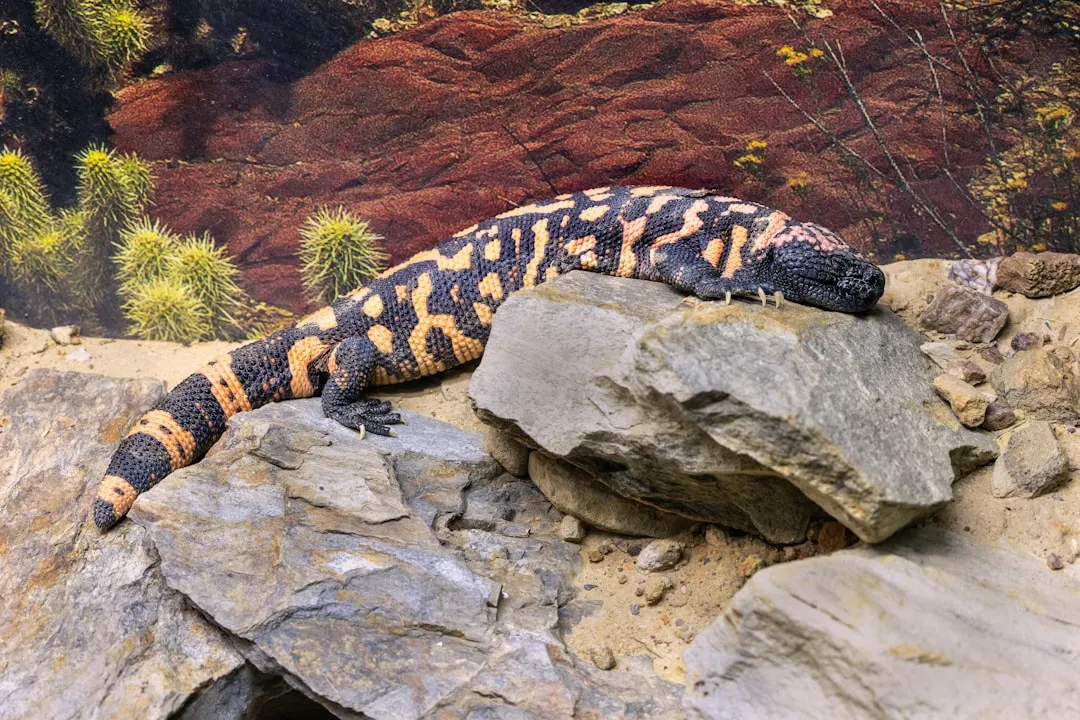
The arid landscapes of the southwestern United States and northwestern Mexico are unforgiving. Temperatures can soar during the day and plummet at night, creating a challenging environment for any creature. Gila monsters have adapted by becoming crepuscular, meaning they’re most active during the cooler hours of dawn and dusk.
Their underground burrows maintain a more consistent temperature and humidity level, offering a refuge from the desert’s extremes. This adaptation not only conserves their energy but also reduces water loss, a critical factor in their survival.
Energy Conservation: The Art of Efficient Living
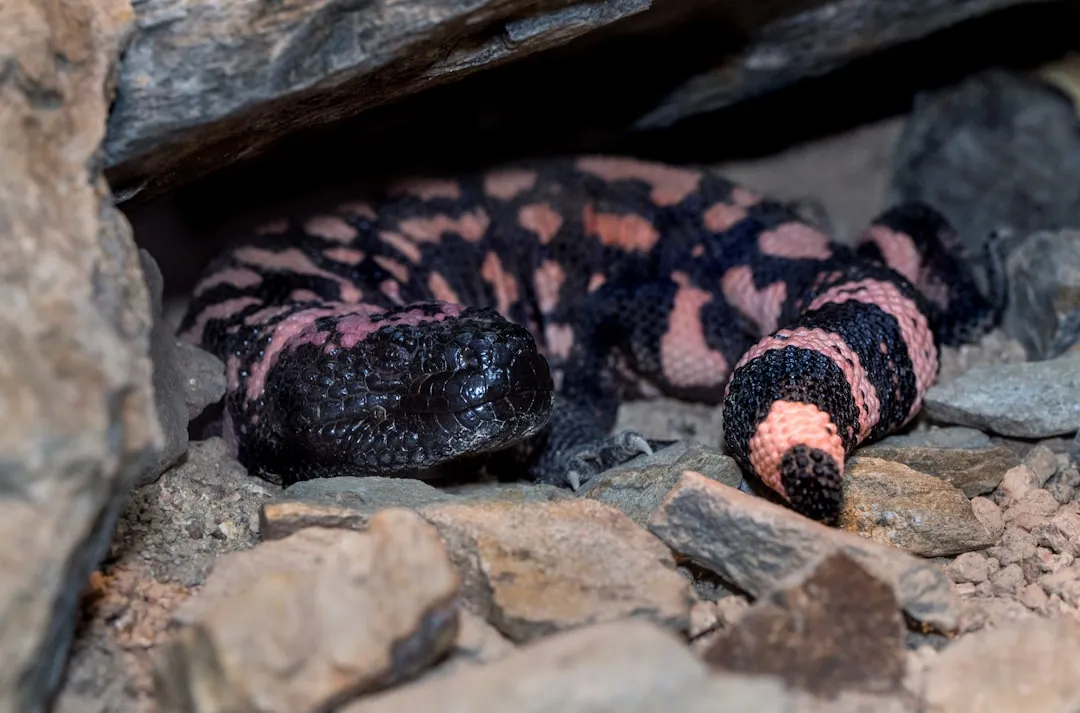
Gila monsters are the epitome of efficiency. They can consume up to one-third of their body weight in a single meal, storing excess energy in their tails as fat reserves. This allows them to survive on as few as three to four substantial meals a year.
By spending most of their time underground, they minimize energy expenditure. Their slow metabolism and sedentary lifestyle mean they don’t need to hunt frequently, making their infrequent forays above ground sufficient to meet their nutritional needs.
Reproduction: A Slow but Steady Approach
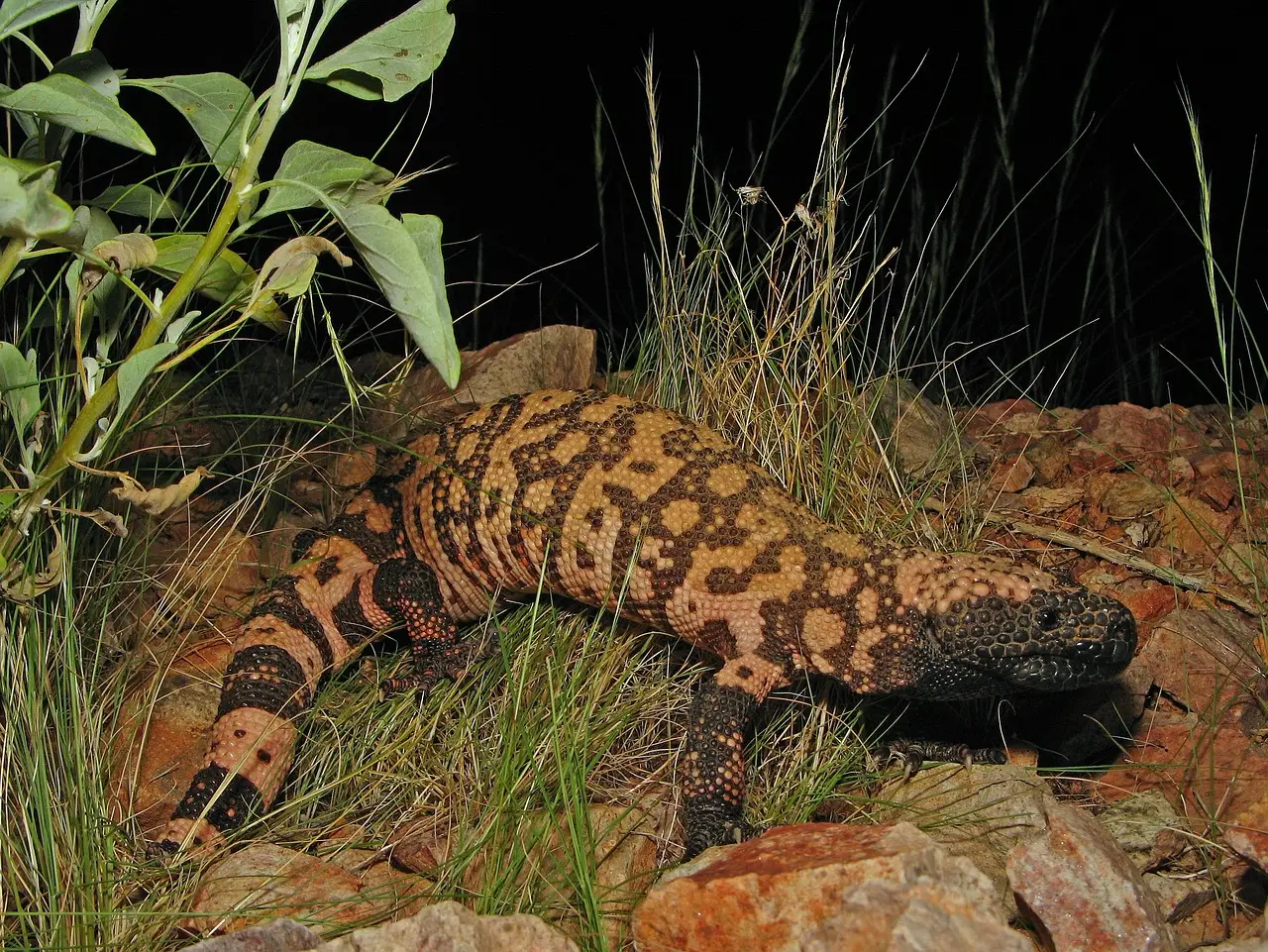
Gila monsters have a unique reproductive cycle. Mating occurs in late spring, with females laying a clutch of two to twelve eggs in late July. These eggs incubate underground for about 120 to 150 days, hatching in the following spring.
This extended incubation period ensures that hatchlings emerge when conditions are more favorable, with warmer temperatures and increased food availability. The underground nests provide a stable environment, protecting the developing embryos from predators and environmental fluctuations.
Venomous Defense: A Last Resort
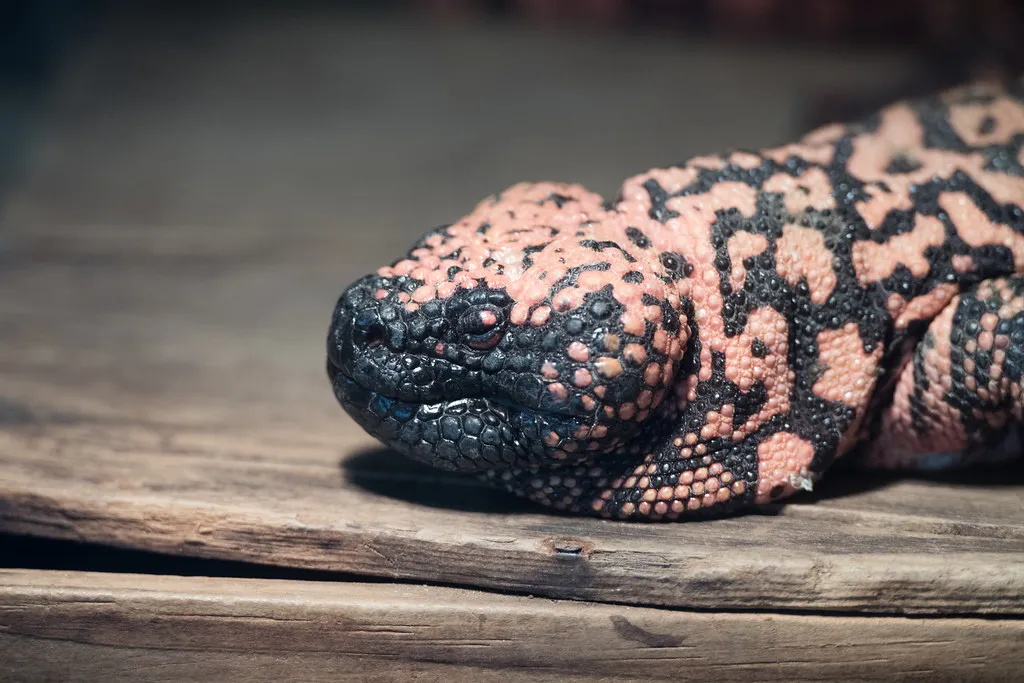
While Gila monsters are venomous, they use their venom primarily for defense rather than hunting. Their slow movement makes them less effective predators, so they rely on stealth and surprise to capture prey. When threatened, they deliver a painful bite, clamping down and chewing to inject venom through grooves in their teeth.
However, their preference for staying hidden means they rarely encounter threats, reducing the need to use their venom. This reclusive behavior minimizes conflicts and conserves their energy for essential activities like feeding and reproduction.
Myths and Misunderstandings: Separating Fact from Fiction
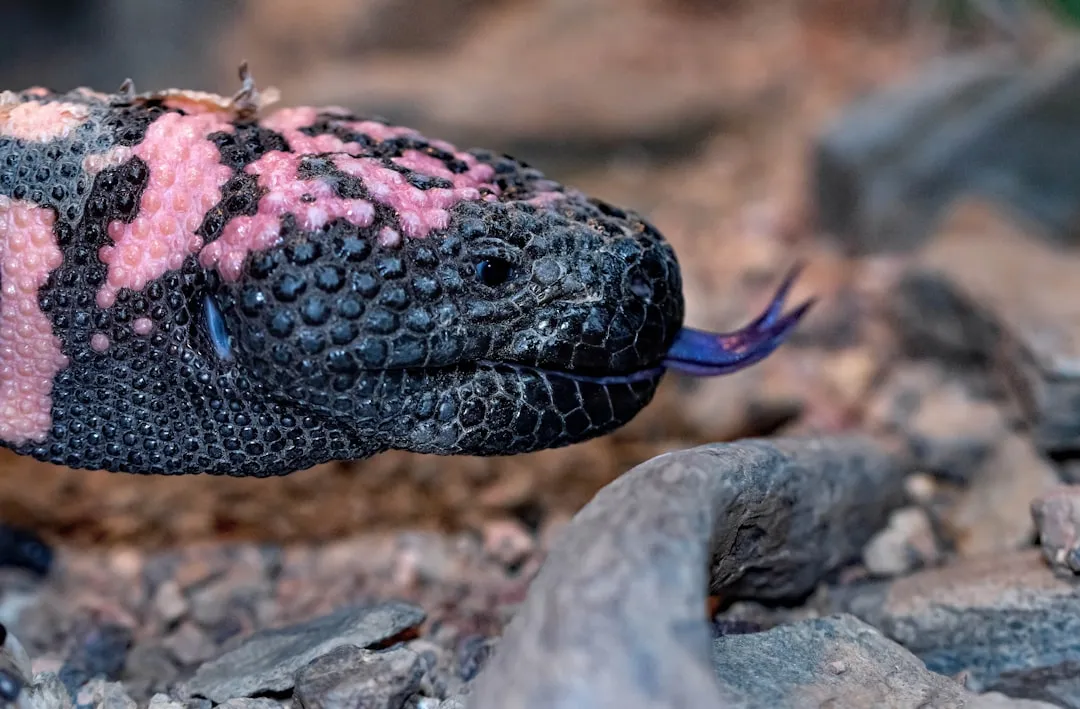
Gila monsters have been the subject of numerous myths, often portrayed as dangerous aggressors. In reality, they are reclusive creatures that avoid human interaction. Their venomous bite, while painful, is rarely fatal to humans. Most bites occur when the lizard is provoked or handled, situations that can be easily avoided.
Understanding their behavior and respecting their space allows for peaceful coexistence. These lizards play a vital role in their ecosystems, controlling populations of small mammals and insects.
Conservation Concerns: Protecting the Hidden Giants
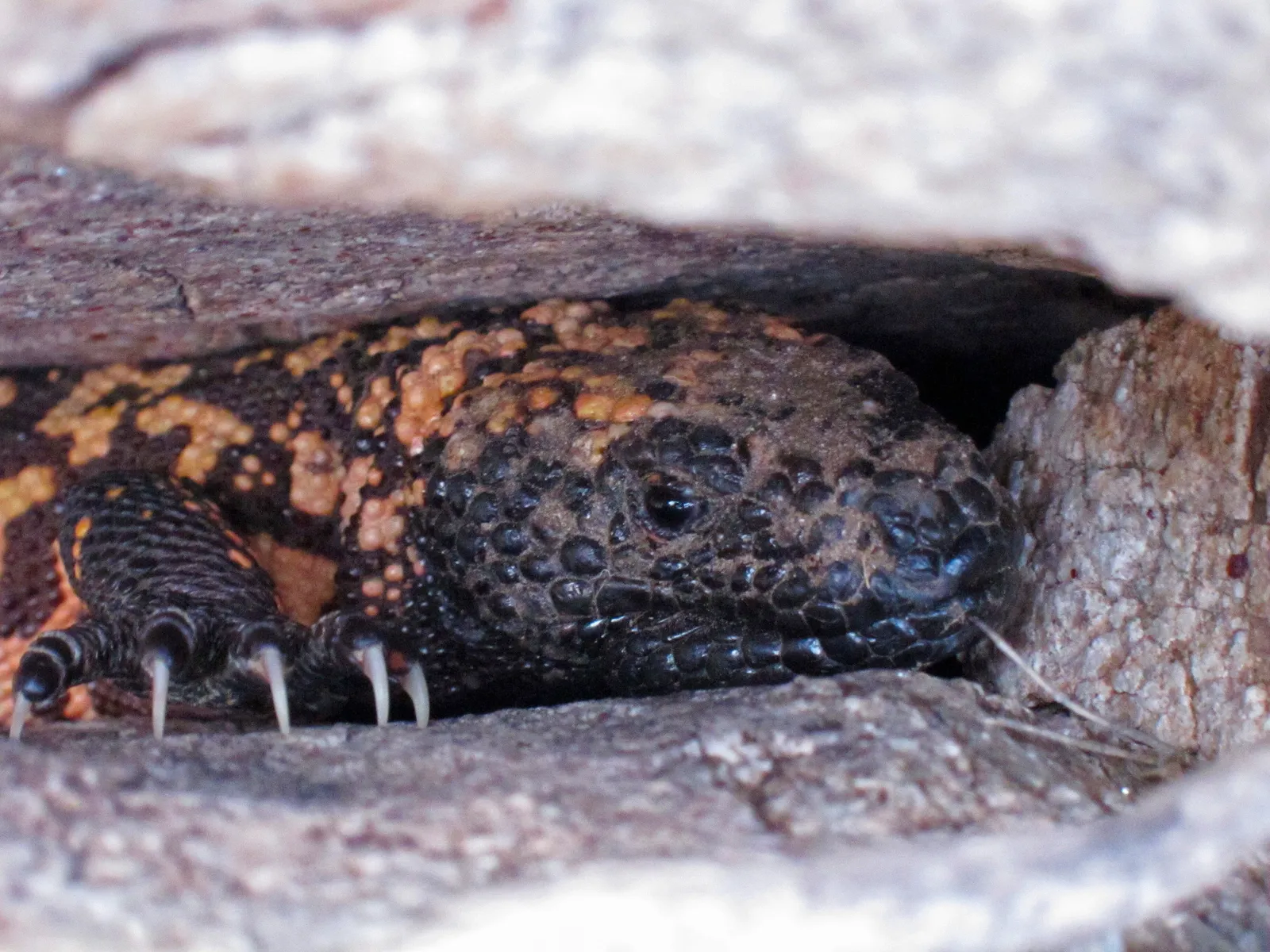
Despite their elusive nature, Gila monsters face threats from habitat destruction and illegal collection. Urban expansion and agriculture encroach on their habitats, reducing the availability of suitable burrows and food sources. Conservation efforts focus on habitat preservation and legal protection to ensure these unique reptiles continue to thrive.
Public education is crucial. By dispelling myths and promoting understanding, we can foster appreciation for Gila monsters and support initiatives aimed at their conservation.
Conclusion: Embracing the Mystery
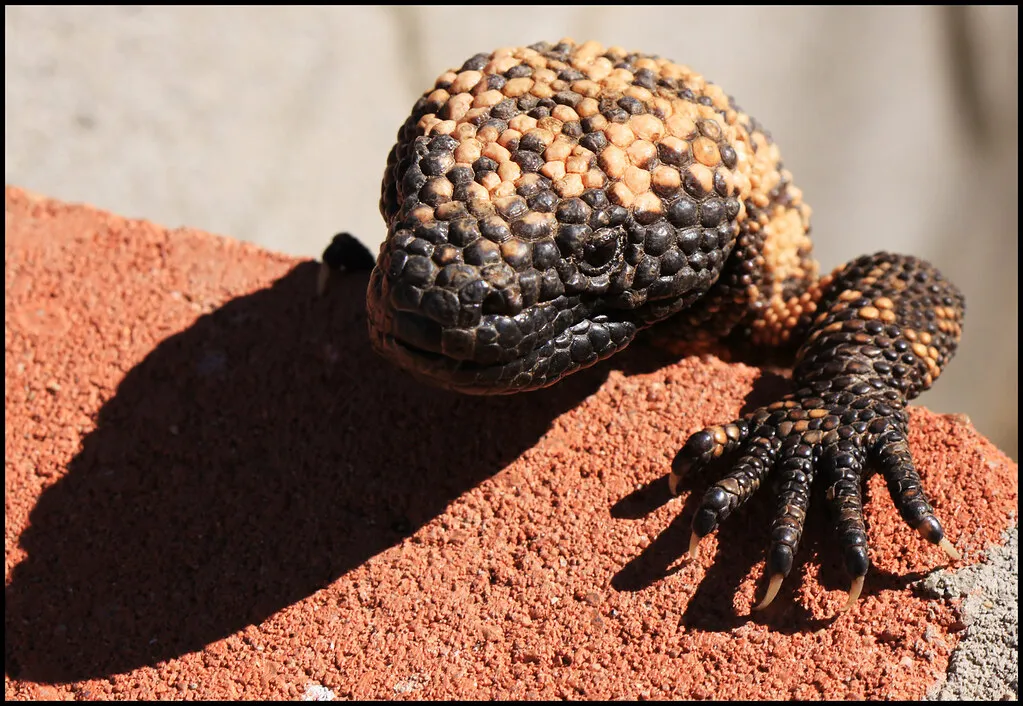
The Gila monster’s underground lifestyle is a testament to nature’s ingenuity. By adapting to their harsh environment, they’ve carved out a niche that ensures their survival. Their secretive existence challenges us to look beyond the surface and appreciate the complexities of the natural world.
In a world where visibility often equates to value, the Gila monster reminds us that some of the most fascinating creatures thrive out of sight. Isn’t it time we paid more attention to the wonders lurking just beneath our feet?

- These Endangered Species Are Making Remarkable Comebacks Thanks to Dedicated Efforts - July 17, 2026
- 10 Fascinating Facts About the Badlands: America’s Ancient Fossil Kingdom - July 17, 2026
- 10 Fascinating Facts About Monument Valley: The Ancient Landscape That Shaped the American West - July 17, 2026