
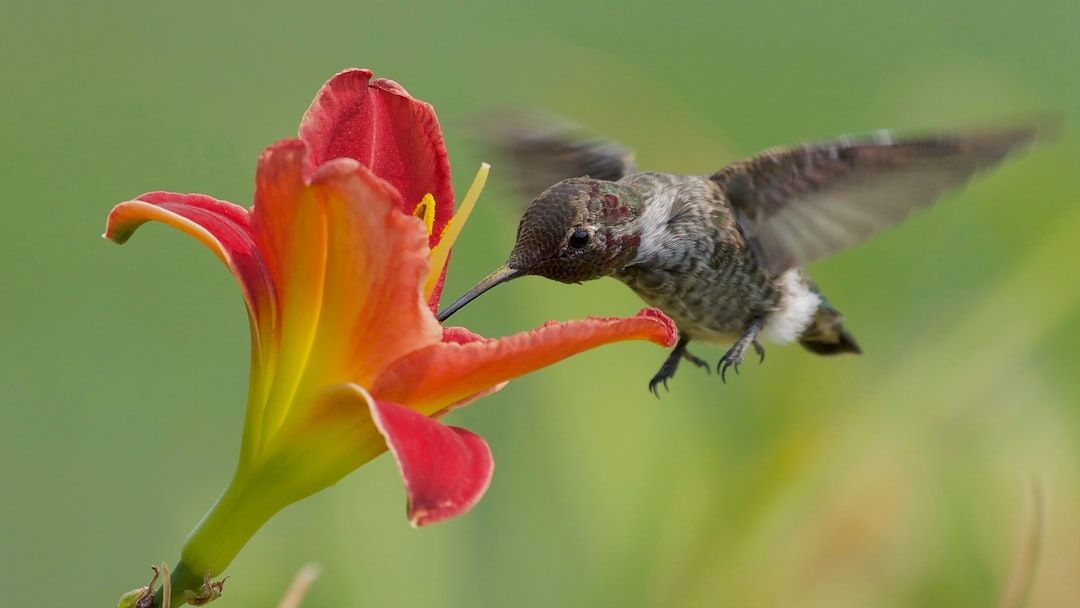
You might think something weighing less than a nickel couldn’t possibly be fierce. You’d be wrong. Hummingbirds pack more intensity into their tiny frames than most animals ten times their size, defending their territory with a ferocity that would make professional boxers jealous. These aerial acrobats aren’t just fast and beautiful, they’re also surprisingly aggressive guardians of their food sources.
When you see one hovering peacefully at your garden feeder, there’s probably a lot more drama happening than meets the eye. Behind that delicate, iridescent shimmer lies a creature built for relentless competition and survival. Let’s dive into what makes these miniature athletes so territorial and why their aggression is anything but random.
Their Metabolism Burns Like a Furnace on Overdrive
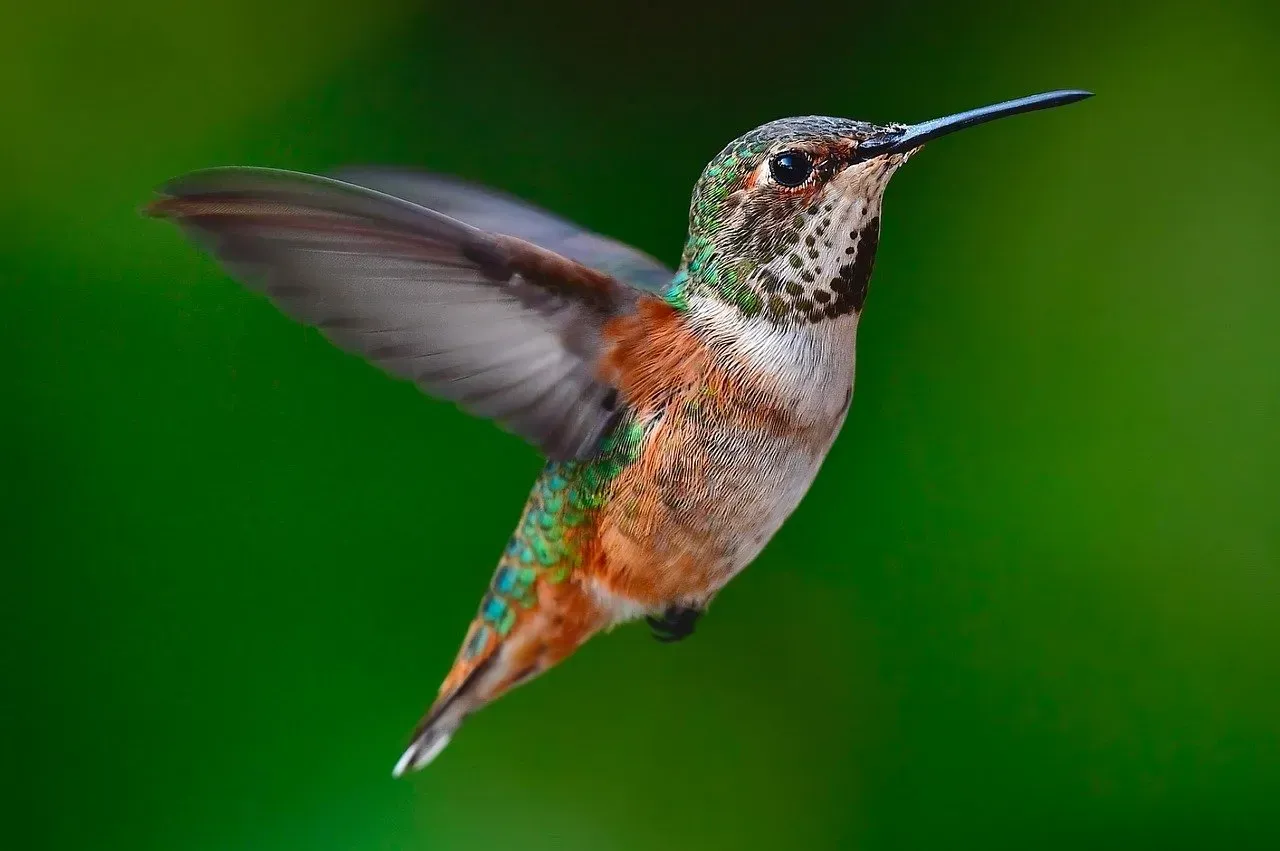
Hummingbirds have the highest metabolism of all vertebrate animals – a necessity to support the rapid beating of their wings during hovering and fast forward flight. Think about that for a second. The fastest metabolism on Earth, packed into a bird smaller than your palm. During flight and hovering, oxygen consumption per gram of muscle tissue in a hummingbird is about 10 times higher than that measured in elite human athletes.
This extreme metabolic rate means they’re constantly on the edge of running out of fuel. On an average day, a hummingbird will consume double its body weight. If humans had the same metabolism, we’d need to consume 155,000 calories a day. That’s like eating more than 300 quarter-pound cheeseburgers every single day just to stay alive.
To maintain their weight and energy, they need to feed often – sometimes every 10 to 15 minutes. Missing even a few feeding opportunities could be life-threatening. When your survival depends on constant refueling, you start to understand why these birds don’t take kindly to competition at the nectar bar.
Their bodies are literally designed for speed and endurance, not patience. Hummingbirds can use newly ingested sugars to fuel hovering flight within 30–45 minutes of consumption. It’s like having a direct pipeline from stomach to engine. When resources are this critical, sharing isn’t really an option.
They’re Built Like Fighter Jets With Feathers
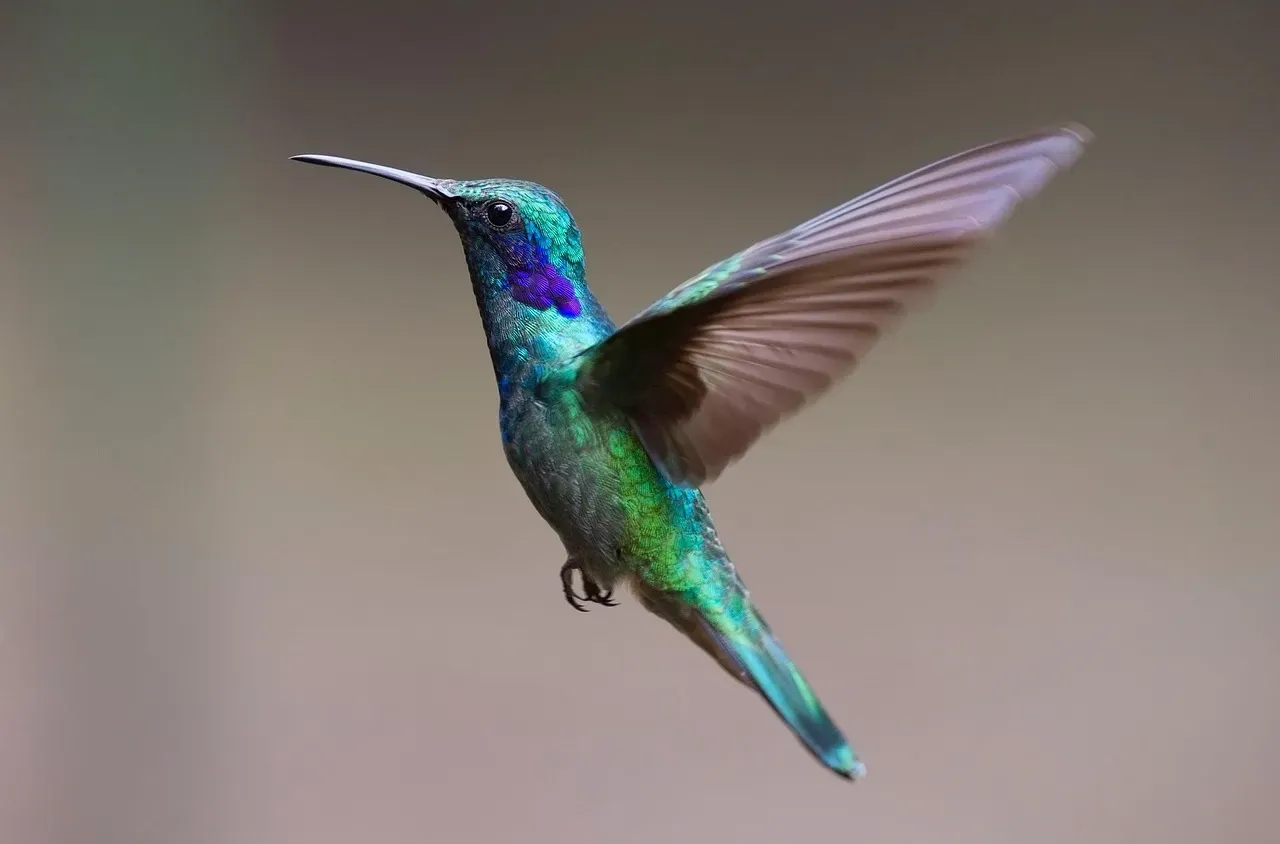
Beating their wings between 50 and 200 times per second, their flight through the air is so fast it becomes audible to us as a sonorous hum. That hum you hear? That’s the sound of a biological marvel pushing the absolute limits of what vertebrate muscles can do. They are a pinnacle of evolution, their flight powered by pectoral or breast muscles that account for almost a third of their body weight – this is twice the pectoral muscle mass of most other birds – and hearts that beat up to 1,200 times per minute.
Ruby-throated hummingbirds can fly backwards and even upside down, National Geographic reports. No other bird on the planet can match their aerial maneuverability. They hover like helicopters, dart like missiles, and change direction faster than your eye can follow. Of those species that have been measured during flight, the top flight speeds of hummingbirds exceed 15 m/s (54 km/h; 34 mph).
These physical capabilities aren’t just for show. They’re weapons. When a hummingbird wants to defend its territory, it has the athleticism to back up its aggression. They have excellent eyesight and will perch for long periods of time near a feeder or flower garden territory to keep vigilance. When an intruder is seen the bird can zip down in seconds with wings made for this speedy flight.
Honestly, it’s hard to imagine a more perfectly designed tiny warrior. Their combination of speed, agility, and endurance makes them almost unbeatable in aerial combat within their weight class.
Nectar Is Scarce and Competition Is Brutal
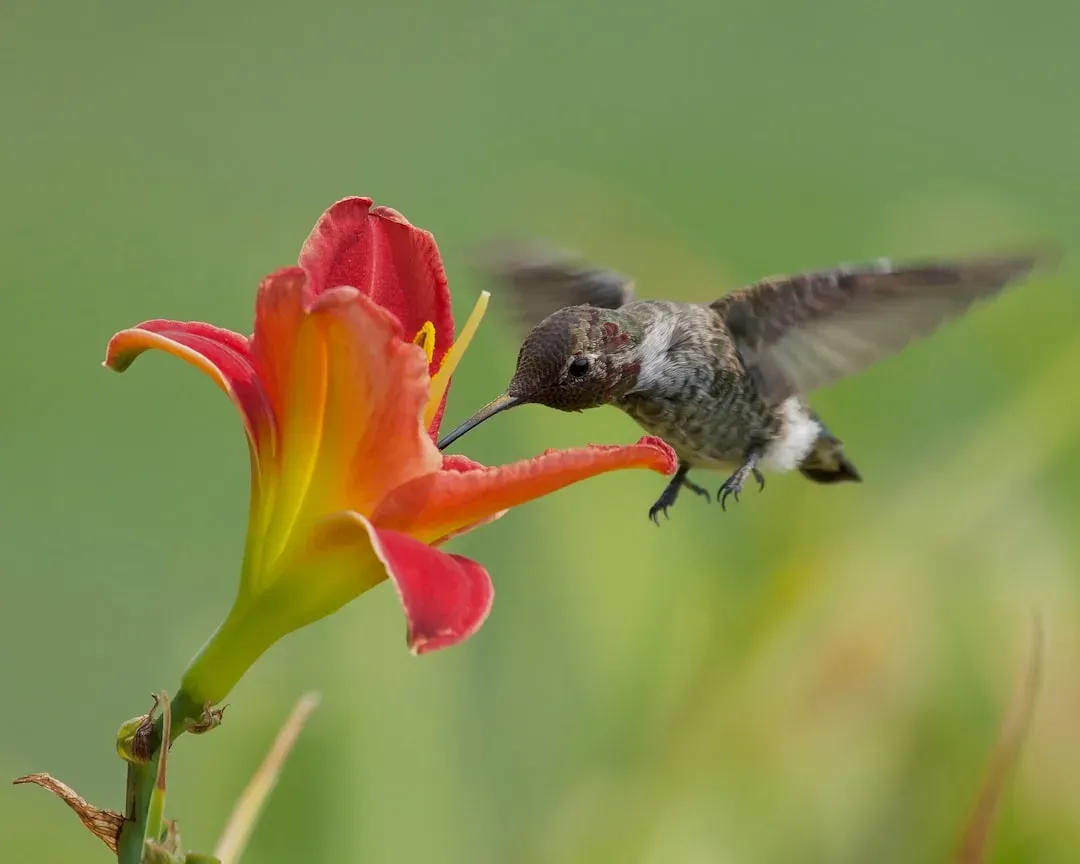
Hummingbirds are aggressive for a good reason – they can’t afford to share flowers during times when not many blossoms are available because they may have to wander a long way after nectar is depleted. In the wild, flowers don’t produce unlimited nectar. Each bloom offers a limited supply before it needs time to regenerate more sugar. There’s only so many flowers out there, and each one provides a limited supply of sugar before needing time to generate more.
There’s a lot to be said if you can figure out a way to dominate that resource for yourself. This scarcity drives their territorial behavior. When you find a good patch of flowers or a reliable feeder, you guard it with everything you’ve got. When a hummingbird finds a stand of wildflowers or a blooming tree or vine, it may be easier for the hummer to defend the plant against competitors than to find another nectar source.
During breeding season, the stakes get even higher. Hummingbirds are most territorial during breeding season, as securing enough food is crucial for raising their young. Males establish territories not just for themselves but to demonstrate their fitness to potential mates. A male who can successfully defend a prime territory signals his dominance, strength, and ability to provide resources to potential mates.
The reality is simple but harsh: defend your food source or risk starvation. There’s no middle ground when your metabolism demands constant feeding.
Their Arsenal of Aggressive Tactics Would Impress Any Bouncer
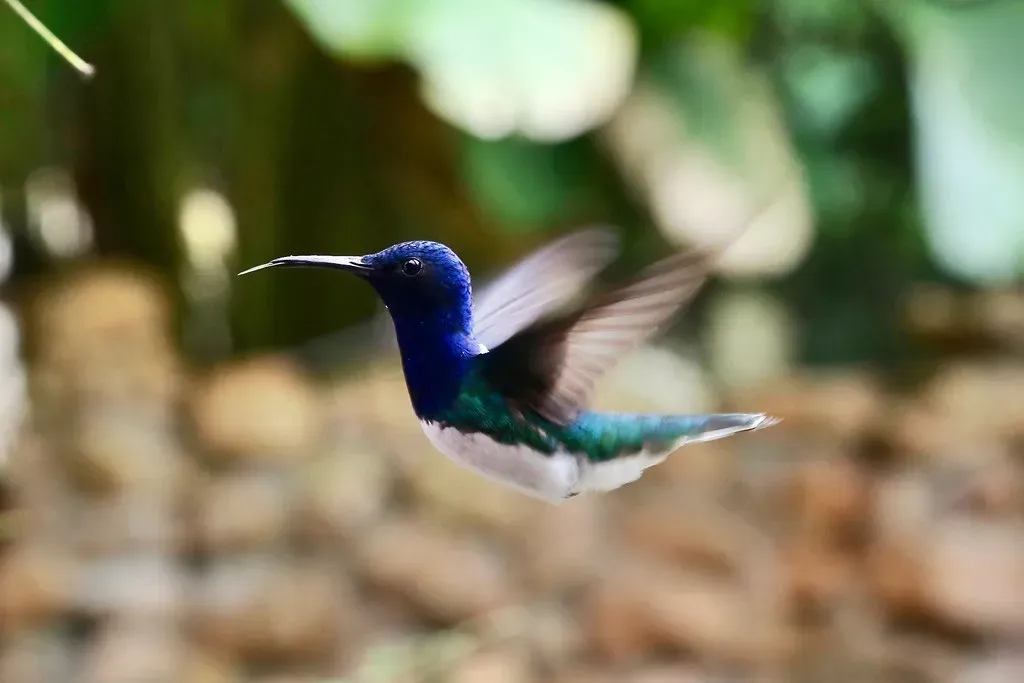
Territorial aggression presents itself in a number of different ways: A territorial hummer usually starts by making warning sounds, such as loud, fast chirping and buzzing. These birds have developed a sophisticated escalation strategy that would make military tacticians proud. They start with warnings, then ramp up to physical confrontation if necessary.
An aggressive hummer will hover above intruders then dive straight at it, whether it’s another hummingbird or not. These dive attacks are paired with loud sounds designed to intimidate. If the intruder still doesn’t leave, a territorial hummer may attempt to chase it off. They may charge in the direction of the new hummingbird and attempt to chase it off to another part of the property and away from the feeder.
While this is by far the most aggressive and violent option, it is more common than you think. However, it is typically the last choice if none of the other warnings have been heeded. An aggressive hummer will use their bill and talons to attack the invader. This can result in serious injury or even death for the hummingbird that doesn’t opt to leave. Let’s be real, these birds don’t mess around when push comes to shove.
Bully hummingbirds usually stake out a spot that allows a good vantage point of their territory so they can easily defend it. They’re strategic, choosing perches that give them a clear view of their claimed resources. From there, they can launch rapid strikes against any perceived threat.
Males Are the Ultimate Food Court Security Guards
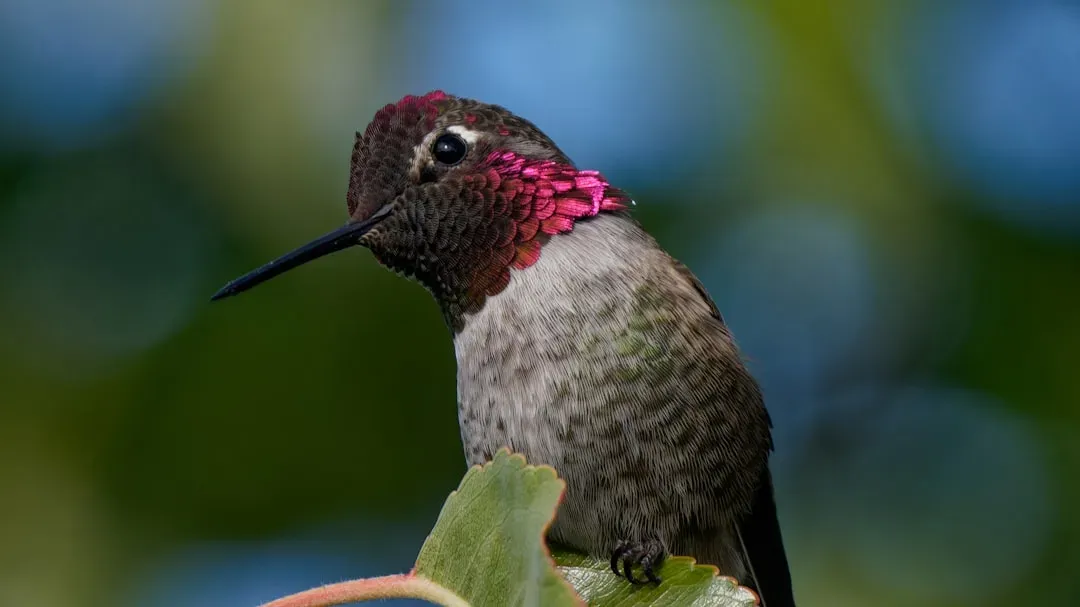
Territorial behavior at feeders is usually stronger in male hummingbirds than in females. This isn’t just random aggression. Males have specific evolutionary reasons for their intense territorial behavior. The male claims a territory and breeds with several females. These same females then gain full use of the territory to nest and raise the brood.
It’s a calculated strategy. Male hummingbirds are very aggressive when claiming a new territory. Keep in mind that this is essential for the survival of the female and her young. By defending a prime feeding area, males attract multiple mates and provide them with the resources they need to successfully raise offspring. The males chase off all other males.
An adult male also will repeatedly drive away any female until she mates with him, after which she typically gets “free passage” into his territory. This is a great benefit to her; when she is sitting on eggs or chicks, it is important that she not be off them too long searching for food, or her offspring may die. This arrangement benefits everyone except the other males trying to muscle in on the action.
Some species are worse than others. The absolute worst temper among these creatures belongs to the rufous hummingbird. They have the highest likelihood of displaying anger and picking fights. If you’ve got rufous hummingbirds in your yard, you’re witnessing nature’s smallest prizefighters in action.
Migration Turns Them Into Even More Desperate Competitors
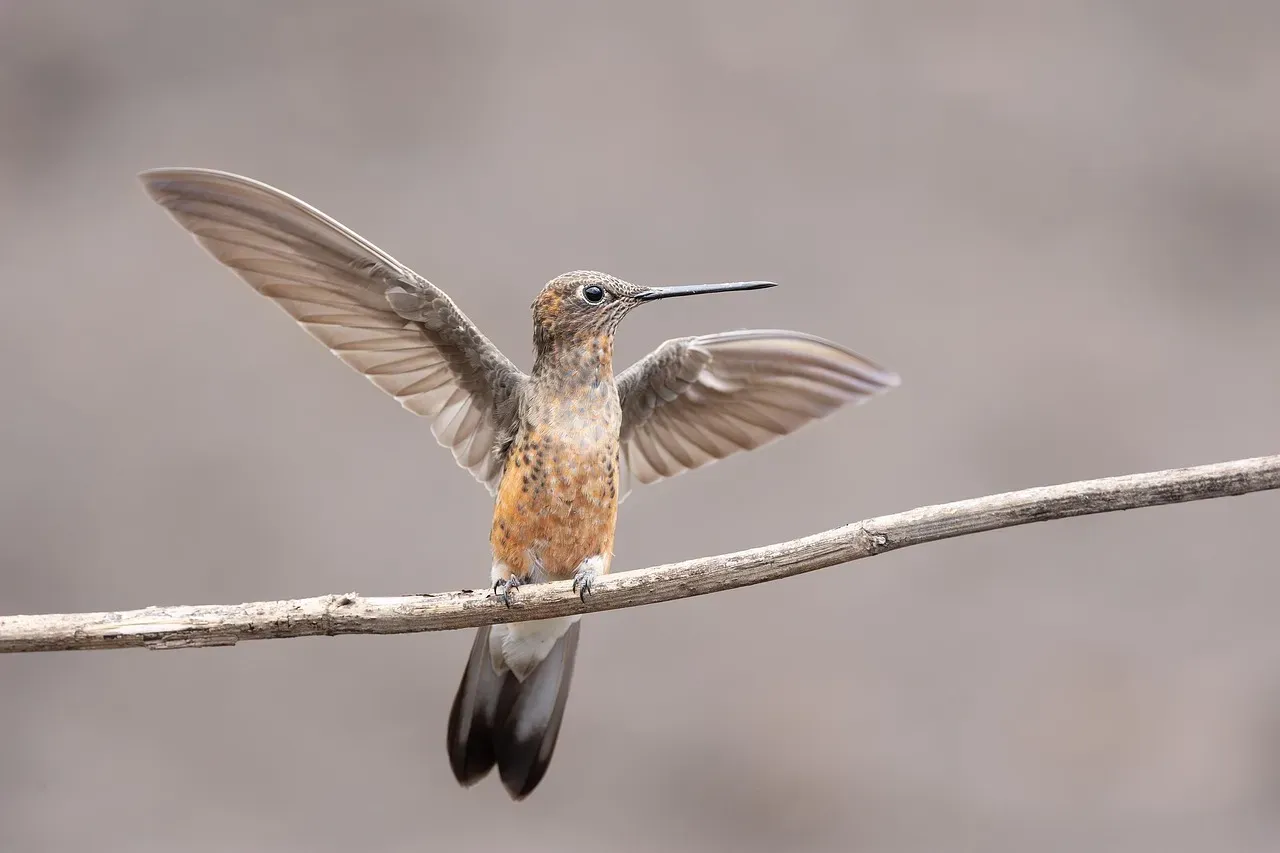
When hummingbirds migrate to the United States in the springtime, they cover 500 miles across the Gulf of Mexico, flying for 20 hours without stopping. Before these epic journeys, hummingbirds accumulate over 40% body fat shortly before migrations in the spring and autumn. That’s an enormous amount of weight gain in a very short time.
After breeding, as they prepare for migration, hummingbirds bulk up and become even more defensive over food resources. The journey that awaits all these birds entails accumulating significant fat levels in their bodies. Therefore, the availability of a constant source of food is crucial. They’re not fighting just for today’s meal, they’re fighting for their survival across hundreds or even thousands of miles.
The tiny (3–4 g) Ruby-throated hummingbird has among the highest mass-specific metabolic rates known, and loses most of its stored fat in 20 h by flying up to 600 miles across the Gulf of Mexico. After burning through all that carefully stored energy, they arrive exhausted and desperate for food. Any bird that tries to block access to nectar at that point is asking for a fight.
During migration periods, you’ll notice increased aggression at feeders as birds frantically try to fuel up for their journeys. Breeding season and migratory periods play a significant role in the territorial activity observed in the respective species. In these periods, food demand rises, and the untamed frequency of birds and more aggressiveness are observed. This seasonal intensity is pure survival instinct kicking into high gear.
Conclusion: Tiny Tyrants With Good Reasons
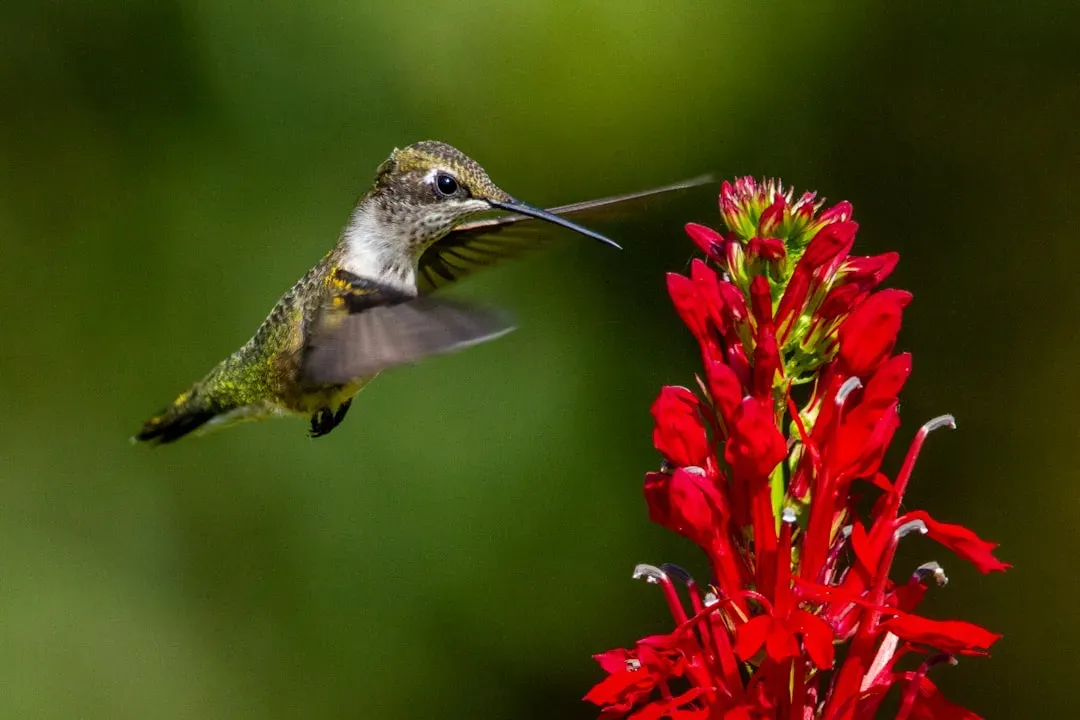
These iridescent little warriors aren’t territorial because they’re mean-spirited or inherently aggressive. They’re territorial because their biology demands it. With metabolisms that would kill most creatures, flight capabilities that push the limits of what’s physically possible, and survival challenges that include crossing entire oceans, hummingbirds simply can’t afford to be polite about food resources.
This aggressive guarding behavior, which can sometimes appear to be bullying, is a deeply ingrained evolutionary strategy, a direct consequence of their unique biology, hyperactive metabolism, and the inherent scarcity of their primary food source in the wild. Every dive, every chase, every buzzing warning sound serves a purpose: survival. When you watch them battle at your feeder, you’re witnessing millions of years of evolution playing out in real time.
So next time you see a hummingbird chasing off competitors, remember you’re watching one of nature’s most remarkable athletes doing what it does best. What do you think – does their fierce territoriality make you appreciate them more or less?
