


The red wolf represents one of America’s most fascinating conservation stories—a native predator that once roamed the entire Southeastern United States but now exists solely in a small recovery area in eastern North Carolina. This critically endangered species teeters on the edge of extinction with fewer than 20 known wild individuals remaining. Their precarious situation stems from a complex history of persecution, habitat loss, hybridization with coyotes, and controversial management decisions. Yet despite their rarity, these rust-colored canids continue to fight for survival in the wetlands and forests of the Albemarle Peninsula, serving as a powerful symbol of both conservation failure and hope. Understanding why red wolves are now restricted to this single location requires exploring their tumultuous history, biology, and the ongoing efforts to save them from disappearing forever.
The Historical Range of Red Wolves

Red wolves (Canis rufus) once claimed a vast territory across the eastern and southeastern United States. Their original range extended from southern New York to Florida and as far west as central Texas and southern Illinois. These adaptable predators thrived in diverse habitats including forests, swamps, coastal prairies, and mountains. Historical accounts suggest they were particularly abundant throughout the Gulf Coastal Plain, making them an integral part of numerous ecosystems across at least a dozen states.
By the early 20th century, their population began a dramatic decline that would ultimately bring them to the brink of extinction. The contraction of their range happened rapidly as European settlement expanded across North America, with humans viewing wolves as threats to livestock and game animals. By the 1970s, red wolves had been eliminated from nearly their entire historical range, surviving only in a small coastal area along the Gulf of Mexico in Cameron Parish, Louisiana and neighboring parts of Texas. This catastrophic reduction would set the stage for the desperate conservation measures that would follow.
The Extinction Crisis and Captive Breeding Program
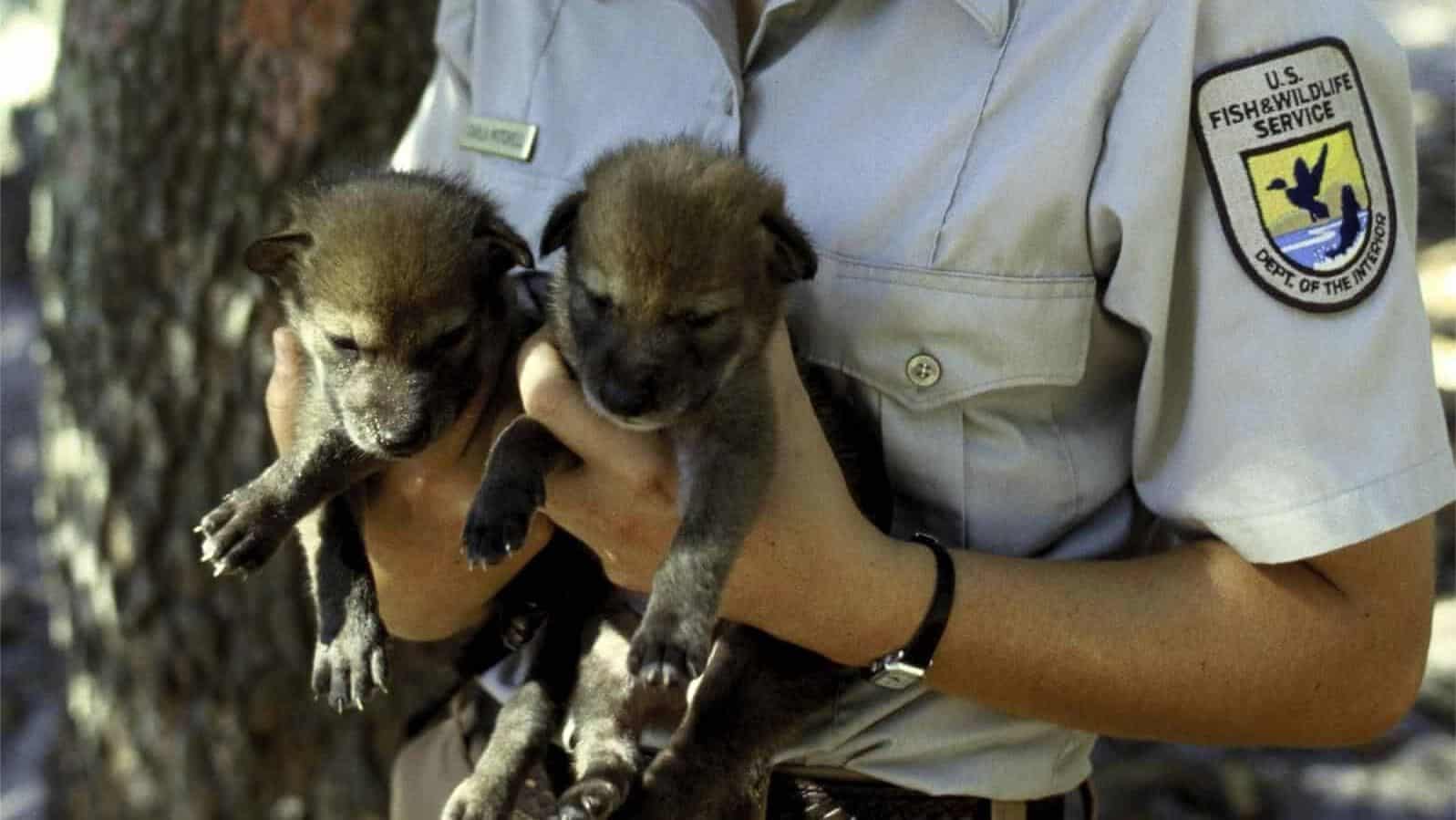
By 1973, when the Endangered Species Act was passed, red wolves faced imminent extinction in the wild. The U.S. Fish and Wildlife Service (USFWS) made the bold decision to capture all remaining wild red wolves to establish a captive breeding population—essentially removing the species from the wild to save it. Between 1974 and 1980, over 400 canids were captured from the last known populations in Texas and Louisiana. After rigorous genetic testing, only 14 animals were identified as pure red wolves suitable for breeding. This small founder population became the genetic basis for all red wolves alive today.
The Red Wolf Captive Breeding Program began at Point Defiance Zoo and Aquarium in Tacoma, Washington, far from the species’ native range. This program represented the first attempt to prevent extinction of a species by capturing all remaining wild individuals. Despite the extremely limited genetic diversity, captive breeding proved successful. By the mid-1980s, the population had grown enough that biologists could begin planning for something unprecedented—the reintroduction of an officially extinct species back into the wild.
Choosing Northeastern North Carolina
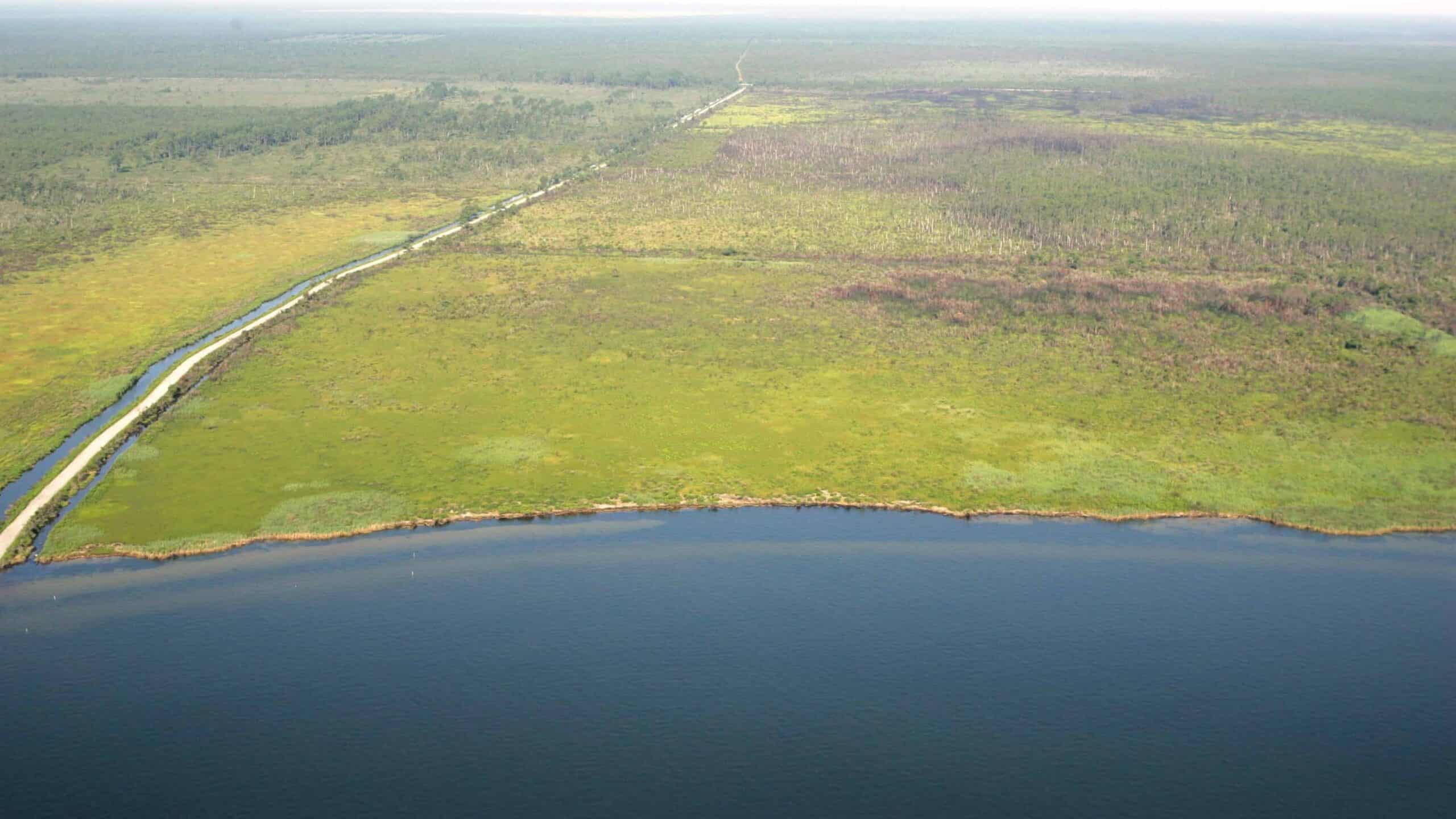
After evaluating potential reintroduction sites across the former red wolf range, the USFWS selected the Alligator River National Wildlife Refuge in northeastern North Carolina as the primary recovery area in 1984. This 152,000-acre refuge offered several critical advantages: it contained suitable prey populations, featured diverse habitats including pocosin wetlands and mixed pine-hardwood forests, and had natural water barriers that could potentially limit wolf dispersal and interaction with coyotes. Additionally, human population density was relatively low, reducing potential conflicts.
The recovery area was later expanded to include parts of five counties on the Albemarle Peninsula, encompassing about 1.7 million acres. This included Dare, Hyde, Tyrrell, Washington, and Beaufort counties, with additional federal lands at Pocosin Lakes National Wildlife Refuge. These protected areas provided a core habitat with limited development where wolves could establish territories with minimal human interaction. The peninsula’s geography—surrounded by water on three sides—also created a natural boundary that program managers hoped would help maintain the genetic integrity of the red wolf population by limiting natural immigration of coyotes.
The First Experimental Reintroduction
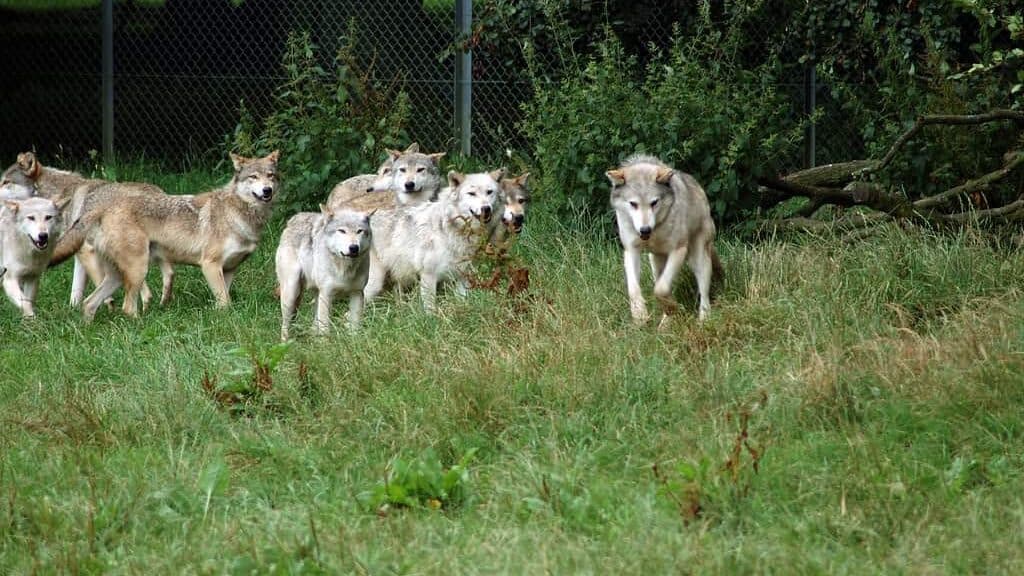
In 1987, history was made when eight captive-bred red wolves were released into Alligator River National Wildlife Refuge, marking the first time an officially extinct species was reintroduced to its former range. This release was designated as a “nonessential experimental population” under Section 10(j) of the Endangered Species Act, which provided more management flexibility and addressed concerns from local landowners. The initial wolves were first kept in acclimation pens to help them adjust to their new environment before full release.
The pioneering wolves faced numerous challenges adapting to the wild after generations in captivity, but gradually began establishing territories and hunting successfully. By 1988, the first wild-born litter of red wolf pups in the recovery area was documented—a milestone for the program. Throughout the 1990s, additional wolves were released to supplement the growing population. This “experimental population” designation remains unique to North Carolina and is a key reason why reintroduced red wolves exist only in this state—it represents the sole officially sanctioned recovery program for wild red wolves in the United States.
Population Peak and Subsequent Decline

The red wolf recovery program initially showed promising results. By the late 1990s and early 2000s, the population had grown to approximately 100-120 wolves spread across the five-county recovery area. Researchers documented successful reproduction, pack formation, and territorial behavior similar to historical red wolf ecology. The program was hailed as a conservation success story, with stable packs occupying territories throughout the recovery area and helping control prey populations like white-tailed deer and invasive nutria.
However, this success proved short-lived. Beginning around 2005, several factors began contributing to a dramatic population decline. Gunshot mortality increased significantly, particularly after North Carolina authorized night hunting of coyotes in the recovery area in 2012. Vehicle strikes, parasites, disease, and hybridization with encroaching coyotes further reduced numbers. By 2018, the wild population had plummeted to fewer than 30 identified wolves. Despite intensive conservation efforts, further declines have continued, with recent estimates suggesting fewer than 20 wild red wolves remain as of 2023—a catastrophic decline from the earlier success.
The Coyote Hybridization Challenge
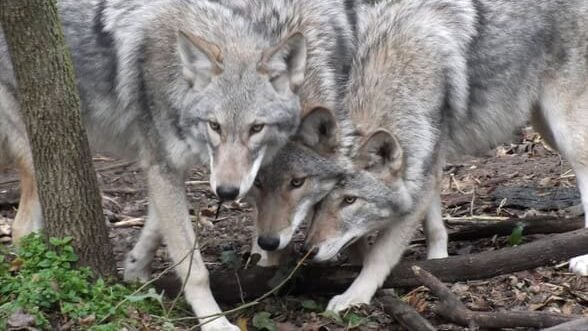
Perhaps the most persistent biological threat to red wolf recovery has been hybridization with coyotes. As eastern coyotes expanded their range into the Southeast during the 20th century, they moved into ecological niches left vacant by extirpated red wolves. When red wolf numbers are low and individuals cannot find wolf mates, they may breed with the more numerous coyotes, producing hybrid offspring. This genetic introgression threatens to erode the already limited gene pool of pure red wolves, potentially leading to genetic swamping—where the unique red wolf genome becomes diluted by coyote genes.
To combat this threat, the USFWS implemented an adaptive management plan including a “placeholder” strategy, where sterilized coyotes were allowed to maintain territories within the recovery area. These non-reproducing coyotes held space until red wolves could be released to replace them, preventing fertile coyotes from moving in. Additionally, managers captured and removed coyotes and hybrids from the recovery area while using genetic testing to monitor the population’s genetic integrity. Despite these innovative approaches, maintaining genetic purity has remained challenging, especially as the wild population has declined and program resources have diminished in recent years.
Political and Social Controversies
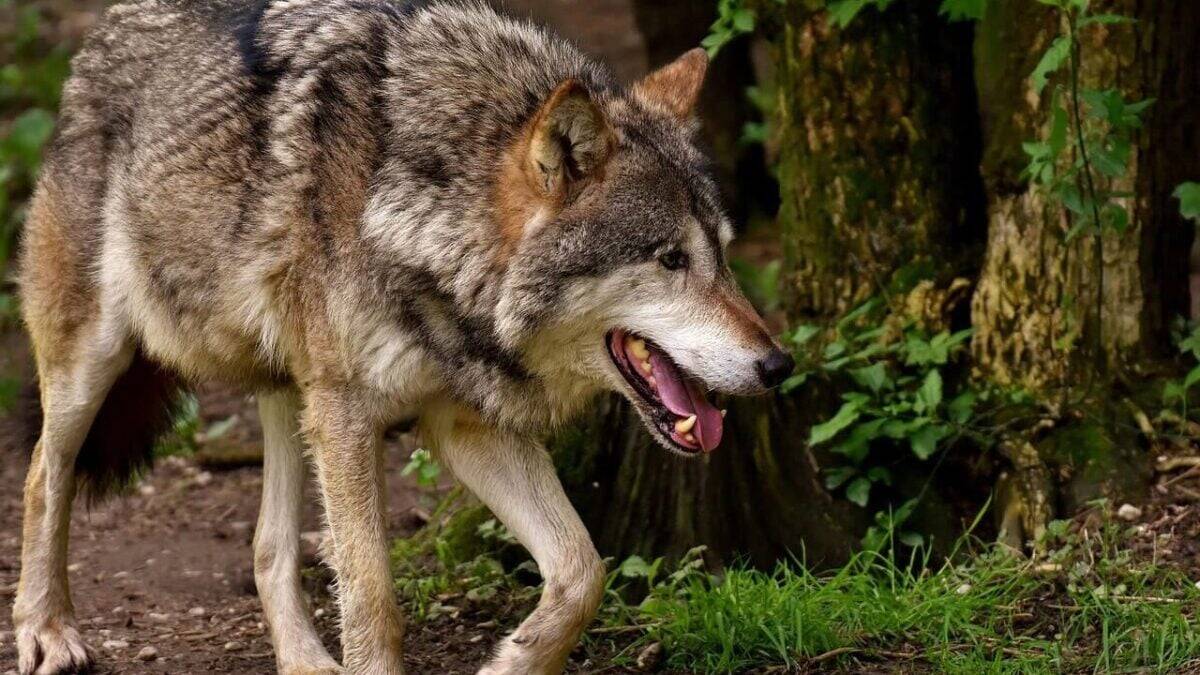
The restriction of red wolves to North Carolina cannot be fully understood without acknowledging the significant political and social controversies surrounding the program. Unlike some endangered species recovery efforts, red wolf restoration has been marked by intense conflict between federal agencies, state wildlife officials, private landowners, and conservation groups. Some landowners and hunting interests have opposed the program, citing concerns about restrictions on property rights, impacts on game animals, and questions about the red wolf’s taxonomic status as a distinct species.
In 2015, the North Carolina Wildlife Resources Commission formally asked the USFWS to terminate the red wolf program and remove all wolves from private lands. Political pressure and legal challenges led to significant policy changes that restricted management activities primarily to federal lands, sharply reducing the functional recovery area. The USFWS temporarily suspended releases of captive wolves between 2015 and 2020, further hampering recovery efforts. These social and political factors have effectively confined recovery efforts to North Carolina while preventing expansion to other potentially suitable sites within the species’ historical range, despite scientific recommendations supporting additional reintroduction locations.
Taxonomic Debate and Scientific Recognition
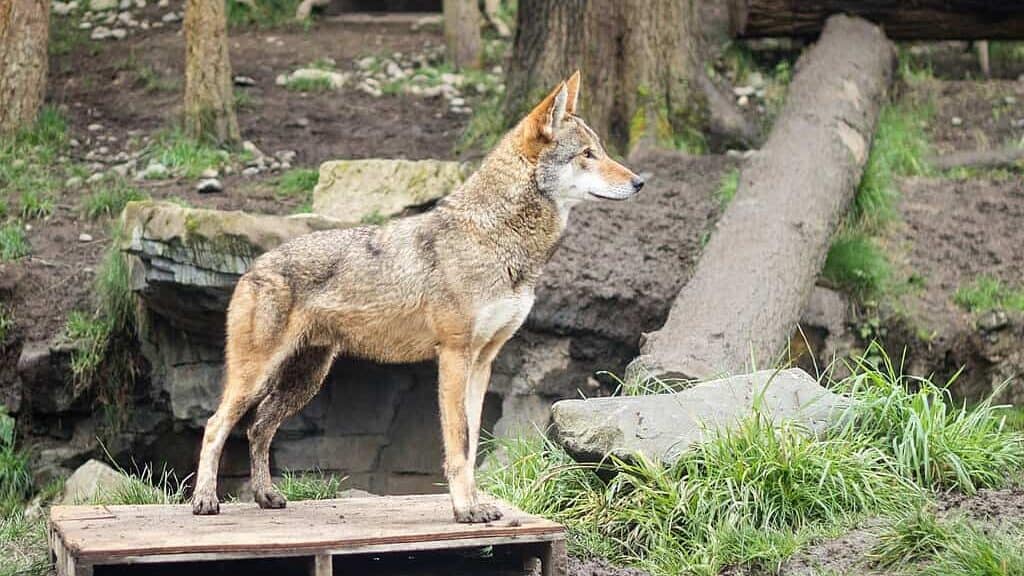
One factor complicating red wolf conservation has been ongoing scientific debate about their taxonomic status. Historically recognized as a distinct species (Canis rufus), recent genetic studies have yielded competing interpretations of red wolf origins. Some research suggests they may be a hybrid between gray wolves and coyotes, while other studies indicate they represent an ancient North American lineage distinct from both species. This taxonomic uncertainty has been used by opponents to challenge the legitimacy of recovery efforts and the wolves’ protection under the Endangered Species Act.
In 2019, the National Academy of Sciences published a comprehensive genomic study supporting the conclusion that red wolves represent a distinct species with a unique evolutionary history, though with some evidence of historical hybridization with other canids. The USFWS continues to manage red wolves as a listable entity under the Endangered Species Act, maintaining their endangered status. However, the taxonomic controversy has contributed to policy uncertainty and provided ammunition for those seeking to restrict recovery efforts to North Carolina or eliminate them entirely, rather than expanding to additional states within the historical range.
Failed Attempts at Additional Reintroduction Sites
The concentration of red wolves in North Carolina is not due to lack of effort to establish additional populations. In the 1990s, the USFWS attempted a second reintroduction in the Great Smoky Mountains National Park along the Tennessee-North Carolina border. Between 1991 and 1998, 37 wolves were released in this mountainous habitat. Initially, some wolves successfully established territories and even produced pups. However, the program faced numerous challenges including poor pup survival, disease, and wolf dispersal outside park boundaries into areas with higher human density.
By 1998, the Great Smoky Mountains reintroduction was terminated after biologists determined the habitat was ultimately unsuitable for self-sustaining wolf populations. The remaining wolves were captured and returned to the captive breeding program. Subsequent proposals for additional reintroduction sites in other southeastern states have been developed but not implemented due to political opposition, funding limitations, and shifting agency priorities. Without successful establishment of additional wild populations, North Carolina’s Albemarle Peninsula remains the sole refuge for wild red wolves, concentrating both the opportunities and risks for the species’ survival.
The Island Propagation Program
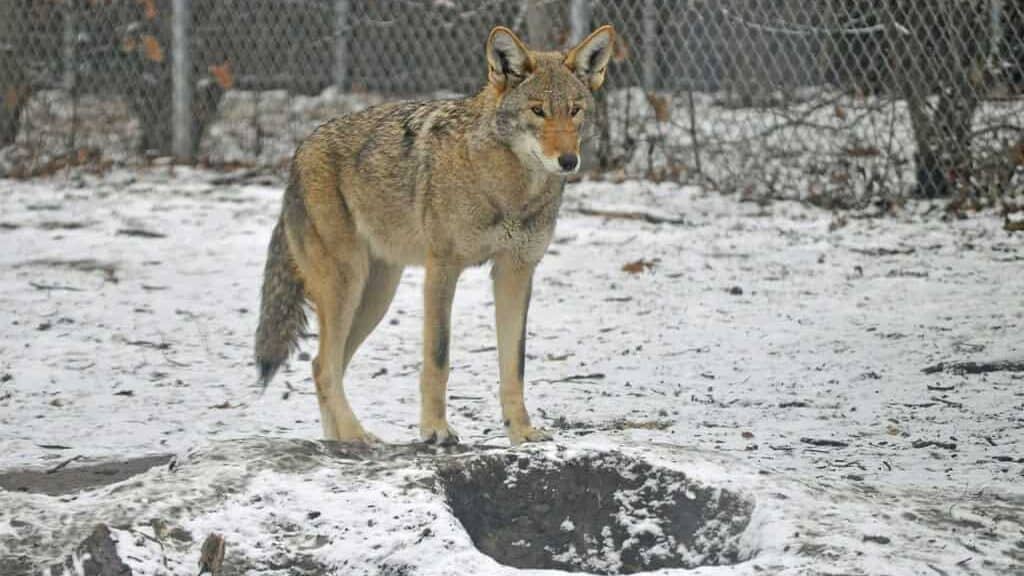
A lesser-known component of red wolf conservation involves island propagation sites that, while not considered wild populations, have played an important role in the species’ management. Beginning in 1988, captive-bred wolves were released on Bulls Island in Cape Romain National Wildlife Refuge in South Carolina, and later on St. Vincent Island off Florida’s Gulf Coast. These predator-free islands serve as natural enclosures where wolves can develop wild behaviors while remaining isolated from coyotes.
These island sites primarily function as training grounds for wolves that might eventually be released in North Carolina. Wolves born and raised on these islands typically develop better hunting skills and natural behaviors than their counterparts raised in zoo settings. When needed, wolves from these island populations can be captured and transferred to the North Carolina recovery area to bolster the population there. However, due to limited space and resources, these island populations remain small and managed, not established as independent wild populations. Their role is supportive to the North Carolina recovery effort rather than serving as additional recovery areas.
Current Recovery Efforts and Future Prospects
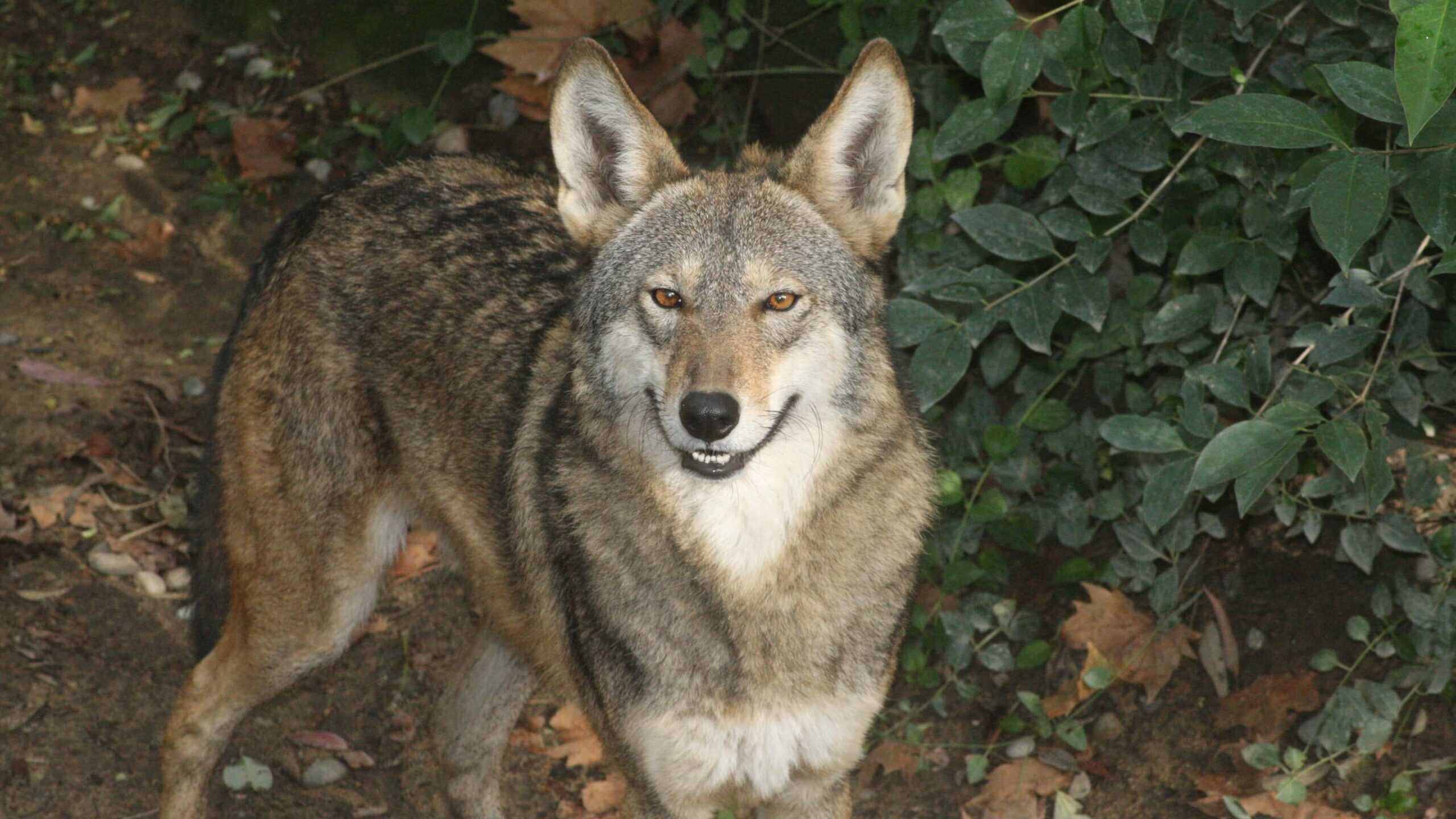
After years of declining management and reduced releases, conservation efforts have intensified since 2020. The USFWS has resumed releasing captive-bred wolves into the recovery area, with several family groups and individuals transferred from the captive population. New adaptive management techniques include releasing wolf pairs bonded in captivity along with their young pups, a method showing promising initial results. Conservation groups have also increased educational outreach and offered financial incentives for landowners who allow wolves on their property.
Despite these renewed efforts, the future of red wolves in North Carolina remains uncertain. The wild population is critically low, possibly below viable levels without significant intervention. Looking forward, the USFWS is developing an updated recovery plan that may include identifying additional reintroduction sites in other states. However, significant political and social barriers remain to expanding beyond North Carolina. The current focus remains on stabilizing and growing the existing population in the Albemarle Peninsula while maintaining genetic diversity through carefully managed releases from the captive breeding program, which still contains approximately 245 wolves across 43 participating institutions.
The Significance of North Carolina’s Red Wolf Population
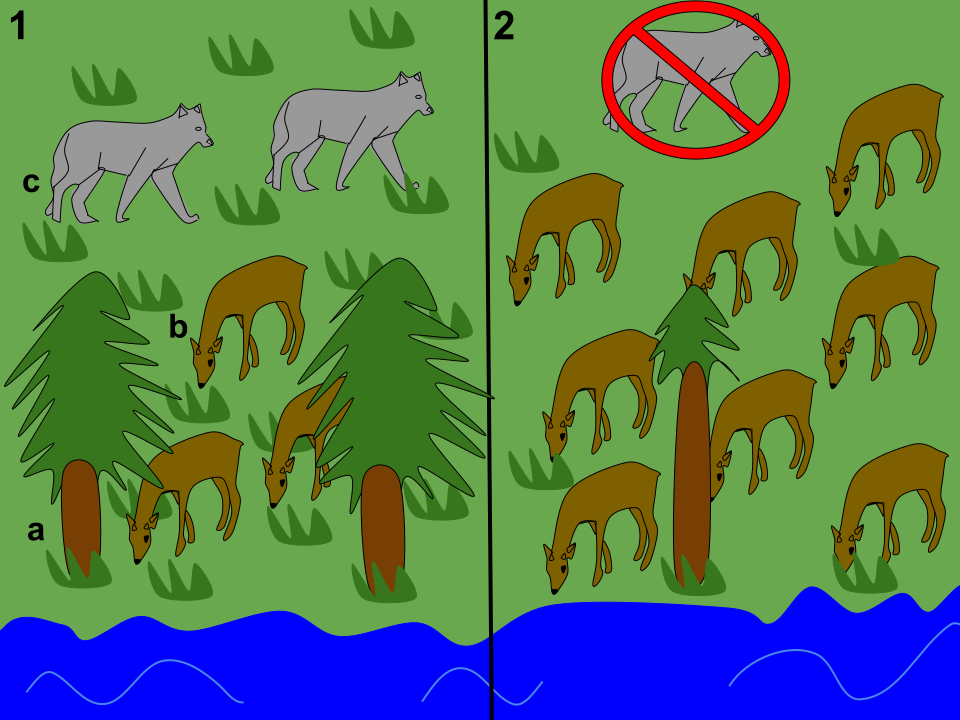
The restriction of wild red wolves to North Carolina represents both a conservation achievement and a stark warning. As the world’s only wild population of this unique predator, these wolves carry the genetic legacy of an animal that evolved alongside other North American wildlife for thousands of years. Their role as apex predators influences the entire ecosystem of the Albemarle Peninsula, affecting everything from deer populations to forest composition. Research has shown that in areas with established wolf packs, more balanced prey populations and healthier forests develop.
Beyond ecological significance, North Carolina’s red wolves hold tremendous scientific, cultural, and educational value. They provide unique opportunities for research on predator-prey dynamics, canid behavior, and endangered species recovery. For the communities near the recovery area, they represent a distinctive natural heritage and potential ecotourism draw. Perhaps most importantly, they serve as living symbols of wilderness in an increasingly developed landscape—reminders that even species once declared extinct in the wild can be brought back from the brink through human intervention and commitment to biodiversity conservation.
The concentration of red wolves solely in North Carolina’s eastern wilderness reflects a complex interplay of biological needs, conservation history, political constraints, and ecological challenges. What began as a groundbreaking conservation initiative has become both a remarkable achievement and a cautionary tale about the difficulties of restoring endangered predators in human-dominated landscapes. The red wolf’s restriction to a single recovery area makes them exceptionally vulnerable to extinction—all their wild population eggs are quite literally in one geographical basket. Despite this precarious situation, their continued presence represents a testament to the dedication of biologists, conservationists, and supportive community members.
Looking forward, the survival of red wolves as a wild species likely depends on establishing additional populations beyond North Carolina, yet progress toward this goal remains elusive. The story of why red wolves exist only in North Carolina’s wilds demonstrates how endangered species recovery is rarely determined by biology alone, but rather by the complex intersection of science, politics, cultural values, and human decisions. As climate change threatens coastal habitats and development pressures increase, the future of this uniquely American predator will depend on renewed commitment to recovery across a broader portion of their historical range. Until then, North Carolina’s Albemarle Peninsula remains both the last stronghold and the best hope for one of America’s most endangered mammals.

- Why Red Wolves Are Only Found in North Carolina’s Wilds - July 17, 2026
- The Spiritual Significance of Tigers in Eastern Cultures - July 17, 2026
- 12 U.S. States Where You’re Most Likely to See Wild Bears - July 17, 2026
Leave a comment
You must be logged in to post a comment.