

Most people walking through a park have had this experience at least once. You stroll past a tree, minding your own business, and suddenly a small furry creature erupts into a frenzy of chattering and tail-flicking directed squarely at you. It feels almost personal. The truth is, it kind of is.
Squirrels are remarkably sophisticated communicators, and the noise aimed your way is not random. It carries meaning, nuance, and context. Understanding what’s actually being said turns an ordinary park encounter into something genuinely fascinating.
#1: The Alarm System That’s Been Running for Millions of Years
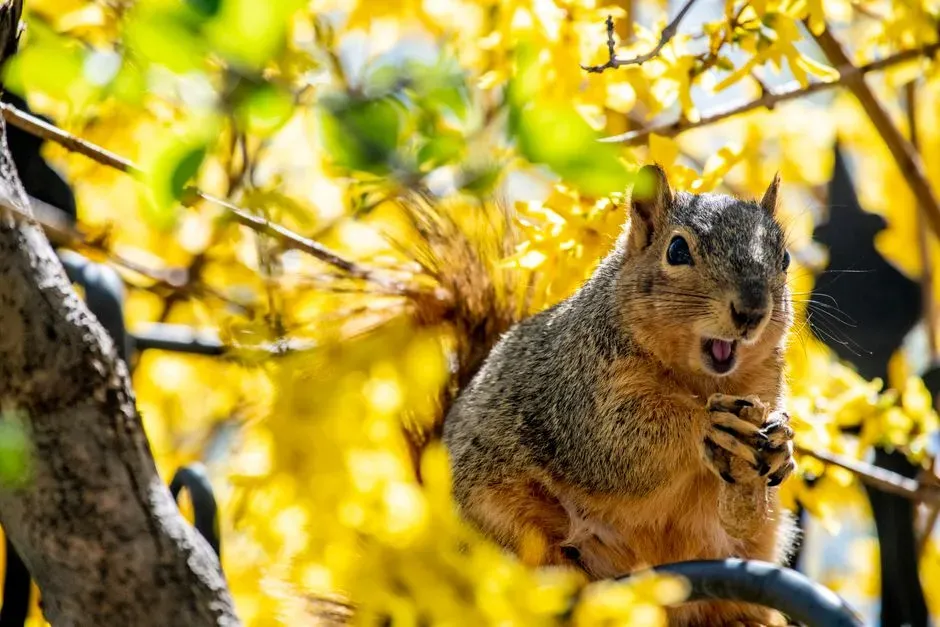
Squirrels produce alarm, agonistic, discomfort, mating, affiliative, and neonatal calls, though alarm calls, aggression and annoyance calls are the most commonly observed. When a squirrel locks eyes with you and starts screaming, it’s activating one of the most refined warning systems in the animal kingdom. This is not panic. It’s precision.
Of the ground squirrel species known to vocalize, roughly 97 percent produce alarm calls. That figure speaks volumes about how central this behavior is to survival. Besides using alarm calls to convey to their fellow squirrels the presence of a predator, squirrels also make noise to let the predator itself know that their presence has been detected. So when one shouts at you from a branch overhead, part of that message is aimed directly at you: “I see you. Don’t try anything.”
Research has specifically tested the hypothesis that squirrels modify acoustic alarm behavior in response to different perceived threat levels, and that this response is affected by sex and individual experience. In other words, the screaming isn’t a single uniform sound. It’s calibrated. A squirrel that considers you a mild nuisance will sound different from one that genuinely thinks it might be in danger.
#2: The Vocabulary Is More Specific Than You’d Expect
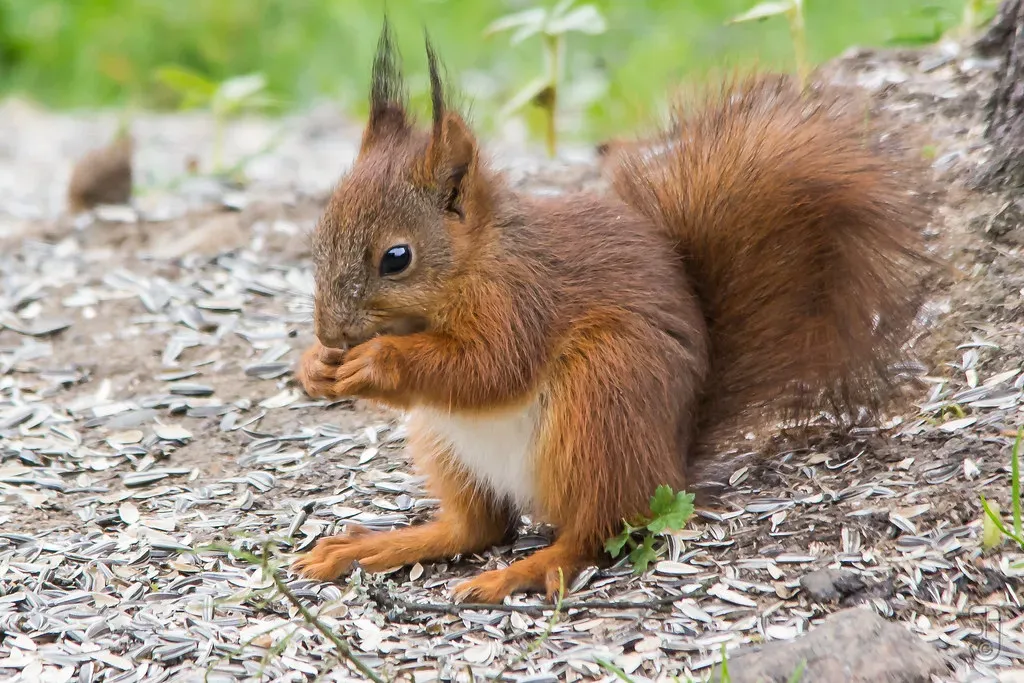
Adult squirrels use specific warning calls to alert others of predators. The “kuk” is a shorter bark, while “quaas” are longer, whining sounds meant to signal danger. These aren’t just variations of the same sound. Each call type carries a distinct message, and nearby squirrels respond differently depending on which one they hear.
Rapid kuks and quaas are most often given when a terrestrial predator is around, while moans are usually used in response to aerial threats like hawks. Seet-barks are specific to aerial predators like hawks or owls, being sharp and urgent warnings to take cover. The fact that squirrels have separate calls for ground-based versus airborne threats shows a level of communication sophistication that most people never credit them with.
Chirp calls typically indicate high levels of threat from airborne predators, while whistle calls are associated with lower levels of threat from terrestrial predators. These calls primarily elicit escape behaviors and increased vigilance in receivers, respectively. Essentially, a listening squirrel receives a threat assessment rather than just a general warning. That’s not simple instinct. That’s a layered messaging system.
#3: The Tail Tells Half the Story
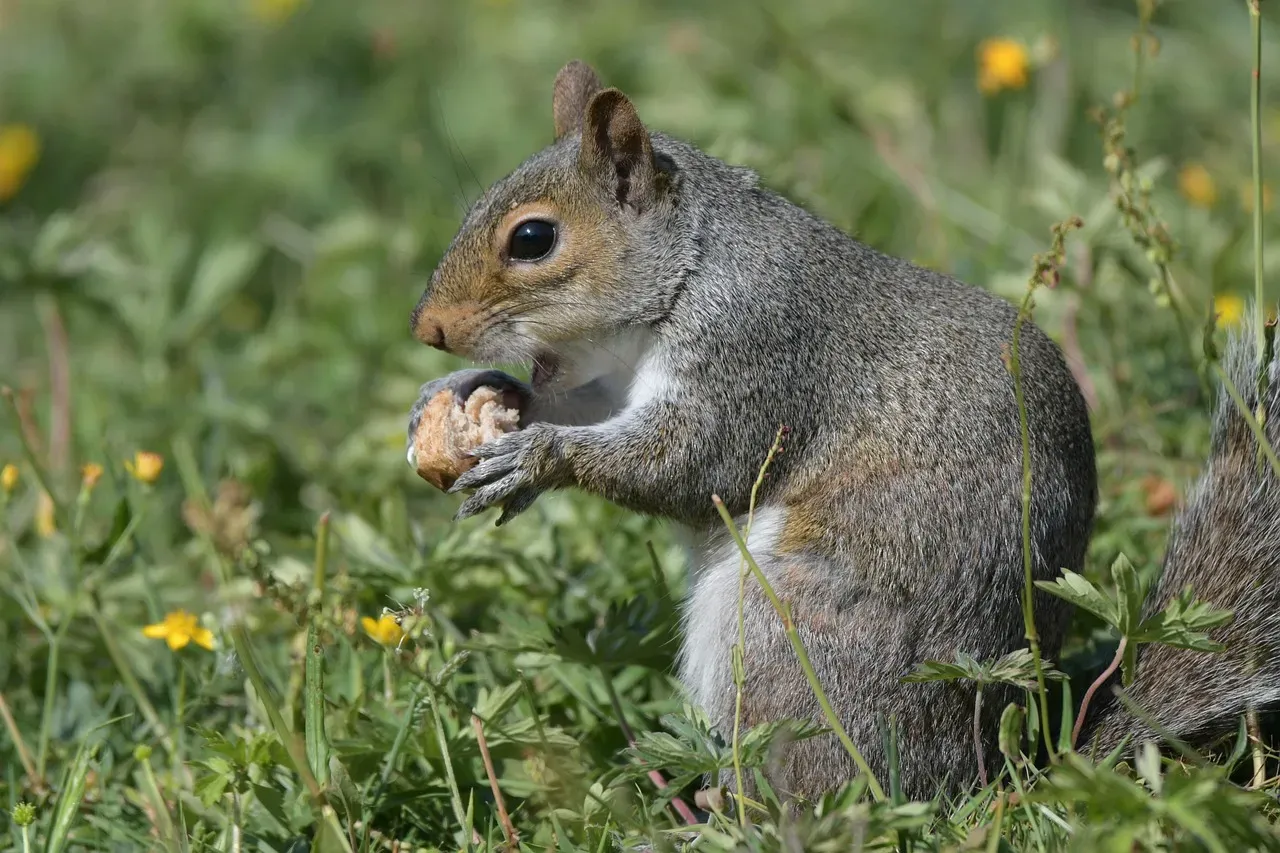
By shaking their tail in tandem with alarm calls, squirrels flag the attention of other squirrels at long distances, even with just a partial view, to help them discern subtle but essential body language details. The tail is not decorative during these moments. It’s doing active communicative work alongside the vocal display, amplifying the message for squirrels that might not be within easy earshot.
The pace and intensity of the flicks often reflect the squirrel’s perceived urgency. Faster, sharper flicks can signal a more immediate or stressful threat compared to slower ones. Tail use changes against aerial threats. Against a hawk, where making themselves visible is incredibly dangerous, the tail flicking stops, relying instead on camouflage and stealth. This strategic shift is worth noting. A squirrel that goes still and flat against a tree trunk, silent and pressed to the bark, is telling you something very different from one that’s chattering loudly with a thrashing tail.
When a squirrel flicks its tail, it is often signaling alarm or agitation. This behavior is typically accompanied by vocal warning calls and serves as a visual cue to other squirrels that danger is near. The rapid, jerky motion of the tail draws attention and can help other squirrels quickly identify the source of the threat. Watching both the sound and the tail movement together gives you the fullest picture of what the squirrel is actually communicating.
#4: Sometimes the Screaming Is About Territory, Not Fear
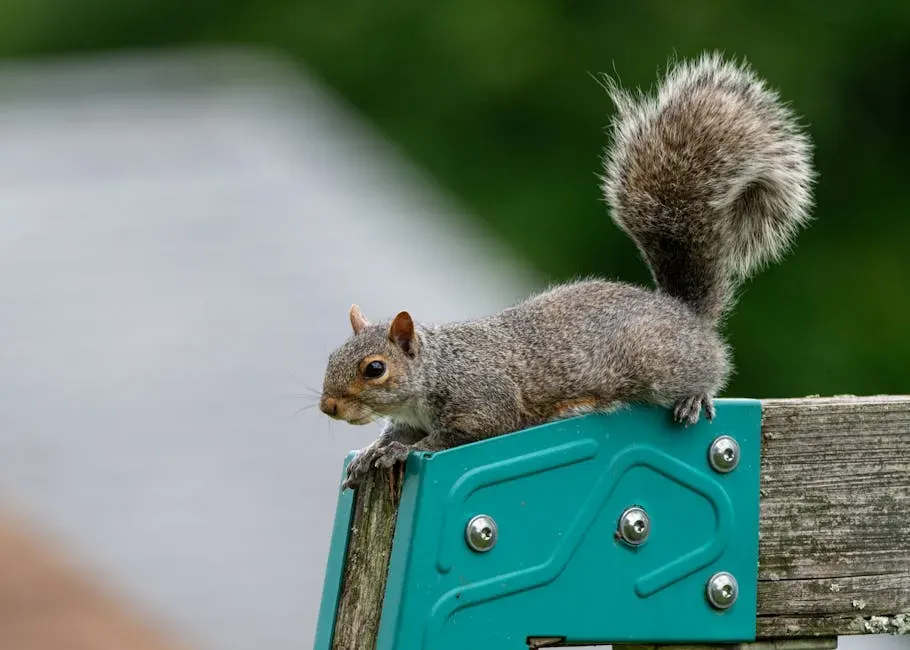
When squirrels emit sharp, repetitive chirping or barking sounds, they are typically issuing a territorial warning. Not every vocalization directed at a passing human is a fear response. Sometimes you’ve simply walked too close to a nesting site, a buried food cache, or a patch of ground a squirrel considers its own. The tone in these situations can feel remarkably indignant.
Squirrels are fiercely protective of their food caches and nesting sites, especially during breeding and nesting seasons. Tail wagging can be a territorial signal, showing that the squirrel is ready to defend its resources from intruders. Rattles and screeches are loud, aggressive noises often used when defending territory or warding off intruders. If you’ve ever been berated by a squirrel without any obvious predator nearby, this is probably what was happening.
The actual sounds in a territorial context can be identical to alarm calls, but if you watch carefully, the squirrel’s behavior reveals the difference. When squirrels are chasing each other through branches, it’s a sign they’re not worried about predators. So even though the noise might sound similar, the context is completely different. Context, in squirrel communication, is everything. The same sound carries different weight depending on what the animal is doing with its body at the same time.
#5: Urban Squirrels Know You Specifically, and They Adjust Accordingly
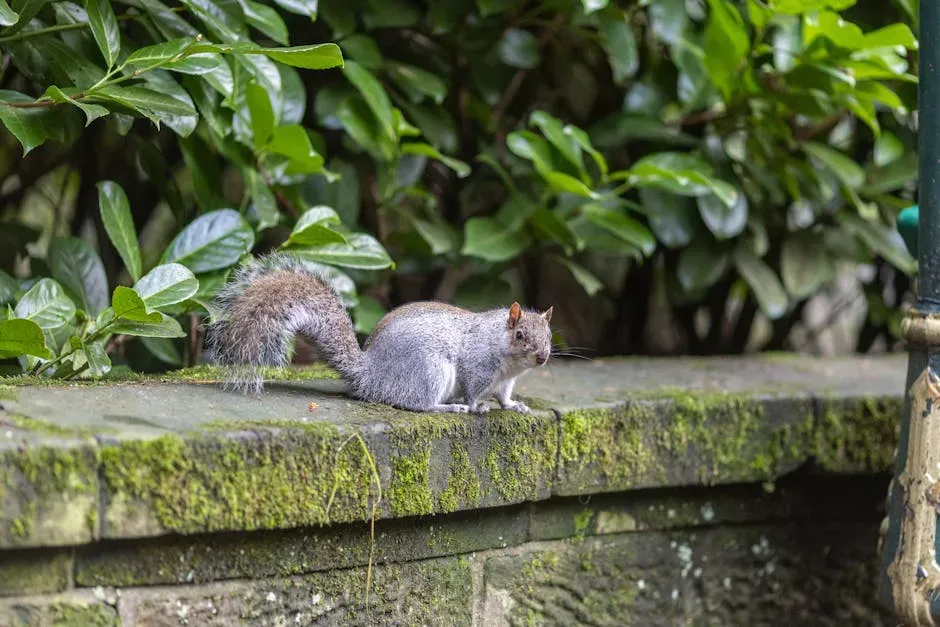
Urban squirrels that see people all the time remember faces and routines more than shy forest squirrels do. This is a meaningful distinction. City squirrels are not responding to “human” as a generic category. They’re responding to individuals. Squirrels combine visual details and scent to tell people apart. If you feed one often, it starts to learn your height, your clothes, and even where you usually stand.
If a human deviates from a path and looks directly at a squirrel, almost all squirrels run away. Squirrels are thus desensitized to human activity, as long as humans perform predictable behavior. This adaptation reduces unnecessary escape responses, saving energy and increasing the ability of squirrels to live in the busy urban environment. Your predictability, or lack of it, shapes their reaction to you more than almost anything else.
Research highlights that human presence and activity are stressors for urban squirrels, and that squirrels perceive humans as potential threats. Even relatively calm urban squirrels are always running a background calculation about you: familiar or unfamiliar, predictable or erratic, moving toward them or away. While they may not identify individual humans in the same way we recognize each other, squirrels do exhibit behaviors that suggest an awareness of human presence and intent. When one screams at you, it has made an assessment. You’ve been classified.
The Bigger Picture
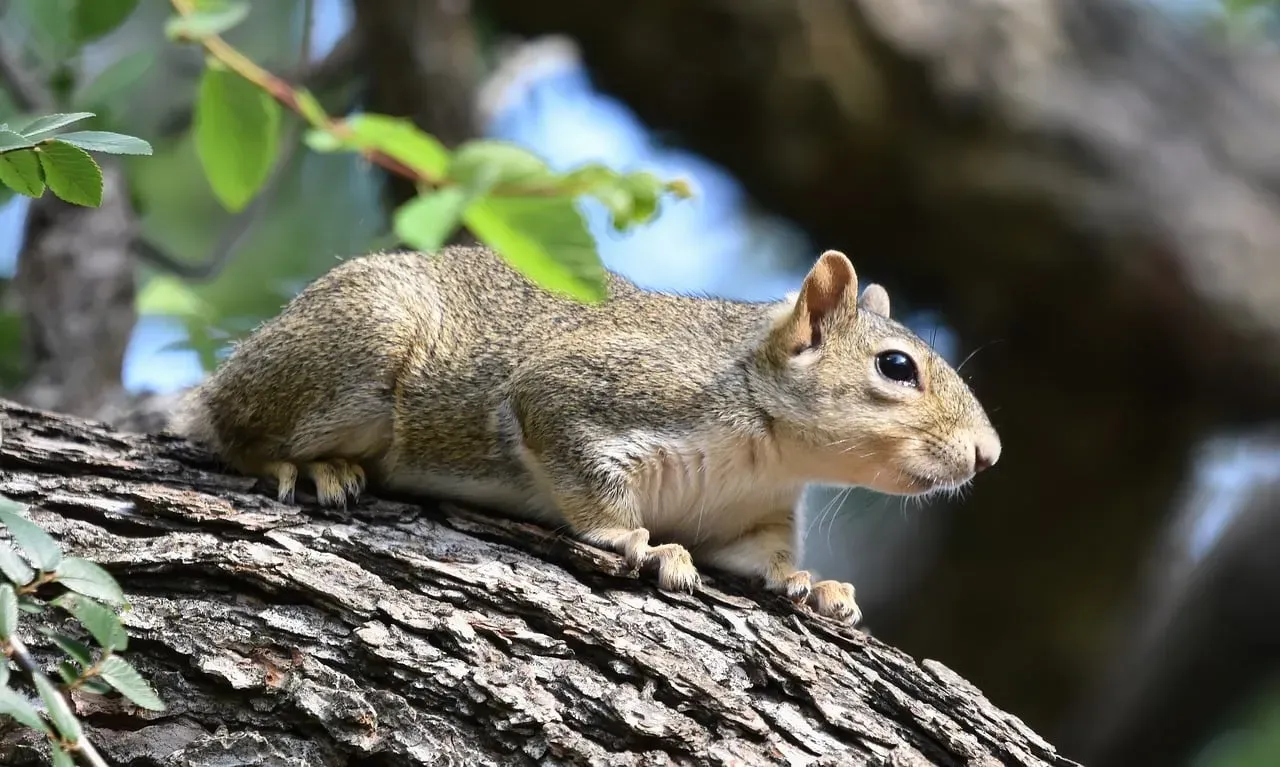
There’s something quietly humbling about realizing that a creature the size of a large fist has a communication system nuanced enough to distinguish predator types, threat severity, territorial intent, and individual human identities. Their vocal communication is very advanced and changes according to context. Most of us spend our lives walking past squirrels without absorbing any of this.
Despite not being a formal language, squirrel sounds have a lot of meaning behind them. Humans can listen to their noises and determine the rough meaning of each chirp and rattle. That’s actually an invitation worth accepting. Next time a squirrel scolds you from a branch overhead, pause for a moment and pay attention to the whole picture: the call type, the tail movement, the body posture, and the direction it’s facing. You’ll be getting a real-time broadcast, aimed partly at the neighborhood and partly at you.
The screaming was never just noise. It was always a conversation. We just weren’t listening closely enough.

- The Only Place in North America Where You Can Legally Watch a Wild Jaguar From the Roadside – and Why Almost No One Makes the Trip - July 19, 2026
- Which Deep-Sea Creature You Are According to Your Zodiac Sign – and What It Reveals About How You Process Fear - July 19, 2026
- The Most Venomous Spider in the Continental United States Lives in One Specific Region and Almost No One Who Lives There Knows It - July 19, 2026