

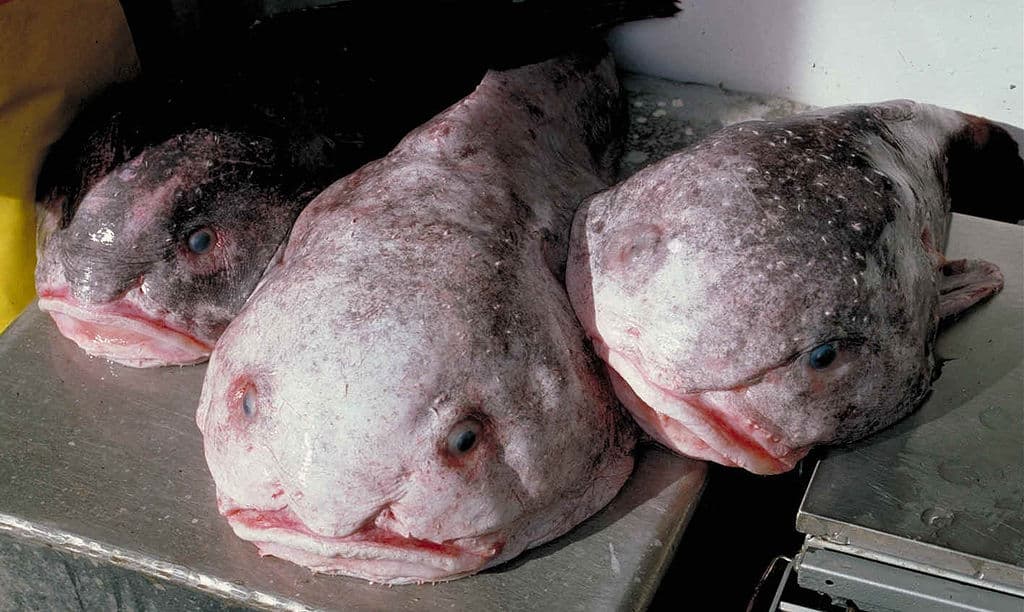
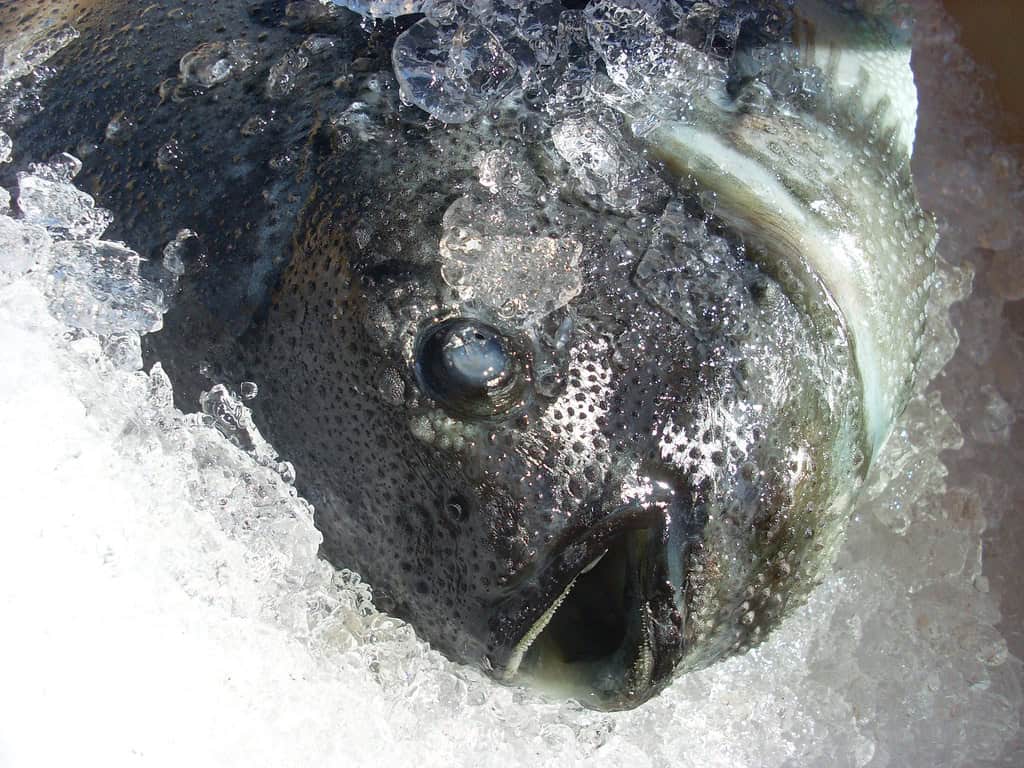
In 2013, the blobfish (Psychrolutes marcidus) achieved worldwide infamy when it was voted the “World’s Ugliest Animal” by the Ugly Animal Preservation Society. This unfortunate title came with a wave of memes, jokes, and even merchandise featuring its droopy, gelatinous face. But the truth about this deep-sea dweller is far more fascinating—and far less fair—than its public image suggests. The blobfish isn’t naturally “ugly” at all; what humans see in those viral photos is actually a severely decompressed, damaged specimen that bears little resemblance to how the animal appears in its natural habitat. The story of the blobfish is one of misrepresentation and the dramatic effects of pressure change on deep-sea organisms.
Living at depths between 2,000 and 4,000 feet below the surface off the coasts of Australia, Tasmania, and New Zealand, the blobfish exists in an environment that’s vastly different from our own. At these crushing depths, pressures reach up to 120 times that of sea level. This extreme pressure has shaped the blobfish’s unique physiology in ways that make perfect sense for its environment but create a tragically distorted appearance when the fish is brought to the surface. By understanding the science behind the blobfish’s transformation, we can gain a deeper appreciation for this remarkable creature and the specialized adaptations that allow life to thrive in Earth’s most extreme environments.
Life Under Pressure: The Blobfish’s Natural Habitat
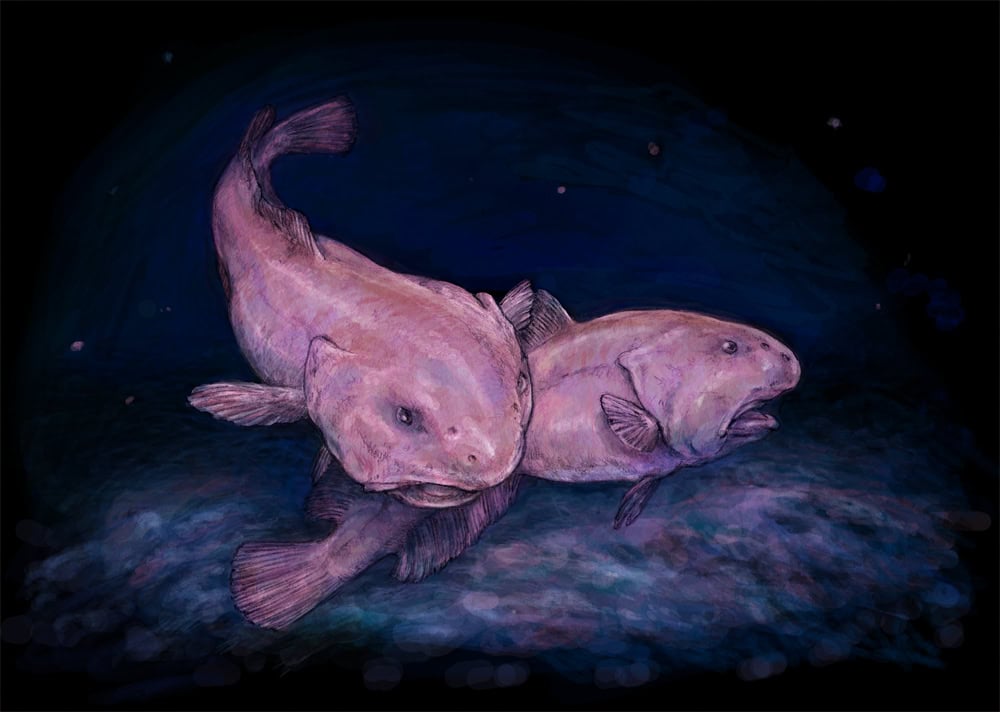
The blobfish makes its home in the abyssal zone of the ocean, a realm of perpetual darkness where sunlight never penetrates. This inhospitable region, ranging from 2,000 to 4,000 feet below the surface, is characterized by near-freezing temperatures, scarce food resources, and most significantly, crushing hydrostatic pressure. At these depths, the pressure can exceed 1,200 pounds per square inch—equivalent to having over 80 car tires stacked on every inch of your body. Most surface-dwelling creatures would be instantly crushed in such conditions, yet the blobfish and other deep-sea specialists have evolved remarkable adaptations to not only survive but thrive in this extreme environment.
The ocean floor where blobfish dwell is a barren landscape compared to vibrant shallow coral reefs. These fish inhabit the continental slope—the gradient where the continental shelf descends toward the deep ocean floor. Here, they live a relatively sedentary lifestyle, conserving energy in an ecosystem where food is scarce and hunting opportunities are precious. Rather than actively swimming like many fish species, blobfish primarily “sit and wait” on the ocean floor, allowing their specialized bodies to use minimal energy while they opportunistically consume edible particles and small creatures that drift or swim within reach. This energy-efficient lifestyle is perfectly suited to the resource-limited deep sea.
The Science of Pressure: Why the Blobfish Changes Shape

The dramatic transformation of the blobfish from a normal-looking fish to the “blob” we recognize in photographs can be explained through simple physics. Most fish use a swim bladder—a gas-filled organ—to maintain buoyancy. However, at extreme depths, gas compresses significantly, making swim bladders ineffective. Instead, the blobfish has evolved a different solution: its body consists primarily of a gelatinous mass with a density slightly less than water, allowing it to float just above the seafloor with minimal energy expenditure. This adaptation is brilliant for deep-sea living but creates a catastrophic situation when the fish is removed from its high-pressure environment.
When a blobfish is caught in deep-sea trawling nets and brought to the surface, it experiences rapid decompression as pressure decreases. Without the external pressure to maintain its shape, the fish’s gelatinous tissues expand dramatically and lose structural integrity—similar to how a balloon would expand and potentially rupture if taken from high pressure to low pressure too quickly. The fish’s skin sags, its features collapse, and its body essentially “melts” into the sad, droopy face that became famous in photographs. This distorted appearance is essentially the equivalent of severe decompression sickness or “the bends” that human divers can experience, but far more extreme and immediately devastating to the fish’s anatomy.
The Blobfish’s True Appearance Underwater
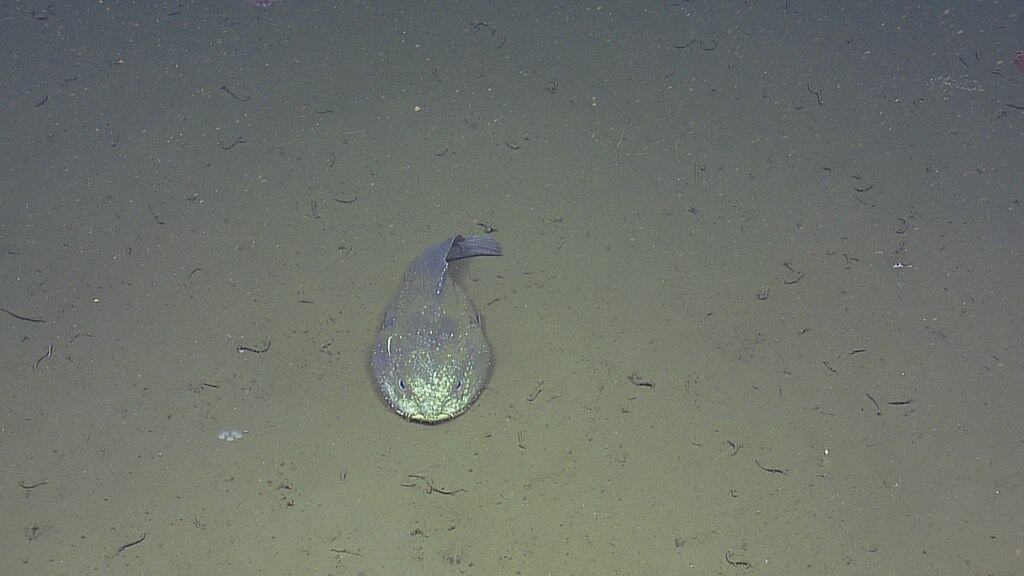
What does a blobfish actually look like in its natural habitat? While obtaining undistorted images of living blobfish is extremely challenging due to the depths at which they live, marine biologists have used various techniques including pressure-maintaining collection chambers and computer modeling to reconstruct their natural appearance. In its normal state, the blobfish looks much more like a conventional fish than its infamous photos would suggest. It has a more defined shape with smoother skin, a more pronounced head, and lacks the exaggerated “nose” and droopy features seen in decompressed specimens.
Underwater, the blobfish’s body is supported by the immense pressure, giving it a much more streamlined appearance. Its skin is tighter, its proportions more balanced, and its overall look is that of a typical bottom-dwelling fish. The blobfish has a relatively large head in proportion to its body, somewhat tapering toward the tail, with small eyes positioned to observe potential prey or predators approaching from above. While it wouldn’t win beauty contests by human standards—few deep-sea creatures would—it certainly doesn’t deserve its reputation as monstrously ugly. The blobfish is simply a specialized fish that has evolved the perfect body for its particular ecological niche, one that unfortunately distorts dramatically when removed from that environment.
Gelatinous Adaptations: The Blobfish’s Unique Physiology

The blobfish’s most distinctive adaptation is its unique body composition. Unlike most fish that have dense muscle tissue and rigid skeletal structures, the blobfish has evolved to have a body composed primarily of a gelatinous substance with very little muscle mass and a skeleton that is primarily cartilaginous rather than bony. This specialized physiology serves a crucial purpose: it creates a body with a density slightly less than the surrounding seawater, allowing the fish to hover just above the ocean floor without expending energy on swimming or maintaining position. This adaptation is particularly valuable in an environment where food is scarce and energy conservation is essential for survival.
Another remarkable aspect of the blobfish’s physiology is its lack of a swim bladder—the gas-filled organ most fish use to control buoyancy. At extreme depths, gas-filled organs would either collapse under pressure or require enormous energy to maintain. By eliminating the swim bladder entirely and relying instead on its gelatinous tissues for buoyancy, the blobfish has solved this problem elegantly. Additionally, the fish has relatively small fins compared to many other species, further reflecting its sedentary lifestyle. These physiological adaptations represent millions of years of evolutionary refinement for deep-sea living—a masterpiece of natural engineering that’s unfortunately completely disrupted when the fish is removed from its high-pressure home.
Feeding Habits: How Blobfish Survive in the Deep
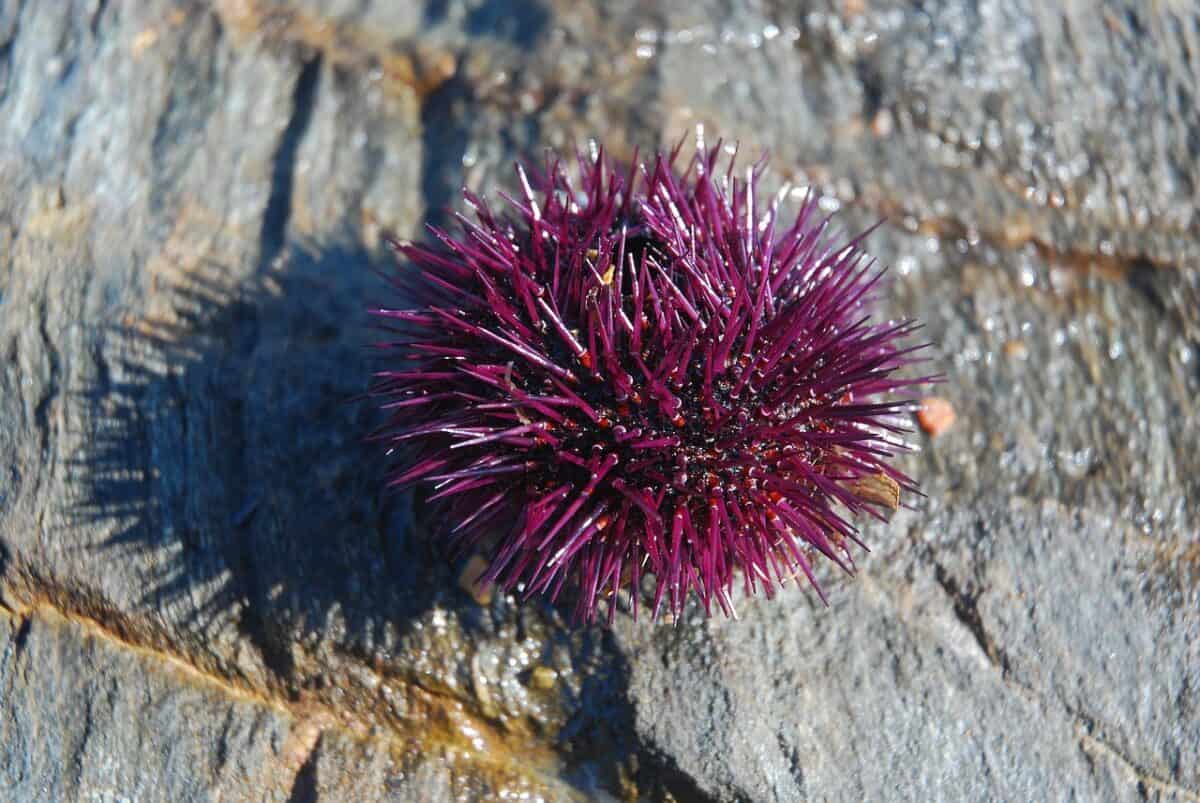
Despite its seemingly inactive lifestyle, the blobfish is a successful predator that has evolved specialized feeding strategies for the scarce-resource environment of the deep sea. Rather than actively hunting, which would require valuable energy, the blobfish employs a passive “sit-and-wait” strategy. It positions itself on the ocean floor where deep-sea currents might carry potential food items past. Its body shape, which allows it to hover just above the seafloor with minimal effort, is perfectly adapted for this feeding strategy. The blobfish primarily consumes small crustaceans, sea urchins, mollusks, and various organic matter that drifts within its reach.
The blobfish’s mouth structure also reveals its feeding adaptations. It has a relatively large mouth that can create a sudden suction to draw in prey items that pass nearby—a common adaptation among ambush predators. Some marine biologists believe that the blobfish might use chemical attractants or subtle movements to lure prey closer, though this behavior is difficult to observe directly given the extreme depths at which they live. While food in the deep sea is scarce, the blobfish’s energy-efficient lifestyle means it doesn’t need frequent meals to survive. This perfectly balanced adaptation to an extreme environment demonstrates nature’s remarkable ability to engineer solutions for even the most challenging ecological niches.
The Blobfish’s Rise to Infamy

The blobfish’s journey to becoming an internet sensation began in September 2013 when it won the dubious title of “World’s Ugliest Animal” in a public vote organized by the Ugly Animal Preservation Society, a comedy-focused conservation initiative. The competition aimed to raise awareness for threatened species that lack the charismatic appeal of traditional conservation symbols like pandas or tigers. The contest used a now-famous photograph of a decompressed blobfish specimen collected during a 2003 research expedition off the coast of New Zealand. This particular specimen, nicknamed “Mr. Blobby,” became the face of the campaign and subsequently went viral across social media platforms and news outlets worldwide.
Following its “victory,” the blobfish became a cultural phenomenon. It appeared on television shows, inspired merchandise from plush toys to coffee mugs, and became a common reference in comedy. The fish’s seemingly melancholic expression resonated with internet humor, spawning countless memes comparing it to grumpy politicians or as the embodiment of “Monday morning feelings.” While this attention did raise awareness about deep-sea ecosystems, it unfortunately perpetuated significant misconceptions about the blobfish’s actual appearance and biology. The viral image showed only the distorted remains of a fish that had suffered extreme physical trauma—equivalent to judging human appearance based on a body that had experienced catastrophic decompression.
Conservation Concerns: Threats to Blobfish Populations

Despite its internet fame, the blobfish faces serious conservation challenges that receive far less attention than its supposed ugliness. The primary threat to blobfish populations comes from deep-sea trawling, a fishing method that drags heavy nets across the ocean floor to catch commercially valuable species like lobsters and other deep-sea fish. These nets indiscriminately scoop up everything in their path, including blobfish that become unintended “bycatch.” Once caught in these nets and brought to the surface, blobfish experience fatal decompression. Even if they were to be returned to the ocean, the damage to their bodies is irreversible. The expanding practice of deep-sea trawling threatens not just blobfish but entire deep-sea ecosystems and their unique biodiversity.
Adding to conservation concerns is the fact that blobfish, like many deep-sea species, likely have slow reproductive rates and long lifespans—common adaptations to stable, resource-limited environments. This life history strategy makes populations particularly vulnerable to human disturbance, as they cannot quickly recover from population declines. Currently, there is insufficient data to determine the exact conservation status of blobfish species, as deep-sea populations are challenging to study and monitor. This knowledge gap itself presents a conservation challenge: it’s difficult to implement effective protection measures for species whose population trends and basic biology remain poorly understood. The IUCN (International Union for Conservation of Nature) has not yet assessed the blobfish, highlighting the general neglect of deep-sea species in conservation planning.
Family Matters: The Psychrolutidae and Other Deep-Sea Relatives
The blobfish belongs to the family Psychrolutidae, commonly known as fatheads or blob sculpins, which includes approximately 40 species distributed across the world’s oceans. These fish share common adaptations for deep-sea living, including gelatinous bodies, reduced bone structure, and generally sedentary lifestyles. While the Psychrolutes marcidus (the species commonly referred to as “the blobfish”) gets the most attention, other members of this family display similar adaptations. Notable relatives include the Pacific and Atlantic spiny lumpsuckers, which share the gelatinous body composition but have developed adhesive discs that allow them to attach to rocks in areas with stronger currents.
Beyond its immediate family, the blobfish shares its deep-sea habitat with an astonishing array of specially adapted creatures that demonstrate parallel evolutionary solutions to the challenges of high-pressure environments. Species like the coffinfish, the deep-sea anglerfish, and various grenadiers or rattails have all independently evolved features that help them survive in the abyss. Many display reduced skeletal systems, specialized pressure-resistant cellular structures, and energy-conserving metabolisms. These deep-sea communities represent one of Earth’s least explored frontiers, with many species likely remaining undiscovered. Scientists estimate that we have identified less than 20% of the species inhabiting the deep ocean, making it one of our planet’s last great unexplored wilderness areas.
Scientific Research: Studying a Deep-Sea Enigma
Researching the blobfish presents extraordinary challenges due to its extreme deep-sea habitat. Traditional marine biology techniques are often inadequate at depths where the blobfish lives, requiring specialized equipment that can withstand enormous pressure. One of the most significant advances in deep-sea research has been the development of remotely operated vehicles (ROVs) and submersibles equipped with high-definition cameras that can capture images and even video of deep-sea creatures in their natural habitat. These technologies have allowed scientists to observe how the blobfish actually appears and behaves underwater, though such observations remain relatively rare and limited in scope.
Another promising research avenue involves pressure-maintaining collection systems that can bring deep-sea specimens to the surface without subjecting them to decompression. These specialized chambers maintain the high-pressure environment of the deep sea, allowing scientists to study specimens in something much closer to their natural state. Additionally, modern genetic analysis has helped researchers understand the evolutionary relationships between blobfish and other species, as well as identifying potential cryptic species (physically similar but genetically distinct populations) within what we currently classify as “blobfish.” Despite these advances, our knowledge of blobfish biology remains limited. Basic information about their lifespan, reproductive cycles, population size, and behavior patterns continues to elude scientists, highlighting how much remains to be discovered about deep-sea ecosystems.
Cultural Impact: From Ugly Duckling to Conservation Symbol
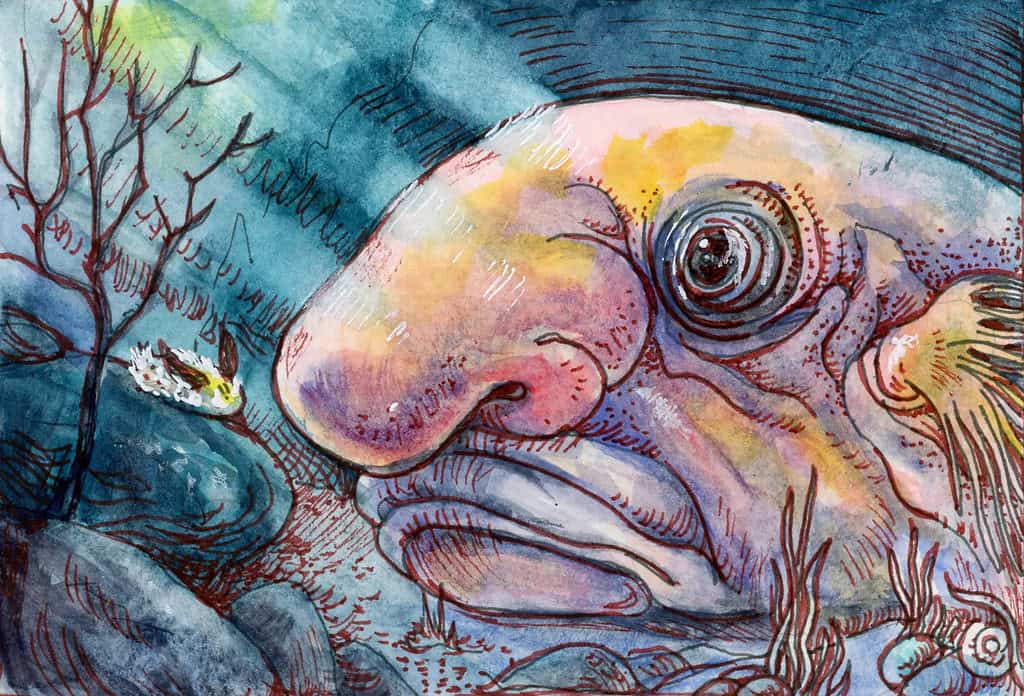
The blobfish’s cultural journey represents a fascinating case study in how internet fame can impact scientific understanding and conservation efforts. While its “World’s Ugliest Animal” title initially seemed merely humorous, the attention inadvertently created opportunities for public education about deep-sea environments. Many aquariums and science centers have used the blobfish’s popularity as an entry point to discuss deeper topics: the effects of pressure on marine life, the impacts of deep-sea trawling, and the remarkable adaptations that allow life to thrive in extreme environments. The Ugly Animal Preservation Society, which propelled the blobfish to fame, explicitly aims to highlight “aesthetically challenged” threatened species that might otherwise receive little conservation attention.
Beyond formal education, the blobfish has inspired artistic and cultural expressions ranging from children’s books to scientific illustration projects that attempt to accurately portray the fish in its natural state. Conservation organizations have increasingly embraced the blobfish’s recognition factor to advocate for marine protected areas and restrictions on deep-sea trawling. Perhaps most importantly, the blobfish story has become a powerful reminder about the dangers of judging any creature outside the context of its natural environment. What initially appeared to be merely an “ugly” fish has revealed itself as a sophisticated example of evolutionary adaptation—a reminder that beauty in nature often lies in the perfect match between an organism and its environment rather than in superficial appearances.
Beyond the Blob: Understanding Deep-Sea Adaptations

The blobfish’s story opens a window into the broader topic of deep-sea adaptations and the remarkable strategies that have evolved to overcome the extreme challenges of abyssal living. High pressure is just one of many obstacles; deep-sea creatures also contend with near-freezing temperatures, perpetual darkness, and food scarcity. In response, they’ve developed an array of specialized features: from bioluminescence (the ability to produce light) that helps attract prey or mates in the darkness, to ultra-sensitive sensory systems that can detect the slightest movement or electrical signal from potential prey. Some species have developed enormous mouths and expandable stomachs that allow them to consume rare meals several times their normal size, sustaining them through long periods between feeding opportunities.
These adaptations often create appearances that seem bizarre or unsettling to human observers—the fanged viperfish, the transparent ghost shark, or the grotesquely expandable gulper eel. Yet each of these traits represents a masterful solution to the harsh realities of deep-sea survival. What we perceive as strange is, in fact, evidence of evolutionary ingenuity finely tuned to environments humans can scarcely comprehend. Far from being monstrous anomalies, these creatures embody resilience, efficiency, and the diverse possibilities of life adapting to thrive under crushing pressures and eternal night.
Understanding these adaptations not only deepens our appreciation for life’s diversity but also highlights the importance of preserving deep-sea ecosystems, which remain among the least explored and most vulnerable habitats on Earth. As human activities like deep-sea mining and climate change begin to encroach upon these fragile realms, it becomes ever more urgent to protect the extraordinary organisms that call the deep ocean home. In learning about the blobfish and its neighbors, we are reminded that life’s creativity knows no bounds—even in the darkest depths.

From exploring the marine wonders in the Azores and witnessing the vast savannas of Kenya, to delving deep into the rich biodiversity of South Africa and traversing iconic landscapes in Australia and the US like Yellowstone, Chris's experiences are vast.
With a penchant for diving alongside sharks, the ocean holds a special place in his heart.
Through his academic insights, he champions wildlife conservation, striving with 'Animals Around The Globe' to cultivate a profound connection between humans and animals, enhancing our mutual appreciation.
Connect with him at Feedback@animalsaroundtheglobe.com.
- Scientists Revive Cells from a Dead Rhino, Is De-Extinction Near? - August 16, 2026
- Why the African Lion is One of the Most Dangerous Predators - August 16, 2026
- Animals and Wildlife in Chile - August 16, 2026