

The blue poison arrow frog, also known as the blue poison dart frog, is an enchanting yet formidable creature that captivates scientists and nature enthusiasts alike. Native to the lush rainforests of South America, especially in Suriname, these vibrant amphibians are as fascinating in their ecology as they are striking in appearance. Their intriguing coloration, potent toxicity, and unique behavior make them subjects of ongoing scientific research and conservation efforts.
Brilliant Coloration: Nature’s Warning Signal
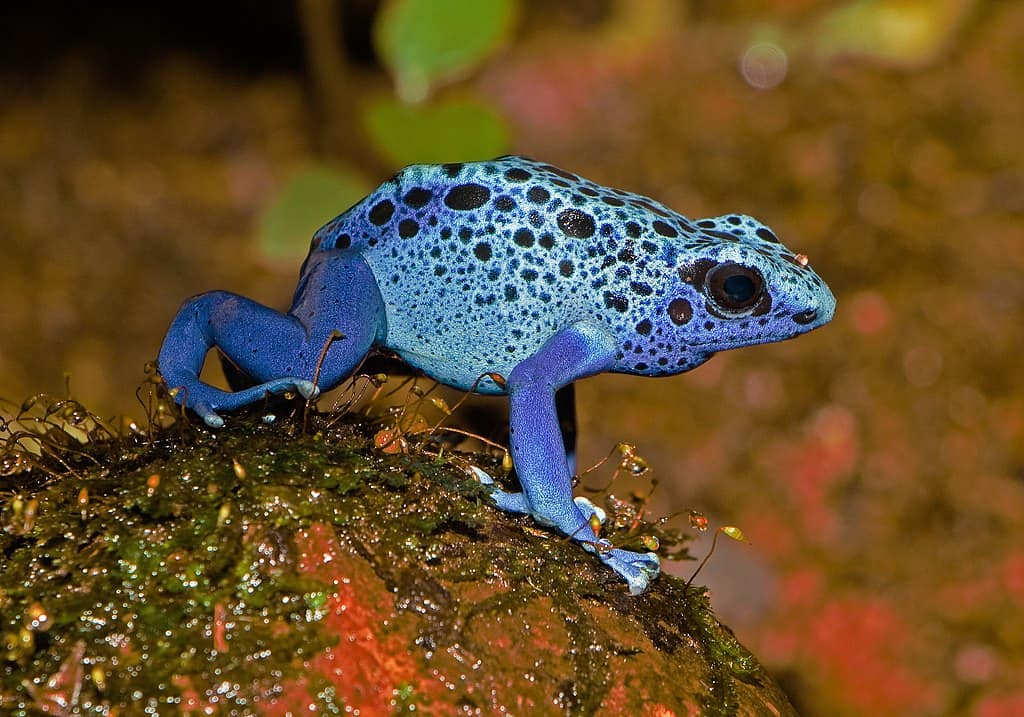
One of the most distinguishing features of the blue poison arrow frog is, undoubtedly, its vivid blue coloration. This bright blue hue isn’t just for show; it serves as a powerful warning signal known as aposematism. In the animal kingdom, bright colors often indicate toxicity or a deterrent mechanism to potential predators. The rare and intense blue pigment, dotted with irregular black spots, communicates a clear message: “Stay away.” For a tiny creature that measures only about 3 to 4.5 centimeters in length, this is an essential survival strategy.
Toxicity: A Potent Defense Mechanism
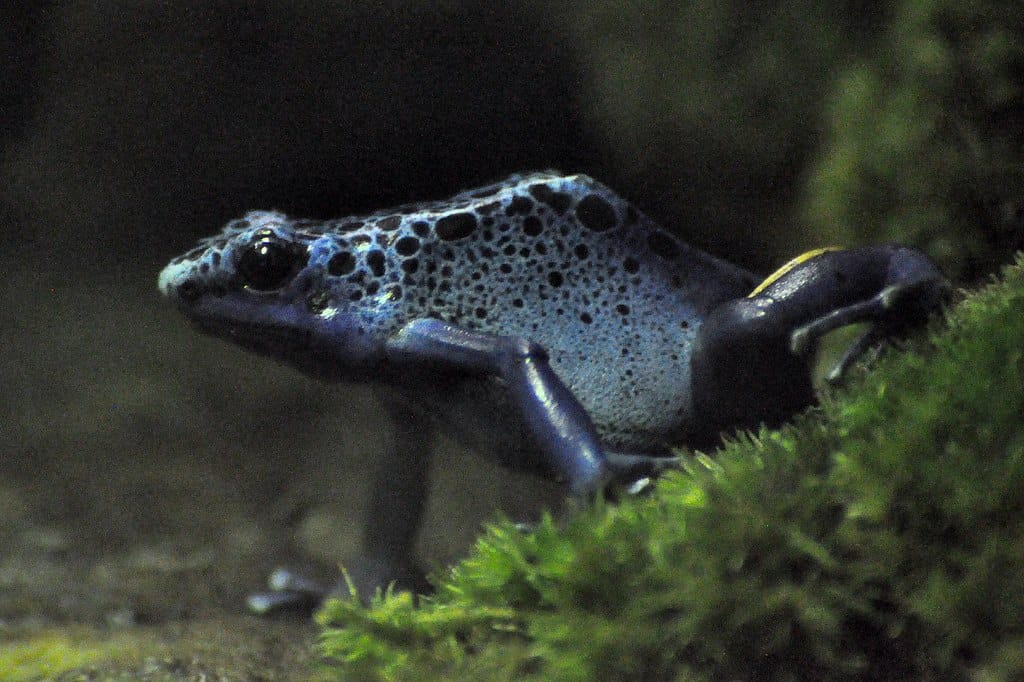
The blue poison arrow frog’s name itself hints at its incredible toxicity. These frogs secrete a powerful alkaloid toxin through their skin, which can paralyze or even kill predators. This potent toxin has historically been used by indigenous people to coat the tips of arrows and darts, a practice which gives the frog its common name. Interestingly, the frogs derive these toxins from their diet, which consists of ants, mites, and other small invertebrates found in the rainforest; frogs raised in captivity, without access to this diet, lack the same level of toxicity.
Unique Behavior and Social Structure

Beyond their striking appearance and toxicity, blue poison arrow frogs exhibit fascinating behaviors and social structures. These frogs are diurnal, meaning they are active during the day—a notable trait, as many amphibians are nocturnal. They communicate through a variety of soft calls and territorial displays, with males often seen engaging in vocal competitions to attract mates or ward off rivals. Furthermore, these frogs demonstrate parental care, with males playing a critical role in nurturing their offspring by transporting tadpoles on their backs to water-filled bromeliads or other moist environments where they can develop safely.
Conservation Status and Threats

Despite their potency and adaptability, blue poison arrow frogs face numerous threats in the wild, primarily due to habitat destruction. The rainforests they inhabit are increasingly threatened by logging, mining, and agriculture. Additionally, their popularity in the pet trade has contributed to concerns about their declining numbers. Though they are not currently classified as endangered, preserving their natural habitats and regulating their trade remains critical to their conservation.
The Scientific and Educational Value

The blue poison arrow frog serves as an extraordinary model for understanding evolutionary biology, chemical ecology, and conservation science. Researchers study these frogs to gain insights into the processes of toxin secretion, predator-prey dynamics, and the evolutionary advantages of aposematism. Moreover, their captivating appearance and intriguing behavior make them valuable ambassadors for educational programs focused on biodiversity and the importance of rainforest ecosystems.
Conclusion
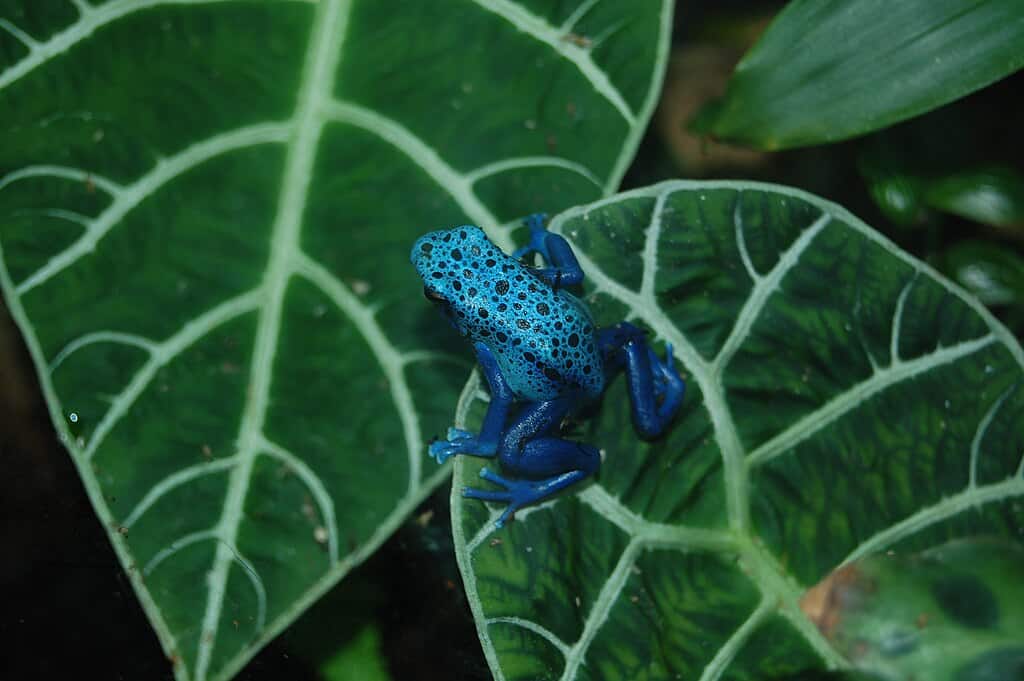
The blue poison arrow frog is truly a stunning marvel of nature. Its vibrant coloration, potent toxicity, and dynamic behaviors offer a wealth of knowledge for scientists and illustrate the incredible diversity of life on Earth. As we continue to explore and understand these remarkable creatures, ensuring their survival becomes a vital component of preserving the rich tapestry of our planet’s biodiversity.

- How Rhinoceros Males Compete for Mating Rights in the Wild - July 18, 2026
- 13 Spider Species Thriving in Changing Environments - July 18, 2026
- The World’s Deadliest Plants and What Makes Them So Lethal - July 18, 2026