


The Eastern Indigo Snake (Drymarchon couperi), known for its lustrous, blue-black scales, is one of North America’s most fascinating and important snake species. As the longest native snake in the United States, the Eastern Indigo Snake plays various crucial roles in the ecosystems of the southeastern United States. Despite being non-venomous and generally harmless to humans, these snakes face numerous threats and are considered a threatened species under the Endangered Species Act. This article explores why the Eastern Indigo Snake is vital to North America, delving into its ecological, cultural, and conservation significance.
Ecological Role of the Eastern Indigo Snake
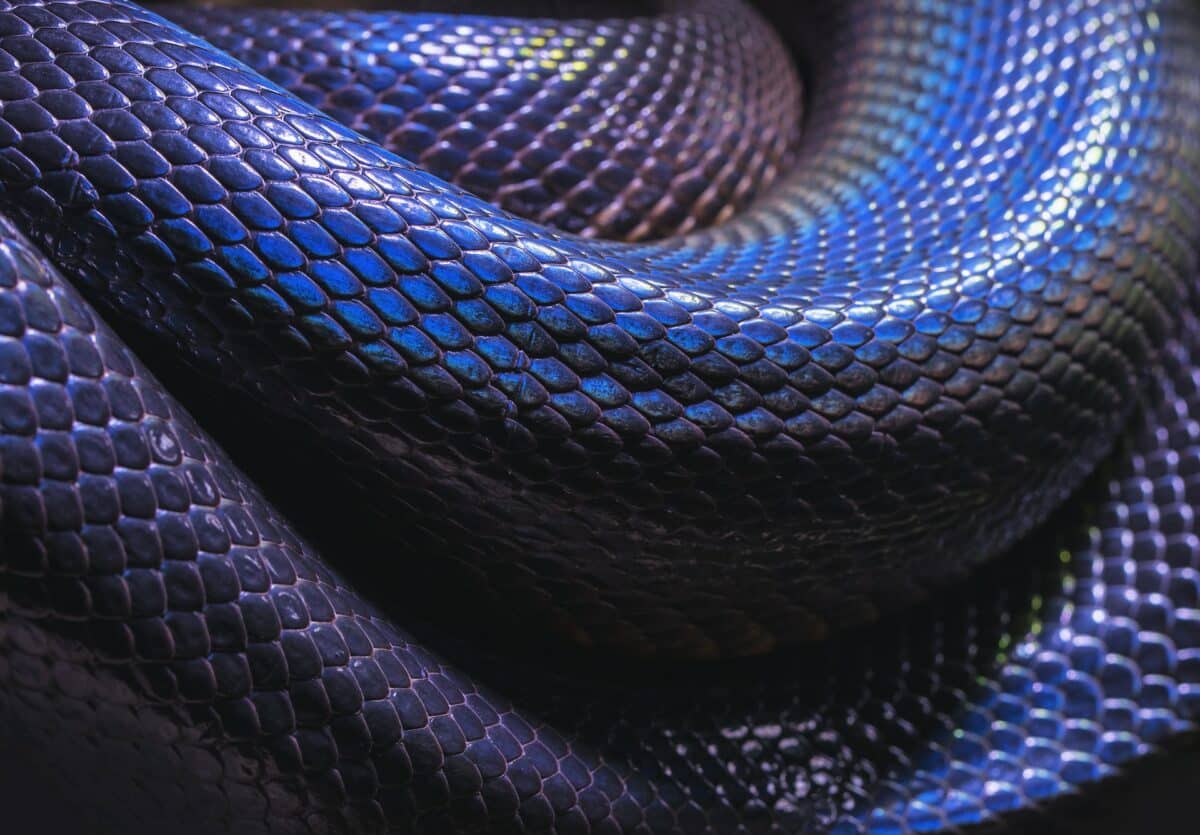
The Eastern Indigo Snake is a top predator in its ecosystem, mainly due to its dietary habits. These snakes readily consume a wide variety of prey, including rodents, birds, frogs, and other reptiles, such as young alligators and rattlesnakes. The broad diet of the Eastern Indigo Snake helps regulate and balance the populations of these species, maintaining ecological harmony and preventing any one species from becoming overly dominant.
Importance of Habitat Diversity

The Eastern Indigo Snake is a habitat generalist, meaning it can thrive in various environments, from pine flatwoods to tropical hammocks, hardwood forests, and sandy dunes. This adaptability underscores the snake’s role in indicating the health of diverse habitats. A thriving population of Eastern Indigo Snakes often points to an ecosystem that is equally healthy and intact, supporting numerous other species as well.
Influence on Biodiversity

By preying on a variety of species, the Eastern Indigo Snake supports biodiversity within its habitat. Its predation on common species like the cotton rat and cottonmouth snake means that these populations are kept in check, reducing pressure on other species that share the environment. This balance allows for greater biodiversity and healthier ecosystems.
Keystone Species Status
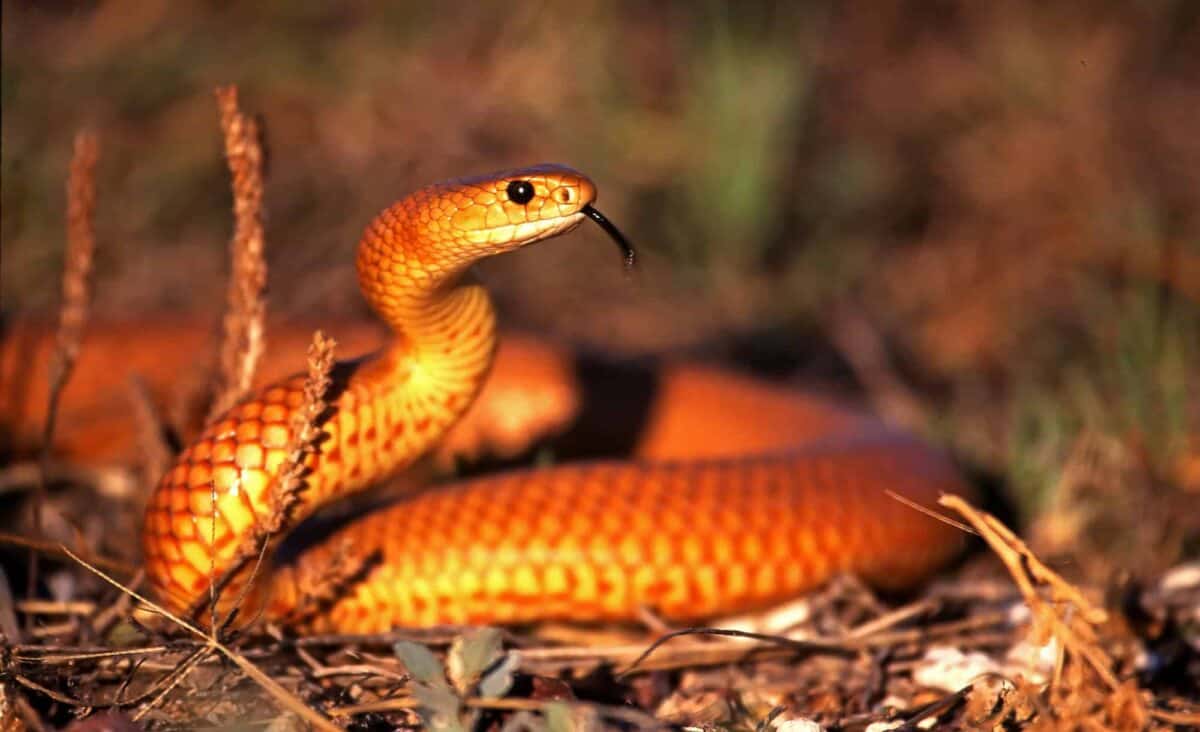
Although typically associated with larger animals, the Eastern Indigo Snake can be considered a keystone species because its presence significantly influences the types and numbers of other organisms in its community. By controlling prey populations and affecting the behavior and distribution of other reptilian predators, Eastern Indigo Snakes contribute to maintaining the structure of their ecological community.
Role in Gopher Tortoise Ecosystem
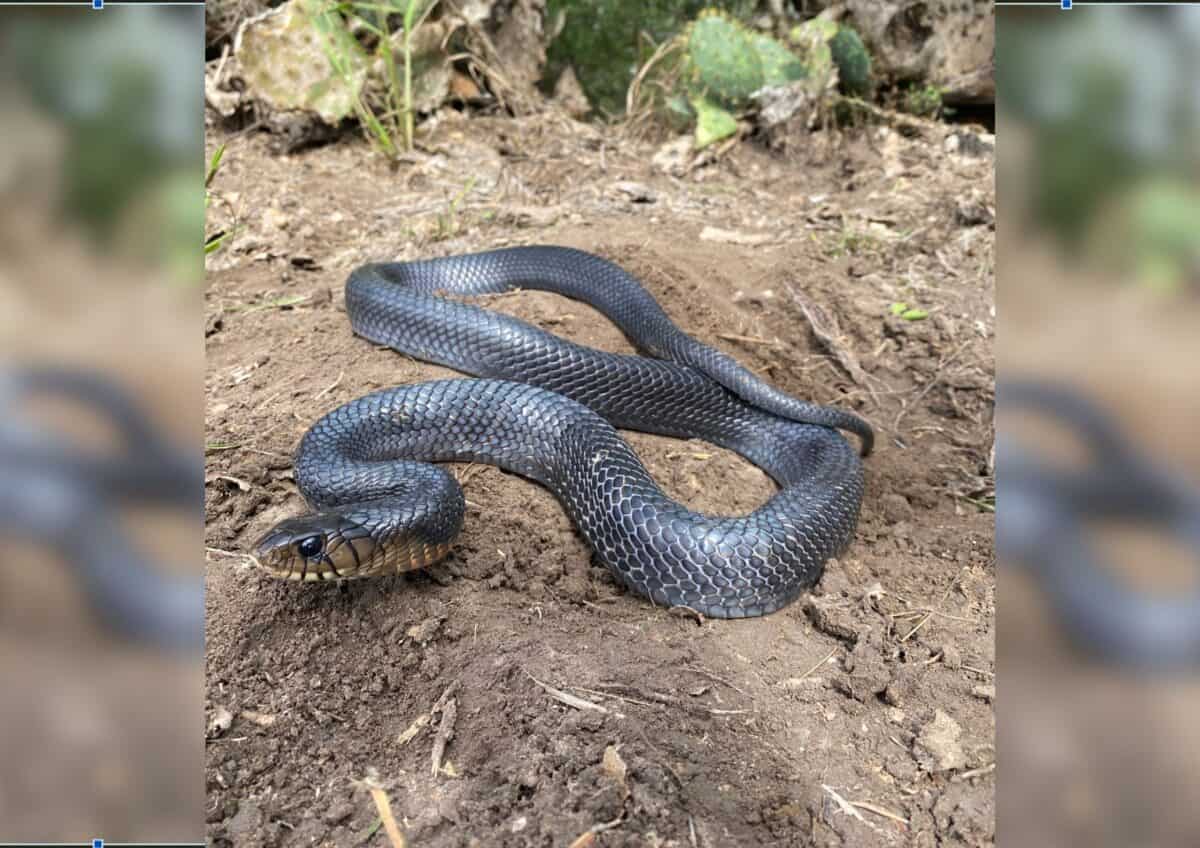
The Eastern Indigo Snake often shares its burrows with gopher tortoises. These burrows, dug by the tortoises, provide critical shelter for many species in the southeastern United States, including the indigo snake during winter. By relying on gopher tortoise burrows, the snake is an integral part of a larger ecological network, highlighting the interconnectedness within this habitat.
Cultural Significance

Throughout history, the Eastern Indigo Snake has been recognized in local folklore and culture, often symbolizing strength and endurance because of its impressive size and power. Its striking appearance and ecological role also make it an excellent ambassador for the conservation of reptiles and their habitats in the southeastern United States.
Conservation Status and Threats

The Eastern Indigo Snake is listed as a threatened species, facing threats from habitat destruction, climate change, and illegal pet trade. The fragmentation of its habitat due to urban development and agriculture has drastically reduced its numbers. Furthermore, because it crosses large areas to meet its ecological needs, road mortality is a significant issue.
Conservation Efforts and Success Stories

Conservation organizations are working hard to protect the Eastern Indigo Snake through habitat preservation, legal protection, and breeding programs. Initiatives like the Alabama Wildlife and Freshwater Fisheries Division’s conservation projects highlight collaborative efforts to rear and release captive-bred Eastern Indigo Snakes into the wild. These efforts are crucial for increasing the population and genetic diversity of this species.
How You Can Help
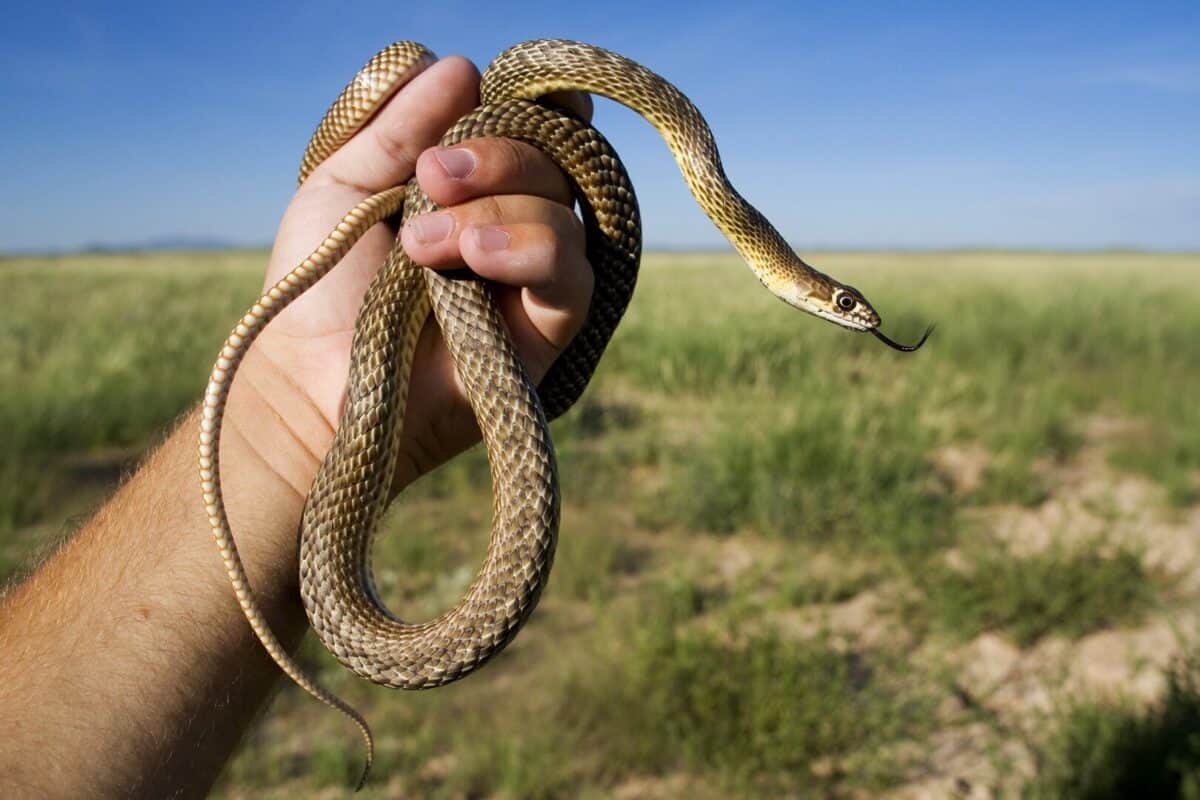
Individual actions can significantly contribute to the conservation of the Eastern Indigo Snake. Supporting habitat conservation programs, advocating for legal protections, and participating in citizen science projects are excellent ways to aid this species. Educating others about the importance of the Eastern Indigo Snake and their role in maintaining ecological balance is also imperative.
Conclusion: A Call for Conservation

The Eastern Indigo Snake is more than just a remarkable reptile; it is a vital component of its ecosystem, a symbol of biodiversity, and a keystone species in North America. Protecting this species requires a concerted effort from governments, conservationists, and the public. By understanding and appreciating the crucial role of the Eastern Indigo Snake, we can ensure that future generations will continue to benefit from its contributions to the natural world. Their protection represents a commitment to preserving the rich biodiversity of North America for years to come.

As a little kid, I fell in love with nature, wildlife, and animals. Living in the USA, South Africa, Italy, China and Germany gave me the opportunity to discover the world's Wildlife. My favorite animals are Mountain Gorillas, Siberian Tigers, and Great White Sharks.
I'm a certified PADI Open Water Diver, went to Everest Base Camp and Trekked Gorillas in Uganda. I hold a Master of Science in Economics and Finance.
Please send any feedback to feedback@animalsaroundtheglobe.com
- 12 Animals That Look Like Monsters - July 17, 2026
- 13 Animals With Record-Breaking Speed or Strength - July 17, 2026
- The Most Camouflaged Creature Lurking in Pacific Waters - July 17, 2026