

Worried about unexpected vet bills?
Pet insurance can cover thousands in unexpected vet costs. Get a free quote from Lemonade in under 2 minutes.
Get My Free Quote →Sponsored · Opens Lemonade.com
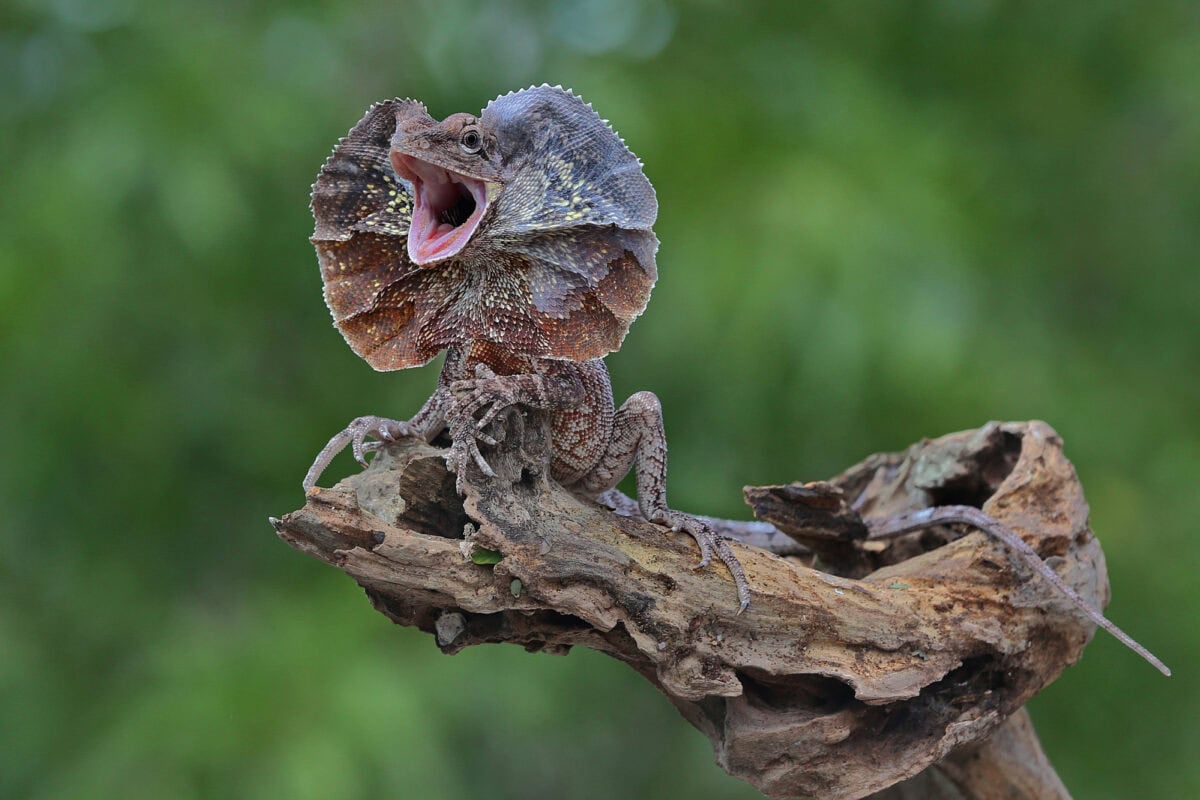
The frilled Lizard, also known as Chlamydosaurus kingii, is a fascinating reptile native to northern Australia and southern New Guinea. This unique creature captivates the imagination with its remarkable physical appearance, particularly its striking frill. Many people are intrigued by the frilled Lizard’s dinosaur-like characteristics, which raises the question: why does this reptile bear such a close resemblance to its prehistoric ancestors? In this article, we will explore the distinctive features of the frilled Lizard, its evolutionary adaptations, and the reasons behind its dinosaur-like appearance.
The Dinosaur-Like Appearance of the Frilled Lizard

At first glance, the frilled Lizard’s appearance is reminiscent of dinosaurs, especially those with elaborate frills like the famous Triceratops. The most iconic feature of the frilled Lizard is its large, extendable frill around its neck, which it uses for self-defense and communication. When threatened, this Lizard can unfurl its frill to reveal a vibrant array of colors and patterns, creating an intimidating display that deters predators and rivals. The Lizard’s long tail and powerful limbs further enhance its prehistoric look, allowing it to move swiftly through its natural habitat.
Evolutionary Connections to the Dinosaur World
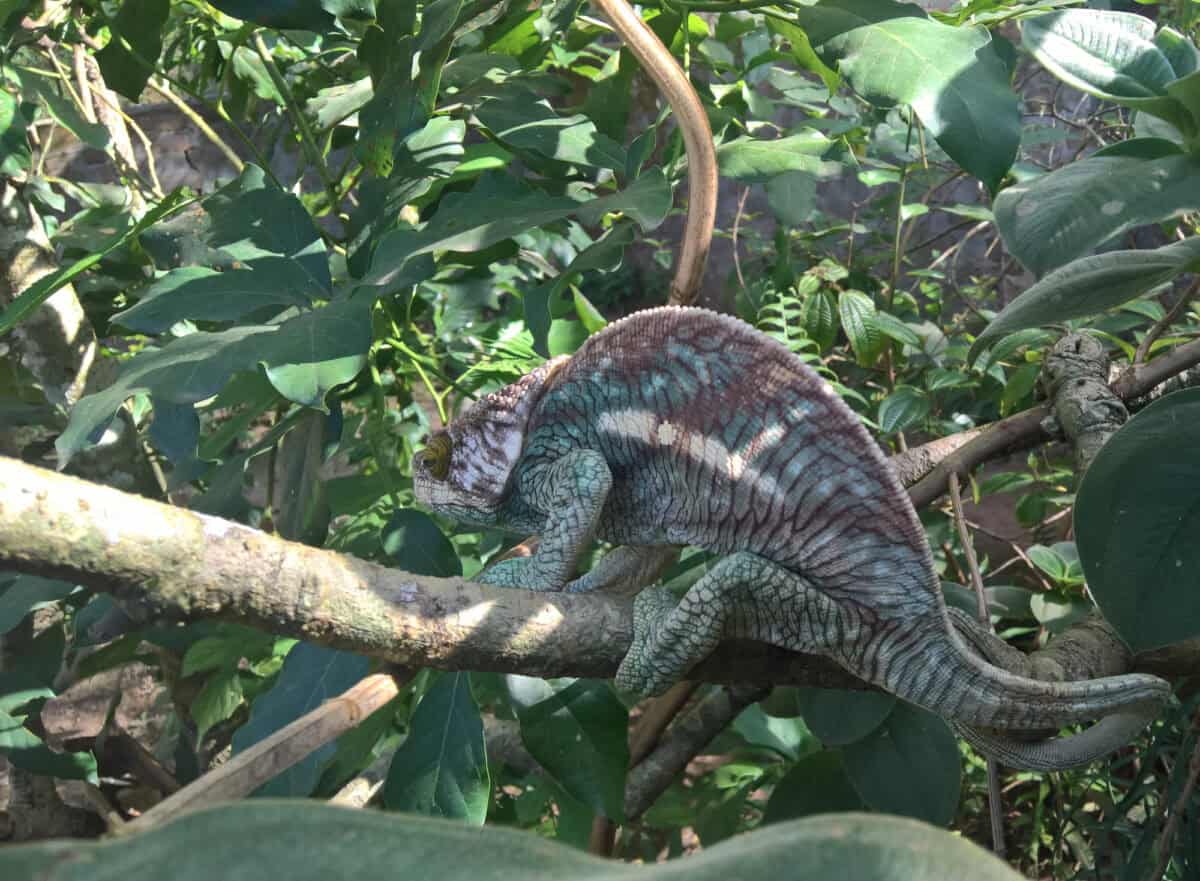
The frilled Lizard’s dinosaur-like appearance is not merely coincidental; it is rooted in evolutionary history. Reptiles, including lizards and snakes, share a common ancestor with dinosaurs. Despite the vast period and numerous evolutionary changes that separate modern reptiles from their ancient relatives, some traits have persisted. The physical characteristics of the frilled Lizard, particularly its frill, harken back to features found in certain dinosaur species. This morphological continuity is a testament to the enduring legacy of evolutionary adaptation.
Adaptations and Functions of the Frill

The frill of the frilled Lizard is not just an ornamental feature; it plays a crucial role in the reptile’s survival. When threatened, the Lizard will stand on its hind legs, open its mouth, and expand its frill to appear larger and more intimidating. This display often scares off potential threats without the need for physical confrontation. Additionally, the frill can serve as a communication tool, helping the Lizard establish territory or attract a mate. These practical functions of the frill enhance the Lizard’s survival and reproduction, demonstrating how evolutionary adaptations optimize physical traits for specific environmental pressures.
The Role of Convergent Evolution
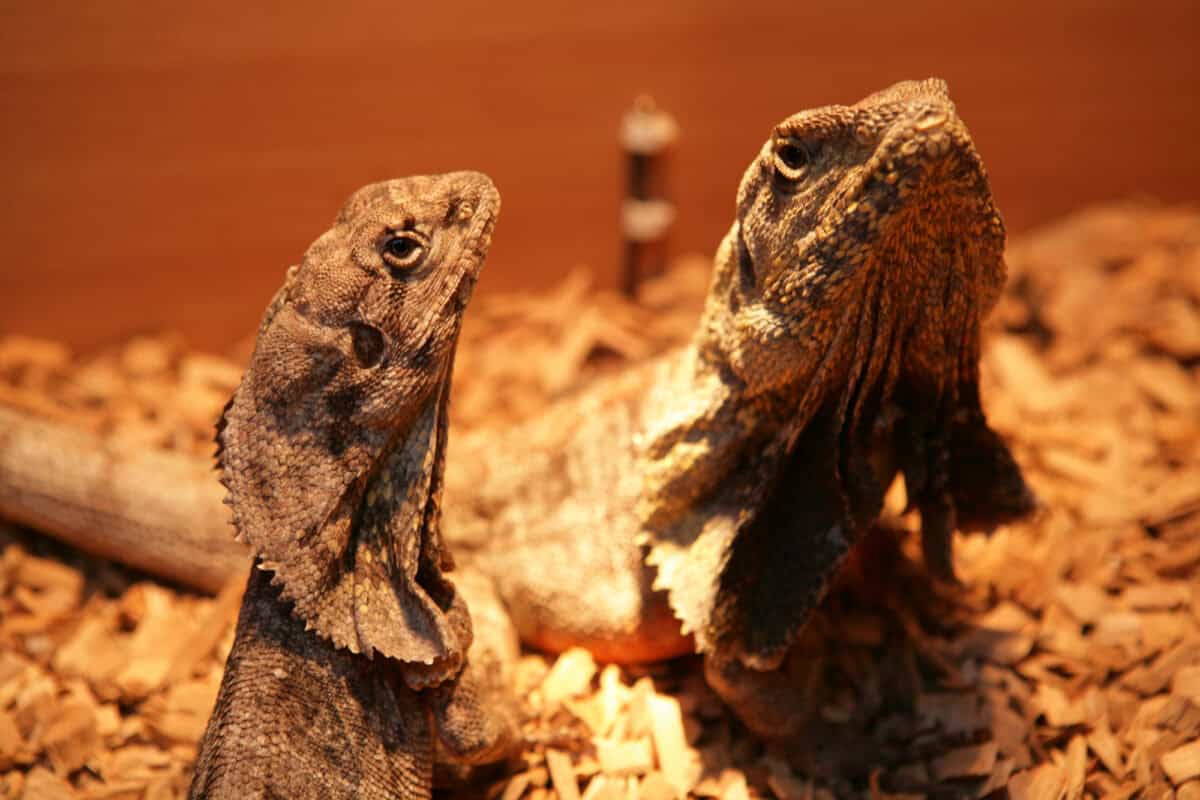
Convergent evolution is another factor contributing to the frilled Lizard’s dinosaur-like appearance. This phenomenon occurs when different species independently evolve similar traits due to comparable environmental challenges or ecological niches. The frill of the frilled lizard, for example, resembles the crests and frills of certain dinosaur species that utilized similar displays for either defense or communication. Despite their independent evolutionary paths, the shared environmental pressures led both the frilled Lizard and some dinosaurs to develop similar adaptations, resulting in the striking parallels we observe today.
Conclusion: The Timeless Fascination with Prehistoric Looks

The frilled Lizard’s resemblance to dinosaurs is a captivating example of how evolutionary processes shape the natural world. Its distinctive features are not just for show but serve essential survival functions that have been honed over millions of years. By understanding the frilled Lizard’s physical characteristics and evolutionary history, we gain insight into the remarkable journeys that living creatures undertake through the millennia. This tiny “dinosaur” continues to enchant both scientists and animal enthusiasts alike, bridging the ancient past with our present natural world. As we further unravel the mysteries of evolution, the frilled Lizard remains a testament to the enduring beauty and complexity of life on Earth.
Worried about unexpected vet bills?
Pet insurance can cover thousands in unexpected vet costs. Get a free quote from Lemonade in under 2 minutes.
Get My Free Quote →Sponsored · Opens Lemonade.com

As a little kid, I fell in love with nature, wildlife, and animals. Living in the USA, South Africa, Italy, China and Germany gave me the opportunity to discover the world's Wildlife. My favorite animals are Mountain Gorillas, Siberian Tigers, and Great White Sharks.
I'm a certified PADI Open Water Diver, went to Everest Base Camp and Trekked Gorillas in Uganda. I hold a Master of Science in Economics and Finance.
Please send any feedback to feedback@animalsaroundtheglobe.com
- 12 Differences Between Old World and New World Monkeys - June 10, 2026
- 6 Creatures That Can Survive Being Frozen Solid - June 10, 2026
- Why Botswana Okavango Delta Is the Best Place to See Elephants - June 10, 2026