

The Hoatzin, also known as the “stinkbird” or “Canje pheasant,” is a fascinating bird native to the swamps, mangroves, and riverine forests of the Amazon and Orinoco basins in South America. Known scientifically as *Opisthocomus hoazin*, it stands out not only for its unique evolutionary traits but also for its unmistakable scent. Despite its relatively obscure status in mainstream ornithology, the Hoatzin has captivated biologists and bird enthusiasts alike, primarily due to its distinct aroma and peculiar physiological characteristics.
A Unique Place in Evolutionary History
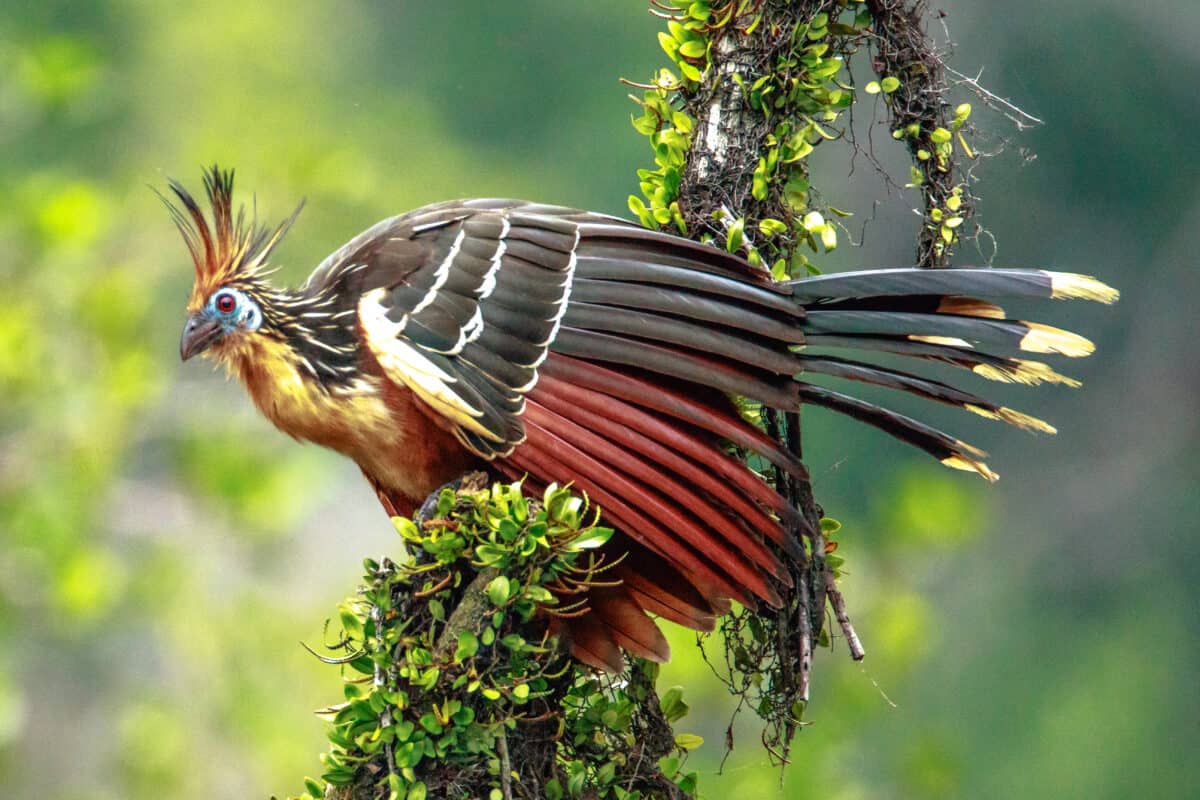
The evolutionary lineage of the Hoatzin is a subject of much intrigue. Unlike any other bird, its lineage has stumped scientists for decades. DNA analyses suggest that Hoatzins may have branched off early from other birds, though there is no consensus on exactly where they fit in the avian family tree. Fossils of Hoatzin-like birds dating back as far as 34 million years hint at a long evolutionary journey. What truly sets the Hoatzin apart is its digestive system, which plays a central role in its widespread notoriety as the “stinkbird.”
The Digestive System: A Cow in Bird’s Clothing

Hoatzins possess a unique digestive system akin to that of a ruminant, such as a cow. Unlike most birds, Hoatzins are folivores, meaning their diet consists primarily of leaves. To break down this fibrous plant material, the Hoatzin has evolved a specialized foregut fermentation process. Similar to the rumen in cattle, the bird’s large crop and lower esophagus work as fermentation chambers where symbiotic bacteria break down the cellulose of leaves. This adaptation is exceptionally rare among birds and results in the production of volatile compounds—such as methane—that contribute to the bird’s infamous odor.
The Stench That Defines the “Stinkbird”

The Hoatzin’s moniker as the “stinkbird” arises directly from its fermentation-based digestion. As the bacteria in their digestive system process the leaves, they generate an odor reminiscent of manure or cow dung. This pungent aroma serves as a defense mechanism, making the bird less appetizing to predatory mammals who might otherwise pose a threat. Although this certainly sets the Hoatzin apart, it might also play a role in its reduced predation, as few animals find the bird’s stench appealing.
The Hoatzin’s Peculiar Anatomy and Behavior
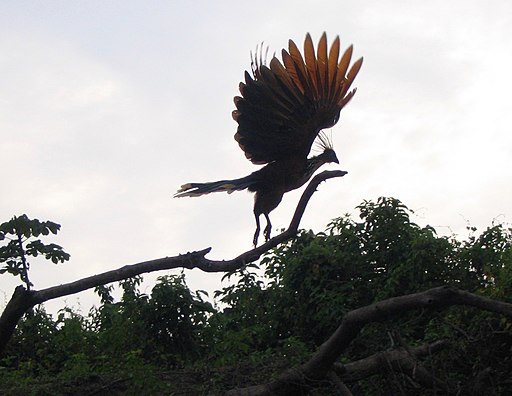
Beyond its digestive system, the Hoatzin is notable for its peculiar anatomy. Chicks have clawed wings, reminiscent of some prehistoric birds, which they use to climb branches safely in the dense forests. This feature fades as they mature, adding an extra layer of evolutionary curiosity. Hoatzins are also social creatures, often seen in small groups, and are excellent swimmers despite their otherwise awkward, ungainly appearance in flight. Their poor flight capabilities can be attributed to their anatomy, as the enlarged digestive system limits their breast muscle development, crucial for strong flight.
Conservation and the Future of the Hoatzin
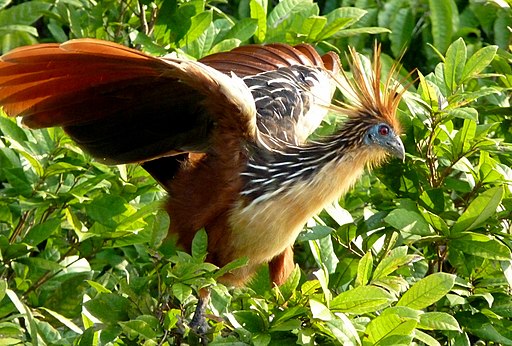
While currently not endangered, the Hoatzin’s habitat in South America faces threats from deforestation and habitat fragmentation. Preservation efforts are crucial to maintaining the delicate ecosystems they inhabit and to ensuring that generations to come can continue to learn from this remarkable bird. Understanding its unique biology not only informs avian evolution but also underscores the importance of preserving diverse ecosystems.
Conclusion
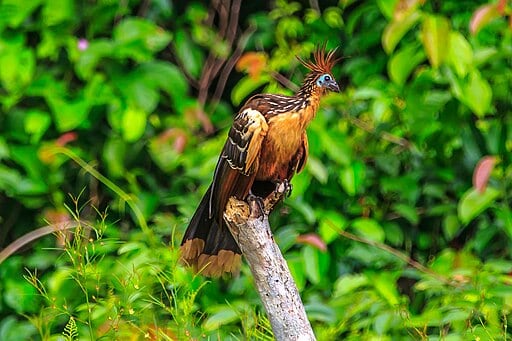
The Hoatzin, or “stinkbird,” is a remarkable testament to nature’s diversity and adaptability. Its unique place in the avian world is characterized by its distinctive digestive system and the resultant odor that gives it its nickname. As science continues to unravel the mysteries of this fascinating bird, it serves as a powerful reminder of the complexity and interconnectedness of life on Earth. For anyone interested in the intersection of evolution, ecology, and adaptation, the Hoatzin offers a captivating story of survival through evolutionary innovation.

- The Profound Impact Your Voice Has on Your Dog’s Emotional Well-being - August 4, 2026
- 12 Amazing Ways Dogs Sense Human Emotions Before We Do - August 4, 2026
- What It Means When Blue Jays Gather Without Making Any Calls - August 4, 2026
Leave a comment
You must be logged in to post a comment.