
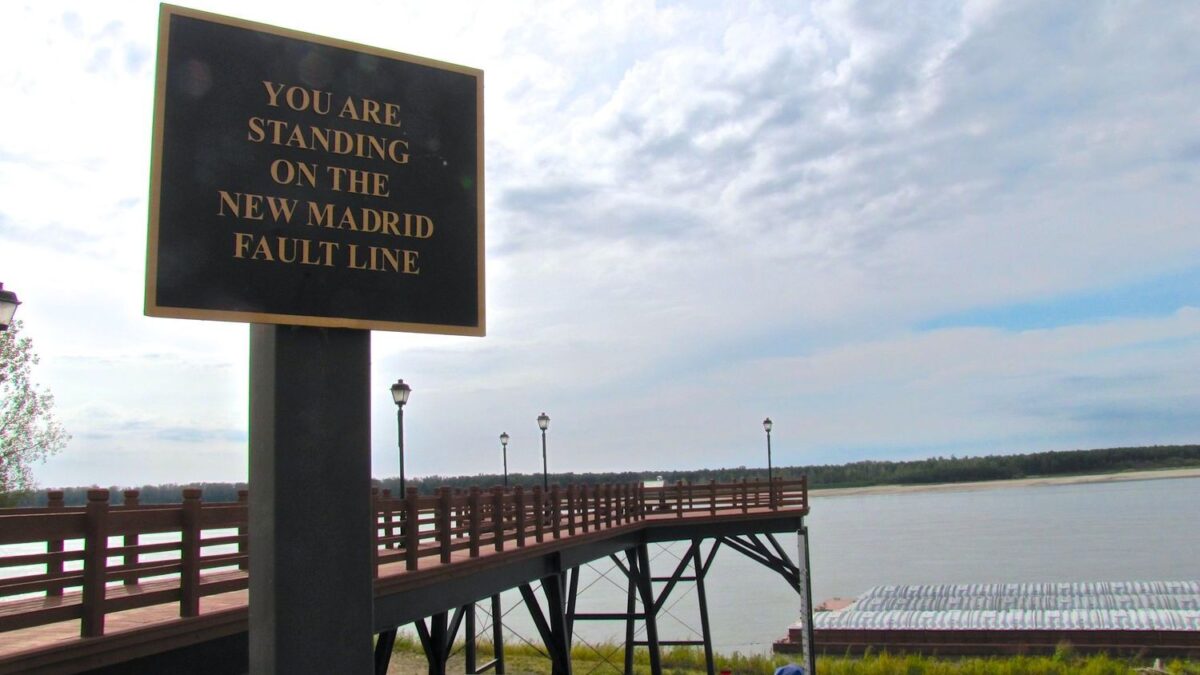
While California’s San Andreas Fault grabs headlines and Hollywood attention, a much more sinister earthquake threat lurks beneath America’s heartland. The New Madrid Seismic Zone sits quietly in the center of our continent, forgotten by most Americans despite its devastating potential. This sleeping giant has the power to shake the ground from Canada to the Gulf of Mexico, yet remains woefully underprepared for the catastrophe scientists warn is inevitable.
Seismologists do warn a severe earthquake at the seismic zone is inevitable, though it won’t match the apocalyptic predictions circulating on social media. The reality is sobering enough without the sensationalism.
The Historic Wake-Up Call That America Has Already Forgotten
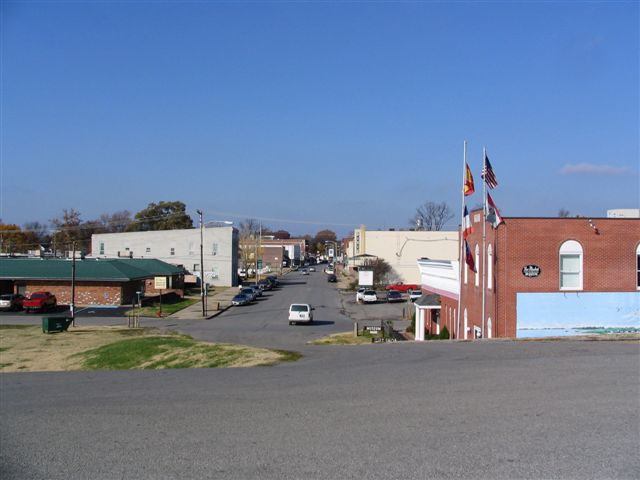
The zone had three of the largest earthquakes in recorded North American history, with moment magnitudes estimated to be as large as 7 or greater, all occurring within a 3-month period between December 1811 and February 1812. These weren’t just regional tremors that knocked a few books off shelves.
Local uplifts of the ground and the sight of water waves moving upstream gave observers the impression that the Mississippi River was flowing backwards. At New Madrid, trees were knocked down and riverbanks collapsed. Imagine witnessing one of America’s mightiest rivers suddenly reverse direction. Yet today, most Americans couldn’t even locate New Madrid, Missouri on a map.
A Geological Beast Six Times Larger Than San Andreas
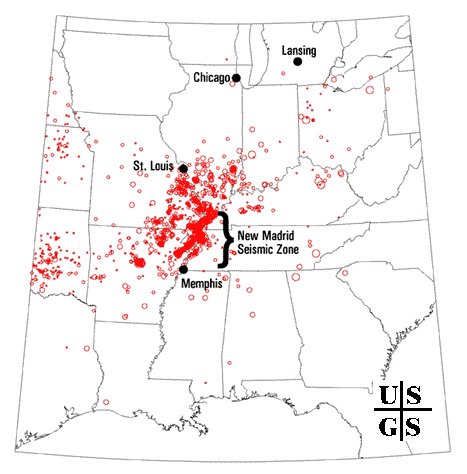
The New Madrid Seismic Zone spans approximately 150 miles, affecting portions in California and it covers portions of Illinois, Indiana, Ohio, Missouri, Arkansas, Kentucky, Tennessee and Mississippi. This isn’t some minor regional concern tucked away in a corner of the country.
Dr. J. David Rogers, an associate professor of geological engineering at UMR, says unique geology in the Midwest increases the shaking intensity of earthquakes because energy from the New Madrid seismic zone moves through the dense bedrock underlying the mid-continent region at very high speeds, then becomes trapped in the soft sediments filling river channels and valleys. The geology of California is thoroughly fractured by a series of faults, which, fortunately, serve to dampen seismic energy.
The Dangerous Silence That Breeds False Security
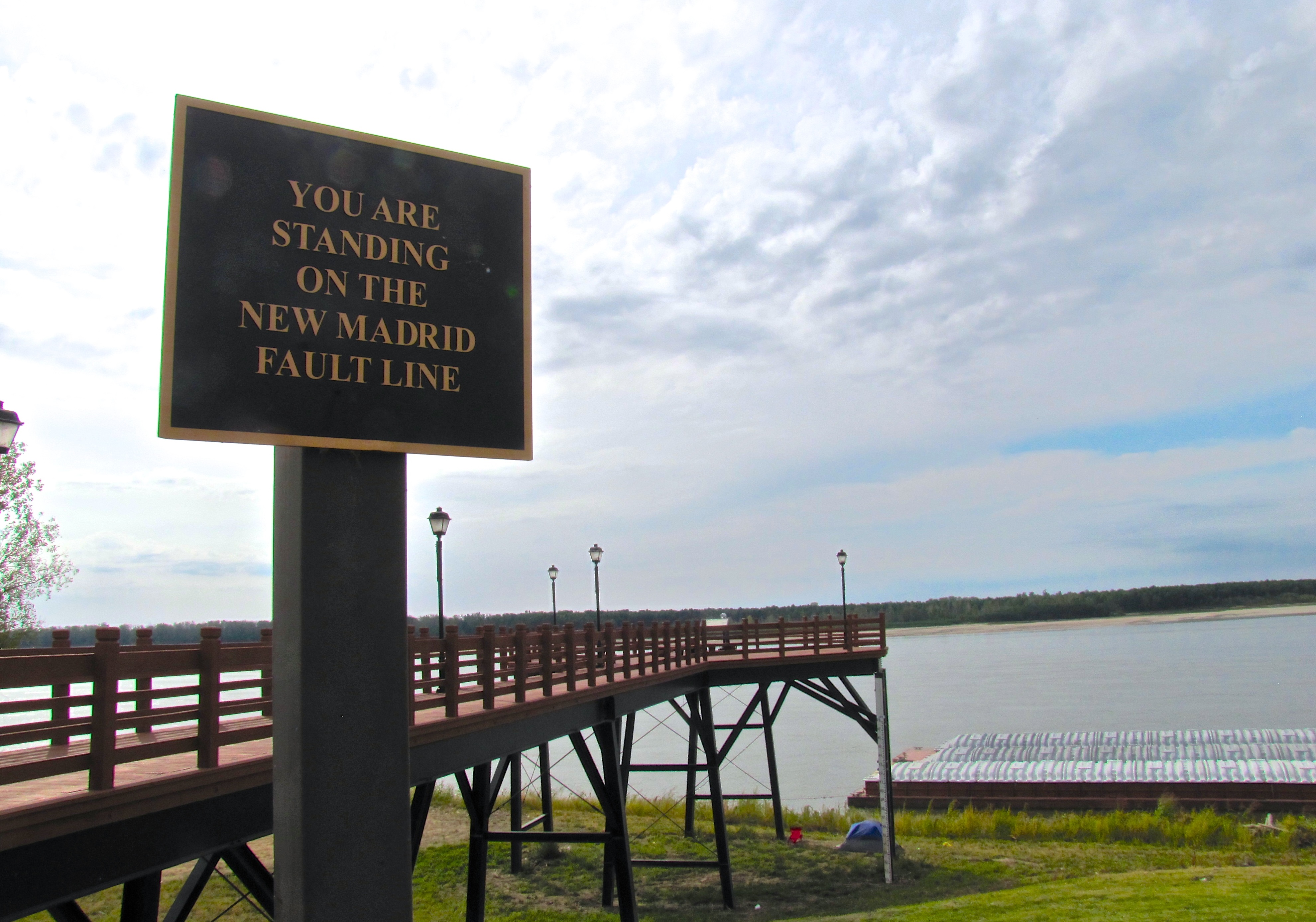
What makes the New Madrid Fault so unsettling is its silence. Unlike faults that rumble regularly, this one stays quiet – until it doesn’t. And that silence can lull us into a false sense of security.
On average, the New Madrid Seismic Zone records 10 times more earthquakes in a year than tornadoes, for example. The New Madrid zone experiences approximately 200 small earthquakes per year, most too small to be felt, many of those in northeast Arkansas. Yet people build tornado shelters while ignoring earthquake preparedness.
Infrastructure Built for a World Without Earthquakes
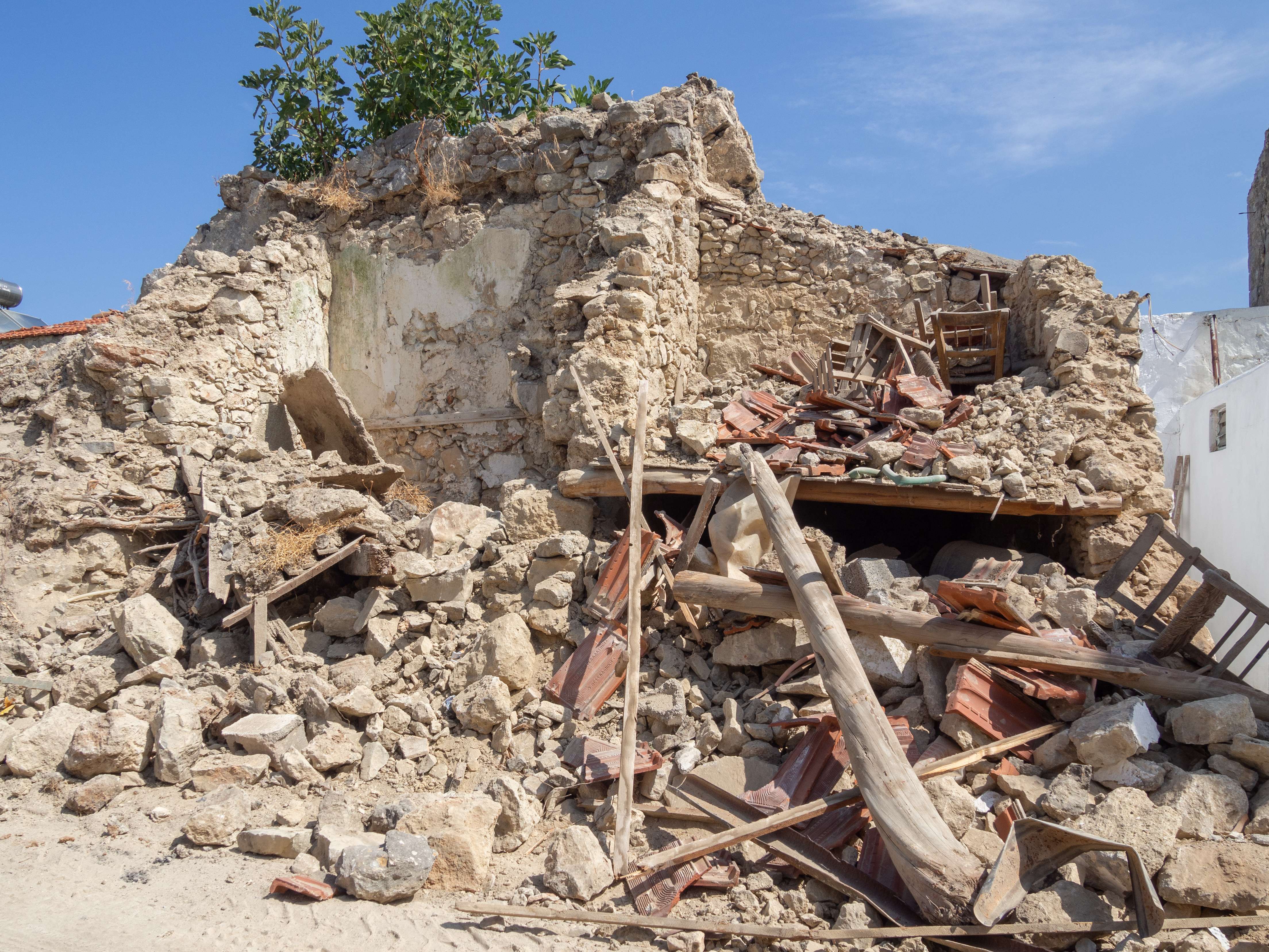
Unlike earthquake-prone areas like California, central U.S. cities and towns are generally less prepared – with older infrastructure and fewer seismic building regulations. A strong quake here could affect millions, causing building collapses, major utility disruptions, and long-term economic ripple effects that reach well beyond the epicenter.
Most of the buildings and infrastructure were built without consideration of seismic shaking, in large part because it has been so long since the last damaging earthquakes in the region. In the New Madrid seismic zone, the challenge to strengthen or replace the many vulnerable structures is compounded by the large numbers of jurisdictions that would be affected by a large earthquake. We’ve built an entire civilization on top of a ticking time bomb.
Economic Devastation That Would Dwarf California Quakes
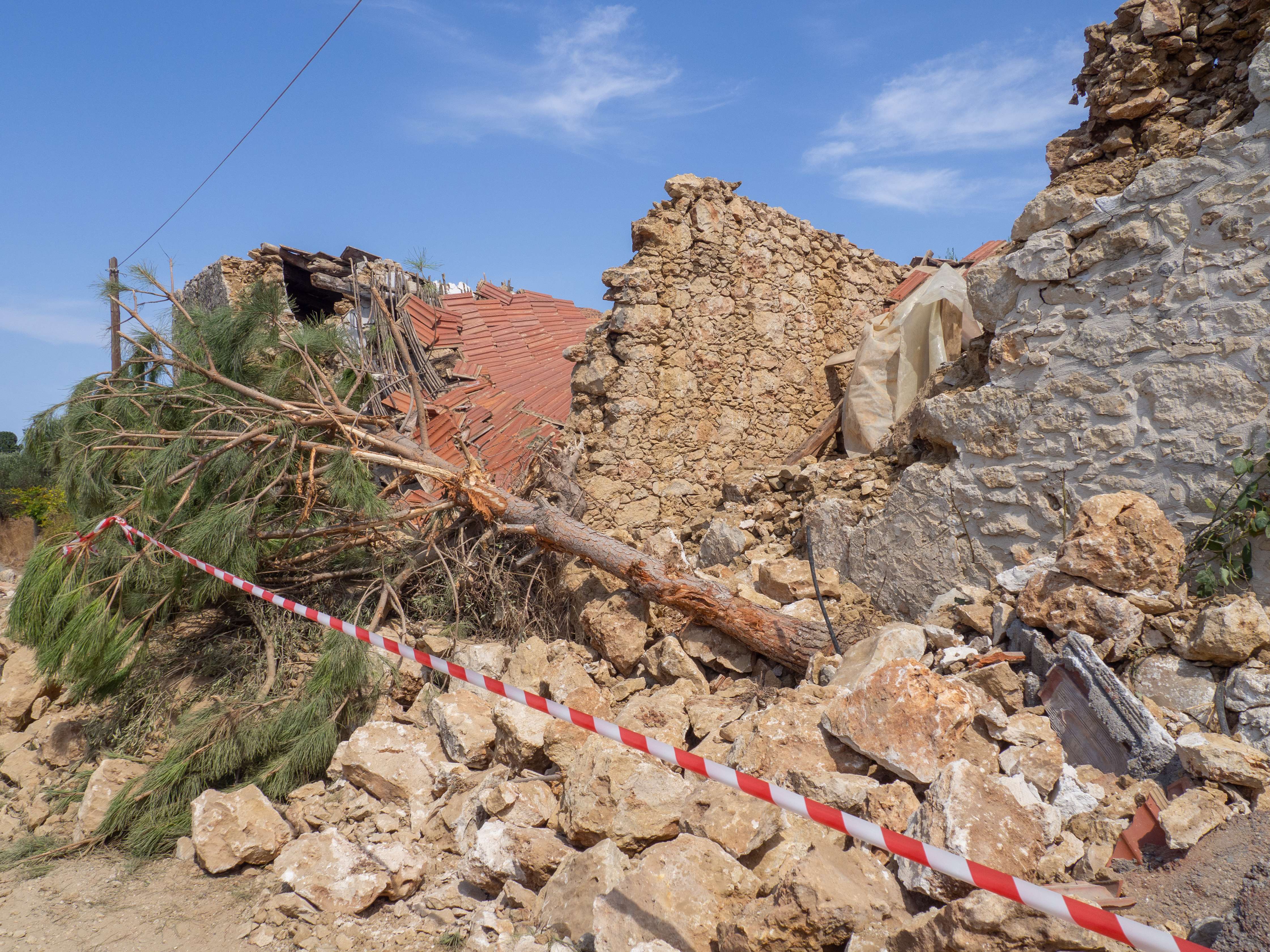
A 2008 HAZUS report prepared by FEMA, based on a 7.7 earthquake occurring in the New Madrid Seismic Zone, estimates earthquake damages to be $296 billion dollars across the region and nearly 730,000 people displaced from their homes. In Missouri, the report estimates a direct economic loss of $69 billion dollars and nearly 87,000 damaged buildings.
A moderate to strong New Madrid earthquake in 2006 would be a national disaster much like Hurricane Katrina, according to Rogers. “But you don’t get a warning from an earthquake,” he says “At least with a hurricane, you can see the thing coming.” The comparison is chilling when you consider Katrina’s lasting impact on New Orleans.
The Transportation Arteries That Keep America Moving
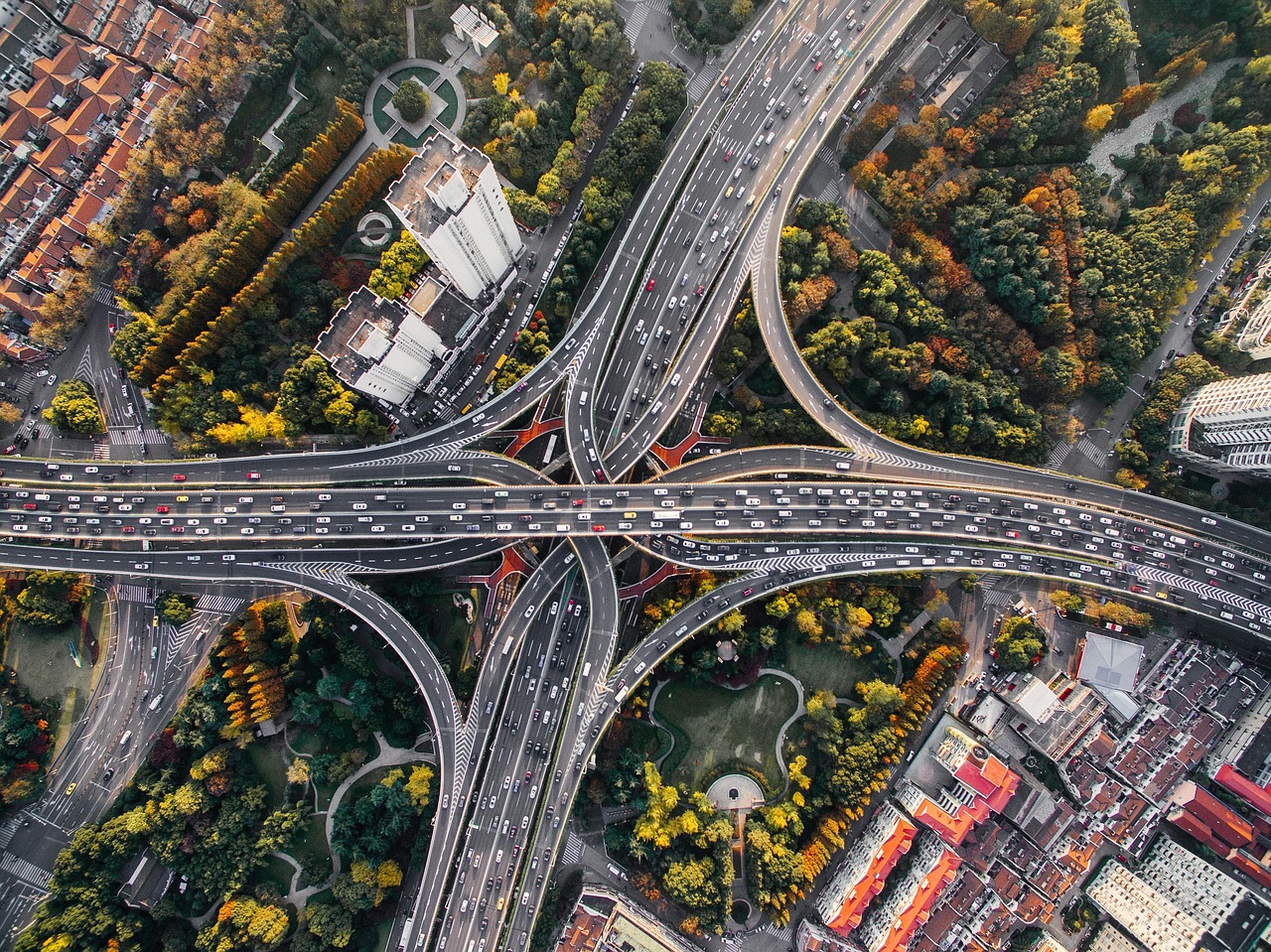
This isn’t just a “local” issue. The region it affects is home to major transportation arteries: highways, railroads, and pipelines that keep goods flowing across the country. If a major earthquake struck, these vital supply lines could be severed, causing disruptions that ripple far beyond the Midwest.
Lifelines crossing the region, including highways, bridges, and oil and gas pipelines leading to the northeastern United States., would be severely damaged, particularly in the Mississippi Valley. Picture empty grocery stores from Chicago to Atlanta, not because of panic buying, but because the transportation network that feeds America has been severed at its heart.
Why Scientists Can’t Give Us the Warning We Desperately Need
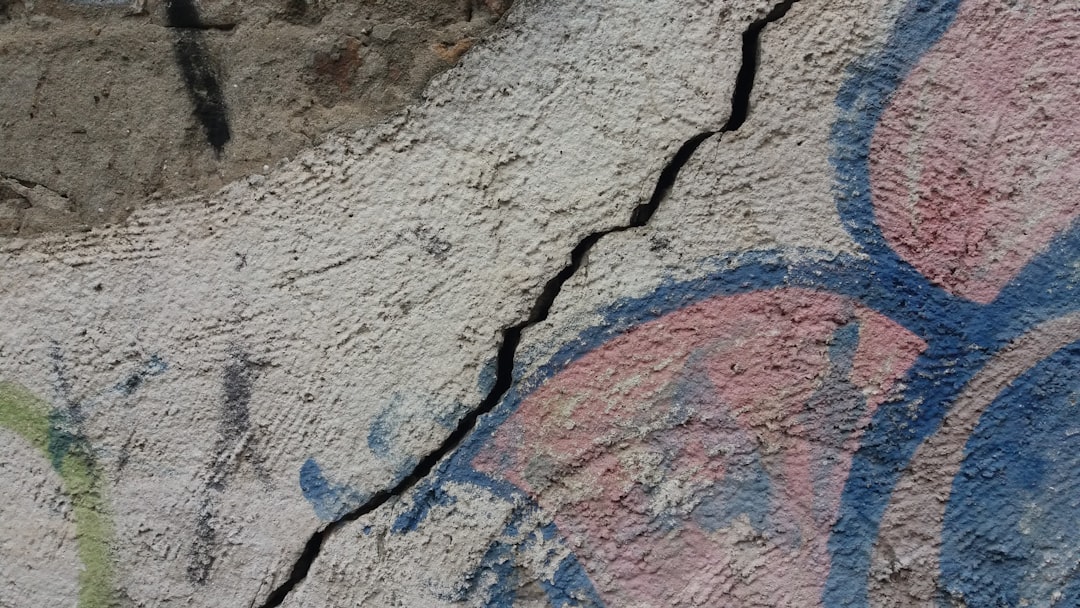
“As far as we know, there’s probably going to be more large earthquakes in the future, but we don’t know when because there’s no way we can predict earthquakes,” Pratt said. “The time in between large earthquakes tends to be about 500 years or so, but that doesn’t mean large earthquakes or smaller ones couldn’t happen tomorrow.”
For instance, Pratt said current estimates for the New Madrid Seismic Zone forecast a 25-40% chance of a magnitude six or greater earthquake in the next 50 years and a 7-10% chance of a magnitude seven or greater in the same period. These aren’t comforting odds when you consider the stakes involved.
The New Madrid Fault represents America’s greatest geological blind spot. While we obsess over California’s earthquake risk and spend billions preparing for West Coast disasters, this massive seismic zone sits largely ignored in our nation’s heartland. The infrastructure is unprepared, the public awareness is minimal, and the potential for catastrophic damage dwarfs anything we’ve seen before.
What do you think about America’s earthquake preparedness priorities? Are we focused on the wrong fault lines?
