
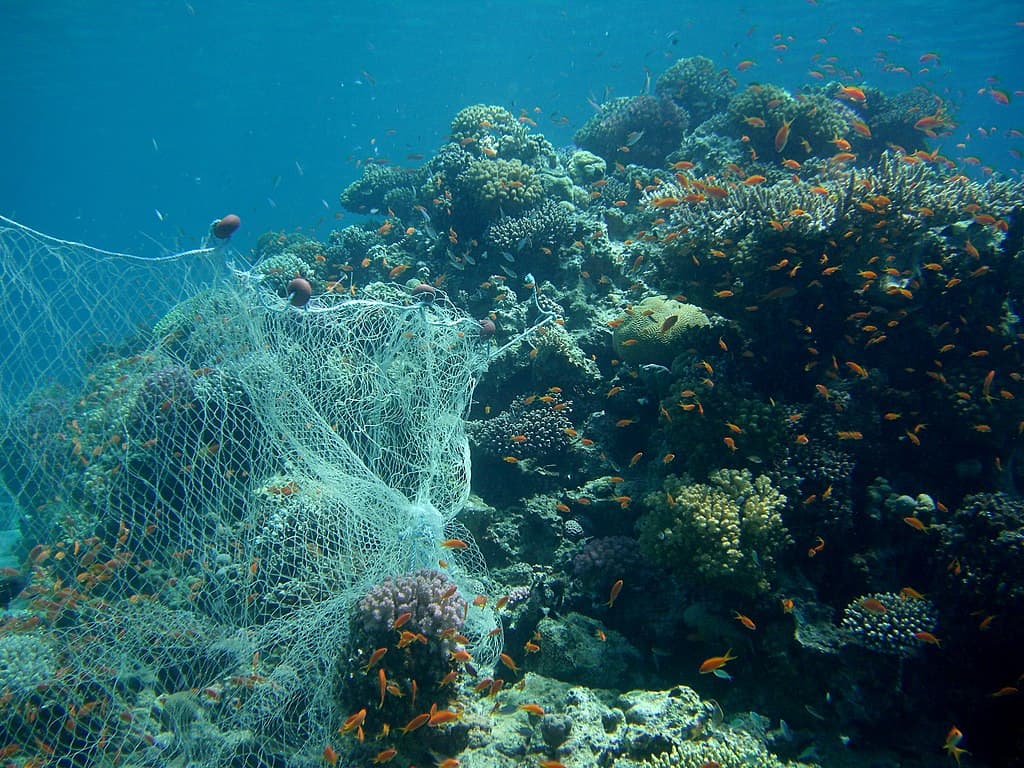
The Earth’s oceans are undergoing a significant transformation that has far-reaching implications for marine life and human societies alike. One of the most pressing changes is the gradual decline in oceanic oxygen levels, a phenomenon known as ocean deoxygenation. This article explores the causes, consequences, and potential solutions for this worrying trend, explaining why it’s crucial to understand the oxygen crisis lurking beneath the ocean’s surface.
Understanding Ocean Deoxygenation

Ocean deoxygenation refers to the reduction of oxygen concentration in the global oceans and coastal waters. This process has been observed over the past several decades, correlating with human activities and natural processes. A decline in dissolved oxygen impacts marine ecosystems, climate regulation, and global fisheries.
The Role of Climate Change

Climate change is a primary driver of ocean deoxygenation. As global temperatures rise, ocean waters warm, reducing their capacity to hold oxygen. Warmer waters also exacerbate stratification, creating layers that restrict the mixing of oxygen-rich surface waters with oxygen-poor deeper layers. This limits the availability of oxygen, especially in deeper waters.
Nutrient Runoff and Eutrophication

Runoff from agriculture and urban areas carries nutrients, particularly nitrogen and phosphorus, into coastal waters. These excess nutrients fuel algal blooms, which thrive and then decompose, consuming large amounts of oxygen during the process. This cycle of eutrophication creates hypoxic zones, or “dead zones,” where oxygen levels are so low that most marine life cannot survive.
Ocean Circulation Changes

Changes in ocean circulation patterns, influenced by climate change, also contribute to deoxygenation. For instance, alterations in currents can decrease the mixing of oxygen-rich waters from the surface with deeper waters. This not only affects oxygen distribution but also disrupts nutrient transport, impacting marine food webs.
Impact on Marine Life
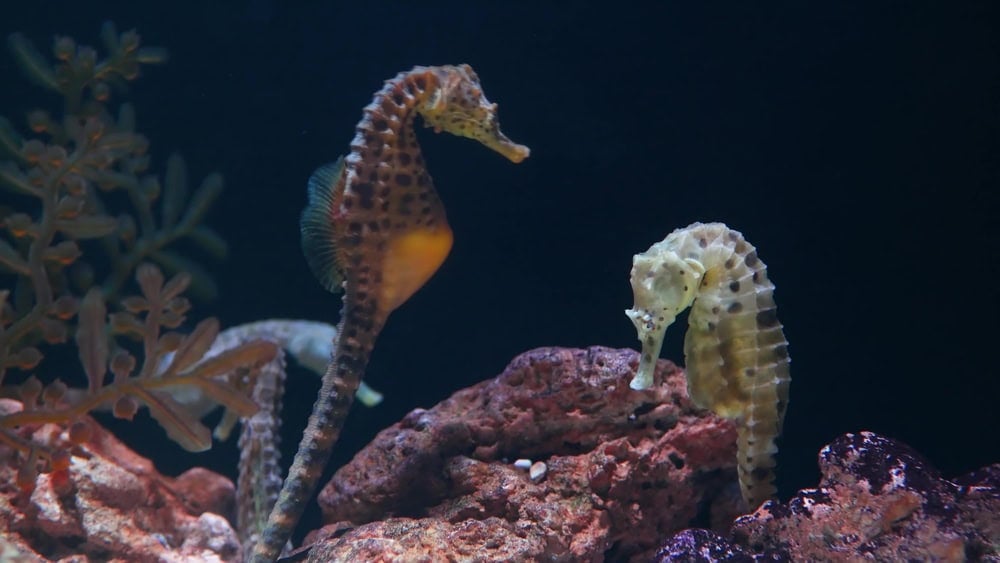
Marine organisms rely on oxygen for respiration, just as land animals do. Decreased oxygen levels can lead to physiological stress, reduced growth rates, impaired reproduction, and increased mortality. Certain species may migrate to areas with higher oxygen levels, disrupting ecosystems and food chains.
Threats to Biodiversity
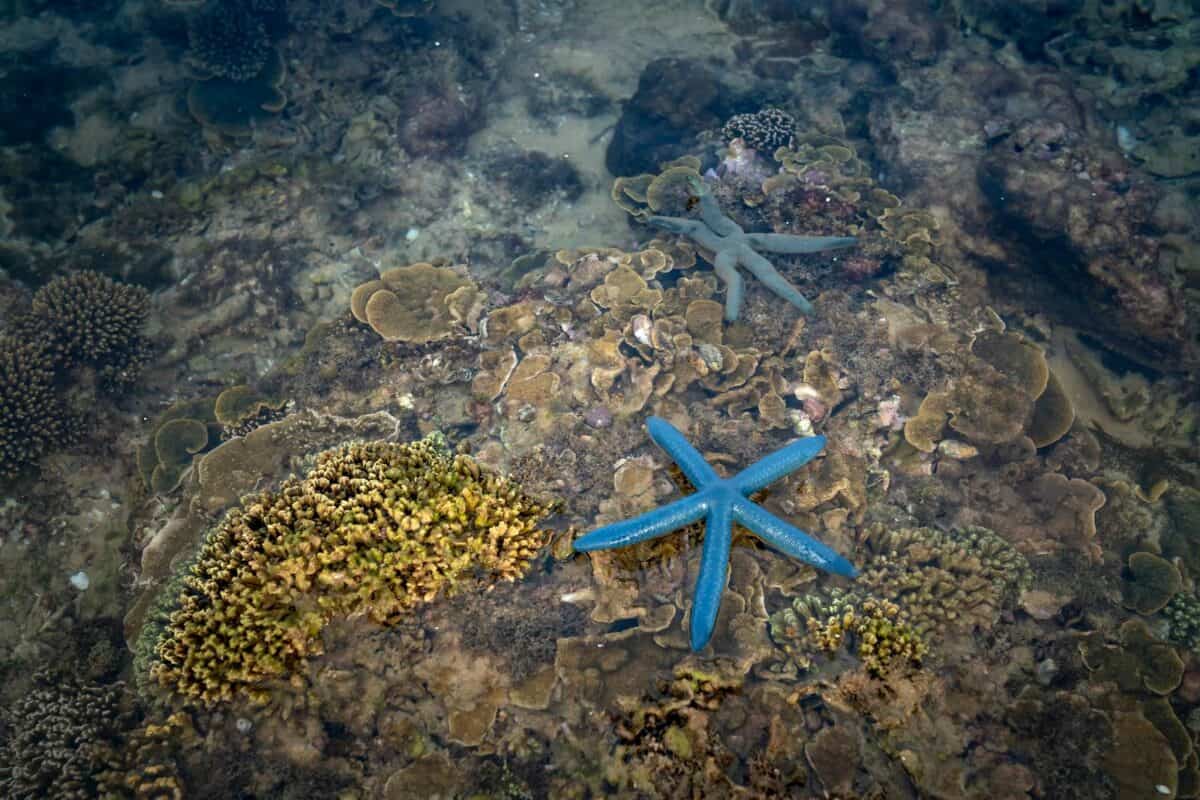
With oxygen levels declining, biodiversity in the ocean is under threat. Species that cannot adapt quickly to low-oxygen conditions face extinction, altering the balance of marine ecosystems. This loss of biodiversity can have cascading effects, altering predator-prey relationships and ecosystem functions.
Economic Implications

Ocean deoxygenation has significant economic consequences, particularly for fisheries and communities reliant on marine resources. As fish populations decline or shift due to changing oxygen levels, livelihoods dependent on fishing and related industries may suffer. The degradation of marine habitats further exacerbates these economic challenges.
Effects on Coral Reefs

Coral reefs are particularly vulnerable to deoxygenation. These ecosystems rely on a stable, oxygen-rich environment to thrive. Oxygen stress can lead to coral bleaching, which, along with temperature-induced bleaching, poses a major threat to coral health and resilience, impacting entire reef ecosystems.
Solutions to Address Deoxygenation

Addressing ocean deoxygenation requires a multi-faceted approach. Mitigating climate change by reducing greenhouse gas emissions is crucial to limiting ocean warming. Improving agricultural practices to reduce nutrient runoff can help prevent eutrophication. Additionally, establishing marine protected areas can foster resilience in marine ecosystems.
Global Awareness and Policy Action
Raising awareness about ocean deoxygenation is vital for driving policy changes. International cooperation is needed to address the global impacts of this issue. Policies that reduce emissions, manage coastal development, and support sustainable fishing practices can contribute to reversing the trend of deoxygenation.
Scientific Research and Innovation

Continued scientific research and innovation are essential for understanding and mitigating ocean deoxygenation. Advancements in monitoring technologies, ocean modeling, and ecological studies can provide insights into the dynamics of deoxygenation and inform effective management strategies.
The Role of Individual Action

Individuals can play a role in addressing ocean deoxygenation. Supporting policies aimed at reducing carbon emissions, minimizing personal carbon footprints, and advocating for sustainable consumption and production practices can contribute to broader efforts in combating this oceanic crisis.
A Shared Responsibility

The loss of oxygen in the ocean is a shared challenge requiring collaborative efforts across societies and governments. By understanding and addressing the root causes of ocean deoxygenation, we can protect marine life, safeguard economic interests, and preserve the ocean’s health for future generations.
In conclusion, ocean deoxygenation represents a critical and complex environmental issue that demands immediate and concerted action. Understanding its causes, consequences, and potential solutions is essential for ensuring the well-being of our planet and all its inhabitants. While the challenge is daunting, proactive measures and global cooperation offer a path toward restoring and maintaining the ocean’s vital role in our ecosystem.

- Why You Shouldn’t Chase Butterflies With Nets - July 22, 2026
- The Animal Kingdom’s Best Dads Ranked - July 22, 2026
- The Most Vulnerable Fish Species in U.S. Rivers Today - July 22, 2026