

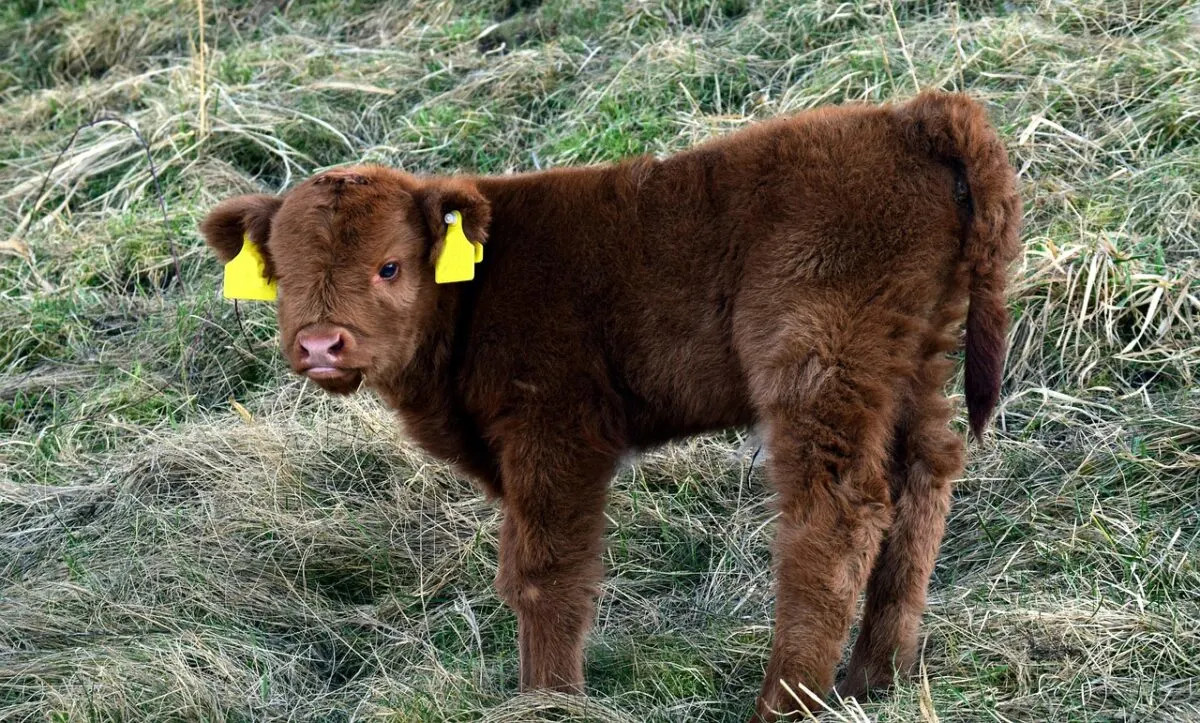
Ranching in the United States is evolving in unique and surprising ways, and one trend that has captured significant attention is the breeding of miniature cows. These pint-sized bovines aren’t just a novelty; they represent a growing niche market with distinct benefits. This article dives into the reasons behind this shift, examining the appeal of miniature cows and their impact on the ranching industry.
The Rise of Miniature Cows

The concept of miniature cows may seem like a recent innovation, but it actually dates back several decades. Originally bred for their novelty factor and as pets, these charming little cattle have gained a dedicated following and new purpose. With the benefits of a smaller size and easier management, miniature cows are a practical choice for many ranchers and hobby farmers.
Miniature Cows: What Makes Them Different?

Miniature cows are generally about one-third the size of standard cattle, standing around 36 to 42 inches tall. Despite their smaller stature, they possess all the classic features of their full-sized counterparts, making them a unique yet familiar choice for livestock enthusiasts.
A More Sustainable Option
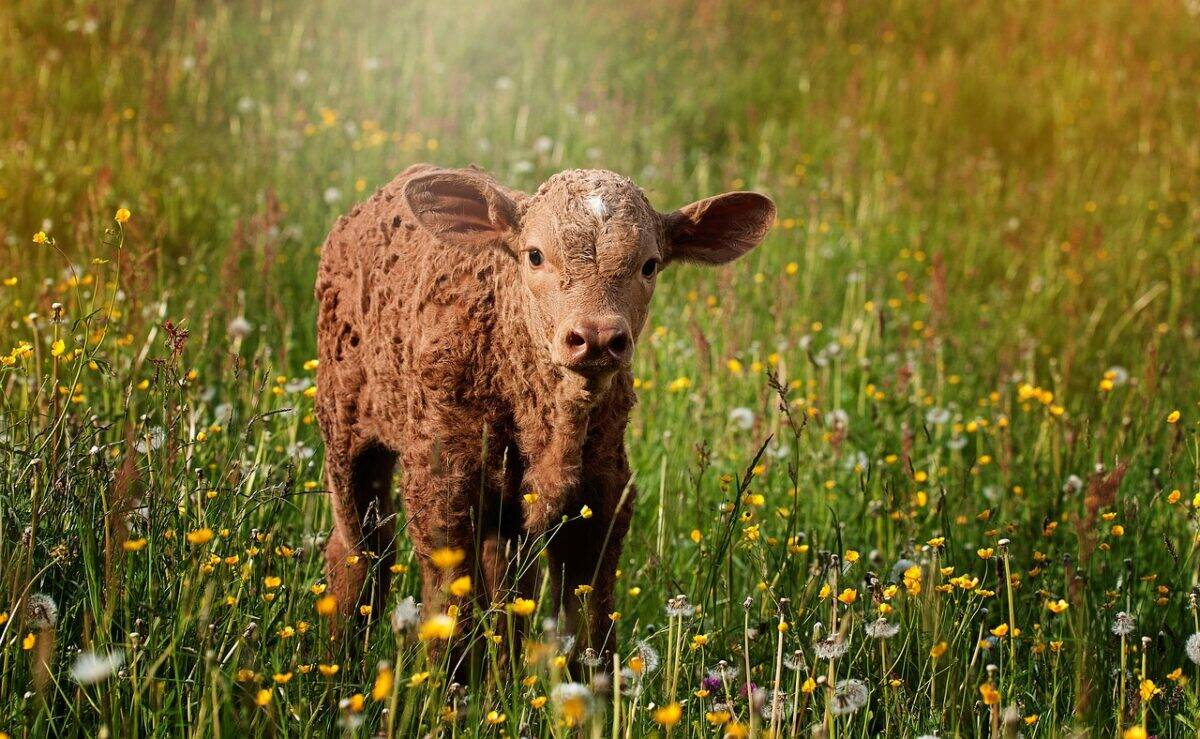
One of the primary reasons ranchers are turning to miniature cows is sustainability. Their smaller size means they consume less food and water, which translates to reduced overhead costs and a smaller environmental footprint. This makes them an attractive option for those looking to create a more sustainable farming operation.
Space-Saving Benefits
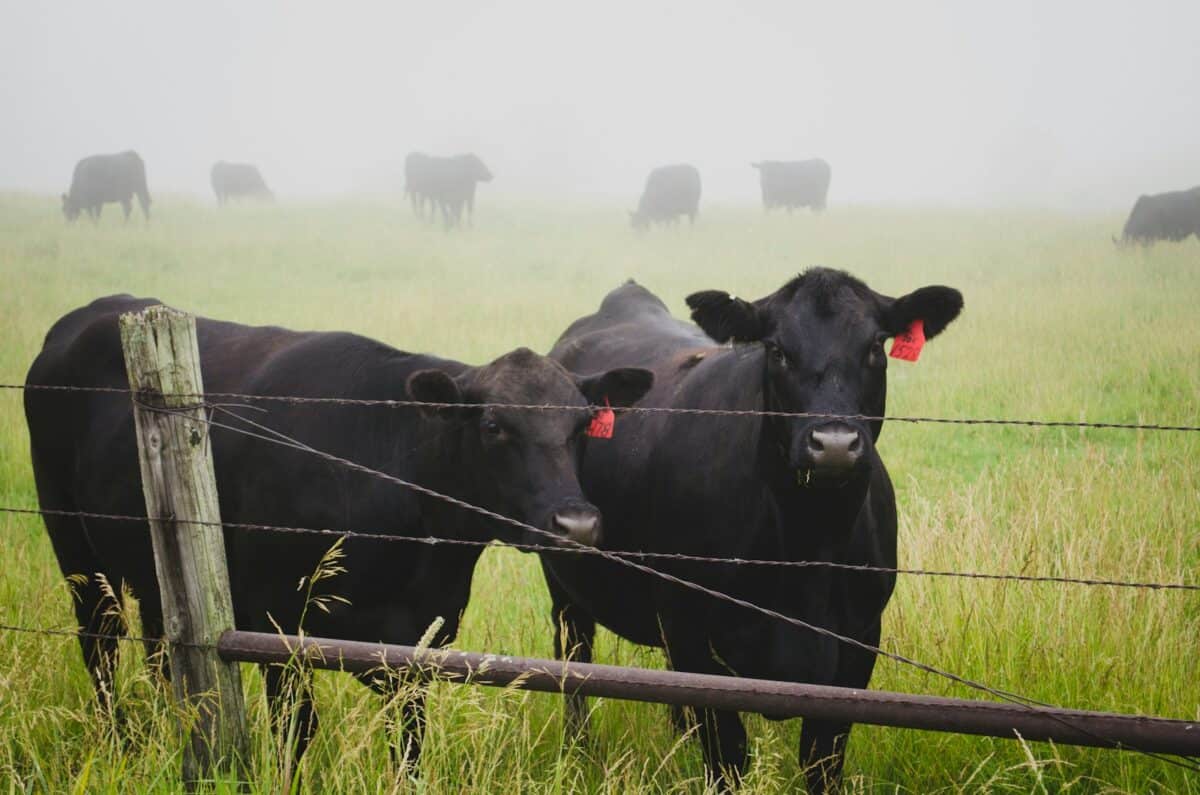
Unlike traditional cattle, miniature cows require significantly less space. This makes them ideal for smaller farms or suburban settings where land is limited. Ranchers can maintain a herd in a relatively small area without compromising on animal welfare or comfort.
Economic Advantages
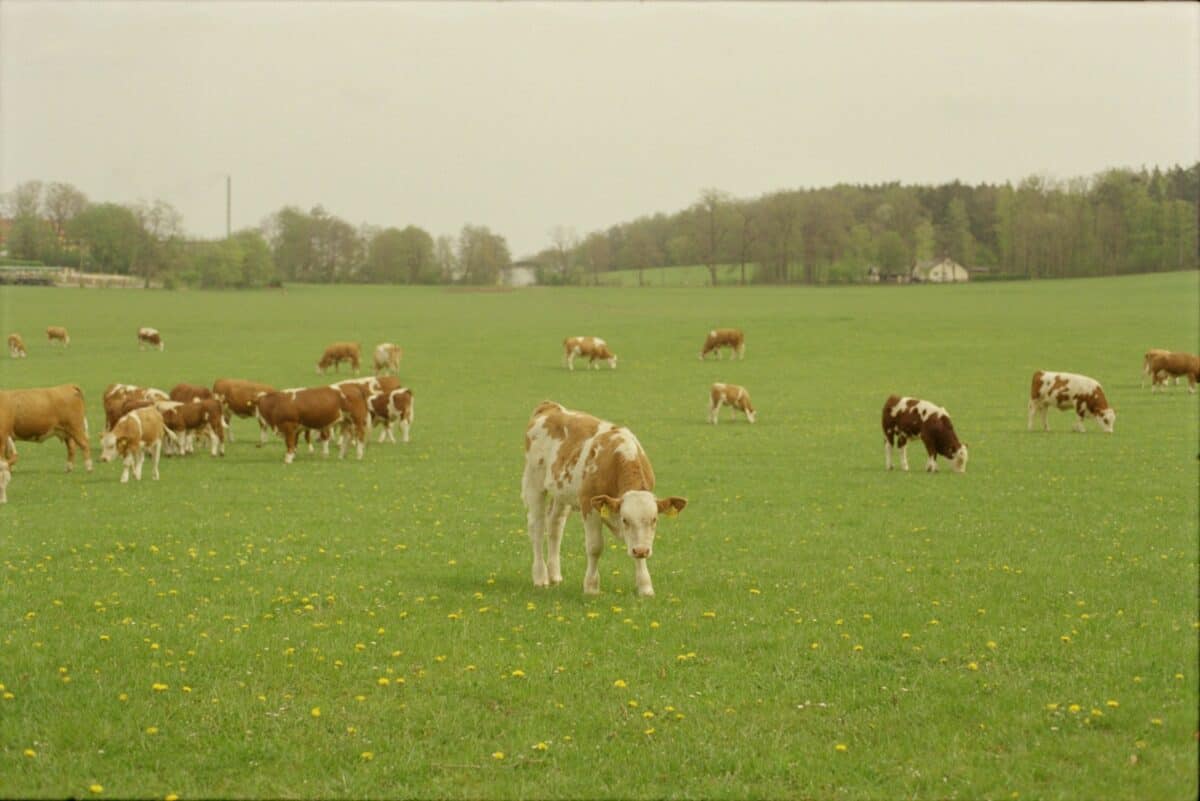
From a financial perspective, miniature cows can be more cost-effective. Lower feed and maintenance costs, alongside the potential for higher market prices due to their novelty, can make them a lucrative addition to a rancher’s portfolio.
A Perfect Fit for Hobby Farmers

Hobby farming is on the rise, and miniature cows are perfectly suited for this demographic. Their manageable size, coupled with their ease of handling, makes them an ideal choice for individuals new to farming or those looking to enjoy farming on a smaller scale.
Pet Potential
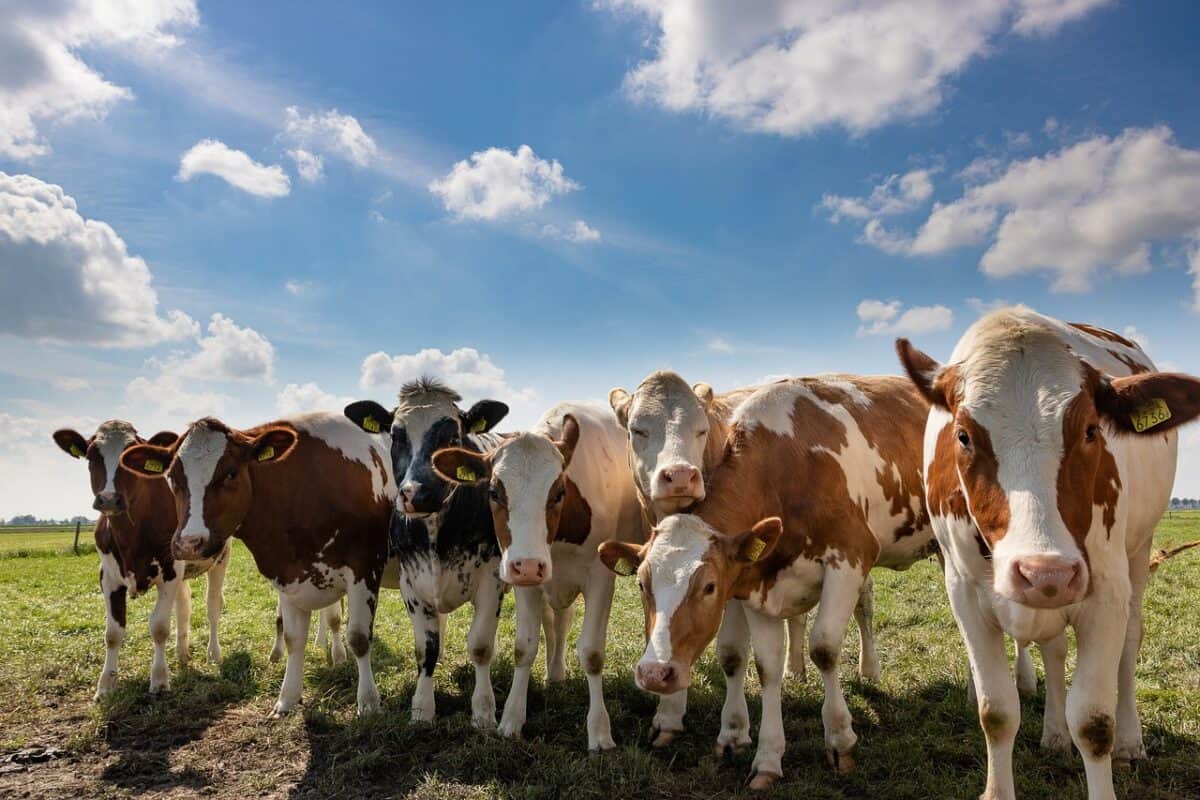
Miniature cows have a charming and gentle nature, which has garnered them popularity as pets. Their docile temperament and smaller size mean they can be managed more like a household pet than a traditional farm animal, offering animal companionship with a twist.
Diverse Breeds and Colors
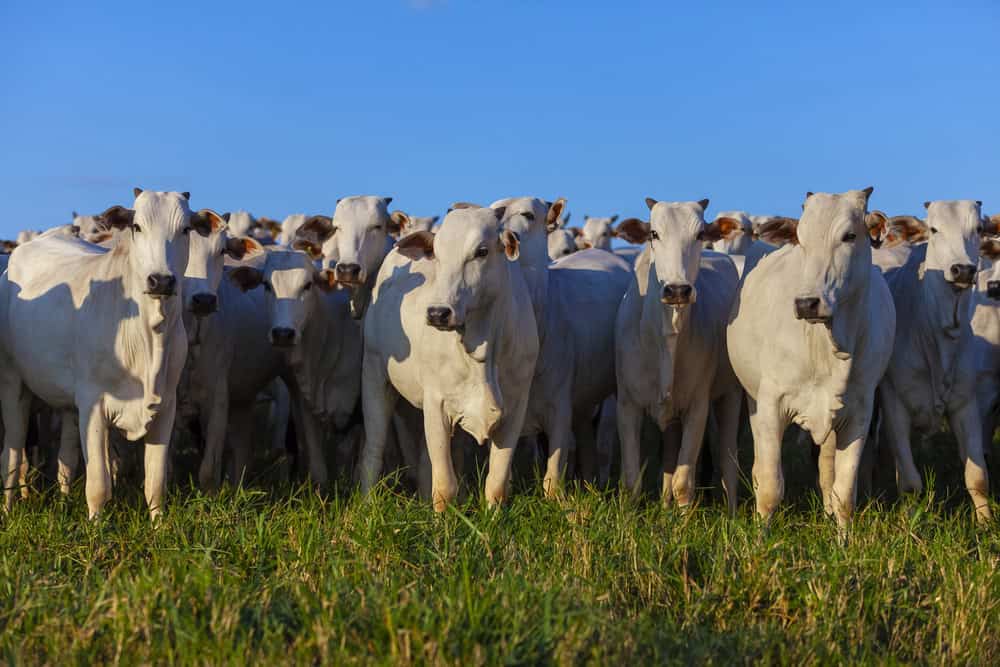
Miniature cows come in a variety of breeds and colors, allowing ranchers and pet owners to choose a type that fits their personal preference and farming goals. From the fluffy Highland varieties to the smooth-coated Jerseys, there’s a miniature cow for every taste.
Meat and Milk Production
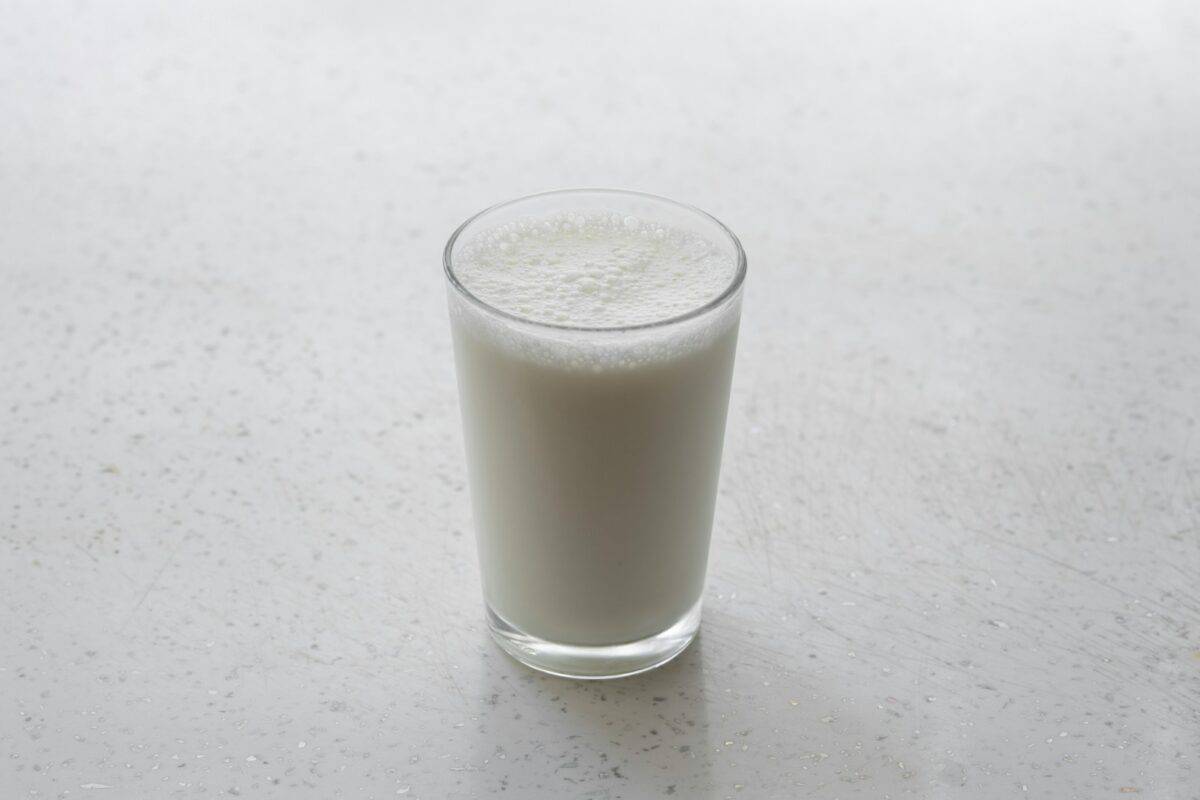
Despite their size, miniature cows can still produce a respectable quantity of milk and meat. While not as prolific as standard cows, they offer a practical way for small-scale farmers to produce locally-sourced dairy and beef products.
Low Maintenance
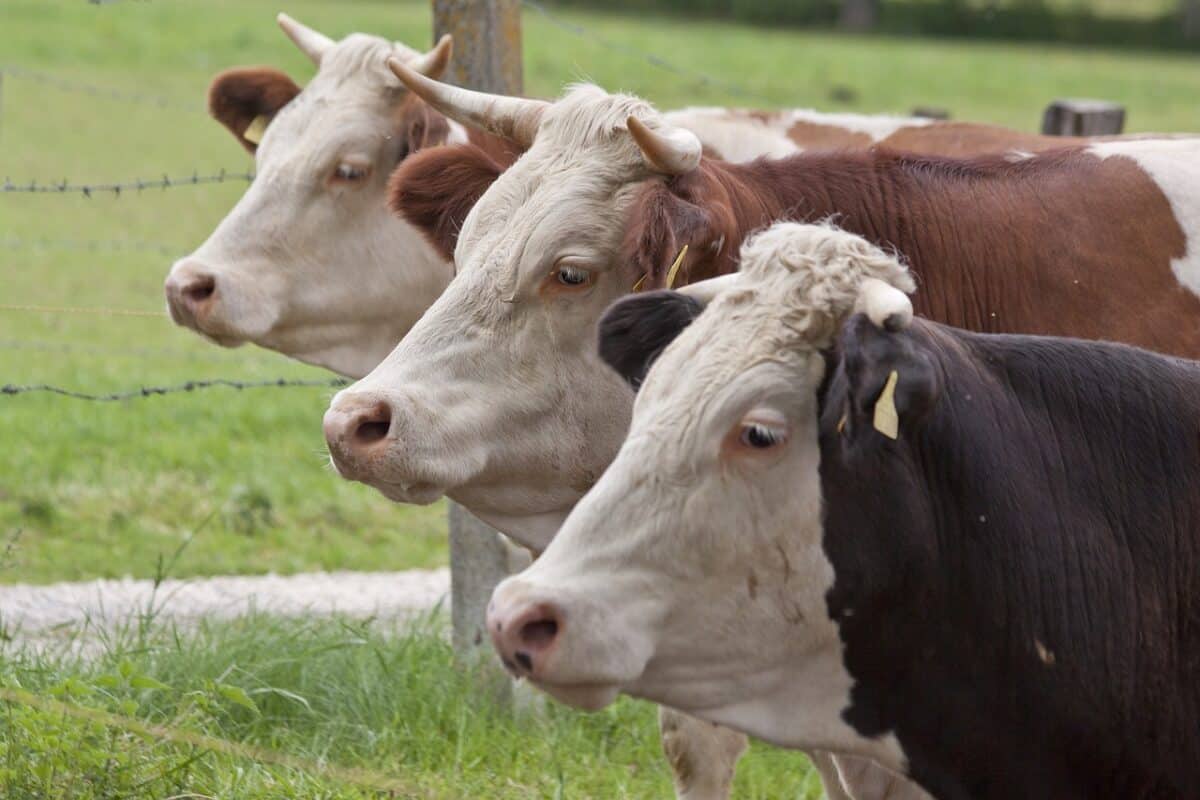
Compared to traditional cattle, miniature cows often require less maintenance. Their smaller stature results in less stress on pasture lands, and they’re typically easier to care for and manage, making them a suitable choice for beginner farmers.
Genetic Heritage and Breeding Programs
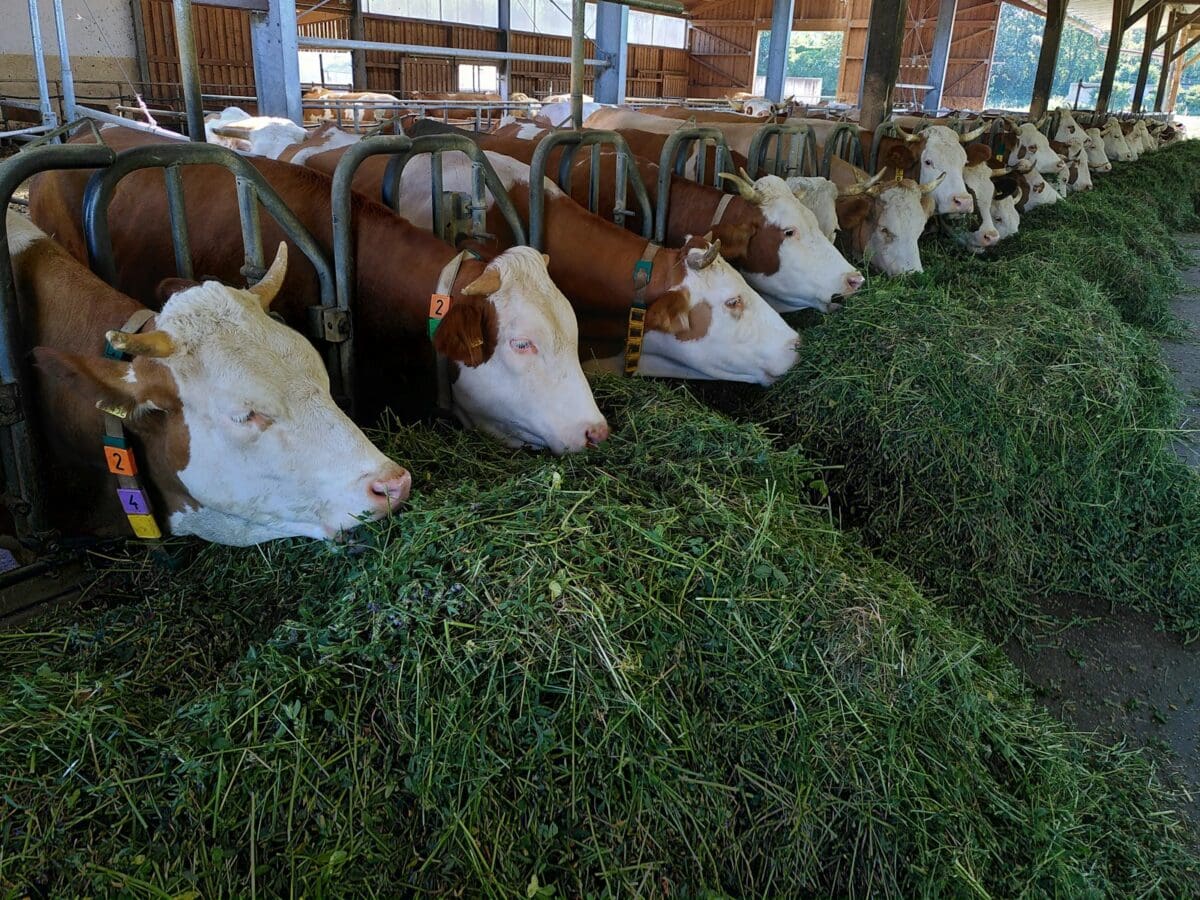
The breeding of miniature cows involves careful genetic planning to ensure the health and vitality of the herd. Many breeders focus on maintaining genetic diversity and promoting traits that benefit both the animals and their caretakers.
Future Outlook for Miniature Cows
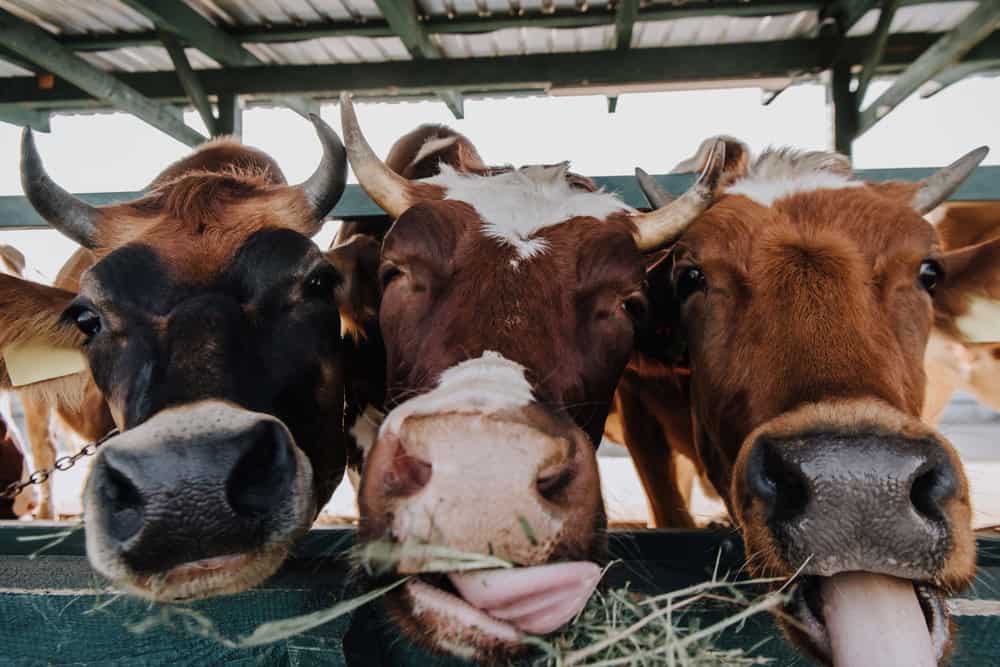
As the trend towards sustainable and small-scale farming continues, the popularity of miniature cows is likely to grow. They present a viable option for those looking to combine practical farming with environmental consciousness and the joy of pet ownership.
The breeding of miniature cows in the U.S. represents a significant shift in ranching practices towards more sustainable, economically viable, and accessible farming. These small yet mighty animals offer a promising future for both seasoned ranchers and hobby farmers alike, proving that less can often be more.

From exploring the marine wonders in the Azores and witnessing the vast savannas of Kenya, to delving deep into the rich biodiversity of South Africa and traversing iconic landscapes in Australia and the US like Yellowstone, Chris's experiences are vast.
With a penchant for diving alongside sharks, the ocean holds a special place in his heart.
Through his academic insights, he champions wildlife conservation, striving with 'Animals Around The Globe' to cultivate a profound connection between humans and animals, enhancing our mutual appreciation.
Connect with him at Feedback@animalsaroundtheglobe.com.
- What Happens If Fireflies Stop Glowing? - July 21, 2026
- Coyotes Are Thriving in Every U.S. State — Even New York City - July 21, 2026
- The Best Cat Breeds for Highly Empathetic Owners - July 21, 2026