
Walk into any vet clinic and you’ll find a quiet pattern underneath the routine checkups and vaccination appointments. Certain breeds breeze through their senior years with clean bloodwork and strong joints, while others become familiar faces in the exam room long before they should. Veterinarians don’t usually hand out breed recommendations unsolicited, but if you pressed them honestly, a list would emerge. It probably wouldn’t look like the AKC popularity charts.
The French Bulldog has been the most popular dog breed in the United States for three consecutive years according to AKC registration data, yet vets routinely see breeds like French Bulldogs with breathing problems and cavalier King Charles Spaniels with heart issues, and acknowledge that with some breeds, there’s a good chance you’ll be visiting the vet far more than just for routine checks. The dogs on this list are different. They’re the ones that tend to age gracefully, train well, and spend less time on the examination table. Some you’ll recognize. Others might genuinely surprise you.
#1. Australian Cattle Dog
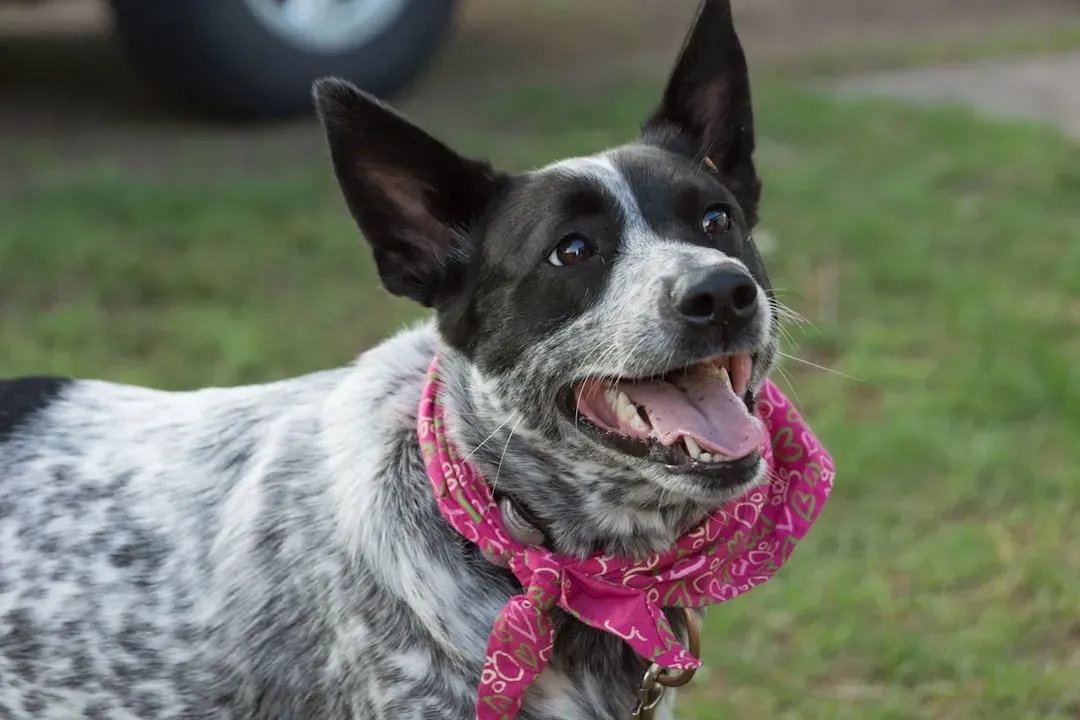
The Australian Cattle Dog is widely considered one of the healthiest dogs out there. Known for their intelligence, work ethic, and stamina, they are a typically resilient breed that doesn’t face many health issues, and they’ve been bred to herd animals, meaning they need plenty of exercise to stay in top shape. That working-dog background is a genuine asset here. Breeds designed to do a job all day tend to carry stronger genetics than those bred purely for appearance.
While no dog is completely free from health issues, the Australian Cattle Dog is often considered one of the healthiest breeds, known for its strong constitution, high energy, and longevity, and is typically resilient with minimal health issues. Australian Cattle Dogs are among the healthiest breeds, living on average 12 to 16 years. That’s an exceptional lifespan for any dog, and for owners who want a companion with real staying power, very few breeds come close.
#2. Whippet
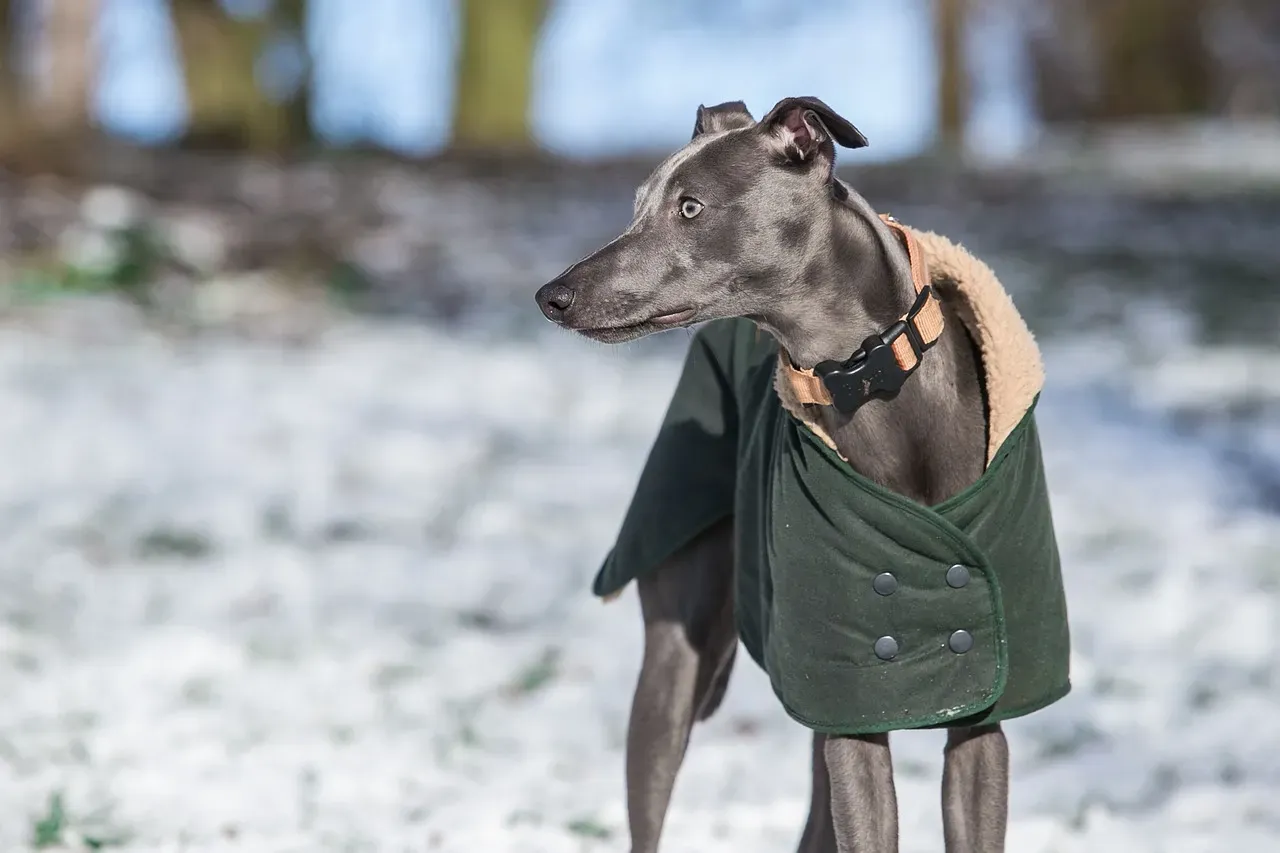
Lean, athletic, and surprisingly low-maintenance, Whippets routinely live 12 to 15 years with few hereditary issues. They have a reputation as racing dogs, but inside the home they’re quietly calm, often spending long stretches curled up on the sofa like they’ve earned it. Whippets are great for homes and apartments. They are gentle, quiet, and remarkably easy-going in terms of domestic behavior.
Whippets generally have fewer breed-specific health issues than many other purebred dogs, often only being diagnosed with age-related conditions when properly exercised, fed a healthy diet, and taken for regular vet visits. The grooming burden is practically nonexistent thanks to their short, fine coat. These easygoing dogs love chasing toys, but their thin coats mean they can get cold easily. Whippets can be genetically predisposed to deafness, so pet parents should take them to their vet for regular checkups. Overall though, the trade-off is heavily in the owner’s favor.
#3. Border Collie
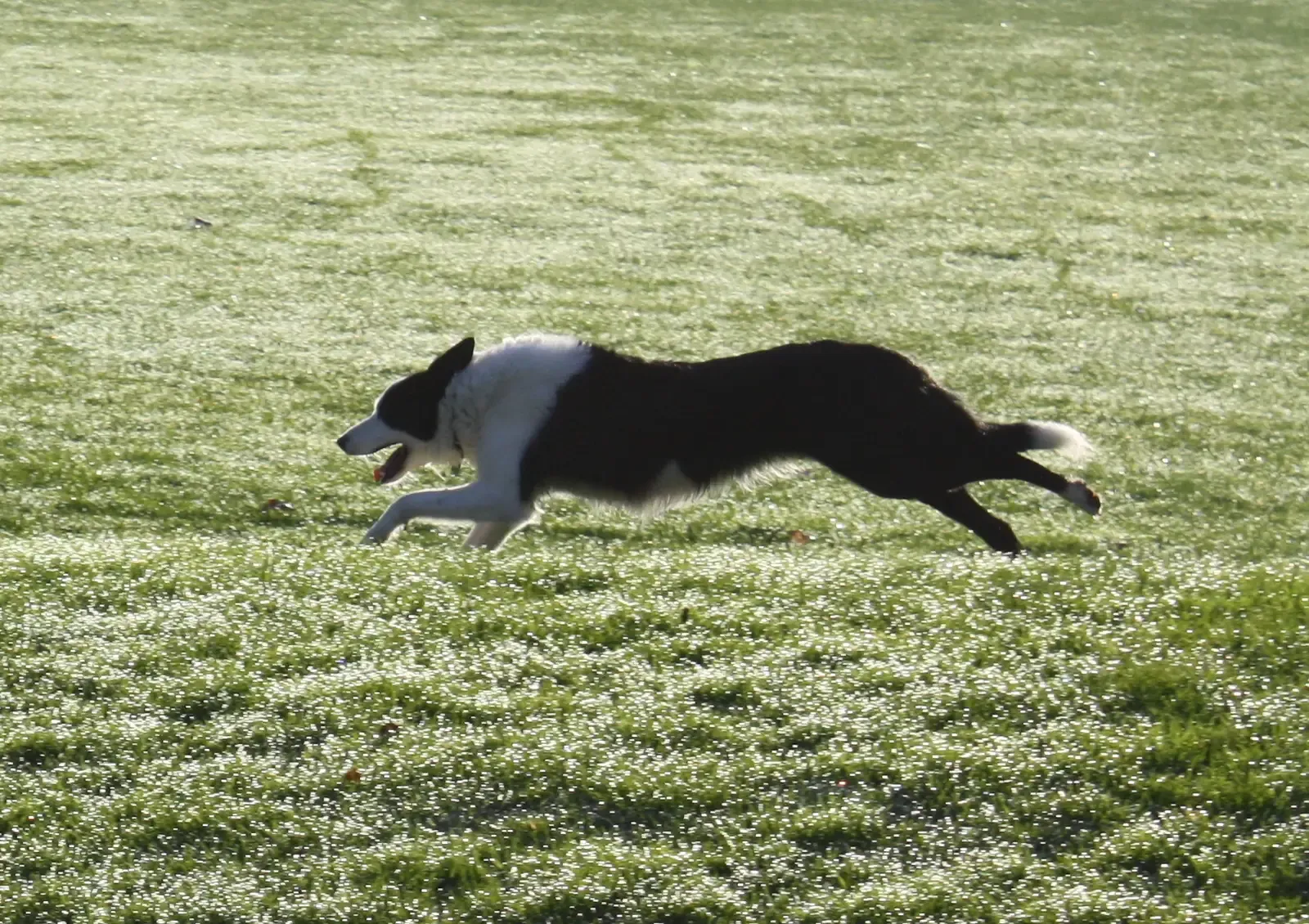
Bred as herding dogs, Border Collies are brimming with energy and need regular exercise. They enjoy having a job that provides both physical and mental stimulation, and they are widely considered one of the smartest dog breeds. That intelligence is a double-edged sword in the best possible way. Give a Border Collie a job, and they’ll reward you with loyalty and focus. Leave one bored, and they’ll find their own entertainment.
Built for endurance, Border Collies stay active well into their senior years and rarely face major genetic disease. They have been bred as farm dogs and they live for hard work, but they are pretty versatile and also commonly used as sniffer dogs or in agility competitions. Veterinarians at practices like Small Door Veterinary count Border Collies among the best-suited breeds for active owners. If your lifestyle involves movement and engagement, this breed pays dividends.
#4. Vizsla

The Vizsla is a versatile, red-coated gundog built for long days in the field. For centuries, these rugged but elegant athletes have been the pride of Hungarian sportsmen, and their popularity in America increases with each passing year. Most people scroll right past them in breed guides, which is a genuine shame. Often called “velcro dogs,” Vizslas are known for their deep attachment to their owners. They were taught to stay close to their humans when hunting, even when off lead, and this trait remains today, with many following their owners from room to room.
The average lifespan of a Vizsla is 10 to 14 years. Considered “wash and wear,” Vizslas require little more than a quick rubdown with a rubber curry brush. Veterinarians recommend Vizslas for active owners. These breeds were originally developed for work like herding or hunting, so they have high energy levels, sharp intelligence, and a need for regular physical and mental stimulation. The key is matching their energy. Do that, and you’ll have one of the most devoted dogs alive.
#5. Standard Poodle
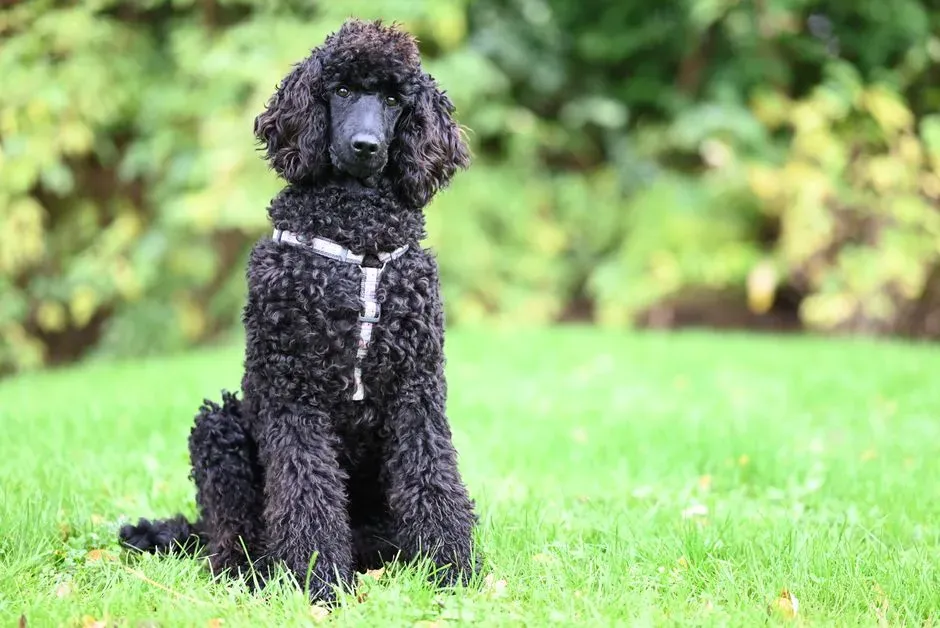
If you’re looking to add a dog to your home that will live a long, healthy life and not shed all over your furniture or irritate your allergies, a Poodle makes an excellent choice. Not just poofy and pretty, Poodles are active and highly intelligent dogs that love to play games. Typically living to be 12 to 15 years old, longer than most larger dog breeds, Standard Poodles face relatively few health issues.
Poodles have the added benefit of being less allergenic than other breeds. Veterinarians describe Standard Poodles as calm, highly intelligent, and easy to examine, with high trainability making them an adaptable breed. Standard Poodles are not only known for their hypoallergenic coats but also for excellent health. These intelligent dogs tend to avoid many of the genetic health issues seen in other breeds, and their long lifespan and minimal medical concerns make them a top choice for those looking for a healthy, low-allergen companion.
#6. Basenji
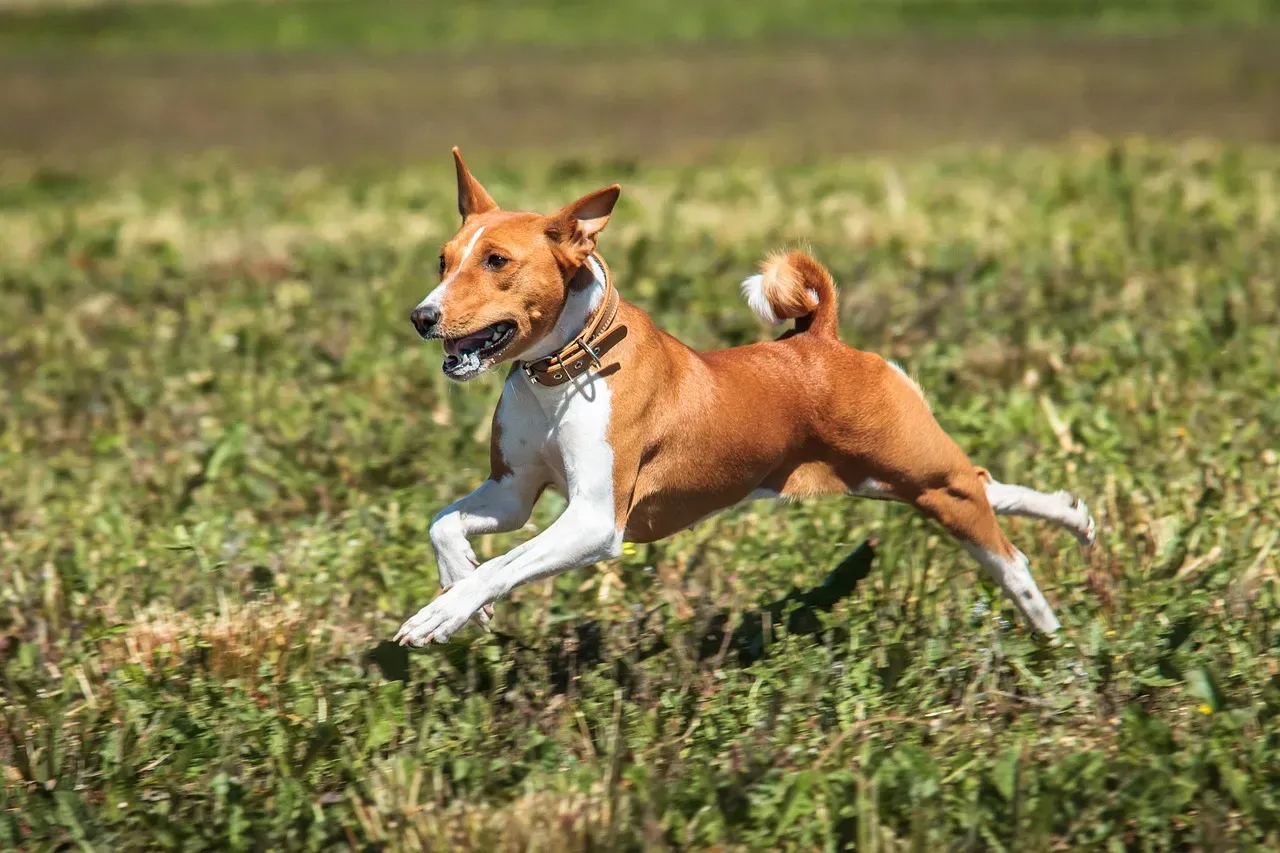
The Basenji is a unique, ancient African breed that’s often called “cat-like” for good reason. They’re independent, fastidious, and don’t bark, producing a yodel instead. The Basenji is one of the oldest domesticated dog breeds, originating in Central Africa where they were used as hunting dogs by indigenous tribes thousands of years ago. Brought to the Western world in the 1930s, the AKC recognized the breed in 1943 under the Hound Group. For apartment dwellers tired of noise complaints, that quiet nature alone is worth serious consideration.
Basenjis are highly independent and have a reputation for being one of the dog breeds with the fewest health issues. They are known as barkless dogs, and they have a natural resistance to many diseases. They are also very clean and low-maintenance, which adds to their overall wellness. Basenjis typically live 13 to 14 years. The trade-off is that they require experienced ownership. They’re not a beginner’s dog, but in the right hands, they’re remarkable.
#7. Beagle
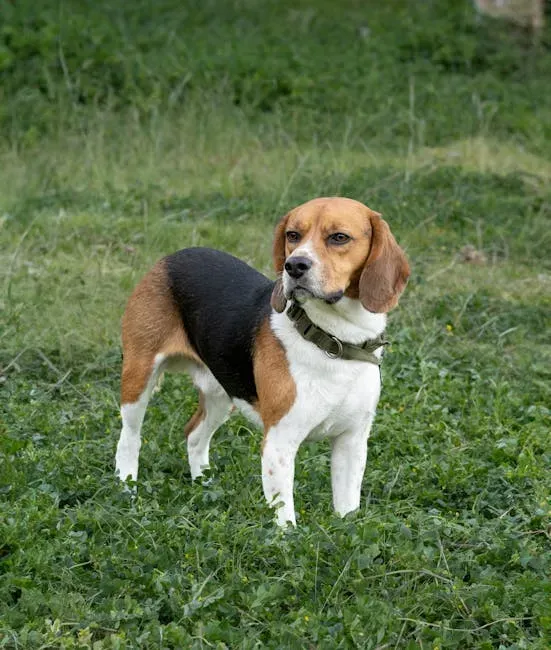
As one of the healthiest dog breeds, the Beagle lives an average of 12 to 15 years. Owners should watch for health issues later in life such as glaucoma, epilepsy, hypothyroidism, patellar luxation, and cherry eye. These potential conditions sound alarming listed out, but in practice, Beagles with proper care and routine monitoring tend to live long and genuinely happy lives. Beagles are friendly and great with kids, making them excellent family dogs. They are a very healthy breed and if well cared for, can live for about 15 years, though Beagles do love to bark and howl and will need training to minimize that.
Beagles are usually affectionate and love spending time with their owners. The main challenge is that they’re prone to overeating and can become unhealthy if allowed to eat too much, so they benefit from scent training and a controlled diet. That nose of theirs, built for tracking, also makes them ideal candidates for scent work and nose games at home. Channel their natural instincts and you’ll have a tireless, joyful companion.
#8. Australian Shepherd
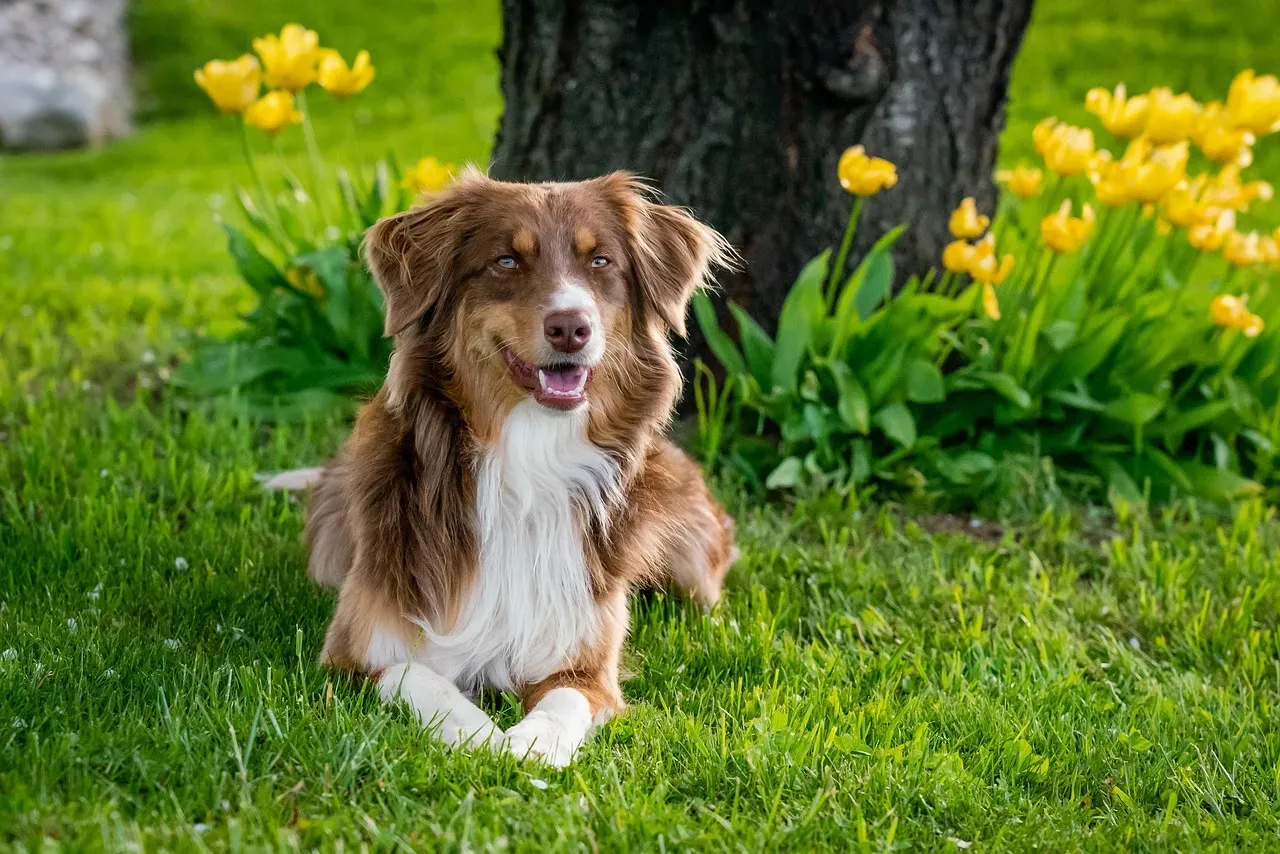
Smart, loyal, and energetic, Australian Shepherds enjoy keeping active and need physical and mental stimulation throughout their lives. These dogs especially enjoy advanced obedience training and excel in herding jobs. As a breed, they can be prone to certain diseases such as hip dysplasia and some eye diseases, but they are generally healthy dogs. The “Aussie” is one of those breeds that seems almost purpose-built for a specific kind of owner: someone with time, space, and a genuine desire to be active with their dog.
When it comes to medium-sized dogs, the Australian Shepherd is a great healthy breed pick, thanks to their boundless energy. If you’re an active, experienced dog owner, Aussies make dynamic companions even as they age, always up for a run, hike, long walk, or even swimming. They’re commonly found working on farms, competing in competitions, or working as service dogs. Due to their high-energy and work-oriented mentality, they require regular exercise and activities that provide mental stimulation. Underestimating that need for stimulation is the only real mistake you can make with this breed.
#9. Jack Russell Terrier

Jack Russells are real little characters and can be hard work to keep entertained, but in terms of health problems they are generally unlikely to have genetic issues, other than a predisposition for patellar luxation, and can live into the mid-teens. If you can keep yours active and out of trouble, vet visits will hopefully be minimal. That last sentence is essentially the unofficial Jack Russell owner’s motto.
Bred to work all day, this scrappy terrier often hits 13 to 16 years with minimal joint or heart problems. As with many terrier breeds, the Jack Russell is hardy and has been bred for a busy working lifestyle, and their small size makes them suitable for many different home environments if they receive enough stimulation and exercise. They are not a breed for owners who want a quiet lap dog. They are, however, a breed for owners who want a fierce, funny, endlessly curious companion who’ll outlive expectations.
#10. Siberian Husky
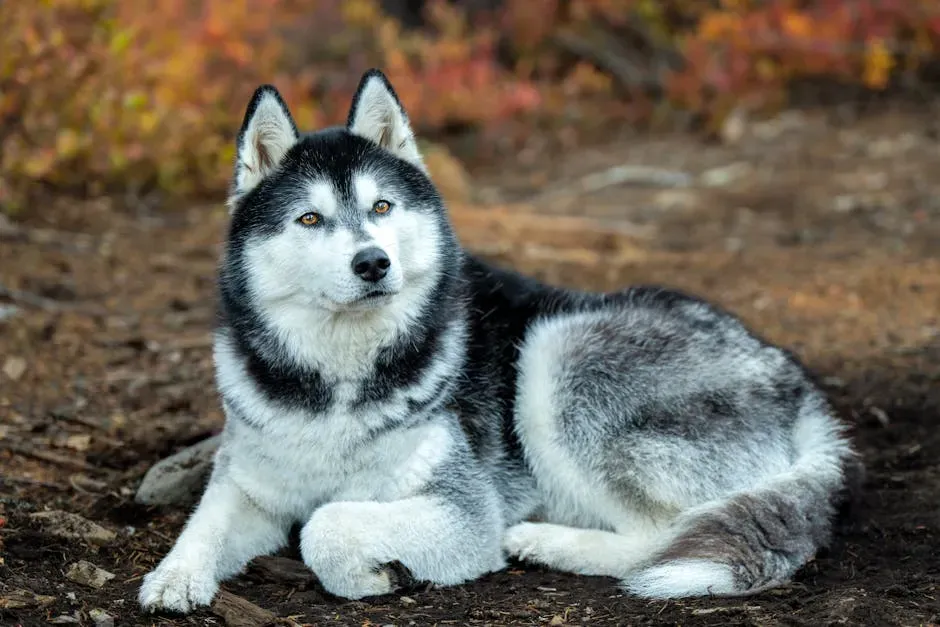
Full of personality and known as a sled dog, the Siberian Husky is one of the dog breeds with the fewest health problems. This breed loves hiking, walking, and jogging with its owners. Siberian Huskies are very affectionate, friendly, and outgoing dogs. They are also intelligent, independent, and can be quite mischievous, which is why they need an experienced trainer. They have a very thick double coat making them a great pet for very cold areas, and healthy Huskies can live about 12 years.
Siberian Huskies are working dogs that aren’t afraid to use their voices and speak their minds. These dogs are usually friendly and intelligent, but they can also be very strong-willed. They need plenty of exercise and mental stimulation to stay healthy and happy. The vocal nature is real and non-negotiable, so managing expectations there is important. Owners who accept it, and even enjoy it, often describe the Husky as one of the most entertaining breeds they’ve ever lived with.
#11. German Shorthaired Pointer
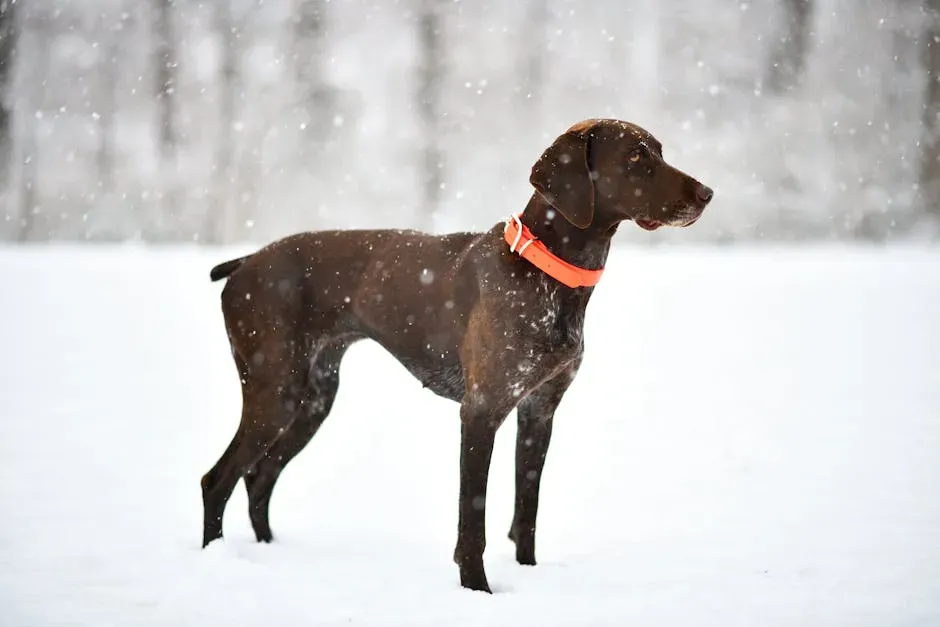
German Shorthaired Pointers are prized as hunting dogs because of their speed and stamina. They boast high energy levels and need lots of exercise, as well as physical and mental stimulation, to stay healthy and out of trouble. They’re also one of the most versatile family breeds in existence. The German Shorthaired Pointer is one of the healthiest hunting breeds. They are a great addition to active families as they are highly trainable and full of exuberance, and they don’t shed much thanks to their short coat, making them an ideal companion both inside and outside.
Medium dog breeds like Australian Cattle Dogs, Whippets, and German Shorthaired Pointers are all considered healthy medium breeds. They generally have fewer genetic health issues and enjoy active and energetic lives, making them an ideal option for families and active owners. The GSP’s combination of trainability, physical resilience, and genuine warmth toward families makes it one of those quiet gems that deserves far more attention than it typically gets at the shelter or breeder.
#12. Havanese

The only dog breed native to Cuba, the Havanese has a long lifespan of 14 to 16 years. This affectionate small breed loves its pet parents and is easy to train due to exceptional smarts. However, the breed can face a few medical conditions, including progressive retinal atrophy and patellar luxation. Given how many small breeds struggle with fragile bones, collapsing tracheas, and dental disasters, the Havanese stands out as a genuinely healthy toy companion.
Veterinarians describe fluffy Havanese dogs as a great choice for those searching for a generally healthy lapdog. With good care, these small dogs can easily live 12 to 15 years, if not longer. The Havanese Club of America notes that genetic issues are rare in the breed, as long as breeders screen prospective parents for health issues. Their gentle temperament reduces stress-related health problems, and veterinarians appreciate dogs that remain lively deep into old age. A breed that can serve as a steady companion for more than a decade without major illness becomes an easy favorite among professionals who see the opposite every day.
#13. Belgian Malinois
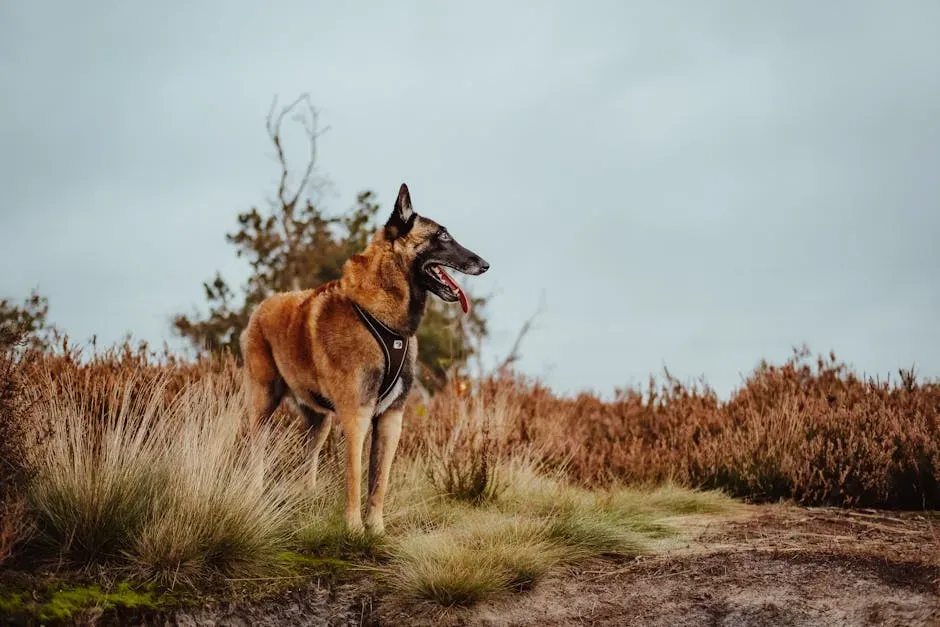
Belgian Malinois are highly energetic dogs that serve as great companions for pet parents who enjoy outdoor activities, whether that’s cycling or hiking. Their intelligence makes them wonderful working dogs, trained for jobs including herding and drug detection. The breed is hardy and healthy, though predisposed to cataracts. That working background translates to a genetic constitution built for endurance, which means fewer chronic breakdowns over a lifetime.
A Belgian Malinois can be a good choice for families that spend a lot of time outdoors. These dogs have a lower risk of many health issues but can develop elbow and hip dysplasia, cataracts, and progressive retinal atrophy. A high-energy dog, the breed rarely needs serious medical attention as long as they get a lot of exercise. This is absolutely not a breed for casual ownership. In the right environment, though, a Malinois is extraordinary in every sense of the word.
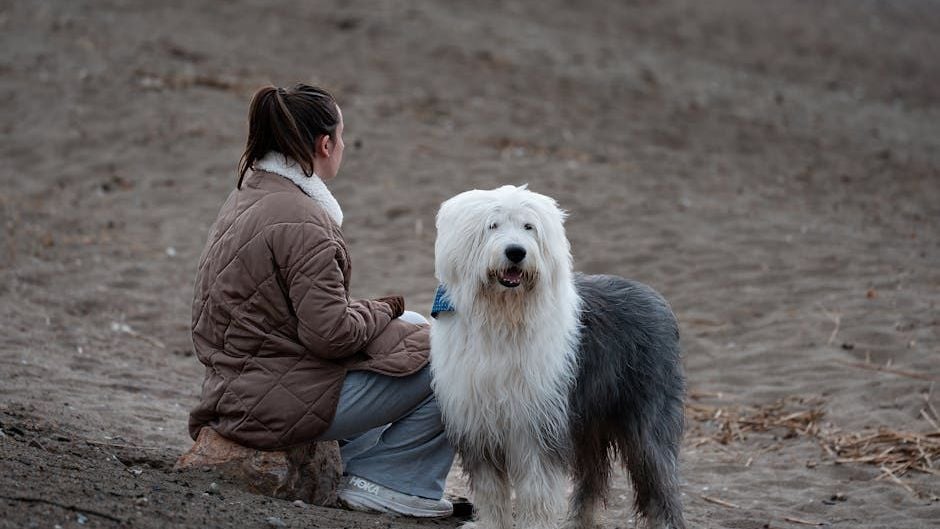
#14. Old English Sheepdog
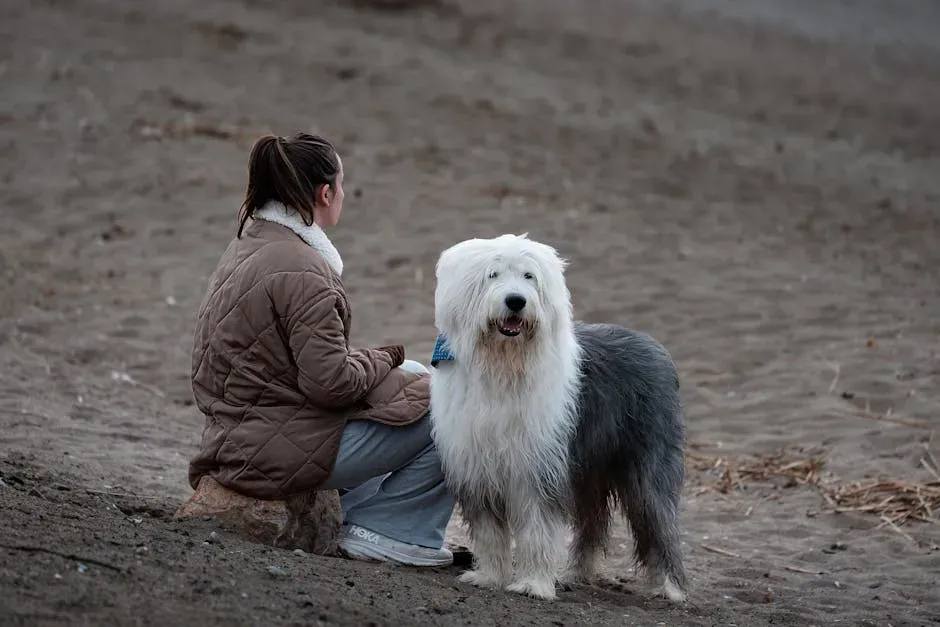
Old English Sheepdogs love being around their pet parents. Generally, these gentle giants are well-behaved and affectionate, and they do especially well in households with kids. This healthy dog breed is not prone to many ailments and has an average lifespan of 10 to 12 years. The shaggy appearance tends to steal the show at dog parks, but behind that theatrical coat is a remarkably stable, family-centered temperament.
An incredibly energetic breed, the Old English Sheepdog thrives when part of an active family, as they require a minimum of two hours of exercise daily in order to stay fit and healthy and to keep their minds occupied. The average life expectancy of an Old English Sheepdog is about 10 to 12 years, and these animals have very few health issues. The grooming commitment is real and substantial, but owners who keep up with it describe the experience as genuinely bonding. You can’t brush a dog that much without learning who they are.
#15. Anatolian Shepherd
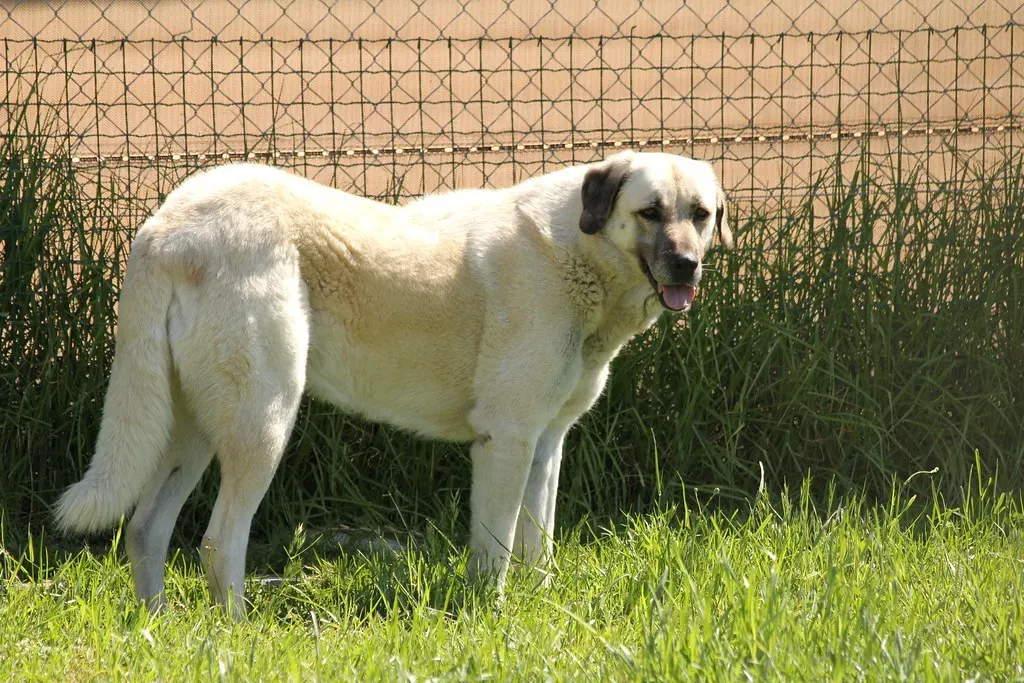
Bred as guardians, Anatolian Shepherds are giant-breed dogs with calm demeanors, though they are always on alert because of their breeding history. They tend to be independent and need outdoor exercise to release pent-up energy. These are ancient dogs, shaped by thousands of years of working independently alongside livestock in rough terrain. That history built an impressively robust constitution.
A large working breed, the Anatolian Shepherd is a herding dog that historically lived outside all year round, and so has a constitution to match. Generally considered healthy, they don’t tend to be susceptible to many illnesses and require a minimum of one hour of exercise a day. Some large dog breeds that are generally considered healthy include Old English Sheepdogs, Anatolian Shepherds, and Greyhounds. For experienced owners with space and a genuine respect for the breed’s independence, the Anatolian Shepherd is an underrated giant who rarely overstays their welcome at the vet.
#16. Mixed Breed Dogs
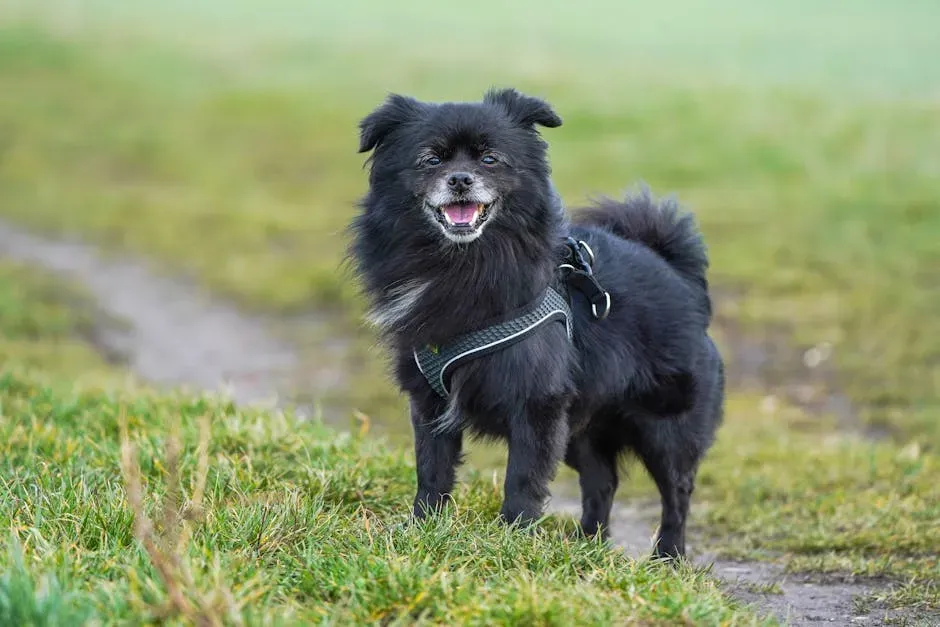
Mixed breeds are often considered healthier because they have a wider range of genes, which helps protect them from some inherited health problems. The health of each individual mixed-breed dog depends on their specific genetic makeup, but some older research suggests that mixed-breed dogs are less likely to inherit certain genetic health conditions such as atopic dermatitis and cataracts when compared to purebred dogs. Shelter dogs, mutts, crossbreeds – whatever you call them – they’ve quietly been the vet’s secret recommendation for years.
Across the United States, pet insurance data now tracks millions of vet visits every year, and one trend stands out: certain dog breeds consistently cost hundreds less in annual care while showing fewer chronic health issues. Veterinarians notice these patterns long before the numbers show up in reports. Hybrid breeds with strong genetic diversity can avoid some of the inherited conditions common in purebred lines. Every mixed-breed dog is a biological lottery ticket, and more often than not, it pays out in longevity, resilience, and a personality that’s genuinely one of a kind.
The Bigger Picture
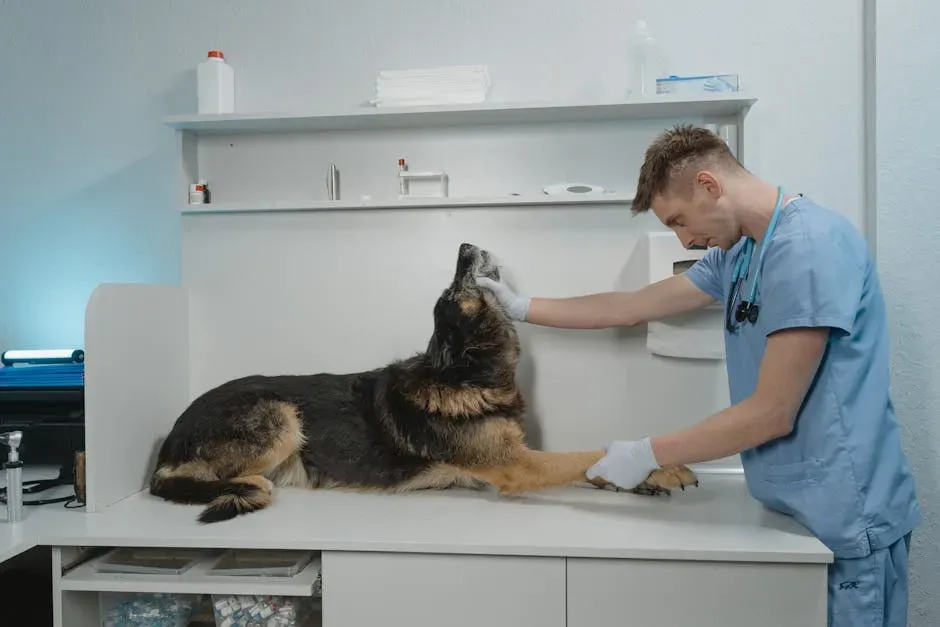
There’s a reason popularity and veterinary preference don’t always line up. Vets who are tired of seeing poorly bred dogs and overwhelmed owners in over their heads with high-needs breeds want people to know the truth before they commit. The breeds on this list aren’t perfect. Every single one has potential health considerations worth discussing with a vet before you commit. But they share something meaningful: they were largely built to do a job, and that functional origin tends to produce animals with better overall genetic foundations.
The honest recommendation from veterinary experience isn’t always glamorous. It doesn’t always come in a trendy Instagram coat or with a flat face that melts your heart on a phone screen. It usually looks like a sturdy, alert, eager animal standing in an exam room with clean bloodwork and a tail that hasn’t stopped moving. Most dogs can live long, healthy lives with the right nutrition, regular exercise, and loving care. Any dog, whether mixed breed or purebred, needs proper care, a good diet, regular vet visits, and plenty of exercise to stay healthy. Choose intentionally. The dog you bring home deserves an owner who did the research, and you deserve a companion who can actually stay by your side for the long haul.

- 17 Cat Breeds That Grow Softer With Age and 17 That Turn Far More Particular - August 18, 2026
- 17 Things Stable Hands Notice About a Horse Long Before Its Owner Suspects Anything - August 18, 2026
- The World’s Oldest Animals Reveal Secrets to Longevity - August 18, 2026