

Worried about unexpected vet bills?
Pet insurance can cover thousands in unexpected vet costs. Get a free quote from Lemonade in under 2 minutes.
Get My Free Quote →Sponsored · Opens Lemonade.com
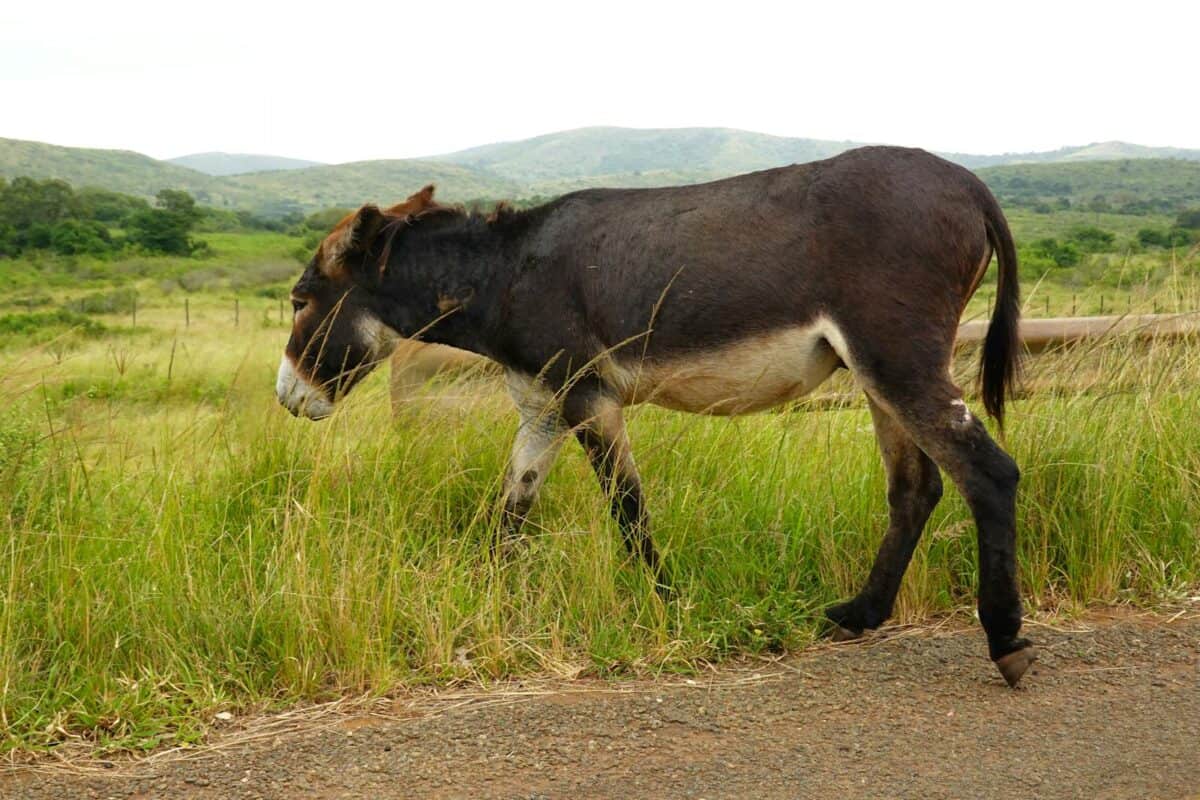
Wild donkeys, also known as asses, have traversed the Earth for thousands of years, adapting to some of the planet’s harshest environments. Despite their remarkable resilience, these magnificent creatures face numerous threats that have drastically reduced their populations worldwide. From habitat loss to poaching, wild donkeys are increasingly vulnerable, pushing conservation organizations and governments to implement protection measures. This article explores the current state of wild donkey populations globally, the challenges they face, and the ongoing efforts to ensure their survival for future generations. Understanding these animals’ ecological importance and the difficulties they encounter is crucial to appreciating why their protection warrants our attention and resources.
The Natural History of Wild Donkeys
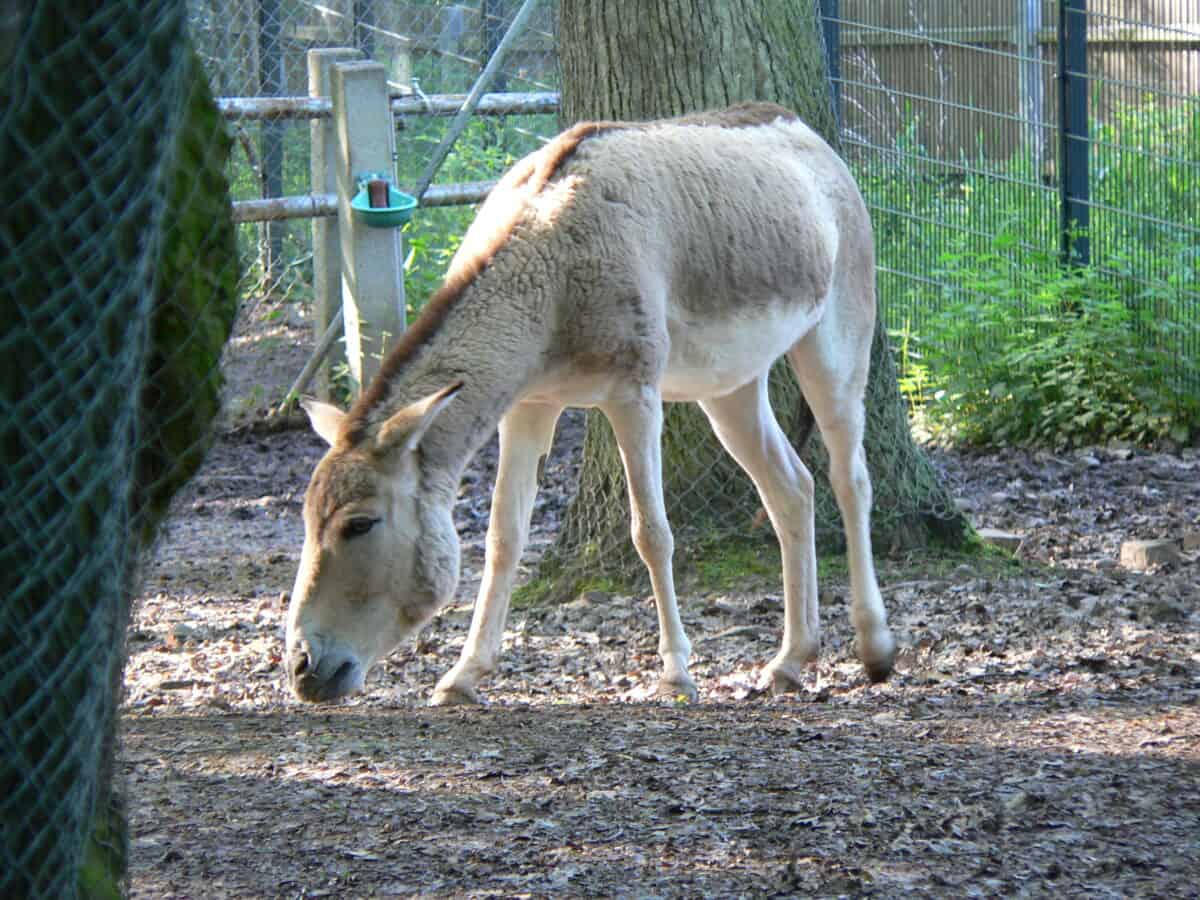
Wild donkeys (Equus asinus) evolved in arid regions of Africa approximately 5-6 million years ago. The African wild ass, considered the ancestor of domestic donkeys, diverged from horses about 2 million years ago. These hardy creatures developed exceptional adaptations for desert survival, including large ears that dissipate heat efficiently and the ability to tolerate water loss of up to 30% of their body weight—a remarkable adaptation compared to most mammals, which cannot survive losses beyond 15%. Wild donkeys also possess specialized digestive systems that can extract nutrients from poor-quality vegetation that other herbivores can’t process effectively. Archaeological evidence suggests that donkeys were first domesticated around 6,000 years ago in northeast Africa, specifically in ancient Egypt and Nubia, making them one of the earliest domesticated animals to serve human transportation and agricultural needs.
Current Global Population Status
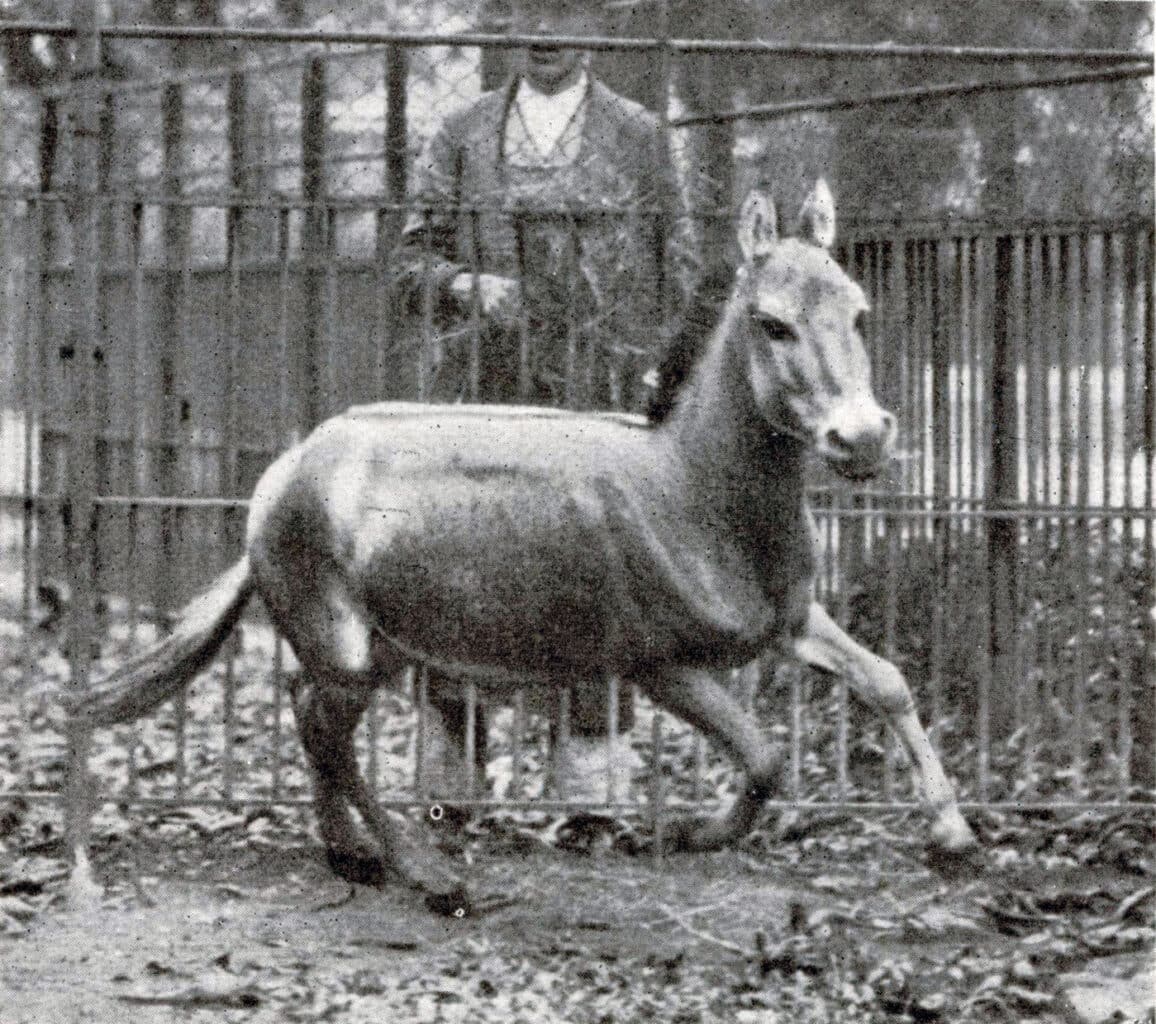
The global wild donkey population has experienced dramatic declines over the past century. According to the International Union for Conservation of Nature (IUCN), the African wild ass, the primary truly wild donkey species, is critically endangered with fewer than 200 individuals estimated to remain in the wild. These are primarily found in small pockets of Eritrea, Ethiopia, and Somalia. The Asiatic wild ass or onager (Equus hemionus), a close relative, is classified as near threatened with approximately 28,000 individuals distributed across fragmented habitats in Central Asia, including Mongolia, China, and parts of Iran. Meanwhile, feral donkey populations—domesticated donkeys that have returned to a wild state—are more numerous, with estimates exceeding 5 million worldwide. These feral populations are particularly significant in Australia, which hosts the world’s largest population of about 5 million feral donkeys, followed by the United States with approximately 10,000-50,000 individuals spread across western states.
Ecological Importance of Wild Donkeys
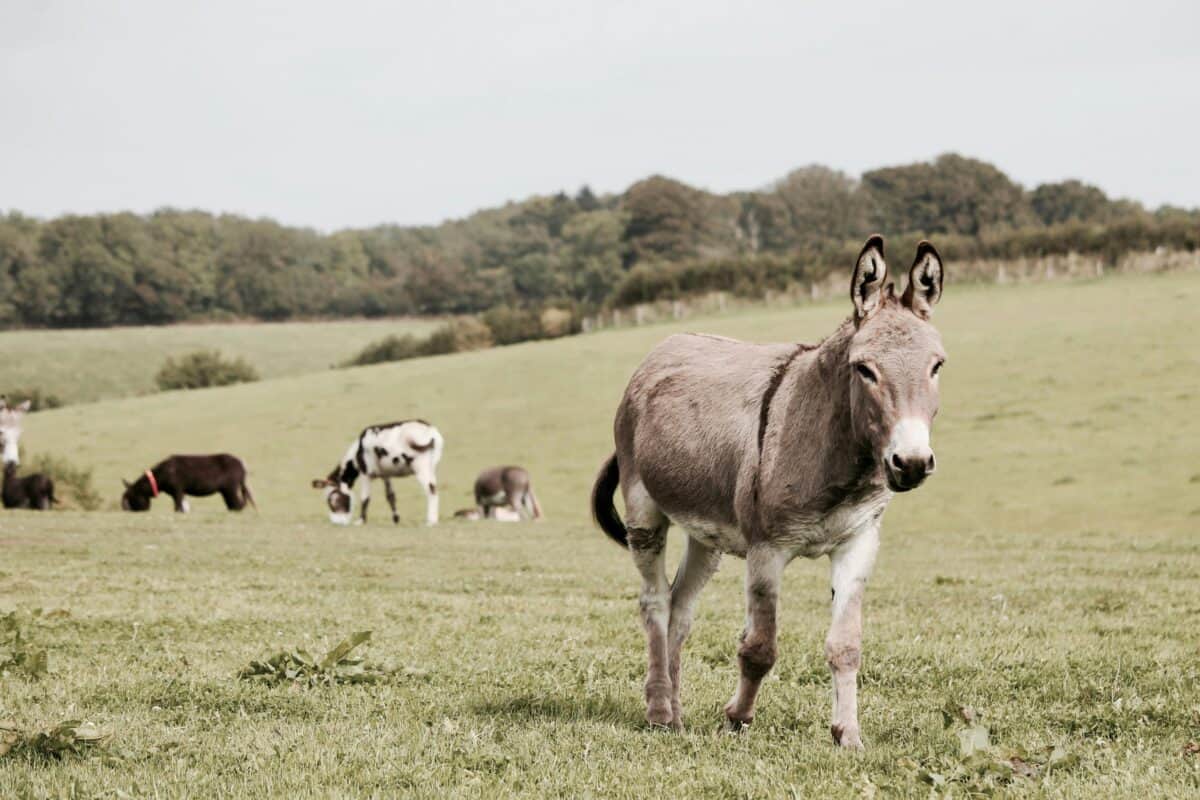
Wild donkeys serve as critical ecosystem engineers despite their often-overlooked ecological value. In arid environments, their foraging behavior helps maintain vegetation diversity by preventing any single plant species from dominating. Their constant movement creates pathways through dense vegetation that smaller animals utilize, effectively creating wildlife corridors. Perhaps most importantly, wild donkeys dig wells up to six feet deep in search of groundwater during dry seasons, creating “donkey wells” that provide vital access to water for numerous other species, including birds, small mammals, and insects. Recent research in the Sonoran Desert documented over 30 different animal species using these wells, highlighting donkeys’ role as keystone species. Additionally, their dung serves as an important seed dispersal mechanism and fertilizer, contributing to soil health and plant regeneration in nutrient-poor environments. Their grazing patterns can also reduce wildfire fuel loads in certain landscapes, potentially mitigating fire intensity in fire-prone regions.
Threats to African Wild Ass Populations
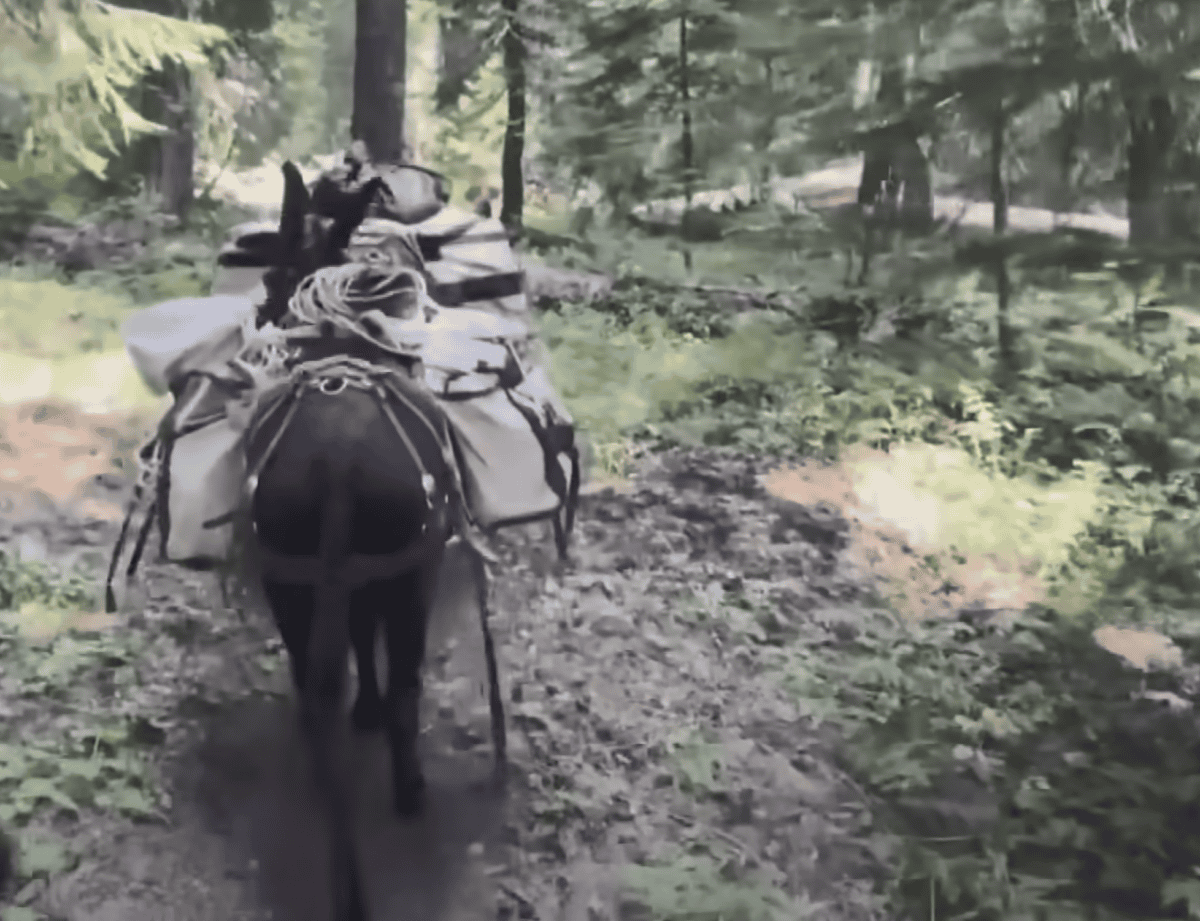
The critically endangered African wild ass faces a perfect storm of existential threats. Poaching represents the most immediate danger, with these animals hunted for meat, traditional medicine, and to prevent competition with livestock for grazing land and water resources. Habitat degradation compounds this problem, as expanding human settlements and agriculture shrink available wilderness. Prolonged droughts in their native Horn of Africa, exacerbated by climate change, have increased competition with livestock and reduced access to water sources. Genetic dilution through hybridization with domestic donkeys further threatens the genetic integrity of the remaining pure wild populations. According to the IUCN, their population has declined by over 80% in the past three generations. The political instability in their range countries has severely limited conservation efforts, with ongoing conflicts in Ethiopia and Somalia making protection initiatives particularly challenging. Without immediate intervention, the African wild ass could become the first equid species to go extinct in modern times.
Challenges Facing Asiatic Wild Ass Conservation

The Asiatic wild ass or onager contends with its own suite of conservation challenges across its range in Central Asia. Illegal hunting persists despite protective laws, driven by demand for their meat and purported medicinal properties. Extensive mining operations in Mongolia have fragmented their habitat and blocked traditional migration routes. Newly constructed border fences between countries like Mongolia, China, and Kazakhstan have further disrupted migration patterns and isolated populations from one another, preventing genetic exchange. Competition with increasing numbers of livestock has intensified pressure on limited grazing resources. Climate change threatens to expand the already harsh desert conditions where these animals live, potentially reducing suitable habitat further. Conservation efforts face additional complexity due to the onager’s presence across multiple countries with varying levels of protection and conservation funding. While the overall population has stabilized in some areas thanks to conservation efforts, specific subspecies like the Persian onager (E. h. onager) in Iran remain critically endangered with fewer than 600 individuals left in the wild.
The Controversial Status of Feral Donkeys
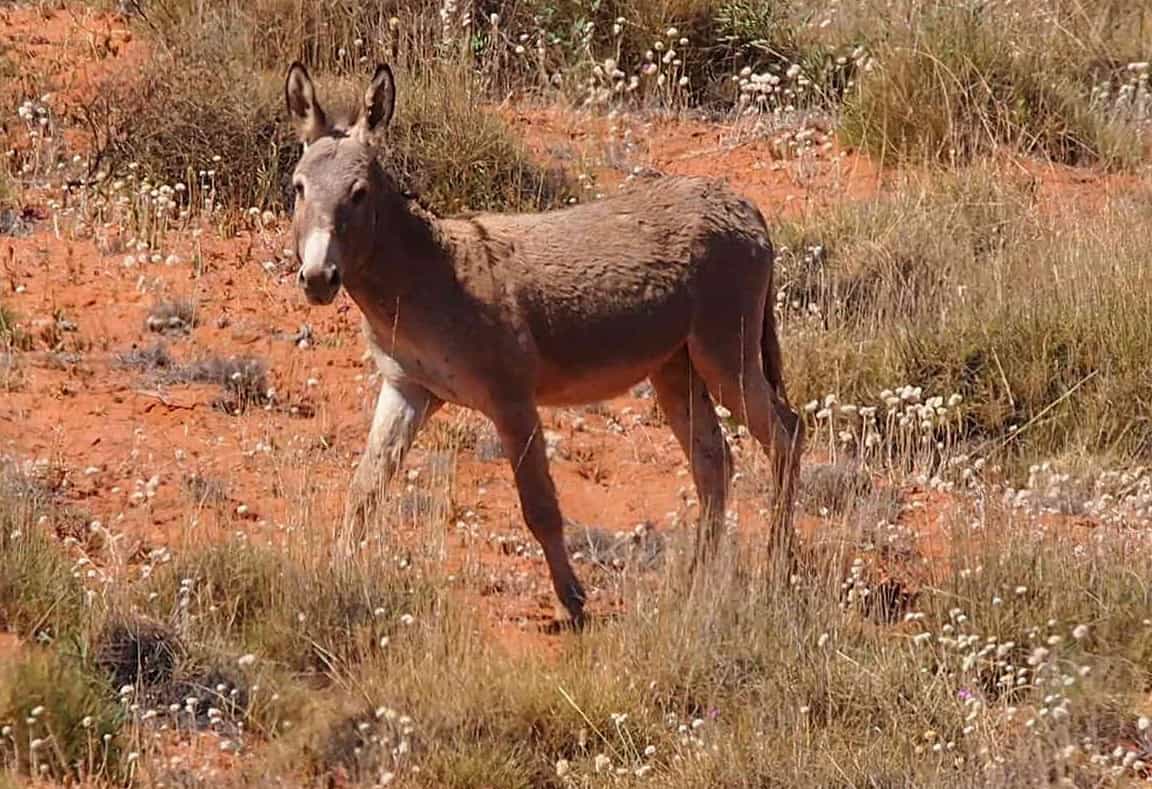
Feral donkeys occupy a contentious position in conservation discussions, with their status varying dramatically by region. In Australia, they’re classified as an invasive species, with government-sanctioned culling programs removing thousands annually to protect native ecosystem health. Australian environmental agencies cite evidence of soil erosion, vegetation damage, and competition with native species as justification for these control efforts. Conversely, in the American Southwest, some conservationists advocate for their protection, pointing to recent research suggesting feral donkeys create valuable desert water sources that benefit native wildlife. This inconsistent classification—as pests in some regions and ecological assets in others—reflects the complex ecological role these adaptable animals play. Management approaches range from lethal control to fertility regulation programs using immunocontraceptives. Indigenous perspectives add another layer of complexity; some Aboriginal Australian communities oppose donkey culling based on the animals’ cultural significance and potential economic value. The scientific community remains divided, highlighting the need for ecosystem-specific assessment rather than blanket policies.
Legal Protection Frameworks

Legal protections for wild donkeys vary significantly worldwide, creating a patchwork of conservation effectiveness. The African wild ass is listed on CITES Appendix I, prohibiting international trade, and is protected under national laws in Ethiopia, Eritrea, and Somalia, though enforcement remains weak. The Asiatic wild ass receives protection under various national wildlife conservation acts across its range, with Mongolia’s wildlife protection laws providing the strongest safeguards. In the United States, feral donkeys receive federal protection under the Wild Free-Roaming Horses and Burros Act of 1971, which designates them as “living symbols of the historic and pioneer spirit of the West.” However, this protection applies only to donkeys on designated Bureau of Land Management and Forest Service lands. Australia lacks legal protection for feral donkeys at the federal level, instead classifying them as invasive pests under various state biosecurity laws. International efforts to strengthen legal frameworks include proposals for a multinational conservation agreement specifically for wild equids under the Convention on Migratory Species, though implementation faces political and economic barriers. The inconsistency in legal approaches reflects the complex status these animals hold—revered in some cultures and considered problematic in others.
Conservation Organizations Leading Protection Efforts
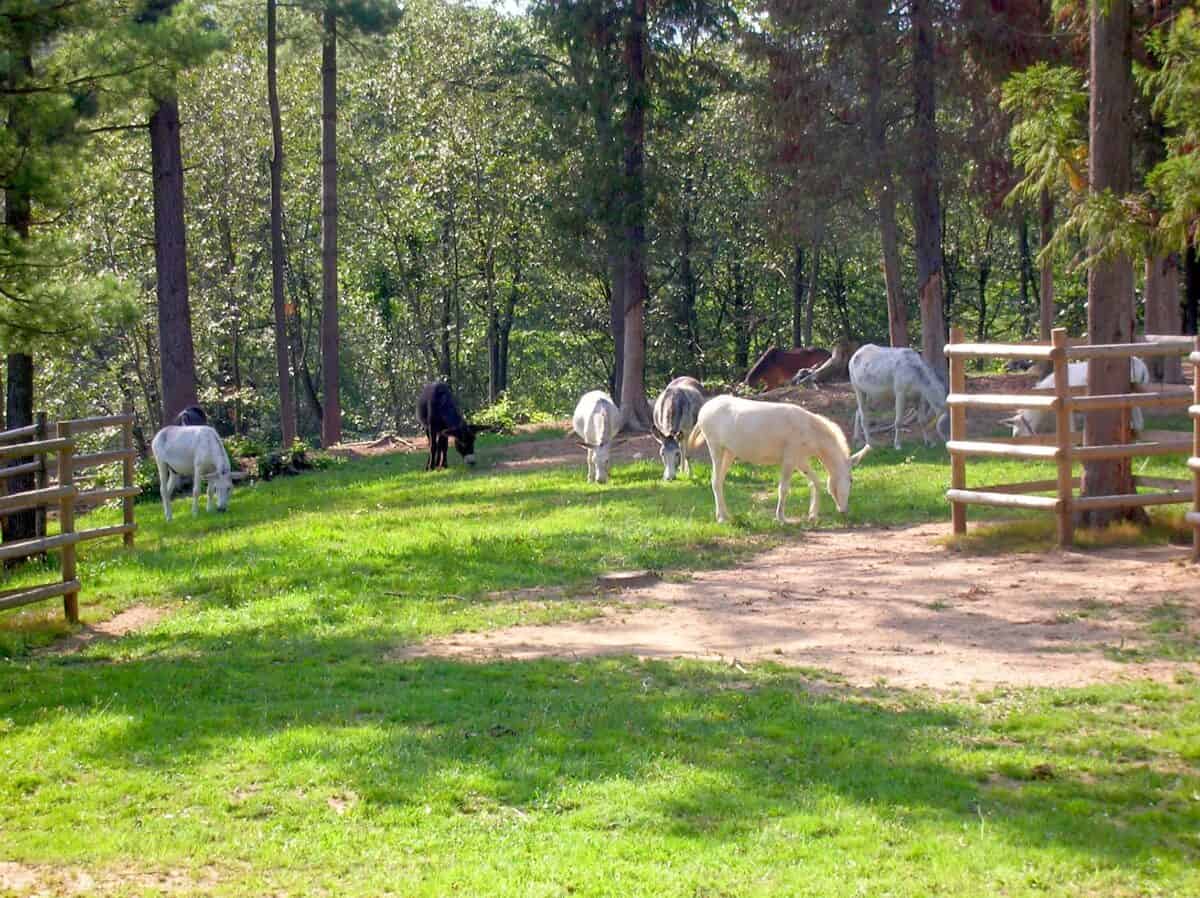
Several dedicated organizations form the frontline of wild donkey conservation globally. The International Union for Conservation of Nature’s Equid Specialist Group coordinates research and develops action plans specifically for wild donkeys and their relatives. The Donkey Sanctuary, primarily known for domestic donkey welfare, has expanded its work to include wild donkey conservation through research funding and policy advocacy. In Ethiopia, the Alledeghi Wildlife Reserve works specifically to protect one of the last strongholds of the African wild ass, implementing anti-poaching patrols and community education programs. The Wild Donkey Protection League in Mongolia focuses on Asiatic wild ass conservation through habitat restoration and addressing mining-related threats. The American Wild Horse Campaign, while primarily focused on mustangs, also advocates for feral donkey protection in the United States. These organizations employ various conservation strategies, from direct field interventions like anti-poaching patrols to genetic research ensuring the preservation of wild donkey DNA. Their work increasingly incorporates community-based conservation approaches, recognizing that long-term success depends on local support. Despite chronic underfunding compared to more charismatic species, these organizations have achieved significant successes, including establishing new protected areas and developing innovative monitoring techniques using satellite tracking and environmental DNA sampling.
Successful Conservation Case Studies
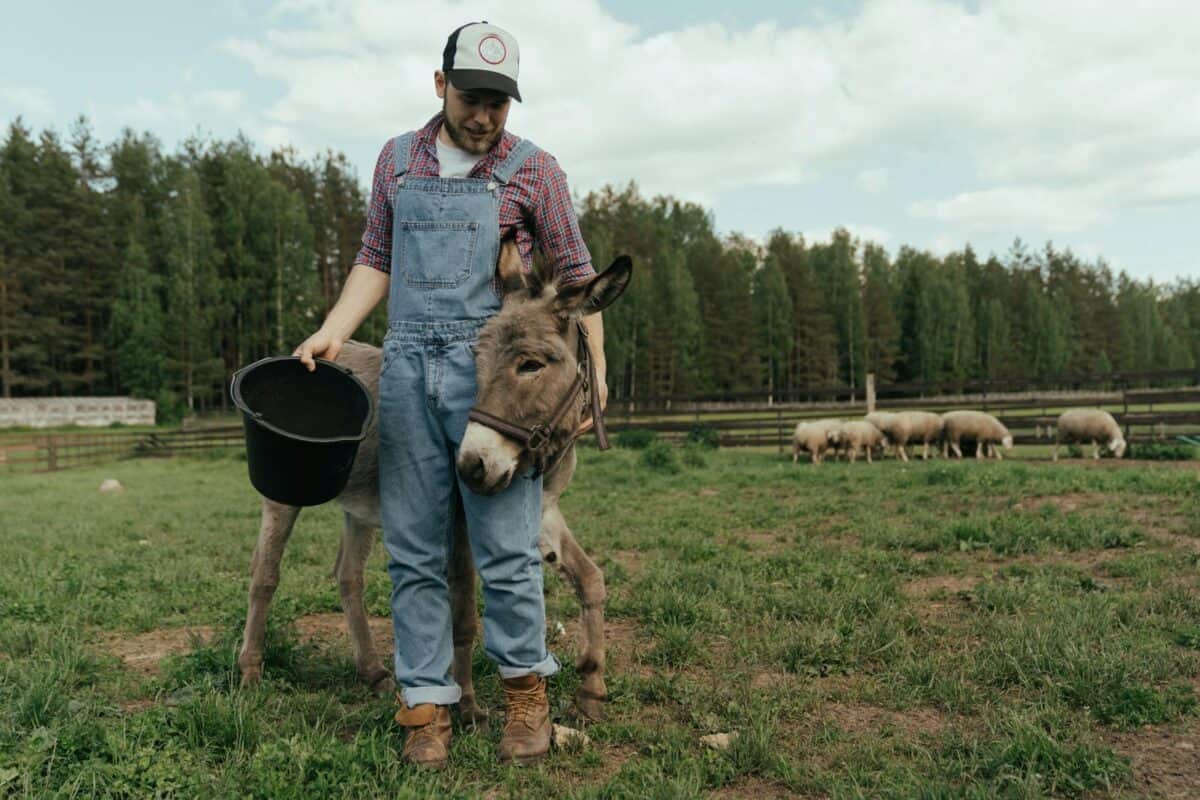
Several success stories demonstrate effective wild donkey conservation approaches. In Iran’s Bahram-e-Goor Protected Area, careful management has helped the Persian onager population increase from 196 individuals in 1995 to approximately 600 today. This success stems from comprehensive anti-poaching measures, habitat restoration, and establishing artificial water sources to reduce competition with livestock. In Eritrea, community-based conservation at the Yangudi-Rassa National Park has stabilized African wild ass numbers through innovative programs employing former poachers as park rangers, effectively leveraging their tracking skills and local knowledge for conservation. Mongolia’s Great Gobi B Strictly Protected Area has seen its reintroduced khulans (Asiatic wild asses) increase from 65 in 1992 to over 1,000 today through cross-border cooperation with China to protect migration corridors. In California’s Death Valley National Park, after decades of population declines, the implementation of humane fertility control has stabilized feral donkey numbers without resorting to controversial removal programs. These success stories share common elements: meaningful local community involvement, adequate funding, scientific monitoring, and multi-stakeholder collaboration. Each case demonstrates that with proper resources and approaches tailored to specific regional contexts, wild donkey conservation can achieve meaningful results even for critically endangered populations.
Innovative Conservation Technologies

Conservation technology is revolutionizing wild donkey protection efforts. GPS satellite collars have transformed monitoring capabilities, allowing researchers to track movement patterns with unprecedented precision. This data reveals critical information about habitat use, migration routes, and water resource dependencies. In Mongolia, these collars identified previously unknown migration corridors for Asiatic wild asses, leading to the establishment of new protected passages. Drone surveillance has dramatically improved anti-poaching efforts in Ethiopia, where limited ranger resources can now be strategically deployed based on aerial reconnaissance. Genetic analysis techniques, including environmental DNA sampling from water sources, provide non-invasive monitoring methods to detect wild donkey presence and assess population health. The Frozen Zoo at San Diego Zoo Wildlife Alliance maintains cryopreserved cell lines from endangered wild ass populations, potentially enabling future genetic rescue operations through advanced reproductive technologies. Remote camera trap networks utilizing artificial intelligence can now automatically identify individual donkeys based on coat patterns, generating population estimates with minimal human disturbance. Perhaps most promising is the development of immunocontraceptive vaccines that provide humane population control without culling. The conservation technology company Smart Parks has even pioneered solar-powered sensors that detect human intrusions into protected areas, sending real-time alerts to rangers’ smartphones. Despite their potential, many of these technologies remain underutilized due to funding constraints and limited technical capacity in key conservation regions.
Community-Based Conservation Approaches
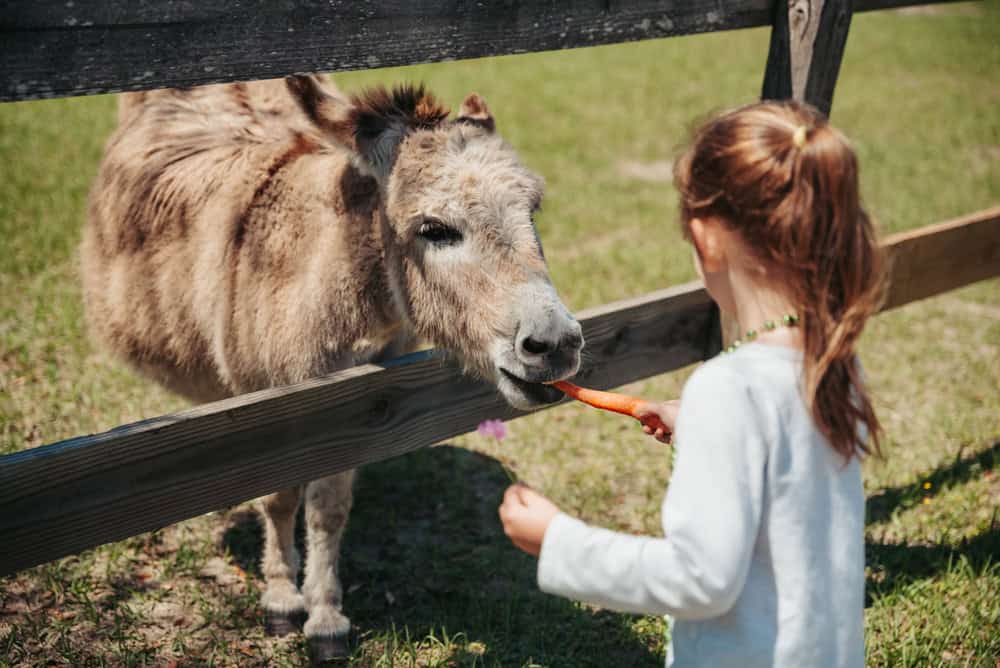
Effective wild donkey conservation increasingly centers on community engagement and benefit-sharing. In Ethiopia’s Afar region, the Donkey Sanctuary partners with local communities to develop alternative livelihoods that reduce dependence on livestock grazing, decreasing competition with wild asses for limited resources. These programs include beekeeping initiatives and ecotourism development that create economic incentives for wild donkey protection. In Mongolia, the Denver Zoological Foundation established a community scout network of nomadic herders who monitor and report on Asiatic wild ass populations while receiving training and equipment that also benefits their livestock management practices. The Wild Horse and Burro Program in Nevada implemented educational initiatives in rural schools, fostering appreciation for wild equids among the next generation of land users. Religious leaders in Eritrea have been engaged to emphasize traditional cultural values that historically promoted coexistence with wildlife, reinforcing conservation messages through respected community channels. These approaches represent a significant shift from earlier fortress conservation models that excluded local communities. By integrating traditional ecological knowledge with scientific management and ensuring tangible benefits flow to communities living alongside wild donkeys, these programs achieve higher compliance with conservation regulations and greater sustainability. Evidence suggests community-based approaches reduce poaching incidence by up to 70% in participating areas, demonstrating their effectiveness compared to enforcement-only strategies.
Future Conservation Challenges and Opportunities
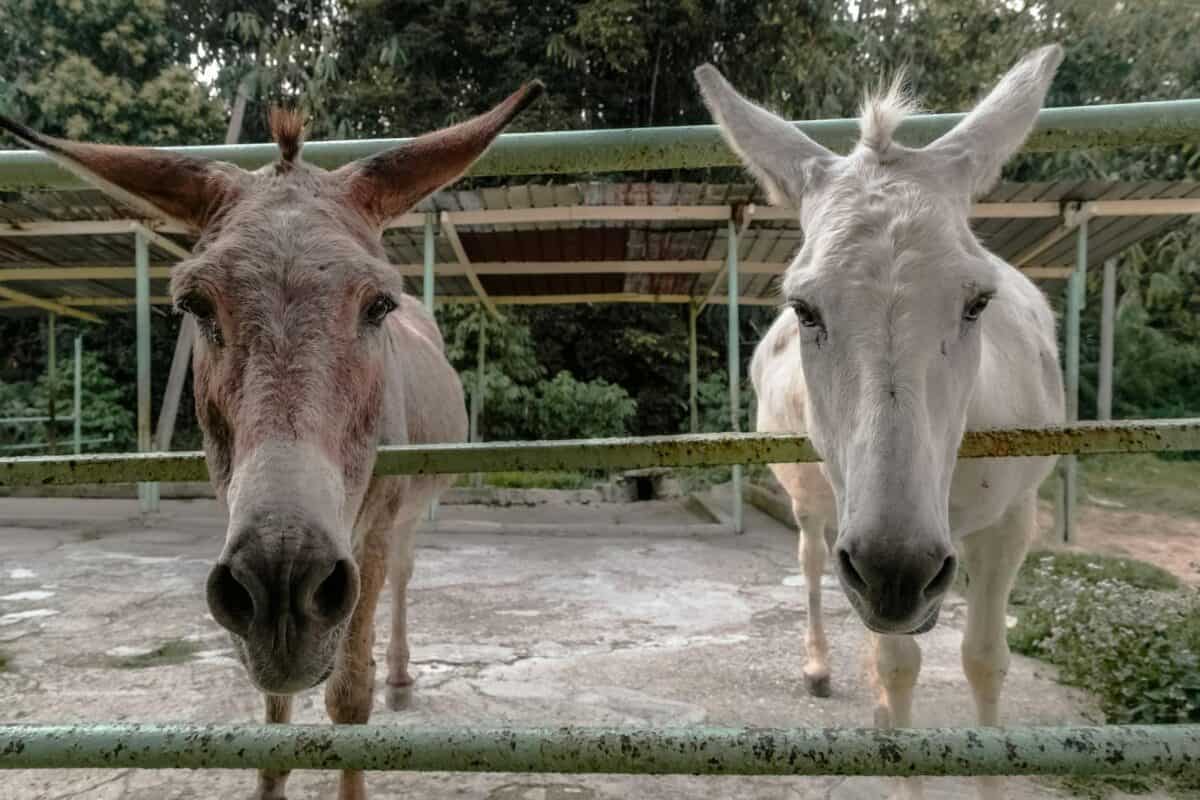
Looking ahead, wild donkey conservation faces substantial challenges but also promising opportunities. Climate change projections suggest further aridification of key habitats, potentially reducing carrying capacity but possibly expanding suitable range in some regions as previously temperate areas become more arid. The increasing global demand for minerals found in wild donkey habitats, particularly lithium for electric vehicle batteries, threatens to accelerate habitat destruction without careful planning. Political instability in range countries, particularly in the Horn of Africa, continues to complicate implementation of conservation programs. However, emerging opportunities include growing international recognition of wild donkeys’ ecosystem services, particularly their role in creating water access during drought conditions. Advancements in reproductive technology may soon enable genetic rescue operations for the most endangered populations. The rising popularity of wildlife tourism focused on less-charismatic species opens economic opportunities for communities protecting wild donkeys. Carbon credit markets and payments for ecosystem services represent potential new funding streams, with pilot projects in Mongolia exploring carbon sequestration benefits of well-managed grasslands where wild donkeys play key ecological roles. Perhaps most promising is the increasing integration of conservation goals into international development funding, particularly for climate adaptation projects in arid regions where wild donkeys naturally occur. The upcoming Convention on Biological Diversity targets for 2030 provide a policy framework that could strengthen wild donkey protection if effectively implemented.
The preservation of wild donkey populations represents both an ecological imperative and a test of our commitment to biodiversity conservation beyond charismatic megafauna. These resilient creatures have adapted to Earth’s harshest environments over millions of years, yet now face unprecedented threats requiring coordinated human intervention to ensure their survival. The conservation successes highlighted throughout this article demonstrate that with adequate resources, scientific management, and community engagement, even critically endangered populations can recover. As we deepen our understanding of wild donkeys’ ecological contributions—from creating vital water sources to maintaining vegetation diversity—their protection increasingly aligns with broader goals of ecosystem resilience in the face of climate change. The path forward demands integration of cutting-edge technology with traditional knowledge, sustainable funding mechanisms, and policy frameworks that recognize wild donkeys’ intrinsic value and ecological significance across their diverse ranges.
Worried about unexpected vet bills?
Pet insurance can cover thousands in unexpected vet costs. Get a free quote from Lemonade in under 2 minutes.
Get My Free Quote →Sponsored · Opens Lemonade.com

- Top 10 Animals and Wildlife in British Columbia - June 4, 2026
- 14 Predators That Rule the Animal Kingdom - June 4, 2026
- 24 Animals You Should Never Pet - June 4, 2026