


As the warm weather beckons, adventure enthusiasts and nature lovers alike begin planning their summer explorations. While beach resorts and city tours have their allure, there’s something profoundly moving about encountering wildlife in their natural habitats. From the thundering migrations across African plains to the delicate dance of luminescent plankton in tropical waters, wild animal encounters offer transformative experiences that connect us to the natural world. This summer, consider adding these extraordinary animal adventures to your travel itinerary—each promising not just Instagram-worthy moments, but soul-stirring connections with the diverse creatures that share our planet.
Safari Adventures in East Africa

East Africa remains the quintessential wildlife destination, offering the spectacular Great Migration—nature’s most impressive movement of animals. Between July and October, over two million wildebeest, zebras, and gazelles traverse the Serengeti-Mara ecosystem between Tanzania and Kenya, creating a breathtaking display of natural instinct and determination. Witnessing these herds cross crocodile-infested rivers under the watchful eyes of lions is an adrenaline-pumping experience that wildlife enthusiasts cherish forever. Beyond the migration, East African safaris also provide opportunities to spot the “Big Five” (lion, leopard, elephant, rhino, and buffalo) among more than 400 bird species and countless other mammals. For conservation-minded travelers, guided tours through Kenyan and Tanzanian national parks typically contribute to wildlife protection efforts, making your adventure both thrilling and purposeful.
Swimming with Whale Sharks in Mexico

Summer brings one of nature’s gentlest giants to the warm waters off Mexico’s Yucatan Peninsula. Between June and September, whale sharks—the world’s largest fish, measuring up to 40 feet long—congregate near Isla Mujeres and Isla Holbox to feed on plankton blooms. Despite their intimidating size, these spotted behemoths are completely harmless to humans, allowing for remarkable swimming encounters. Slipping into crystal-clear waters alongside these magnificent creatures as they slowly navigate through sunlight-dappled depths creates an almost meditative experience. Tour operators in the region adhere to strict protocols that prioritize the sharks’ welfare, limiting the number of swimmers and prohibiting touching. According to marine conservation data, responsible whale shark tourism generates approximately $7 million annually for local economies while raising awareness about these vulnerable species, whose global population has declined by more than 50% in recent decades.
Orangutan Encounters in Borneo
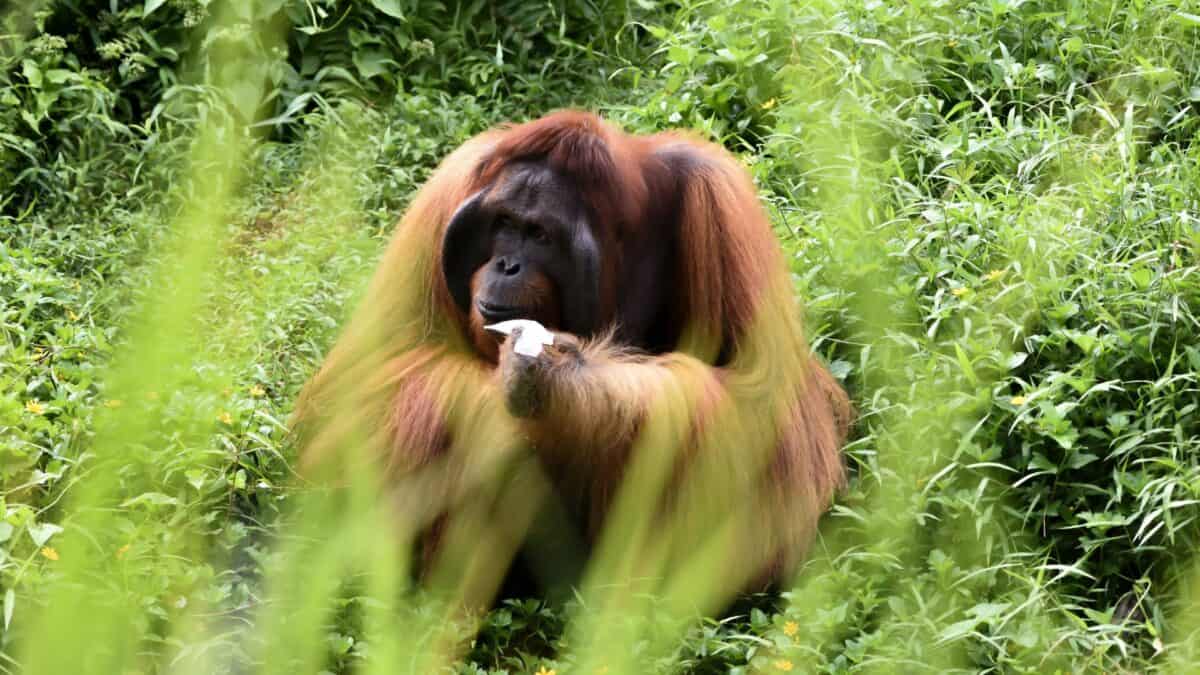
orangutan. via Unsplash
The dense, steamy rainforests of Borneo offer sanctuary to one of our closest relatives—the endangered orangutan. These intelligent, rust-colored primates share 97% of their DNA with humans, making encounters with them particularly moving. Summer’s relatively drier months provide ideal conditions for trekking through Borneo’s national parks, such as Tanjung Puting in Indonesia or Sepilok in Malaysia. At rehabilitation centers like Sepilok Orangutan Rehabilitation Centre, visitors can observe orangutans during feeding times, watching juveniles develop crucial survival skills before their reintroduction to the wild. For more immersive experiences, multi-day river cruises along Borneo’s waterways allow glimpses of wild orangutans building their elaborate nests high in the canopy. Conservation statistics indicate that only about 104,700 Bornean orangutans remain in the wild, their populations threatened by habitat loss. Tourism revenue directly supports protection efforts for these critically endangered great apes and their diminishing forest home.
Bioluminescent Bay Kayaking in Puerto Rico

For an otherworldly animal encounter, Puerto Rico’s bioluminescent bays offer summer visitors the chance to witness one of nature’s most magical phenomena. These rare ecosystems contain millions of microscopic dinoflagellates—single-celled organisms that emit a blue-green light when disturbed. Mosquito Bay on Vieques Island holds the Guinness World Record for brightest bioluminescent bay, where each gallon of water contains approximately 720,000 of these luminous organisms. Summer’s warm nights are perfect for kayaking excursions that transform ordinary paddling into a surreal journey through what appears to be liquid starlight. As your paddle breaks the water’s surface, trails of ethereal blue light follow, while fish dart beneath like underwater comets. The experience is particularly impressive during new moon phases when darkness accentuates the bioluminescence. These delicate ecosystems require protection; visitors contribute to conservation by choosing eco-conscious tour operators who educate about the bay’s fragile ecological balance and enforce no-swimming policies to preserve water quality.
Polar Bears in the Arctic Summer

Summer presents a unique opportunity to observe polar bears in a verdant landscape far different from their typical winter portrayal. From June through August, the Arctic’s brief summer transforms the tundra around Churchill, Manitoba—known as the “Polar Bear Capital of the World”—into a wildflower-dotted landscape where polar bears can be observed lounging among purple fireweed or cooling off in Hudson Bay. Specialized tundra vehicles allow visitors to safely approach these magnificent predators during their seasonal waiting period for sea ice formation. The warmer months also coincide with beluga whale migrations, offering the chance to combine two extraordinary Arctic wildlife experiences. According to research from Polar Bears International, the Western Hudson Bay population has declined by approximately 30% since 1987, making these encounters increasingly precious. Climate change continues to threaten polar bear habitat, with Arctic sea ice diminishing by about 13% per decade, underscoring the educational value of witnessing these magnificent creatures in their rapidly changing environment.
Turtle Hatching on Costa Rican Beaches

The beaches of Costa Rica transform into nature’s nurseries during summer months as several sea turtle species come ashore to nest. Tortuguero National Park on the Caribbean coast hosts the world’s largest green turtle nesting site, while Ostional Wildlife Refuge on the Pacific witnesses one of nature’s most awe-inspiring events—the “arribada,” when thousands of olive ridley turtles simultaneously emerge from the ocean to lay their eggs. Between July and November, guided nighttime beach walks offer the chance to watch female turtles excavating nests and depositing eggs in the moonlight. Even more magical are hatchling releases, where tiny turtles no bigger than a poker chip make their perilous journey to the sea. Conservation programs in Costa Rica have helped increase turtle populations—green turtle nests at Tortuguero have increased from approximately 5,000 in the 1970s to over 20,000 in recent years. Visitors directly contribute to these efforts through entrance fees and by choosing authorized guides who ensure observation happens at appropriate distances without disrupting this ancient reproductive ritual.
Grizzly Bear Salmon Fishing in Alaska

Alaska’s summer salmon runs trigger one of North America’s most spectacular predator-prey interactions. As millions of salmon battle upstream to spawn, brown bears gather along rivers for their annual feast, with prime viewing from July through September. Destinations like Katmai National Park’s Brooks Falls offer elevated platforms where visitors can safely observe bears employing various fishing techniques—from patient waiting to acrobatic pouncing. A single brown bear can catch and consume up to 30 salmon daily during peak season, gaining crucial fat reserves for winter hibernation. Brooks Falls hosts up to 25 bears simultaneously during salmon runs, providing unparalleled photography opportunities. The bears’ focused fishing means they generally ignore human observers, allowing for intimate glimpses of mothers teaching cubs survival skills or dominant males claiming prime fishing spots. Alaska’s bear population remains stable at approximately 30,000 brown/grizzly bears, representing 98% of the U.S. population and making these summer encounters reliable annual events for wildlife enthusiasts seeking North America’s most impressive predators in action.
Great White Shark Cage Diving in South Africa
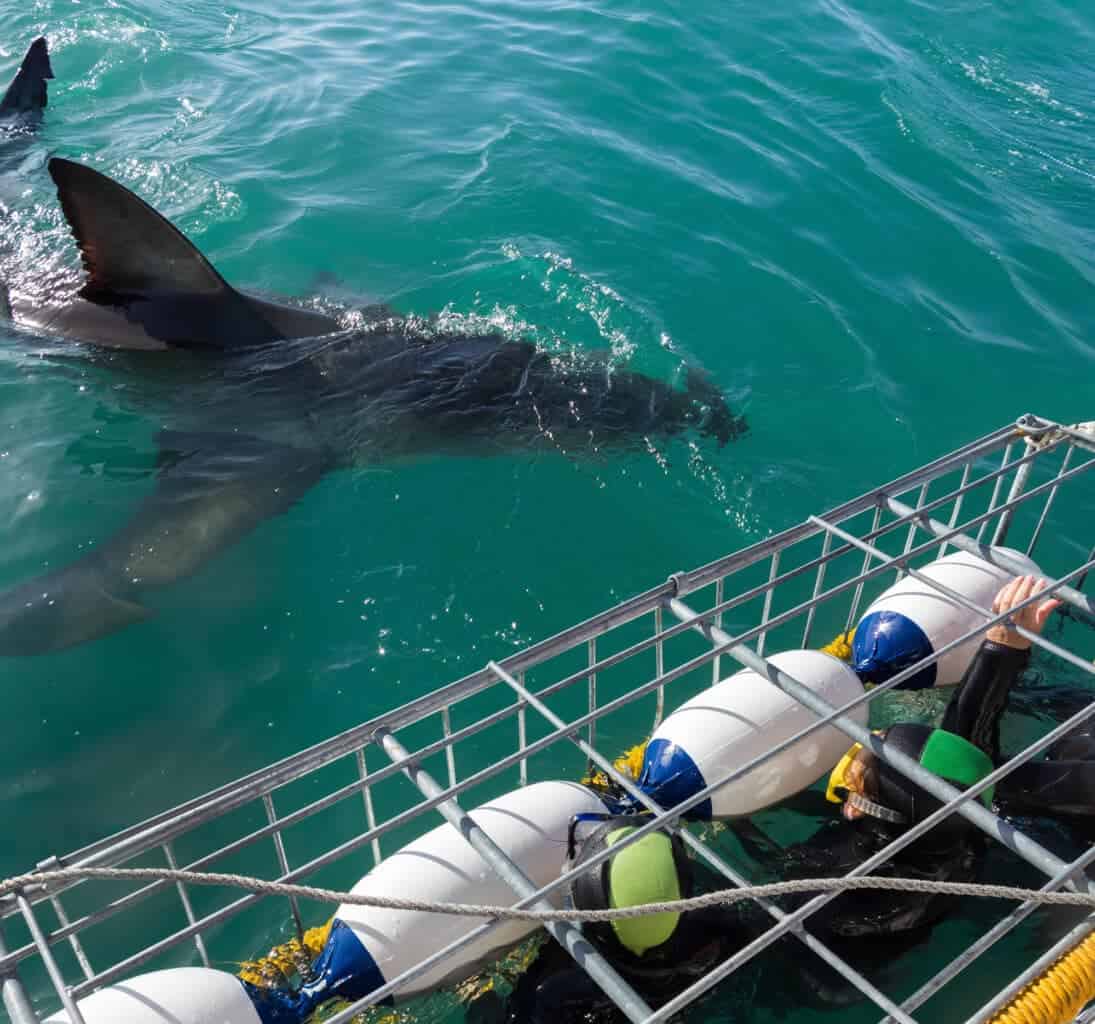
For adrenaline seekers, few wildlife encounters match the intensity of coming face-to-face with a great white shark. South Africa’s Western Cape offers premier shark experiences during the Southern Hemisphere’s winter (Northern Hemisphere’s summer) when visibility in the Atlantic reaches its peak. Gansbaai’s “Shark Alley” hosts one of the world’s densest populations of these apex predators, drawn by the nearby seal colonies that provide their preferred prey. From the safety of submerged steel cages, observers witness the power and grace of these perfectly evolved hunters as they investigate the boat and sometimes perform spectacular breaches. Recent research has revealed that great whites are selective, thoughtful predators rather than mindless eating machines, making these encounters educational opportunities that challenge common misconceptions. While worldwide shark populations have declined dramatically—with an estimated 100 million sharks killed annually for their fins—South Africa’s shark tourism industry has become a powerful advocate for their protection, demonstrating that these animals are more valuable alive than hunted. Most operators contribute to scientific research, collecting data on shark behavior and movements during tourist excursions.
Mountain Gorilla Trekking in Rwanda and Uganda
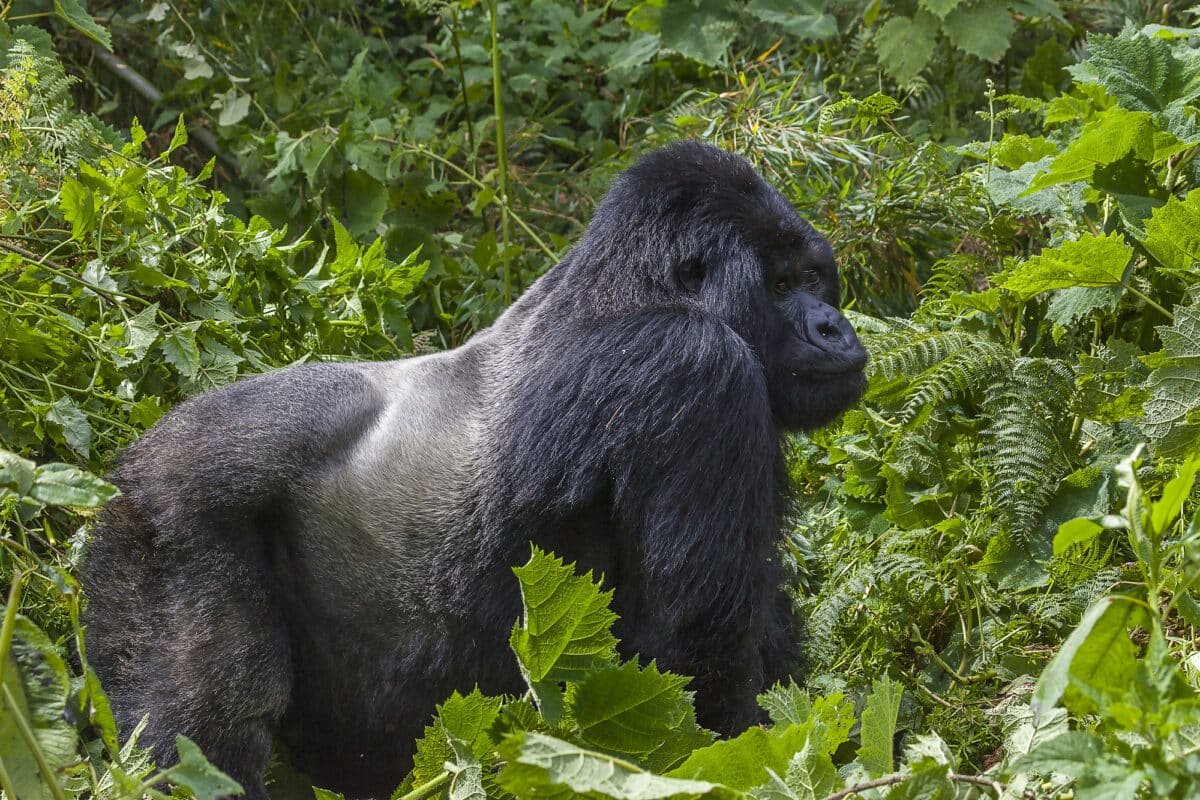
Coming face-to-face with mountain gorillas in their misty forest habitat ranks among life’s most profound wildlife experiences. Summer’s relatively drier conditions make trekking through the Virunga Mountains of Rwanda or Uganda’s Bwindi Impenetrable Forest more accessible, though still challenging. After hiking through dense jungle terrain, encountering a gorilla family—typically led by a commanding silverback male—creates moments of cross-species connection that participants describe as life-changing. Strict conservation measures limit groups to one hour with the gorillas, maintaining a seven-meter distance, though the curious youngsters sometimes approach closer. Mountain gorillas represent a remarkable conservation success story, with populations increasing from a critical low of approximately 250 individuals in the 1980s to over 1,000 today. The high permit fees ($1,500 in Rwanda, $700 in Uganda) directly fund conservation efforts and provide essential income to local communities, creating economic incentives to protect these magnificent great apes. The strictly managed tourism model has transformed former poachers into passionate conservationists, demonstrating how responsible wildlife tourism can drive positive ecological outcomes.
Komodo Dragons in Indonesia

Indonesia’s Komodo National Park offers summer travelers the rare opportunity to observe the world’s largest lizards in their natural habitat. Growing up to 10 feet long and weighing over 300 pounds, Komodo dragons are impressive predators that have evolved in isolation on five small Indonesian islands. The park’s dry season (April through December) provides ideal conditions for hiking guided trails on Komodo and Rinca islands, where these ancient reptiles can be observed basking in the sun or patrolling their territories. Their hunting strategy—combining stealth with venom-like toxic saliva that slowly incapacitates prey—represents one of nature’s most fascinating adaptations. The UNESCO World Heritage site’s dragon population stands at approximately 3,000 individuals, and conservation efforts include strict visitor management and community education programs. Recent studies have revealed unexpected complexity in dragon behavior, including sophisticated hunting strategies and social interactions previously unknown in reptiles. Beyond dragon encounters, the park’s waters offer extraordinary marine biodiversity, making it possible to combine reptile viewing with world-class diving among pristine coral reefs populated by manta rays and sea turtles.
Monarch Butterfly Migration in Mexico
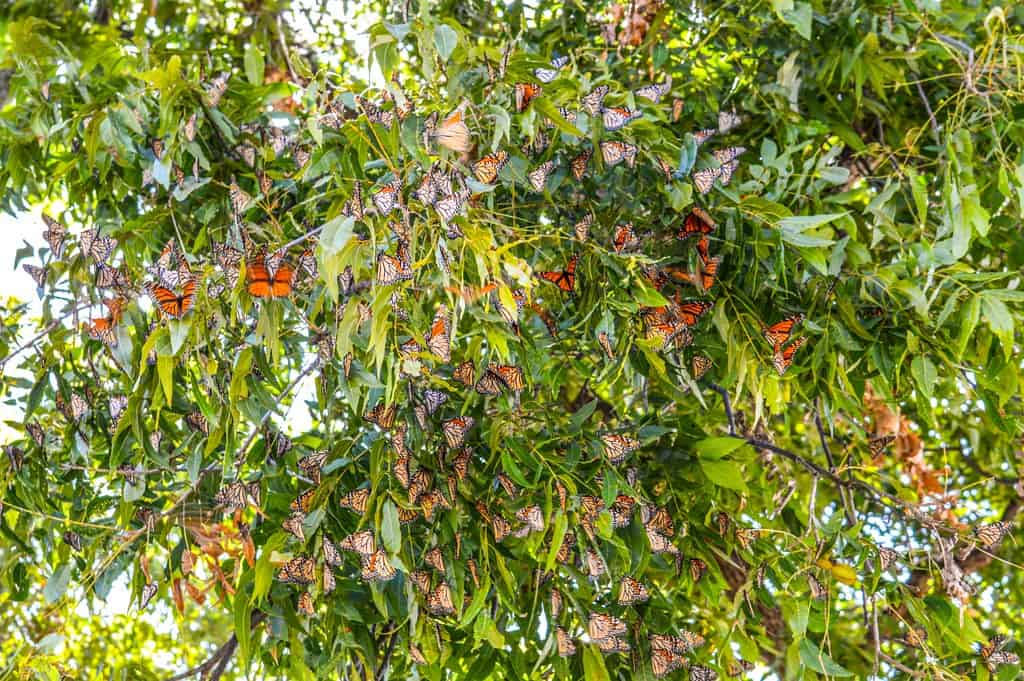
While primarily a winter phenomenon, the early stages of North America’s most spectacular insect migration begin in late summer, when monarch butterflies begin their extraordinary 3,000-mile journey from Canada and the northern United States to Mexico’s oyamel fir forests. Travelers willing to venture off the typical summer tourism path can witness the gathering of early arrivals in the butterfly sanctuaries of Michoacán, where monarchs eventually cluster by the millions, creating branches draped in orange and black. The complete migration cycle represents one of nature’s most remarkable multi-generational journeys—it takes three to four generations of butterflies to complete the northern migration, but a single “super generation” lives eight times longer to make the return southern journey. Despite their fragility, individual monarchs may travel up to 100 miles daily during migration. Monarch populations have declined by approximately 80% over the past two decades due to habitat loss, climate change, and pesticide use, making conservation-focused tourism increasingly important. Visiting Mexico’s butterfly reserves directly supports preservation efforts through entrance fees and by providing sustainable livelihoods for local communities who might otherwise resort to logging the monarchs’ critical winter habitat.
Ethical Considerations for Wildlife Tourism

As wildlife tourism grows, so does awareness about ethical considerations that should guide these encounters. Responsible wildlife viewing prioritizes animal welfare and natural behavior over visitor convenience or perfect photo opportunities. Legitimate operations maintain appropriate distances, limit viewing time, manage group sizes, and never bait or manipulate animals. Before booking, research tour operators thoroughly—those affiliated with recognized conservation organizations typically maintain higher standards. Look for companies that employ knowledgeable guides who educate about conservation challenges and natural behaviors rather than simply pointing out animals. The Global Sustainable Tourism Council and The International Ecotourism Society offer certification programs that help identify responsible operators. According to a 2019 World Animal Protection report, approximately 550,000 wild animals worldwide suffer in tourist attractions that prioritize entertainment over welfare. By choosing ethical encounters, travelers become powerful advocates for conservation, as their spending directly incentivizes protection rather than exploitation. The most meaningful wildlife experiences leave animals undisturbed while leaving lasting impressions on the humans privileged to observe them.
Planning Your Wildlife Adventure: Essential Considerations

Successful wildlife encounters require thoughtful preparation beyond standard vacation planning. Natural events like migrations and breeding seasons follow ecological rhythms rather than convenient tourism calendars, making timing crucial. Research thoroughly or consult specialized wildlife tour operators who track animal movements and seasonal patterns. Pack appropriate gear—neutral-colored clothing, quality binoculars (8×42 magnification is ideal for wildlife viewing), and camera equipment with telephoto capabilities enhance experiences without disturbing animals. For many destinations, physical preparation is essential; gorilla trekking or Komodo dragon viewing require moderate fitness levels for hiking in challenging terrain. Manage expectations realistically—unlike controlled zoo environments, wild animal sightings are never guaranteed, though knowledgeable guides significantly increase success rates. Health preparations may include specific vaccinations, antimalarial medications, or altitude acclimation for mountain destinations. Travel insurance should explicitly cover adventure activities, including medical evacuation from remote areas. Most importantly, approach wildlife encounters with patience and presence—the most memorable moments often come from quietly observing natural behaviors rather than seeking perfect photographs. By prioritizing the journey over specific outcomes, even brief or distant animal sightings become meaningful connections to our planet’s extraordinary biodiversity.
Wildlife encounters offer far more than exciting vacation anecdotes—they foster deep connections between humans and the natural world that can transform perspectives and inspire conservation action. Research consistently shows that meaningful interactions with wildlife cultivate emotional investment in species preservation, with many conservation organizations tracing their most dedicated supporters to transformative wildlife experiences. As climate change and habitat loss accelerate global biodiversity decline, responsible wildlife tourism creates economic incentives for preservation while building a constituency of informed advocates willing to support conservation efforts long after their travels end. The memories created during these encounters—whether watching a gorilla tenderly groom its infant, witnessing the determined struggle of a sea turtle hatchling, or observing the careful calculations of a hunting lioness—remind us that we share our planet with extraordinary beings possessing their own complex lives and societies. In choosing to explore these wild encounters, summer travelers participate in a reciprocal relationship that enriches human experience while contributing to the protection of the very creatures and habitats that make such journeys worthwhile.

- 21 Scary Creatures You Might Run Into While Hiking In The U.S - June 3, 2026
- The Difference Between Turtles and Tortoises—Explained - June 3, 2026
- What Makes Owls the Silent Predators of the Night? - June 3, 2026