
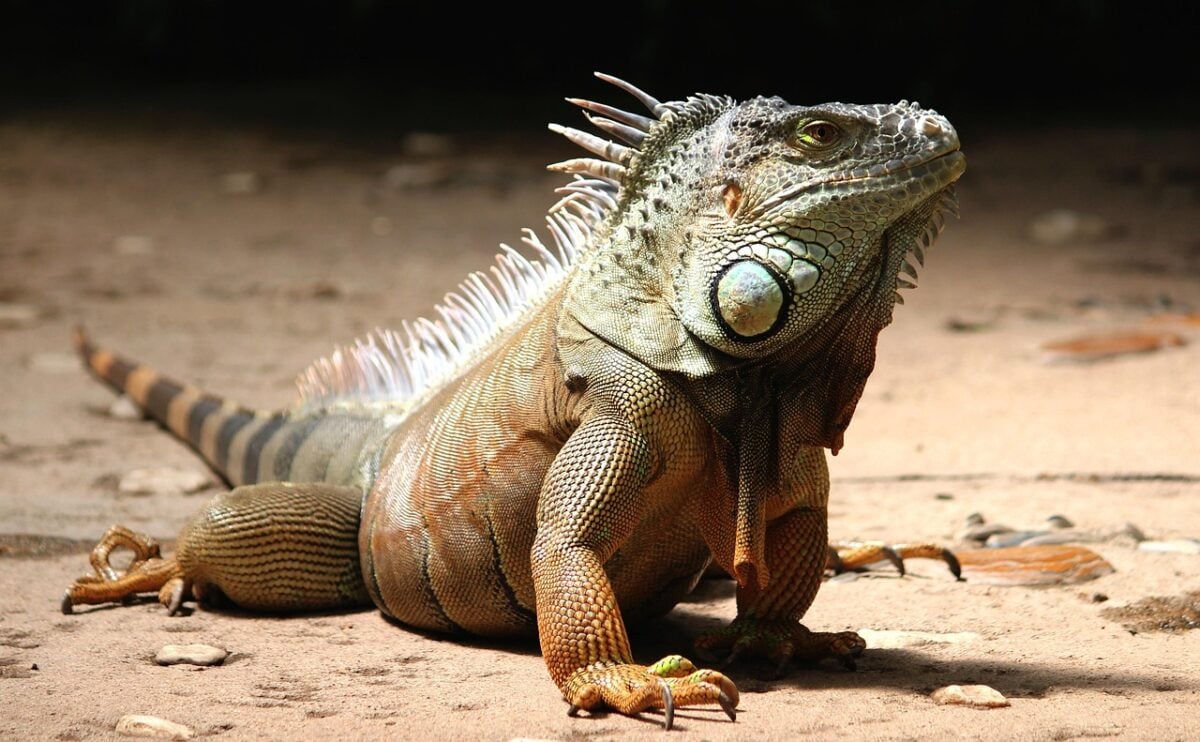
Picture a quiet morning in South Florida after a rare chill settles in overnight. Residents step outside to find large lizards scattered across lawns and sidewalks, some still clinging to branches above. The sight feels almost surreal at first, yet it stems from straightforward biology meeting an environment that was never meant for these animals.
Green iguanas have turned parts of the region into their own backyard, and their numbers make these cold weather events hard to miss. Wildlife biologists track the pattern closely because it reveals how an introduced species adapts, or fails to adapt, when conditions shift even slightly.
How Green Iguanas Became a South Florida Staple
🔥 Would you like to save this?
We'll email this post to you, so you can come back to it later!
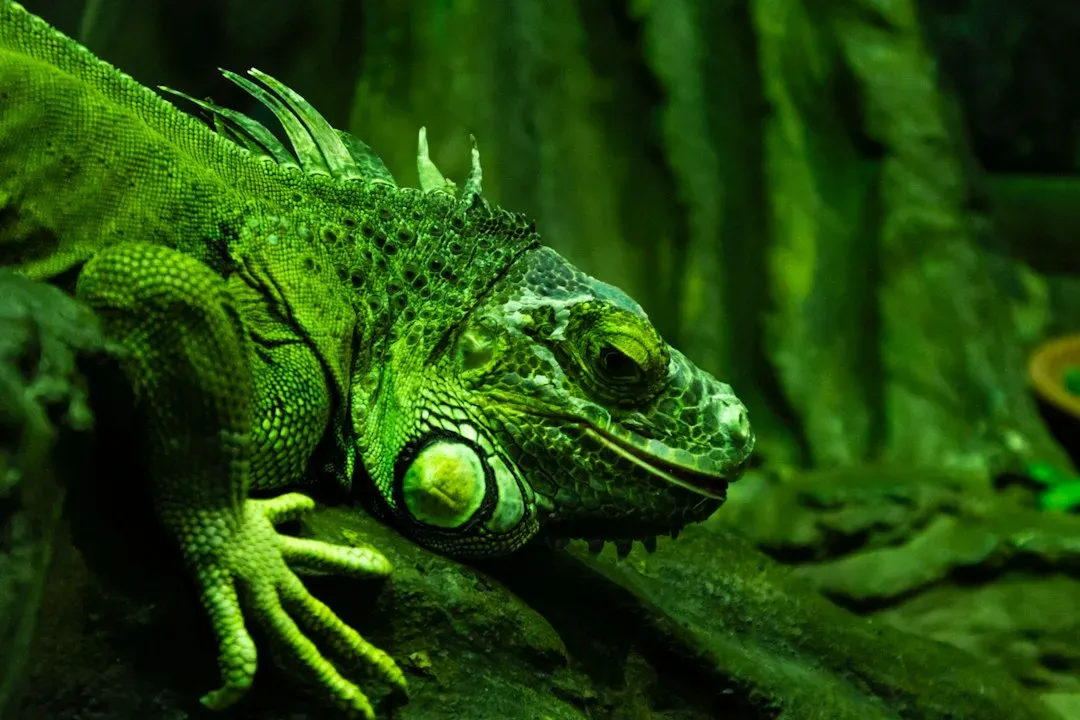
Green iguanas arrived in Florida during the 1960s through the pet trade, with early sightings concentrated around Miami Dade County areas like Hialeah and Coral Gables. Over decades their population expanded dramatically along the Atlantic coast and into parts of the Gulf coast. The absence of natural predators in this new setting allowed numbers to climb steadily, especially after the 1990s.
Today these reptiles thrive in urban and suburban landscapes where canals, trees, and ornamental plants provide ample resources. They favor spots near water that retain warmth longer during brief temperature dips. Their success here stands in contrast to their native tropical range across Central and South America, where consistent heat supports year round activity without such interruptions.
The Science Behind Their Cold Sensitivity
🔥 Would you like to save this?
We'll email this post to you, so you can come back to it later!
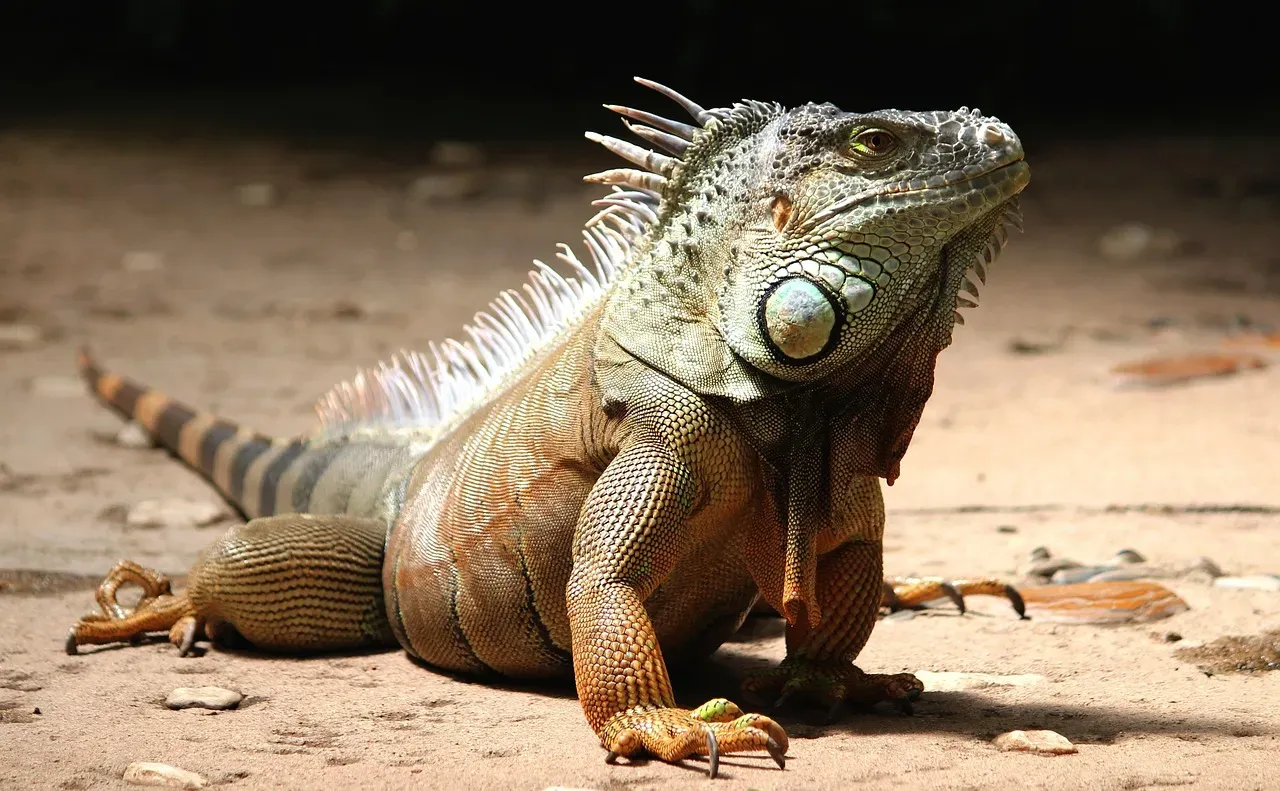
Green iguanas are ectotherms, meaning their body temperature tracks the surrounding air rather than generating internal heat the way mammals do. This trait works well in steady tropical climates but creates vulnerability when temperatures fall. Metabolism slows noticeably once readings dip below 50 degrees Fahrenheit, leaving the animals sluggish and less coordinated.
Further drops into the mid 40s push them into a torpor like state where muscle control fades. Heart rate and breathing continue at reduced levels, yet grip strength on branches disappears. Biologists note that larger adults tolerate these conditions longer than smaller juveniles, though prolonged exposure still proves risky for all sizes.
What Happens During a Cold Snap
When a cold front moves through South Florida, iguanas that roost high in trees overnight lose their hold as torpor sets in. They tumble to the ground, sometimes landing on hard surfaces or even vehicles below. The event draws attention precisely because the lizards are so abundant that dozens or hundreds can appear in a single neighborhood after one night of cooler weather.
Most recover once temperatures climb back above 50 degrees, resuming normal movement within hours. Extended periods in the 40s or lower, however, lead to higher mortality, particularly among smaller individuals. Observers sometimes mistake the stunned reptiles for dead, yet vital functions persist until conditions improve or predators intervene.

Halloween Cat Costume Cloak Witch Hat Pet Accessories
Check Price on AmazonAs an Amazon Associate, we earn from qualifying purchases.
10/9/2026 2:44 pm GMTi

Smart Bird Feeder with Camera Solar Powered, 2K HD Live Video, 10,000+ Bird Species AI Identification
Check Price on AmazonAs an Amazon Associate, we earn from qualifying purchases.
10/7/2026 1:22 pm GMTi

Air Purifiers for Home Pets Large Room Up to 3000 Ft²,HEPA Air Cleaner with Washable Double-Side Filter, PM2.5 Air Quality Monitor,15dB Sleep Mode for Bedroom Odor Dust Pollen,White
Check Price on AmazonAs an Amazon Associate, we earn from qualifying purchases.
10/8/2026 8:23 am GMTi

Orthopedic Extra Large Dog Bed, Waterproof Washable XL Pet Bed 44"
Check Price on AmazonAs an Amazon Associate, we earn from qualifying purchases.
10/7/2026 1:32 pm GMTi

Portable Dog Water Bottle Foldable Dog Travel Water Bottle
Check Price on AmazonAs an Amazon Associate, we earn from qualifying purchases.
10/7/2026 1:29 pm GMTi
Ecological Ripple Effects in the Region
🔥 Would you like to save this?
We'll email this post to you, so you can come back to it later!
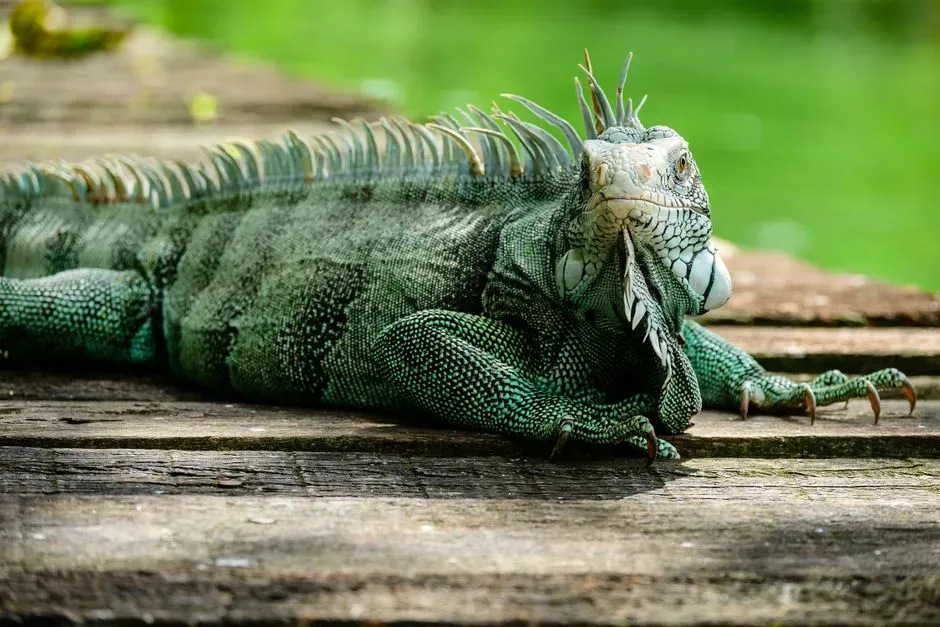
The presence of so many green iguanas alters local plant communities as they consume flowers, leaves, and fruits from both native and ornamental species. Their burrowing habits near waterways can also contribute to erosion along canal banks. These impacts accumulate because the population density remains high in many coastal counties.
At the same time, cold snaps temporarily reduce numbers and create opportunities for native predators such as bobcats or birds of prey. The overall balance stays tilted toward the invasive species, though repeated winter events help limit unchecked growth in marginal areas farther north.
Practical Realities for Residents and Property Owners
🔥 Would you like to save this?
We'll email this post to you, so you can come back to it later!
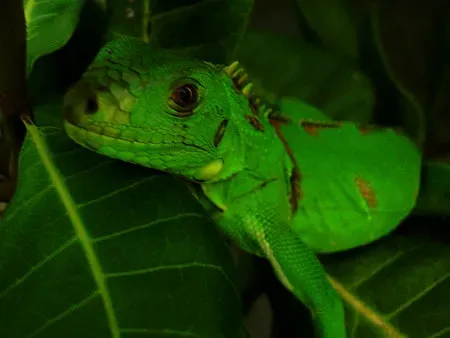
Homeowners in affected zones often encounter iguanas on fences, roofs, and pool decks during warmer months, with cold weather adding the extra surprise of fallen animals. Property managers at golf courses, marinas, and residential communities track forecasts closely to prepare for cleanup or removal needs. Larger specimens can weigh up to 20 pounds, making them substantial when they drop from height.
Florida regulations treat green iguanas as a prohibited invasive species, allowing humane removal on private land without special permits in many cases. Public lands in south Florida also permit capture under specific guidelines. These measures reflect the established status of the population rather than any expectation of eradication.

Hand Blown Glass Hummingbird Feeders for Outdoors Hanging, 24oz Wild Bird Nectar Feeder
Check Price on AmazonAs an Amazon Associate, we earn from qualifying purchases.
10/7/2026 1:23 pm GMTi

Dog Stairs for Bed 18" H, 4-Step Dog Steps for High Bed
Check Price on AmazonAs an Amazon Associate, we earn from qualifying purchases.
10/9/2026 2:42 pm GMTi

Glass Hummingbird Feeder for Outdoors Hanging
Check Price on AmazonAs an Amazon Associate, we earn from qualifying purchases.
10/7/2026 1:21 pm GMTi

PetSafe Oasys Pet Fountain, 1/2 Gallon (64 oz), Small Dogs & Cats
Check Price on AmazonAs an Amazon Associate, we earn from qualifying purchases.
10/8/2026 8:14 am GMTi

2 Pcs Halloween Pet Hat Bandana Set, Witch Pumpkin Costumes for Dogs
Check Price on AmazonAs an Amazon Associate, we earn from qualifying purchases.
10/9/2026 2:45 pm GMTi
Efforts to Manage the Growing Population
🔥 Would you like to save this?
We'll email this post to you, so you can come back to it later!
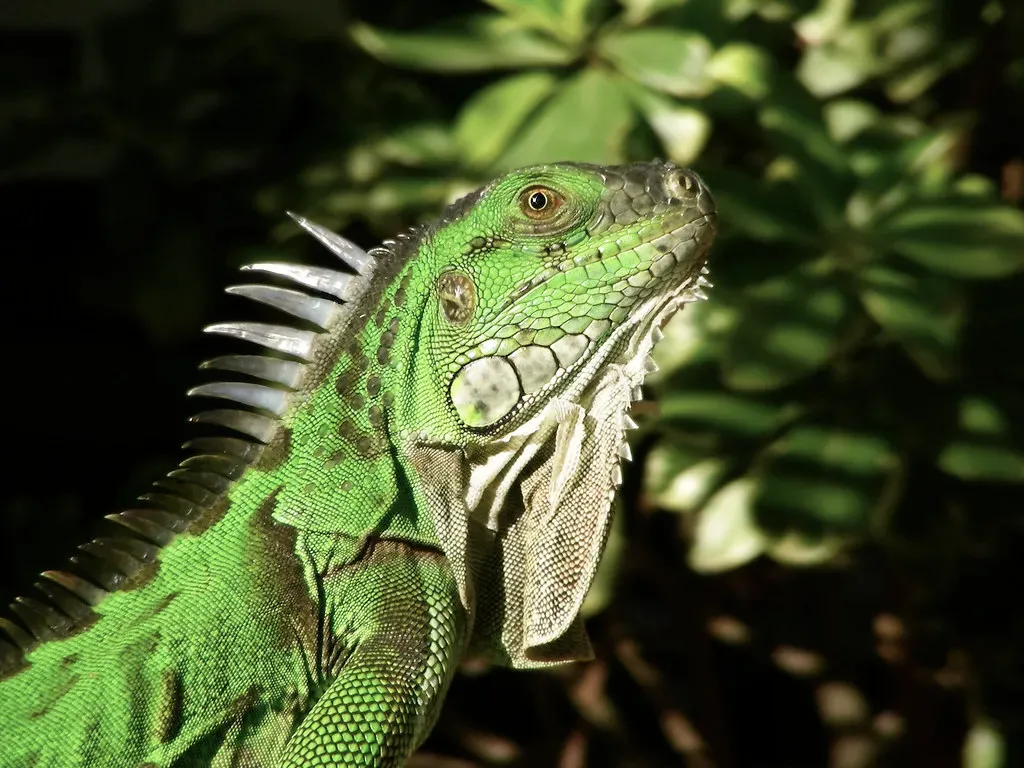
Wildlife agencies monitor distribution and encourage reporting of sightings to map expansion beyond core south Florida counties. Temporary relaxations of rules during cold events sometimes allow broader public participation in removal. Research continues into whether the lizards show any gradual shift in cold tolerance over generations, though current evidence points to limited adaptation so far.
Control focuses on reducing impacts rather than complete elimination, given how widespread the animals have become. Education campaigns help residents understand both the biological triggers for falling iguanas and safe ways to handle encounters. Long term success depends on consistent attention to habitat preferences and seasonal vulnerabilities.

Earth Rated XL Dog & Puppy Pee Pads, Discreet Top, Max Absorbency
Check Price on AmazonAs an Amazon Associate, we earn from qualifying purchases.
10/7/2026 1:28 pm GMTi

Halloween Dog Collar with Bow, Orange Cute Ghost Collar,
Check Price on AmazonAs an Amazon Associate, we earn from qualifying purchases.
10/9/2026 2:43 pm GMTi

Professional 7 in 1 Dog Paw Cleaner for Dogs & Cats - Includes 1 Portable Paw Washer, 1 Bath Brush
Check Price on AmazonAs an Amazon Associate, we earn from qualifying purchases.
10/7/2026 1:26 pm GMTi

Glass Hummingbird Feeder for Outdoors Hanging, 16 oz Leak-Proof Nectar Feeder with Bee Guards & Ant Moat
Check Price on AmazonAs an Amazon Associate, we earn from qualifying purchases.
10/7/2026 1:22 pm GMTi
Reflections on Coexisting with These Reptiles
🔥 Would you like to save this?
We'll email this post to you, so you can come back to it later!
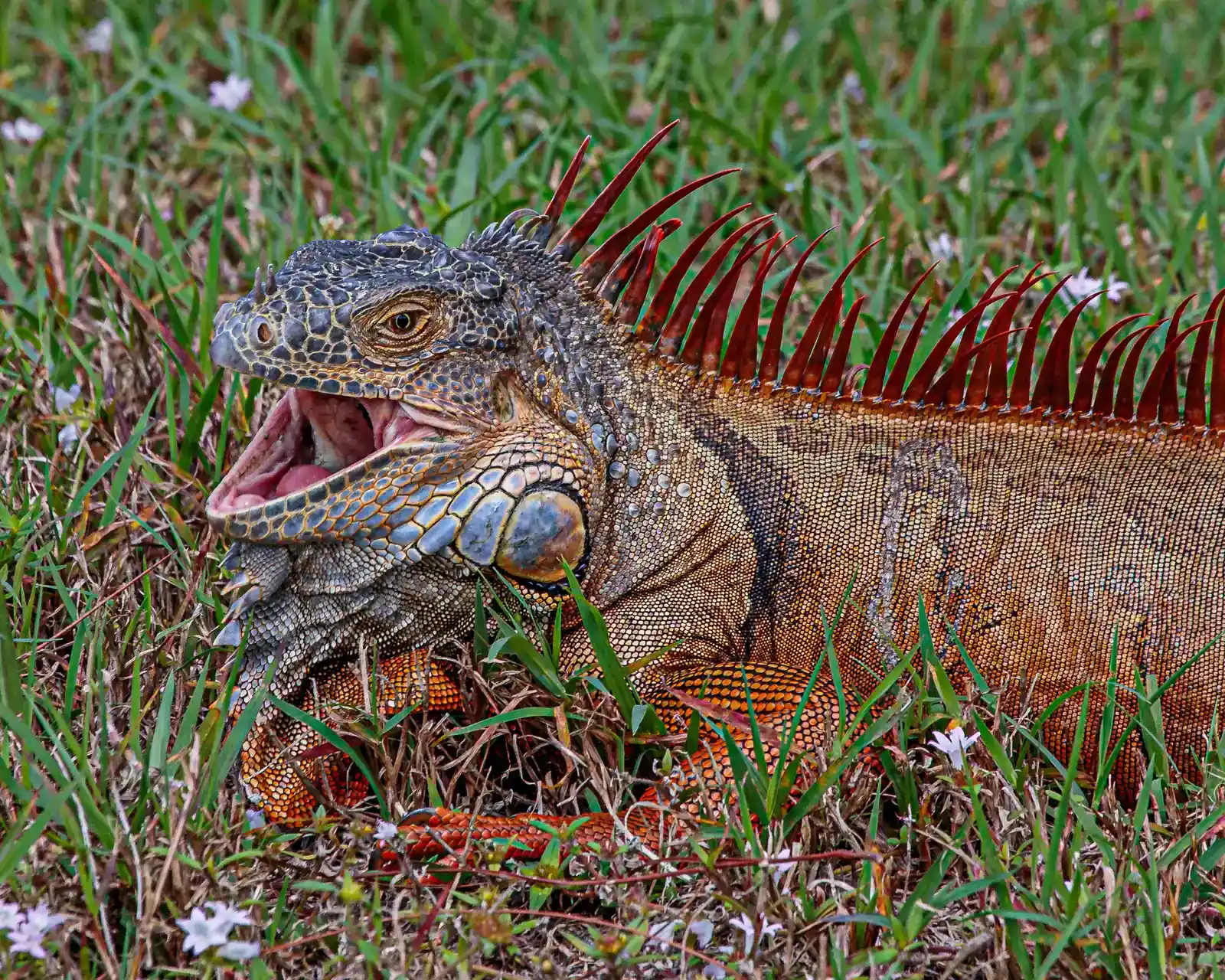
Green iguanas illustrate how quickly an introduced species can reshape daily life in a subtropical setting when conditions align with its needs most of the year. Their visibility during cold snaps serves as a reminder that even thriving populations carry limits imposed by climate. Residents learn to anticipate the pattern without treating each event as extraordinary.
Over time the story becomes one of practical adjustment rather than alarm. People adapt routines around known behaviors, while biologists gather data that informs broader invasive species management. The lizards remain a fixture, their occasional descent from the trees marking the boundary between tropical comfort and occasional northern chill.

- Wildlife Biology Says Green Iguanas Are So Common in South Florida That They Drop From Trees During Cold Snaps - November 8, 2026
- 10 Facts About Feral Hogs That Explain Why They’re One of America’s Most Destructive Invasive Animals - November 8, 2026
- Wildlife Biology Says Burmese Pythons in the Everglades Are Linked to Drops of Over 90% in Raccoons and Opossums - November 8, 2026