

The silence hits differently when a dog is gone. Not an absence of sound, really. More like a hollow space where their presence used to be. That jingle of tags, the thump of a tail against the floor, the soft breathing beside you on the couch. All of it vanishes in an instant.
If you’ve recently lost a dog or are facing that heartbreaking moment, you already know what I’m talking about. It’s a grief that catches people off guard, raw and consuming in ways they didn’t expect. Sometimes folks who haven’t loved a dog don’t quite get it. They might say something well meaning but empty. You’re not overreacting, though. When a beloved pet dies, the loss can bring grief and intense sorrow.
What many people discover, often years later, is that this painful goodbye carries something unexpected within it. A gift. Not the kind you want, mind you. Never that. Yet in learning to navigate this loss, we find pathways to healing, connection, and a deeper understanding of what it means to truly love.
When the End Becomes Visible
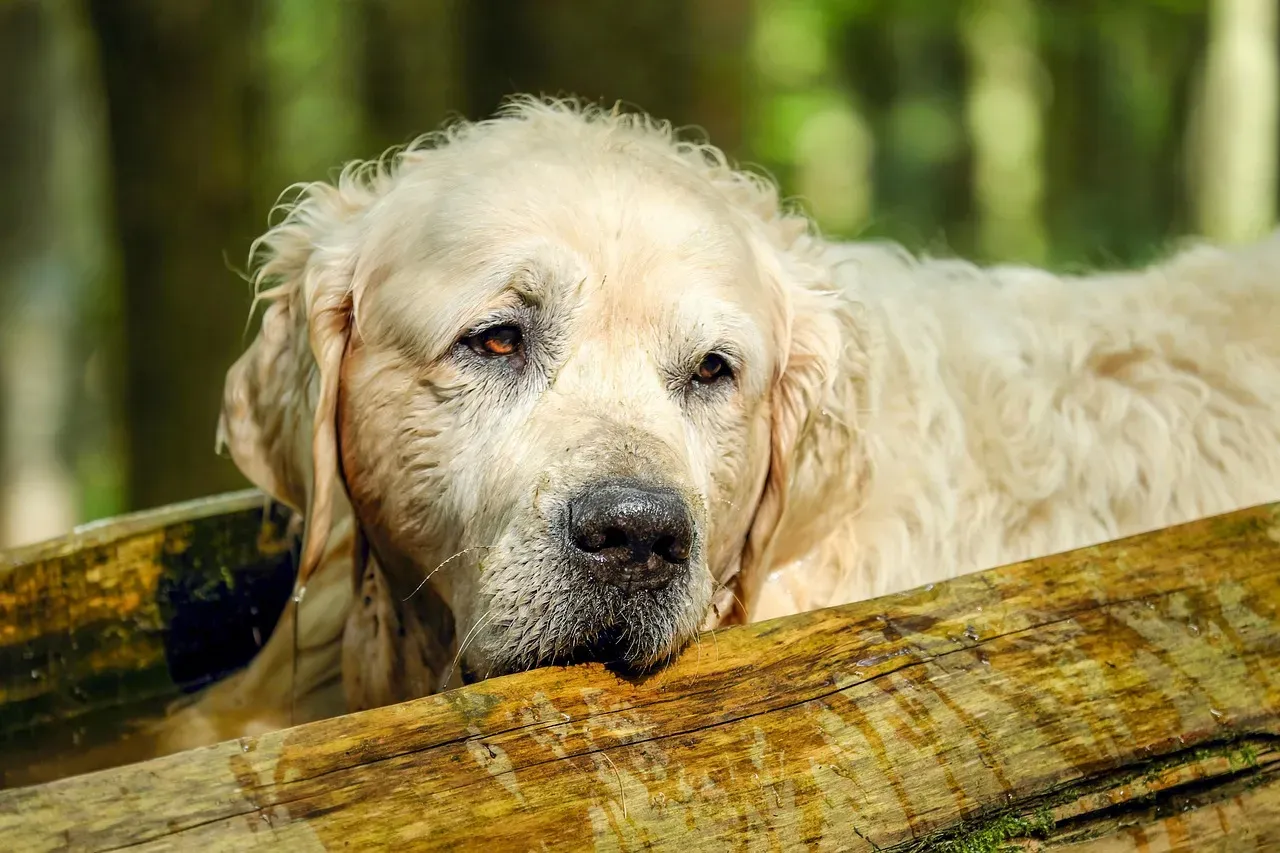
Honestly, recognizing when your dog is approaching their final chapter is one of the hardest things you’ll ever do. The signs creep in gradually, sometimes so slowly you don’t notice until one day you realize your once bouncing companion now struggles to stand.
You may notice signs like weight loss, dehydration, duller eyes, less grooming and gastrointestinal signs, as well as breathing problems, changes in behavior like confusion, clinginess or self-isolation, and depression or anxiety. Watch for decreased appetite where they turn away from their favorite treats. As a dog nears their end of life, they will usually sleep more and become disinterested in going for walks or other usual activities.
Decreased mobility is a common symptom of aging, with changes often starting subtly, with the dog trotting after a ball instead of running, gradually progressing to not being able to jump on furniture or into the car, struggling with stairs, and having trouble getting up after a nap. Some dogs seek solitude, hiding in quiet corners. Others become unusually clingy, shadowing your every step as if they know time is short. Both reactions are normal.
The Weight of That Impossible Decision
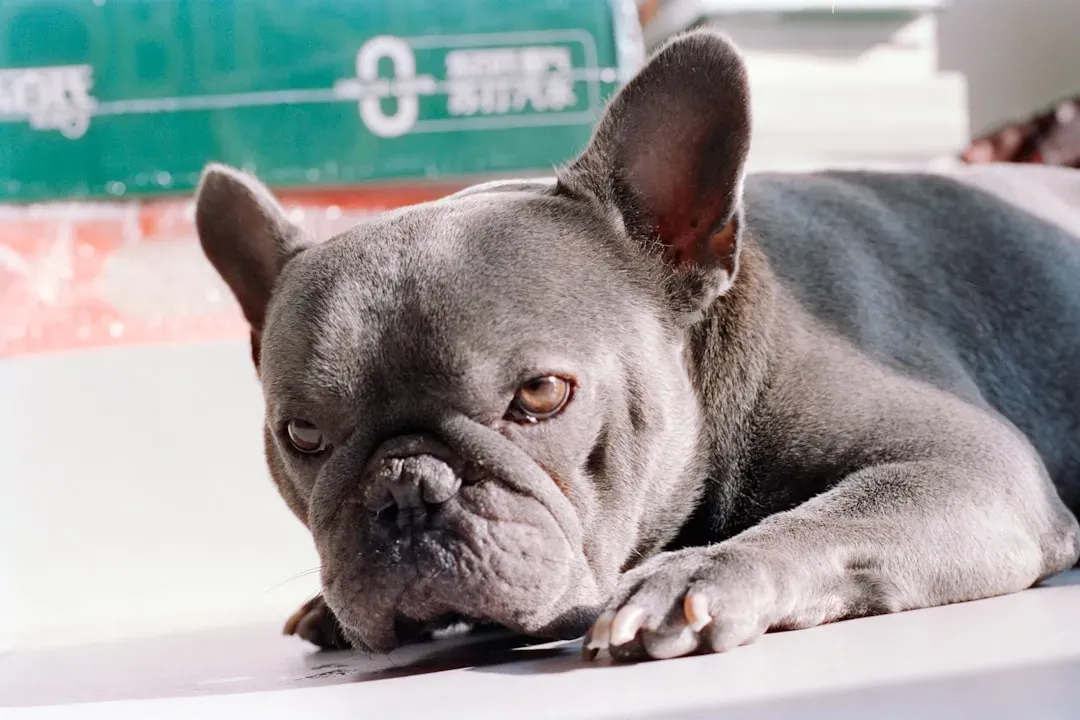
Let’s be real. Making the decision about euthanasia feels impossible because it is impossible. You’re being asked to choose the moment your best friend’s life ends. Euthanasia is often the right decision for your pet so they’re no longer hurting, but knowing a health decision you made led to their death can add extra layers of guilt and exacerbate your pain and grief.
Quality of life questions can help determine timing: Is your dog still eating and drinking, are they still able to enjoy activities and social interactions, is your dog comfortable at home and able to rest without experiencing pain, and ultimately are they having more good days than bad? Many veterinarians recommend quality of life scales. Alice Villalobos, a veterinarian who started a quality of life program for terminal pets called Pawspice, has published a scoring system for life quality called the HHHHHMM scale.
Marking good and bad days on a calendar can help, and if the bad days start to outweigh the good, it may be time to discuss euthanasia. I know this sounds clinical when your heart is breaking. Yet sometimes having concrete measures helps cut through the fog of emotion. Your veterinarian can guide you, though the final decision remains yours alone to carry.
Grief That Refuses to Follow Rules
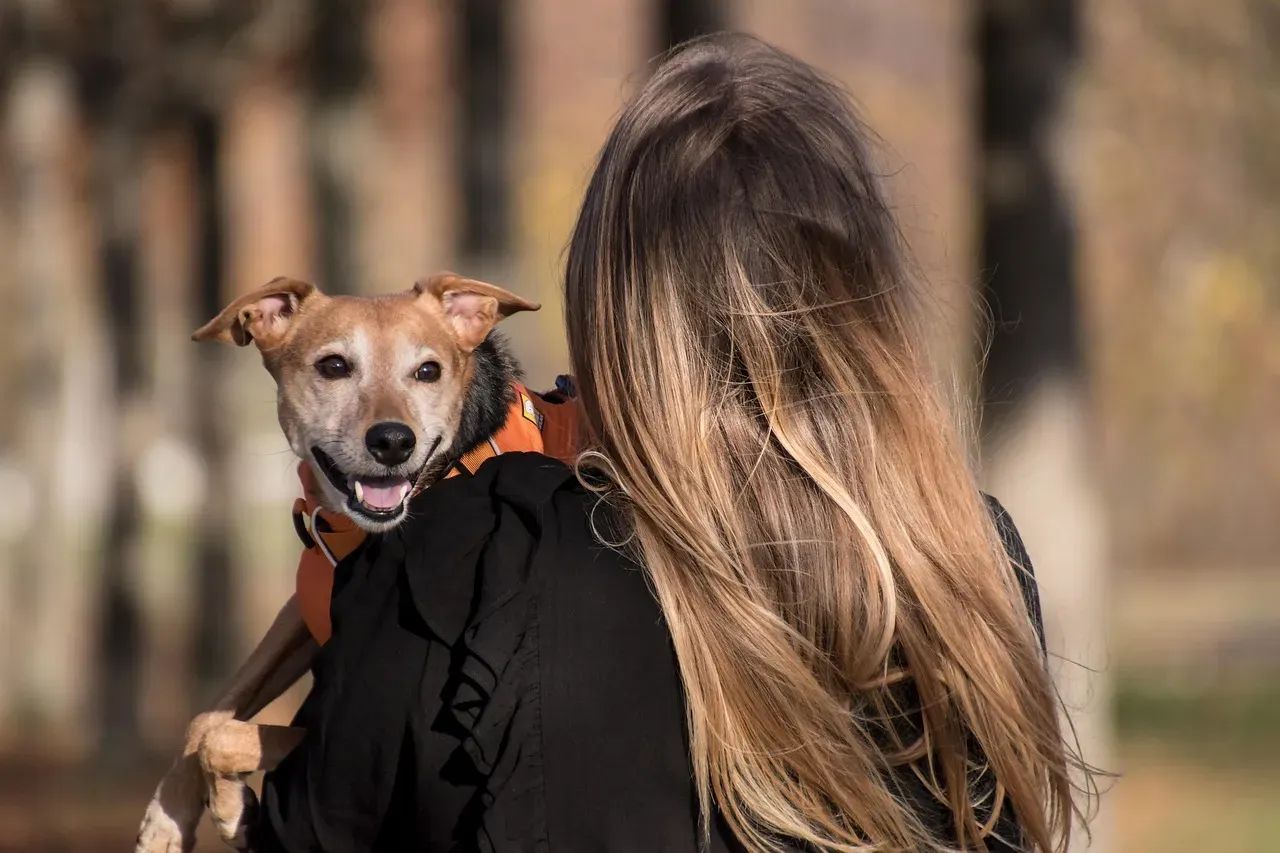
Here’s the thing about grief after losing a dog. It doesn’t follow a tidy path. The grief process is not linear, you may meander in and out of the stages of grief going back and forth rather than experiencing each stage in sequential order, and it’s not uncommon to start to feel better and then feel like a wave of grief has washed over you again.
Research revealed that over half of dog owners felt the grief they experienced after losing their dog was similar or worse to the loss of a family member, with a further 38% stating they were surprised by how deeply they were affected. You might feel anger at the veterinarian, guilt about decisions made, or even relief that your dog’s suffering has ended followed immediately by shame for feeling relieved.
Experiencing your emotions following the death of a pet is difficult but important, and a healthier grief journey may come from taking your time to work through your feelings rather than trying to push them away or ignoring them. Some days you’ll be fine. Other days a random memory will knock you flat. That’s how it works. Waves of grief are normal, and with pet loss grief these ups and downs are more common than moving through predictable stages.
Helping Your Children Navigate the Loss
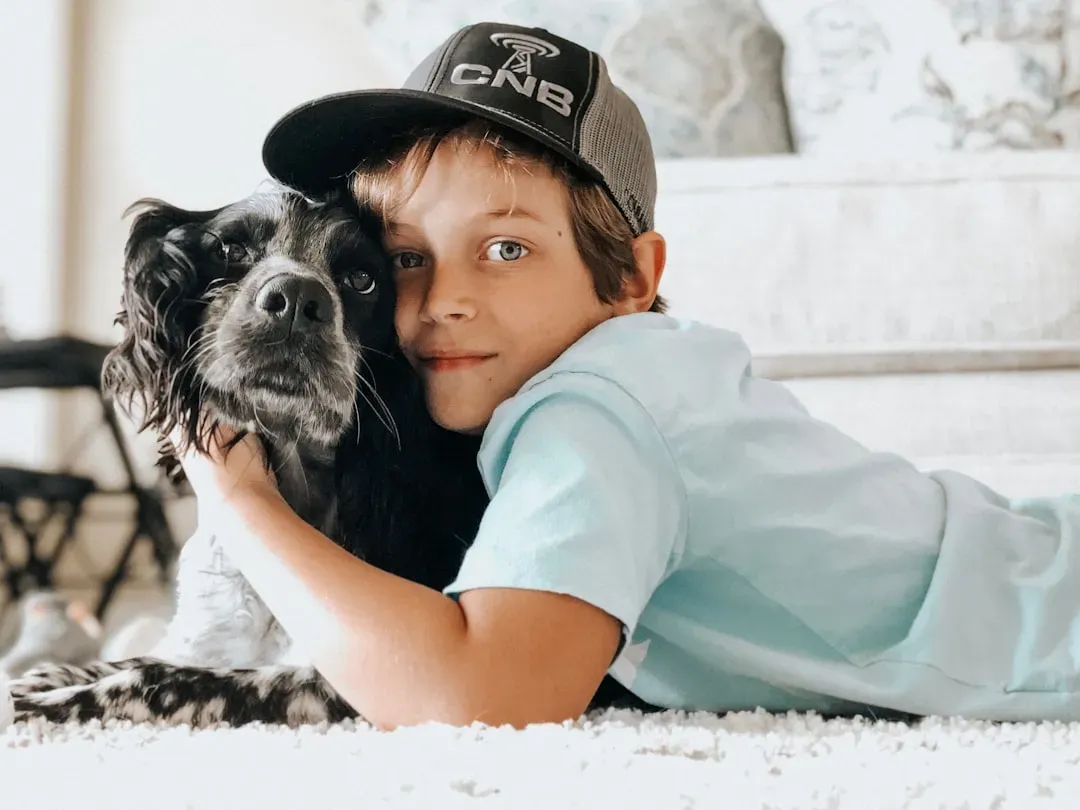
The loss of a pet may be a child’s first experience with death. How you handle this moment shapes how they’ll process loss throughout their lives. Resist the urge to shield them entirely from the pain.
In the desire to protect children from the reality of death it may be tempting to make up stories, but stories such as the dog “ran away” or “went to live on a farm” may leave your child feeling abandoned or believing that their pet will return some day. Use clear, honest language appropriate for their age. Explain what death means without euphemisms that confuse.
Crafting scrapbooks or memory boxes, or creating a collage of mementos can help children understand and articulate important feelings, and young children can be encouraged to manage their grief through drawings, play or other activities. Children should have the opportunity to say goodbye, older children may choose to be with their dog when euthanasia is performed while younger children may choose to say goodbye while their dog is still alive, and the opportunity to say goodbye helps children move through their grief. Let them decide their level of involvement without pressure.
Creating Tributes That Truly Matter
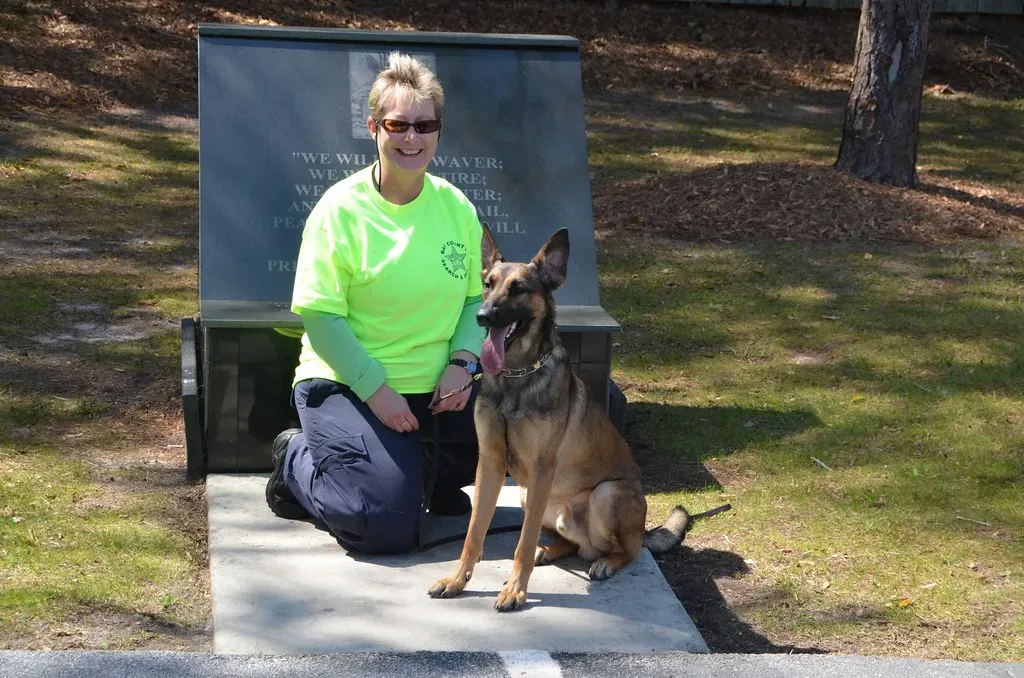
Your memories allow your pets to live on in you, and embracing these memories, both happy and sad, can be a very slow and at times painful process that occurs in small steps. Memorial rituals give grief somewhere to land, transforming abstract loss into something tangible you can hold.
Consider hosting a memorial service for your pet, a time for you and those closest to you to share memories and say a final farewell, and if you have your pet’s remains you might bury them or spread their ashes during this time as well. Some people create memory boxes with collars, favorite toys, and photos. Dog noseprint or paw print kits made of pet safe clay dry after their nose or footprint is pressed into them, and clay nose or footprint ornaments are also available.
Pay tribute to your passed dog by planting a tree, bush or flowers in their memory, and every time you water it catch a whiff of its fragrance or sit in its shade you’ll be reminded of your furry pal. Some people name the anniversary day in their pet’s honor, take the day off work, go to the local vet clinic and pay for someone’s bill and donate supplies, and look for opportunities to do good. Whatever you choose should feel authentic to your relationship with your dog.
The Question Nobody Wants to Answer
Should you get another dog? When? The pressure to fill that empty space comes from everywhere, often before you’re remotely ready. Here’s what I think. There’s no universal timeline.
Although there is no “right” time to adopt it is vital that children do not get the message that their dog is easily replaced, and every dog is a special friend and should be honored as such. The same applies to adults. Each dog occupies their own unique place in your heart. A new dog doesn’t replace the one you lost. They create an entirely different relationship.
You may not get another pet right away, and even when you do welcome another pet into your family things will still take an adjustment period. Some people need weeks. Others need years. Both approaches are valid. Pay attention to what feels right rather than what others suggest you should do. When you’re ready, you’ll know. And when that new dog arrives, they’ll teach you things your previous dog never could. That’s their own gift.
What Remains When Everything Changes
The silence in your home after the death of a pet may seem excruciatingly loud, and when your pet is no longer there the lack of their presence, the silence, can become piercing. Yet within that silence, something else emerges over time. Not replacement. Not forgetting. Something different.
Healthy grieving does not mean that you forget or “get over” your friend, it simply allows you to accept that they’re gone and eventually smile at their memory. Missing your pet is a reminder of how much they meant to you, and the grief is so painful because it’s the unexpressed love you still have and will always feel for them.
The gift your dog leaves isn’t just memories of walks and belly rubs and silly moments. It’s the capacity they opened within you to love fully, knowing loss would come. It’s the lesson that connection matters more than protection from pain. It’s learning that grief and love are inseparable, two sides of the same profound experience.
Your dog’s final gift is this understanding. That a life shared, no matter how brief, changes you in ways that last forever. The pawprints they leave on your heart don’t fade. They become part of who you are. Have you found your own way to honor what they meant to you? There’s no wrong answer, only what feels true to the bond you shared.

- What It Means When Your Cat Stares at the Same Empty Corner at the Same Time Every Night – and the Three Explanations Competing for It - July 19, 2026
- What It Means When a Snake Crosses Your Path From Left to Right According to Every Southern Appalachian Tradition That Recorded It - July 19, 2026
- What It Means When Deer Stop Coming to an Area They Have Visited for Years – and What Wildlife Biologists Say They Are Detecting - July 19, 2026