

Nature is full of wonders, true. There’s beauty everywhere you look, from delicate butterflies to majestic lions. Yet, lurking beneath that beauty lies something far more unsettling. Hidden in the deepest oceans, crawling through remote forests, and even living in your backyard are creatures with behaviors so disturbing they rival any horror film.
We’re not talking about myths or legends here. These are real, documented facts about animals that actually exist on our planet right now. The kind of facts that make you pause and think twice about what’s really out there. Some hunt in ways that seem psychologically calculated. Others possess defenses so grotesque they defy belief. Let’s dive into the dark side of the animal kingdom.
Starfish Vomit Their Stomachs to Digest Prey Alive
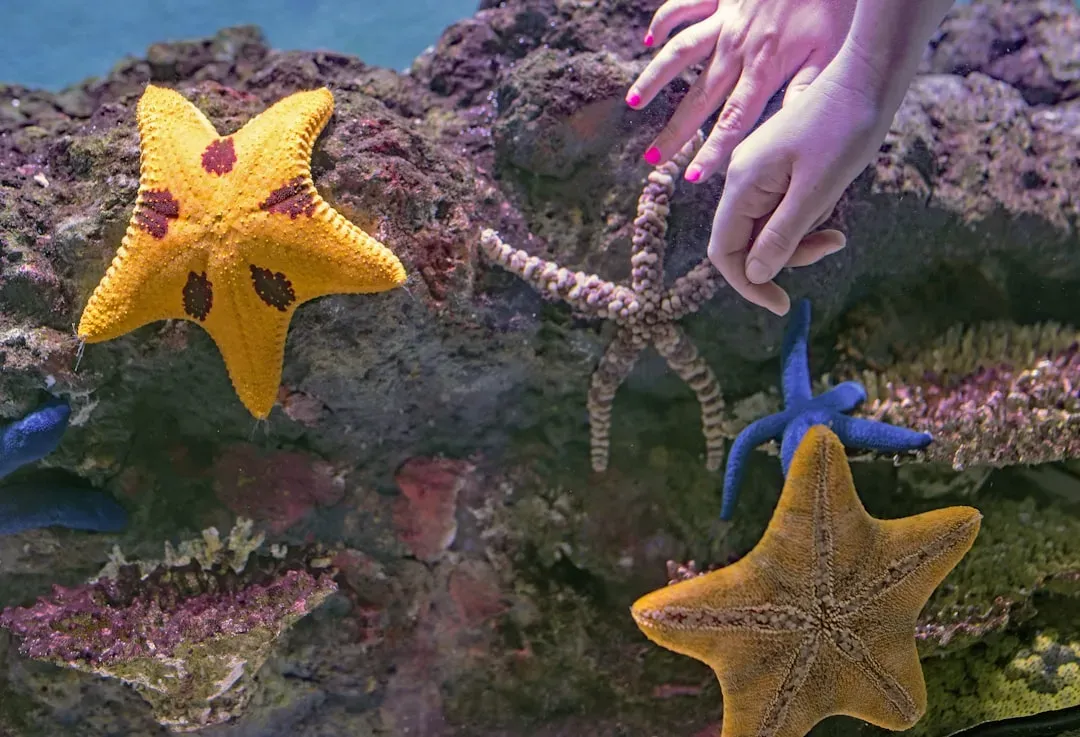
To consume a mussel or clam, starfish pry open the shell, eject their stomach from their mouth into the shell, digest the animal, then slide their stomach back into their own body. Picture that for a moment. You’re a clam, safely tucked inside your protective shell, when suddenly an alien organ invades your home and begins dissolving you from the inside out.
This isn’t some quick death either. The starfish takes its time, liquefying its victim slowly before finally retracting its stomach. It’s like something out of a body horror film, except it happens every single day in our oceans. The casual efficiency of it is what makes it truly chilling.
Rattlesnakes Can Bite You After Death
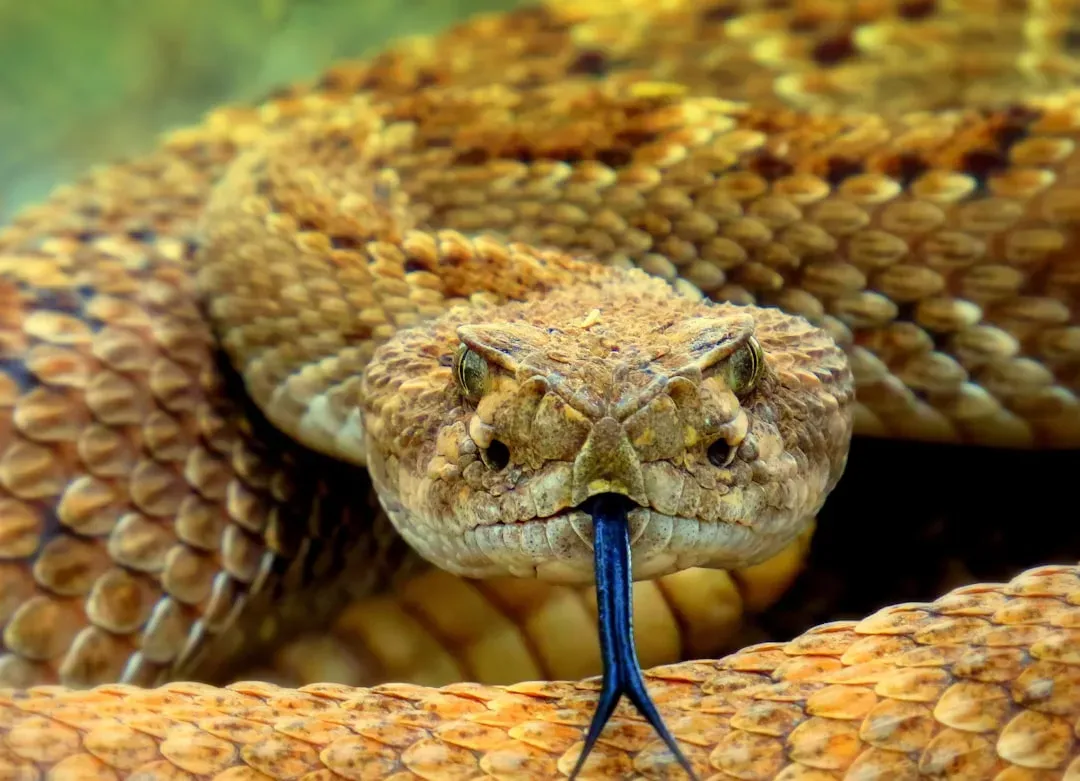
Here’s the thing: decapitation doesn’t always mean game over in the animal kingdom. Rattlesnakes can survive for at least an hour after being decapitated and can strike and inject venom into unsuspecting victims. Even separated body parts continue functioning, writhing around like something possessed.
Other chunks of the snake, including the signature rattle, can slither and shake hours after being dismembered. Imagine thinking you’re safe because the snake is dead, only to have its severed head lunge at you with full venom capacity. That’s not just creepy – that’s nightmare fuel that defies our understanding of life and death.
Parasitic Wasps Turn Spiders Into Living Incubators
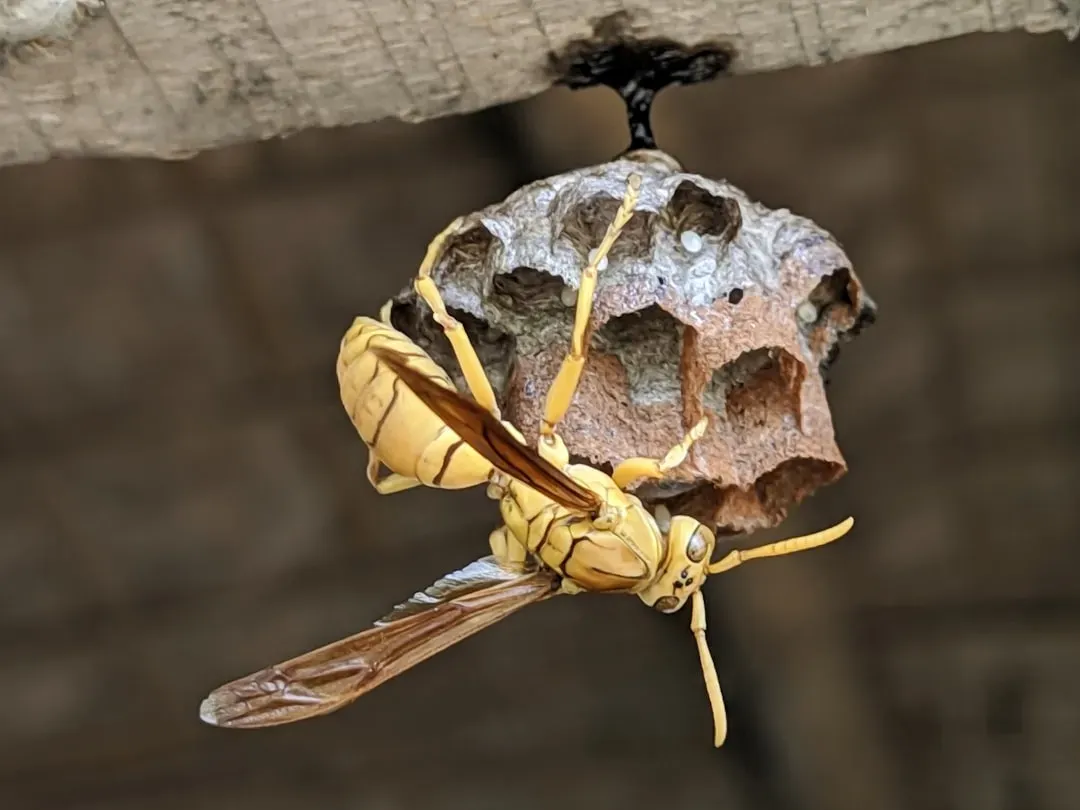
Tarantula hawks lay their eggs on incapacitated hosts – in this case, spiders, which are still alive when the larva hatches and starts feeding on them from the inside out. The wasp doesn’t kill the spider. That would be too merciful. Instead, it paralyzes it, leaving it fully aware as an egg is planted on its body.
When the larva hatches, it begins consuming the spider bit by bit, saving the vital organs for last to keep its host alive as long as possible. The spider essentially becomes a fresh food storage unit. It’s one of nature’s most calculated acts of cruelty, and it happens thousands of times every day.
Komodo Dragons Track Bleeding Prey for Days
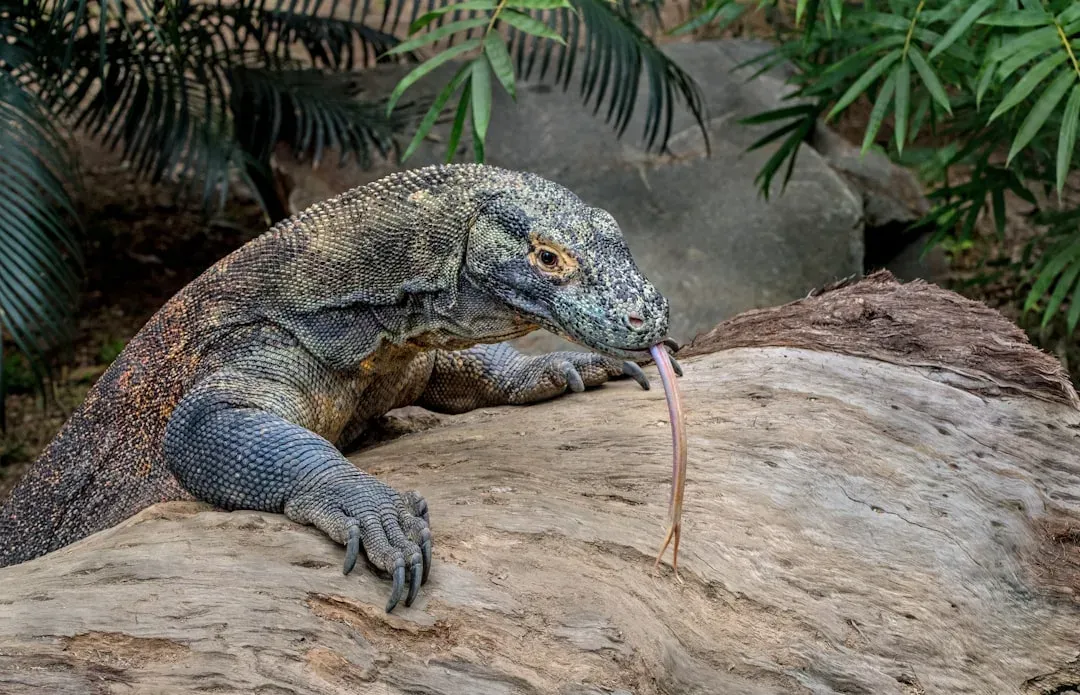
The bite of a Komodo dragon contains a hemotoxic venom that prevents blood from clotting, keeping even minor wounds bleeding for as long as possible. If their prey escapes an initial attack, this lizard will use its sense of smell to track the wounded animal for days until it collapses. Think about that from the prey’s perspective.
You manage to escape the initial attack, adrenaline pumping, thinking you’ve survived. Then you realize you’re still bleeding. Worse, somewhere behind you, a massive predator is patiently following your scent trail, waiting for you to weaken. It’s psychological torture combined with biological warfare. The dragon doesn’t need to rush – it knows you’re already dead, you just don’t know it yet.
Deer Sometimes Eat Meat, Including Human Remains
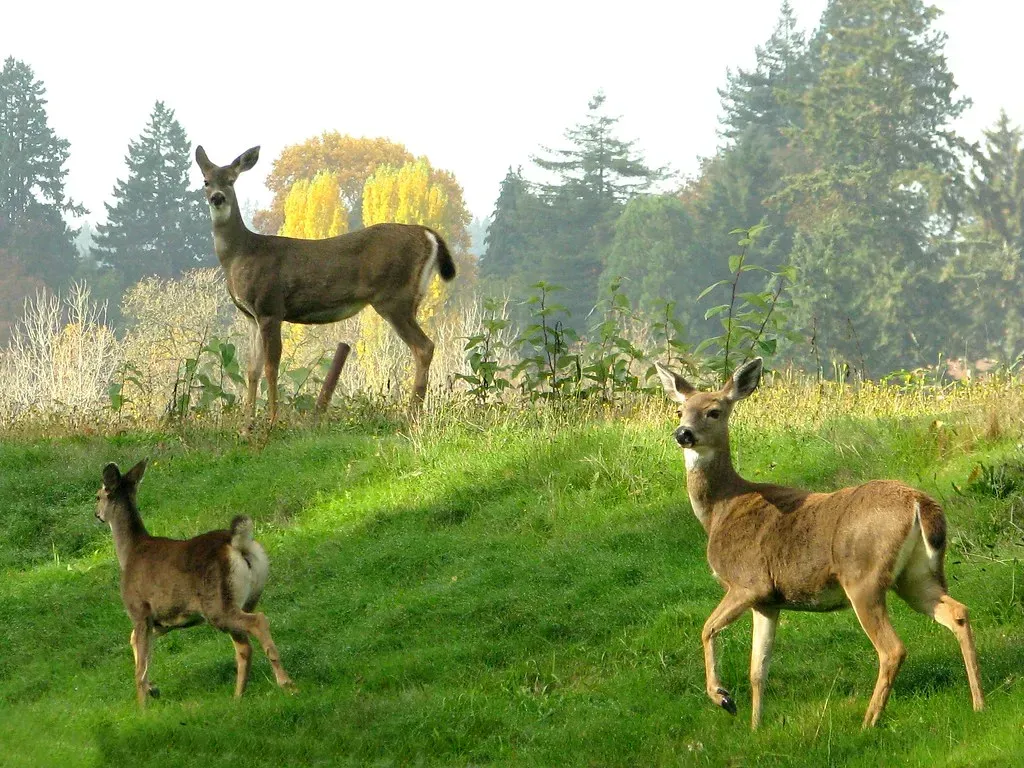
Everyone pictures deer as gentle herbivores nibbling on grass and leaves. A whole range of herbivores have been spotted turning to carnivory from time to time. Due to how common they are, this most often happens with deer. Usually, they feast on small woodland critters, but it was human flesh in at least one instance.
At a body farm in Texas, a deer was caught on film “gnawing on a (human) rib bone.” The image of Bambi crunching bones with a blood-soaked muzzle shatters every childhood notion we have about these animals. It’s hard to say for sure, but there’s something deeply unsettling about creatures we consider harmless suddenly revealing a darker appetite.
Oxpeckers Drink Blood From Open Wounds
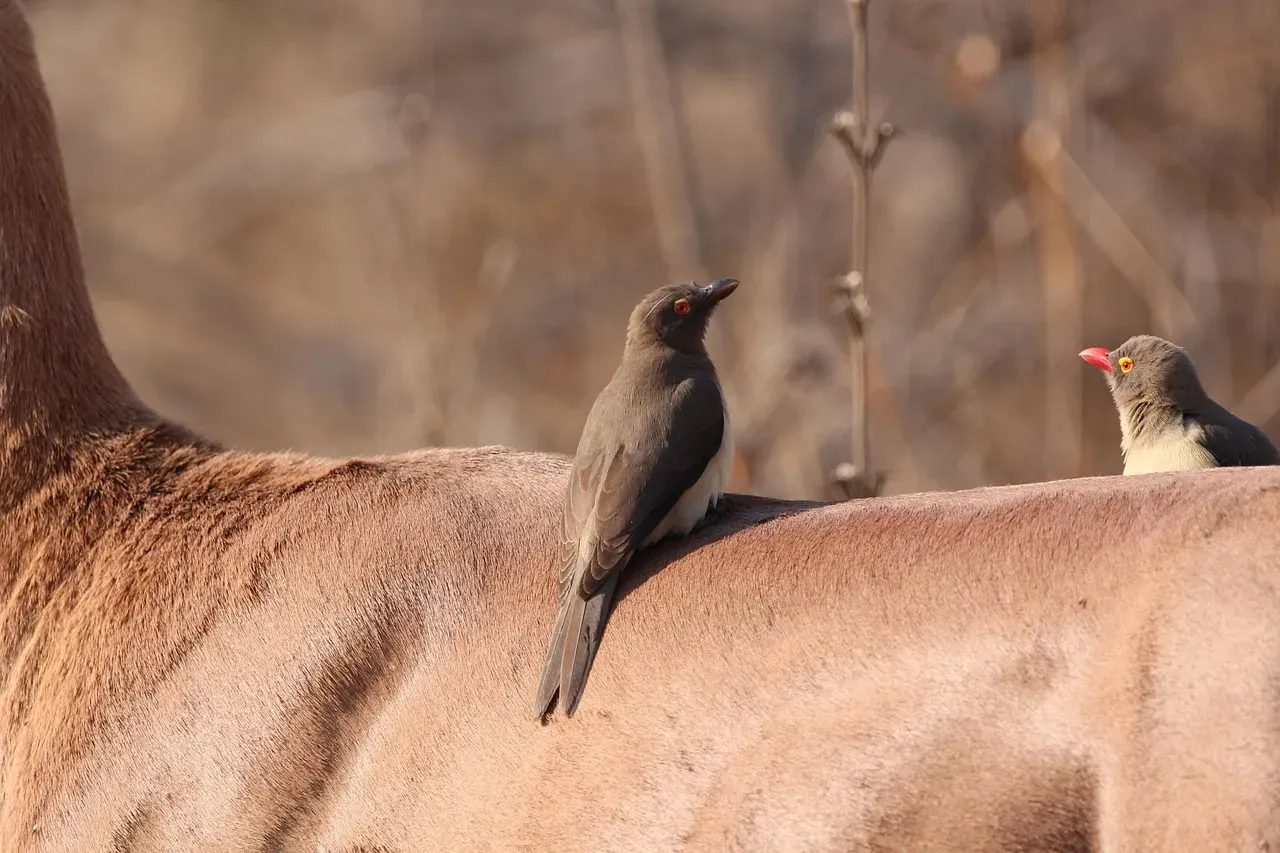
They look adorable riding on the backs of zebras and giraffes, right? These helpful little birds eating parasites seem like nature’s cleaning crew. These birds have a sinister side: they also feed on the blood of their host. Instead, they sip blood from festering lesions. Animals hosting oxpeckers tend to have more sores, and their wounds take longer to heal.
So not only do they drink blood like tiny vampires, they actively benefit from their hosts staying injured. They’re essentially farming wounds on living animals. The relationship isn’t symbiotic – it’s parasitic with a friendly disguise. Talk about a wolf in sheep’s clothing, or rather, a vampire in cute feathers.
Slow Lorises Have Venom That Rots Flesh
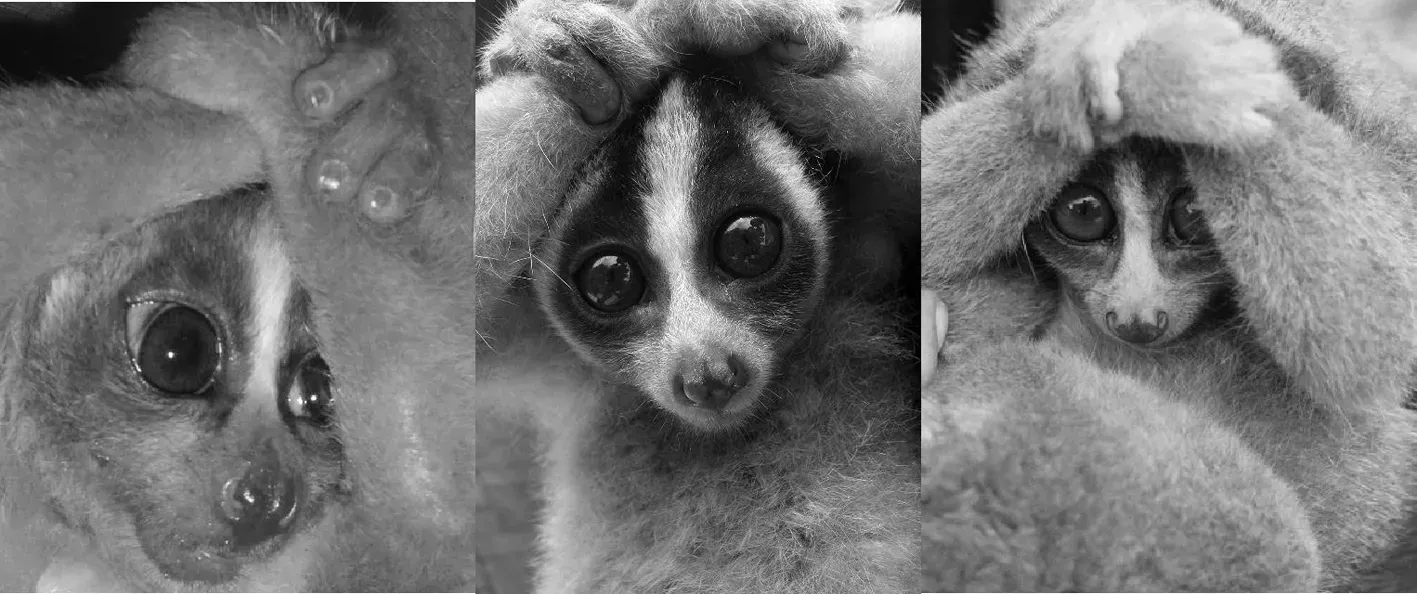
Those big eyes and slow movements make them internet darlings, but there’s a reason wild animals fear them. The creatures have glands under their armpits that ooze a noxious oil, which they then lick and combine with their saliva to become a venom. When they bite – a bite which can pierce through bone – the venom can rot flesh away.
Let that sink in. This adorable-looking primate creates venom by mixing armpit secretions with spit, then delivers it through a bite powerful enough to crack bone. The result? Flesh literally rotting away from the bite site. It’s like nature took the cutest possible animal and gave it a supervillain origin story.
Sea Cucumbers Shoot Their Internal Organs at Predators
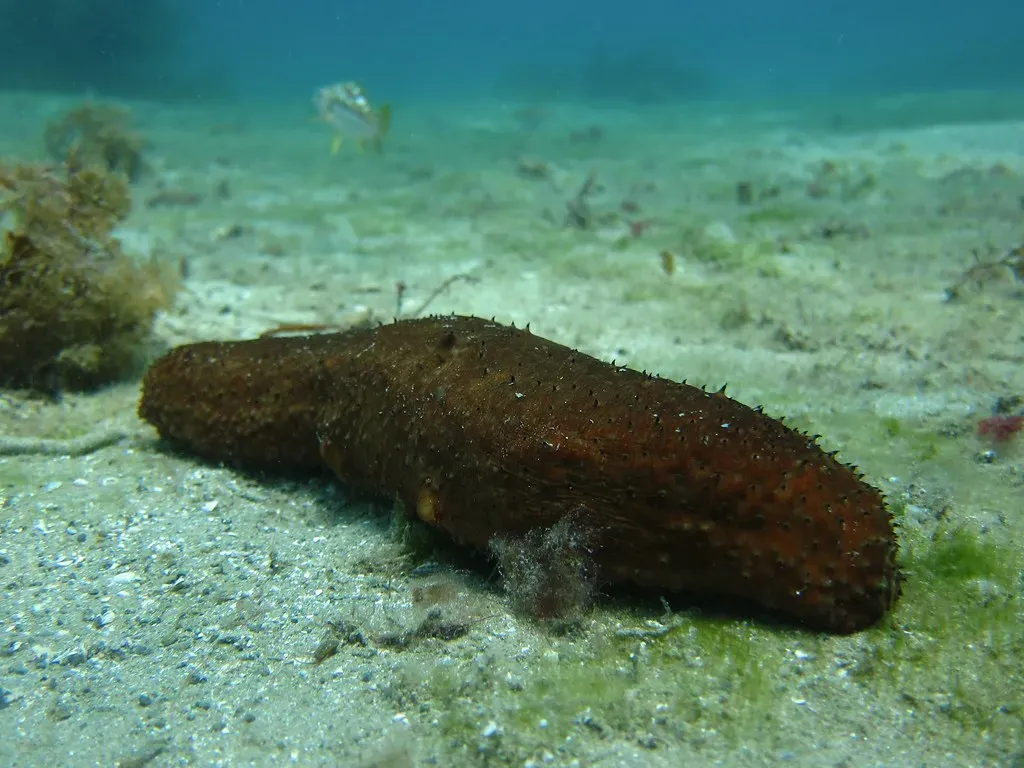
When threatened, some sea cucumbers will contract their body walls and forcibly shoot their internal organs out of their body. We’re talking intestines, reproductive organs, parts of their respiratory system – everything just explodes outward in a defensive blast of guts.
The truly bizarre part? They survive this. They just regrow everything over time and go about their business. Imagine being so stressed that your response is to literally hurl your organs at whatever’s bothering you. It’s equal parts horrifying and metal, and honestly, I think it makes them one of the ocean’s most hardcore survivors.
Kukri Snakes Eat Toads Alive From the Inside
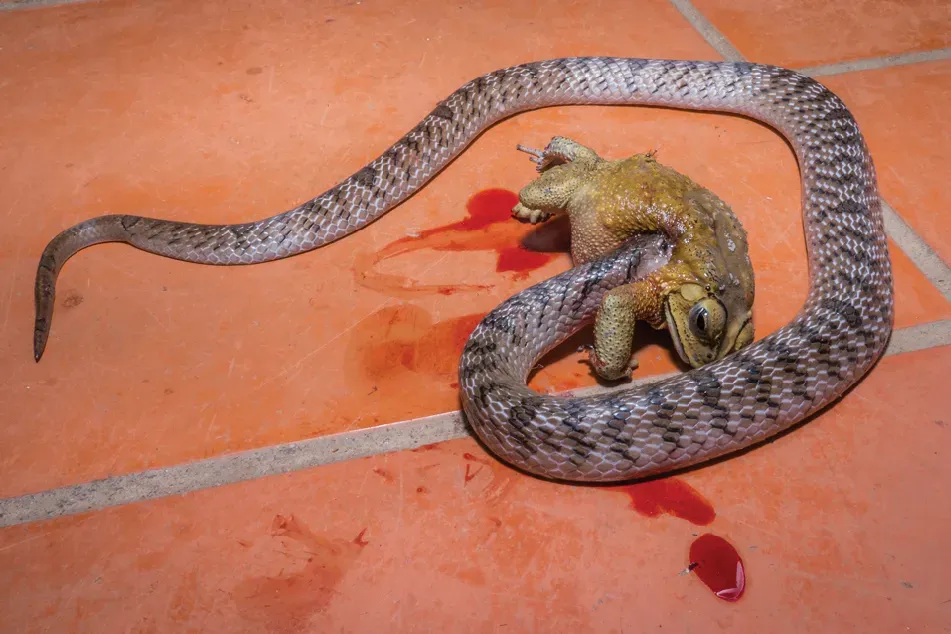
When kukri snakes attack a toad, they will often devour the amphibian alive. First, the serpent inserts its curved fangs into its prey’s soft belly, whipping its head from side to side to widen the incision. Then, the kukri plunges its head into the cavity, ripping out – in no particular order – the toad’s lung, heart, liver and stomach. The process can occasionally last hours.
Hours. The snake is literally eating you from the inside while you’re still conscious. No other snake in the world hunts this way, making it uniquely horrific. The toad can do nothing but experience every moment as its internal organs are systematically removed and consumed. Nature really doesn’t mess around.
Assassin Bugs Wear the Corpses of Their Victims
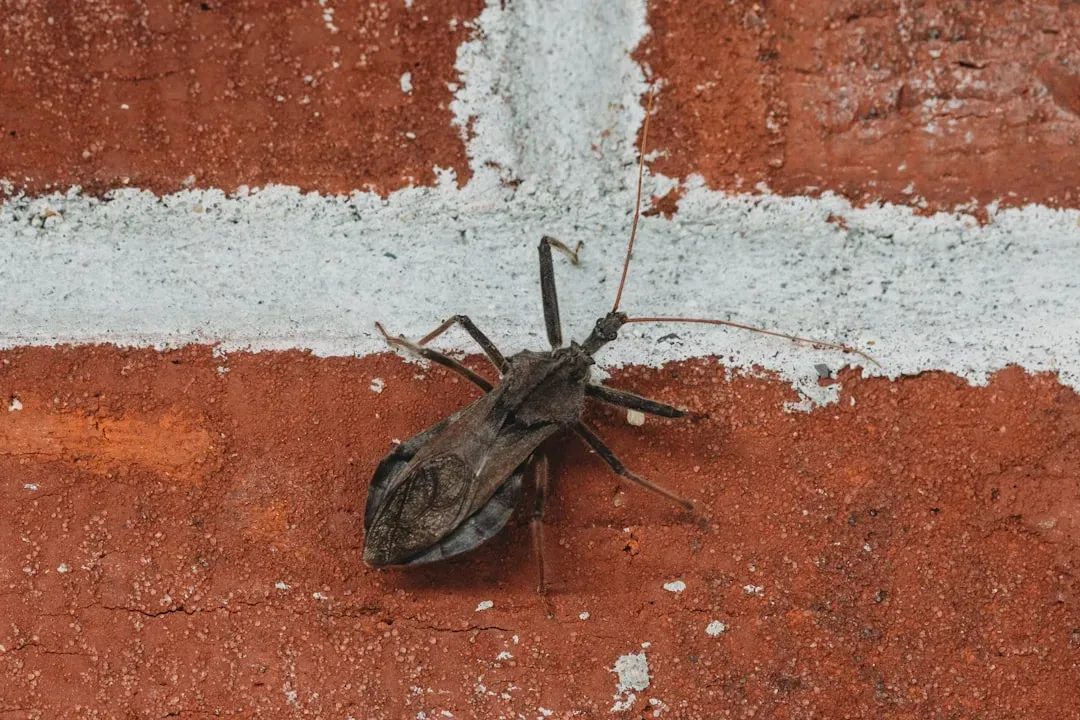
These bugs mainly hunt ants, and once they’ve killed them and got all of the good stuff out, they wear the empty ant corpses on their backs! It’s thought that they do this to blend in with other ants, avoiding detection. It’s a pretty clever trick, but also a horrifying one.
Picture a tiny insect wandering around covered in the hollowed-out bodies of its previous kills, using them as both armor and camouflage. It’s psychological warfare on an arthropod level. The other ants don’t realize they’re looking at a walking graveyard of their friends until it’s too late. If that’s not straight out of a horror story, I don’t know what is.
Conclusion: Nature’s Dark Imagination
The natural world doesn’t play by our rules of fair combat or mercy. These facts reveal a side of nature that’s raw, brutal, and sometimes downright horrifying. From stomach-ejecting starfish to corpse-wearing bugs, evolution has crafted survival strategies that would make horror writers jealous.
Yet these behaviors aren’t evil – they’re just effective. Every grotesque adaptation serves a purpose, honed over millions of years. These creatures remind us that nature operates on a different moral plane, one where survival trumps everything else. What do you think about these terrifying facts? Did any of them surprise you, or do you know even darker animal behaviors? Let us know in the comments.

- 19 Small American Towns So Beautiful That Visitors Regularly Change Their Plans to Stay Longer - August 14, 2026
- 19 Regrets Horse Owners Describe Most Often That First-Time Buyers Are Never Warned About - August 14, 2026
- What a Hummingbird Decides About Your Garden Before Returning 16 Signals Most People Miss - August 14, 2026