
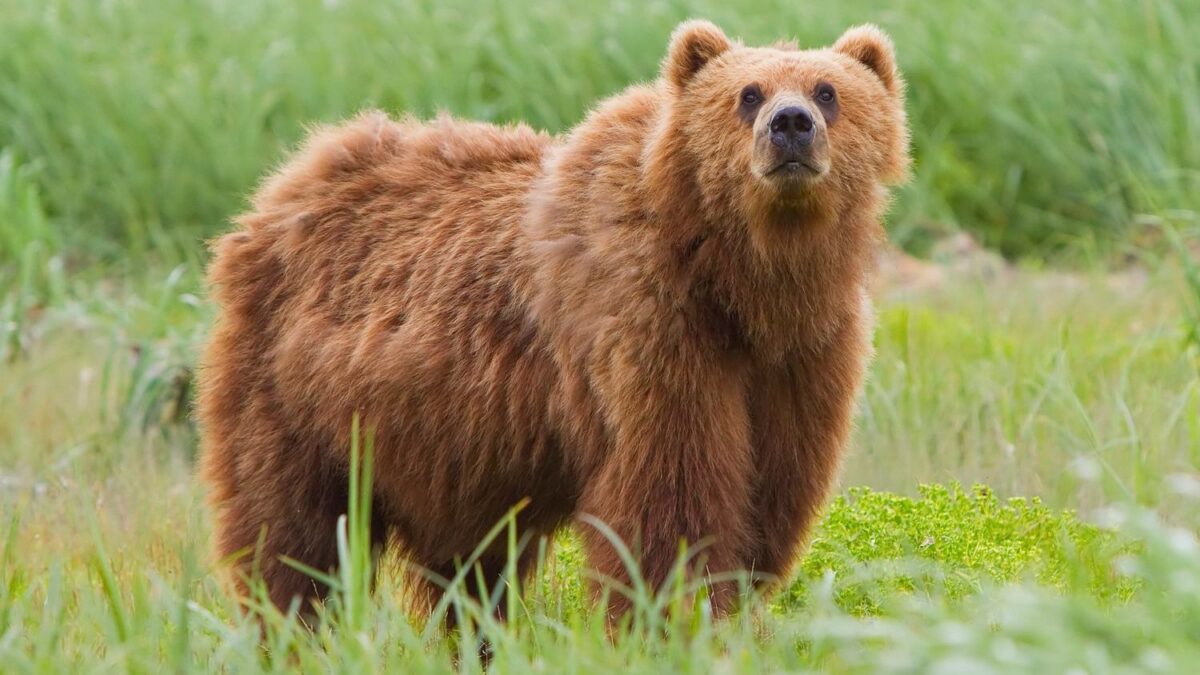
When you think of American black bears, you might picture them as simple forest creatures lumbering through the woods. That image barely scratches the surface. These incredible animals possess abilities and traits that challenge our assumptions about wildlife intelligence and behavior. They’re not the slow, predictable creatures we often imagine them to be.
Here’s the thing: black bears have been quietly outsmarting humans for generations, adapting to changing landscapes, and displaying cognitive skills that rival some of the world’s most intelligent species. Let’s dive into some truly surprising facts about these remarkable North American natives.
They’re Not Always Black
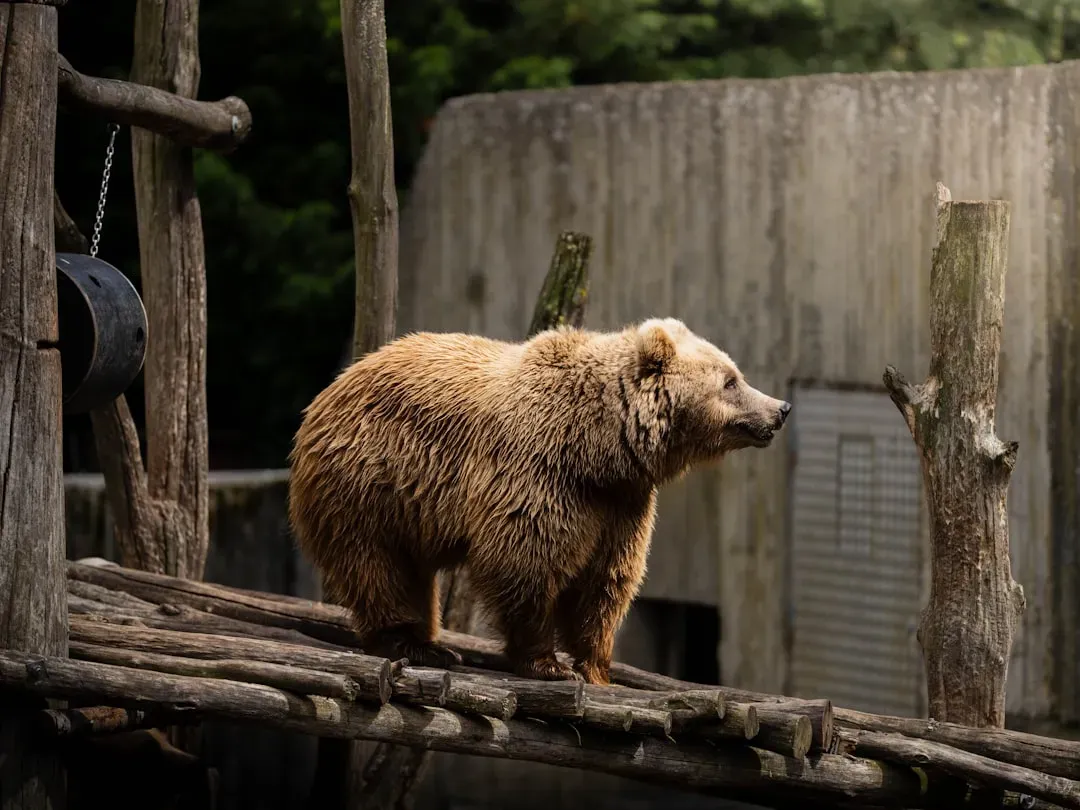
Despite their name, American black bears come in a surprising rainbow of colors. Black bears can range in color from traditional black to shades of brown, cinnamon, bluish-gray, and even white. The color variations depend largely on where they live.
In the Southeast, bears are mostly black and often have a brown snout, while in the western United States, their fur can also be shades of brown, cinnamon or blond. Most fascinating is the rare white or “spirit” bear found in British Columbia, which holds special significance for Indigenous cultures in the region. Next time you spot a brown bear, think twice before assuming it’s not a black bear.
Their Sense of Smell Is Absolutely Extraordinary
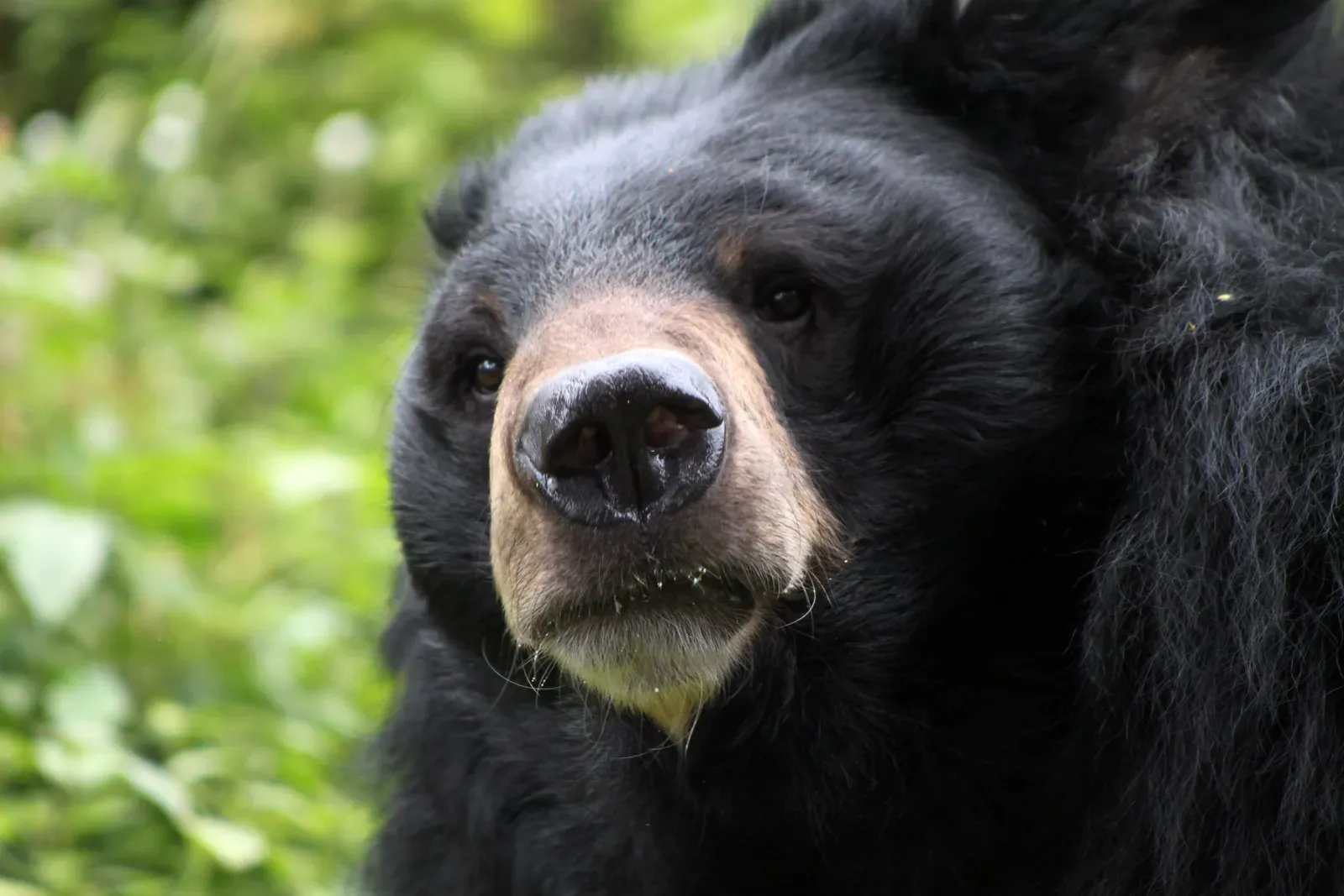
Think bloodhounds have impressive noses? Black bears can pick up a scent from over a mile away, more than seven times better than a bloodhound. This isn’t just impressive, it’s practically superhuman.
Their nasal mucosa area is about 100 times larger than in humans. This extraordinary olfactory ability is actually their strongest sense, which explains why securing food and garbage in bear country is so critical. Bears rely on this powerful sense to locate food sources, detect danger, and navigate their environment far more than they rely on their eyesight.
They’re Smarter Than We Give Them Credit For
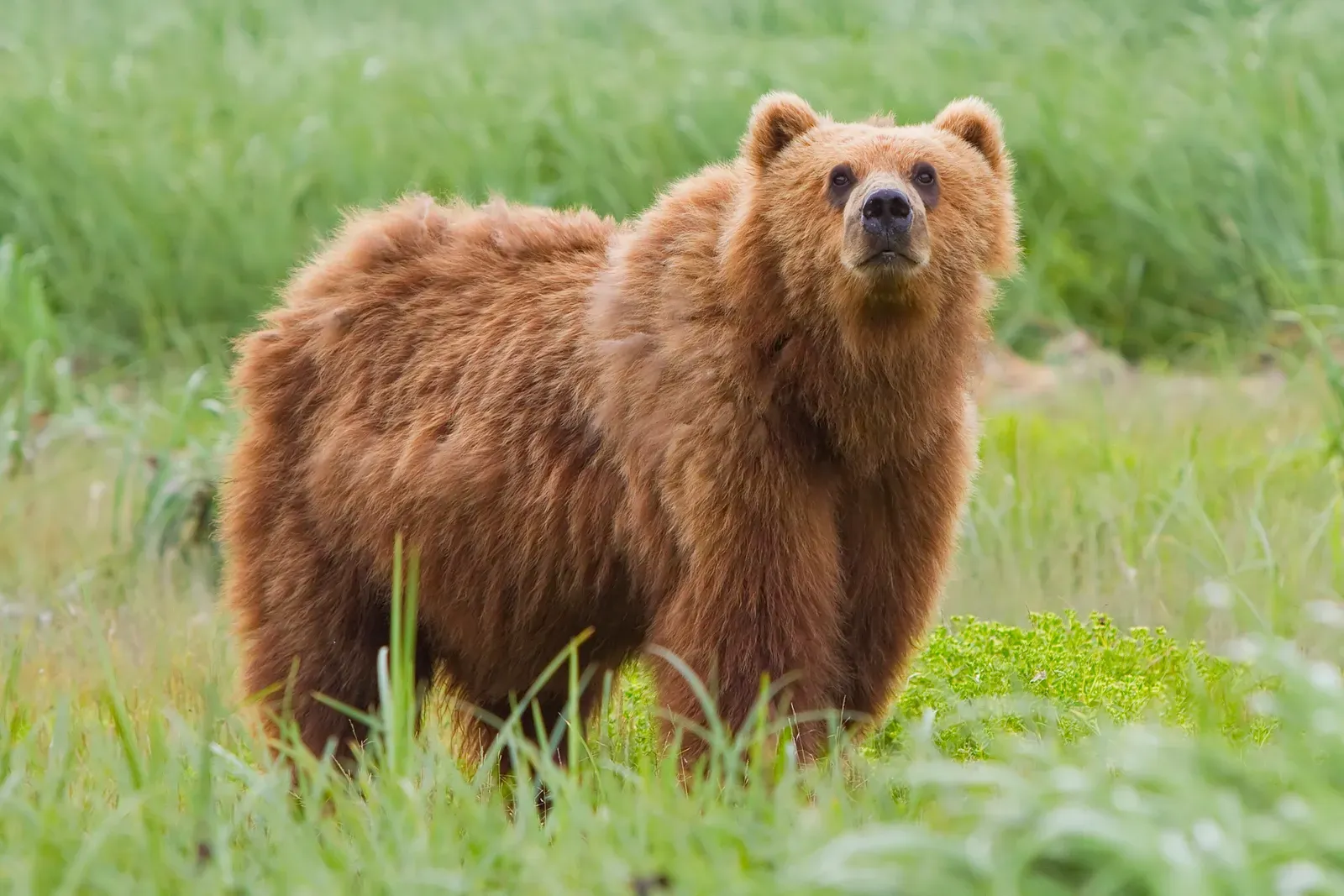
Many modern bear biologists accredit black bears with the equivalent IQ of the great apes, some even dare give them the equivalent intelligence of a 3-year-old human. That may sound modest, but consider what that actually means in practical terms.
In experiments, captive bears showed that they could perform numerical tasks, including distinguishing the number of dots on an image. They can open car doors, windows, and cabin doors to snatch up unsecured snacks or garbage. One researcher documented a bear that learned to unplug an electrified deer feeder by using its claw. The intelligence displayed isn’t accidental, it’s adaptation at its finest.
They Can Run Faster Than You Can Imagine
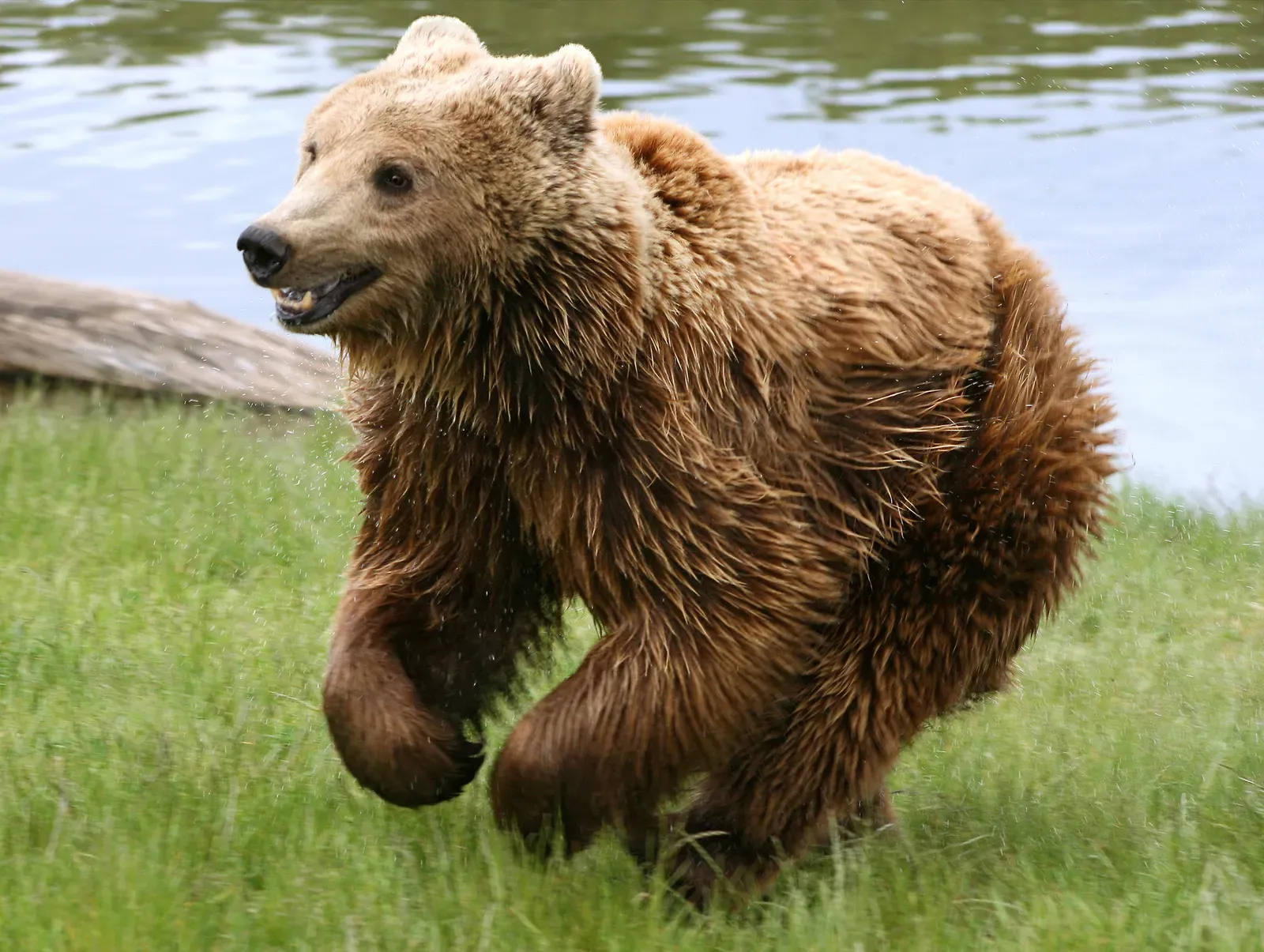
Don’t be fooled by their bulky appearance. Black bears can sprint up to 35 miles per hour and climb 100 feet up a tree within 30 seconds. That speed applies whether they’re running uphill, downhill, or on flat terrain.
The fastest Olympic sprinters max out around 28 miles per hour in short bursts. A black bear would leave even elite athletes in the dust. This shocking speed is one reason why running from a bear is universally terrible advice. Their combination of speed and climbing ability makes them incredibly agile for their size.
They’re Mostly Vegetarian
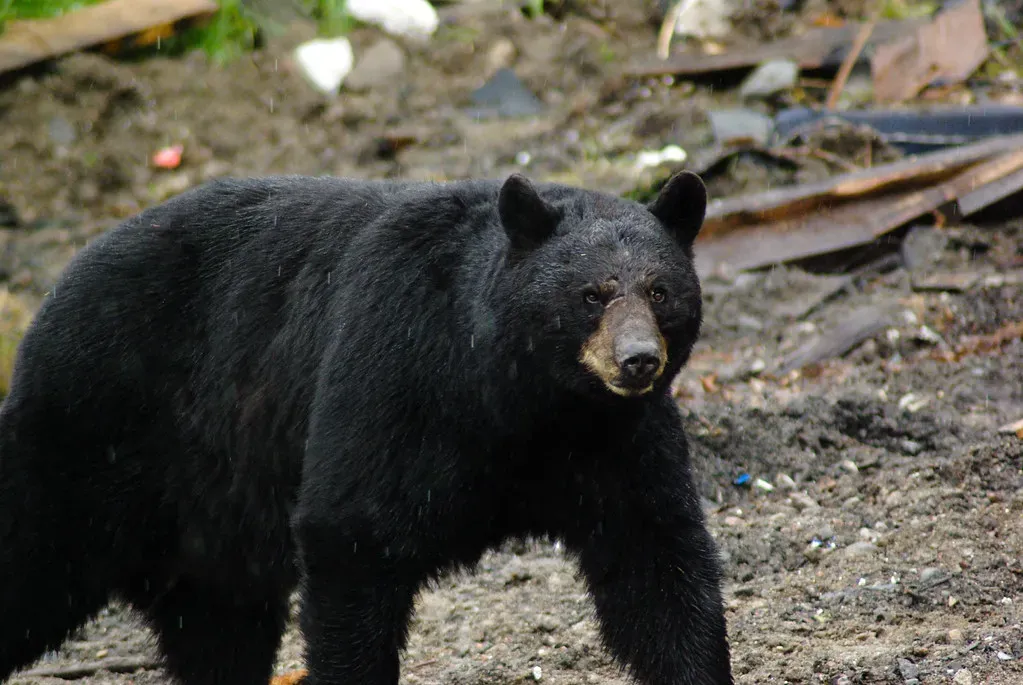
Despite their classification as carnivores, black bears are primarily plant eaters. 85% of their diet consists of plants, berries, and nuts. The remaining portion includes fish, insects, honey, and occasionally meat.
The majority of the animal portion of their diet consists of insects, such as bees, yellow jackets, ants, beetles and their larvae. American black bears are also fond of honey and will gnaw through trees if hives are too deeply set into the trunks. When they do raid beehives, they’re actually more interested in the protein-rich larvae than the honey itself. Their opportunistic eating habits allow them to thrive across diverse habitats and seasons.
Cubs Are Born Incredibly Tiny
For an animal that can weigh over 600 pounds as an adult, black bear cubs start life astonishingly small. At birth, cubs are tiny and hairless, weighing just about half a pound. They’re born during winter hibernation, usually around January or February.
Despite their small size at birth, black bear cubs grow quickly and stay with their mothers for about a year and a half, learning essential survival skills. The mother bear nurses them through the winter while still in the den, and they emerge in spring ready to explore the world. This extended maternal care period is crucial for teaching cubs how to find food, avoid danger, and eventually survive on their own.
They’re Excellent Swimmers
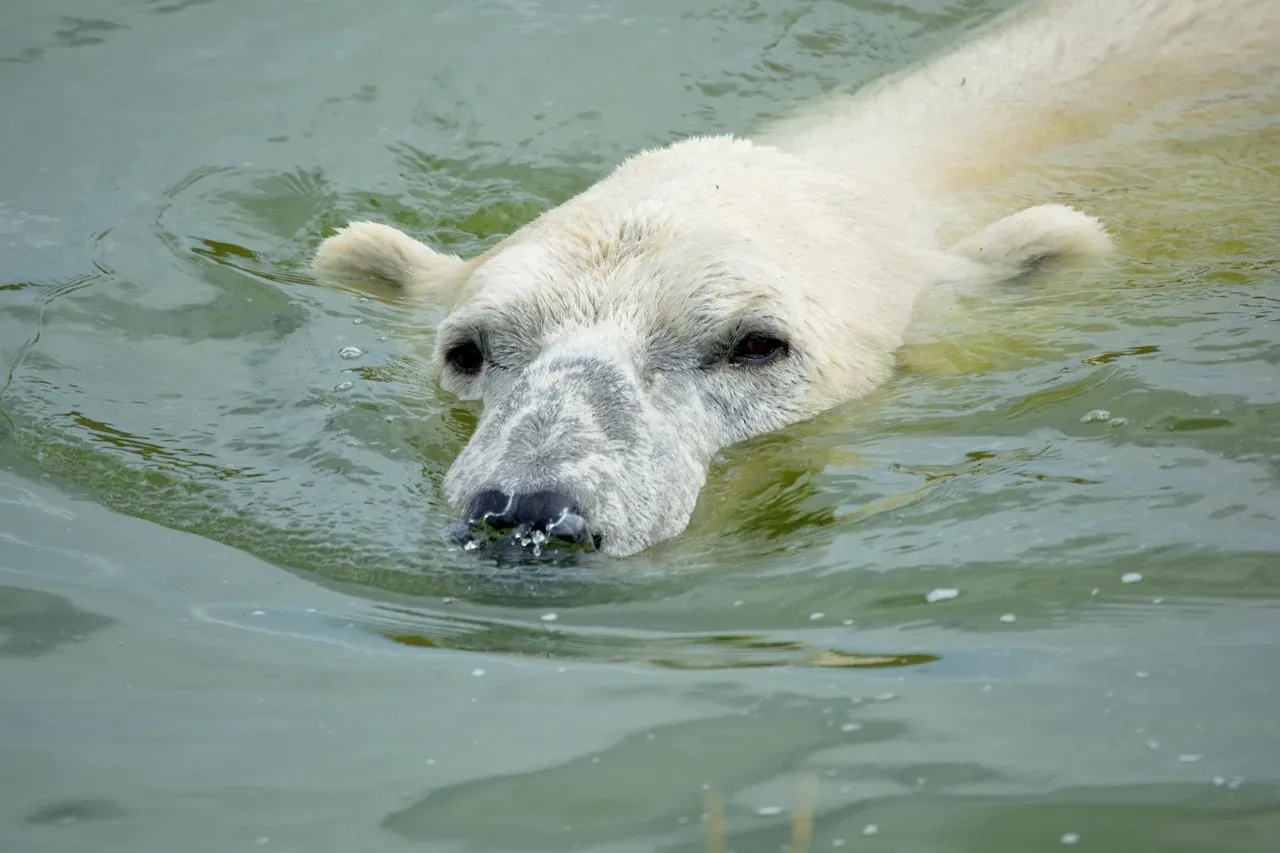
Black bears can swim at least 1.5 miles in fresh water. One swam more than 9 miles in the Gulf of Mexico. Even tiny cubs take to water with surprising confidence, often seen playing and frolicking in rivers and lakes.
Their swimming ability isn’t just for fun. Bears use it to access island campsites, cross rivers while foraging, and catch fish during salmon runs. Combined with their climbing skills and running speed, their athletic versatility makes them remarkably well-adapted survivors in varied environments.
Mothers Are Less Dangerous Than You Think
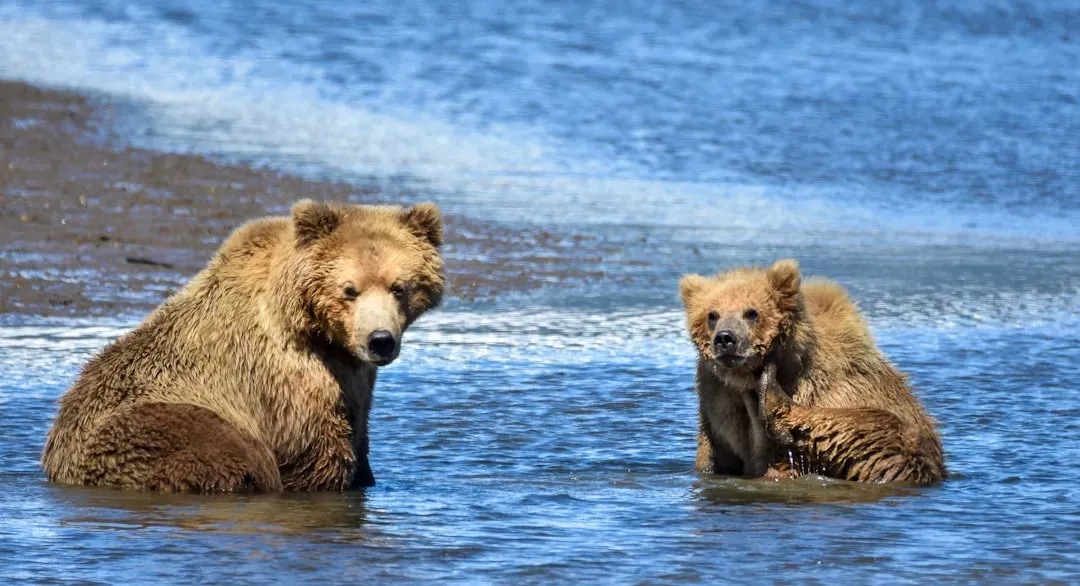
There’s a widespread belief that mother bears with cubs are extremely dangerous and will attack on sight. It’s rare for mother black bears to attack a person in defense of cubs, because her cubs can climb trees when they feel threatened. When they are up in a tree she knows they are safe.
This doesn’t mean you should approach bear families, far from it. Give them plenty of space and change your route if necessary. However, the myth that a mother black bear is automatically aggressive has been largely debunked by wildlife researchers. Still, respect and caution remain essential when encountering any wild bear.
Playing Dead With a Black Bear Is the Wrong Move
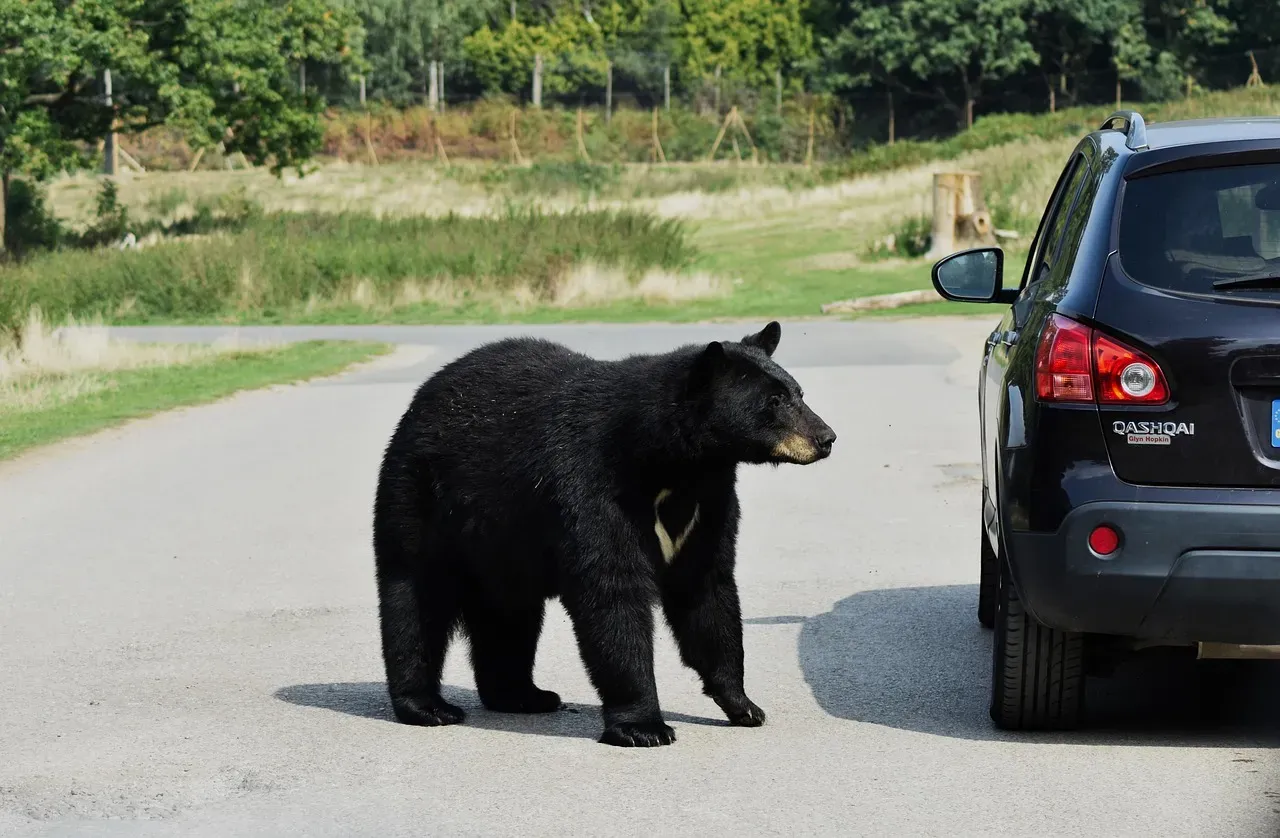
Playing dead is ALWAYS the wrong action if a American black bear attacks you. Instead, fight for your life. This advice contradicts what many people believe about bear encounters.
If a black bear does attack, you need to be aggressive in return. Kick, punch, and use any improvised weapon you can find. The playing dead strategy applies to grizzly bears in certain defensive situations, but not to black bears. Most black bear encounters never escalate to attacks, but knowing the difference in response strategies could save your life. It’s a crucial distinction that every outdoor enthusiast should understand.
Conclusion
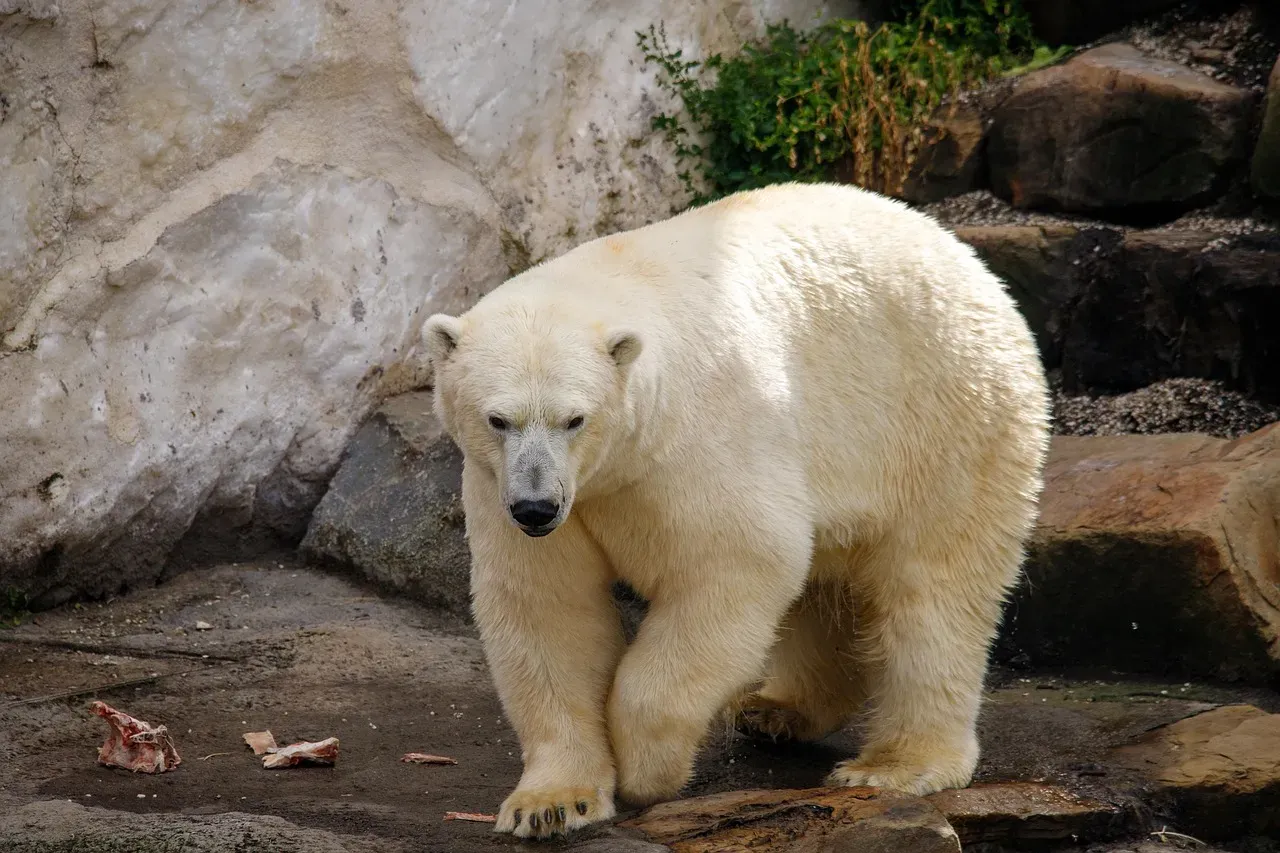
American black bears are far more complex and capable than most people realize. From their surprising color variations to their remarkable intelligence and athletic abilities, these animals continue to fascinate researchers and wildlife enthusiasts alike. Their adaptability has allowed them to thrive across North America, coexisting with humans in ways both challenging and inspiring.
Understanding these facts helps us appreciate black bears not just as woodland creatures, but as intelligent, adaptable survivors with impressive physical and cognitive abilities. The more we learn about them, the better equipped we are to share space with them responsibly and protect the wild places they call home.
Did any of these facts catch you off guard? What surprised you most about these fascinating animals?

- 19 Small American Towns So Beautiful That Visitors Regularly Change Their Plans to Stay Longer - August 14, 2026
- 19 Regrets Horse Owners Describe Most Often That First-Time Buyers Are Never Warned About - August 14, 2026
- What a Hummingbird Decides About Your Garden Before Returning 16 Signals Most People Miss - August 14, 2026