

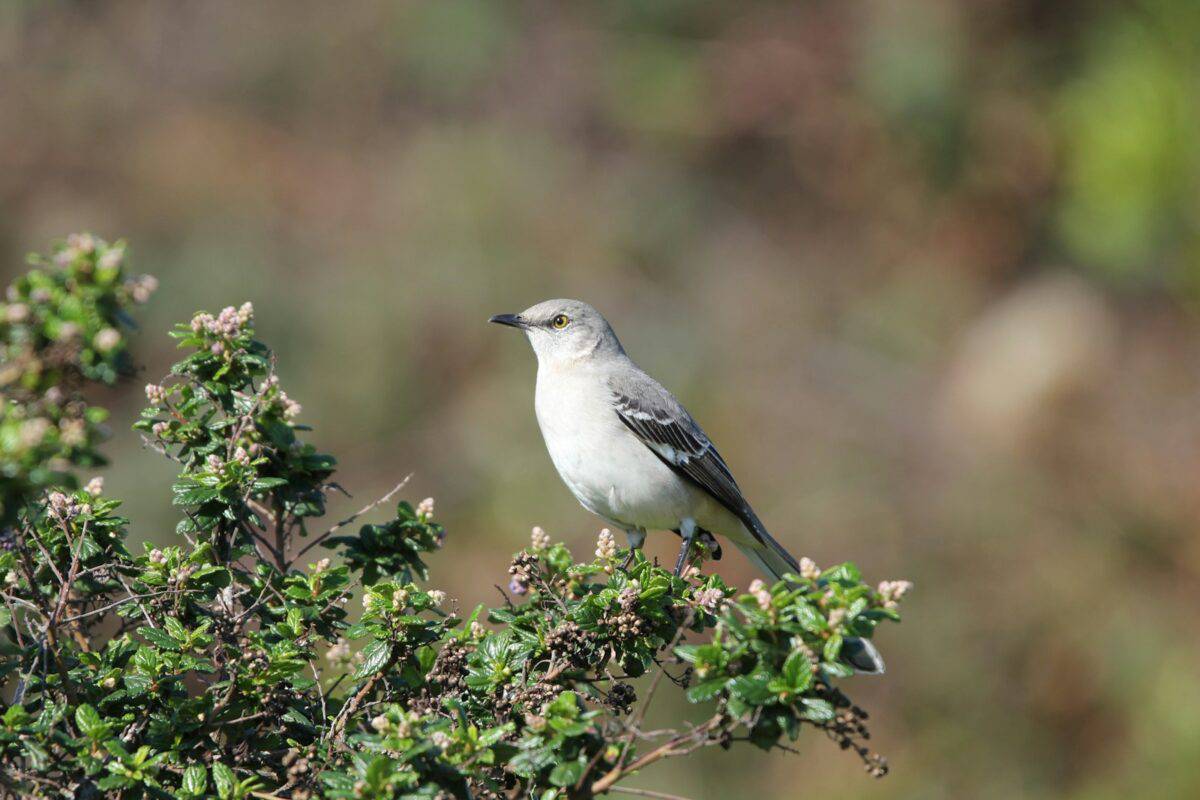
Imitating human speech is an extraordinary skill, often seen as an intriguing intersection between nature and nurture. While humans use this ability to communicate complex ideas, certain animals exhibit a remarkable capacity to mimic human sounds. This article explores ten such fascinating creatures, each adding a different note to this symphony of mimicry.
The Natural Mimics

Animals that imitate human speech possess a unique gracefulness in their vocal capacities. These natural mimics use their vocal apparatus similar to a musical instrument to reproduce the sounds they hear. The phenomenon isn’t just uncanny; it forms a bridge in understanding communication across species.
10. African Grey Parrots
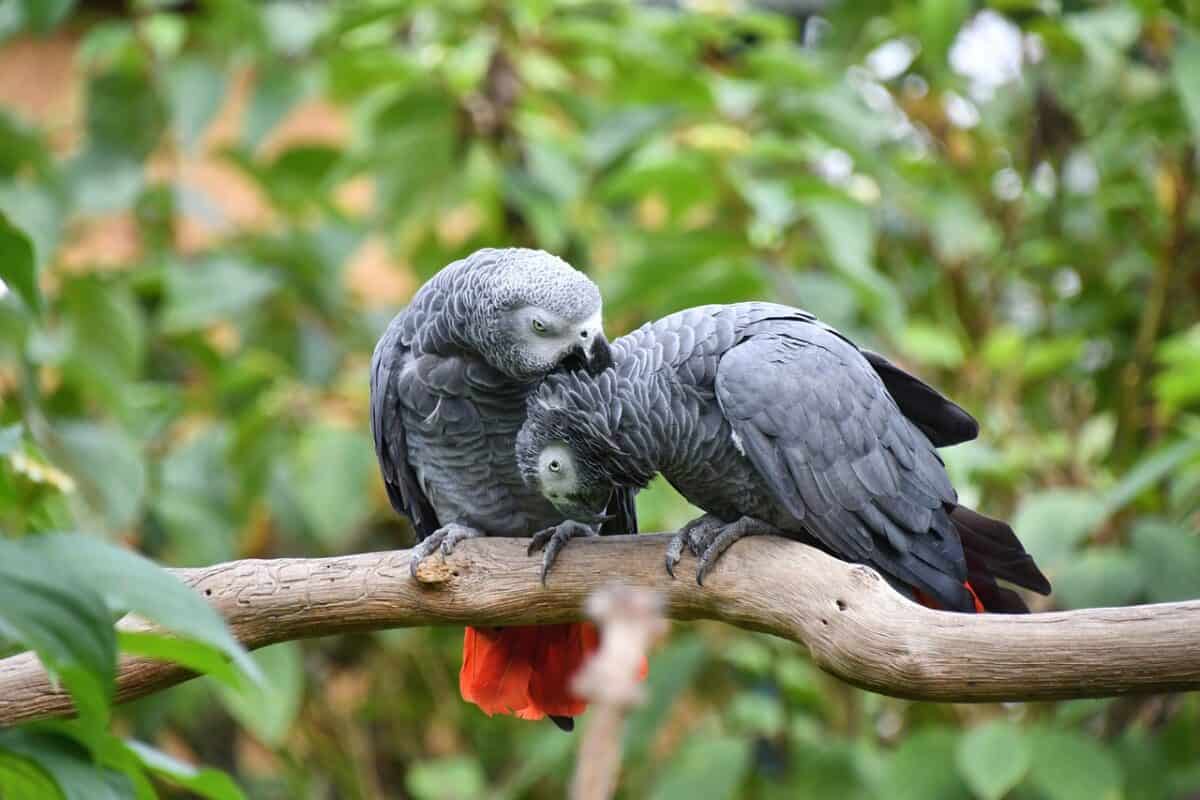
Renowned for their intelligence and vocal skills, African Grey Parrots sit at the top of the list when it comes to mimicking human speech. These birds have a complex voice box known as the syrinx, which enables them to articulate words remarkably well. Besides parroting (pun intended), they can understand contextual use of words, making them both charming and fascinating companions.
9. Elephants

Surprisingly, elephants too can emulate human speech. Asian elephants have been documented using their trunks along with their voice box to produce human-like sounds. An elephant named Koshik, from Korea, can imitate several Korean words, including commands usually given by his trainers.
8. Beluga Whales

Beluga whales are sometimes called “canaries of the sea” due to their vocal prowess. In captivity, these whales have been observed producing sounds that resemble human speech patterns. Researchers speculate that these vocalizations help them interact in noisy aquatic environments or perhaps simply enable social bonding.
7. Lyrebirds
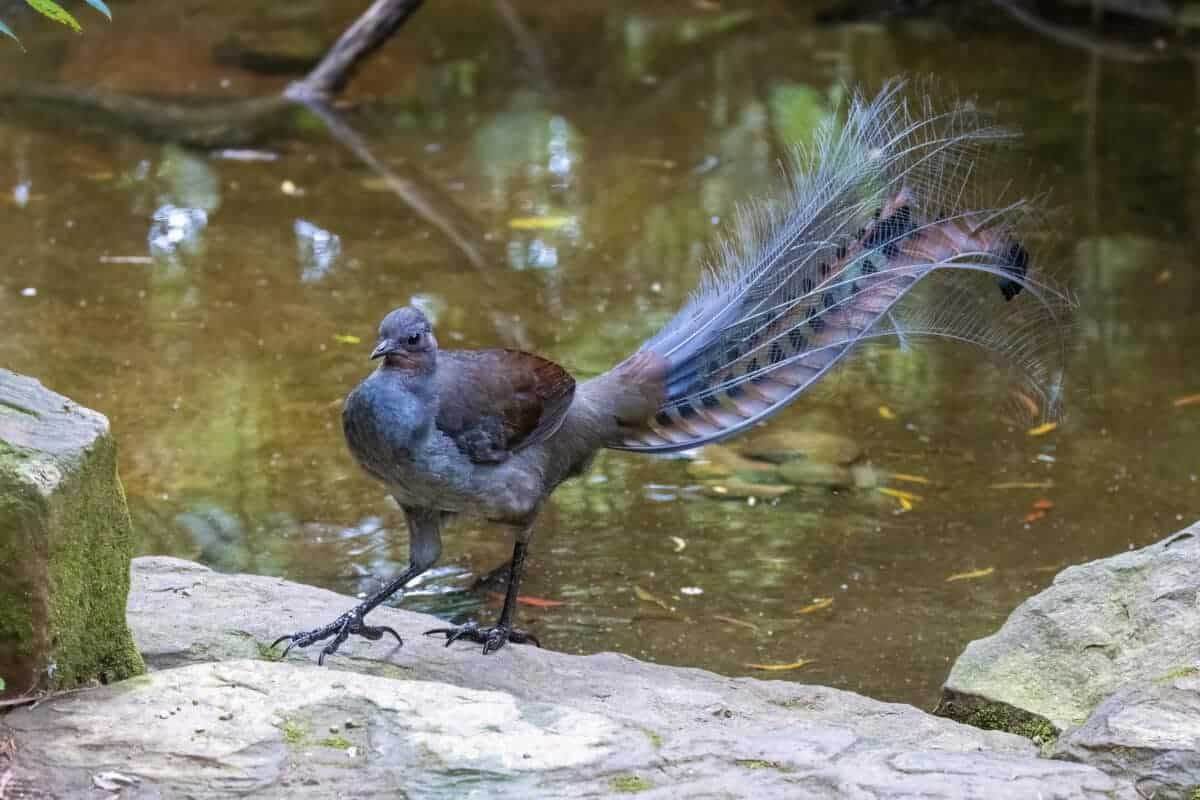
Lyrebirds, hailing from Australia, are nature’s true impressionists. Known for their vivid mimicry of natural and mechanical sounds, they can also replicate certain aspects of human speech. Their astonishing replication capabilities, coupled with their long, ornate tail feathers, make lyrebirds a spectacle in avian beauty and ingenuity.
6. Indian Hill Mynas
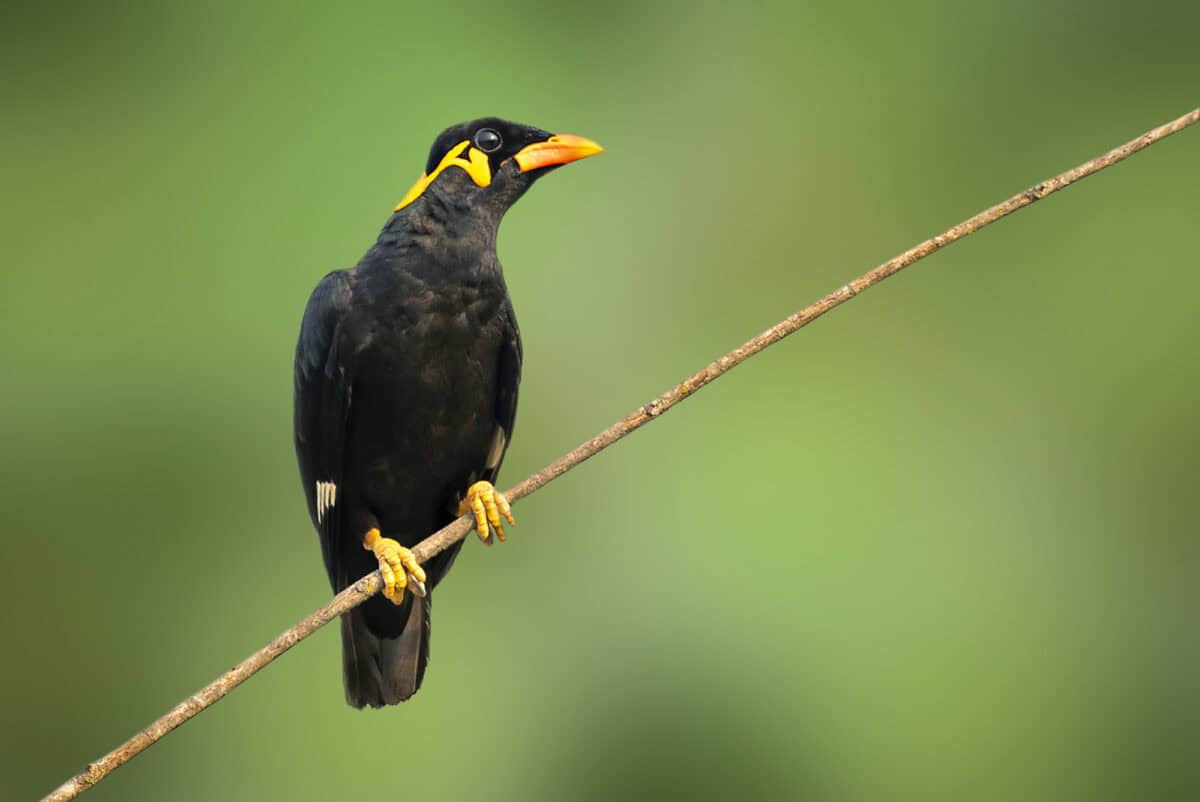
Mynas, especially the Indian Hill myna, are acclaimed throughout Asia for their vocal imitations. These birds can capture a wide array of sounds and melodiously replicate them, including human speech. Their vocal versatility makes them popular among bird enthusiasts.
5. Budgerigars (Budgies)
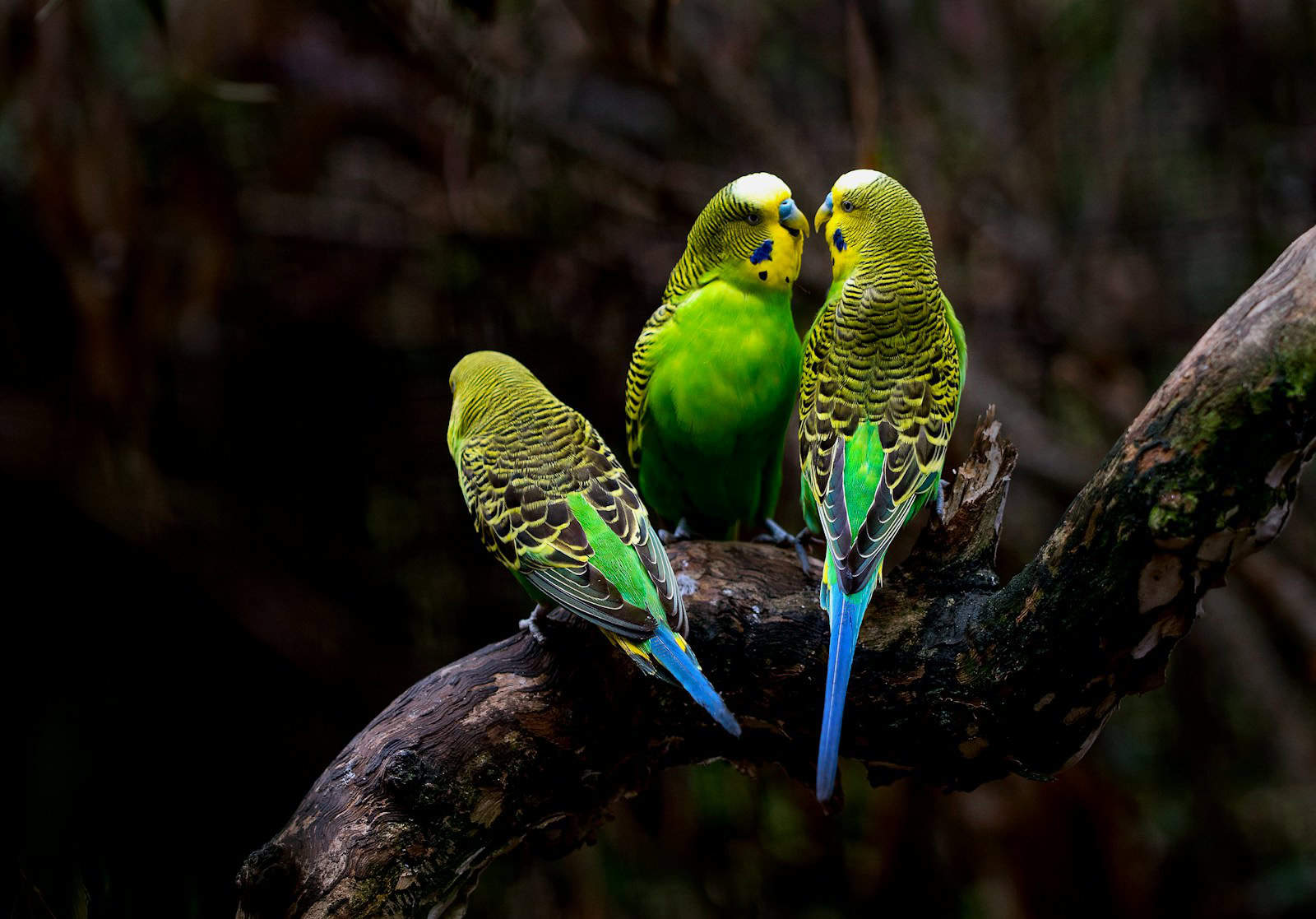
Budgerigars, or budgies, are small parrots that pack a big punch in the mimicry department. Though tiny, they can learn and repeat numerous words and phrases. Budgies are social creatures and their ability to mimic sounds, including human voices, is part of their social interaction repertoire.
4. Ravens
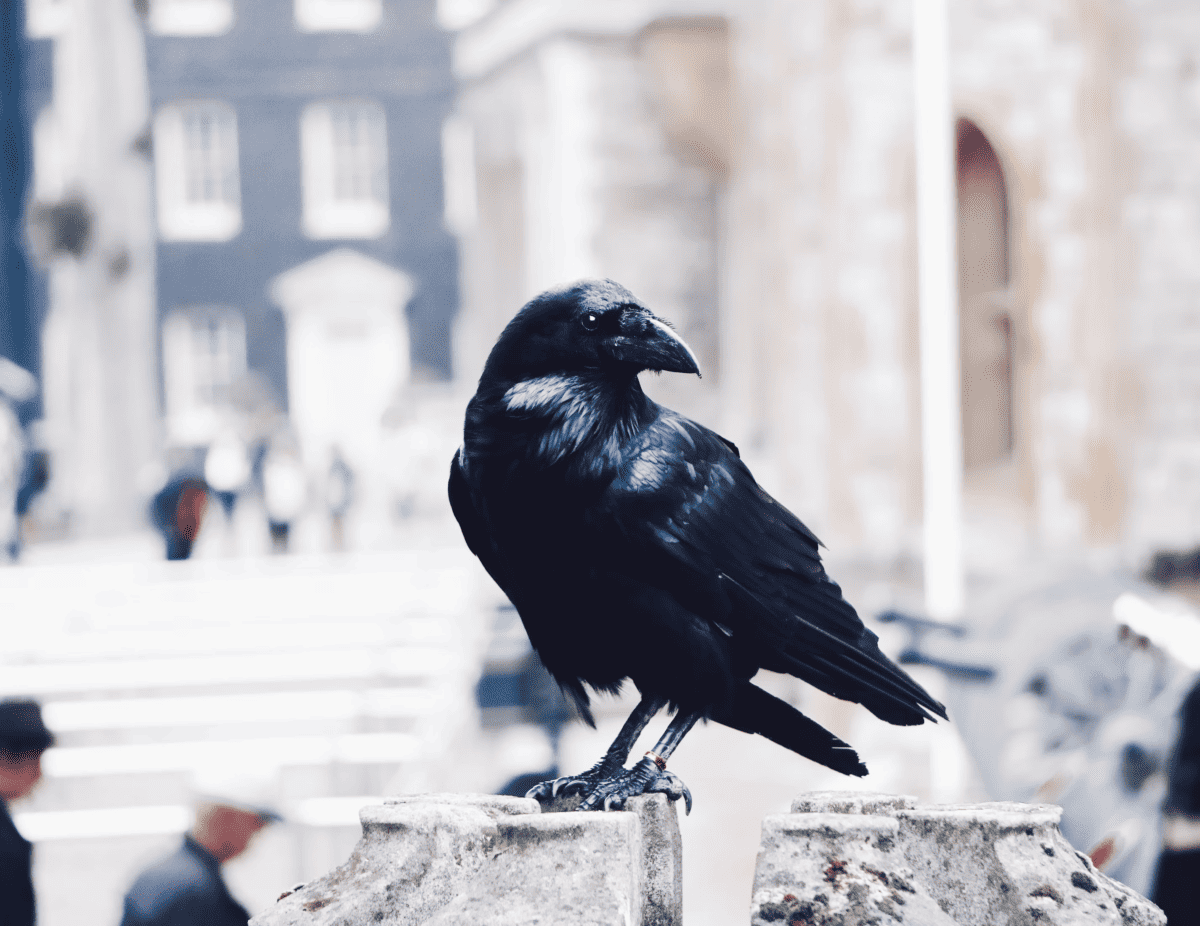
Ravens possess a reputation for their intelligence and problem-solving skills, which extends to their vocal abilities. These birds can learn and imitate a variety of sounds, human speech included. Ravens’ vocal mimicry often serves as a strategic tool for communication and social interaction in the wild.
3. Cockatoos

Cockatoos boast vibrant personalities and an aptitude for speech imitation. With structures similar to African Grey Parrots, they negotiate sounds to recreate human speech. Their social and playful nature makes them exceptional at picking up words and phrases from their human companions.
2. Starlings

Starlings, common across Europe and North America, surprise many with their ability to mimic human-like sounds. Their complex vocalizations are a result of their need for diverse communication in large flocks. In captivity, starlings have been trained to articulate human speech, showcasing their adaptive vocal skills.
1. Mockingbirds

True to their name, mockingbirds exhibit a staggering range of vocal imitations. While not as prominent in replicating human speech as some other birds, they incorporate assorted sounds from their surroundings into their repertoire, showing their adaptability and mastery over imitation.
The ability to imitate human speech bridges an intriguing gap between humans and the animal world. Each species showcases this skill differently, bringing us closer to understanding communication in the animal kingdom. Whether for social interaction, environmental adaptation, or sheer amusement, these vocal performers remind us of nature’s boundless creativity.
In celebrating these incredible mimics, we gain more than just entertainment; we enrich our appreciation of life’s intricate designs. Perhaps one day, these species’ skills might unravel new secrets of communication, reinforcing our intrinsic connection to the natural world.

- 21 Scary Creatures You Might Run Into While Hiking In The U.S - June 3, 2026
- The Difference Between Turtles and Tortoises—Explained - June 3, 2026
- What Makes Owls the Silent Predators of the Night? - June 3, 2026