

Worried about unexpected vet bills?
Pet insurance can cover thousands in unexpected vet costs. Get a free quote from Lemonade in under 2 minutes.
Get My Free Quote →Sponsored · Opens Lemonade.com
Mimicry is an intriguing survival strategy observed in the animal kingdom. This natural phenomenon involves one species evolving to imitate the appearance, sounds, or behaviors of another species or even its environment. Mimicry can deceive predators or prey, serving as a form of camouflage, protection, or even aggression. Below, we explore ten fascinating examples of animals employing mimicry to outsmart potential threats.
1. The Viceroy Butterfly

The Viceroy butterfly is a classic example of Batesian mimicry, where a harmless species imitates a harmful one to avoid predation. It looks strikingly similar to the Monarch butterfly, which is toxic to predators due to its diet of milkweed during its larval stage. The resemblance fools predators into avoiding an otherwise tasty meal, ensuring the Viceroy’s survival.
2. The Mimic Octopus
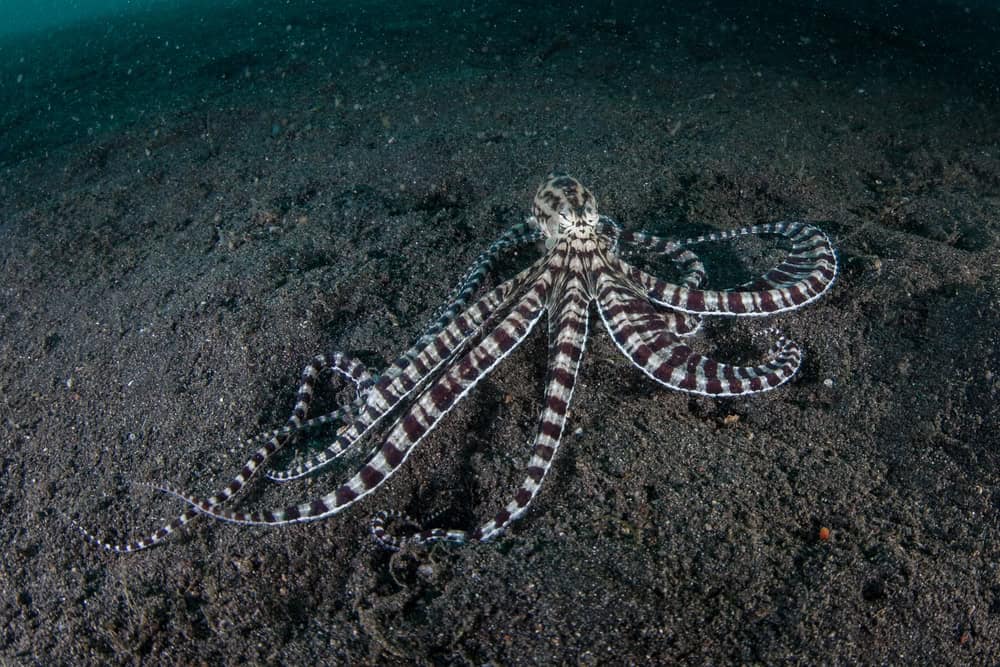
Renowned for its exceptional ability to impersonate various marine animals, the mimic octopus is a master of disguise. It can change its color, shape, and behavior to imitate more dangerous species like lionfish, flatfish, and sea snakes. This adaptive strategy can confuse predators, offering the mimic octopus a chance to escape unscathed.
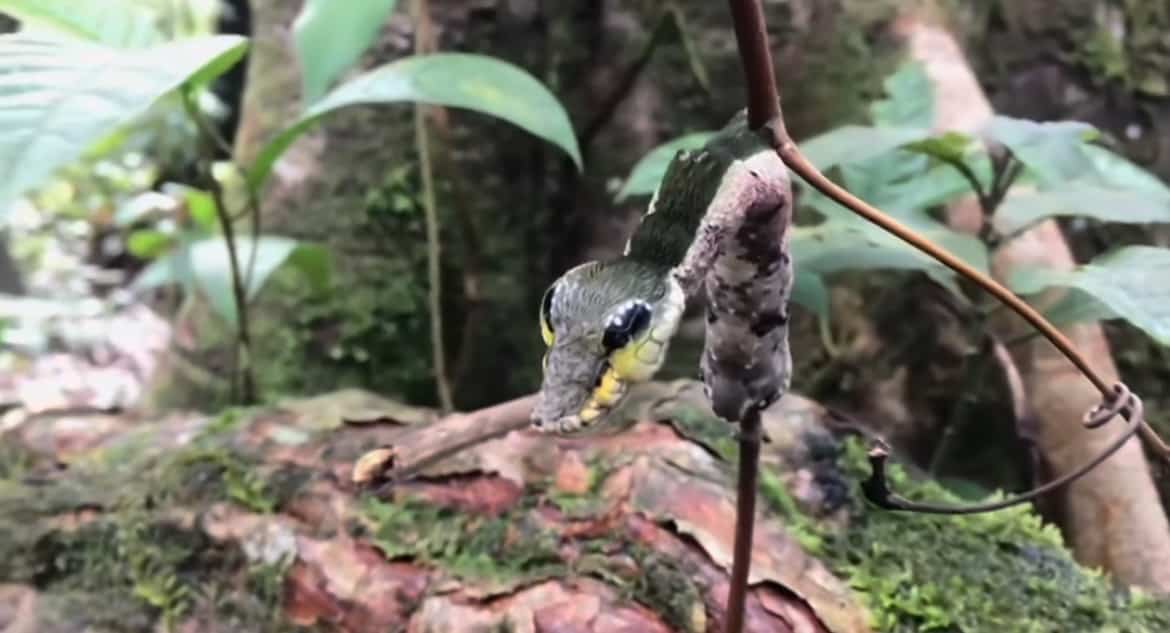
3. The Hawk Moth Caterpillar

This caterpillar employs a clever form of defensive mimicry. It has markings and a posture that resemble a snake’s head, complete with eyespots and scales. When threatened, the caterpillar retracts its body, enlarges its head section, and sways, creating an illusion of a small but daunting snake, scaring off predators.
4. The Leaf-Tailed Gecko
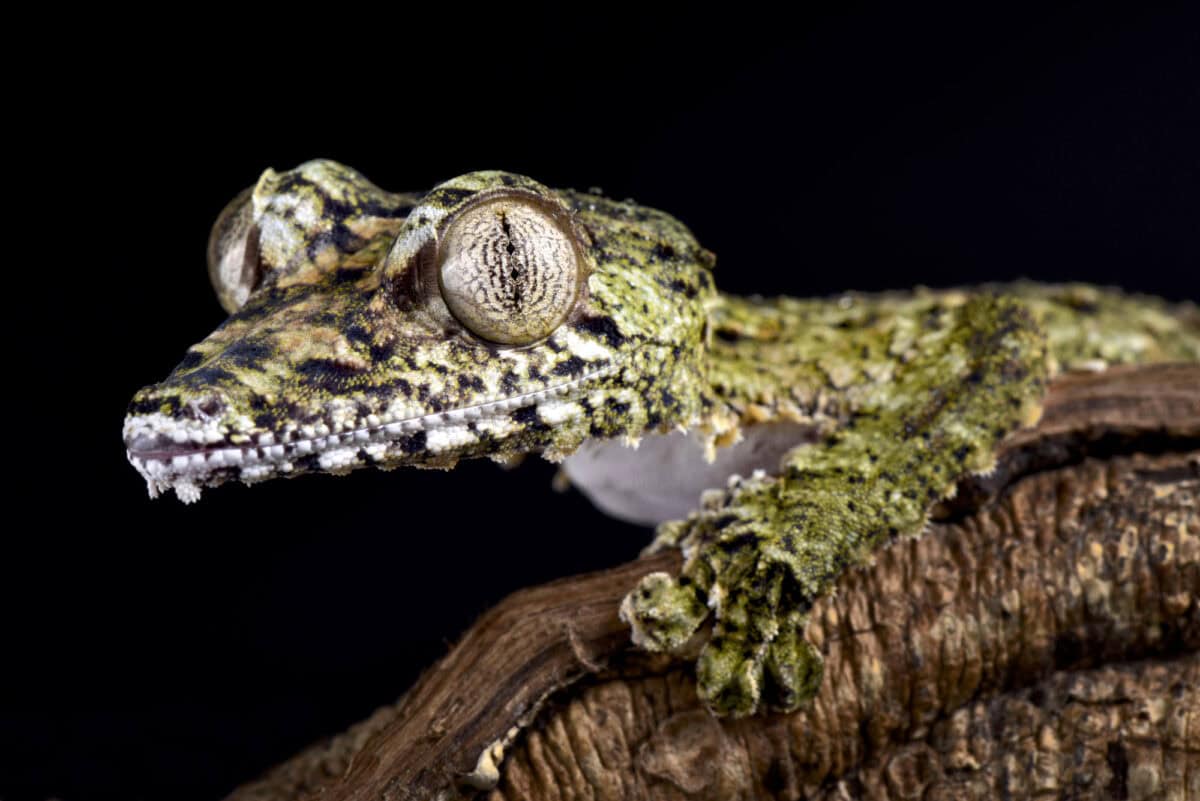
The leaf-tailed gecko is an extraordinary example of camouflage mimicry. Native to Madagascar, its body closely resembles a dead leaf, complete with veining and coloration. During the day, it remains motionless among the forest debris, effectively blending into its surroundings to avoid detection by both predators and prey.
5. The Dead Leaf Mantis
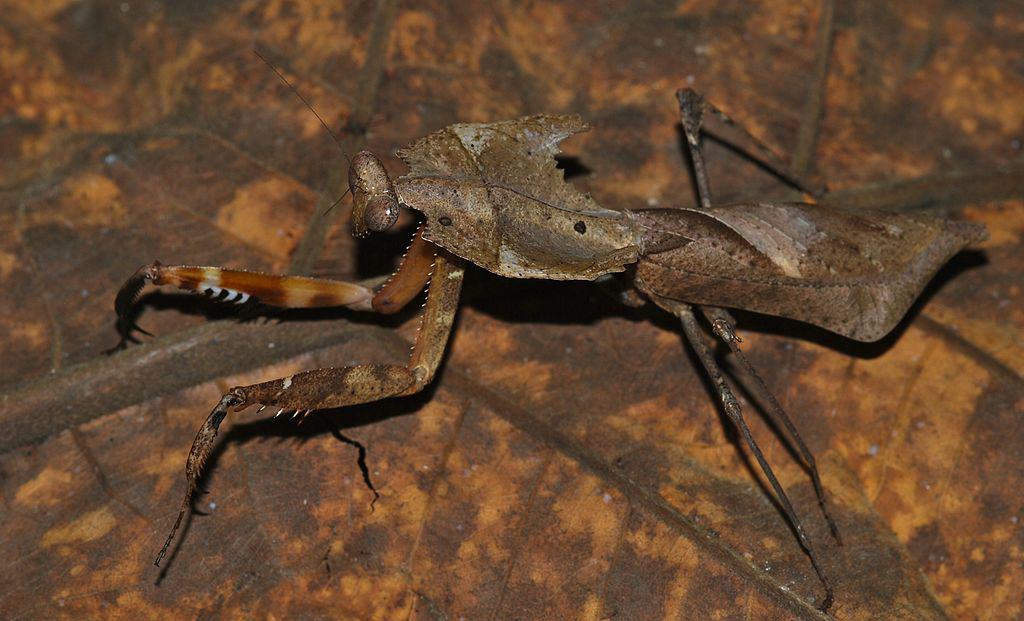
As its name suggests, the dead leaf mantis is known for its impeccable imitation of a dry leaf. This form of camouflage not only provides it protection from predators but also allows it to ambush unsuspecting prey. Its coloration and irregular body shape make it almost indistinguishable from the foliage it inhabits.
6. The Walking Stick Insect

The walking stick insect employs mimicry by resembling twigs or branches. This form of camouflage helps it remain unnoticed by both predators and prey. Its elongated body and coloration make it quite challenging for predators to differentiate it from actual sticks, thus enhancing its chances for survival.
7. The Orchid Mantis

This stunning insect mimics orchid flowers, attracting pollinators it preys upon. The orchid mantis displays a form of aggressive mimicry, where its appearance draws in insects seeking nectar. Its vivid colors and petal-like limbs make it an effective predator, as unsuspecting insects fall prey to its deception.
8. The False Cleanerfish
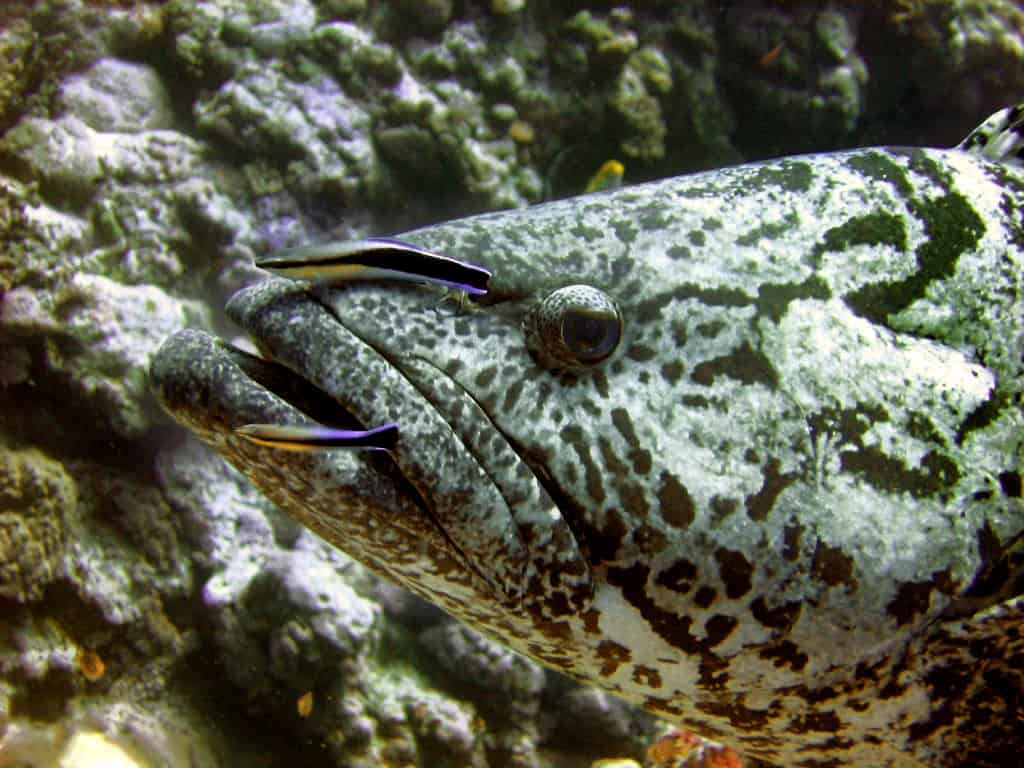
The false cleanerfish imitates the behavior and appearance of cleaning symbiosis fish, such as the cleaner wrasse. It approaches larger fish, pretending to clean them. However, instead of eating parasites, it takes a bite out of the host fish. This mimicry allows it to access unsuspecting larger fish for a meal.
9. The Sweetlip Blenny

Similar to the false cleanerfish, the sweetlip blenny uses mimicry to resemble cleaner fish species. During interactions, it deceives its host fish long enough to take a nip at them, thus securing nourishment while avoiding reprisal from the less fortunate, unsuspecting hosts.
10. The Death’s-head Hawkmoth

This moth displays auditory mimicry by producing sound signals that mimic the queen bee of a beehive. This mimicry allows it to gain access to hives without being attacked by worker bees. The moth can then safely consume honey, exploiting both visual and auditory mimicry to coexist with dangerous bees.
Conclusion
Mimicry is a fascinating and diverse survival strategy used by various animals to outsmart predators and secure their survival. From insects that look like plants to fish that impersonate cleaner species, the creativity and diversity of these adaptations showcase the extraordinary ways life on Earth has evolved to thrive against od
ds. Understanding these strategies not only provides insight into the complexity of ecosystems but also highlights the importance of conserving these remarkable species and their habitats.
Worried about unexpected vet bills?
Pet insurance can cover thousands in unexpected vet costs. Get a free quote from Lemonade in under 2 minutes.
Get My Free Quote →Sponsored · Opens Lemonade.com

As a little kid, I fell in love with nature, wildlife, and animals. Living in the USA, South Africa, Italy, China and Germany gave me the opportunity to discover the world's Wildlife. My favorite animals are Mountain Gorillas, Siberian Tigers, and Great White Sharks.
I'm a certified PADI Open Water Diver, went to Everest Base Camp and Trekked Gorillas in Uganda. I hold a Master of Science in Economics and Finance.
Please send any feedback to feedback@animalsaroundtheglobe.com
- 15 Dog Breeds That Could Survive in the Wild Without Help - June 4, 2026
- 10 Amazing Animals You Can See in Costa Rica - June 4, 2026
- The Delicate Balance of Life for the Tree Kangaroo in Papua New Guinea - June 4, 2026
Leave a comment
You must be logged in to post a comment.