

Yellowstone National Park, America’s first national park established in 1872, spans over 2.2 million acres of wilderness and is home to a diverse range of wildlife. While the park offers breathtaking natural beauty and unique geological features like the Old Faithful geyser, it also harbors several potentially dangerous animals. Millions of visitors explore Yellowstone each year, often unaware of the real risks posed by wildlife encounters. In this article, we’ll examine ten dangerous animals you might encounter during your visit to Yellowstone, their behaviors, and how to stay safe while appreciating these magnificent creatures from a respectful distance.
1. Grizzly Bears: Kings of the Yellowstone Wilderness

Grizzly bears (Ursus arctos horribilis) are perhaps the most feared and respected predators in Yellowstone National Park. These massive mammals can weigh up to 700 pounds and stand 7 feet tall when on their hind legs. With powerful muscles, long claws reaching 4 inches, and incredible speed (up to 35 mph), grizzlies command respect in their territory. The park is home to approximately 700-800 grizzly bears, making it one of the few places in the continental United States where these magnificent predators still roam free.
What makes grizzlies particularly dangerous is their unpredictable nature and protective instinct, especially sows (female bears) with cubs. Unlike black bears, grizzlies cannot climb trees and have evolved to stand their ground when threatened. Most bear attacks in Yellowstone occur when hikers surprise a bear at close range or come between a mother and her cubs. The National Park Service recommends carrying bear spray, making noise while hiking, traveling in groups, and properly storing food to minimize the risk of dangerous encounters with these impressive but potentially lethal animals.
2. Gray Wolves: Yellowstone’s Apex Predators

Gray wolves (Canis lupus) were reintroduced to Yellowstone in 1995 after being absent from the park for decades due to extermination campaigns. Today, approximately 100 wolves in about 8-9 packs roam the park, playing a crucial role in the ecosystem by controlling prey populations. While wolf attacks on humans are extremely rare—with no documented attacks on humans in Yellowstone since their reintroduction—these intelligent predators still deserve caution and respect from park visitors.
Wolves typically avoid human contact, but they are territorial and can be aggressive if they feel their den sites or pups are threatened. Weighing between 70-150 pounds and capable of running at speeds up to 35 mph, wolves are formidable predators designed for hunting. The danger they pose is minimal compared to other animals on this list, but encounters with wolves should still involve maintaining a safe distance of at least 100 yards, as required by park regulations. Wolves’ ecological impact has been profound, creating what scientists call a “trophic cascade” that has transformed and revitalized Yellowstone’s ecosystem.
3. American Bison: Deceptively Dangerous Giants
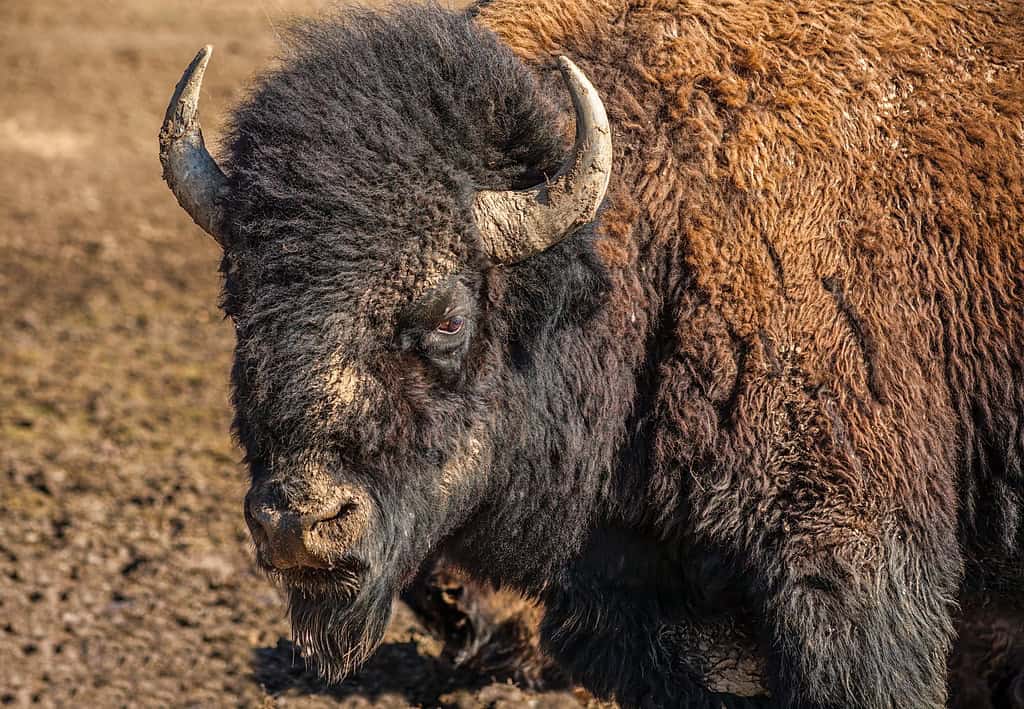
Despite their seemingly docile appearance, American bison (Bison bison) are responsible for more human injuries in Yellowstone than any other animal. These massive creatures can weigh up to 2,000 pounds, stand 6 feet tall at the shoulder, and run at speeds exceeding 30 mph. Yellowstone is home to approximately 5,000 bison, the largest public herd of American bison in the United States. Their impressive size and strength make them formidable when agitated or threatened.
What makes bison particularly dangerous is visitors’ tendency to underestimate them, approaching too closely for photographs or selfies. Bison may appear calm but can charge with little warning. During mating season (July-August) and calving season (April-May), bulls and cows become especially aggressive and territorial. The National Park Service requires visitors to maintain at least 25 yards (23 meters) of distance from bison at all times. Despite these warnings, dozens of visitors are injured by bison each year, with incidents ranging from being gored by horns to being tossed several feet in the air, resulting in serious injuries and even fatalities.
4. Black Bears: The More Common Bear Species
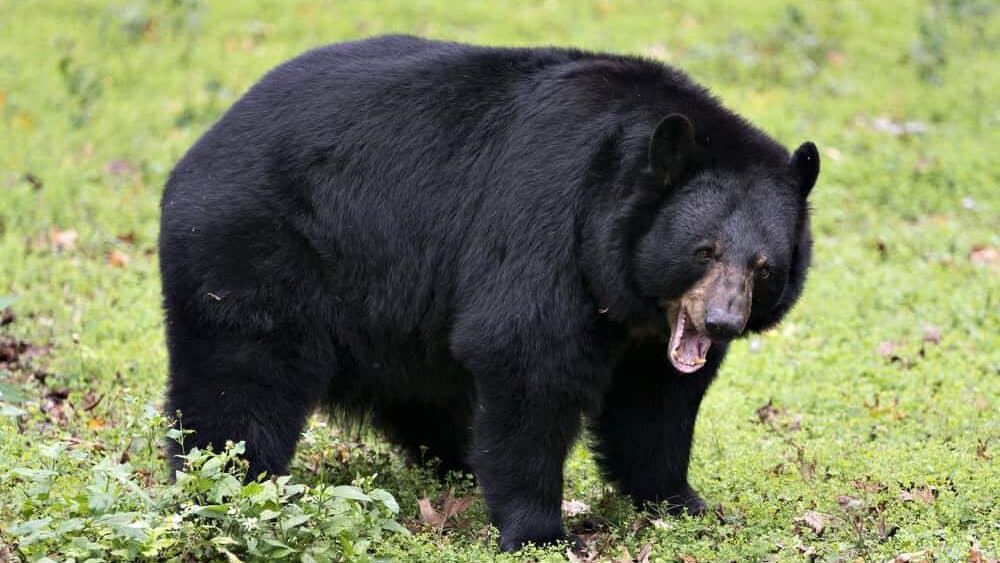
While less aggressive than their grizzly cousins, black bears (Ursus americanus) still pose significant dangers to Yellowstone visitors. Approximately 500-600 black bears inhabit the park, making them more numerous than grizzlies. They typically weigh between 200-600 pounds and, unlike grizzlies, are excellent climbers. Black bears have a distinctive straight facial profile without the pronounced shoulder hump of grizzlies, though color is not a reliable way to distinguish between the species as both can range from blonde to black.
Black bears are opportunistic omnivores with a powerful sense of smell, capable of detecting food from miles away. This trait makes them particularly dangerous when they associate humans with food—a behavior known as food conditioning. A habituated or food-conditioned bear is more likely to approach humans and potentially become aggressive. Bear attacks in Yellowstone often result from surprise encounters on trails or improper food storage at campsites. While generally more shy than grizzlies, black bears can be dangerous when they feel cornered or when sows are protecting cubs. Park regulations require maintaining a minimum distance of 100 yards from all bears and proper storage of food and scented items.
5. Moose: Underestimated Forest Giants
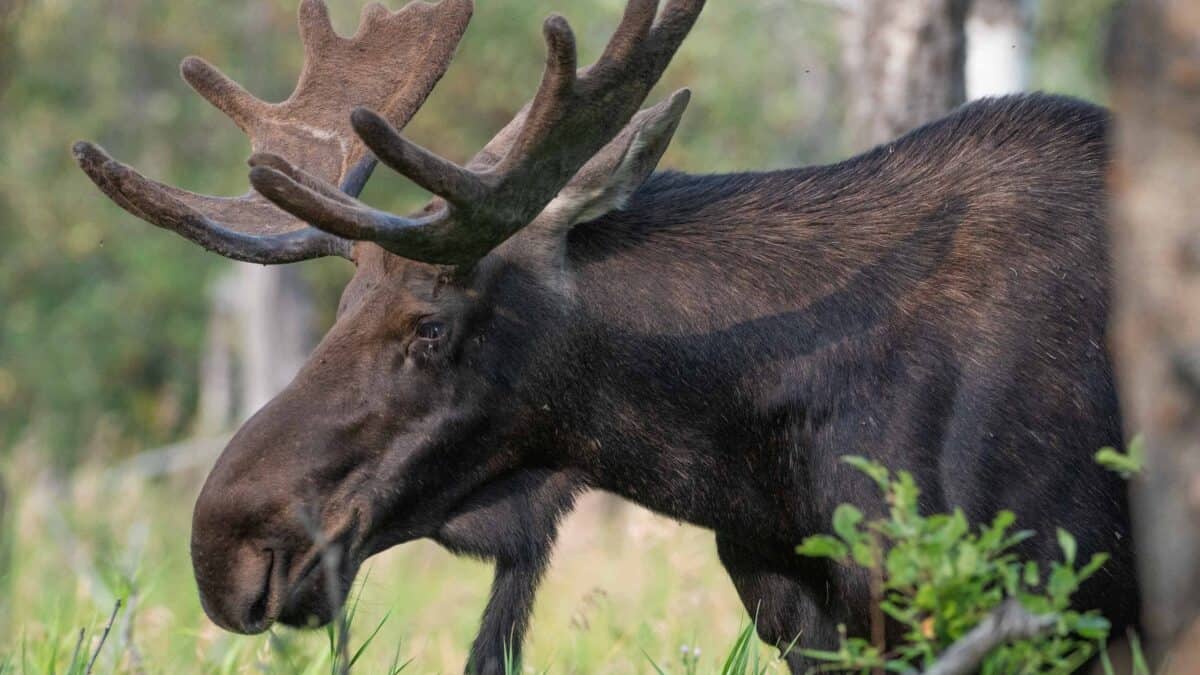
Moose (Alces alces) are the largest members of the deer family and among the most dangerous animals in Yellowstone, particularly during certain seasons. Standing up to 6.5 feet tall at the shoulder and weighing up to 1,200 pounds, these massive herbivores are equipped with impressive antlers spanning up to 6 feet wide on mature bulls. Despite their plant-based diet, moose are surprisingly aggressive and unpredictable, especially during rutting season (September-October) and when cows are protecting calves in spring.
Unlike some wildlife that flees from human presence, moose often stand their ground and may charge without warning if they feel threatened. Their long legs can deliver powerful, potentially lethal kicks, and bulls use their antlers as weapons. Moose can run up to 35 mph and are excellent swimmers, making them difficult to evade in various terrains. The danger is compounded by their tendency to inhabit areas with dense vegetation where visitors might accidentally come upon them at close range. Park regulations require staying at least 25 yards away from moose, though experts recommend even greater distances during sensitive seasons. Several visitors have been seriously injured by moose in Yellowstone, with incidents typically occurring when people approached too closely for photographs.
6. Elk: Dangerous During Rutting Season

Yellowstone National Park is home to approximately 10,000-20,000 elk (Cervus canadensis), making them one of the most commonly seen large mammals in the park. While generally less aggressive than other animals on this list, elk transform during the rutting season (mating season) from September to October. During this time, bull elk are flooded with hormones, becoming territorial, aggressive, and unpredictable. Bulls can weigh up to 700 pounds and sport massive antler racks that they use as weapons to fight rival males and potentially threaten humans who venture too close.
Most elk-related injuries in Yellowstone occur during the rut when visitors underestimate the danger posed by these normally peaceful animals. Bulls will bugle (a distinctive high-pitched call), thrash vegetation with their antlers, and may charge without warning if they perceive a threat to their harem of females. Female elk (cows) can also be dangerous in spring when protecting newborn calves. Park regulations require maintaining at least 25 yards distance from elk, though rangers often establish larger safety perimeters around active rutting areas. Several visitors have been gored, trampled, or tossed by elk in Yellowstone, with incidents primarily occurring in developed areas like Mammoth Hot Springs where elk and humans frequently share space.
7. Mountain Lions: Elusive Predators

Mountain lions (Puma concolor), also known as cougars or pumas, represent one of Yellowstone’s most secretive threats. These powerful cats can weigh up to 200 pounds and possess incredible strength, capable of taking down prey much larger than themselves. Their presence in Yellowstone is well-documented, though population estimates remain challenging due to their solitary and elusive nature. What makes mountain lions particularly dangerous is their hunting strategy—they are ambush predators that stalk prey silently before launching a surprise attack.
Although mountain lion attacks on humans are extremely rare in Yellowstone (with no documented fatal attacks in the park’s history), these predators command respect. They are most active at dawn, dusk, and night when visibility is limited. Unlike bears, mountain lions are more likely to view humans as potential prey, particularly children or solitary hikers. If encountered, mountain lions should never be approached, and visitors should not run, as this may trigger a chase response. Instead, experts recommend making yourself appear larger, maintaining eye contact, speaking firmly, and if attacked, fighting back aggressively. The park’s diverse terrain provides perfect habitat for these cats, with rocky outcroppings offering vantage points for hunting and dense forests providing cover.
8. Rattlesnakes: Venomous Inhabitants of Yellowstone
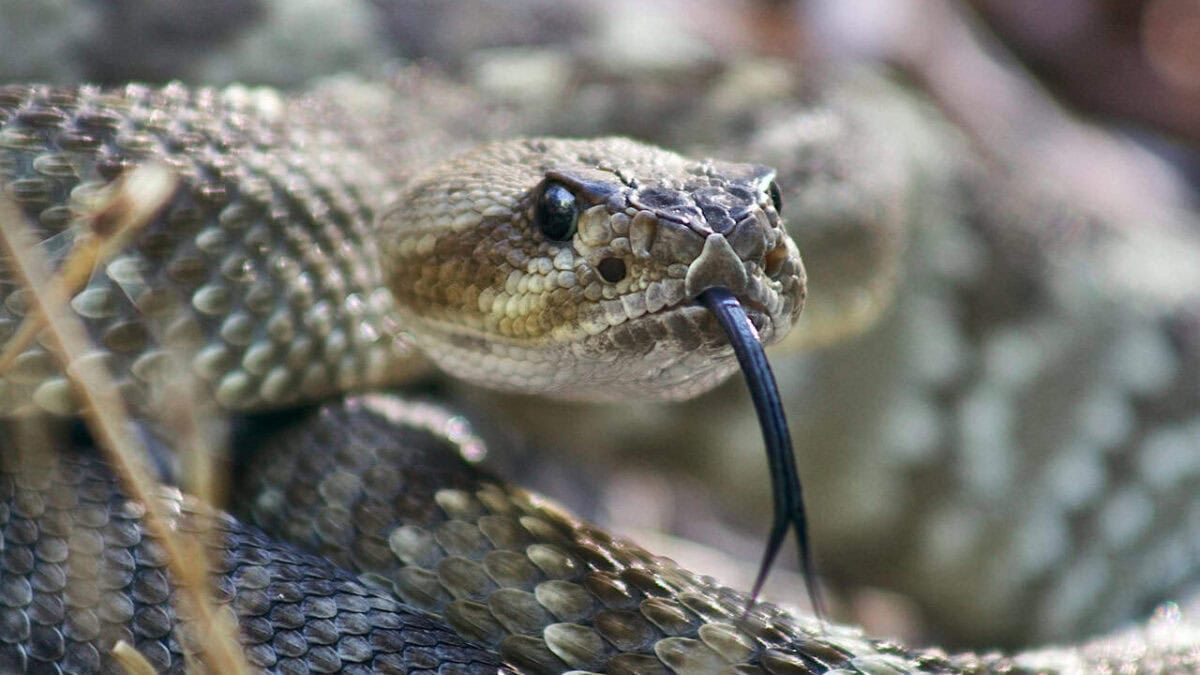
The prairie rattlesnake (Crotalus viridis) is the only venomous snake species found in Yellowstone National Park. These reptiles typically grow to 3-4 feet in length and are most commonly encountered in the northern and western portions of the park, particularly in lower elevations with rocky terrain. Prairie rattlesnakes possess hemotoxic venom that destroys tissue and affects blood clotting, making their bites potentially dangerous without prompt medical treatment. Their distinctive rattle, created by specialized scales on their tail, serves as a warning when they feel threatened.
Rattlesnake encounters in Yellowstone are relatively uncommon compared to other dangerous wildlife, and bites are rare. Most incidents occur when snakes are accidentally stepped on or when visitors attempt to handle or get too close to them. Rattlesnakes are generally not aggressive unless provoked and prefer to avoid confrontation when possible. To minimize risk, visitors should stay on established trails, wear closed-toe shoes when hiking, use a flashlight after dark, and carefully check around rocks and logs before sitting down or placing hands in concealed areas. If bitten, victims should seek immediate medical attention at one of the park’s medical facilities. Despite their dangerous potential, rattlesnakes play an important role in Yellowstone’s ecosystem by controlling rodent populations.
9. Coyotes: Adaptable and Potentially Dangerous
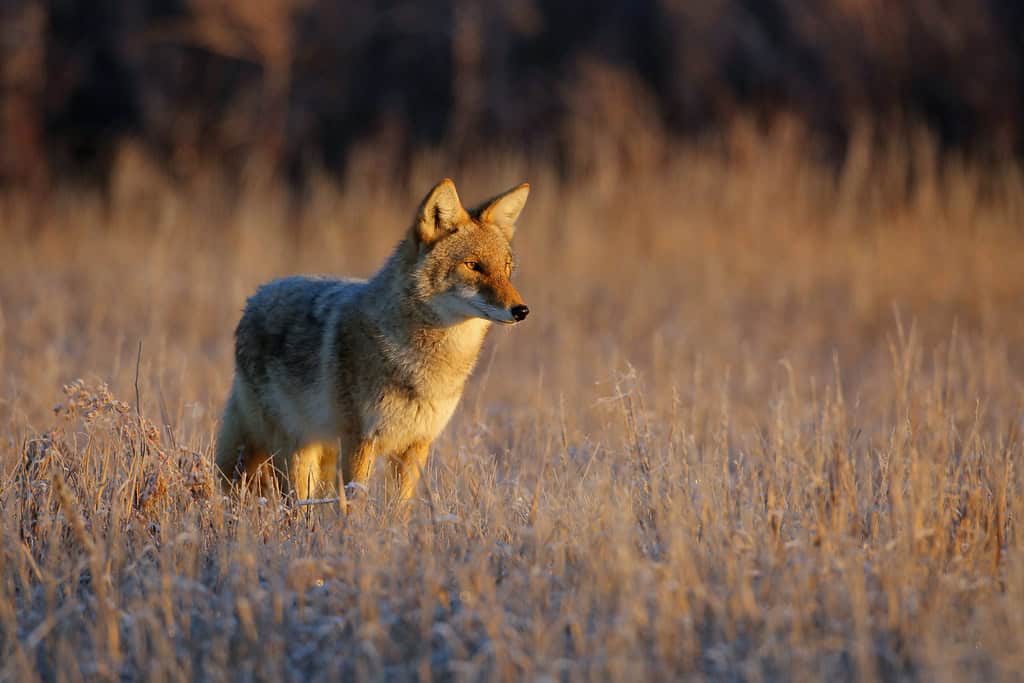
Coyotes (Canis latrans) are highly adaptable predators found throughout Yellowstone National Park. Weighing between 25-35 pounds, these medium-sized canids are significantly smaller than wolves but should not be underestimated. Yellowstone is home to approximately 50-60 coyote packs, with territories often overlapping those of wolf packs. While naturally shy around humans, coyotes can become dangerous when habituated to people through direct or indirect feeding, which alters their natural wariness and may lead to bold, aggressive behavior.
Most coyote attacks in national parks occur when these animals have become food-conditioned, learning to associate humans with easy meals. They are particularly dangerous during denning season (spring through summer) when protecting pups. Coyotes are opportunistic predators with remarkable intelligence and adaptability, capable of taking down prey much larger than themselves when hunting in pairs or small groups. Park regulations prohibit feeding wildlife and require maintaining at least 25 yards distance from coyotes. Visitors should properly store food, dispose of trash in designated receptacles, and never approach or attempt to photograph coyotes at close range. If approached by an aggressive coyote, making loud noises and appearing large may deter an attack, though such confrontations are uncommon in Yellowstone.
10. Bighorn Sheep: Dangerous During Rutting Season
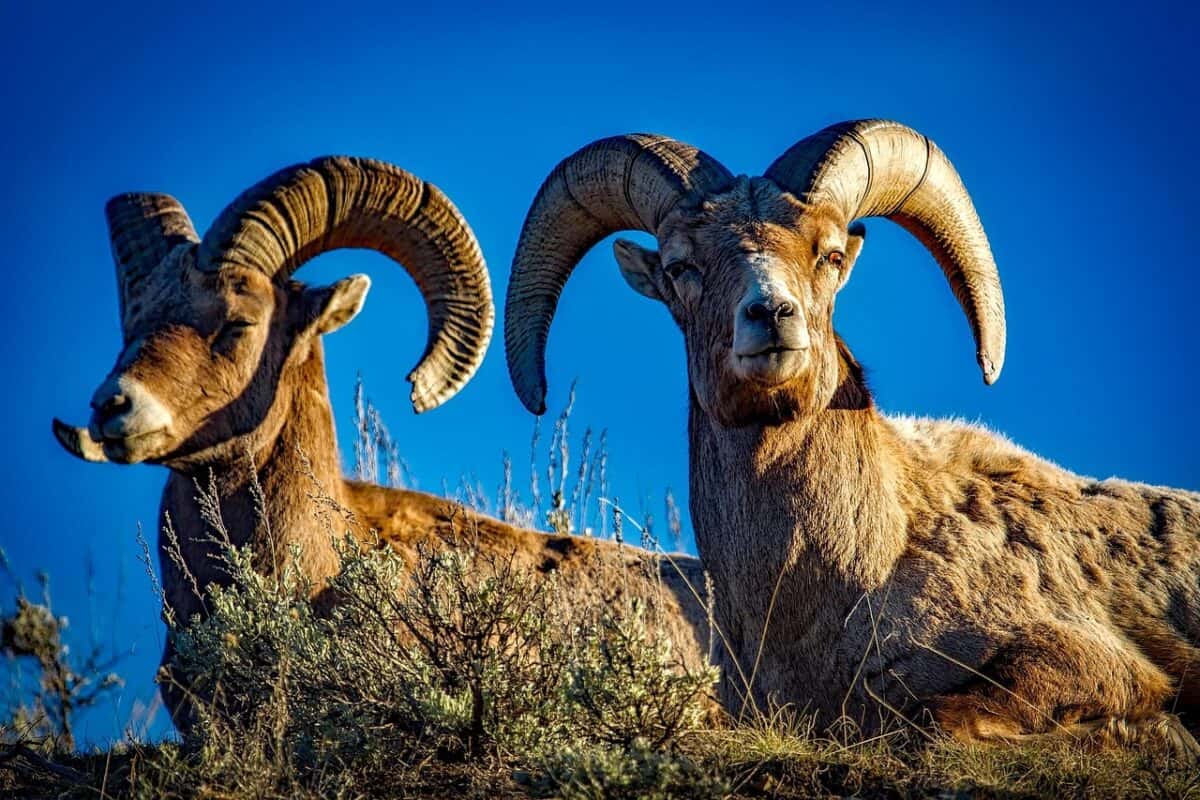
Bighorn sheep (Ovis canadensis) are known for their impressive curved horns and ability to navigate Yellowstone’s steep, rocky terrain. Males (rams) can weigh up to 300 pounds and possess massive horns that can weigh up to 30 pounds. While typically shy and quick to flee from humans, bighorn sheep—particularly rams during rutting season (November-December)—can become aggressive and dangerous. During this period, males engage in dramatic head-butting contests to establish dominance, charging at each other at speeds up to 20 mph with forces that would kill most other animals.
Though less frequently involved in human injuries than other Yellowstone wildlife, bighorn sheep have been known to charge people who approach too closely, especially during the rut. Their powerful necks and massive horns can deliver devastating blows. Bighorns inhabit the park’s steep, rocky areas, particularly around Mount Washburn, the Gardner River Canyon, and the northeastern entrance. The park’s population fluctuates between 300-400 animals. Park regulations require maintaining at least 25 yards distance from bighorn sheep. Most dangerous encounters occur when visitors approach too closely for photographs or block escape routes, causing the animals to feel cornered. Despite being herbivores, their size, strength, and specialized fighting equipment make them worthy of caution and respect.
11. Thermal Features: Nature’s Hidden Dangers

While not animals, Yellowstone’s thermal features deserve mention as dangerous natural elements visitors might encounter. The park contains approximately 10,000 thermal features, including geysers, hot springs, mud pots, and fumaroles. Water temperatures in these features can exceed 200°F (93°C), and the ground surrounding them is often unstable, with only a thin crust covering scalding water or boiling mud. Since the park’s establishment, more than 20 people have died from burns received after falling into thermal features, making them statistically more deadly than animal encounters.
The danger is compounded by the deceptive appearance of many thermal areas, which may look solid but can collapse under a person’s weight. Acidic waters in some features can cause chemical burns in addition to thermal injuries. Park regulations require visitors to stay on boardwalks and established trails around thermal areas, but every year, several visitors are injured after leaving designated paths to get closer photos or to “test” the water temperature. The most dangerous thermal areas include the Norris Geyser Basin, with groundwater temperatures reaching 456°F (the hottest in the park), and the vibrant Grand Prismatic Spring, where the water reaches 160°F. For safety, always remain on designated boardwalks, keep children close, and never throw objects into thermal features.
12. Staying Safe in Yellowstone: Understanding Wildlife Behavior
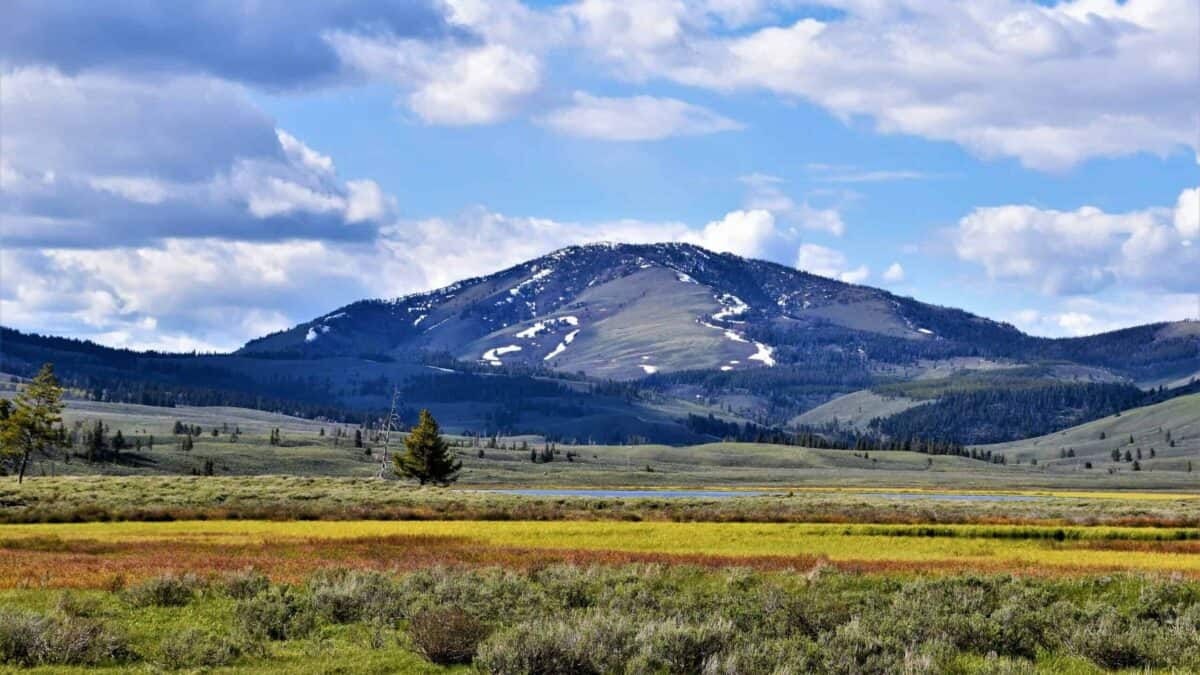
Yellowstone National Park offers unparalleled opportunities to observe wildlife in their natural habitat, but this privilege comes with responsibility. The most important safety rule is maintaining appropriate distances from wildlife: at least 100 yards (91 meters) from bears and wolves, and at least 25 yards (23 meters) from all other animals. These distances aren’t arbitrary—they reflect the space animals need to feel secure and not threatened by human presence. Understanding seasonal behaviors is equally important, as many animals become more aggressive during mating seasons or when raising young.
Proper food storage is critical to both human and wildlife safety. When animals become habituated to human food, they often lose their natural wariness and may become aggressive. All food, garbage, and scented items should be stored in bear-proof containers or vehicles. Hiking in groups, making noise on trails, carrying bear spray, and being especially cautious around blind corners can help prevent surprise wildlife encounters. Remember that Yellowstone is not a zoo—it’s a wild ecosystem where animals behave according to natural instincts. By respecting wildlife, following park regulations, and maintaining appropriate distances, visitors can enjoy safe, memorable experiences in this remarkable wilderness while preserving the natural behaviors that make Yellowstone’s wildlife so special.
Yellowstone National Park offers a rare glimpse into an ecosystem where wildlife still roams freely in their natural habitat, providing unparalleled opportunities for observation and appreciation of these magnificent creatures. However, this privilege comes with inherent risks that require awareness, respect, and proper precautions. The ten dangerous animals

From exploring the marine wonders in the Azores and witnessing the vast savannas of Kenya, to delving deep into the rich biodiversity of South Africa and traversing iconic landscapes in Australia and the US like Yellowstone, Chris's experiences are vast.
With a penchant for diving alongside sharks, the ocean holds a special place in his heart.
Through his academic insights, he champions wildlife conservation, striving with 'Animals Around The Globe' to cultivate a profound connection between humans and animals, enhancing our mutual appreciation.
Connect with him at Feedback@animalsaroundtheglobe.com.