


Beneath the frigid waters of the Arctic, a symphony unfolds among some of the ocean’s most charismatic creatures. Beluga whales, with their distinctive white bodies and bulbous foreheads, are known as the “canaries of the sea” for good reason. These highly social marine mammals possess one of the most sophisticated vocal communication systems in the animal kingdom, allowing them to “sing” to each other in complex ways that scientists are still working to fully understand.
Unlike many other whale species that produce songs that can travel for miles through ocean depths, belugas engage in a more intimate form of acoustic communication. Their vocalizations are remarkably diverse, including an array of clicks, whistles, chirps, trills, squawks, and moos that create a rich underwater soundscape. This intricate system of sounds plays a crucial role in their social bonds, navigation, hunting, and survival in the challenging Arctic environment.
The Biological Sound System of Belugas

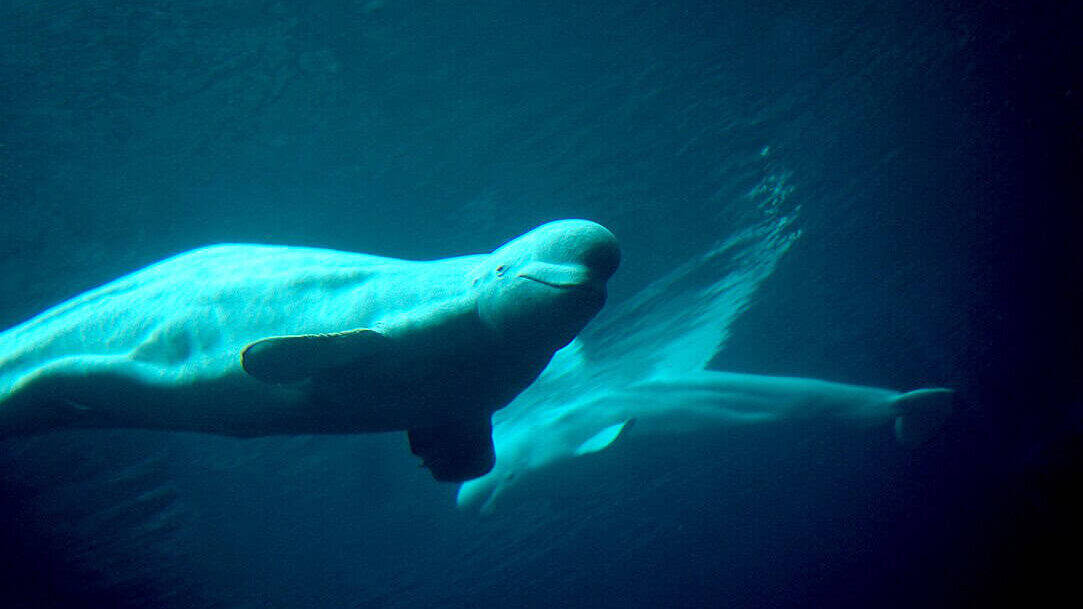
Beluga whales (Delphinapterus leucas) are uniquely equipped for vocal performance. Unlike humans who use vocal cords, belugas produce sounds through structures called “phonic lips” located in their nasal passages. When air moves across these specialized tissues, they vibrate to create sounds. What makes belugas particularly special is their ability to modify these vibrations with exceptional precision, creating their diverse vocal repertoire. This biological sound system is further enhanced by the beluga’s melon—the distinctive bulbous forehead that gives them their characteristic appearance.
The melon is filled with oil-rich tissue that functions as an acoustic lens, focusing and directing sound waves. Belugas can actually change the shape of their melon by moving air between different facial sinuses, allowing them to aim their vocalizations with remarkable accuracy. This physical manipulation also contributes to the wide range of sounds they can produce, making them one of the most vocally flexible marine mammals on the planet.
The Vast Vocal Repertoire
ommons
The vocal diversity of belugas is truly astonishing. Scientists have documented more than 50 distinct call types in their repertoire, far exceeding the vocal range of most other whale species. Their sounds range from high-pitched whistles and chirps to low-frequency moans and grumbles. They produce rapid-fire click trains for echolocation, melodic whistles for social communication, and various pulsed sounds that serve different functions. Some researchers have even recorded belugas making sounds reminiscent of human speech, adding to their reputation as “sea canaries.”
What makes this repertoire even more remarkable is the beluga’s ability to produce multiple sounds simultaneously. Unlike humans who generally produce one vocalization at a time, belugas can emit different sounds through their left and right nasal passages independently. This means a single beluga can essentially “talk” in two voices at once, creating complex overlapping patterns that may convey richer information to other members of their pod.
Mimicry and Vocal Learning
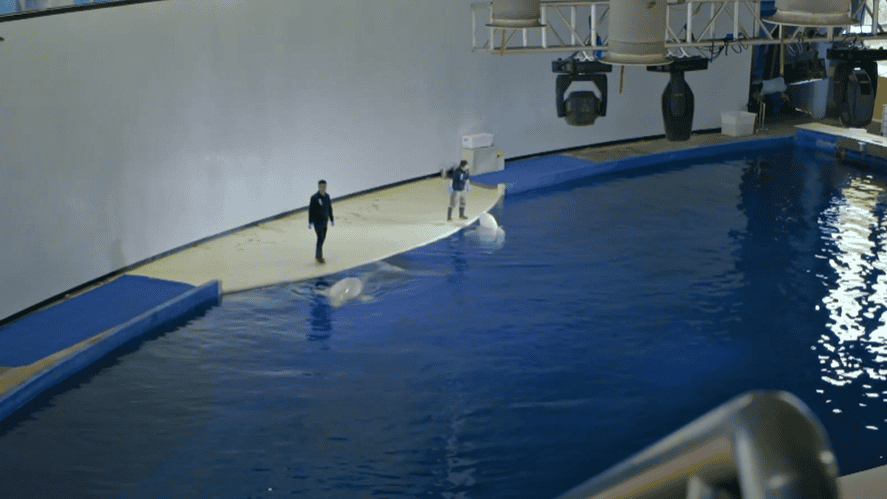
Among the most fascinating aspects of beluga communication is their capacity for vocal learning and mimicry. Unlike many animals whose vocalizations are entirely instinctual, belugas can learn and imitate new sounds throughout their lives. This ability places them in a small group of animals—including humans, some birds, elephants, and a few other cetaceans—capable of vocal learning. Belugas have been documented mimicking the sounds of their tankmates in captivity, incorporating novel sounds into their repertoire, and even imitating human speech patterns.
One famous case involved a captive beluga named NOC at the National Marine Mammal Foundation, who spontaneously began imitating human speech with such accuracy that divers initially thought someone was speaking to them underwater. This remarkable ability suggests that belugas possess sophisticated cognitive and auditory processing capabilities that allow them to recognize, memorize, and reproduce a wide variety of sounds. In the wild, this skill likely helps them adapt their communication to changing social and environmental conditions.
Social Context of Beluga Songs

Beluga vocalizations aren’t random noise but deeply embedded in social context. These whales live in fluid social groups called pods that can range from a few individuals to hundreds of animals, particularly during summer gatherings. Within these social structures, vocalizations serve multiple purposes. Some calls appear to function as contact calls, helping pod members stay in touch even when visibility is poor. Others seem to coordinate group activities like hunting or migration, while certain calls appear specific to mother-calf interactions.
Research suggests that belugas may also use signature whistles—unique vocal patterns that function somewhat like names. These individualized calls may help belugas recognize specific pod members, maintaining social bonds in their dynamic communities. The frequency and types of calls also change depending on the social situation, with more varied and frequent vocalizations observed during social gatherings and less acoustic activity during resting periods. This sophisticated adjustment of communication patterns reflects the complex social lives these whales lead beneath the waves.
Echolocation: Singing to See
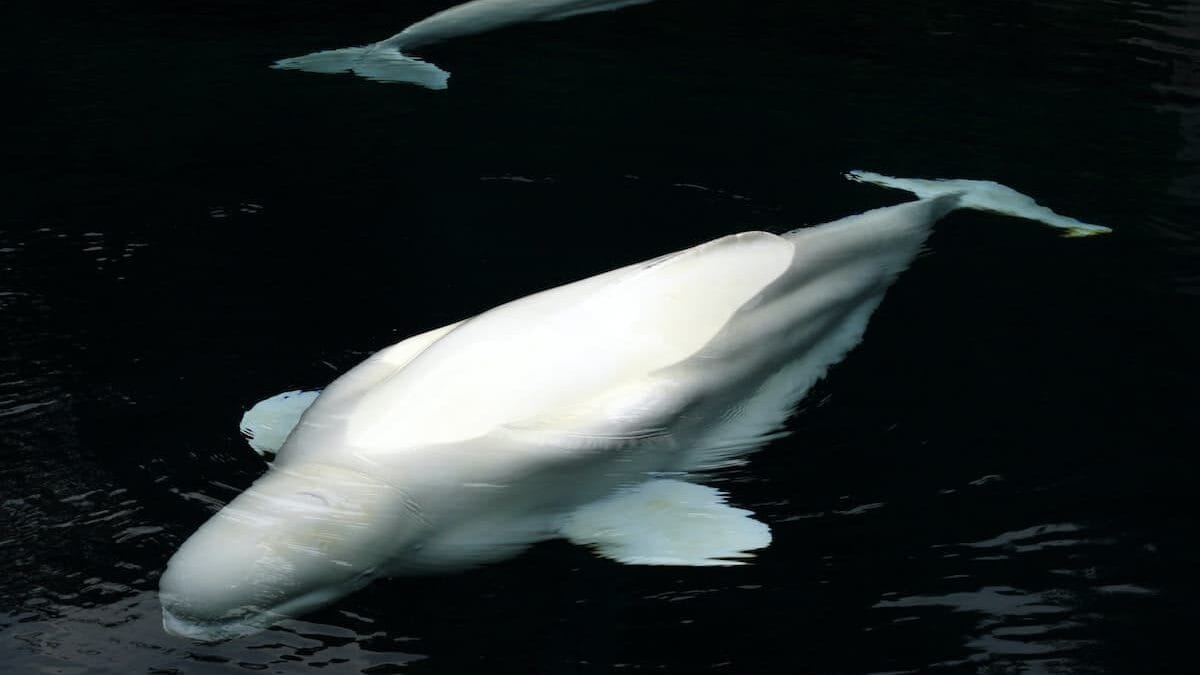
Not all beluga vocalizations are for communication with other whales. Like other toothed whales, belugas use echolocation—a biological sonar system—to navigate and hunt in dark or murky waters. They emit rapid sequences of clicking sounds that bounce off objects in their environment, and by interpreting the returning echoes, they create a detailed acoustic image of their surroundings. Beluga echolocation is exceptionally sophisticated, allowing them to detect objects as small as a ping pong ball from more than 100 meters away and distinguish between different types of fish or other prey.
What sets beluga echolocation apart is its flexibility and precision. They can adjust the frequency, amplitude, and pattern of their clicks depending on what they’re trying to detect. When searching for distant objects, they might use lower-frequency clicks that travel farther. When homing in on prey, they increase the click rate dramatically, creating what scientists call a “terminal buzz” that provides rapid updates on the prey’s position. This dynamic adjustment of their acoustic signals demonstrates the remarkable control belugas have over their vocal apparatus.
Regional Dialects and Cultural Transmission
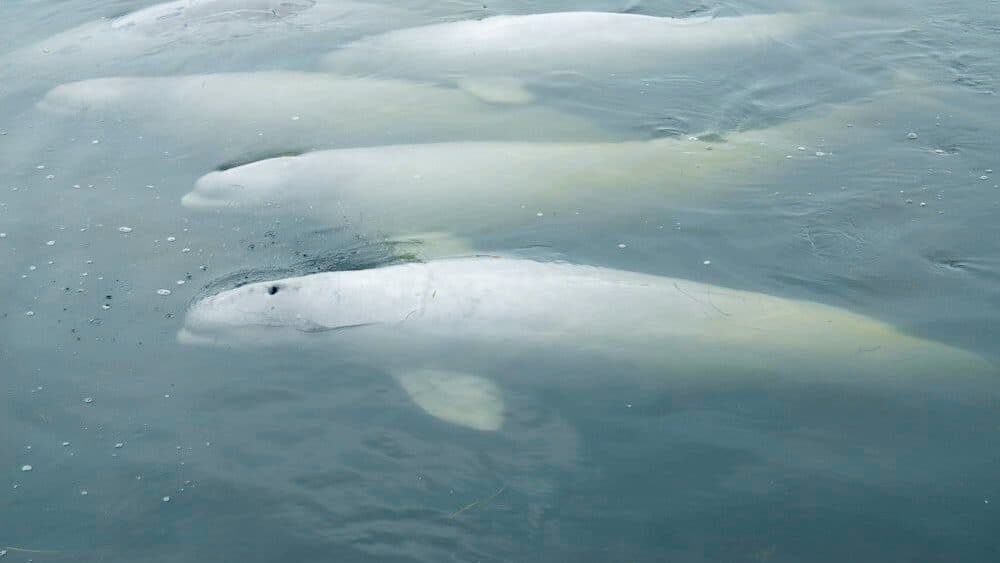
One of the most intriguing aspects of beluga communication is the existence of regional dialects. Different populations of belugas appear to develop distinct vocal patterns that are shared within their community. These dialects likely develop through cultural transmission—the learning of vocalizations from other pod members rather than through genetic inheritance. Young belugas learn the vocal traditions of their pod by listening to and imitating the adults around them, similar to how human children acquire the language of their community.
Scientists studying the St. Lawrence Estuary population in Canada, for example, have identified call types that appear unique to that group and differ from those used by belugas in other regions. These dialect differences may help strengthen group identity and cohesion within specific populations. They also provide researchers with valuable insights into the social structure and evolutionary history of different beluga communities. The presence of these regional “accents” underscores the cultural complexity of beluga society and highlights the importance of vocal learning in their lives.
Communicating Through Arctic Ice
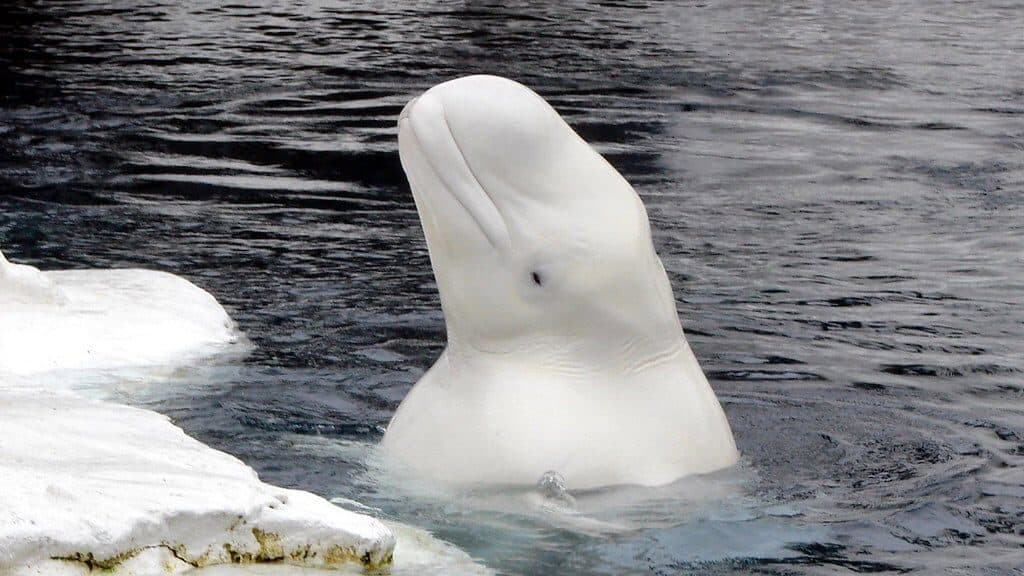
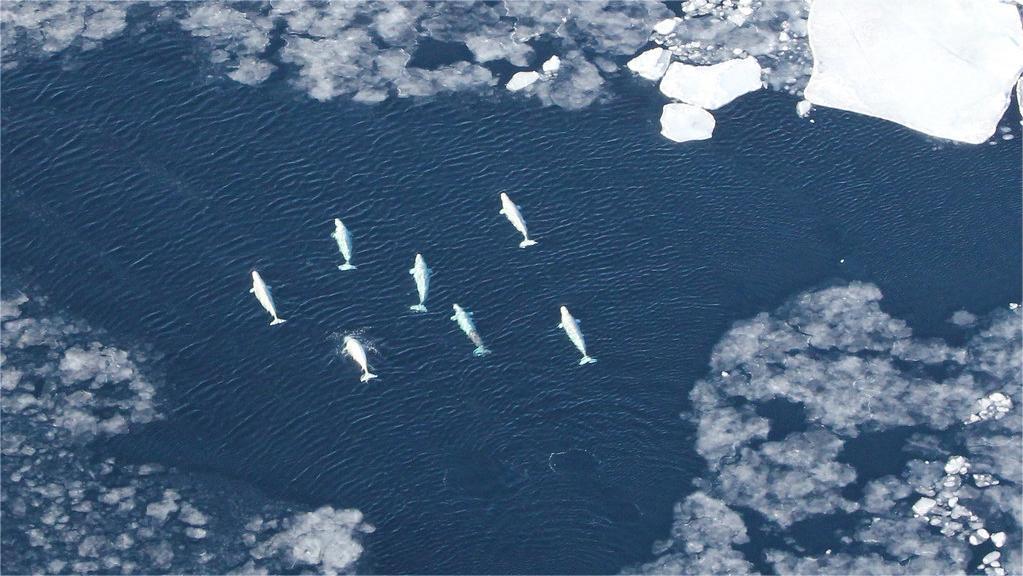
Belugas face unique communication challenges in their Arctic and sub-Arctic habitat, particularly during the winter months when sea ice covers much of their range. Rather than being a barrier to communication, belugas have adapted to use ice to their advantage. Their vocalizations can travel through ice, and they often gather in polynyas—areas of open water surrounded by ice—where they can access air to breathe while continuing their vocal exchanges. Some researchers have observed belugas positioning themselves below ice and directing their vocalizations upward, possibly using the ice as an acoustic mirror to extend the range of their calls.
Their white coloration, which provides camouflage against ice from predators like polar bears, also comes with acoustic advantages. In the underwater soundscape of the Arctic, where ice creates a complex acoustic environment of creaks, groans, and cracks, belugas must distinguish their social calls from environmental noise. They appear to do this by using frequency bands that minimize interference from ice sounds and by modulating the timing and structure of their calls to ensure they stand out against the background noise. This acoustic adaptation is yet another example of how thoroughly belugas have evolved to thrive in their challenging environment.
Mother-Calf Communication
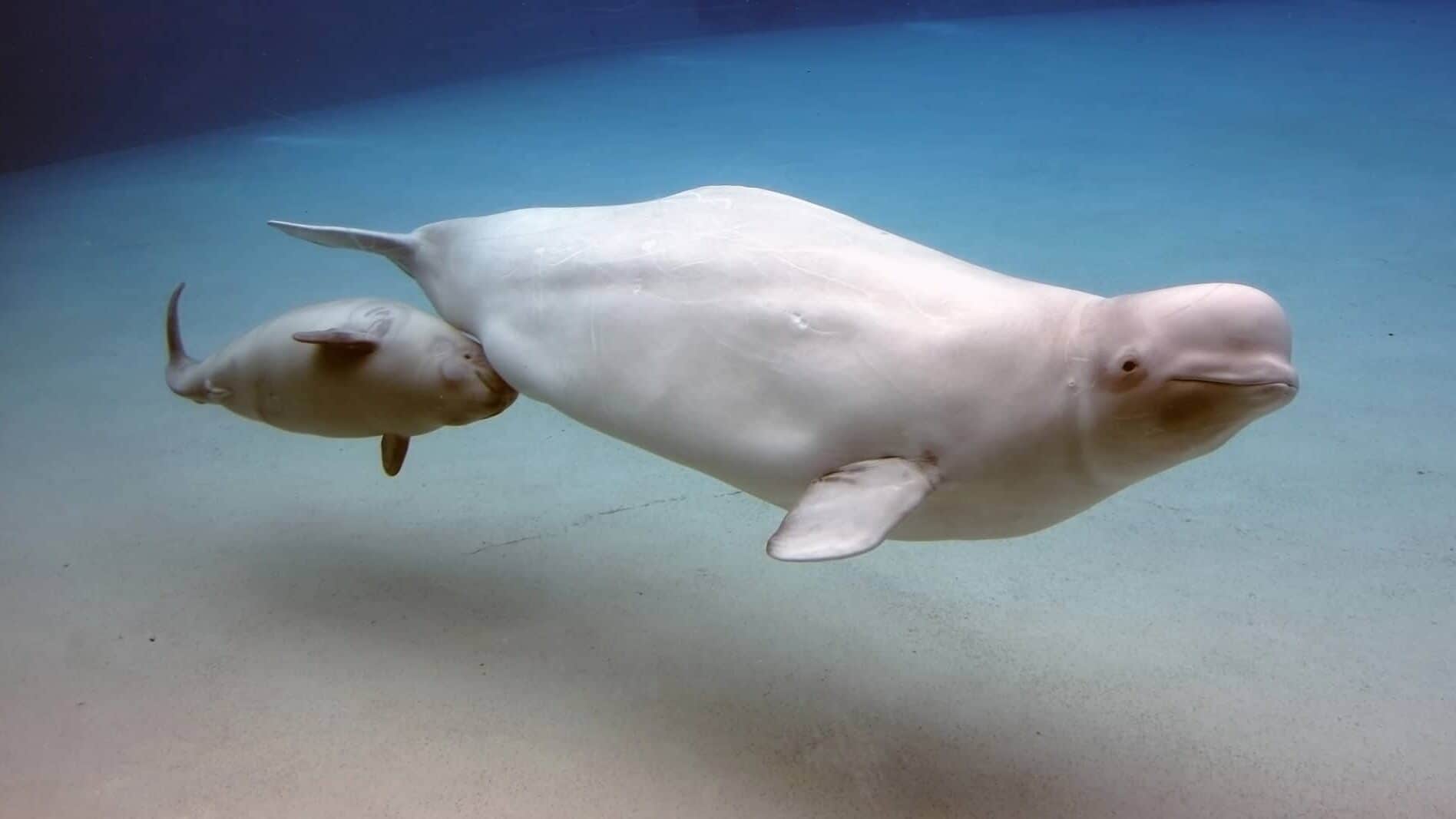
Perhaps the most tender aspect of beluga vocalization occurs between mothers and their calves. From birth, beluga calves are vocally active, and mothers appear to recognize their offspring’s unique vocal signatures. Research suggests that mother-calf pairs develop contact calls that help them maintain proximity in the often murky Arctic waters. These specialized vocalizations allow mothers to monitor their calves’ whereabouts and respond quickly if the young whale strays too far or encounters danger.
The acoustic bond between mother and calf begins before birth. Studies have shown that beluga calves in the late stages of gestation can hear sounds, and they likely become familiar with their mother’s vocalizations while still in the womb. After birth, calves learn by imitating their mothers and other pod members, gradually expanding their vocal repertoire as they mature. This vocal relationship is crucial for the calf’s survival and social development, teaching them not just how to communicate but also how to be a beluga—how to hunt, navigate, and participate in pod life. The mother’s songs, in essence, become the soundtrack to the calf’s education.
Human Impact on Beluga Communication

The underwater world is becoming increasingly noisy due to human activities, and this poses a significant threat to beluga communication. Shipping traffic, offshore drilling, seismic surveys, and military sonar all contribute to rising noise levels in the oceans. This anthropogenic noise can mask beluga vocalizations, making it harder for them to communicate effectively with pod members. In busy shipping lanes, the constant low-frequency rumble of vessel engines can drown out the more subtle aspects of beluga calls, potentially disrupting social bonds and coordinated activities.
Belugas appear to adapt to noise by changing their vocal behavior—calling louder, shifting to different frequencies, or vocalizing more repetitively. However, these adaptations come with costs, potentially requiring more energy and causing stress. Of particular concern is how noise might affect mother-calf communication, which is essential for calf survival. Conservation efforts increasingly recognize noise pollution as a threat to beluga populations, especially those already facing challenges from climate change, habitat degradation, and contaminants. Establishing acoustic sanctuaries and regulating underwater noise in critical beluga habitat are emerging as important conservation strategies.
Scientific Research Methods

Studying how belugas “sing” underwater presents unique challenges that have spurred innovative research methods. Hydrophones—underwater microphones—are the primary tools for recording beluga vocalizations in their natural environment. These can be deployed from boats, installed in fixed locations on the seafloor, or even mounted on the whales themselves using suction-cup tags. These recording devices often include accelerometers and depth sensors that provide context about what the whale is doing while vocalizing, helping researchers connect specific sounds to particular behaviors.
Advanced computational methods have revolutionized the analysis of beluga vocalizations. Machine learning algorithms can now sort through thousands of hours of recordings to identify and categorize different call types, detect patterns that might not be obvious to the human ear, and even identify individual whales by their vocal signatures. Some researchers are developing acoustic localization techniques that use arrays of synchronized hydrophones to triangulate the position of vocalizing whales, creating three-dimensional maps of how belugas use sound in their environment. These technological advances are helping scientists decode the complex language of belugas with unprecedented detail.
The Future of Beluga Communication Research
The study of beluga vocalizations stands at an exciting frontier, with new technologies opening windows into their acoustic world. Emerging research is exploring how belugas might use body postures and movements in conjunction with vocalizations—studying multi-modal communication that combines acoustic signals with visual ones. Other scientists are investigating whether belugas might have something akin to grammar or syntax in their communication system, organizing sounds in patterns that could convey more complex information than individual calls alone.
The conservation implications of this research cannot be overstated. As Arctic environments rapidly change due to climate warming, understanding how belugas communicate is essential for protecting them. Their vocalizations can serve as indicators of population health and help identify critical habitat that needs protection. Some researchers are even exploring whether acoustic monitoring might provide early warning of population stress or decline. The songs of belugas, beyond their scientific fascination, may hold keys to ensuring these remarkable animals continue to thrive in a changing world, maintaining their underwater symphonies for generations to come.
The vocal world of beluga whales represents one of nature’s most sophisticated communication systems, a testament to the complex social and cognitive capacities of these remarkable marine mammals. From their biological adaptations that allow for an incredible range of sounds to their ability to learn, mimic, and culturally transmit vocal patterns, belugas demonstrate communication skills that in some ways parallel our own. Their songs serve practical purposes—navigation, hunting, maintaining contact—but also appear to strengthen social bonds and express the rich emotional lives these intelligent creatures lead beneath the waves.
As we continue to decipher the nuances of how belugas “sing” to each other underwater, we gain not just scientific knowledge but a deeper appreciation for the complexity of non-human minds and societies. The challenges these Arctic specialists face from climate change, noise pollution, and habitat degradation make understanding their communication more urgent than ever. By listening carefully to the voices of belugas, we may learn not only about their needs and behaviors but also gain insights into the broader symphony of life that connects all ocean inhabitants.
The white whales of the north have captivated human imagination for centuries with their ghostly appearances and vocal virtuosity. As science peels back the layers of mystery surrounding their underwater conversations, the awe they inspire only grows. In the beluga’s song, we hear an echo of the ocean’s vast complexity and a reminder of our responsibility to preserve the acoustic environments that allow these magnificent conversations to continue.
Perhaps in learning to listen more carefully to how belugas communicate, we might also learn to speak more thoughtfully ourselves—not just to other humans, but to the diverse creatures with whom we share our increasingly noisy planet. The songs of belugas invite us to expand our conception of language, intelligence, and culture beyond human boundaries and recognize the rich tapestry of communication that has evolved in our world’s oceans.

- How to Attract Pollinators Without Using Sugar Water - July 19, 2026
- Coastal Creatures That Appear at Low Tide in Oregon - July 19, 2026
- How Arctic Wolves Survive in the Harshest U.S. Winters - July 19, 2026