

Throughout the natural world, survival often depends on the ability to ward off threats. Animals have evolved a fascinating array of defense mechanisms to keep themselves safe from predators. From camouflage to chemical warfare, these strategies are nothing short of extraordinary. In this article, we’ll explore ten incredible ways various animals defend themselves from predators, showcasing the ingenuity and adaptability that nature inspires.
Camouflage Disappearing Into the Background
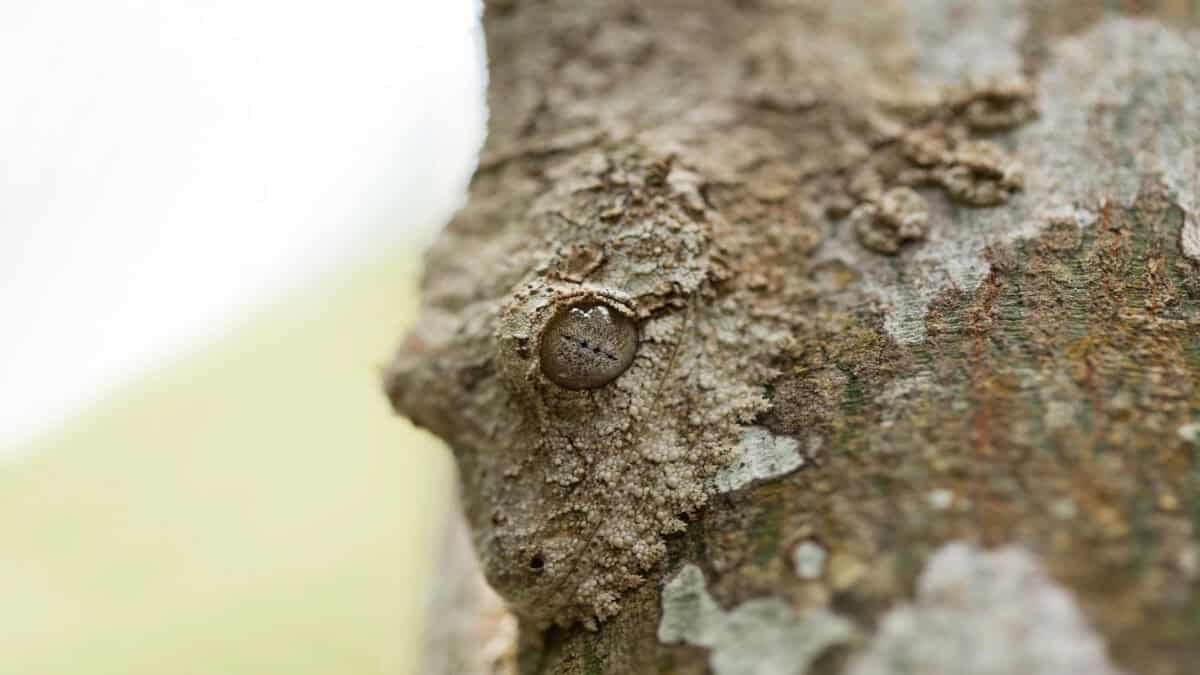
Camouflage is one of the most well-known defense mechanisms in the animal kingdom. By blending into their environments, animals can evade predators by becoming virtually invisible to the untrained eye. The leafy sea dragon, for example, looks like a piece of seaweed, making it nearly undetectable in its underwater habitat. Similarly, the peppered moth’s coloration allows it to merge seamlessly with the bark of trees, providing crucial protection against birds.
Mimicry The Art of Imitation
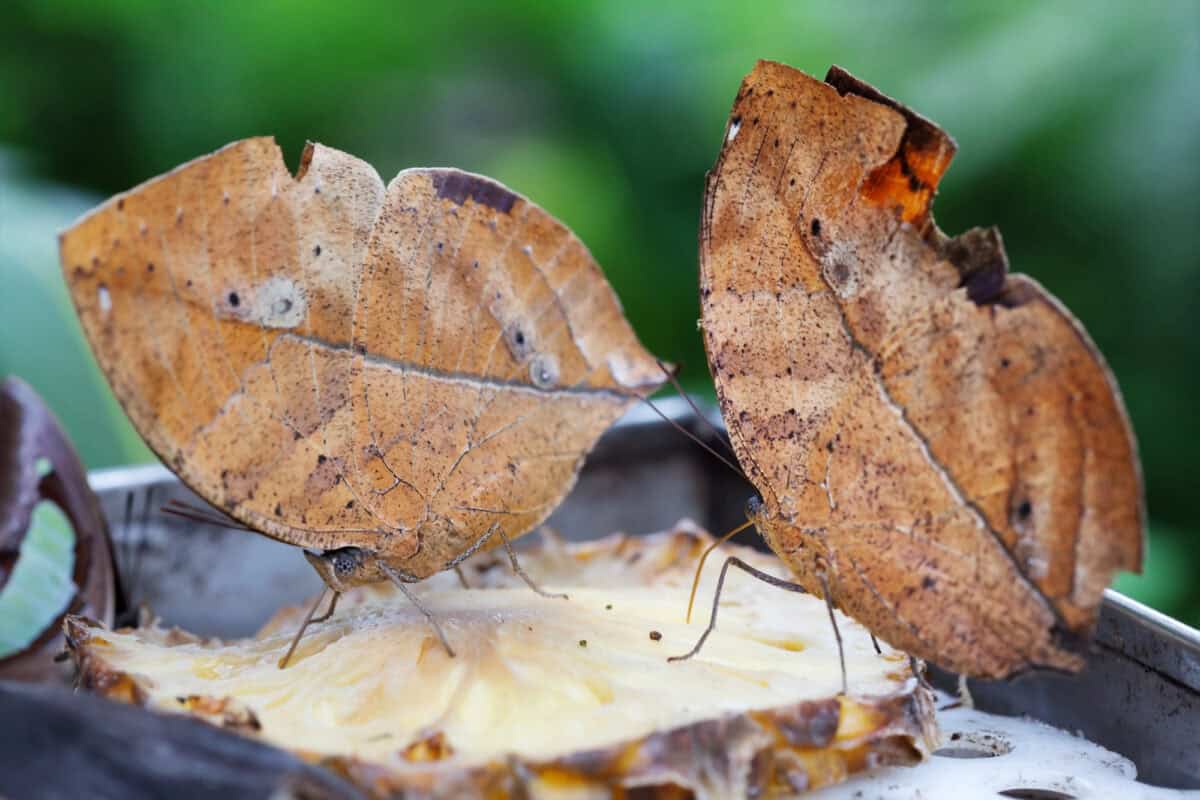
Mimicry is another fascinating method of avoiding predators. Some animals have evolved to look, sound, or even act like other, more dangerous creatures. The harmless milk snake, for instance, mimics the coloration of the venomous coral snake, deterring potential threats. This form of imitation, known as Batesian mimicry, can save an animal’s life by convincing predators that they are encountering something much more hazardous.
Armor and Weapons Physical Defenses

Physical defenses are common among many animal species. Armadillos, with their hard, protective shells, can roll into tight balls to keep predators at bay. Similarly, porcupines use their sharp quills as formidable weapons. These spiny protrusions can injure or deter attackers, making porcupines a tough target for even the most determined predator.
Speed and Agility Outrunning the Enemy

For some animals, the best defense is a good offense—specifically, the ability to outrun or outmaneuver their pursuers. Cheetahs are renowned for their incredible speed, reaching up to 70 miles per hour in short bursts to escape predators. Gazelles, on the other hand, rely on their agility, employing erratic leaps and quick turns to evade hunters.
Warning Signals Stand Back!

Bright coloration can serve as a warning signal to predators to stay away. Known as aposematic coloration, this tactic is used by many toxic or unpalatable animals, like the poison dart frog. Their vibrant colors signal their poisonous nature, keeping potential threats at a distance. This visual deterrent effectively communicates danger without the need for action.
Chemical Warfare Potent Defenses
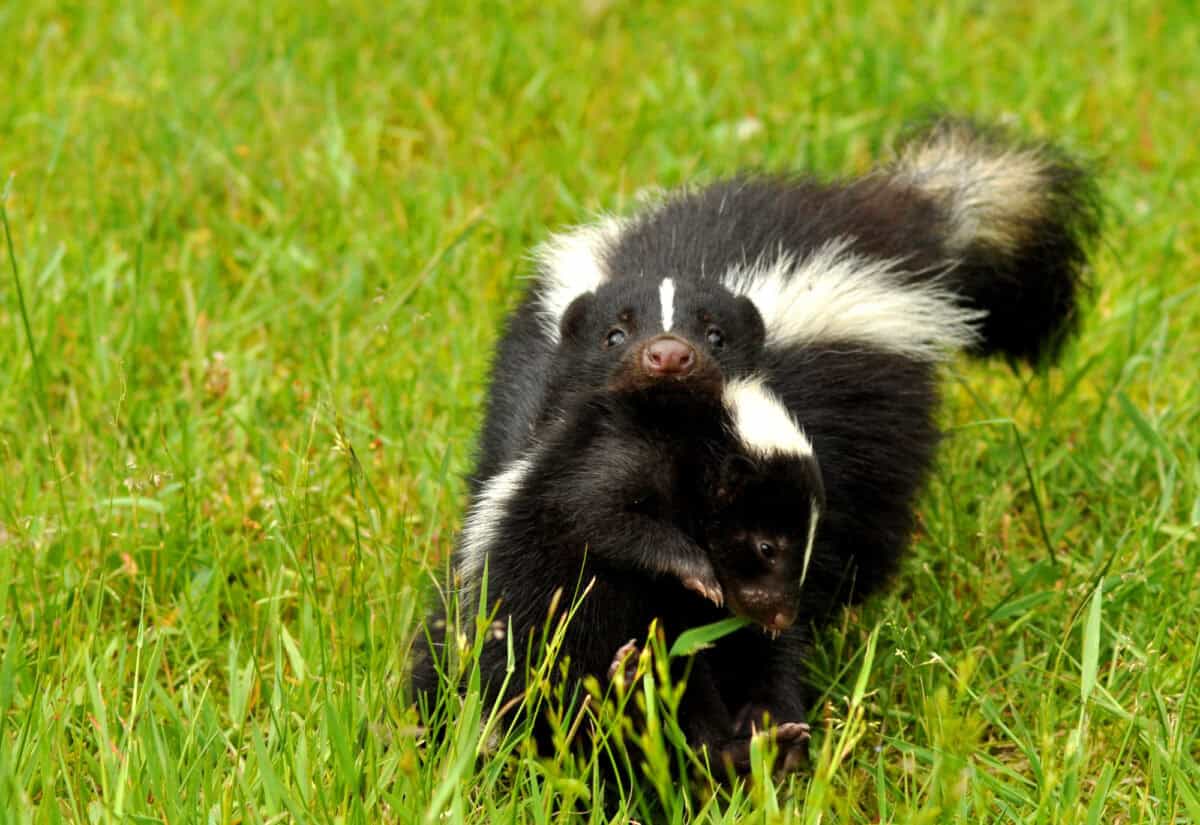
Some animals employ chemical defenses, releasing substances that can deter or even harm predators. Skunks are infamous for their pungent spray, which can cause temporary blindness and a lasting odor. Similarly, the venomous bite of a snake or the toxins of certain caterpillars provide a powerful deterrent against would-be attackers.
Playing Dead The Art of Deception

Feigning death, or thanatosis, is a clever strategy used by some animals to escape predation. The opossum, for example, can mimic the appearance and smell of a dead animal, causing predators to lose interest. This temporary state of helplessness—often involving a limp body and slow heartbeat—can be surprisingly effective in discouraging attacks.
Building Barriers Defensive Structures
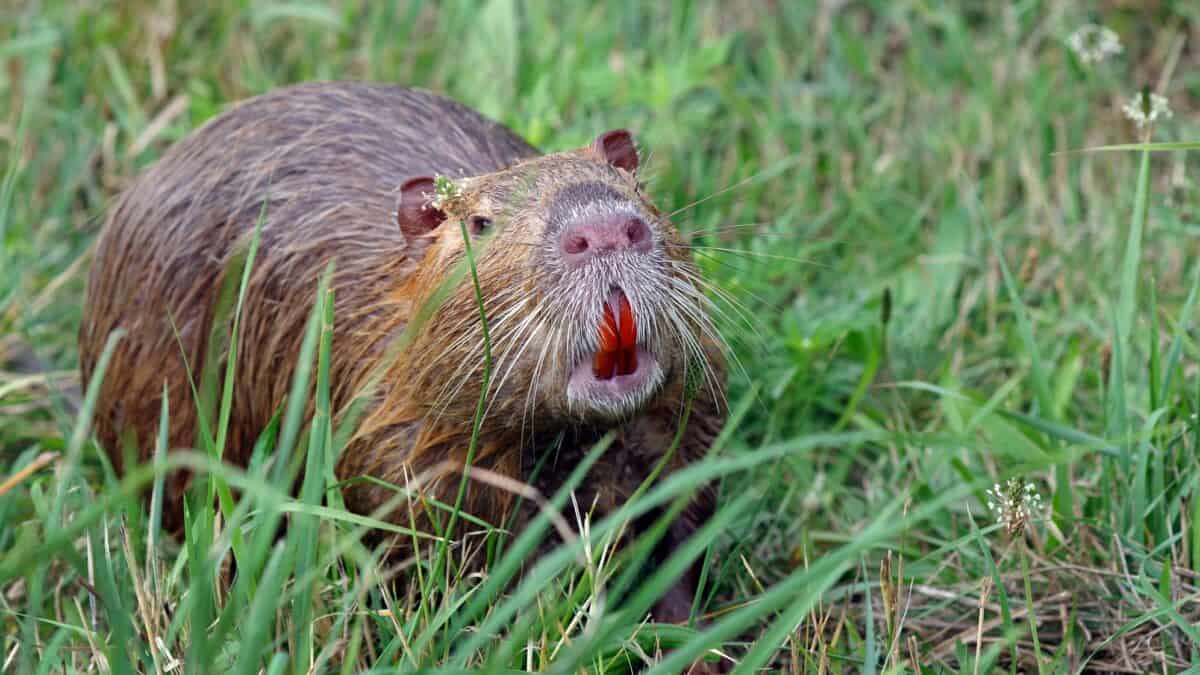
Creating physical barriers is an ingenious way to avoid predators. Beavers construct elaborate dams and lodges to provide safe havens from predators. These structures offer both protection and a secure environment for raising young. Birds like weaver finches build complex nests in thorny bushes to deter snakes and other invaders.
Sound Alarms Acoustic Alerts

Vocalizations can serve as an effective warning system in the wild. Meerkats use an intricate series of calls to alert their group to the presence of predators. These warning sounds prompt swift, coordinated responses, ensuring that the group members are on high alert and ready to take swift action.
Unexpected Explosions Startle Tactics

Some animals employ startle tactics to surprise and disorient predators. The horned lizard can shoot blood from its eyes, temporarily confusing its attacker. Meanwhile, certain species of octopus can expel a cloud of ink, providing an opportunity to escape. These startling displays can disrupt a predator’s focus, giving the prey a crucial moment to flee.
Cooperative Defense Safety in Numbers
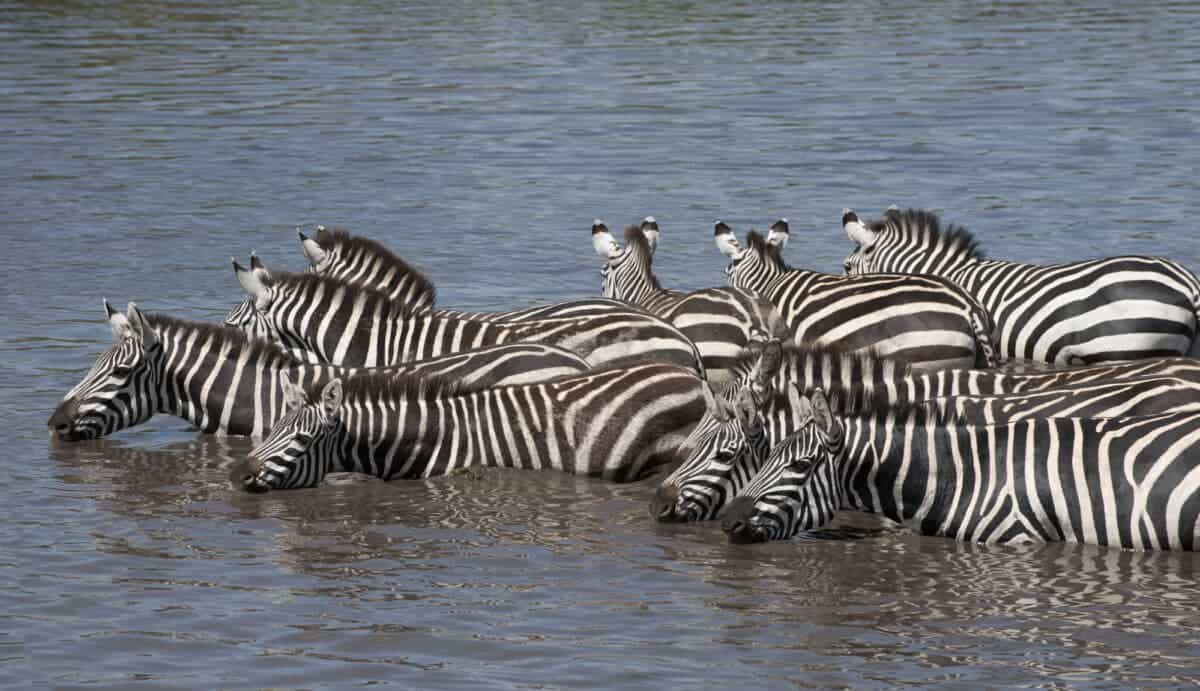
Herd animals often rely on group cooperation to fend off predators. Zebras and wildebeests, for example, form large groups that confuse predators with their numbers, making it difficult to target a single individual. In some cases, herd members actively defend one another, working together to repel attackers and protect vulnerable individuals.
Conclusion: Nature’s Masterpieces of Defense

The diversity and creativity of animal defense mechanisms are truly astounding. These strategies highlight not only the incredible adaptability of animals but also the complexity of ecosystems where countless species interact. From deception to deterrence, each method contributes to the survival of these remarkable creatures, showcasing nature’s infinite capacity for innovation. By understanding and appreciating these natural defenses, we gain a deeper respect for the animals that share our world and the ecosystems that sustain them.

As a little kid, I fell in love with nature, wildlife, and animals. Living in the USA, South Africa, Italy, China and Germany gave me the opportunity to discover the world's Wildlife. My favorite animals are Mountain Gorillas, Siberian Tigers, and Great White Sharks.
I'm a certified PADI Open Water Diver, went to Everest Base Camp and Trekked Gorillas in Uganda. I hold a Master of Science in Economics and Finance.
Please send any feedback to feedback@animalsaroundtheglobe.com
- Why the Great Barrier Reef Is the Best Place to Spot Sea Turtles - June 3, 2026
- 2 Animals With Super Sized Body Parts and What They are For - June 3, 2026
- Explore The Azores - June 3, 2026