

You’ve seen them lurking in corners, weaving their delicate webs across your ceiling, and scurrying under furniture at the worst possible times. Spiders. The unwelcome houseguests pay no rent yet claim ownership of every dusty crevice in your home.
While most of these eight-legged visitors are harmless, few of us want to share our living space with them. What if you could send them packing without reaching for harsh chemicals or toxic sprays? The answer might be hiding in scents you already love. From refreshing mint to zesty citrus, certain natural fragrances can make your home a no-go zone for spiders while keeping it smelling fresh.
Peppermint Oil
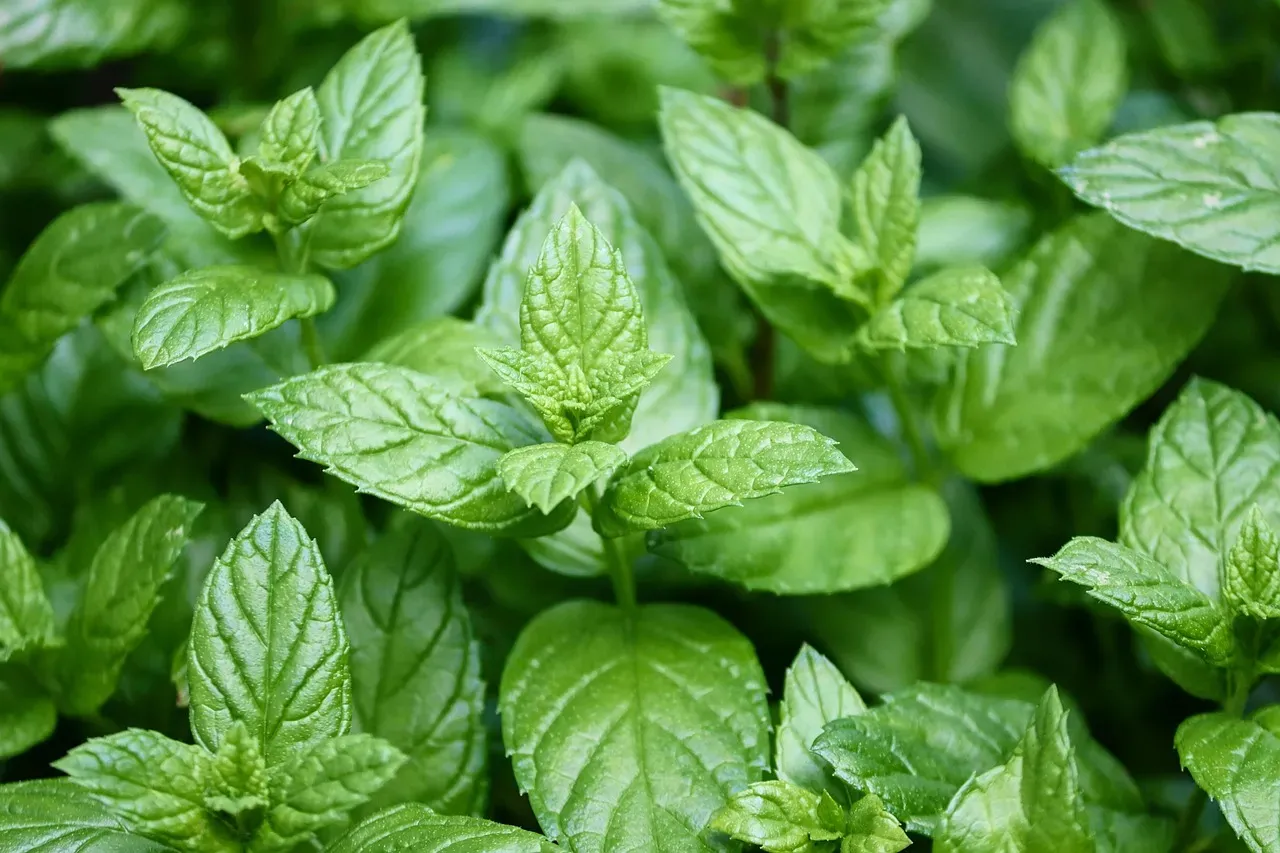
Peppermint oil is highly favoured for its strong, minty scent that provides a refreshing atmosphere in any room while acting as a natural spider repellent. Peppermint oil contains high levels of menthol, which overstimulates the sensory receptors in spiders, making them uncomfortable and driving them away. Think of it like someone blasting music directly into your ears when you’re trying to concentrate. Spiders sense the world through their legs, so when they encounter peppermint, the overwhelming scent disrupts their ability to navigate and find prey.
One study showed exposing recluse spiders to essential oils (including peppermint) for a period of 24 hours resulted in the mortality of many of the spiders. Another research study found that Peppermint Oil strongly repelled brown widows and European garden spiders. To use this powerhouse scent, simply mix a few drops with water in a spray bottle and apply to windowsills, doorways, and dark corners. You can also soak cotton balls in the oil and tuck them into closets or under furniture for longer-lasting protection. Honestly, it’s one of the simplest solutions out there.
Lavender

Lavender oil, renowned for its soothing properties to humans, acts as a natural deterrent for spiders due to its powerful fragrance. Spiders dislike the intense scent of lavender and will typically avoid areas where it is present. It’s fascinating how what calms us can send spiders running in the opposite direction. This beautiful purple herb doesn’t just repel spiders; it also creates a peaceful atmosphere perfect for bedrooms and relaxation spaces.
The soothing scent of lavender oil can deter spiders while also adding a calming aroma to your home. To use, mix lavender oil with water and spray it around your home, particularly in areas like closets and under furniture. The beauty of lavender is its versatility. You can grow the plant itself near windows, use dried bundles in closets, or diffuse the essential oil throughout your home. It works on multiple levels, creating an invisible barrier that spiders find utterly unpleasant while you enjoy the relaxing floral notes.
Eucalyptus
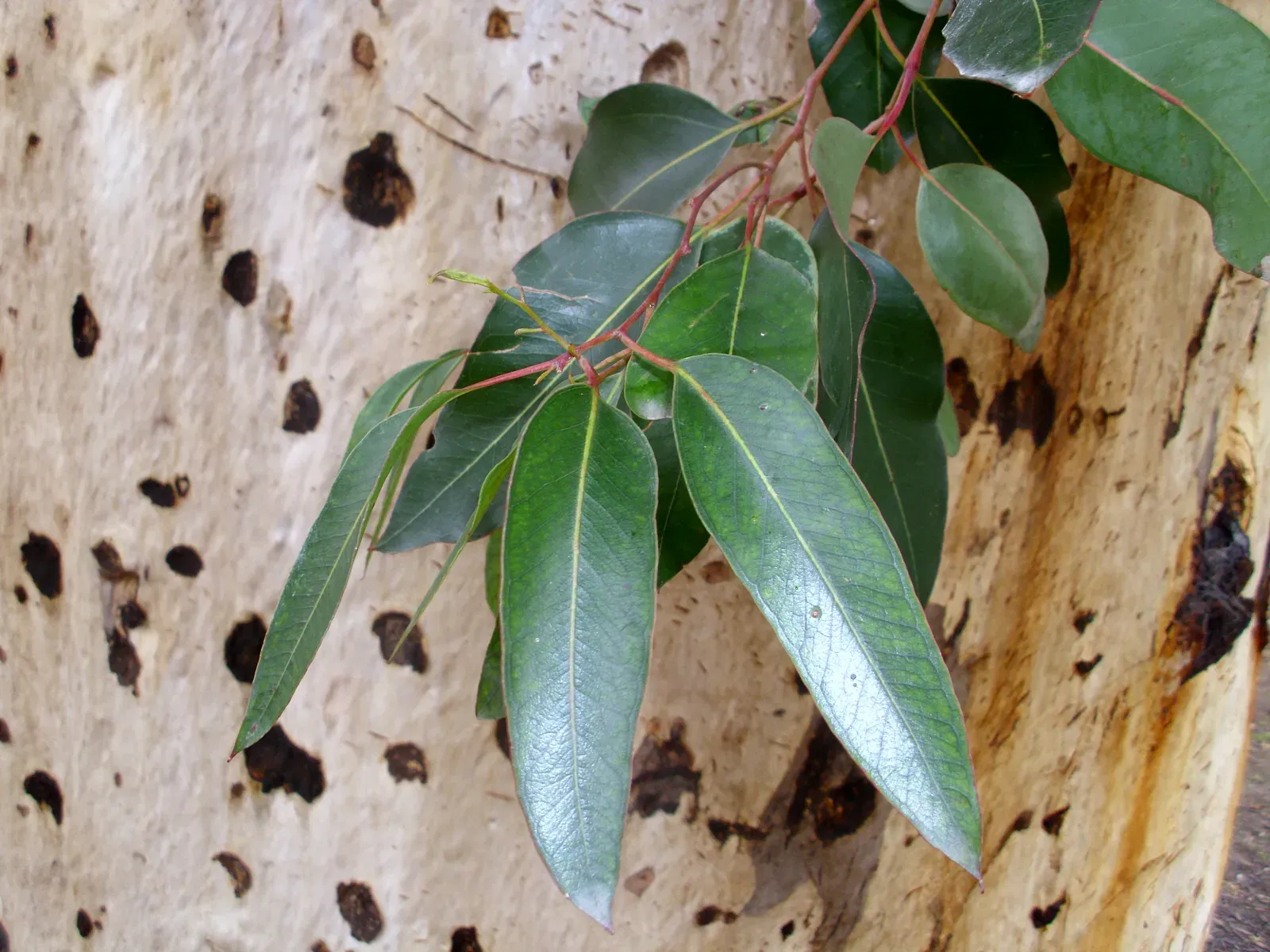
Eucalyptus oil, known for its fresh and clean scent, is another excellent choice among essential oils that deter spiders. Its intense aroma can repel spiders and other insects. The crisp, medicinal scent cuts through stale air while simultaneously making your home inhospitable to unwanted arachnids.
This Australian native has been used for generations as a natural pest deterrent. The insect repellent properties of eucalyptus essential oil are well known. This essential oil has a strong aroma that can deter spiders and other insects from entering your home. Mix it with water and spray around entry points, or place eucalyptus branches in vases near windows and doors. The scent not only repels spiders but also freshens the air, making it a win-win for your living space. Some people even hang eucalyptus in their showers for that spa-like experience while keeping spiders at bay.
Citrus

The acidic nature of citrus is most likely the reason it repels spiders. These eight-legged arachnids are no fans of acidic smells, scents, and tastes. Interestingly, while research on citrus shows mixed results in some studies, lemon oil, the substance most likely to be cited as a repellent, had no effect on any of these spiders. We conclude that lemon oil as a repellent is a myth.
That said, broader citrus scents like orange, lime, and grapefruit still show promise. Citrus scents, such as oranges, lemons and limes, are another strong fragrance that confuses and irritates a spider’s sensory system. Citrus oils contain natural chemical compounds that irritate spiders’ sensory receptors. You can rub fresh orange or lemon peels along baseboards and windowsills, or create a citrus spray by boiling peels in water overnight. The bright, zesty aroma is pleasant to most people but overwhelming to spiders who detect it through their legs.
Tea Tree Oil

Tea tree oil is renowned for its antiseptic and antifungal properties, but it’s also effective in deterring spiders. Its potent smell works as a natural repellent. This Australian oil packs a serious punch when it comes to keeping spiders away, and it offers antibacterial benefits as a bonus.
The sharp, medicinal scent is something spiders simply cannot tolerate. Combine a few drops with water in a spray bottle and treat areas where spiders commonly appear, like behind appliances, in basements, or around garage doors. The combo of peppermint and tea tree is both spider-repelling and surface-cleansing. You can even mix it with other oils for enhanced effectiveness. The concentrated aroma creates an environment that’s downright hostile to spiders while keeping your surfaces clean.
Cinnamon
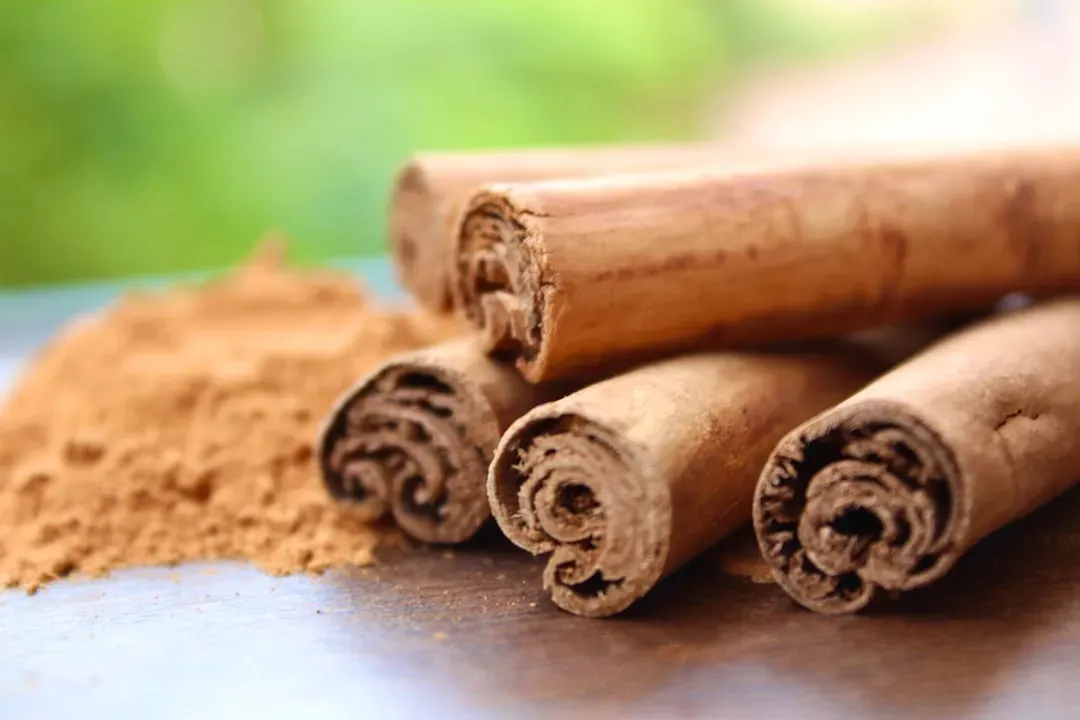
Cinnamon brings to mind cozy autumn days and fresh-baked goods, yet spiders find this warm spice absolutely intolerable. The intense, sweet-spicy aroma that we associate with comfort food is overwhelming to their sensitive sensory systems. Unlike humans who enjoy the scent, spiders detect it as a warning signal to stay away.
You can sprinkle cinnamon powder along baseboards, windowsills, and entry points where spiders tend to enter. Cinnamon sticks placed in corners or closets also work well, releasing a steady stream of spider-repelling fragrance. Some people create a cinnamon spray by mixing the essential oil with water. Let’s be real, it’s hard to find a downside to a home that smells like cinnamon while simultaneously keeping spiders out. Just be mindful that the powder can be messy and the scent can become overpowering in enclosed spaces.
Vinegar

White vinegar has many uses around the house. This acidic liquid attracts some insects, such as fruit flies, but it repels others, namely, spiders. It’s probably sitting in your kitchen cupboard right now, making it one of the most accessible spider repellents available.
The sharp, sour smell of vinegar is unpleasant to spiders who encounter it while crawling. Spiders can detect the acidic scent through their legs and are bound to be deterred from the area when they travel over the sour-smelling solution. To ensure that the aroma of the vinegar spray stays potent and continues to deter spiders, reapply it frequently, at least once every week. Mix equal parts white vinegar and water in a spray bottle, then apply to corners, cracks, and spider-prone areas. The scent fades fairly quickly, so regular reapplication is key. You can also add a few drops of dish soap or essential oils to enhance its effectiveness and improve the smell.
Conclusion

Nature has given us a remarkably simple toolkit for keeping spiders at bay without resorting to harsh chemicals or calling an exterminator. These seven scents offer a gentle yet effective approach to creating a spider-free sanctuary in your home. From the refreshing burst of peppermint to the warm embrace of cinnamon, each scent brings its own personality while serving the same purpose: making your space uninviting to eight-legged visitors.
The key to success lies in consistency. Essential oils and natural scents lose their potency over time, so regular reapplication keeps the barrier strong. Combine these aromatic defenses with good housekeeping practices like regular vacuuming, sealing cracks, and reducing clutter, and you’ll have a comprehensive strategy that works. What’s your take on using natural repellents versus traditional methods? Have you tried any of these scents in your own battle against spiders?
