

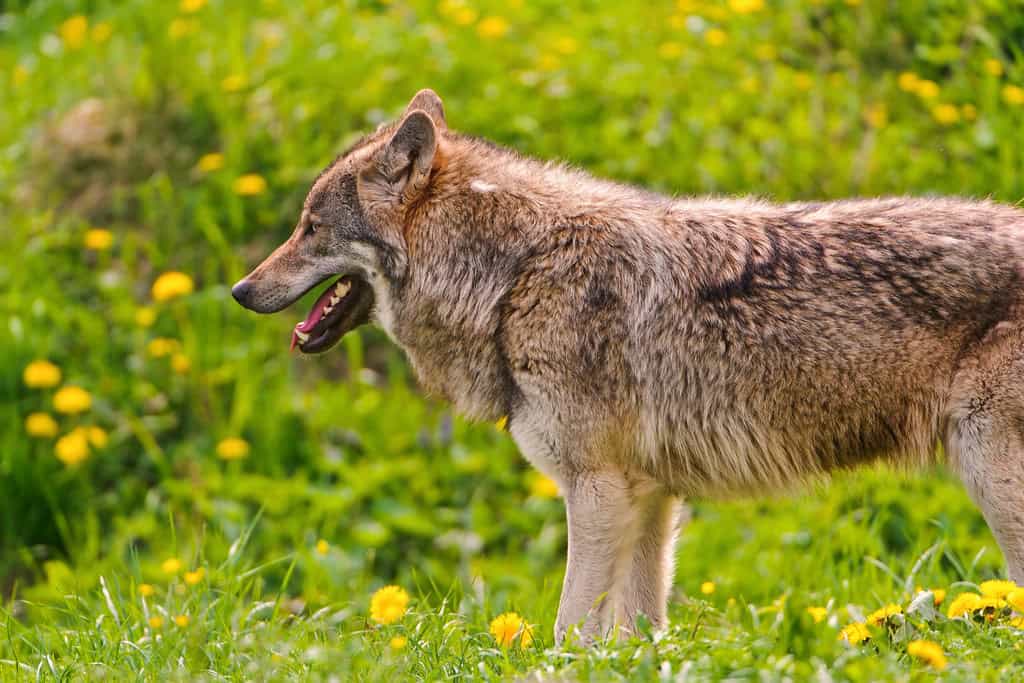
Wolves, those mysterious predators of the northern wilderness, have fascinated humans for millennia. Their complex social structures and sophisticated communication methods have evolved over thousands of years, creating resilient communities that survive in some of Earth’s harshest environments. What makes wolves particularly remarkable is their education system—a multi-stage process where vital skills are imparted to youngsters through play, observation, and guided experiences, while certain deeper wisdom comes only with maturity and experience. This intricate learning process shapes wolves into the apex predators we know and ensures the pack’s survival through generations. Let’s explore the essential lessons that young wolves must master early in life and the profound wisdom that only comes with the passage of time.
13. Pack Hierarchy Understanding Their Place
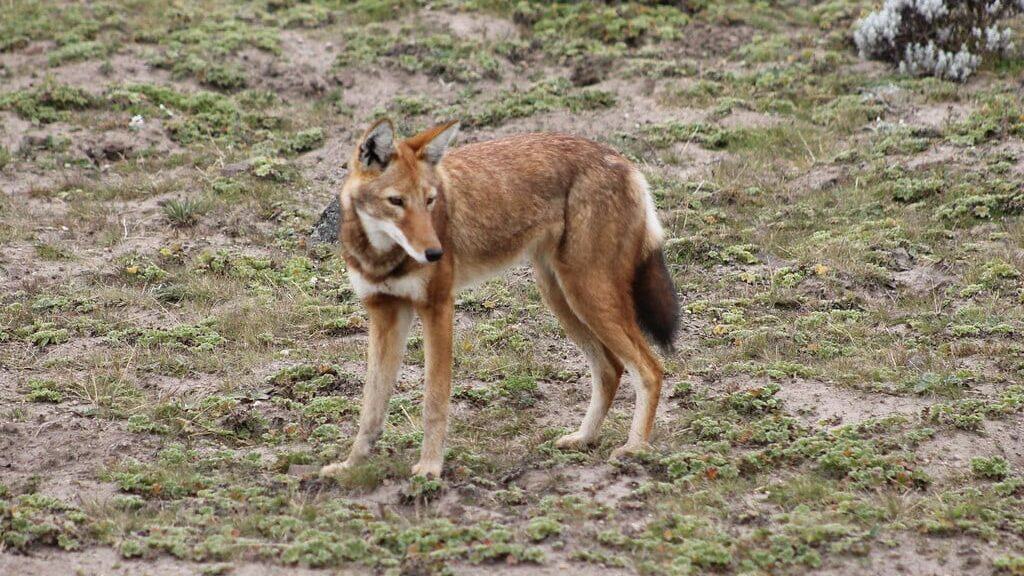
From their earliest days, wolf pups begin learning the complex social structure that will govern their entire lives. Even before their eyes open, they engage in competition for prime nursing positions with their mother, establishing their first encounters with hierarchy. As they develop, young wolves quickly learn to recognize the alpha pair—typically their parents—through subtle body language, vocalizations, and scent marking that signify leadership status.
Researchers at the Wolf Conservation Center have documented how pups as young as three weeks old begin displaying submissive behaviors toward dominant pack members, lying on their backs, tucking their tails, and licking at the muzzles of higher-ranking wolves. This early understanding of social position is critical, as it reduces conflict within the pack and creates order that benefits collective survival. Young wolves who fail to recognize and respect the hierarchy often face correction through growls, nips, or temporary isolation from group activities—natural consequences that reinforce this essential social lesson.
12. Communication The Language of Wolves
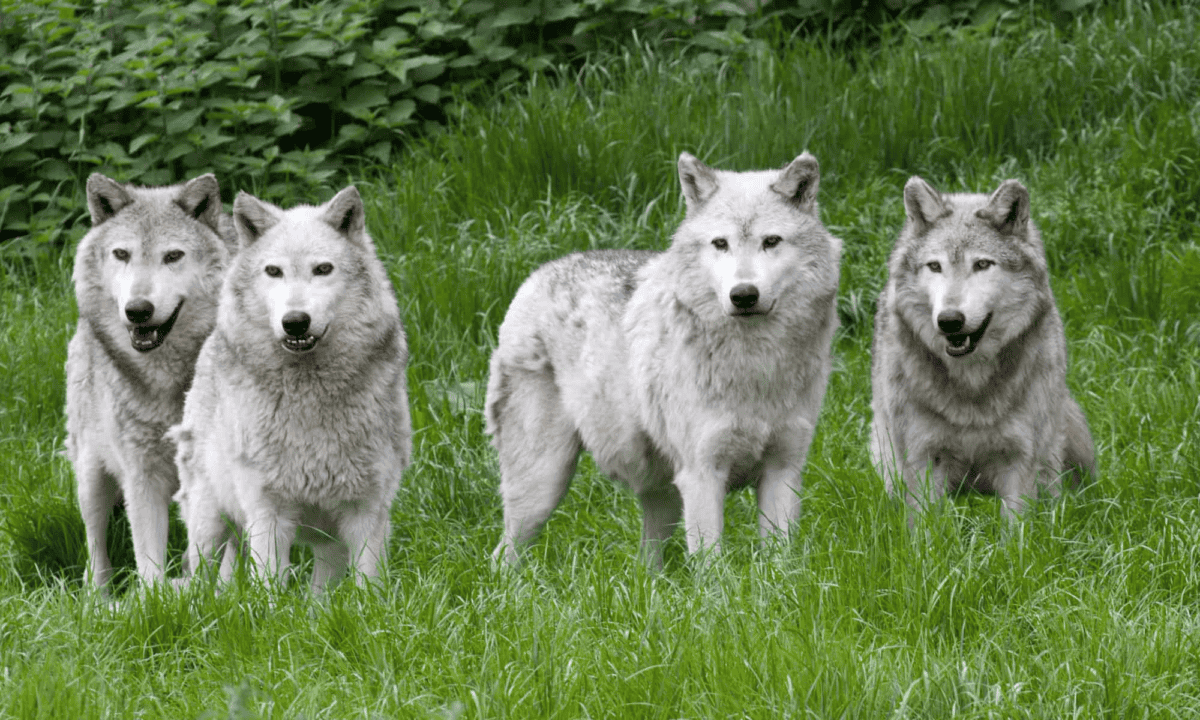
Wolf communication is a sophisticated system of vocal, physical, and olfactory signals that young wolves must master quickly. By two months of age, wolf pups begin practicing their howls—initially high-pitched and uncoordinated, but gradually developing into the haunting chorus that can carry for miles across the landscape. These vocalizations serve multiple purposes: maintaining contact with pack members, declaring territory boundaries, and coordinating hunting activities.
Beyond howling, young wolves learn a vast array of growls, whines, barks, and yips, each with specific contextual meanings. Body language—including ear position, tail carriage, facial expressions, and posture—forms an equally important component of wolf communication. Wolf biologist Dr. David Mech has documented over 60 distinct physical signals used by wolves to express everything from playful invitation to serious threat displays. Mastering this complex language is essential for young wolves to navigate pack dynamics, hunting coordination, and eventually, their potential role as breeding adults.
11. Hunting Techniques The Art of Survival

Perhaps no skill is more critical to a wolf’s survival than hunting, and this education begins remarkably early. Wolf pups start by pouncing on insects and small creatures around the den site, developing the coordination and reflexes that will later serve them in bringing down large prey. By four months, they begin accompanying adults on hunts—first as observers, then gradually as participants. During these outings, they learn to assess prey vulnerability, coordinate with packmates, and employ different tactics depending on terrain and prey species.
Wolf hunting education is incremental and methodical. Young wolves first learn to track by scent, distinguishing the smell of potential prey from countless other forest odors. They then master the art of the stealthy approach, learning to move silently downwind of their quarry. Finally comes the chase and capture techniques—including the dangerous art of bringing down animals many times their size through coordinated pack efforts. Studies in Yellowstone National Park have shown that wolf packs with multiple experienced hunters have significantly higher success rates (around 14% versus 8% for inexperienced packs), highlighting how this transmitted knowledge benefits the entire community.
10. Territory Awareness Mapping Their Domain
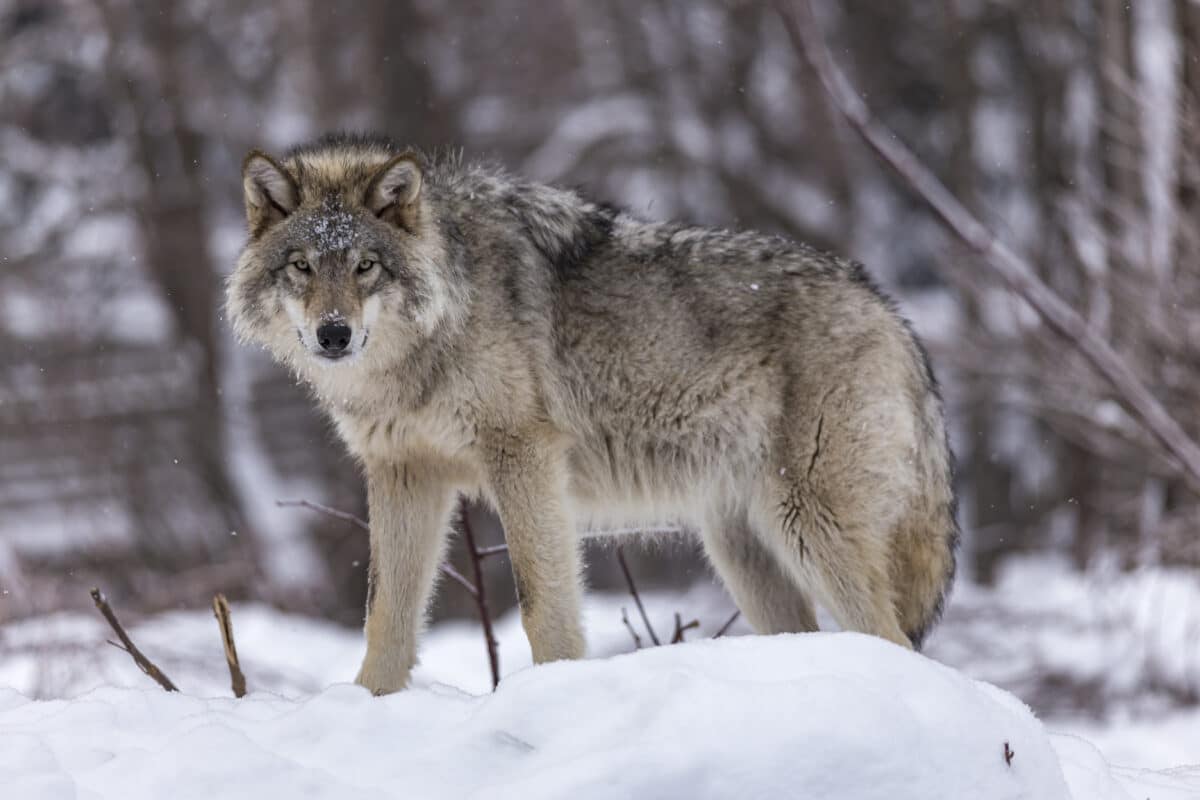
Young wolves must develop an intimate knowledge of their pack’s territory—typically ranging from 50 to 1,000 square miles depending on prey density and habitat type. This mental mapping begins around three months of age when pups first venture from the densite on short excursions with adult wolves. During these journeys, they learn critical landmarks, water sources, den locations, and the boundaries where their territory meets that of neighboring packs.
Territory awareness includes understanding seasonal variations in the landscape. Young wolves learn which valleys fill with deep snow in winter (making them difficult for prey to navigate), which ridges offer good hunting in summer, and where rival packs are most likely to encroach. They also become familiar with scent-marking protocols, observing as adult wolves urinate and defecate at territory boundaries and prominent landmarks. Recent GPS collar studies have revealed that young wolves who survive to adulthood often establish territories adjacent to their natal range, suggesting they apply their early spatial education when forming their own packs.
9 Pack Cooperation The Power of Unity

From their earliest days, wolf pups learn that survival depends on cooperation. Play sessions among littermates teach critical lessons about teamwork, as young wolves practice coordinated movements and develop social bonds that will later translate to hunting and defensive strategies. These playful interactions—chasing, wrestling, and mock-hunting—help develop the neural pathways needed for complex cooperative behaviors in adulthood.
As they mature, young wolves observe and participate in increasingly sophisticated cooperative activities. They witness how the pack works together to defend territory, care for injured members, and raise new pups. They learn that food sharing follows established protocols based on rank and need, with pups and nursing mothers often receiving priority access to kills. Wolf researcher Rick McIntyre documented a fascinating example in Yellowstone where adolescent wolves from three different age cohorts collaborated to distract an adult bison while others attacked from behind—a complex strategy requiring multiple wolves understanding their specific roles in the greater plan.
8. Danger Recognition Identifying Threats
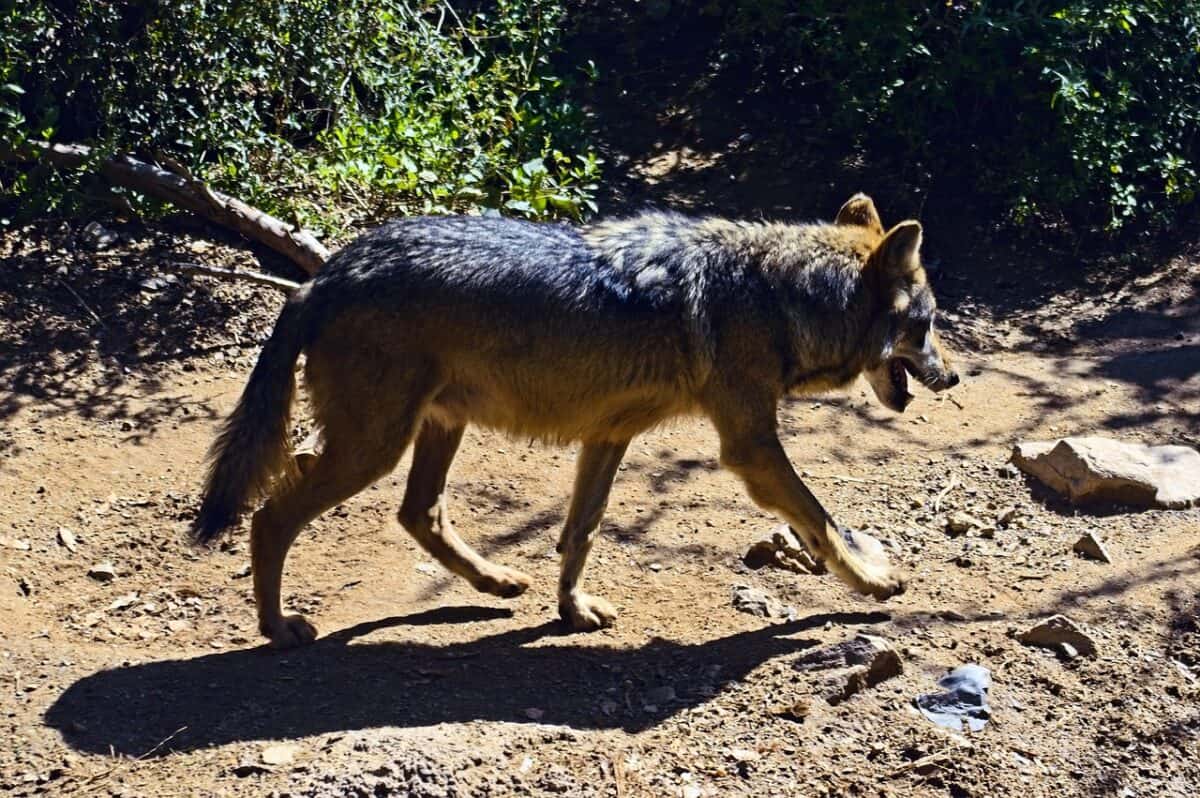
Young wolves must quickly learn to identify the myriad threats in their environment. Adult wolves teach this vital skill through a combination of alarm calls, defensive postures, and direct intervention. When wolves detect danger—whether it’s a rival pack, human presence, or another predator like a bear—they often produce specific vocalizations that alert the pack while communicating the nature of the threat. Young wolves learn to associate these signals with specific dangers and appropriate responses.
Intriguingly, wolf pups appear to have some innate fear responses but require experience to fine-tune them to local threats. Research in areas where wolves and humans coexist has shown that pups in packs previously exposed to human persecution develop stronger avoidance behaviors toward human scents and sounds than those in protected populations. This suggests both genetic predisposition and learned components to danger recognition. By their first winter, young wolves typically display appropriate caution toward the specific threats in their environment, having internalized these critical survival lessons through observation and direct experience.
7. Den Etiquette Rules of the Home
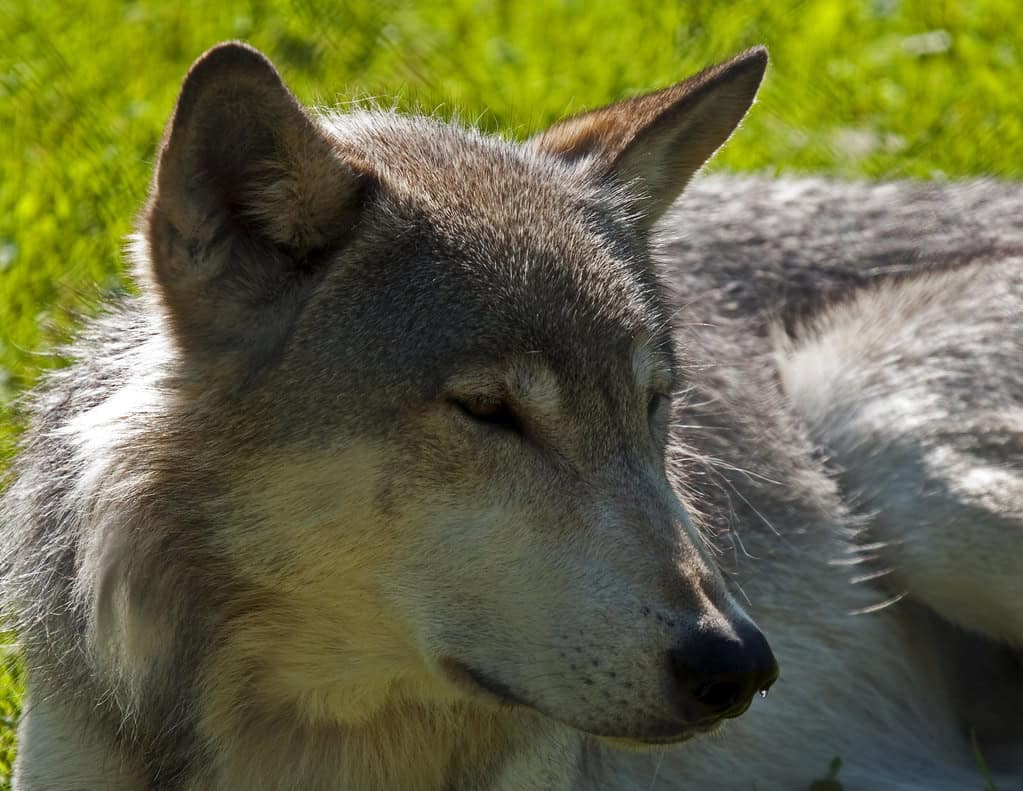
The wolf den represents the heart of pack life, particularly during the breeding season, and young wolves must learn proper behavior in and around this sacred space. Wolf pups begin absorbing den etiquette from birth, observing how adult pack members maintain cleanliness by removing waste and old food from the denning area. They learn that certain behaviors—like excessive rough play or loud vocalizations—are discouraged near the den, as these might attract predators or disturb nursing mothers.
As they mature, young wolves also learn the protocols around den selection and preparation. They observe how the breeding pair, typically in late winter, begins investigating potential den sites—often reusing traditional locations that have proven safe over generations. Adolescent wolves frequently assist in den preparation, helping to excavate or clean existing cavities. Wolf researcher L. David Mech documented cases where yearling wolves (typically females) took on significant responsibilities in maintaining den cleanliness and security, suggesting this knowledge transfer happens within a single year of life and represents an important step in pack integration.
6. Weather Adaptation Surviving the Elements
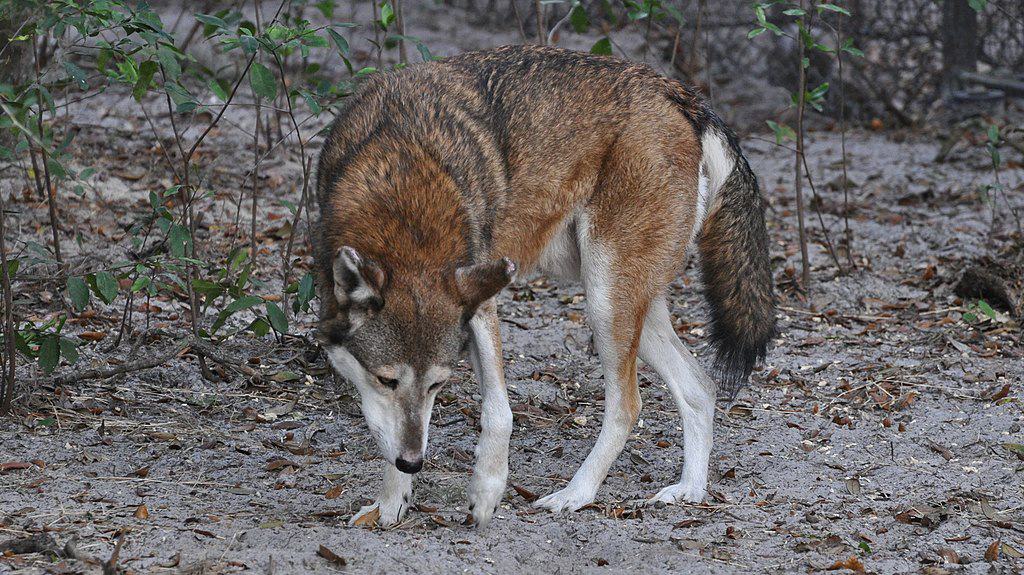
Young wolves must quickly master the art of weather adaptation, particularly in northern habitats where temperatures can plunge to -40°F in winter. Their education begins with shelter selection—learning to identify protected locations during storms and extreme temperatures. Adult wolves demonstrate how to create wind blocks by positioning themselves in depressions or against natural barriers, behaviors that young wolves imitate and refine through experience.
Seasonal adaptations form another crucial component of weather learning. Young wolves develop their double-layered coats during their first autumn, but must learn behavioral adaptations to complement this physical change. They observe how adults conserve energy during winter scarcity, reduce unnecessary movement in deep snow, and utilize sun-warmed rocks or south-facing slopes for resting during cold periods. In summer, they learn to seek shade and water sources during peak heat. Research in Minnesota’s boundary waters has shown that wolf activity patterns shift dramatically between seasons, with young wolves adopting these behavioral changes by mimicking experienced pack members during their first year of life.
5. Self-Control Restraint in a Predator’s World
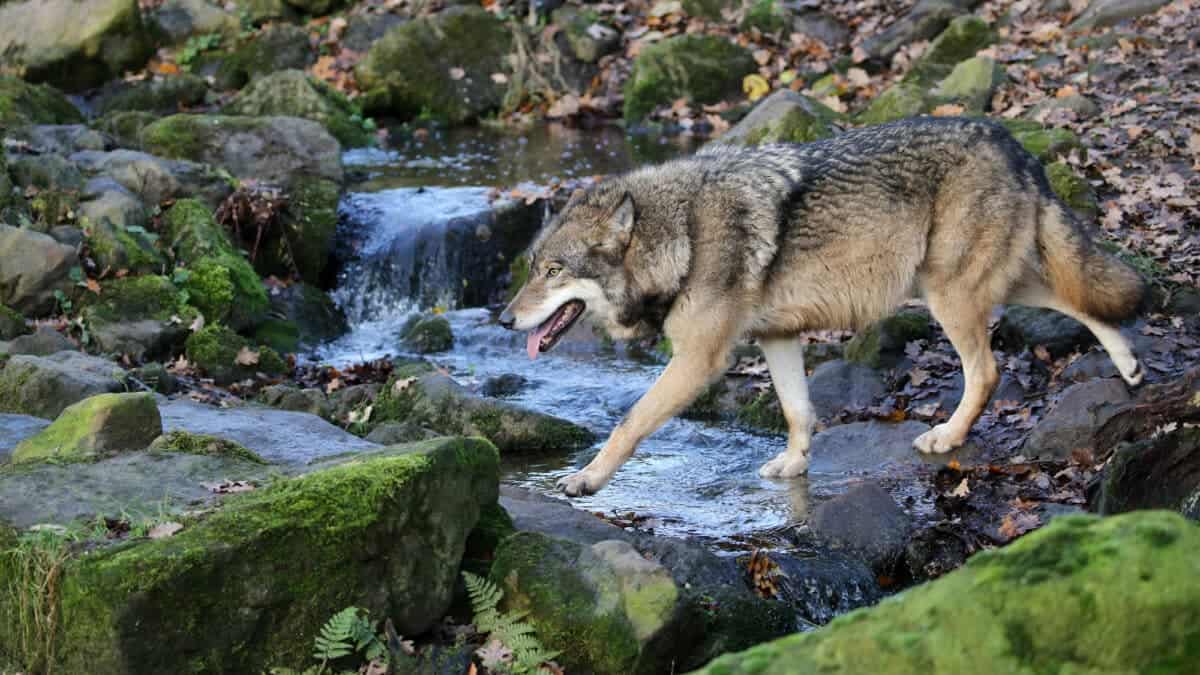
Despite their fierce reputation, wolves demonstrate remarkable self-control—a quality young wolves must develop to function effectively within the pack. This lesson begins during puppy play sessions, where adults and older siblings correct overly aggressive behavior with growls, pinning, or temporarily ignoring the offender. Through these interactions, young wolves learn the boundaries of acceptable force and when to restrain their predatory instincts.
As they mature, this self-control extends to hunting and feeding contexts. Young wolves observe how pack members wait for the alpha pair to feed first at kills, sometimes standing hungry for hours before receiving their share. They learn to suppress the urge to chase inappropriate prey—like porcupines or skunks—that might cause injury or waste energy. Perhaps most importantly, they develop impulse control around pack mates, particularly during tense situations like feeding or territorial disputes. Research by Wolf Park in Indiana has documented how this self-regulation develops progressively through a wolf’s first two years, with significant improvements in impulse control correlating with brain development and social experience.
4. Problem-Solving Developing Mental Flexibility

Wolves face constantly changing challenges in their environment, requiring young wolves to develop strong problem-solving abilities. This education often occurs through observation as pups watch adults navigate obstacles, find alternative routes around barriers, or develop new hunting strategies when traditional approaches fail. Young wolves then practice these skills during play, experimenting with different approaches to overcome challenges in a low-stakes environment.
Researchers have documented impressive problem-solving capabilities in wolves, with young animals demonstrating the ability to learn from both success and failure. In one notable study at Wolf Park, adolescent wolves watched pack mates attempting to access food in a puzzle box. When given their own opportunity, wolves who had observed successful strategies were significantly more likely to solve the puzzle themselves. This suggests young wolves possess both observational learning abilities and the cognitive flexibility to apply observed solutions to their own circumstances—mental tools that will serve them throughout life as they face unpredictable environmental challenges.
3. Patience The Wisdom of Waiting

Unlike the skills acquired in youth, true patience appears to be a virtue that comes with age and experience in the wolf world. While young wolves demonstrate basic impulse control, the deep, strategic patience exhibited by mature wolves typically develops after 3-4 years of life. This advanced patience manifests in hunting strategies, where older wolves will maintain ambush positions for hours rather than rushing prematurely, significantly increasing success rates against vigilant prey like elk and bison.
Researchers tracking wolf hunting behavior in Yellowstone National Park have noted that packs led by wolves over five years old demonstrate markedly higher success rates during winter hunts of elk than those led by younger wolves. The difference appears to stem from the older wolves’ willingness to invest time in careful prey selection and perfect positioning before initiating an attack. This patience extends beyond hunting to territorial disputes, where mature wolves often employ waiting tactics and strategic timing rather than immediate confrontation with rivals. This lesson—that sometimes not acting is more effective than acting—seems to require years of experience and maturity to fully integrate into a wolf’s behavioral repertoire.
2. Leadership The Burden of Responsibility

While young wolves learn basic pack hierarchy early, the nuanced skills of genuine leadership typically emerge only in mature wolves with several years of experience. Leadership in wolf packs involves far more than dominance—it requires decision-making that balances the needs of individual pack members with the survival of the group as a whole. Mature alpha wolves must determine when to hunt versus when to rest, which territory areas to defend most vigorously, and how to respond to threats without unnecessary risk to the pack.
Wolf biologists have observed that effective alpha wolves, typically 4+ years old, demonstrate sophisticated leadership strategies that younger wolves rarely display. These include mediating conflicts between pack members, adjusting hunting strategies based on pack composition and prey availability, and making seasonal migration decisions that anticipate changing conditions. Perhaps most tellingly, successful alpha wolves modify their leadership style based on circumstances—sometimes leading from the front during hunts, while other times allowing experienced subordinates to take point positions. This situational leadership appears to develop only after wolves have accumulated enough life experience to understand the complex interplay of factors affecting pack survival.
1. Selective Reproduction The Future of the Pack
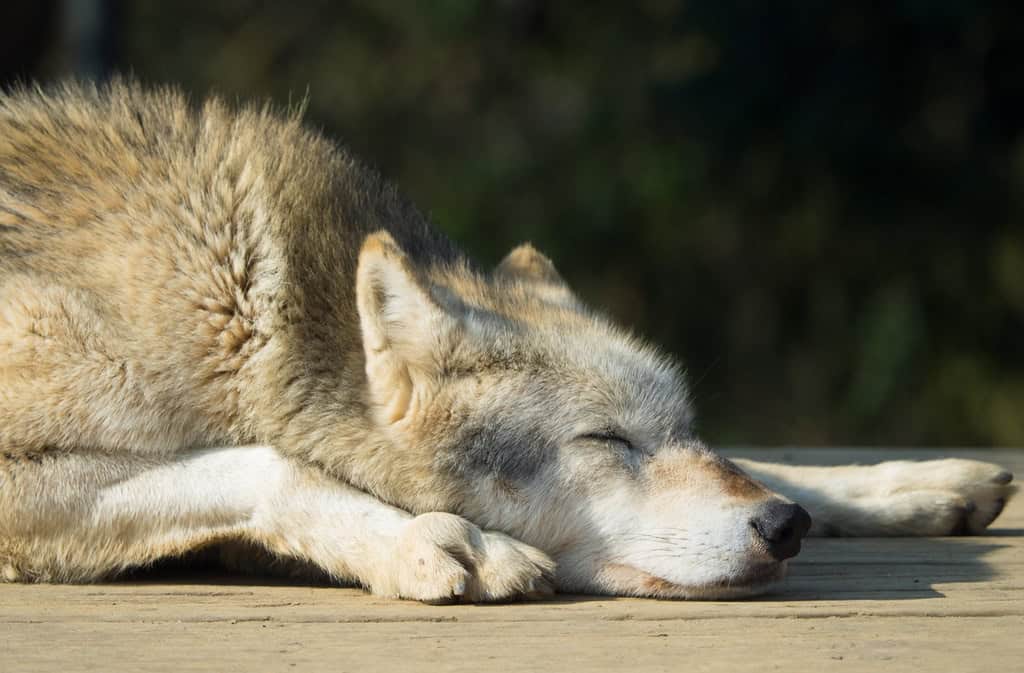
The most profound wisdom that comes with age in wolves relates to reproduction—specifically, the understanding of when conditions are appropriate for bringing new life into the pack. While wolves typically reach sexual maturity around 2 years of age, studies show that wolves in natural settings often delay reproduction until much later, particularly when living in established packs. This reproductive restraint appears to develop with age and social experience as wolves learn to assess environmental conditions and pack resources.
Long-term studies in Isle Royale National Park and Yellowstone have documented how mature breeding pairs will sometimes skip reproduction entirely during years of prey scarcity or when pack numbers are already high relative to territory resources. This sophisticated cost-benefit analysis—sacrificing immediate reproductive opportunities for long-term pack stability—represents perhaps the deepest wisdom that comes with wolf maturity. It demonstrates an understanding of environmental carrying capacity and resource management that transcends individual self-interest, ensuring the continued survival of the genetic line and the pack structure that supports it. Such advanced reproductive strategy requires not just physical maturity but the accumulated wisdom that only comes with years of life experience in the complex society of the wolf pack.
Conclusion: The Lifelong Education of Wolves
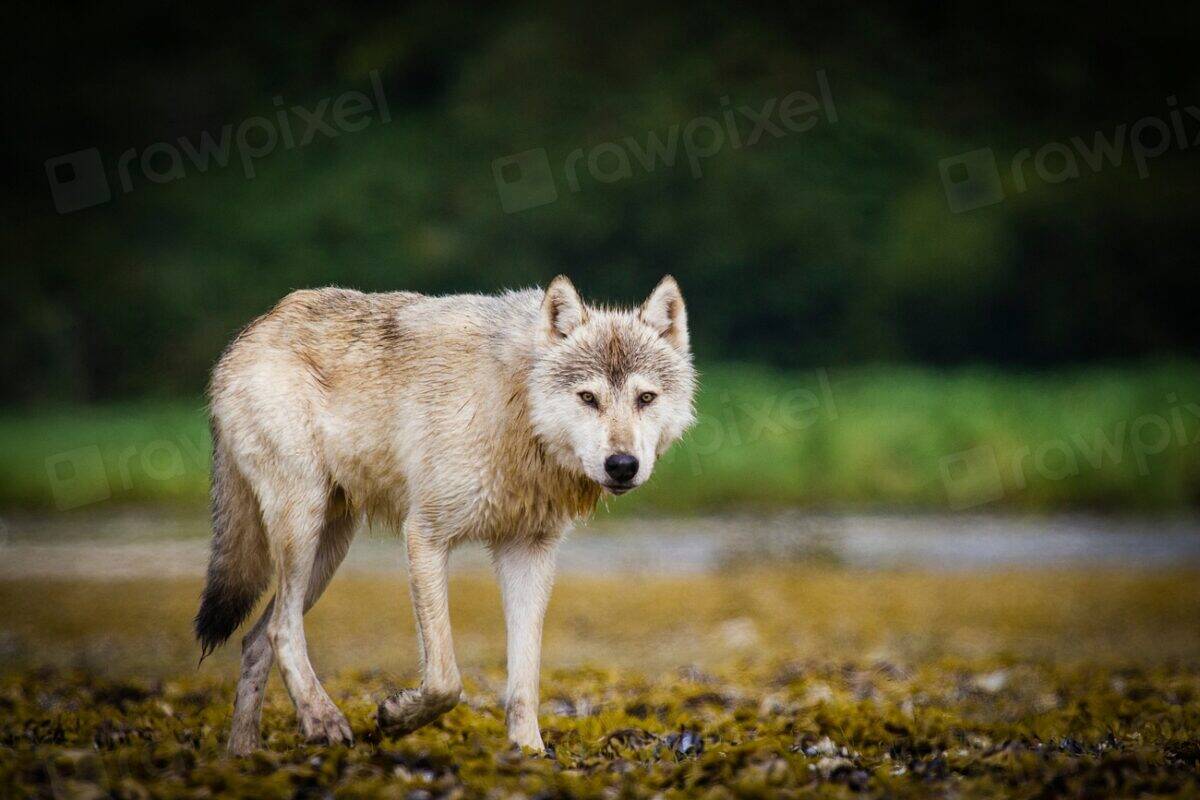
The educational journey of wolves represents one of nature’s most sophisticated knowledge transfer systems, blending innate instincts with carefully cultivated lessons passed between generations. Young wolves receive an intensive education in their first year covering essential skills from communication and hunting to social dynamics and territory awareness. These early lessons create the foundation for survival in the challenging environments wolves inhabit. Yet the wolf’s education never truly ends, with certain profound understandings—patience, leadership, and reproductive wisdom—emerging only through years of experience and observation. This combination of early practical education and later-developing wisdom ensures not just individual survival but the continuity of the pack structure that has made wolves one of Earth’s most successful predators. As we continue studying these remarkable animals, we gain not just insights into wolf behavior but deeper understanding of how knowledge transmission and social learning function in the natural world.

As a little kid, I fell in love with nature, wildlife, and animals. Living in the USA, South Africa, Italy, China and Germany gave me the opportunity to discover the world's Wildlife. My favorite animals are Mountain Gorillas, Siberian Tigers, and Great White Sharks.
I'm a certified PADI Open Water Diver, went to Everest Base Camp and Trekked Gorillas in Uganda. I hold a Master of Science in Economics and Finance.
Please send any feedback to feedback@animalsaroundtheglobe.com
- Why the Great Barrier Reef Is the Best Place to Spot Sea Turtles - June 3, 2026
- 2 Animals With Super Sized Body Parts and What They are For - June 3, 2026
- Explore The Azores - June 3, 2026