

Why are hummingbirds not frequenting my garden??? That’s a common question on several people’s lips throughout the US. If you’re looking for tips on how to attract hummingbirds to your garden, you’ve come to the right place.
Picture this: you’ve spent months carefully planning your garden, hung the perfect feeder in what you thought was an ideal spot, and yet… silence. No delicate wings humming past your window, no tiny jeweled visitors brightening your morning coffee routine. If you’re scratching your head wondering where all the hummingbirds went, the answer might be simpler than you think. Sometimes the very things we do to attract these magical creatures are actually driving them away. If you want to attract these little lovelies to your garden, then read on to know more about the cardinal mistakes driving hummingbirds away.
Using Red Food Dye in Nectar
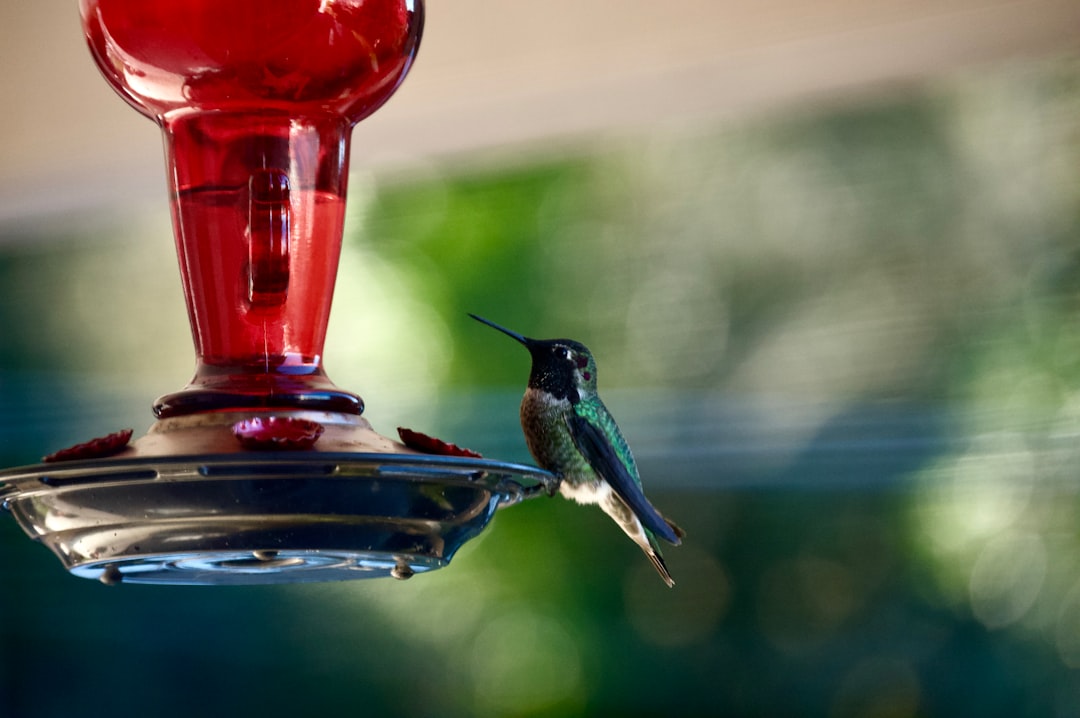
Here’s a mistake that countless well-meaning bird lovers make every day. That bright red dye you’re adding to your sugar water isn’t just unnecessary – it’s potentially harmful to these delicate creatures. Food coloring may seem harmless, but it’s linked to health issues for all sorts of animals. Recent medical research suggests common food dye can cause inflammatory bowel issues in animals and humans.
Seasoned, licensed wildlife rehabilitators have reported heartbreaking cases of hummingbirds developing tumors and even dying prematurely, which they trace back to the use of red-dyed nectar. The feeder’s red parts are more than enough to catch their attention – natural flower nectar is completely clear, so why mess with what nature perfected?
Neglecting Regular Feeder Cleaning
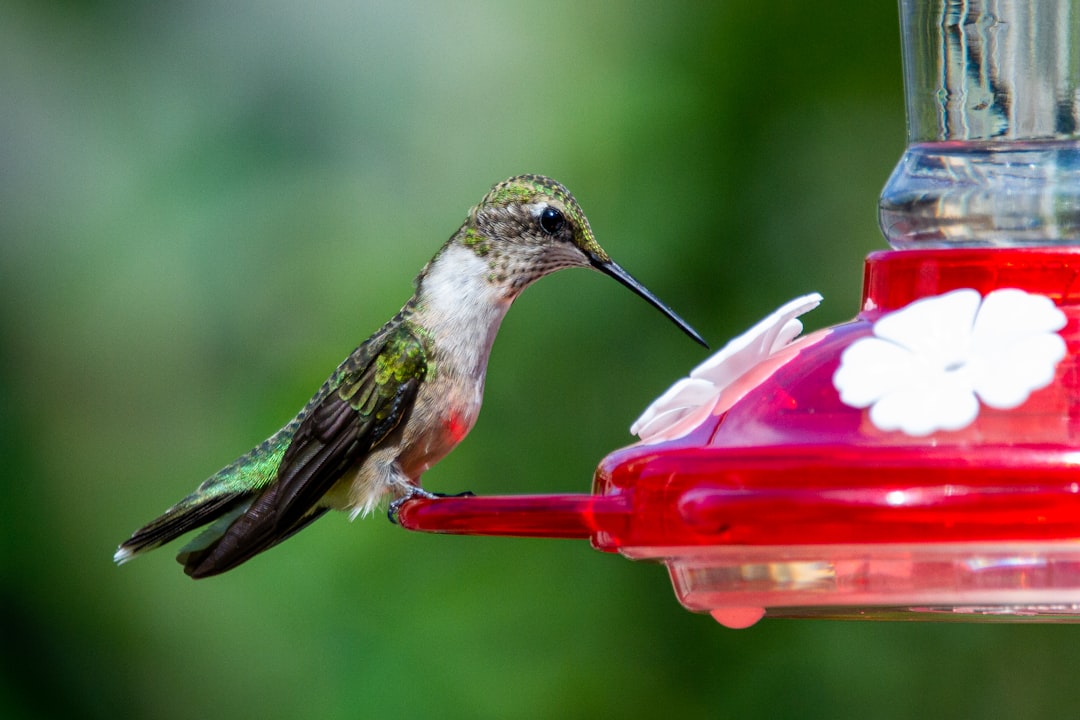
This might be the deadliest mistake on our list. Sugar water ferments quickly, especially in warm weather. Change your nectar every 2-3 days in summer, every 4-5 in cooler weather. Hummingbirds remember which feeders made them sick and will avoid your yard entirely. Think of it like leaving milk out on your counter – you wouldn’t drink it after a few days, and neither should your feathered friends.
Mold and bacteria can grow rapidly in your feeders during times of extreme heat. This leaves hummingbirds susceptible to ingesting them and contracting pathogenic diseases, which can harm them or even result in death. The effort you put into cleaning might seem tedious, but it’s literally a matter of life and death for these tiny visitors.
Placing Feeders in Direct Sunlight
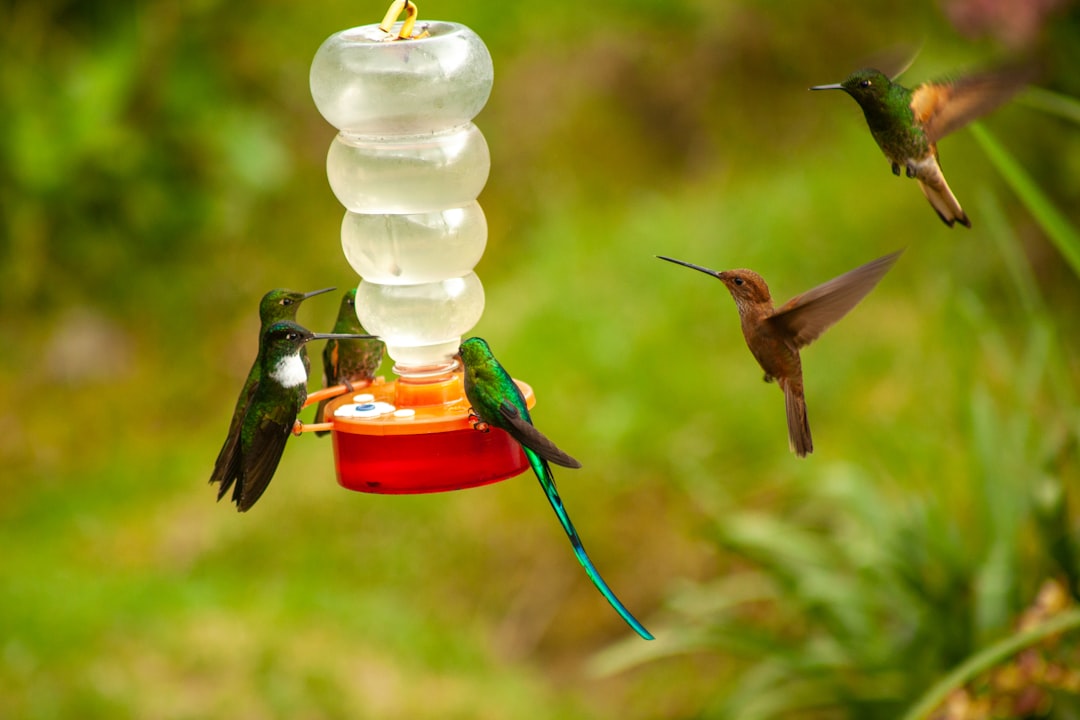
Feeders hung in the sunshine can become spoiled or too hot, which can hurt or even kill hummingbirds. Direct sunlight creates the perfect breeding ground for bacteria and can turn your nectar into a toxic soup faster than you’d imagine. It’s like leaving a bottle of water in a hot car – you know how that tastes.
The intense heat also makes the metal parts of feeders scalding hot to the touch, which can actually burn a hummingbird’s delicate feet and tongue. Place hummingbird feeders in spots tucked away from the sun during the hottest part of the day to keep nectar fresh longer. A little afternoon shade goes a long way in keeping your visitors safe and your nectar fresh.
Wrong Nectar Recipe Ratios
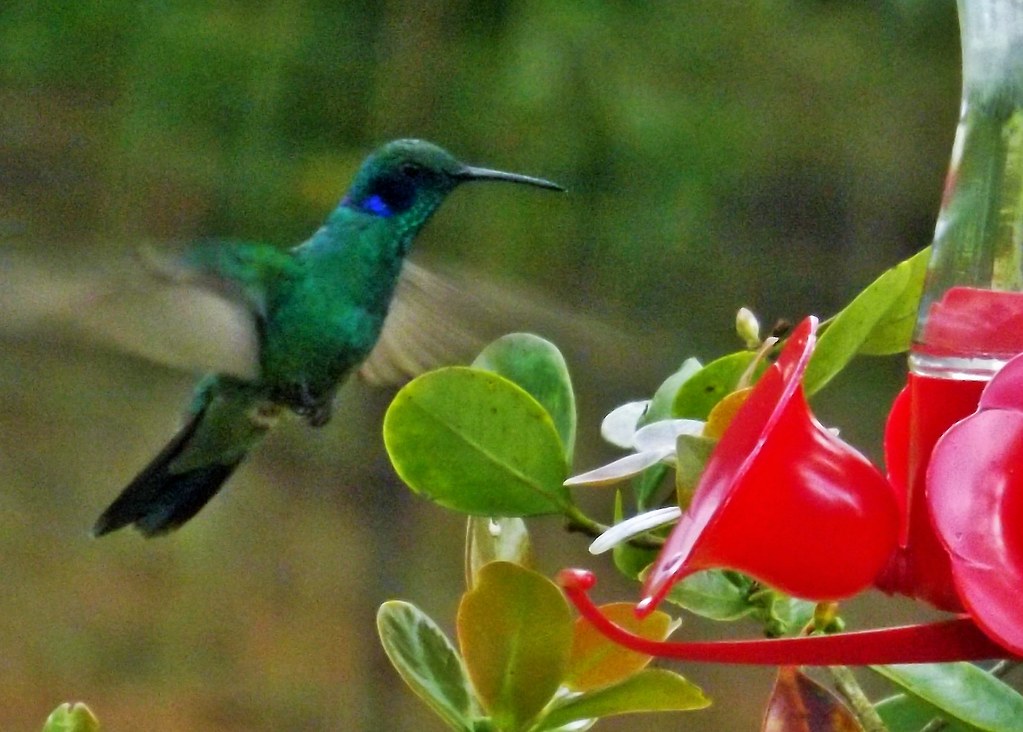
It’s best to stick with the recommended ratio of one part sugar to four parts water, as it best mimics their natural habits. When flitting around in search of flowers, hummingbirds tend to prefer those with nectar that’s made up of 20 to 25% sucrose. According to research from The Cooper Ornithological Society, hummingbirds favored this range more than lower and higher concentrations.
Making the mixture too strong is like offering espresso to someone who asked for tea – it’s overwhelming and potentially harmful. Too weak, and it’s nutritionally useless, like drinking flavored water when you need a meal. Stick to the tried-and-true 4:1 ratio that countless generations of hummingbirds have thrived on.
Positioning Feeders Too Close to Windows
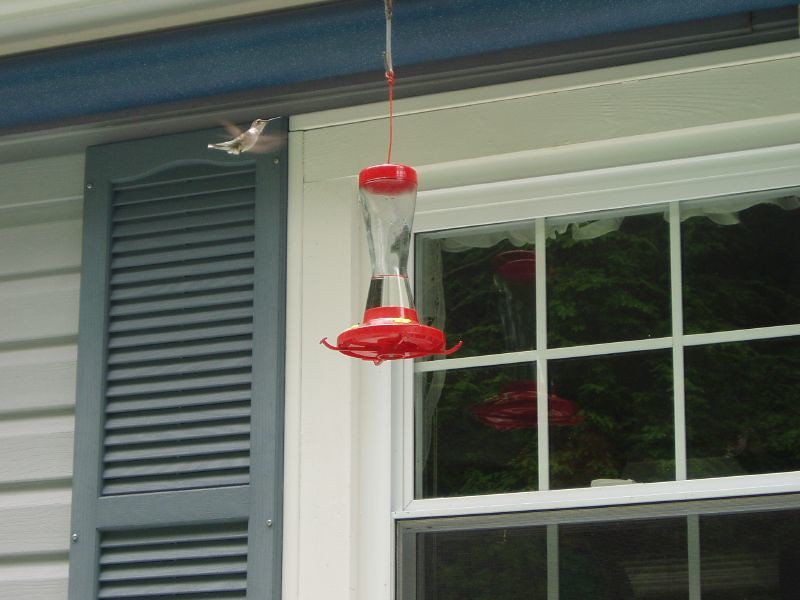
If you put your hummingbird feeder too close to a window, your feathered visitors could crash into the glass. Birds can’t always see windows very well, and territorial birds may attack their own reflection. Window strikes are one of the leading causes of bird deaths in suburban areas, and hummingbirds are particularly vulnerable due to their rapid flight patterns.
The reflection in glass can also confuse these territorial little warriors, causing them to waste precious energy fighting their own image instead of feeding and thriving. Position your feeders at least ten feet away from large windows, or use decals and screens to make the glass more visible to approaching birds.
Clustering All Feeders in One Area
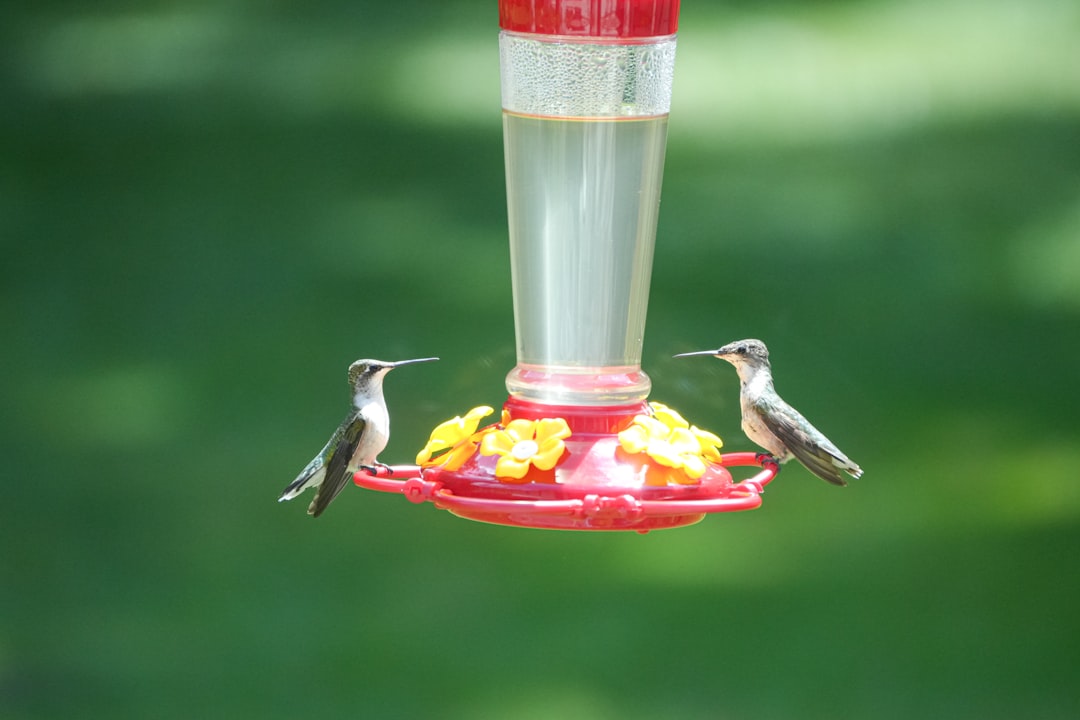
Hanging all your feeders in one spot creates a territory war zone. Space them at least 6 feet apart and at different heights. Also, avoid placing them near windows without proper safety measures – window strikes are deadly. Hummingbirds are fiercely territorial, and one dominant bird can monopolize an entire feeding station, driving away other visitors.
Think of it like having only one water fountain in a school hallway – there’s going to be pushing and shoving, and some kids will go thirsty. By spreading feeders around your yard, you create multiple “territories” that different birds can claim, leading to a much more peaceful and well-fed hummingbird community in your garden.
Removing All Feeders Too Early in Fall
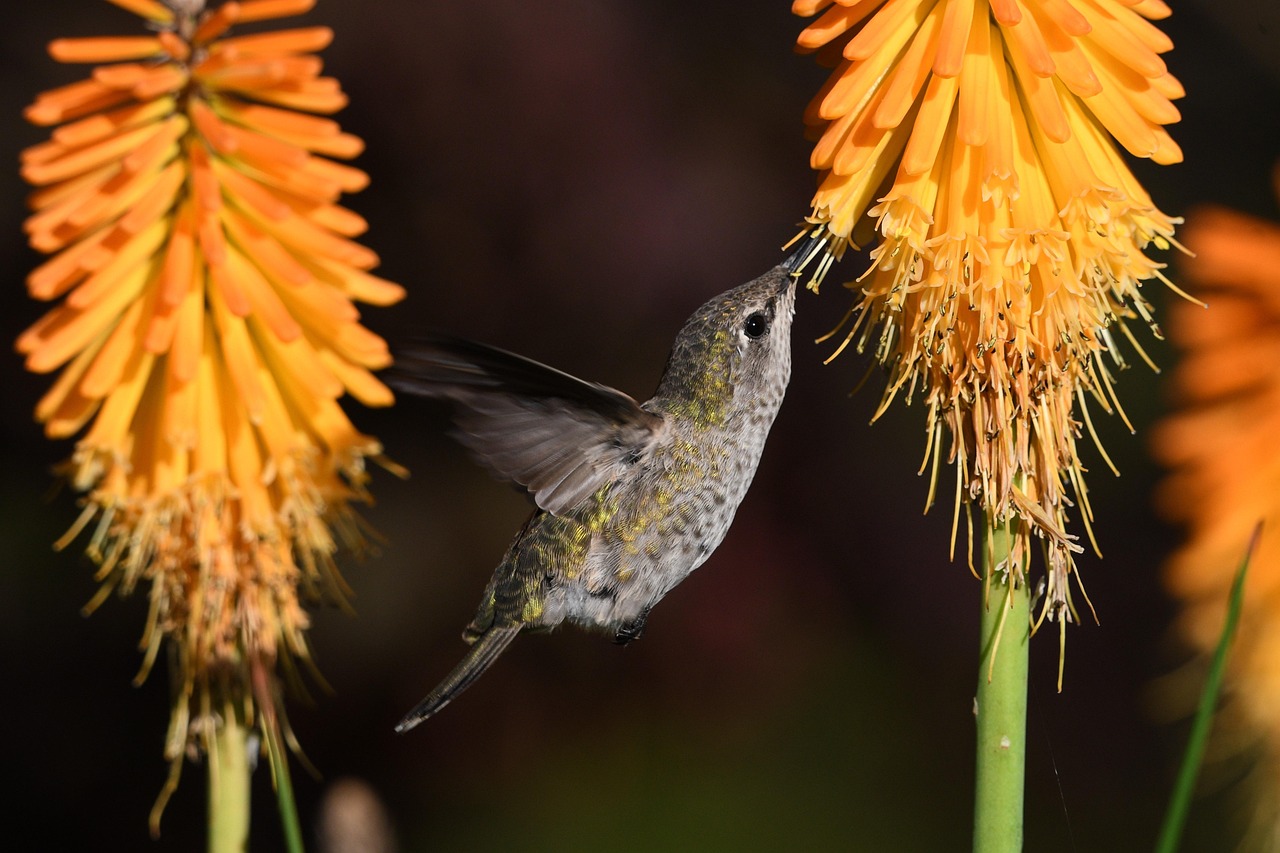
In many areas, some hummingbirds now winter over. Taking down all your feeders in fall might force these hardy residents to leave. Keep at least one feeder maintained through winter, bringing it in at night in freezing weather. Climate change has shifted migration patterns dramatically, and some populations that once headed south are now staying put year-round.
You might be inadvertently starving birds that have adapted their behavior based on your reliable feeding station. Hummingbirds are migratory species and are genetically programmed to head south in the fall. It’s not a lack of nectar source or colder weather that makes them leave – they know it’s time based on changes in the length of the day and the angle of the sun.
Waiting Too Long to Put Feeders Out
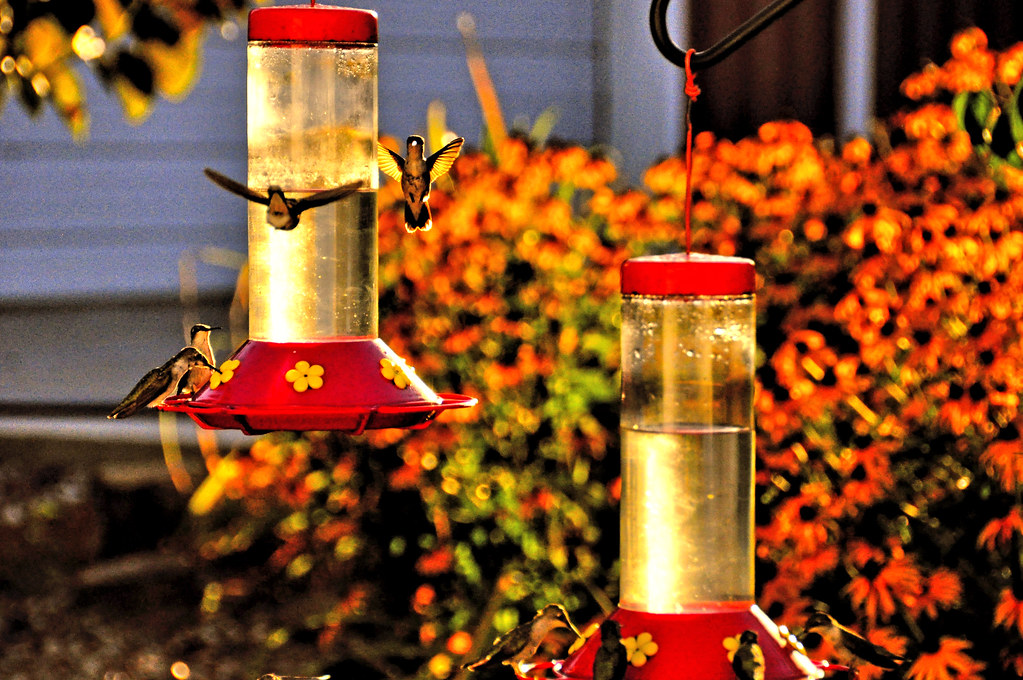
Don’t wait until you see the first hummingbird to put out feeders. Early scouts might skip your yard entirely if they don’t find food. Have feeders up two weeks before expected arrival dates. Climate change has shifted migration patterns – I now put my feeders out a full month earlier than I did 30 years ago.
These early arrivals are often the advance guard, checking out territories and food sources for the birds that follow. If your yard doesn’t make the cut during this initial survey, you might miss out on the entire season. It’s like missing the opening act and wondering why the theater seems empty – timing is everything in the hummingbird world.
Using Soap to Clean Feeders
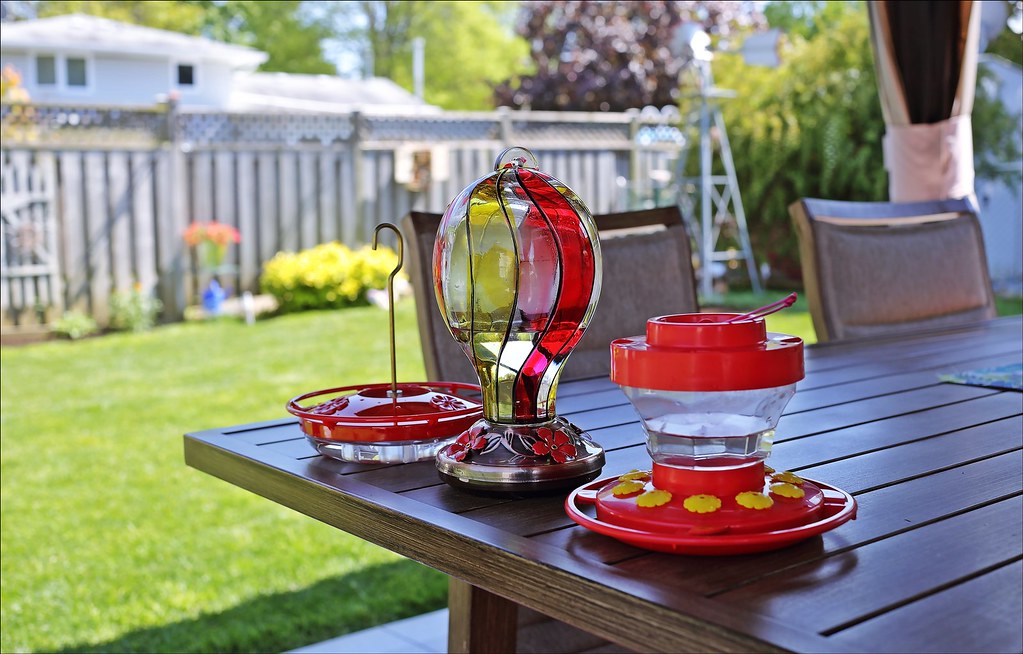
Don’t use soap or a detergent when cleaning your hummingbird feeders. Even tiny soap residues can be toxic to these small birds, whose bodies can’t process chemicals the way larger animals can. Soap is not advised, as it can leave residue behind. A hot water rinse, with a little scrubbing if necessary, should be sufficient for most cleanings.
Think of hummingbirds as tiny, living barometers – what barely affects us can be devastating to them. Hot water and elbow grease, maybe with a diluted vinegar solution for stubborn buildup, is all you need. Use a solution of one part white vinegar to four parts water for cleaning, and avoid soap which can leave harmful residues.
Ignoring Predator Protection
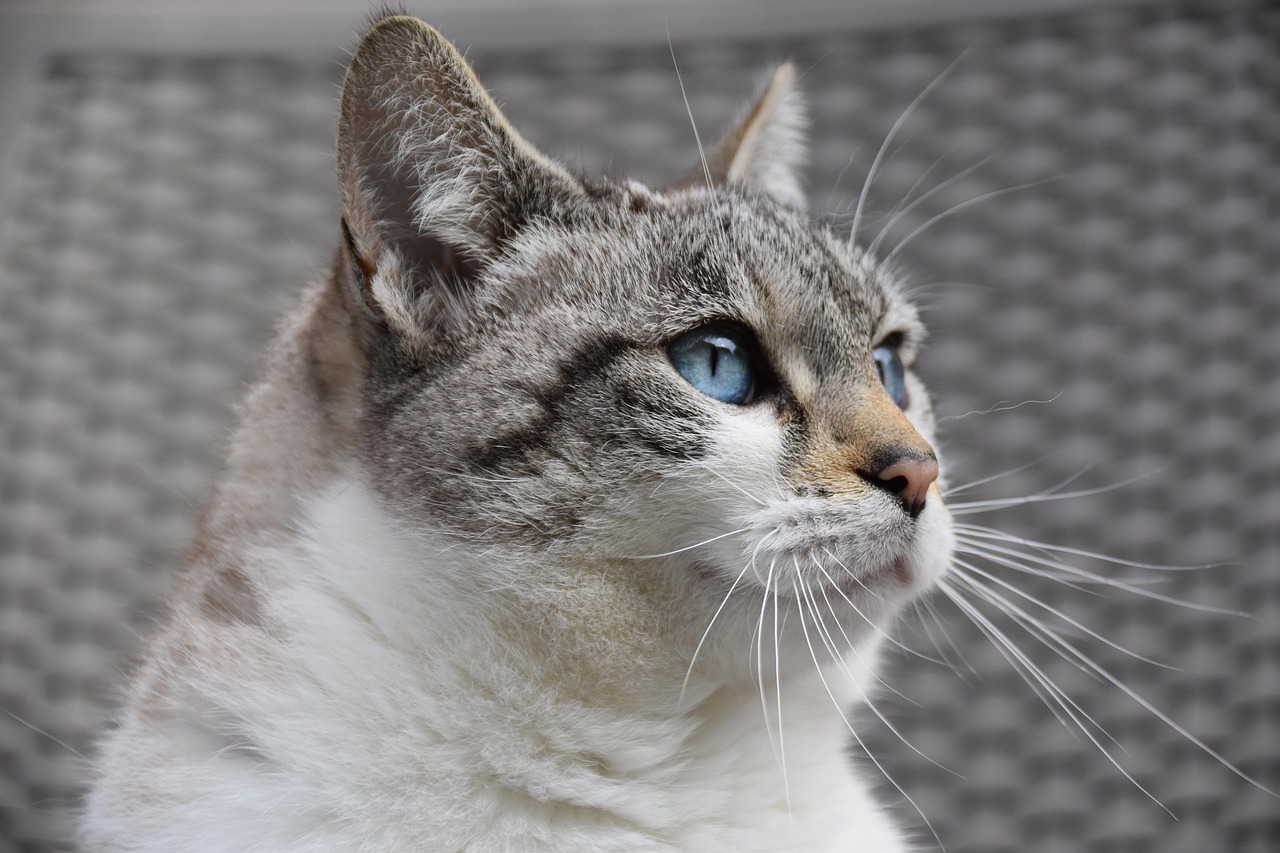
Cats, praying mantises, and even some larger birds can prey on hummingbirds. Place feeders away from areas where predators can hide and high enough to be out of reach. I’ve installed protective baffles above my feeders and keep my cats indoors – the hummingbirds clearly feel safer.
Unfortunately, hummingbirds do not get along with our furry friends. If you have cats in your yard, there’s a chance they’re scaring away hummingbirds (and other birds, too). Estimates are that domesticated cats kill approximately 2.4 billion birds in the U.S. every year. Even well-fed house cats retain their hunting instincts, and hummingbirds are particularly vulnerable due to their fearless nature around feeders.
Planting Only Hybrid or Non-Native Flowers
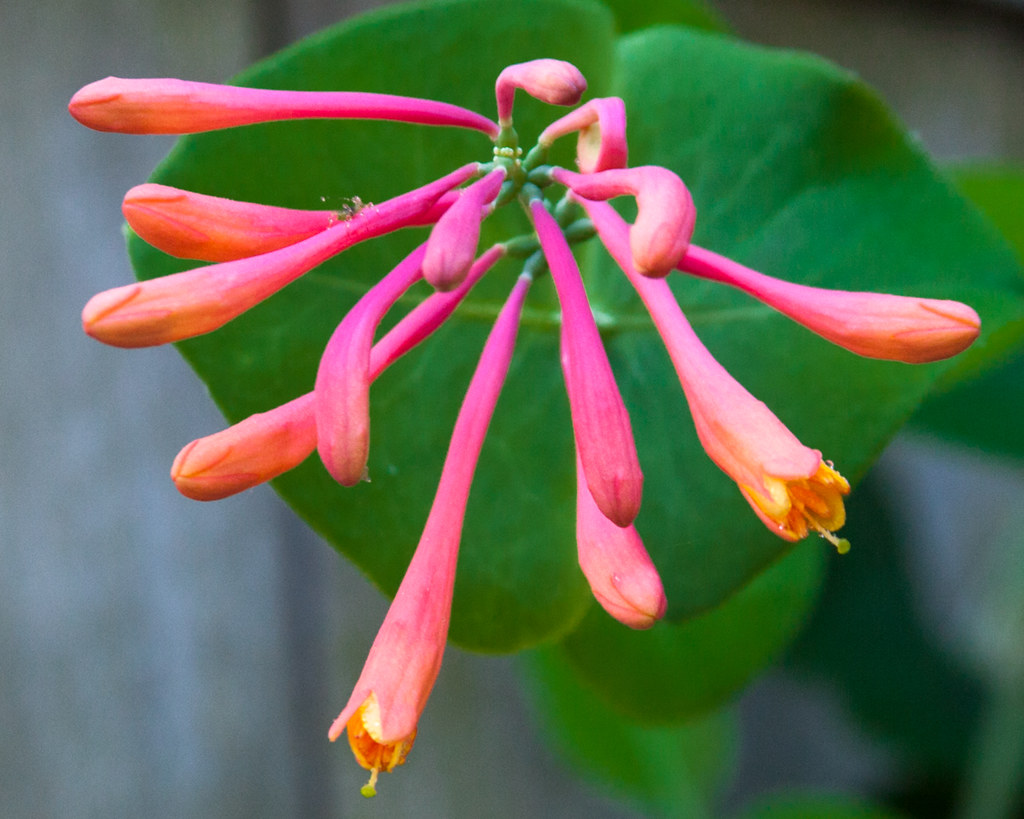
Those hybrid flowers might look pretty, but many lack the nectar hummingbirds need. Focus on native species and traditional favorites like trumpet honeysuckle, cardinal flower, and native salvias. Plant in clusters for better visibility, and choose varieties that bloom in succession throughout the season.
It is wise to focus on increasing the “carrying capacity” of your garden – its ability to attract and support hummingbirds sustainably without additional human input. Do this by planting the nectar-rich native plants that the hummingbirds have evolved with. As they feed, the birds also perform a vital function for some native plants that depend on hummingbirds for pollination. Native plants and local hummingbirds have a relationship that goes back thousands of years – don’t break up this ancient partnership with flashy imports that offer little substance.
Using Pesticides and Herbicides
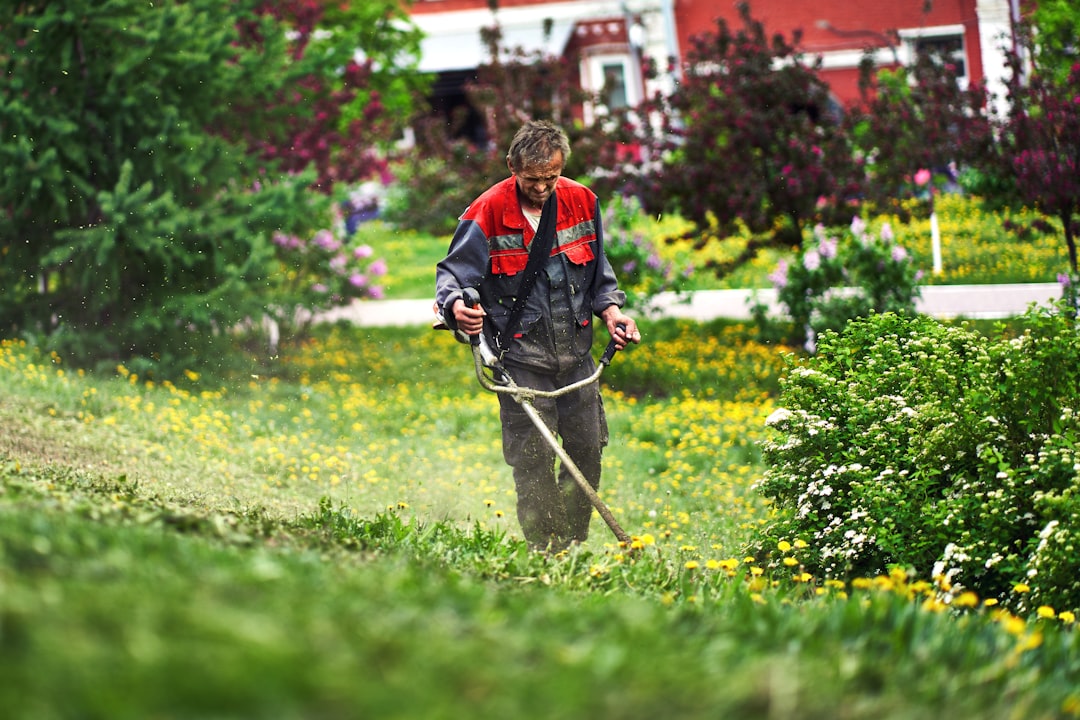
Hummingbirds can ingest poisons when they eat insects; systemic herbicides can also be found in flower nectar. Hummingbirds feed on insects as a source of protein, so be sure to avoid all sorts of pesticides and herbicides in your garden. Insects and plants that have been treated with chemicals can pose an inherent risk to hummingbirds if ingested.
Nearly half of a hummingbird’s diet consists of tiny insects and spiders, which provide essential proteins for growth and reproduction. When you spray for bugs, you’re essentially poisoning the protein source these birds desperately need. It’s like contaminating someone’s drinking water while trying to be helpful – the cure becomes worse than the problem.
Insufficient Water Sources
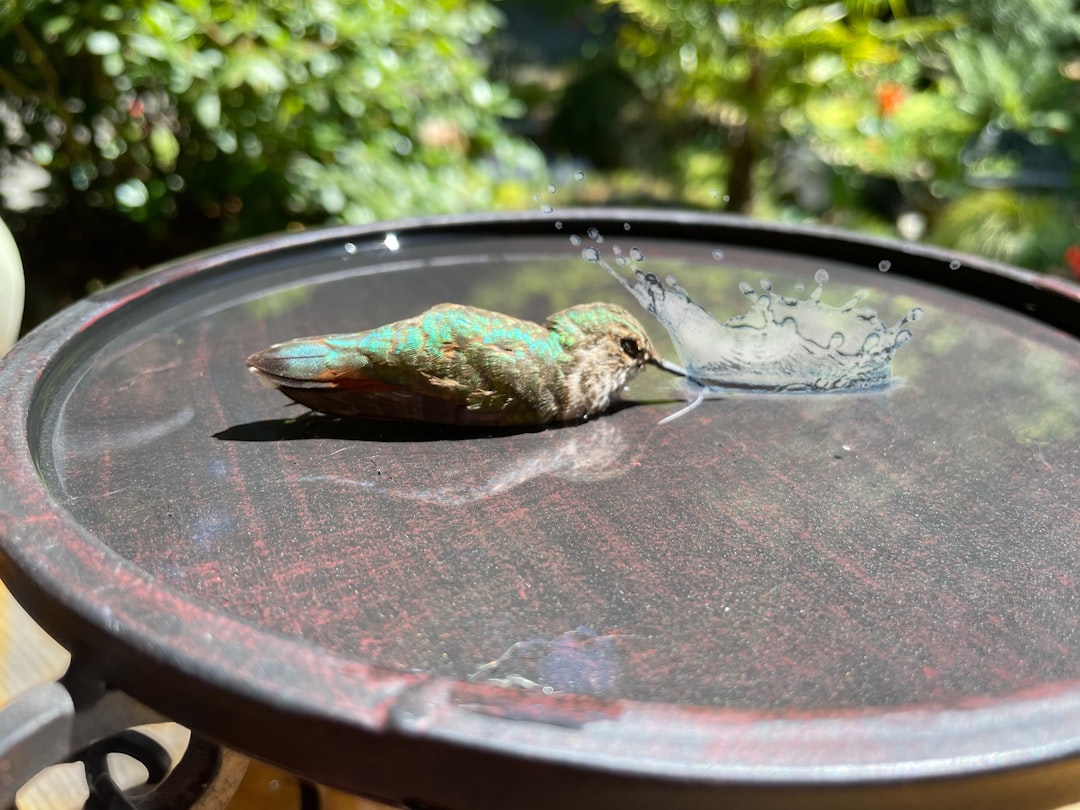
Give hummingbirds a place to bathe and hydrate in your garden. It’s important to have a shallow, slow-moving water feature in your yard – something like a bubbler or gentle waterfall. Hummingbirds also love water misters. These tiny birds need fresh water not just for drinking, but for bathing and maintaining their delicate feathers.
Unlike seed-eating birds that can extract moisture from their food, hummingbirds need additional water sources beyond their nectar feeders. A simple mister or shallow fountain can make your yard infinitely more attractive to these creatures, who spend considerable time each day preening and cleaning their intricate feather structures.
Poor Feeder Selection and Design
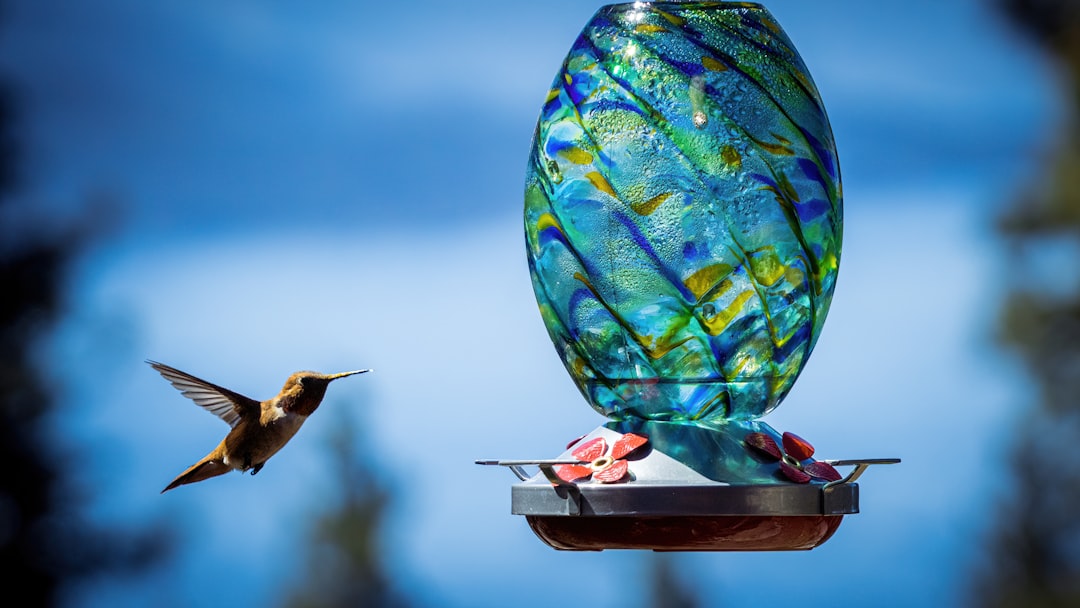
Not all hummingbird feeders are created equal. Some designs are difficult to clean or prone to leaking. Choose feeders that come apart completely for thorough cleaning and have built-in ant moats. Saucer-style feeders are often more reliable than inverted bottle types.
A commonly overlooked aspect of purchasing a hummingbird feeder is choosing a model that’s hard to clean. If you can’t clean it properly, bacteria will build up in those hard-to-reach spaces, turning your well-intentioned gesture into a health hazard. Invest in quality feeders with wide openings and removable parts – your future self will thank you during cleaning time.
Destroying Natural Spider Webs
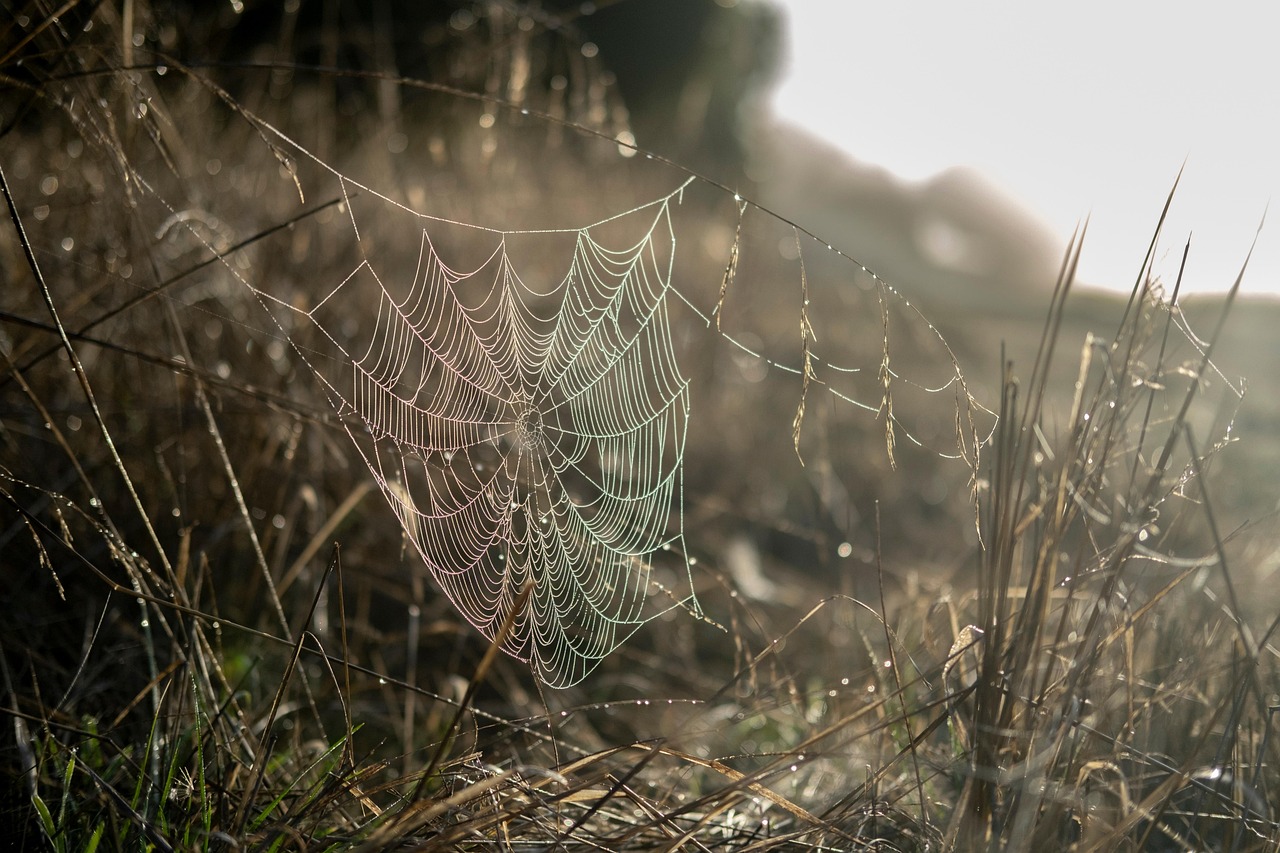
Those spider webs you’re tempted to sweep away? They’re essential for hummingbirds. They use the silk for nest building and catch tiny insects in the webs. Leave those webs in place, especially near your feeders. Nature knows what it’s doing – I’ve seen hummingbirds visit the same web multiple times daily.
Hummingbirds use spider silk to bind the nesting material to itself and to attach the nest to the branch. A useful property of the silk is that it allows the nest to expand as the chicks grow. So spiders and their webs play a vital role in hummingbird ecology. Those “messy” webs you’re cleaning up are actually architectural blueprints for hummingbird homes.
Lack of Adequate Perching Spots
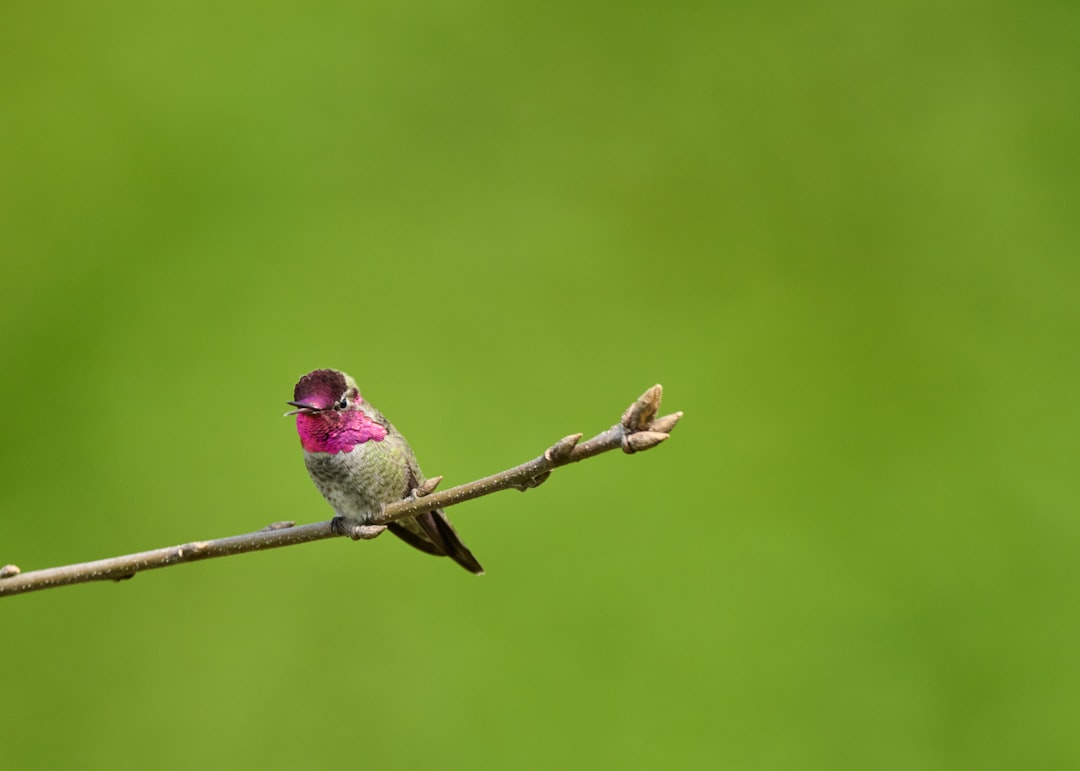
Hummingbirds need places to rest between feeding sessions, and this is where many yard designs fall short. Hummingbirds need to hide when predators or too many birds come by. Placing your hummingbird feeder near trees will help them feel safer, encouraging them to come back for more. These birds may seem like perpetual motion machines, but they actually spend roughly eighty percent of their time perched and resting.
Due to their small size, hummingbirds appreciate a safe atmosphere. Hummingbirds don’t really like coming to an isolated food source in the middle of open ground. Think about it from their perspective – would you feel comfortable eating lunch in the middle of a wide-open field where predators could spot you from anywhere? Small branches and twigs within sight of your feeders provide crucial rest stops and security.
Having Impatience with the Process
Hummingbirds may appear minutes after you set out inviting plants, but sometimes it takes several weeks before they chance on your garden. Even with luscious red flowers as bait, pure chance may keep your feeder a secret until the first migrant discovers it. Once hummingbirds do start visiting your garden, they are likely to continue throughout the season and will usually return the following year.
Building a hummingbird-friendly yard takes time. Don’t give up if they don’t come immediately. Keep feeders fresh, plant native flowers, and be patient. It took me three seasons to establish my current population, but now I host dozens of birds throughout the season. Good things come to those who wait, and in the hummingbird world, consistency is key to building trust with these cautious little jewels.
Wrong Timing for Migration Patterns
You might be waiting for hummingbirds to visit your garden at the wrong time. Research their migration patterns to make sure you’re prepared when the time is right. It’s always best to check the migratory pattern to know when they are coming. Many people set up their feeders based on when they remember seeing hummingbirds last year, but climate change has shifted these patterns significantly.
What worked five or ten years ago might be completely wrong today. Some areas now see hummingbirds arriving weeks earlier than historical patterns suggested, while others experience later arrivals. Check local birding groups, extension offices, or migration tracking websites to get current data for your specific region rather than relying on outdated information.
Insufficient Continuous Bloom Schedule
Probably the number one reason hummingbirds are not visiting is they don’t see your garden as offering enough food sources. If you are trying to attract hummingbirds without feeders, you need to have a good number of plants, and they should be blooming throughout the spring, summer and early fall.
To sustain their supercharged metabolisms, hummingbirds must eat once every 10 to 15 minutes and visit between 1,000 and 2,000 flowers per day. A garden that looks spectacular for two weeks in June but offers nothing else all season is like a restaurant that’s only open on weekends – it doesn’t meet the customers’ needs. Plan your plantings so something is always blooming from early spring through late fall.
Ignoring Weather-Specific Care
In hot weather, the feeder should be emptied and cleaned every day or every other day. In temperate weather, every three days. In cooler weather, twice per week is enough. If your hummingbirds empty the feeder with greater frequency, clean it every time it’s empty. Many people stick to the same maintenance schedule year-round, not realizing that temperature dramatically affects how quickly nectar spoils.
This commitment entails taking the time to clean your hummingbird feeders following these recommended guidelines: every 3 days (cool weather), 2 days (warm weather), and daily (hot weather). The general advise is to not leave a hummingbird feeder out for more than a day when temperatures soar over 93°F. Think of nectar like dairy products – what keeps for a week in winter might sour in hours during a heat wave.
Conclusion
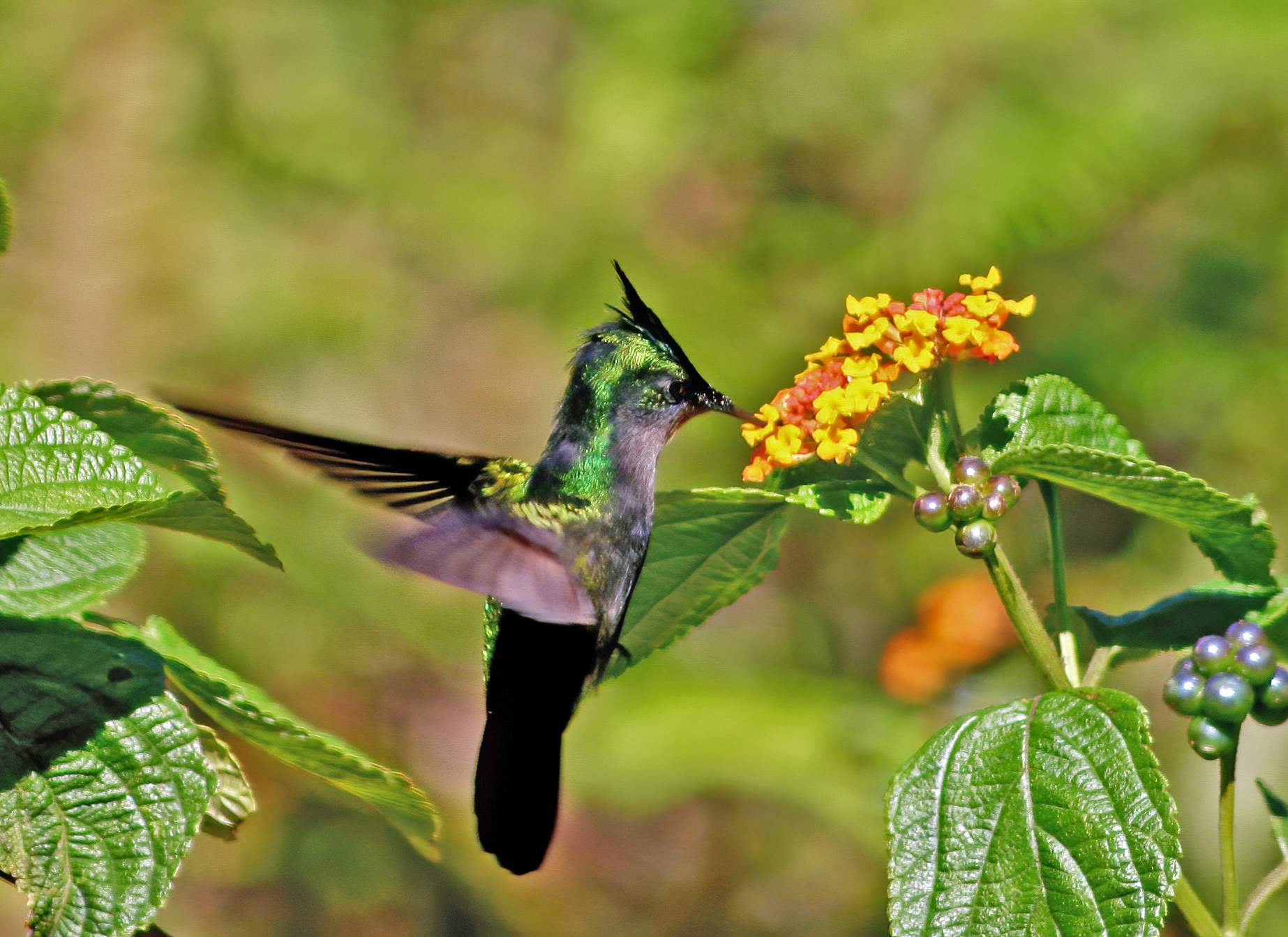
Creating a hummingbird haven isn’t about having the most expensive feeders or the fanciest plants – it’s about understanding what these remarkable creatures actually need and avoiding the common pitfalls that drive them away. From the seemingly harmless red dye that can cause serious health problems to the crucial spider webs you might be tempted to remove, every detail matters in the delicate world of hummingbird hospitality.
Remember that patience is your greatest tool. Once hummingbirds discover your property, the same individuals are likely to return each year at about the same time; they are remarkable creatures of habit. The effort you put in today – maintaining clean feeders, planting native flowers, and creating safe spaces – is an investment that will pay dividends for years to come.
The next time you step outside and hear that unmistakable whir of tiny wings, you’ll know you’ve created something truly special. Did you realize that fixing just one of these mistakes could transform your yard into the neighborhood hummingbird hotspot?

- The Best Dog Breeds for Coastal Life in California - May 26, 2026
- Magpie Holds Firm as Australia’s Most Frequently Recorded Bird - May 25, 2026
- Animal Rights Slams Pig Marking on Belgian Farms - May 22, 2026