

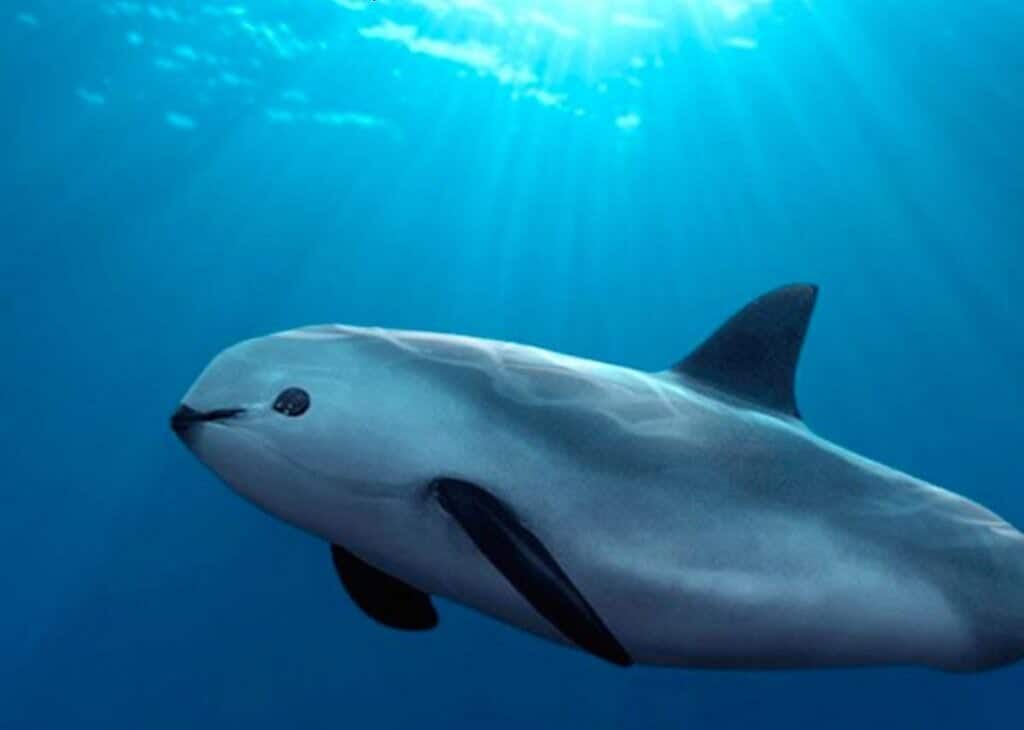
Among the many creatures that inhabit our vast oceans, the Vaquita is a particularly intriguing and endangered marine mammal. Found only in the northern part of the Gulf of California, Mexico, the Vaquita is a small porpoise with a unique appearance and an astonishingly low population, making it the world’s most endangered marine mammal. This article explores the factors contributing to the Vaquita’s critical status, the conservation efforts underway, and what you can do to help. By understanding the challenges facing the Vaquita, we can better appreciate the urgent need for its preservation.
Meet the Vaquita, A Unique Marine Mammal

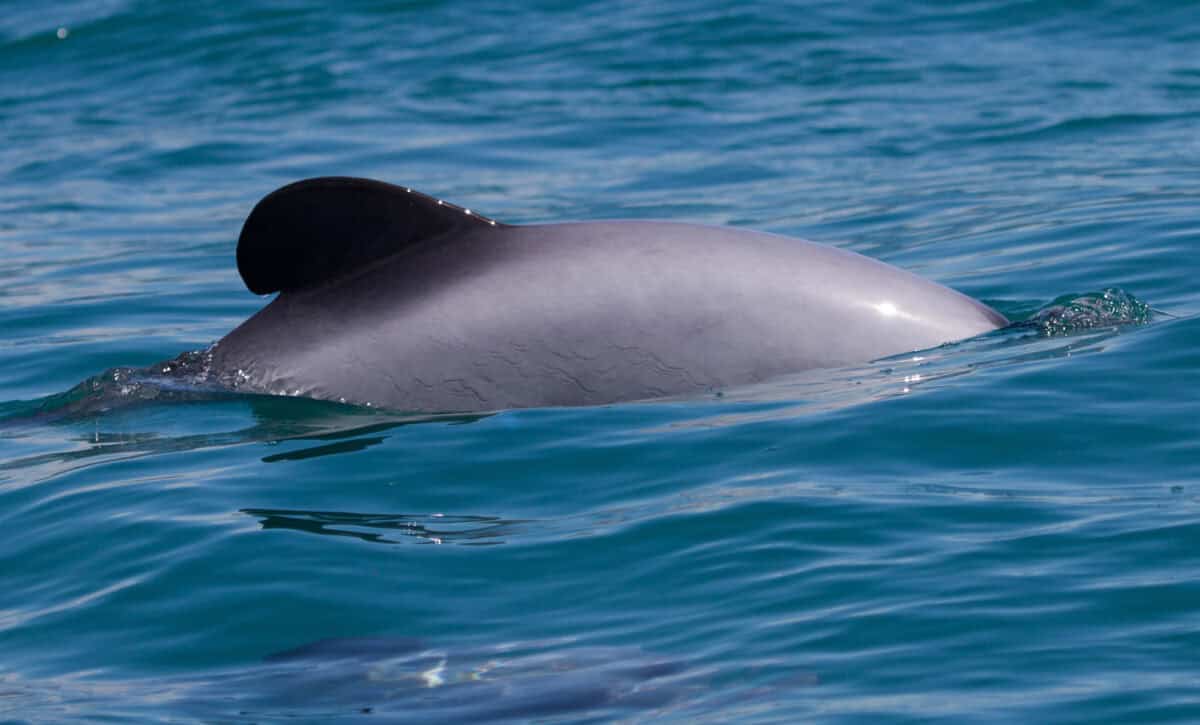
The Vaquita (Phocoena sinus) is the smallest of all marine cetaceans, measuring up to five feet in length and weighing around 95 pounds. Its name, Spanish for “little cow,” is fitting given its petite size. Vaquitas are characterized by their striking facial markings: a dark ring around the eyes and a dark line from the mouth to the pectoral fins. Unlike many marine mammals, vaquitas are rarely observed due to their elusive behaviour and limited habitat range. Despite their intriguing characteristics, few people have laid eyes on these rare creatures.
The Threat of Bycatch Vaquita’s Primary Danger

One of the leading causes of the Vaquita’s decline is bycatch, an issue plaguing fisheries worldwide. Bycatch occurs when non-target species are accidentally caught in fishing gear, and for the Vaquita, the primary threat comes from gillnets used for fishing totoaba. These nets, while intended for capturing the similarly sized totoaba fish, often ensnare vaquitas, leading to unintentional deaths. The swim bladders of totoaba are highly valued in traditional Chinese medicine, creating a lucrative black market that drives continued illegal fishing despite efforts to regulate and ban such practices.
Environmental Challenges
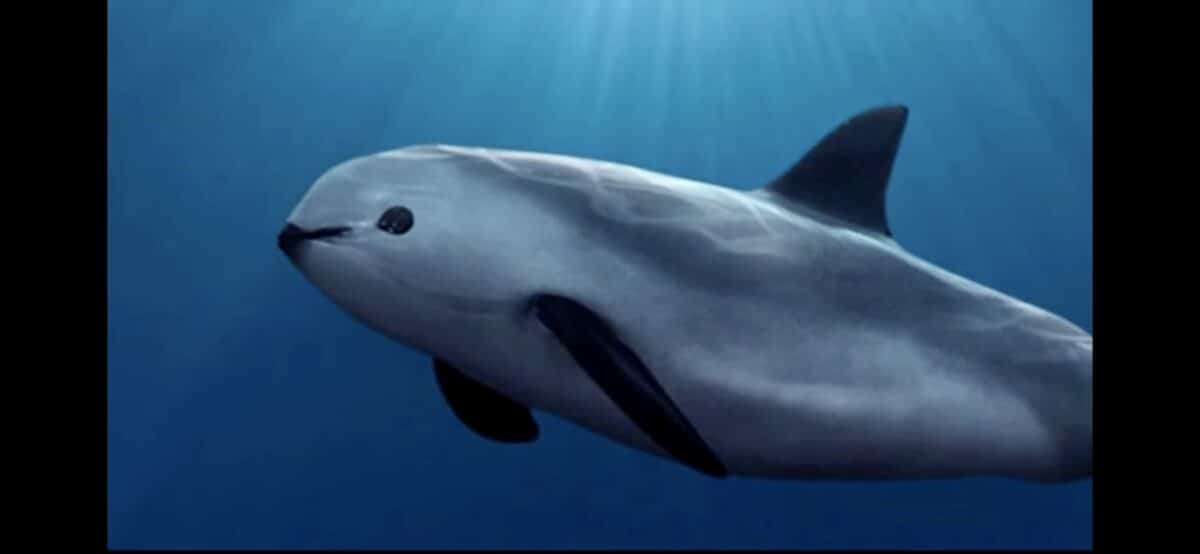
In addition to the direct threat of bycatch, vaquitas faces a range of environmental challenges. Habitat degradation from pollution, reduced water quality, and the impacts of climate change further exacerbate their vulnerability. Changes in water temperature and currents can disrupt the Vaquita’s food supply, compounding the difficulties in their already limited habitat. Together, these pressures add layers of complexity to Vaquita’s survival struggle.
Conservation Efforts and Challenges
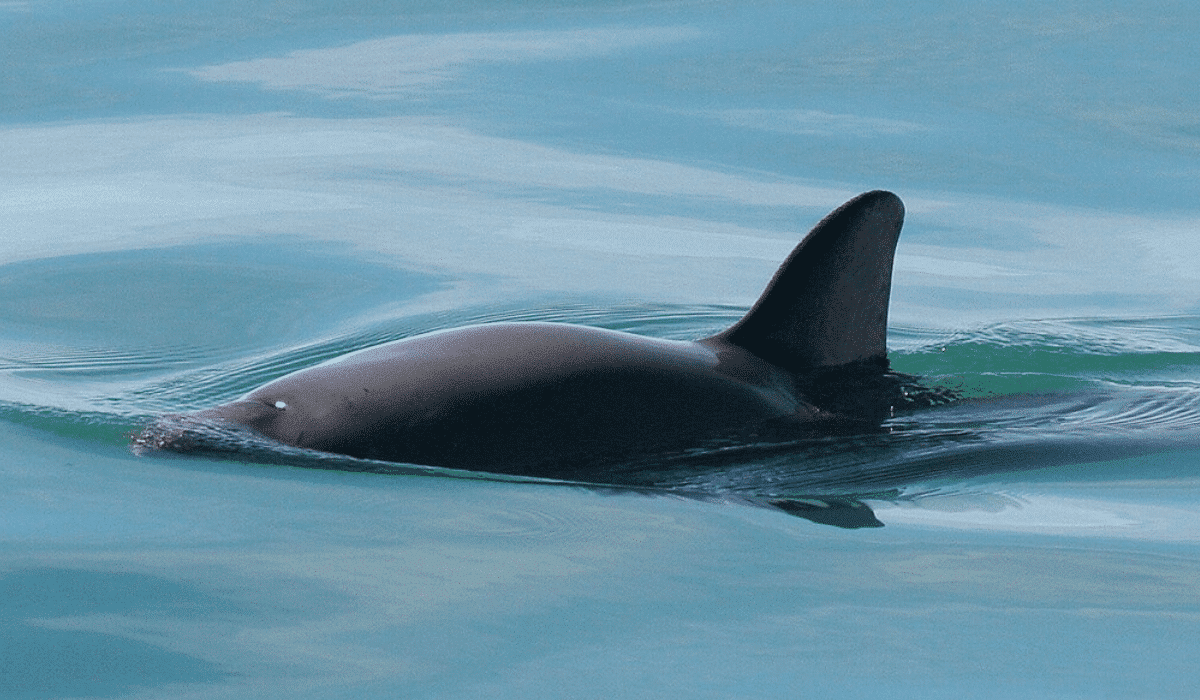
Over the years, conservationists and governments have implemented various strategies to save the Vaquita. The Mexican government declared a refuge area and banned gillnets in the Vaquita’s habitat. Additionally, international collaborations like the CIRVA (International Committee for the Recovery of the Vaquita) have been established to guide action plans and research efforts. Despite these measures, enforcement of the gillnet ban has been inconsistent, and illegal fishing continues to pose a substantial threat.
Why Saving the Vaquita Matters
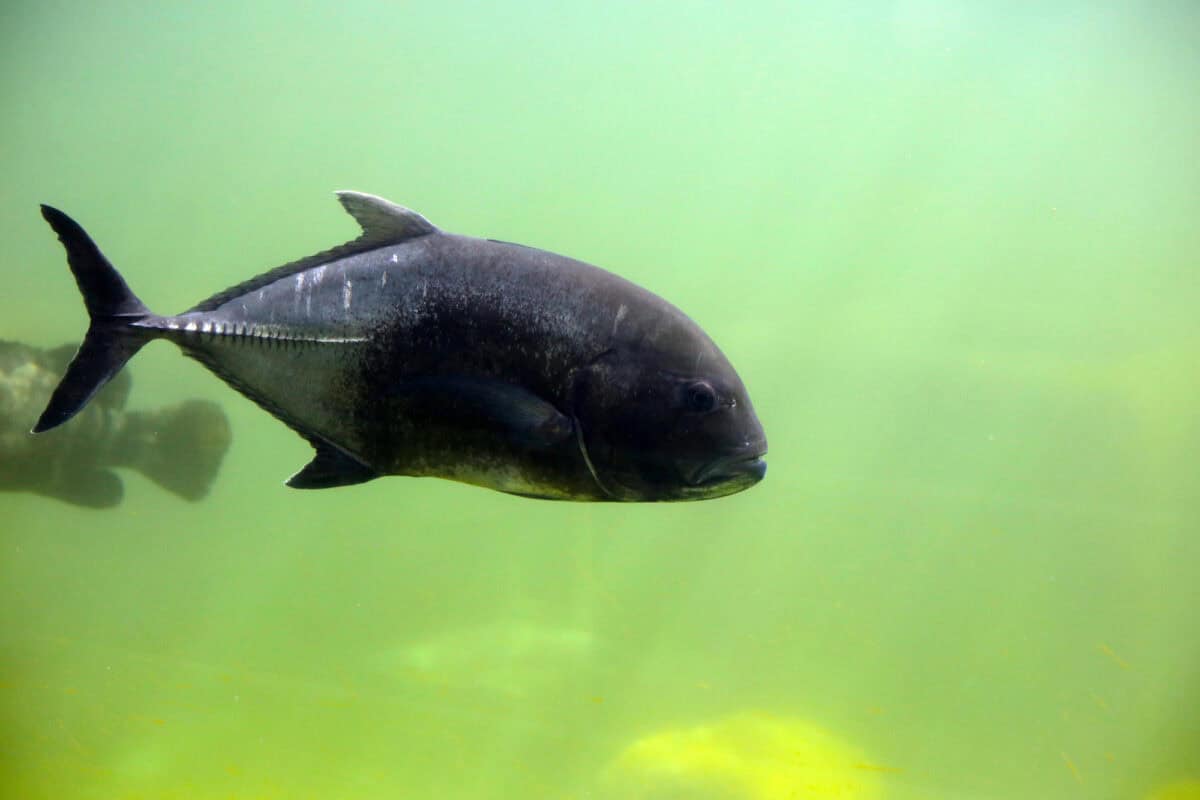
Preserving the Vaquita is crucial for protecting biodiversity and maintaining the health of the marine ecosystem in the Gulf of California. As a top predator, the Vaquita plays a vital role in regulating fish populations and maintaining a balanced food web. Its survival is indicative of the overall health of its habitat, making it an essential focus for marine conservation efforts.
How You Can Help
While the challenges facing the Vaquita are daunting, there are ways that individuals can contribute to their conservation. Supporting organizations dedicated to marine conservation, such as the World Wildlife Fund and the Sea Shepherd Conservation Society, can provide much-needed resources for on-the-ground efforts. Additionally, raising awareness about the plight of the Vaquita and advocating for stronger enforcement measures can help build the momentum needed for change. Educating others about the importance of sustainable fishing practices and reducing the demand for illegal wildlife products can make a tangible difference.
Conclusion
The Vaquita’s journey highlights the critical intersections between wildlife conservation, human industry, and environmental stewardship. As the world’s most endangered marine mammal, the Vaquita poignantly reminds us of the fragile balance within our ocean ecosystems and the urgent need for comprehensive, concerted efforts to ensure its survival. By understanding its plight and supporting conservation efforts, we can help ensure that this unique species does not disappear from our world forever.

As a little kid, I fell in love with nature, wildlife, and animals. Living in the USA, South Africa, Italy, China and Germany gave me the opportunity to discover the world's Wildlife. My favorite animals are Mountain Gorillas, Siberian Tigers, and Great White Sharks.
I'm a certified PADI Open Water Diver, went to Everest Base Camp and Trekked Gorillas in Uganda. I hold a Master of Science in Economics and Finance.
Please send any feedback to feedback@animalsaroundtheglobe.com
- 10 Reasons Lions Are the True Kings of the Wild - July 19, 2026
- 11 Cold Blooded Truths About Snakes And 2 Big Misconceptions - July 19, 2026
- 10 Habits That Strengthen A Wolf Pack And 3 That Break It - July 19, 2026