

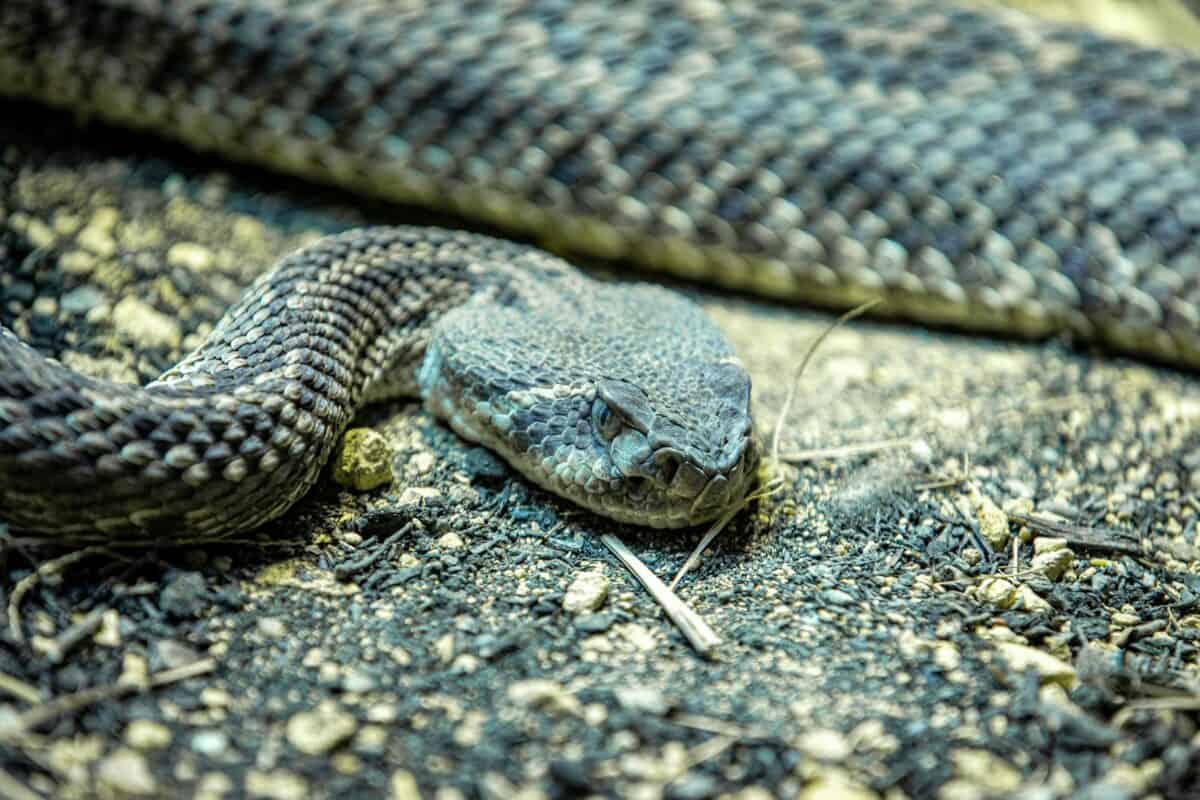
The United States is home to a remarkable diversity of snake species, with approximately 50 of them venomous. From the infamous rattlesnakes of the desert Southwest to the water moccasins lurking in southern swamps, these reptiles have adapted to virtually every ecosystem across the country. While venomous snakes often inspire fear, they play crucial roles in controlling rodent populations and maintaining ecological balance. Understanding which states harbor the greatest diversity of these fascinating yet potentially dangerous creatures can help residents and visitors alike appreciate and safely coexist with these important predators. This article explores the ten U.S. states with the highest numbers of venomous snake species, examining the unique environmental factors that support such diversity and highlighting the distinctive species found in each region.
Texas The Venomous Snake Capital

Texas claims the title of venomous snake capital of the United States with a remarkable 15 different venomous species calling the Lone Star State home. This extraordinary diversity stems from Texas’s varied landscapes, which range from arid deserts and grasslands to pine forests and coastal plains. Western Diamondback Rattlesnakes dominate much of the state, while Timber Rattlesnakes prefer the eastern forests. The state also hosts Copperheads, Cottonmouths, and the highly venomous Coral Snake, recognizable by its distinctive red, yellow, and black banding. The Trans-Pecos region in West Texas represents a particular hotspot, where multiple rattlesnake species including the Mojave, Black-tailed, and Rock Rattlesnakes can be found. Texas’s size and ecological diversity create ideal conditions for these various venomous serpents to thrive in different specialized niches throughout the state.
Arizona Desert Venom
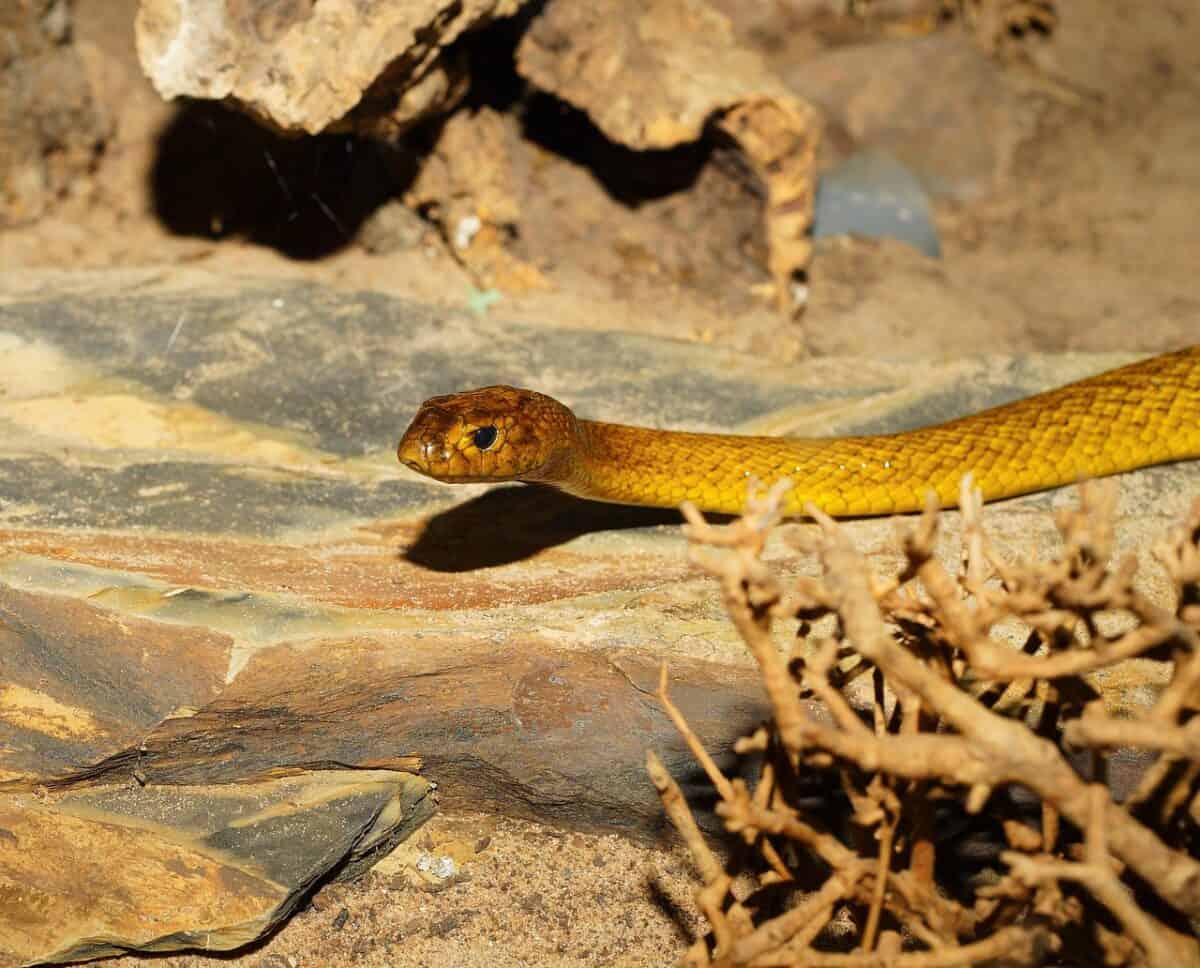
Arizona ranks second nationally with 13 venomous snake species, all but one belonging to the pit viper family. The state’s desert and canyon landscapes provide perfect habitat for numerous rattlesnake varieties. The Western Diamondback Rattlesnake is most common, but Arizona is also home to the Mojave Rattlesnake, often considered North America’s most dangerous snake due to its potent neurotoxic venom. Other notable species include the Tiger Rattlesnake, Sidewinder, Speckled Rattlesnake, and the rare Ridge-nosed Rattlesnake, Arizona’s state reptile. The Sonoran Coral Snake, with its potent neurotoxic venom, represents the state’s only venomous elapid. Arizona’s venomous snake diversity is particularly concentrated in Pima, Pinal, and Maricopa counties, where the Sonoran Desert ecosystem supports these specialized predators. The state’s dramatic elevation changes, from low deserts to mountain ranges, create multiple microhabitats that allow different venomous species to thrive in relatively close proximity.
Florida Peninsula of Pit Vipers and More

Florida boasts 10 venomous snake species across its diverse ecosystems ranging from swamps and marshes to pine forests and coastal areas. The state is home to six different rattlesnake species, including the Eastern Diamondback Rattlesnake—North America’s largest venomous snake, capable of reaching over 7 feet in length. The Sunshine State also harbors the aggressive Cottonmouth (Water Moccasin), which frequents the state’s abundant waterways, and the Southern Copperhead in its northern regions. What makes Florida unique is the presence of the Coral Snake as well as non-native venomous species. South Florida has documented established populations of exotic venomous snakes like the African Yellow-bellied Sea Snake washing up on shores and occasional escaped pets or released specimens of exotic vipers. The state’s warm, humid climate and diverse habitats create ideal conditions for both native venomous snakes and unfortunately, the potential establishment of invasive venomous species.
Georgia Southeastern Serpent Haven

Georgia harbors 9 venomous snake species across its varied terrain from the Appalachian Mountains to coastal plains. The state’s most dangerous snake is the Eastern Diamondback Rattlesnake, which can deliver large amounts of powerful hemotoxic venom. Other venomous residents include the Timber Rattlesnake, Pigmy Rattlesnake, Cottonmouth, Copperhead, and the Eastern Coral Snake. The Coral Snake, though relatively shy, possesses potent neurotoxic venom requiring different antivenom than pit vipers. Georgia’s extensive wetland systems, particularly in the southern portion of the state including the Okefenokee Swamp, provide ideal habitat for Cottonmouths, while the state’s mountainous northern regions support healthy populations of Timber Rattlesnakes. The diversity of ecosystems within Georgia, from mountains to coastal marshes, creates numerous ecological niches that support this wide array of venomous species. Conservation efforts in the state have focused on protecting these often-misunderstood predators, especially as human development encroaches on their natural habitats.
Alabama Diverse Venomous Species
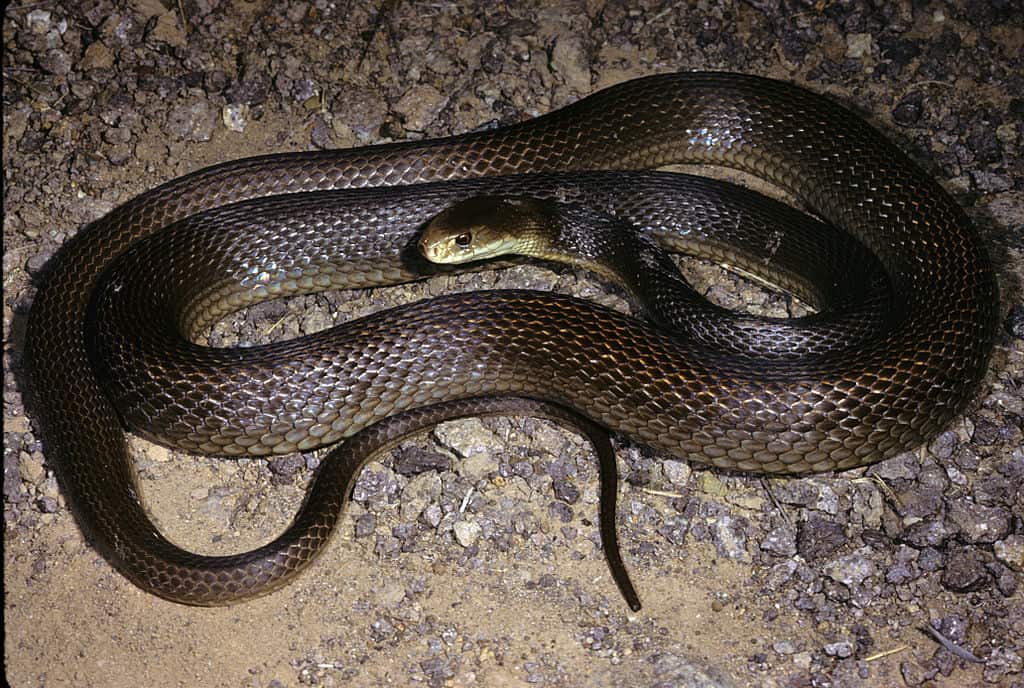
Alabama matches Georgia with 9 venomous snake species distributed across its diverse landscapes. The Cotton State’s venomous residents include the Eastern Diamondback Rattlesnake, Timber Rattlesnake, Pigmy Rattlesnake, Cottonmouth, Copperhead, and the Eastern Coral Snake. The state’s extensive river systems, including the Mobile-Tensaw Delta—America’s second-largest river delta—provide prime habitat for water-loving Cottonmouths. Alabama’s varying topography from the Appalachian foothills in the north to coastal plains in the south creates diverse habitats supporting different venomous species. The Southern Appalachian region in northeastern Alabama represents a particular hotspot for Timber Rattlesnakes, while the state’s longleaf pine ecosystems support healthy Eastern Diamondback populations. Alabama’s mild climate with hot, humid summers and relatively warm winters allows these ectothermic predators to remain active for extended portions of the year. The state has implemented educational programs to help residents understand the ecological importance of these often-feared reptiles and to reduce negative human-snake interactions.
New Mexico Southwestern Venom Diversity
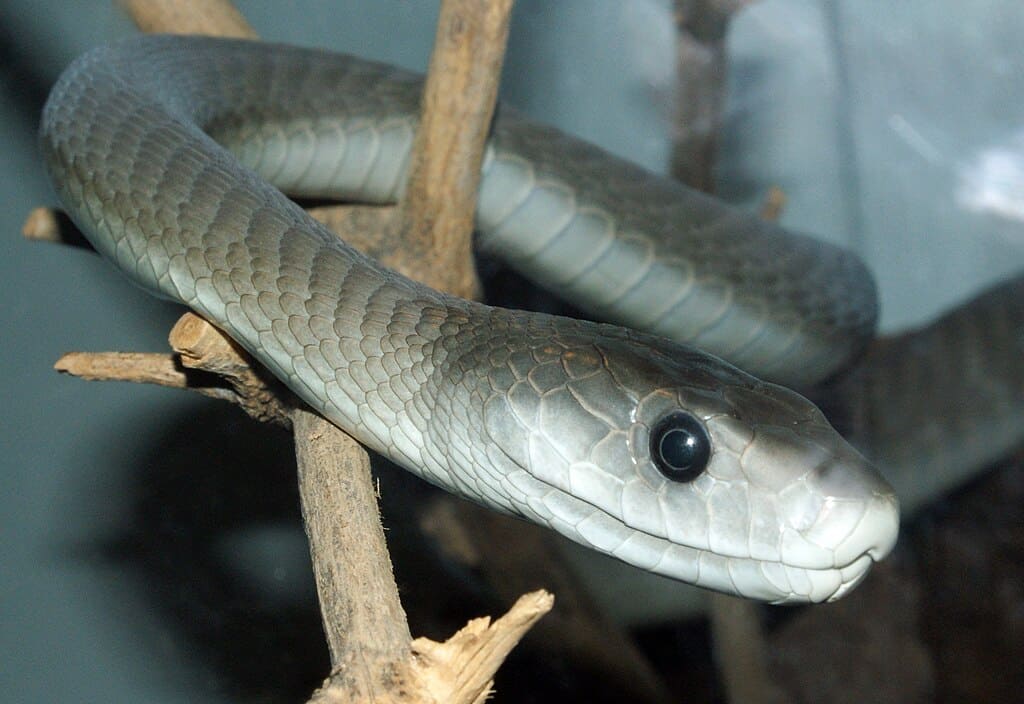
New Mexico ranks high among states with venomous snake diversity, hosting 8 species across its varied landscapes. As part of the American Southwest, the state provides ideal habitat primarily for rattlesnakes, including the Western Diamondback, Prairie Rattlesnake, Rock Rattlesnake, Mojave Rattlesnake, Black-tailed Rattlesnake, Banded Rock Rattlesnake, Ridgenose Rattlesnake, and the Sidewinder. The state’s dramatic elevation changes—from below 3,000 feet in the Chihuahuan Desert to over 13,000 feet in the Sangre de Cristo Mountains—create multiple specialized habitats for different rattlesnake species. The Western Diamondback dominates much of the state’s lower elevations, while the Prairie Rattlesnake extends into the northeastern grasslands. New Mexico’s venomous snakes have adapted to extremely harsh conditions, with specialized behaviors to handle temperature extremes. Many of the state’s rattlesnake species brumate (reptilian hibernation) together in communal dens during winter months, sometimes gathering in remarkable numbers within rocky crevices, creating important conservation areas for these predators.
Mississippi Delta Venomous Diversity

Mississippi hosts 8 venomous snake species across its predominantly lowland terrain. The state’s warm climate and abundant waterways provide ideal conditions for several dangerous serpents, including the Eastern Diamondback Rattlesnake, Timber Rattlesnake, Pigmy Rattlesnake, Cottonmouth, Copperhead, and the Eastern Coral Snake. The Mississippi Delta region, with its extensive wetlands, represents a particular stronghold for Cottonmouths, which thrive in the state’s swamps, marshes, and slow-moving waterways. Mississippi’s relatively stable warm temperatures and high humidity create near-perfect conditions for these reptiles across much of the year. The state’s agricultural landscapes, interspersed with woodlands and wetlands, provide the edge habitats that many venomous species prefer for hunting prey. Conservation challenges in Mississippi include habitat fragmentation as wetlands are drained for agriculture and development, potentially concentrating venomous snake populations in remaining suitable habitats. Educational outreach programs in the state focus on teaching residents to distinguish dangerous species from their harmless mimics and to understand appropriate safety measures.
Louisiana Bayou Snake Country

Louisiana is home to 7 venomous snake species that thrive in its swampy landscapes and warm climate. The state’s extensive wetland systems, including the Mississippi River Delta and the Atchafalaya Basin—America’s largest river swamp—provide ideal habitat for water-loving venomous species, particularly the Cottonmouth. Other venomous residents include the Eastern Diamondback Rattlesnake (in limited eastern regions), Canebrake/Timber Rattlesnake, Pigmy Rattlesnake, Copperhead, Texas Coral Snake, and the rare Western Cottonmouth in western parishes. Louisiana’s subtropical climate, with hot, humid summers and mild winters, allows these reptiles to remain active for much of the year. The state’s unique combination of wetland, coastal, and forest habitats creates diverse opportunities for these specialized predators. Venomous snake encounters are relatively common in Louisiana, with Cottonmouths representing the most frequently encountered dangerous snake. Climate change impacts, including rising sea levels, threaten coastal habitats for these species, potentially pushing populations inland and increasing human-snake interactions as suitable habitat becomes more limited.
Oklahoma Plains and Plateau Vipers
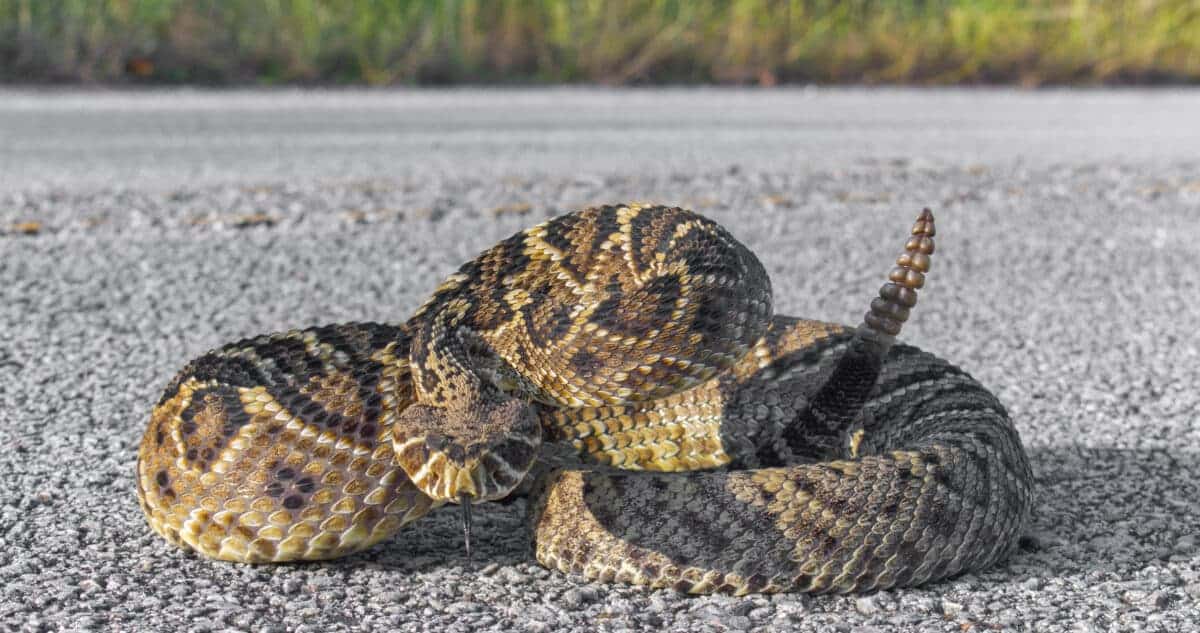
Oklahoma hosts 7 venomous snake species across its varied terrain, which transitions from eastern forests to western plains. The state’s venomous residents include the Western Diamondback Rattlesnake, Timber Rattlesnake, Prairie Rattlesnake, Massasauga Rattlesnake, Pigmy Rattlesnake, Copperhead, and Cottonmouth. The Western Diamondback dominates the western portion of the state, while the Timber Rattlesnake is more common in the eastern forests. Oklahoma’s position at the convergence of multiple ecological regions—including the Cross Timbers, Ozark Highlands, and Great Plains—creates diverse habitats supporting different venomous species. The Wichita Mountains in southwestern Oklahoma represent a particular hotspot for Western Diamondbacks. The state experiences more dramatic seasonal temperature shifts than states further south, leading to pronounced behavioral adaptations in its venomous snakes, including well-defined brumation periods during colder months. Oklahoma’s agricultural practices have influenced snake distributions, with some species adapting to modified landscapes while others have become more concentrated in remaining natural areas.
North Carolina Atlantic Coastal Venom

North Carolina rounds out our list with 6 venomous snake species distributed across its diverse landscapes from mountains to coast. The state’s dramatic elevation changes—from sea level on the Atlantic coast to over 6,600 feet in the Appalachian Mountains—create varied habitats supporting different venomous species. Eastern North Carolina hosts Cottonmouths in its extensive wetland systems, while the mountains provide habitat for Timber Rattlesnakes. The state is also home to Eastern Diamondback Rattlesnakes (in southeastern counties), Pigmy Rattlesnakes, Copperheads (the most commonly encountered venomous snake statewide), and the Eastern Coral Snake in the southeastern coastal plain. The Copperhead’s remarkable adaptability allows it to thrive even in suburban environments, making it responsible for the majority of venomous snakebites in the state. North Carolina has established important conservation initiatives for its venomous species, particularly for the Timber Rattlesnake, which has experienced population declines in parts of its range. The state’s rapid development, especially in the Piedmont region, creates ongoing challenges for venomous snake conservation.
Understanding Venomous Snake Ecology
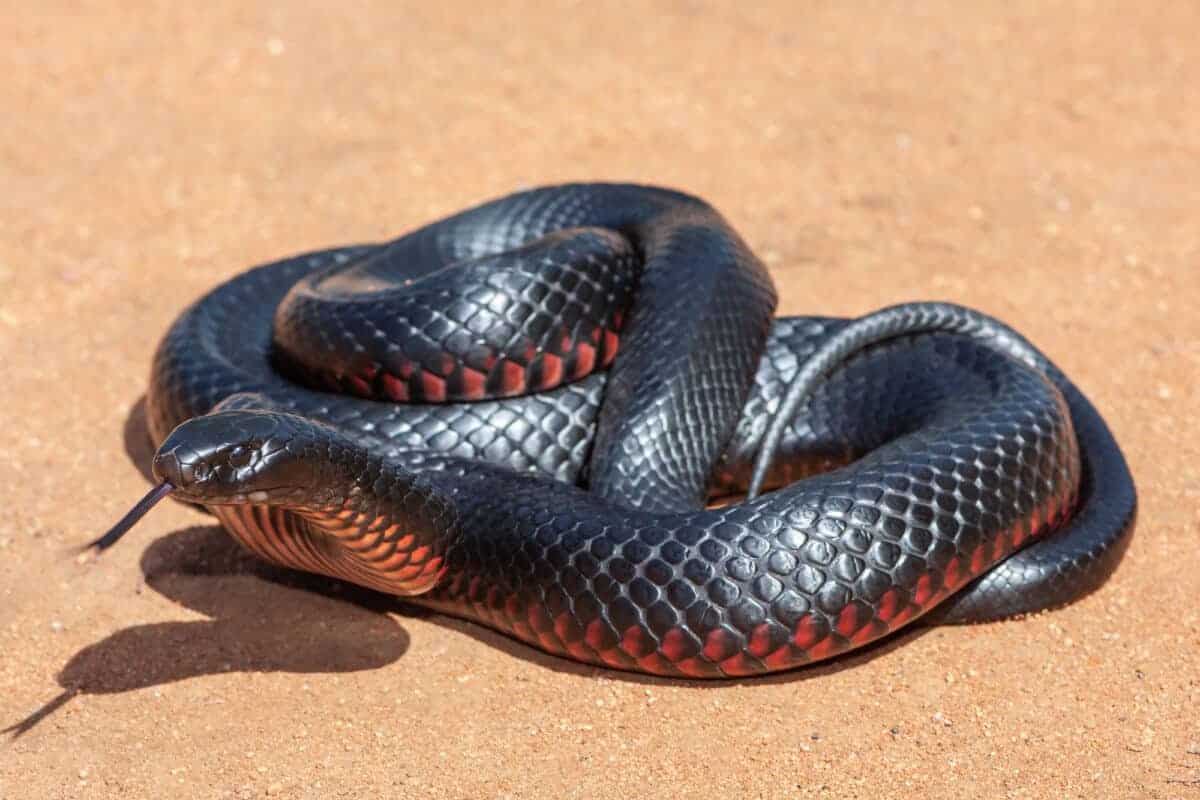
Venomous snakes in the United States fall primarily into two families: Viperidae (pit vipers including rattlesnakes, copperheads, and cottonmouths) and Elapidae (coral snakes). Pit vipers derive their name from the heat-sensing pits between their eyes and nostrils that detect warm-blooded prey, even in complete darkness. These remarkable sensory organs can detect temperature differences as small as 0.003°C. Most American venomous snakes possess hemotoxic venom that destroys tissue and disrupts blood clotting, while coral snakes deliver neurotoxic venom affecting the nervous system. Climate plays a crucial role in venomous snake distribution, with the greatest diversity occurring in warmer southern states. Most venomous species avoid human contact when possible, striking defensively rather than aggressively. Understanding their ecological requirements helps explain why certain states harbor greater venomous diversity than others. Factors including temperature ranges, precipitation patterns, topographic diversity, and habitat variety all contribute to creating suitable conditions for different venomous species.
Snake Safety and Conservation
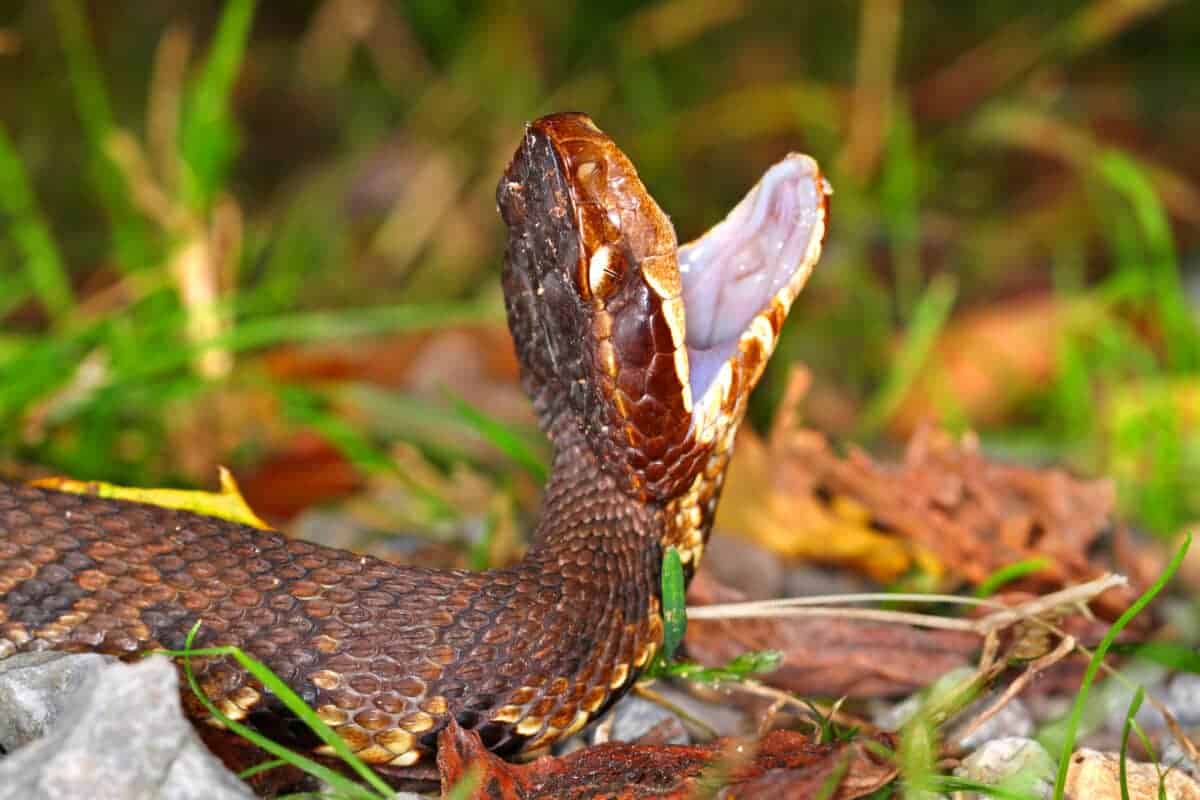
Despite their fearsome reputation, venomous snakes represent important components of healthy ecosystems, controlling rodent populations and serving as prey for larger predators. Most snakebites occur when people attempt to handle, kill, or accidentally step on these reptiles. Basic safety measures include staying alert in snake habitat, wearing closed-toe shoes and long pants, using a flashlight at night, and giving snakes space when encountered. If bitten, modern medical advice recommends remaining calm, immobilizing the affected area, removing constrictive items like rings or watches, and seeking immediate medical attention—while avoiding outdated and dangerous treatments like cutting wounds, sucking out venom, or applying tourniquets. Conservation challenges facing venomous snakes include habitat loss, road mortality, persecution, and climate change. Many states have implemented laws protecting venomous species from collection and killing. Education remains vital for conservation, as fear often drives persecution of these ecologically valuable predators. By understanding and respecting these remarkable animals, we can ensure their continued survival while minimizing negative human-snake interactions.
Conclusion: America’s Venomous Diversity
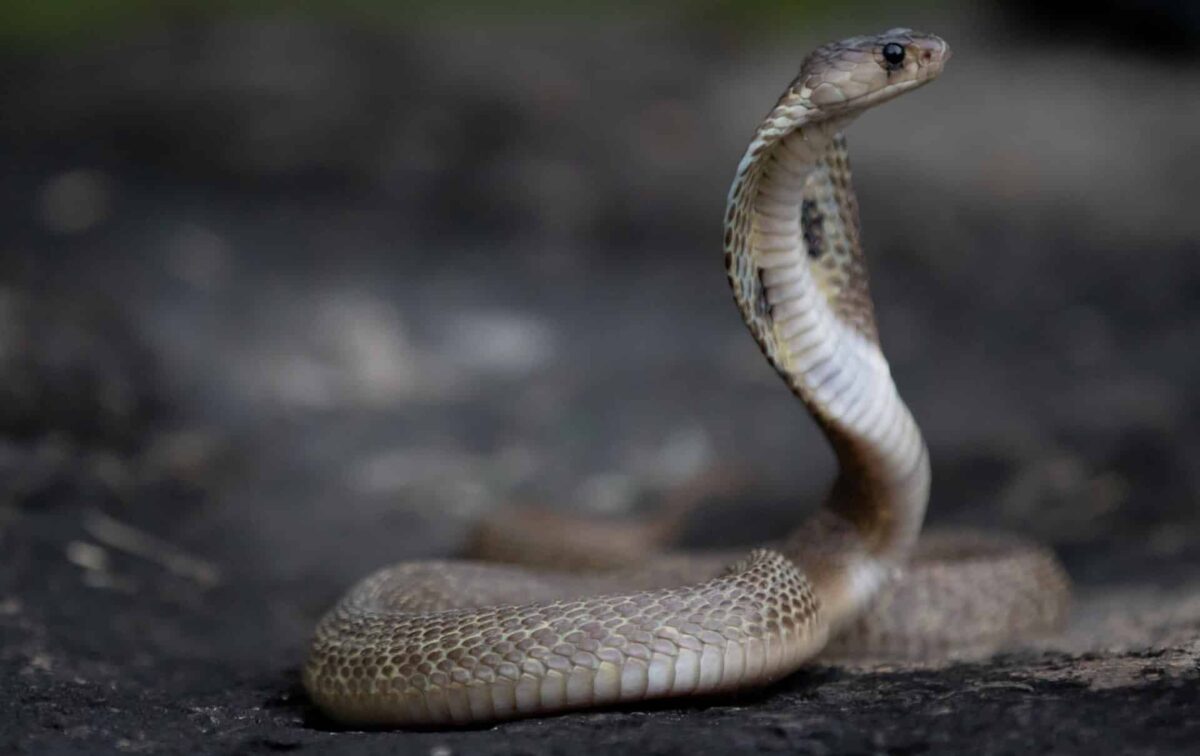
The distribution of venomous snakes across the United States tells a fascinating story of ecological adaptation and evolutionary success. The southern tier of states, particularly Texas and Arizona, represents the epicenter of venomous snake diversity due to their varied habitats and favorable climates. These remarkable predators have evolved specialized adaptations to thrive in environments ranging from scorching deserts to humid swamps, developing venom delivery systems that rank among nature’s most sophisticated hunting mechanisms. While venomous snakes inspire fear in many people, a deeper understanding of their behavior, ecology, and importance to ecosystems can foster greater appreciation and coexistence. As climate change and habitat loss continue to threaten wildlife across North America, conservation efforts for these often-misunderstood reptiles become increasingly important to maintain healthy, functioning ecosystems for generations to come.

As a little kid, I fell in love with nature, wildlife, and animals. Living in the USA, South Africa, Italy, China and Germany gave me the opportunity to discover the world's Wildlife. My favorite animals are Mountain Gorillas, Siberian Tigers, and Great White Sharks.
I'm a certified PADI Open Water Diver, went to Everest Base Camp and Trekked Gorillas in Uganda. I hold a Master of Science in Economics and Finance.
Please send any feedback to feedback@animalsaroundtheglobe.com