
Madagascar feels like nature designed an entirely separate planet. Picture an island roughly the size of Texas, drifting alone in the Indian Ocean, where life evolved for millions of years without the rest of the world watching. The result? A place where reality bends and surprises you at every corner.
This isn’t just another tropical destination. Scientists call it the “eighth continent” because its biodiversity and uniqueness simply defy comparison. Approximately 95 percent of Madagascar’s reptiles, 89 percent of its plant life, and 92 percent of its mammals exist nowhere else on Earth. Let’s be real, those numbers are mind-blowing.
When you step foot on this island, you’re entering a world that has been isolated and evolving independently. So let’s dive in and explore ten fascinating facts that make Madagascar one of the most extraordinary places on our planet.
Isolation Shaped an Evolutionary Wonderland
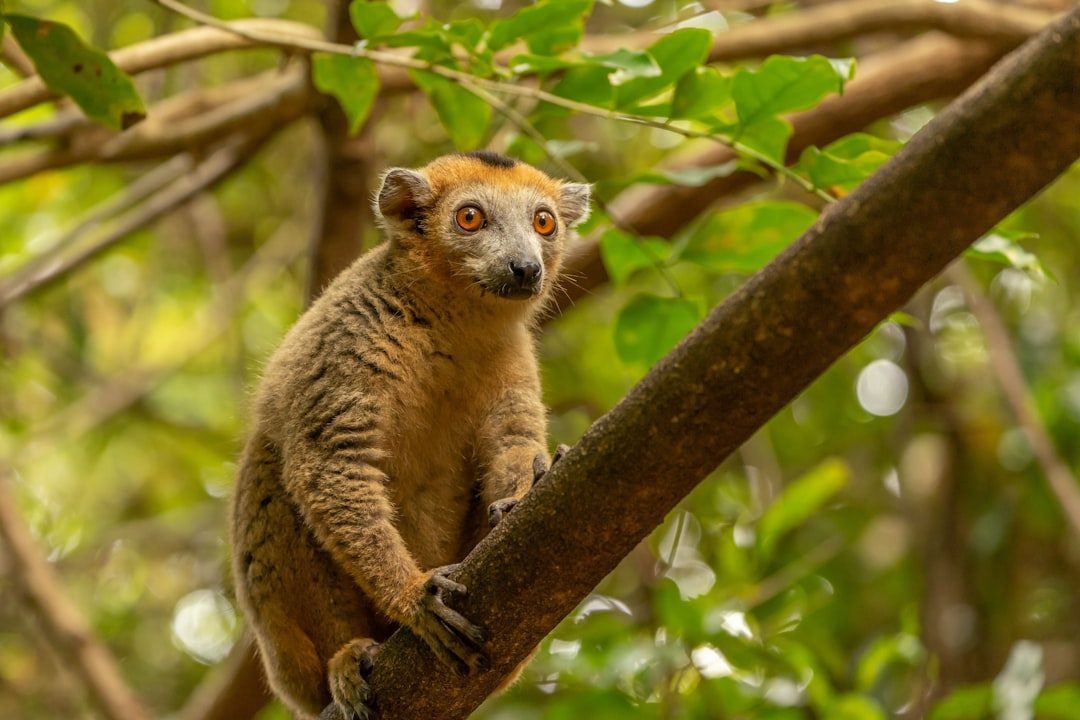
Madagascar split from India about 88 million years ago, allowing plants and animals on the island to evolve in relative isolation. Think about that for a moment. Nearly 90 million years of separation means species developed here with zero influence from the rest of the world’s fauna. For the last 88 million years, life on Madagascar has been on its own, an island of evolutionary oddities that includes the family of lemurs.
This extreme isolation created conditions like nowhere else. The island of Madagascar is a natural laboratory for evolutionary experiments, shaped through isolation and ecological opportunity. Animals that would never survive on a continent thrived here, evolving into forms that still puzzle scientists today.
Over a Hundred Species of Lemurs Call This Home
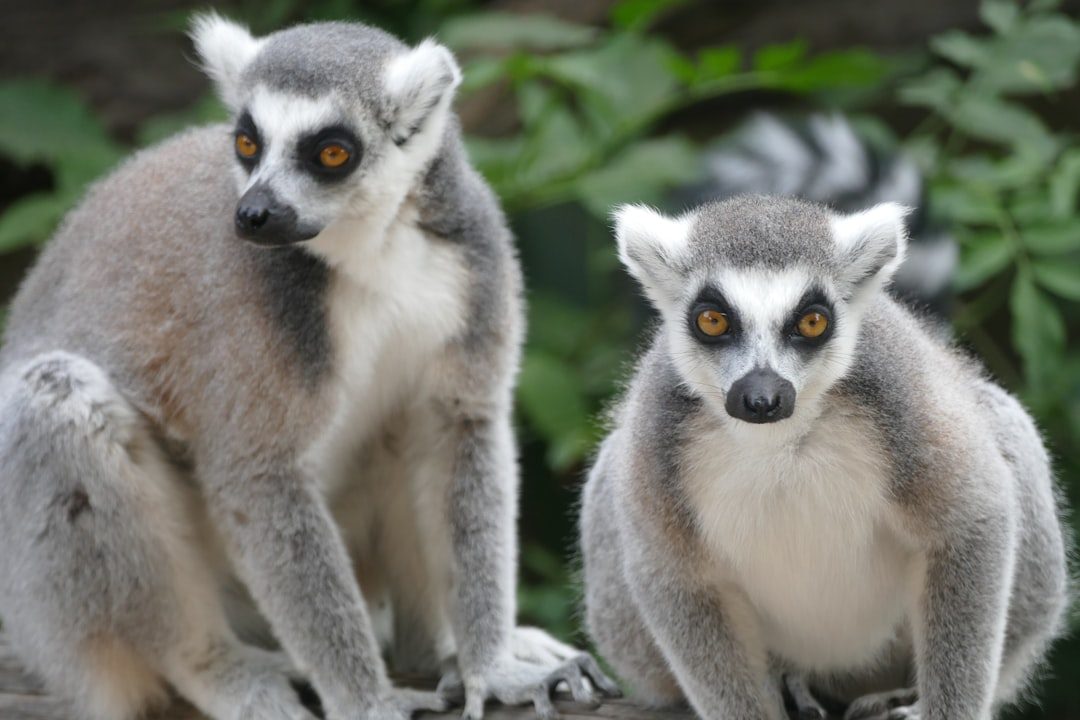
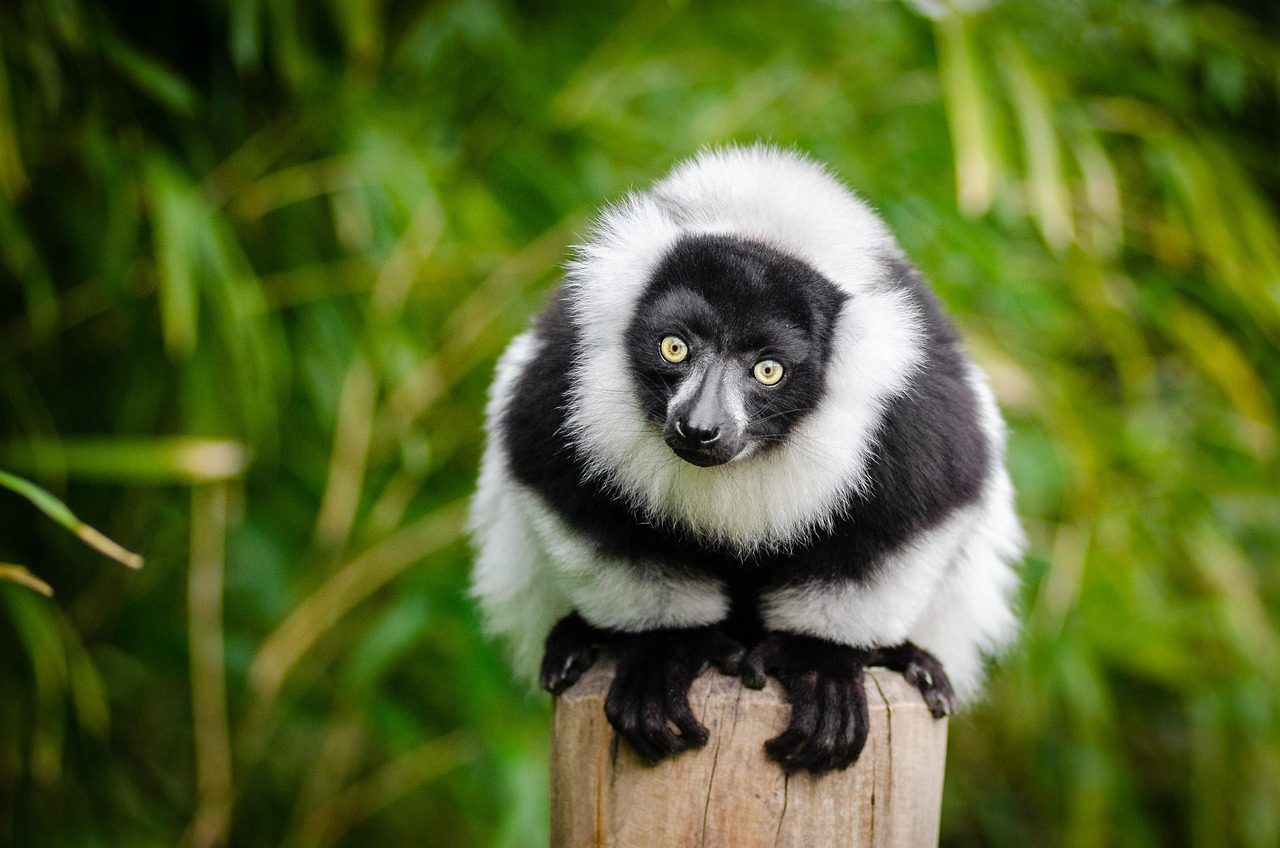
Madagascar is absolutely synonymous with lemurs. As of 2012, there were officially 103 species and subspecies of lemur, and scientists keep discovering more. These primates are found nowhere else on Earth.
Here’s the thing: lemurs aren’t just cute faces for postcards. They represent more than 15% of all living primate species – yet all members of the clade live on an island representing less than 1% of Earth’s land area. In the absence of monkeys and other competitors, these primates have adapted to a wide range of habitats and diversified into numerous species. From tiny mouse lemurs to the indri, whose haunting songs echo through rainforests, these animals fill ecological niches you’d expect monkeys to occupy elsewhere.
Sadly, they are almost all classified as rare, vulnerable, or endangered.
Baobabs Originated Here and Spread Across Oceans
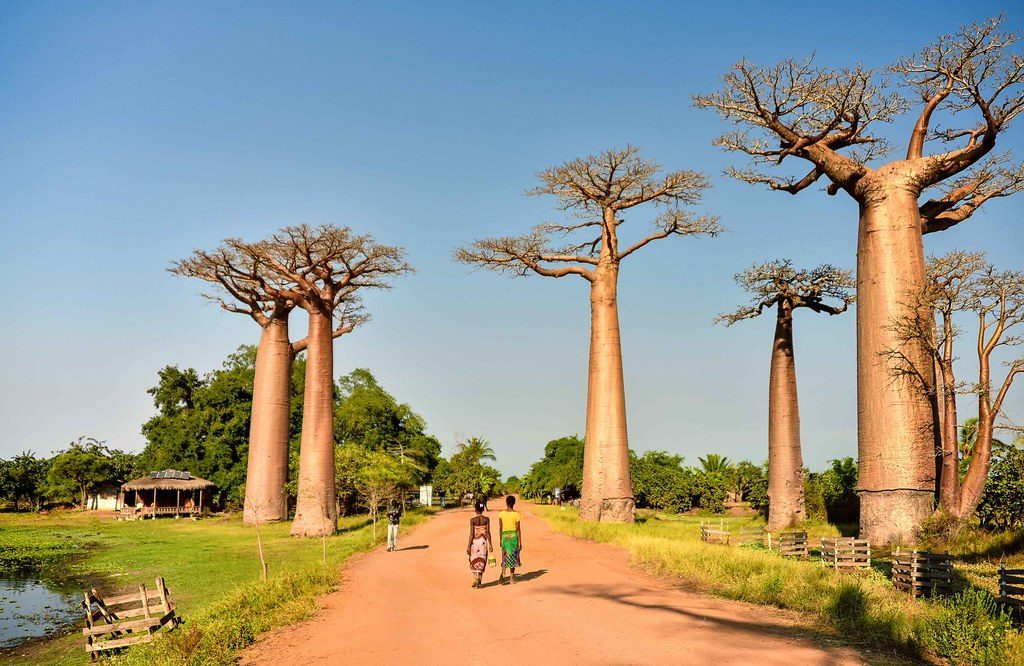
Those iconic upside-down trees with massive trunks? They started in Madagascar. A study published in the journal Nature used the genomes of each baobab species to unravel the tree’s ancient origins, tracing its lineage to Madagascar 21 million years ago.
Six out of eight living baobab species are endemic to Madagascar. Eventually, two baobab species traveled from Madagascar to continental Africa and northwestern Australia where they, too, evolved into unique species. How did seeds make that journey? Probably by floating on ocean currents, clinging to vegetation rafts for weeks or months until landing on distant shores.
Adansonia grandidieri is the biggest and most famous of Madagascar’s six species of baobabs, sometimes known as Grandidier’s baobab or the giant baobab. These trees can live for centuries, storing water in their fibrous trunks to survive harsh dry seasons.
The Tsingy Stone Forests Are Razor-Sharp Geological Marvels
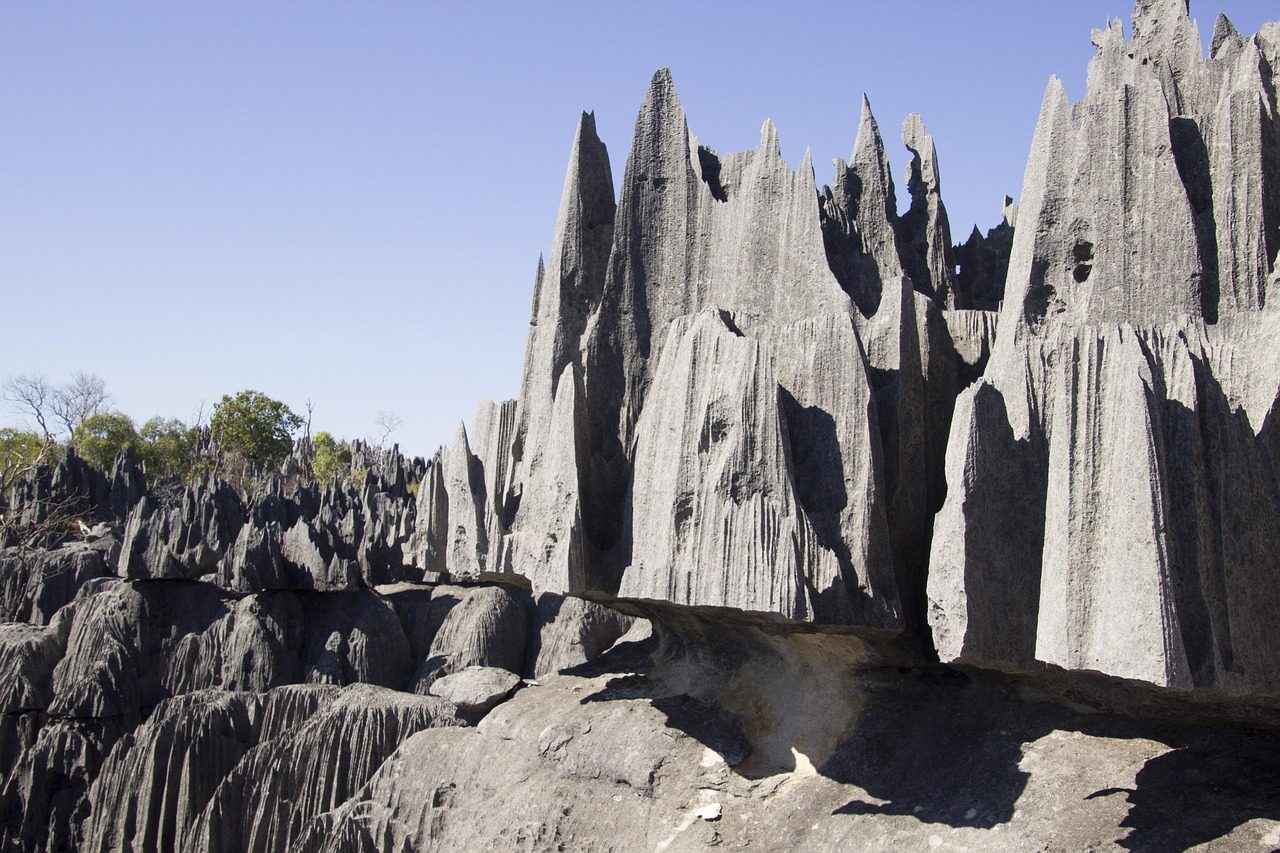
Imagine a forest made entirely of stone needles so sharp they can slice through flesh. Tsingy is a Malagasy word meaning ‘where one cannot walk barefoot’. That’s no exaggeration. Groundwater has undercut the elevated uplands, and has gouged caverns and fissures into the limestone, creating dramatic “forests” of limestone needles.
The formation of the Tsingy began some 200 million years ago when layers of calcite at the bottom of a lagoon formed a thick limestone bed; later, tectonic activity elevated the limestone, and monsoon rains carved away softer rocks. The result is a surreal landscape that looks like something from another world.
These formations aren’t just stunning to look at. The area is home to 11 species of lemur, 6 bird species, 2 local endemic amphibian species and 17 endemic reptile species. The jagged terrain actually protects wildlife from human encroachment.
Most Wildlife Arrived by Rafting Across the Ocean

It sounds absurd, right? Animals drifting hundreds of miles on floating vegetation? Yet that’s exactly what happened. Reptiles, amphibians, and mammals from mainland Africa would have been stranded on giant rafts of vegetation and floated to Madagascar, where they eventually evolved into the wildlife we know today.
Primates like lemurs rafted over from Africa on floating vegetation 60 to 40 million years ago. The ancestors of modern lemurs were likely quite small, making the perilous journey slightly more plausible. It would have taken roughly 30 to 35 days to get across the Mozambique Channel, with vegetation possibly holding fruits or other food sources.
Scientists once found this theory far-fetched. Now, genetic evidence makes it undeniable. Over millions of years, statistically impossible events become certainties.
The Fossa Is Madagascar’s Apex Predator
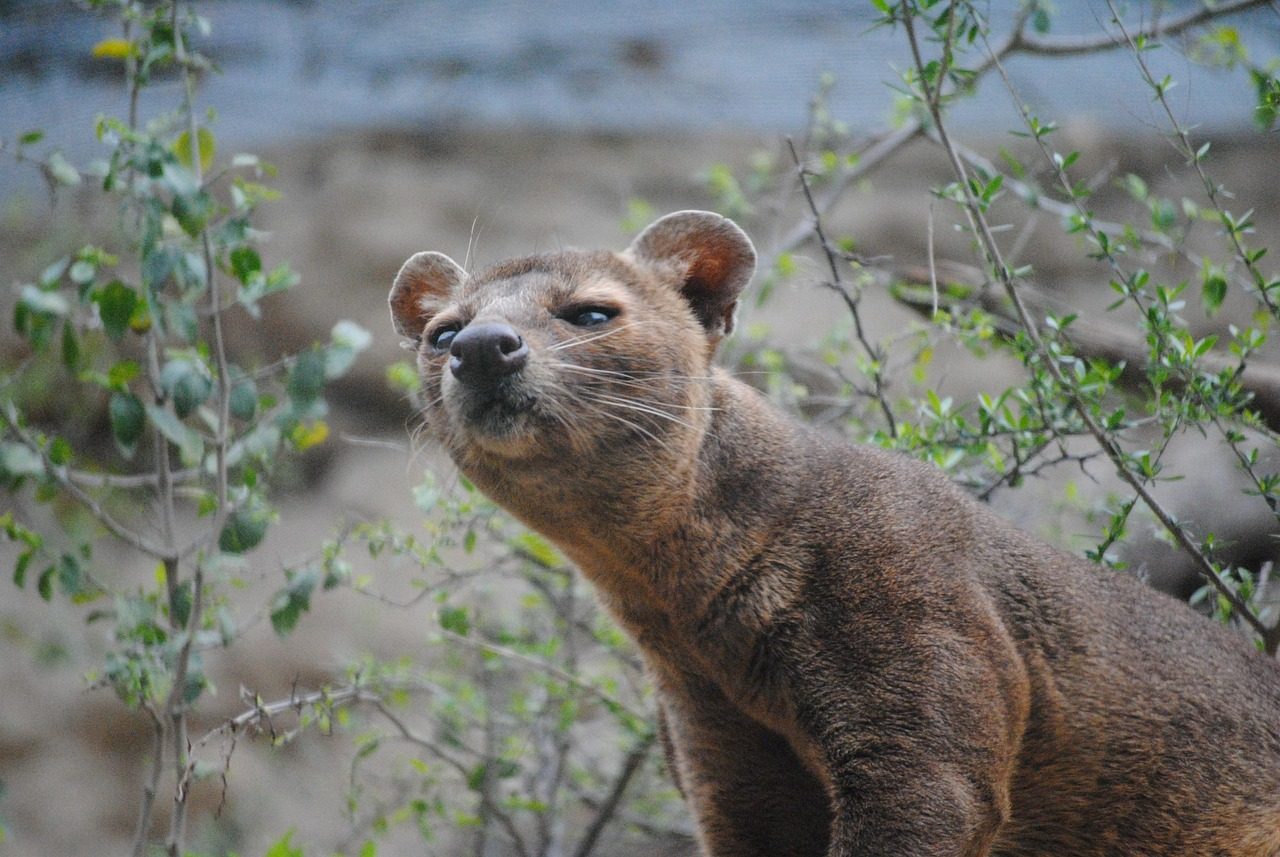
The fossa (Cryptoprocta ferox) is a slender, long-tailed, cat-like mammal that is endemic to Madagascar. At first glance, you might think it’s a cat. Although it shares some adaptive similarities with cats, the fossa is closely related to the mongoose and civet, and is related to the mongoose family.
The fossa is the island’s largest surviving endemic terrestrial mammal and the only predator capable of preying upon adults of all extant lemur species. They’re incredibly agile hunters, equally skilled on the ground and in trees. They are capable hunters on land and in the trees, using their tails for balance and killing by biting through their prey’s skulls.
Honestly, the fossa is one of evolution’s stranger experiments. Carnivorans are thought to have colonized the island once, around 18 to 20 million years ago, and the fossa represents that ancient lineage’s most successful predator.
Nearly All Species Are Found Nowhere Else
Approximately 90 percent of all plant and animal species found in Madagascar are endemic, including the lemurs, the carnivorous fossa and many birds. Let that sink in. Nine out of ten species exist only here.
Madagascar houses 100 percent of the world’s lemurs, half of its chameleon species, 6 percent of its frogs, and none of its toads. The lack of toads is particularly bizarre since frogs are abundant. It’s like nature decided to conduct a selective experiment.
Of roughly 200,000 known species found on Madagascar, about 150,000 are endemic. This level of endemism is staggering and places Madagascar among the world’s top biodiversity hotspots.
Convergent Evolution Created Look-Alikes of Familiar Animals
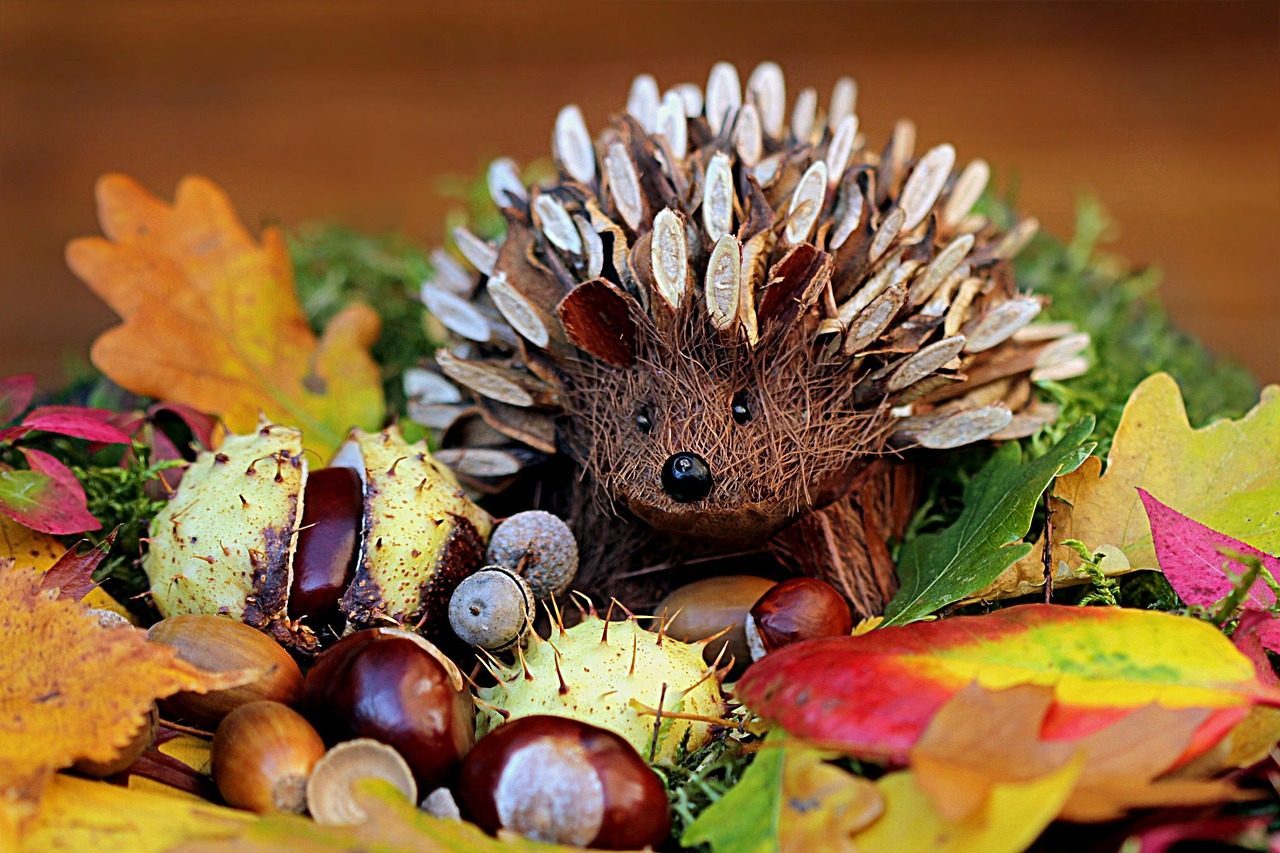
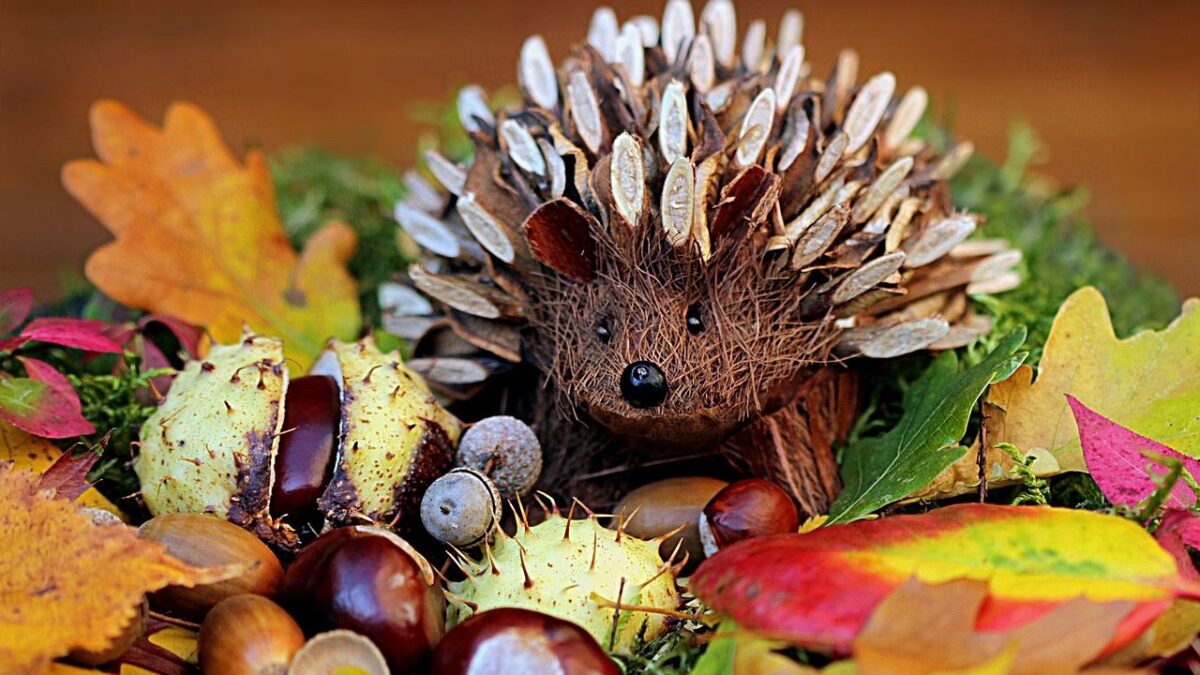
Ever heard of tenrecs? They look like hedgehogs with their spiny coats and ability to roll into balls. Although both have spines and can roll into spiky balls, these animals evolved completely independently; in fact, hedgehog tenrecs are more closely related to elephants than to hedgehogs.
This phenomenon is called convergent evolution, where unrelated species independently evolve similar traits to solve similar problems. Sharp spines are an effective defense against predators – so effective, in fact, that they have evolved multiple times on unrelated animals; this is called convergent evolution.
Madagascar is filled with these evolutionary puzzles. Animals here look familiar yet are fundamentally different, showcasing how isolation pushes life in unexpected directions.
River Catchments Created Centers of Micro-Endemism
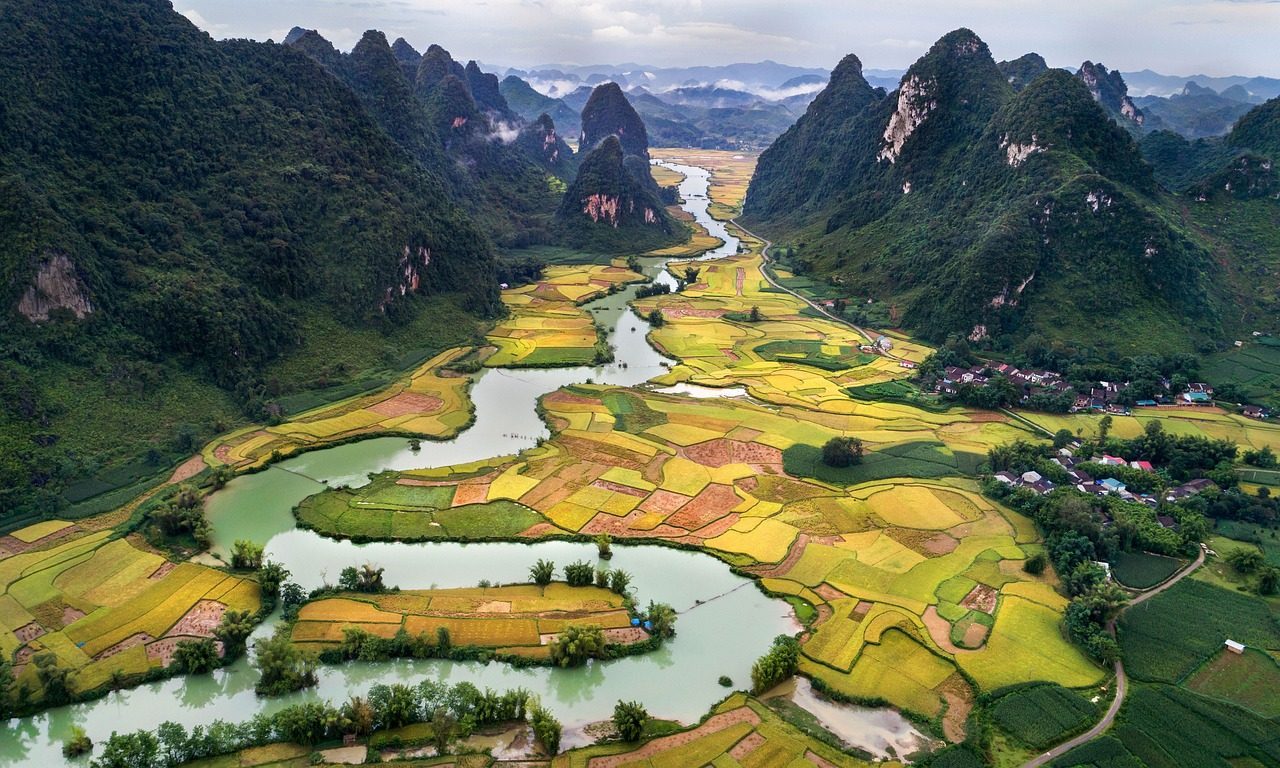
Madagascar’s biodiversity isn’t evenly distributed. In watersheds with headwaters at low altitudes these forest fragments became isolated by intervening arid areas, creating centers of endemism, which allowed for allopatric speciation and the evolution of micro-endemic taxa.
Rivers effectively carved the island into isolated pockets. Species trapped in these areas evolved independently, sometimes into completely unique forms found in just a single valley or forest fragment. Results are concordant with the centers of endemism hypothesis, highlighting the importance of river catchments for the evolution of Madagascar’s micro-endemic biota.
It’s hard to say for sure, but this pattern might explain why Madagascar packs so much diversity into a relatively small area. Geographic barriers amplified evolution’s creative power.
Climate Extremes Drove Extraordinary Adaptation
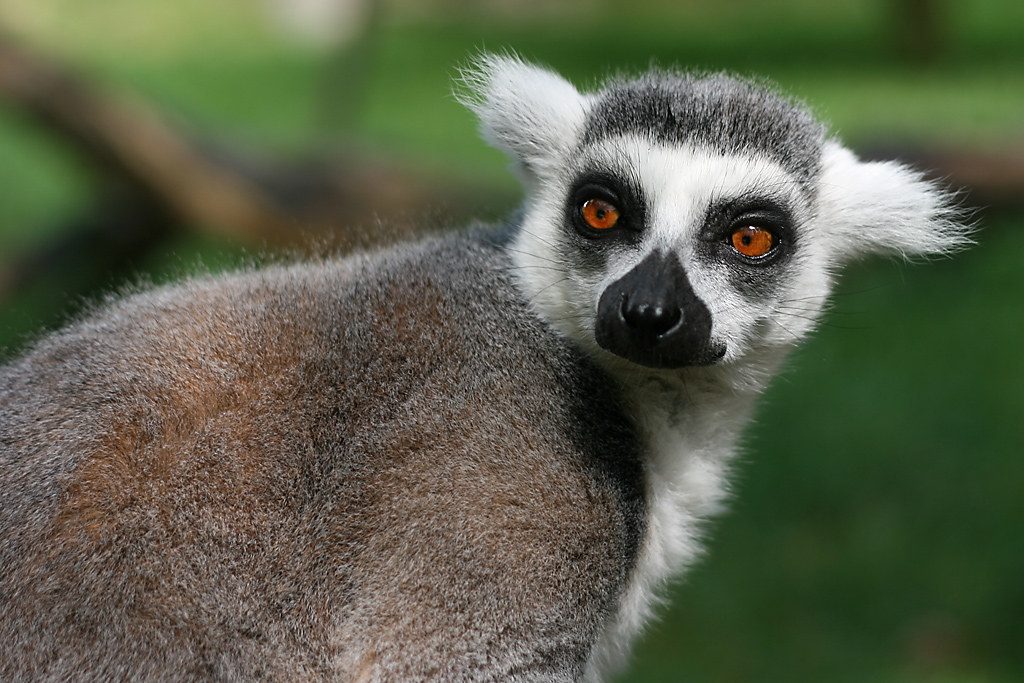
Madagascar has two radically different climatic zones – the rainforests of the east and the dry regions of the west – and swings from extended drought to cyclone-generated floods; these climatic and geographical challenges have driven the evolution of lemurs’ immense morphological and behavioral diversity.
Life here doesn’t just endure average conditions. Their survival has required the ability to endure the persistent extremes, not yearly averages. This relentless pressure forced animals to develop strategies you won’t see anywhere else, from seasonal fat storage to synchronized breeding seasons.
The country is huge – the fourth biggest island and second biggest country island on Earth – and geographically very diverse; mountains, plains, deserts, various elevations create different climate zones that contribute to the emergence of great biodiversity. The sheer variety of habitats on one island intensifies evolutionary possibilities.
Conclusion: A Fragile Evolutionary Treasure Under Threat
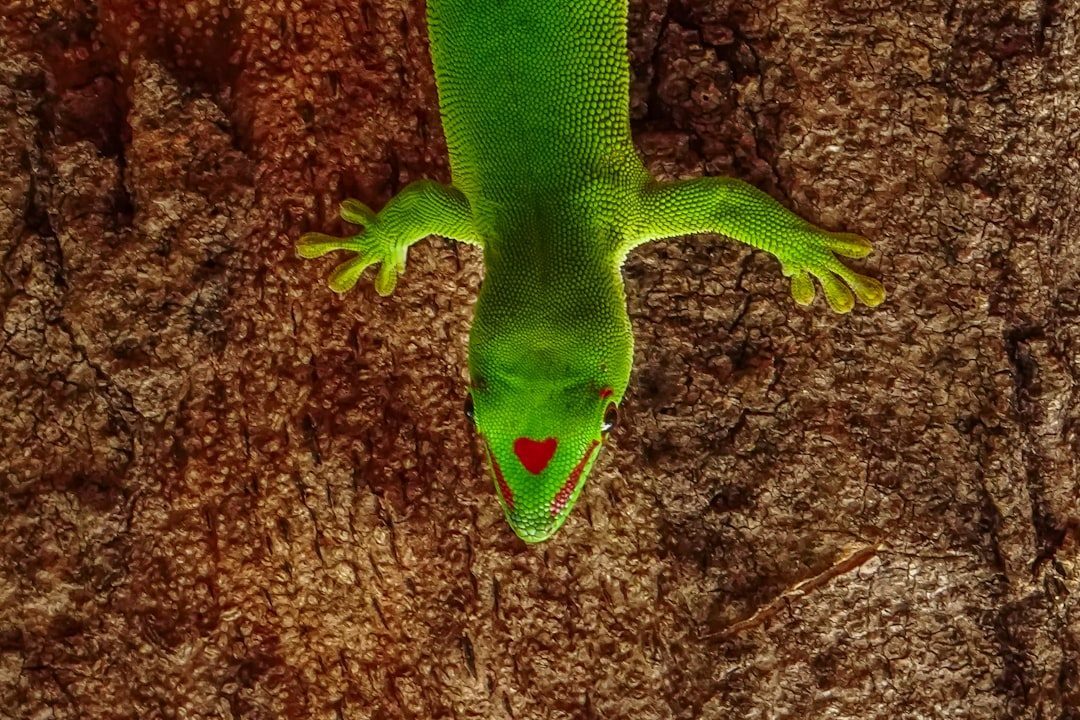
Madagascar represents something irreplaceable. Millions of years of isolation created a biological treasury unlike anywhere else on our planet. Yet this lost world faces unprecedented threats. Nearly 90% of the original natural vegetation across Madagascar has already been destroyed, leaving fragmented habitats where species teeter on the edge of extinction.
The fossa, baobabs, lemurs, and countless other species exist nowhere else. If we lose them here, they’re gone forever. Conservation efforts are crucial, combining habitat protection with community engagement to preserve what remains.
What strikes you most about Madagascar’s unique evolution? The fact that so much diversity emerged from isolation, or the sobering reality that we might lose it all? Tell us your thoughts in the comments.
