

Worried about unexpected vet bills?
Pet insurance can cover thousands in unexpected vet costs. Get a free quote from Lemonade in under 2 minutes.
Get My Free Quote →Sponsored · Opens Lemonade.com
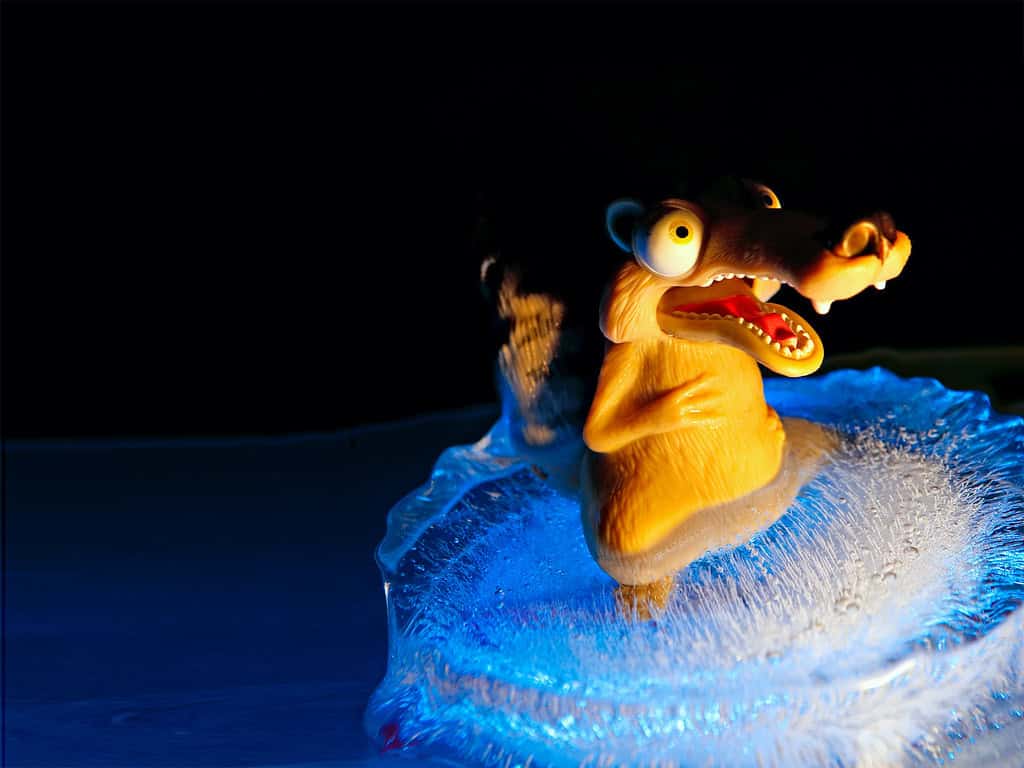
When the animated comedy “Ice Age” debuted in 2002, audiences worldwide fell in love with Scrat, the saber-toothed squirrel whose obsessive quest for an acorn leads to prehistoric calamities. This frantically determined character, though seemingly minor, became one of the franchise’s most iconic figures. But how much of Scrat’s character is based on actual prehistoric animals? Does his signature acorn-hoarding behavior reflect real wildlife patterns? This article delves into the paleontological facts and creative liberties behind one of animation’s most beloved prehistoric characters, exploring the fascinating intersection of entertainment and natural history.
The Origins of Scrat: Animation vs. Reality

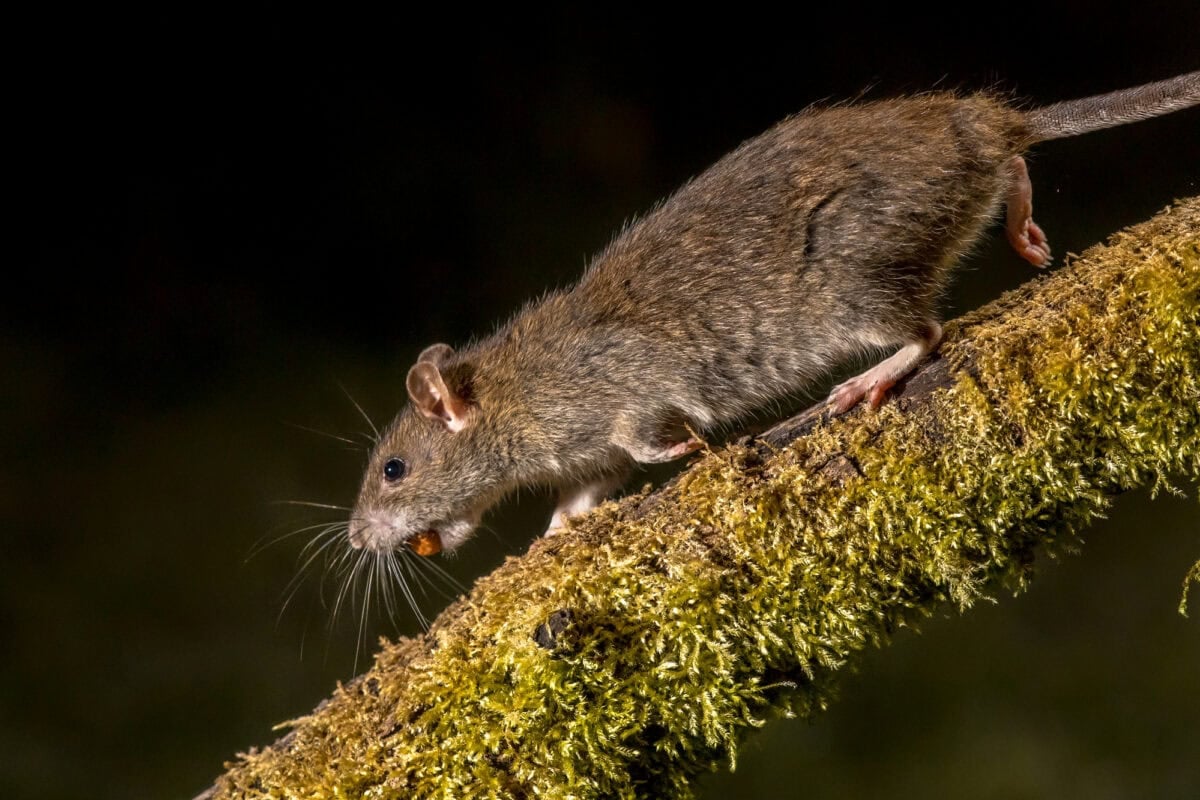
Scrat was never intended to be a scientifically accurate representation of a prehistoric creature. The character emerged as a creative hybrid designed by Blue Sky Studios, combining elements of squirrels, rats, and saber-toothed cats. His name itself—a portmanteau of “squirrel” and “rat”—reflects this mixed ancestry. The character’s design process focused on creating a visually appealing and comedic creature rather than paleontological accuracy.
Despite being a fictional creation, Scrat sparked genuine scientific interest. In 2011, scientists discovered a fossil in Argentina that bore a striking resemblance to the animated character. The 94-million-year-old mammal, named Cronopio dentiacutus, featured a long snout and sharp teeth similar to Scrat’s distinctive appearance. This coincidental discovery demonstrates how creative imagination sometimes aligns with scientific reality, though Scrat himself remains firmly in the realm of animation rather than paleontology.
Cronopio dentiacutus: The Real-Life Scrat?
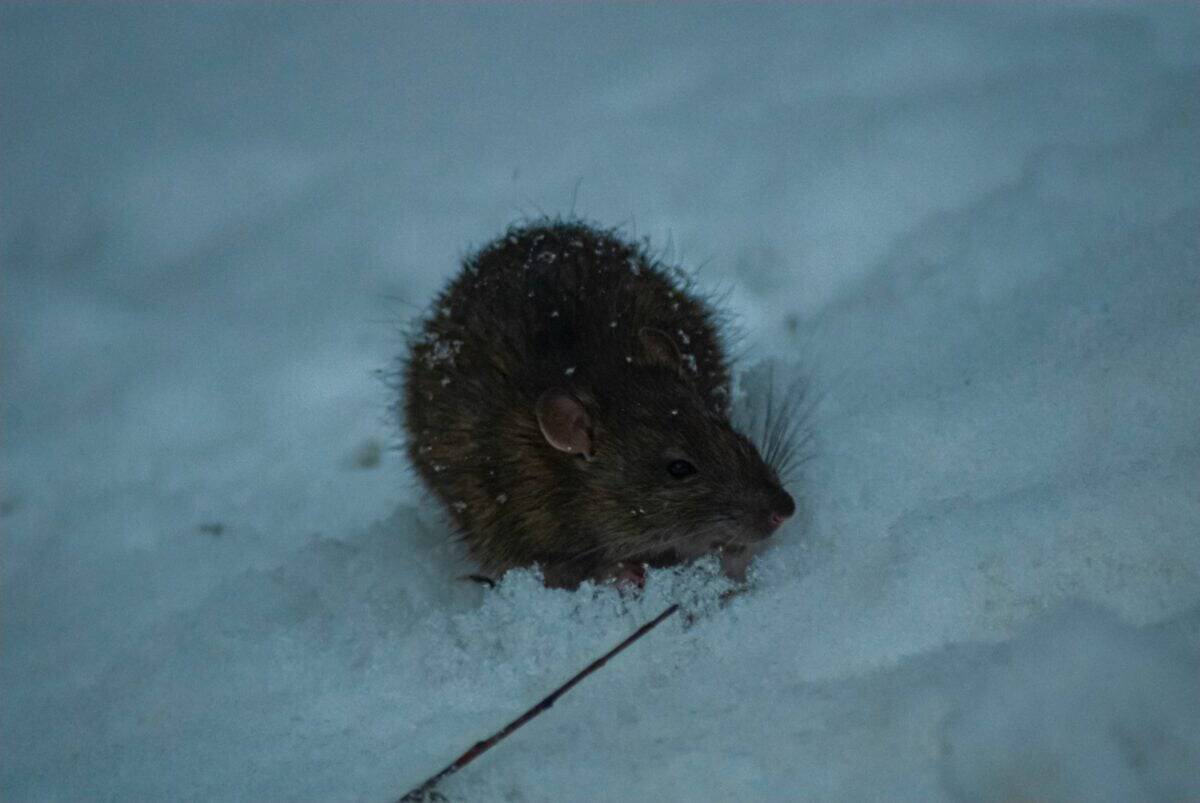
Cronopio dentiacutus represents one of the most intriguing connections between the animated character and actual prehistoric mammals. Discovered in Patagonia, Argentina, this small mammal lived during the Late Cretaceous period, approximately 94 million years ago. With its elongated snout and sharp canine teeth, Cronopio bears an uncanny resemblance to Scrat, though this similarity is entirely coincidental since the fossil was discovered nearly a decade after Scrat’s creation.
The real Cronopio was quite different from Scrat in many ways. It was tiny, measuring only about 4-6 inches in length, and belonged to a group of extinct mammals called dryolestoids. Unlike Scrat’s apparent saber-tooth features, Cronopio’s teeth were adapted for insectivorous feeding habits. While the physical resemblance is striking, Cronopio would have behaved very differently from the acorn-obsessed character that captivated movie audiences, focusing on catching insects rather than pursuing nuts.
Saber-Toothed Squirrels: A Paleontological Perspective

From a strictly scientific standpoint, no evidence exists of any saber-toothed squirrel species in the fossil record. Squirrels (family Sciuridae) evolved much later than the Ice Age setting of the films, with the earliest known squirrel fossils dating back to the Eocene epoch, approximately 36 million years ago. The iconic saber teeth that give Scrat his distinctive appearance were a feature of certain predatory mammals, not nut-gathering rodents.
Saber teeth evolved as specialized hunting adaptations in several carnivorous mammal lineages, most famously in the saber-toothed cats like Smilodon. These elongated canines served to deliver devastating killing bites to prey animals. The combination of saber teeth with a squirrel-like body represents a creative liberty taken by animators rather than an evolutionary path that actually occurred. However, this imaginative blend makes Scrat a memorable character precisely because he combines familiar elements in surprising ways.
The Chronological Mismatch: Scrat’s Timeline Problems

One of the most significant scientific inaccuracies in Scrat’s portrayal involves chronology. The “Ice Age” films are set during the Pleistocene epoch (2.6 million to 11,700 years ago), the time period that included the most recent ice ages. However, acorns come from oak trees, which didn’t evolve until much later than many of the animals portrayed in the films. While oak trees (genus Quercus) have existed for approximately 56 million years, they weren’t widespread during the early ice ages when many of the film’s events supposedly take place.
Additionally, modern squirrel-like rodents coexisted with early humans, but they wouldn’t have encountered many of the other prehistoric creatures depicted in the films, such as dinosaurs, which had been extinct for over 60 million years before the ice ages began. These chronological inconsistencies highlight how the “Ice Age” franchise prioritizes entertainment value over scientific accuracy, blending creatures and plants from vastly different time periods to create its prehistoric world.
Acorn Hoarding: The Science Behind Food Caching
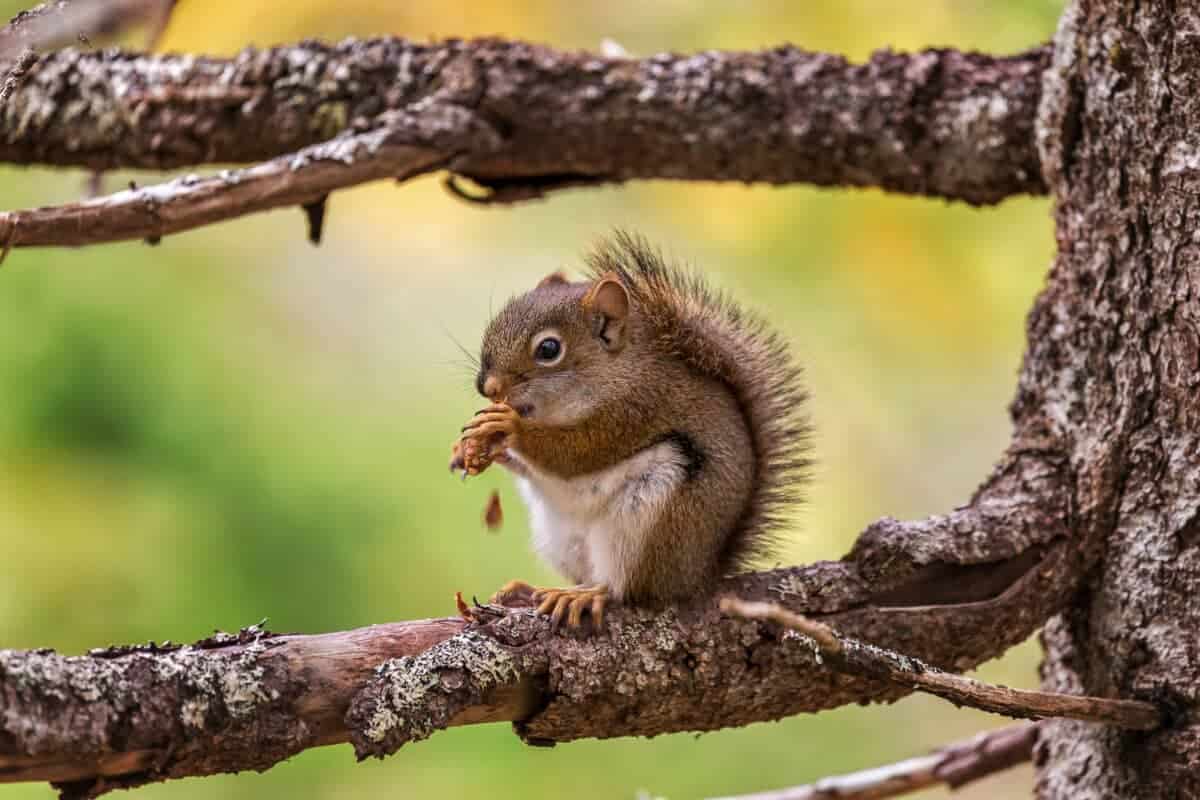
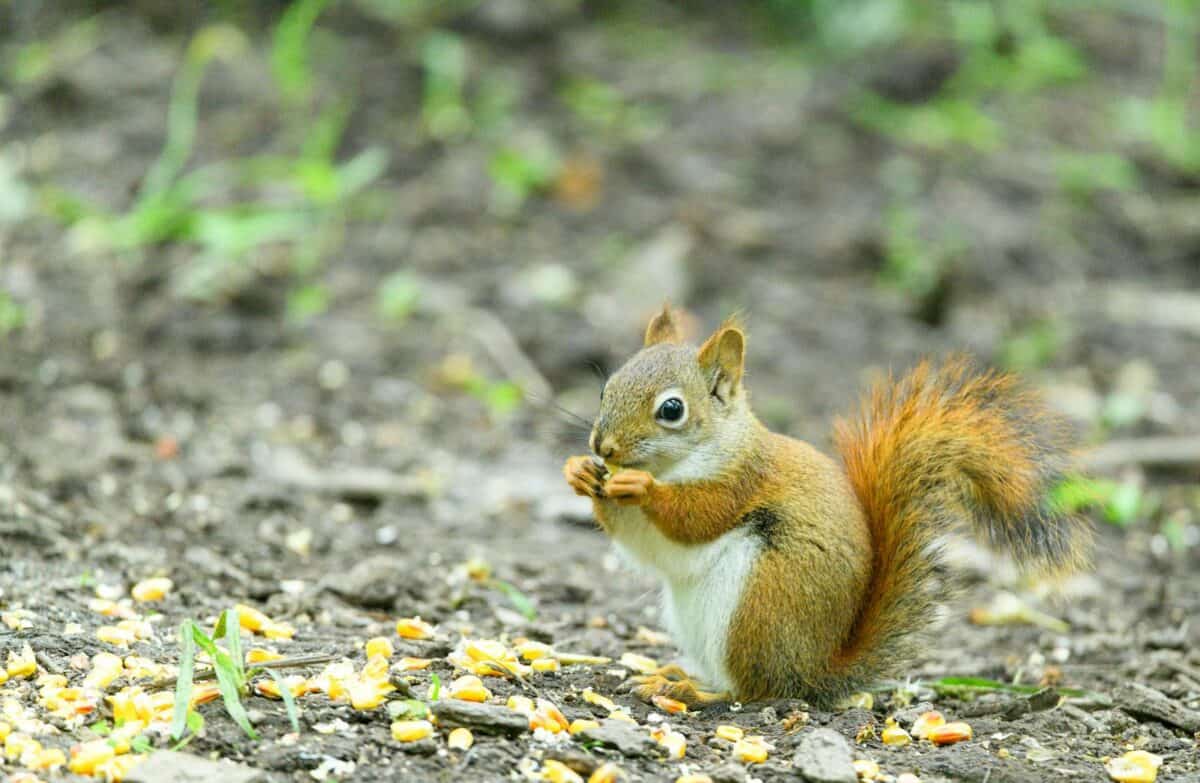
While Scrat’s single-minded obsession with one particular acorn is exaggerated for comedic effect, the behavior of food caching or hoarding is absolutely grounded in reality. Modern squirrels are well-known for their sophisticated food storage behaviors, which help them survive winter months when food becomes scarce. A single gray squirrel can bury thousands of nuts each autumn, creating multiple caches across its territory. This behavior represents a crucial survival strategy rather than the compulsive fixation portrayed in Scrat’s character.
Remarkably, squirrels possess exceptional spatial memory that allows them to remember the locations of their numerous caches, even when the landscape is altered by snow or other changes. Research suggests they use a combination of spatial memory, visual landmarks, and even the sense of smell to relocate their hidden treasures. Unlike Scrat, who seems perpetually unsuccessful in securing his prized acorn, real squirrels successfully recover a significant percentage of their cached food, though they do forget enough caches that their hoarding behavior contributes significantly to forest regeneration and oak tree dispersal.
The Evolutionary Purpose of Food Storage

The food-caching behavior exhibited by modern squirrels and other rodents represents a sophisticated evolutionary adaptation to environmental challenges. By storing food during times of abundance, these animals can survive periods of scarcity, particularly winter months when fresh food is unavailable. This behavior has evolved independently in various rodent species, birds, and even some carnivores, demonstrating its effectiveness as a survival strategy in unpredictable environments.
Modern research into food-caching behavior reveals complex decision-making processes. Squirrels assess the perishability of different foods, storing more durable items like nuts while consuming more perishable foods immediately. They may even engage in “deceptive caching” when being observed by potential thieves, pretending to bury food while actually keeping it in their mouths. Unlike Scrat’s seemingly irrational attachment to a single acorn, real animals display sophisticated risk assessment and resource management in their caching behaviors, representing millions of years of evolutionary refinement.
Ecological Impact: How Nut-Hoarding Shapes Ecosystems

One of the most fascinating aspects of nut-hoarding behavior in the real world is its profound ecological significance. When squirrels and other rodents cache nuts and seeds, they effectively become seed dispersers for numerous tree species. Many of these cached items are never retrieved, either because the animal forgets their location or because the animal itself becomes prey before recovery. These abandoned caches then have the opportunity to germinate, potentially growing into new trees.
This seed dispersal mechanism is particularly important for heavy-seeded trees like oaks, which rely on animals to move their seeds beyond the immediate vicinity of the parent tree. Studies estimate that squirrels may forget up to 74% of the nuts they bury, effectively planting thousands of potential trees each year. While Scrat’s persistent failures to enjoy his acorn are played for laughs, in nature, such “failures” contribute significantly to forest regeneration and maintenance of biodiversity. This relationship represents a fascinating example of coevolution between plants and animals.
Social Behavior: Lone Scrat vs. Real Rodent Communities
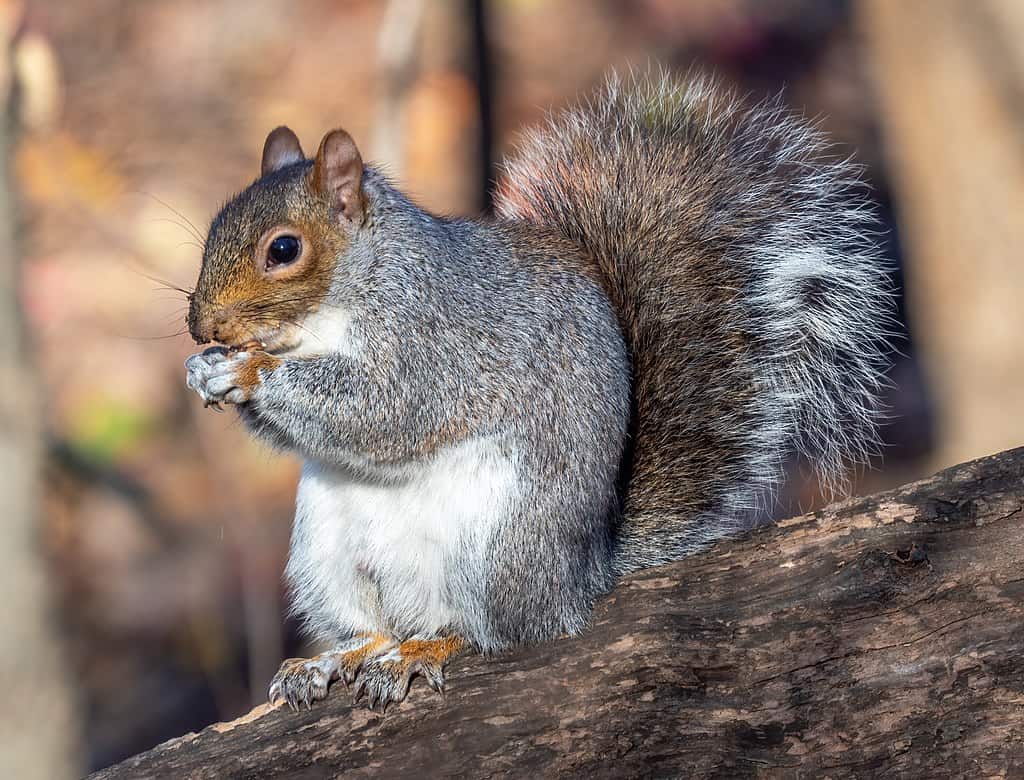
Throughout the “Ice Age” films, Scrat is portrayed as a solitary character, single-mindedly pursuing his acorn without meaningful social interactions (except for brief romantic interludes). This portrayal contrasts significantly with the social behaviors observed in many rodent species. While not all squirrel species are highly social, many exhibit complex social structures and communications that facilitate survival in challenging environments.
For instance, ground squirrels often live in colonial burrow systems with sophisticated alarm call systems to warn of predators. Tree squirrels, while more solitary, still engage in significant social interactions during mating seasons and establish dominance hierarchies when resources are concentrated. Even food-caching behaviors can have social dimensions, with some species engaging in pilfering (stealing from others’ caches) or cache protection strategies. These complex social adaptations are entirely absent from Scrat’s characterization, which focuses on individual determination rather than social cooperation or competition.
Dental Adaptations: Could Saber Teeth Crack Nuts?

Scrat’s most distinctive physical feature—his elongated canine teeth—presents an interesting biological paradox. In real animals, dentition is highly specialized to match feeding strategies. Saber-toothed predators evolved their impressive canines for killing large prey, using them to deliver deep, bleeding wounds. These teeth were relatively fragile and unsuited for crushing hard objects. Meanwhile, rodents like squirrels have evolved specialized dentition including continuously growing incisors with hard enamel fronts and softer dentin backs that create self-sharpening cutting edges perfect for cracking nuts.
If a real animal possessed Scrat’s unlikely combination of features, its saber teeth would be remarkably ill-suited for nut processing. The elongated canines would likely interfere with the gnawing action needed to open hard shells, and attempting to use such teeth on nuts would risk breakage. This mismatch between physical adaptations and behavior represents another example of how Scrat prioritizes visual distinctiveness and comic potential over biological plausibility. In nature, such a misalignment between feeding apparatus and food source would be quickly eliminated through natural selection.
Scrat’s Impact on Popular Paleontology

Despite—or perhaps because of—its scientific inaccuracies, Scrat has made a significant cultural impact on public perceptions of prehistoric life. Characters like Scrat serve as entry points that spark interest in paleontology and prehistoric ecosystems, particularly among younger audiences. The character has become so popular that when the Cronopio dentiacutus fossil was discovered, numerous mainstream media outlets immediately dubbed it the “real-life Scrat,” bringing attention to paleontological discoveries that might otherwise have received little public notice.
This phenomenon illustrates the complex relationship between scientific accuracy and popular entertainment. While paleontologists might bemoan the chronological inconsistencies and biological implausibilities in Scrat’s portrayal, many acknowledge the value of characters that generate public enthusiasm for natural history. Some museums and educational institutions have even leveraged Scrat’s popularity to create educational materials that use the character as a starting point to discuss actual prehistoric animals and ecosystems, demonstrating how fictional characters can serve as gateways to scientific understanding.
The Enduring Appeal of Scrat: Psychology of Character Design
The tremendous popularity of Scrat reveals much about effective character design and human psychology. Scrat embodies several elements that resonate deeply with audiences: single-minded determination, the underdog struggle against overwhelming odds, and physical comedy that transcends language barriers. His expressions of joy, disappointment, and determination are instantly recognizable human emotions, despite his non-human appearance. This anthropomorphism creates an immediate emotional connection with viewers of all ages.
From a design perspective, Scrat exemplifies the principle of “simplexity”—combining simple, recognizable elements in ways that create memorable, complex characters. His large eyes (which signal vulnerability and evoke protective instincts in humans), exaggerated expressions, and distinctive silhouette make him instantly recognizable. These design elements, rather than scientific accuracy, explain why Scrat has transcended his minor role to become the unofficial mascot of the entire franchise. His universal, wordless struggle speaks to fundamental human experiences of persistence, failure, and brief moments of triumph.
Conclusion: Balancing Entertainment and Education
The case of Scrat and his elusive acorn exemplifies the perpetual tension between scientific accuracy and creative storytelling in popular entertainment. While Scrat bears little resemblance to any actual prehistoric creature and his behaviors combine elements from vastly different time periods, his character has undeniably sparked interest in paleontology and prehistoric life. This demonstrates how fictional characters, even scientifically implausible ones, can serve as gateways to deeper scientific understanding.
Perhaps the most valuable lesson from examining Scrat’s relationship to actual wildlife is appreciating how the creative process draws inspiration from nature while transforming it into something new. The food-caching behaviors that inspired Scrat’s acorn obsession represent sophisticated evolutionary adaptations with profound ecological implications. By understanding both the fictional character and the real behaviors that inspired him, we gain appreciation for both creative storytelling and the remarkable adaptations that have evolved in the natural world.
As we enjoy Scrat’s comic misadventures, we can simultaneously appreciate the complex, fascinating behaviors of real food-caching animals and their ecological contributions. This dual appreciation exemplifies how entertainment and education can complement rather than contradict each other, enriching our understanding of both storytelling and natural history. In the end, Scrat’s greatest contribution may be inspiring curiosity about the real prehistoric world that exists beyond the screen.
Worried about unexpected vet bills?
Pet insurance can cover thousands in unexpected vet costs. Get a free quote from Lemonade in under 2 minutes.
Get My Free Quote →Sponsored · Opens Lemonade.com

From exploring the marine wonders in the Azores and witnessing the vast savannas of Kenya, to delving deep into the rich biodiversity of South Africa and traversing iconic landscapes in Australia and the US like Yellowstone, Chris's experiences are vast.
With a penchant for diving alongside sharks, the ocean holds a special place in his heart.
Through his academic insights, he champions wildlife conservation, striving with 'Animals Around The Globe' to cultivate a profound connection between humans and animals, enhancing our mutual appreciation.
Connect with him at Feedback@animalsaroundtheglobe.com.
- The Most Venomous Snake in the U.S. Would You Know It If You Saw It? - June 11, 2026
- What Kind of Bird Is Zazu? The Real Story Behind the Character - June 11, 2026
- Evolution of Venom: How Poisonous Animals Use It for Survival - June 11, 2026