



The vast tapestry of America’s waterways holds more than just scenic beauty and recreational opportunities. Beneath the shimmering surfaces of lakes, rivers, and coastal areas, lies a world filled with fascinating, yet potentially perilous creatures. From the Great Lakes to the Gulf of Mexico, the diverse array of organisms presents both a danger and a testament to the wonder of nature. This article delves into these aquatic inhabitants, shedding light on their characteristics, behaviors, and the precautions necessary when encountering them.
Northern Pike The Freshwater Predator

The northern pike, a formidable predator native to North America’s freshwater regions, commands respect due to its size and ferocity. Recognizable by their elongated body and sharp teeth, these fish are notorious for their aggressive nature. Measuring up to 4 feet and weighing as much as 40 pounds, they pose a significant risk to smaller fish species and occasionally to unwary swimmers.
Alligator Snapping Turtle The River Titan

Residing primarily in the southern United States, the alligator snapping turtle is a remarkable creature. Its prehistoric appearance, complete with a massive head and ferocious jaws, makes it one of the most formidable turtles in existence. Weighing up to 200 pounds, this species is often spotted in slow-moving rivers and swamps, where its powerful bite is known to cause severe injury.
Great White Shark Monarch of the Ocean

As the quintessential maritime predator, the great white shark is an iconic and fearsome inhabitant of American coastal waters. Known for their formidable size, reaching up to 20 feet in length, great whites are highly adept hunters. Though attacks on humans are rare, their presence alone is a signal to exercise caution when swimming in the ocean.
Bull Shark The Freshwater Intruder

Bull sharks are unique among shark species due to their ability to thrive in both salt and freshwater environments. Frequently encountered in the shallow coastal waters of the East Coast and the Gulf of Mexico, these sharks are notorious for their unpredictable behavior and frequent proximity to humans, making them one of the most dangerous shark species swimming in American waters.
Portuguese Man O’ War The Drifting Menace
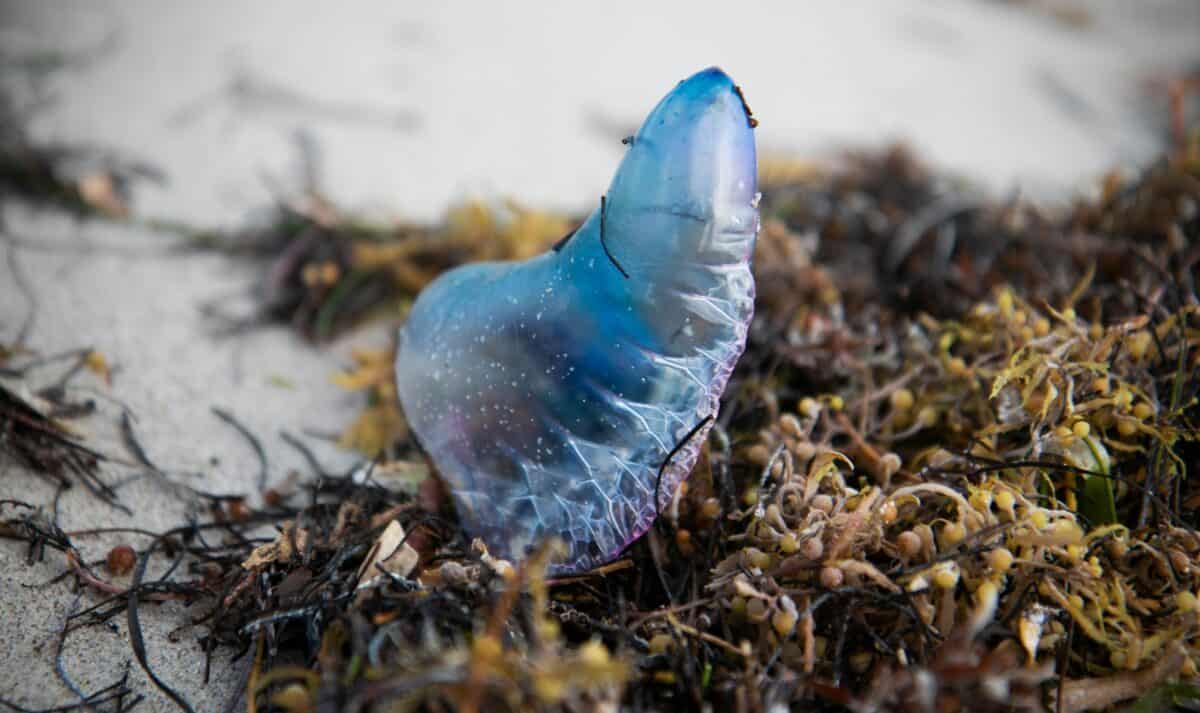
Found in the warm waters of the Gulf Coast, the Portuguese Man O’ War is a striking yet hazardous organism. Technically a siphonophore rather than a true jellyfish, it is renowned for its long tentacles, which can stretch up to 30 feet and deliver painful, venomous stings capable of incapacitating their prey, and causing injury or allergic reactions in humans.

Earth Rated XL Dog & Puppy Pee Pads, Discreet Top, Max Absorbency
Check Price on AmazonAs an Amazon Associate, we earn from qualifying purchases.
10/7/2026 1:28 pm GMTi

PetSafe Oasys Pet Fountain, 1/2 Gallon (64 oz), Small Dogs & Cats
Check Price on AmazonAs an Amazon Associate, we earn from qualifying purchases.
10/8/2026 8:14 am GMTi

Orthopedic Extra Large Dog Bed, Waterproof Washable XL Pet Bed 44"
Check Price on AmazonAs an Amazon Associate, we earn from qualifying purchases.
10/7/2026 1:32 pm GMTi

Smart Bird Feeder with Camera Solar Powered, 2K HD Live Video, 10,000+ Bird Species AI Identification
Check Price on AmazonAs an Amazon Associate, we earn from qualifying purchases.
10/7/2026 1:22 pm GMTi

2 Pcs Halloween Pet Hat Bandana Set, Witch Pumpkin Costumes for Dogs
Check Price on AmazonAs an Amazon Associate, we earn from qualifying purchases.
10/9/2026 2:45 pm GMTi
American Alligator Master of the Wetlands

American alligators are iconic denizens of southern swamps, rivers, and lakes. With males growing up to 15 feet long, they possess formidable strength and speed, making them apex predators in their environment. While typically shy, alligator encounters can be dangerous, particularly during nesting season.
Box Jellyfish Lurking Along the Shores

The box jellyfish, found primarily along the Gulf Coast, is infamous for its potent venom. With tentacles loaded with nematocysts, they can cause extreme pain and, in severe cases, cardiac arrest. Though encounters with humans are rare, swimmers should remain vigilant and aware of warnings in infested zones.
Piranha Misunderstood Predators

While not native to the U.S., piranhas have been occasionally spotted in certain southern states, likely released from aquariums by pet owners. Known for their fearsome reputation, these fish possess sharp teeth and display voracious feeding behavior in groups, although they rarely attack humans unless provoked.

Hand Blown Glass Hummingbird Feeders for Outdoors Hanging, 24oz Wild Bird Nectar Feeder
Check Price on AmazonAs an Amazon Associate, we earn from qualifying purchases.
10/7/2026 1:23 pm GMTi

Halloween Cat Costume Cloak Witch Hat Pet Accessories
Check Price on AmazonAs an Amazon Associate, we earn from qualifying purchases.
10/9/2026 2:44 pm GMTi

Glass Hummingbird Feeder for Outdoors Hanging, 16 oz Leak-Proof Nectar Feeder with Bee Guards & Ant Moat
Check Price on AmazonAs an Amazon Associate, we earn from qualifying purchases.
10/7/2026 1:22 pm GMTi

Air Purifiers for Home Pets Large Room Up to 3000 Ft²,HEPA Air Cleaner with Washable Double-Side Filter, PM2.5 Air Quality Monitor,15dB Sleep Mode for Bedroom Odor Dust Pollen,White
Check Price on AmazonAs an Amazon Associate, we earn from qualifying purchases.
10/8/2026 8:23 am GMTi
Glass Hummingbird Feeder for Outdoors Hanging
Check Price on AmazonAs an Amazon Associate, we earn from qualifying purchases.
10/7/2026 1:21 pm GMTi
Sea Snake Venomous Visitors

Though less common, a few species of sea snakes are occasionally found off the coast of California. Known for their potent venom, these snakes are often mistaken for eels. Generally docile, they pose risk primarily to those who attempt to handle them.
Moray Eel The Reef Guardian
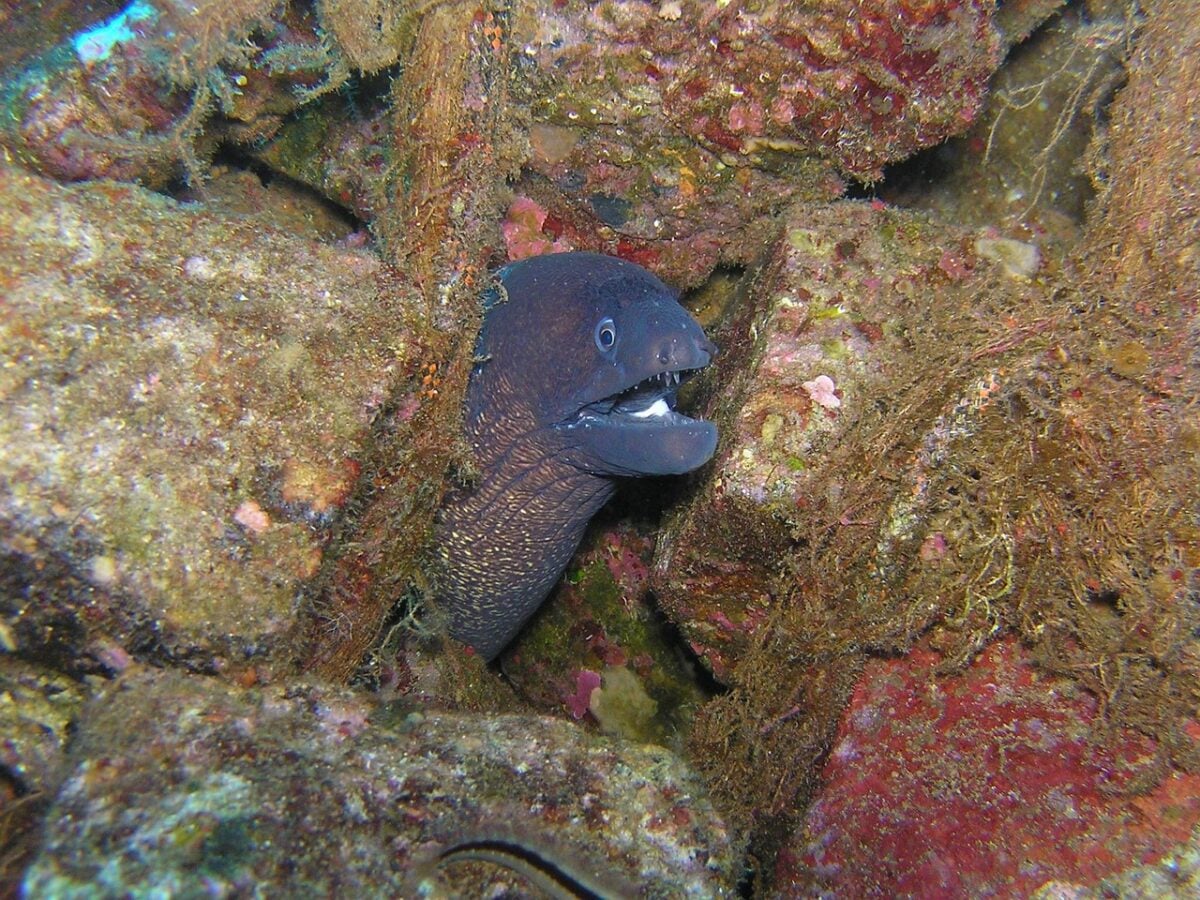
Moray eels, which inhabit the rocky reef environments of America’s coastal waters, are known for their sharp teeth and territorial behavior. While not usually aggressive, their defensive bites can inflict significant injuries to divers and swimmers who unwittingly invade their space.
Stonefish The Undersea Ambusher

Considered one of the world’s most venomous fish, the stonefish can be found in the warm coastal waters of Florida. Its incredible camouflaging ability makes it resemble a rock, enabling it to ambush prey effectively. Human interaction is rare but potentially deadly, with venom causing severe pain and, on rare occasions, fatalities.

Portable Dog Water Bottle Foldable Dog Travel Water Bottle
Check Price on AmazonAs an Amazon Associate, we earn from qualifying purchases.
10/7/2026 1:29 pm GMTi

Halloween Dog Collar with Bow, Orange Cute Ghost Collar,
Check Price on AmazonAs an Amazon Associate, we earn from qualifying purchases.
10/9/2026 2:43 pm GMTi

Dog Stairs for Bed 18" H, 4-Step Dog Steps for High Bed
Check Price on AmazonAs an Amazon Associate, we earn from qualifying purchases.
10/9/2026 2:42 pm GMTi

Professional 7 in 1 Dog Paw Cleaner for Dogs & Cats - Includes 1 Portable Paw Washer, 1 Bath Brush
Check Price on AmazonAs an Amazon Associate, we earn from qualifying purchases.
10/7/2026 1:26 pm GMTi
Conclusion

In conclusion, America’s waters are home to a variety of creatures that are both captivating and hazardous. It is crucial for those who explore these environments to remain informed and vigilant. Respect and understanding of these aquatic inhabitants foster safety and enrich the experience of shared ecosystems. By appreciating the complexity and beauty of these creatures, we can coexist peacefully, ensuring that both human and aquatic life thrive together.
Leave a comment
You must be logged in to post a comment.