


Step outside after sunset in many American neighborhoods and the familiar daytime scene shifts. Shadows lengthen, and creatures that stay hidden during daylight hours begin their routines. What looks like an empty lawn or quiet garden often hosts a surprising amount of activity once the sun drops.
These nocturnal visitors shape the backyard ecosystem in quiet ways, from controlling insects to scattering seeds. Learning which animals move through at night adds a layer of interest to any outdoor space, whether you live in a suburban cul de sac or on the edge of town.
Raccoons
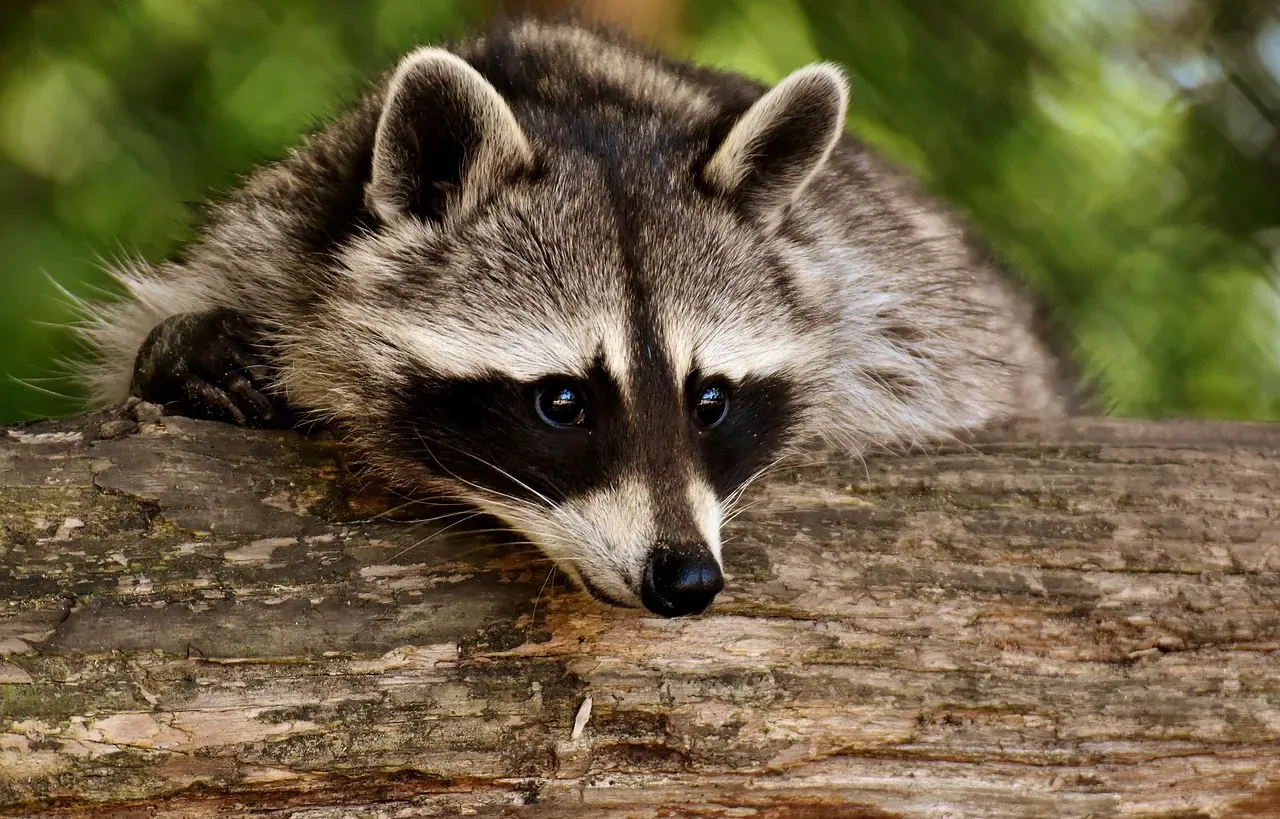
Raccoons often appear as the first noticeable night visitors once lights go out. Their dexterous paws let them open trash cans, bird feeders, and even pet doors with surprising skill. Homeowners frequently notice overturned bins or scattered food scraps as clear signs of their presence.
These adaptable mammals thrive in residential areas because they find reliable food sources and shelter in attics or under decks. They tend to travel along fence lines and creek beds that connect backyards. Their masked faces and ringed tails make them easy to recognize under porch lights or motion sensors.
Virginia Opossums
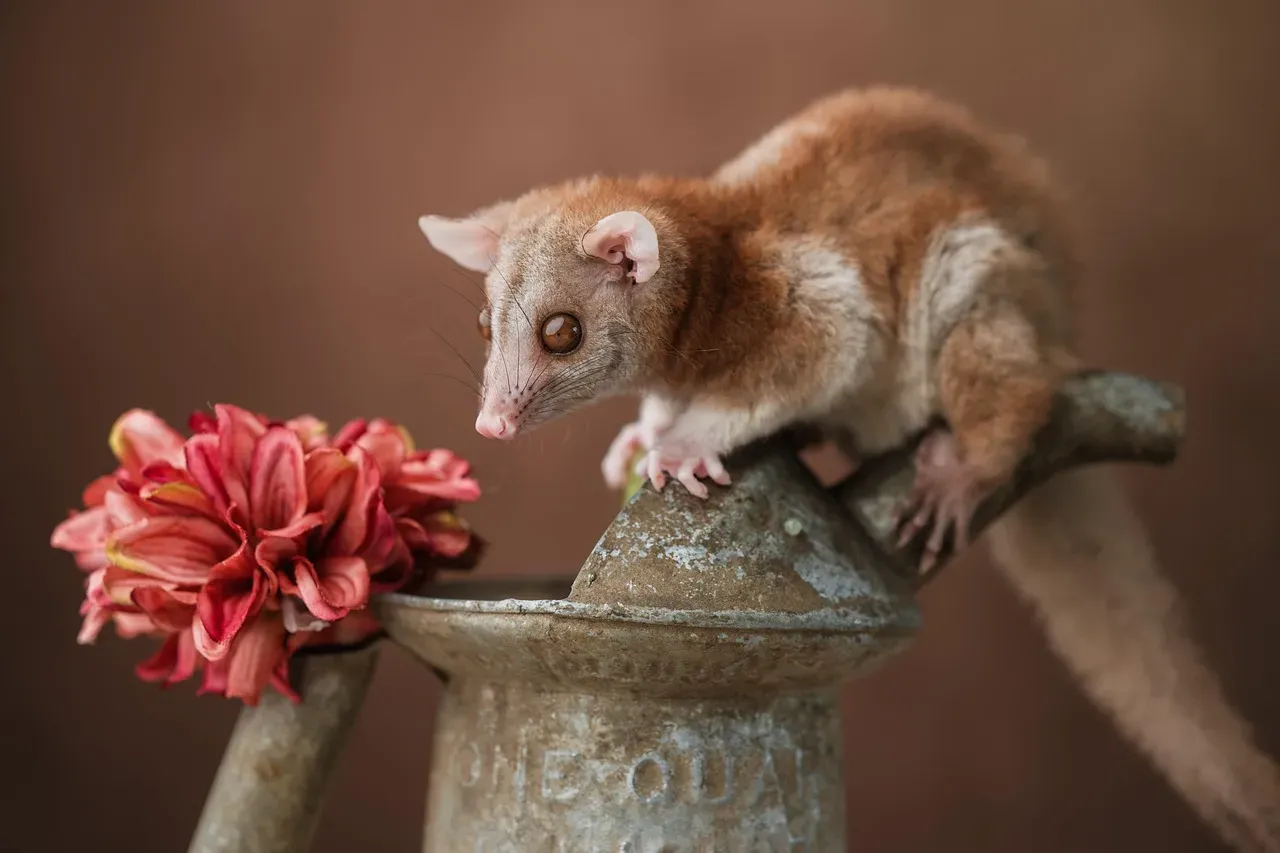
Virginia opossums move slowly and deliberately through yards at night, often searching for fallen fruit or insects. They play a useful role by eating ticks and other pests that bother people and pets. Their presence usually goes unnoticed until a motion light catches their white face and long tail.
These marsupials prefer areas with dense cover such as woodpiles or thick shrubs where they can hide during the day. They rarely cause major damage, though they may raid unsecured compost piles. Their ability to play dead when threatened adds an interesting defensive behavior to observe from a distance.
Striped Skunks
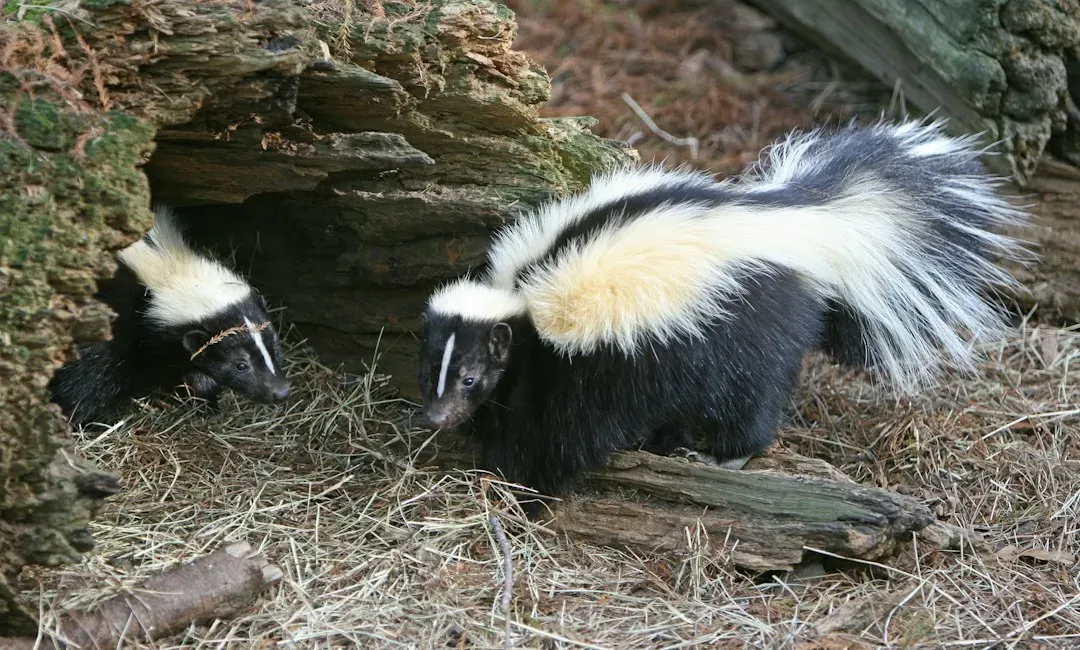
Striped skunks forage methodically across lawns and garden beds after dark, digging for grubs and earthworms. Their distinctive black and white pattern serves as a warning that keeps most predators at bay. Encounters usually happen when a dog or person surprises one near a shed or foundation.
Skunks favor yards with easy access to water and loose soil for digging. They remain active from spring through fall and den up during colder months. Their diet helps reduce lawn damaging insects, though the occasional spray incident makes careful observation important.
Eastern Cottail Rabbits

Eastern cottontail rabbits become active at dusk and continue into the night, grazing on grass, clover, and garden plants. Their large ears help them detect approaching sounds while they feed in open areas. Many homeowners notice cropped vegetation or small round droppings as evidence of their visits.
These rabbits rely on brush piles and low shrubs for quick cover when danger appears. They raise multiple litters each year, which helps their numbers stay steady even in developed neighborhoods. Watching them hop across a moonlit lawn offers a peaceful glimpse of suburban wildlife.
White Tailed Deer
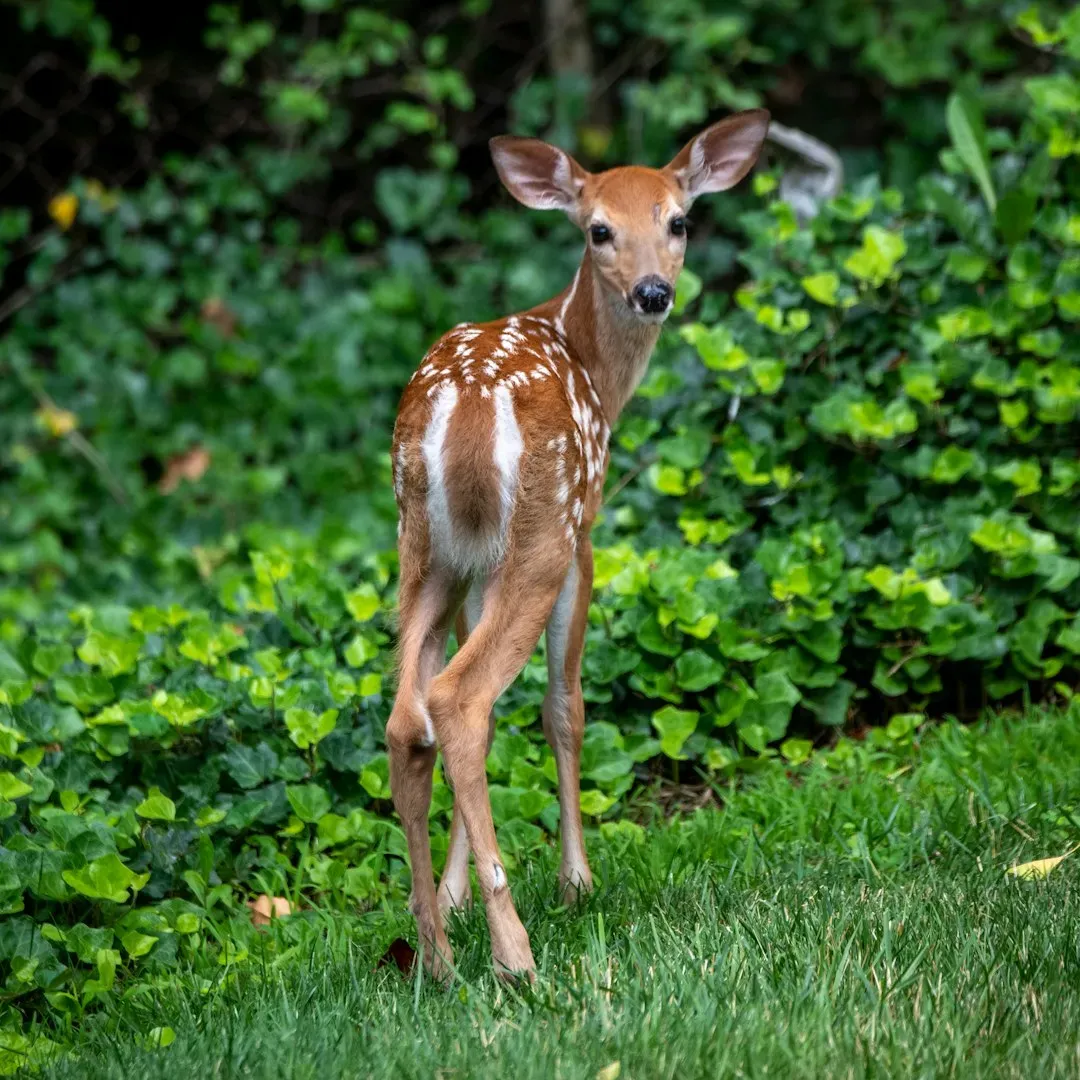
White tailed deer often enter backyards at night to browse on shrubs, flowers, and fallen acorns. Their quiet movements and large eyes adapted for low light allow them to navigate fences and decks with ease. Tracks in soft soil or nibbled plant tips usually reveal their passage by morning.
Deer populations have grown in many suburban regions because lawns and gardens provide consistent forage. They tend to travel in small family groups along established trails that cross multiple properties. Their presence can spark mixed feelings among residents who enjoy seeing them yet worry about plant damage.
Red Foxes
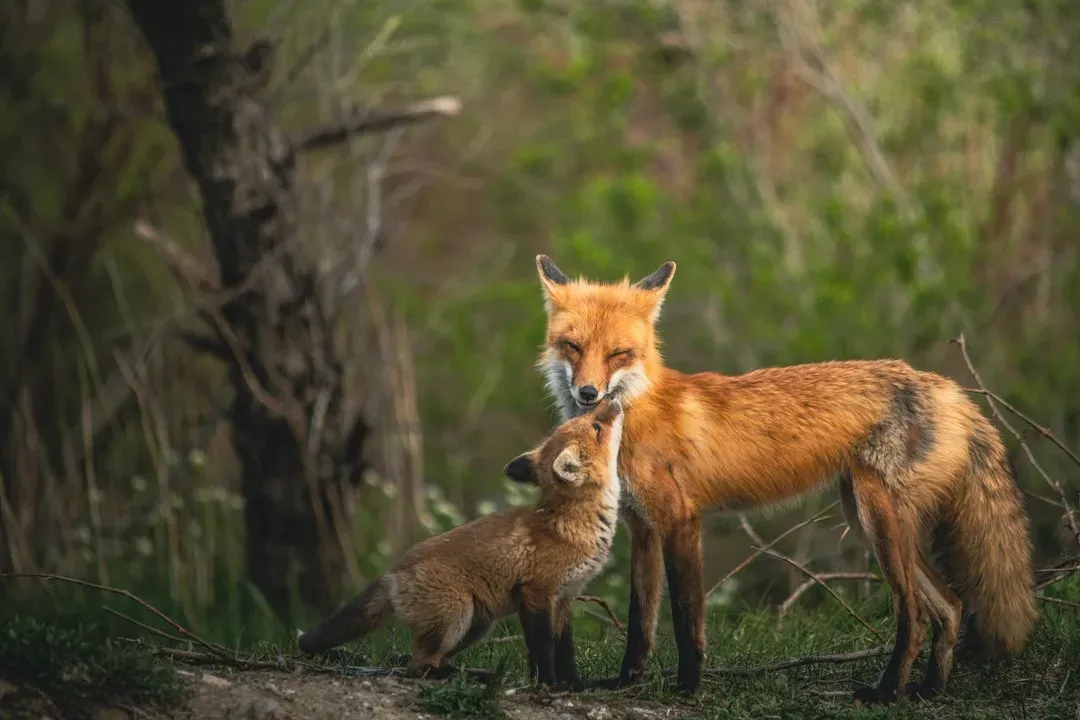
Red foxes slip through yards at night while hunting rodents, rabbits, and insects. Their slender build and bushy tail help them move silently across open grass and along fence rows. Residents sometimes hear their high pitched barks or see their silhouette against a streetlight.
These clever canids adapt well to human neighborhoods by using storm drains and wooded edges for travel routes. They den in secluded spots under sheds or in dense vegetation during spring when raising pups. Their hunting helps keep rodent numbers in check around homes.

Portable Dog Water Bottle Foldable Dog Travel Water Bottle
Check Price on AmazonAs an Amazon Associate, we earn from qualifying purchases.
10/7/2026 1:29 pm GMTi

2 Pcs Halloween Pet Hat Bandana Set, Witch Pumpkin Costumes for Dogs
Check Price on AmazonAs an Amazon Associate, we earn from qualifying purchases.
10/9/2026 2:45 pm GMTi

Glass Hummingbird Feeder for Outdoors Hanging
Check Price on AmazonAs an Amazon Associate, we earn from qualifying purchases.
10/7/2026 1:21 pm GMTi

Halloween Dog Collar with Bow, Orange Cute Ghost Collar,
Check Price on AmazonAs an Amazon Associate, we earn from qualifying purchases.
10/9/2026 2:43 pm GMTi

Professional 7 in 1 Dog Paw Cleaner for Dogs & Cats - Includes 1 Portable Paw Washer, 1 Bath Brush
Check Price on AmazonAs an Amazon Associate, we earn from qualifying purchases.
10/7/2026 1:26 pm GMTi
Coyotes
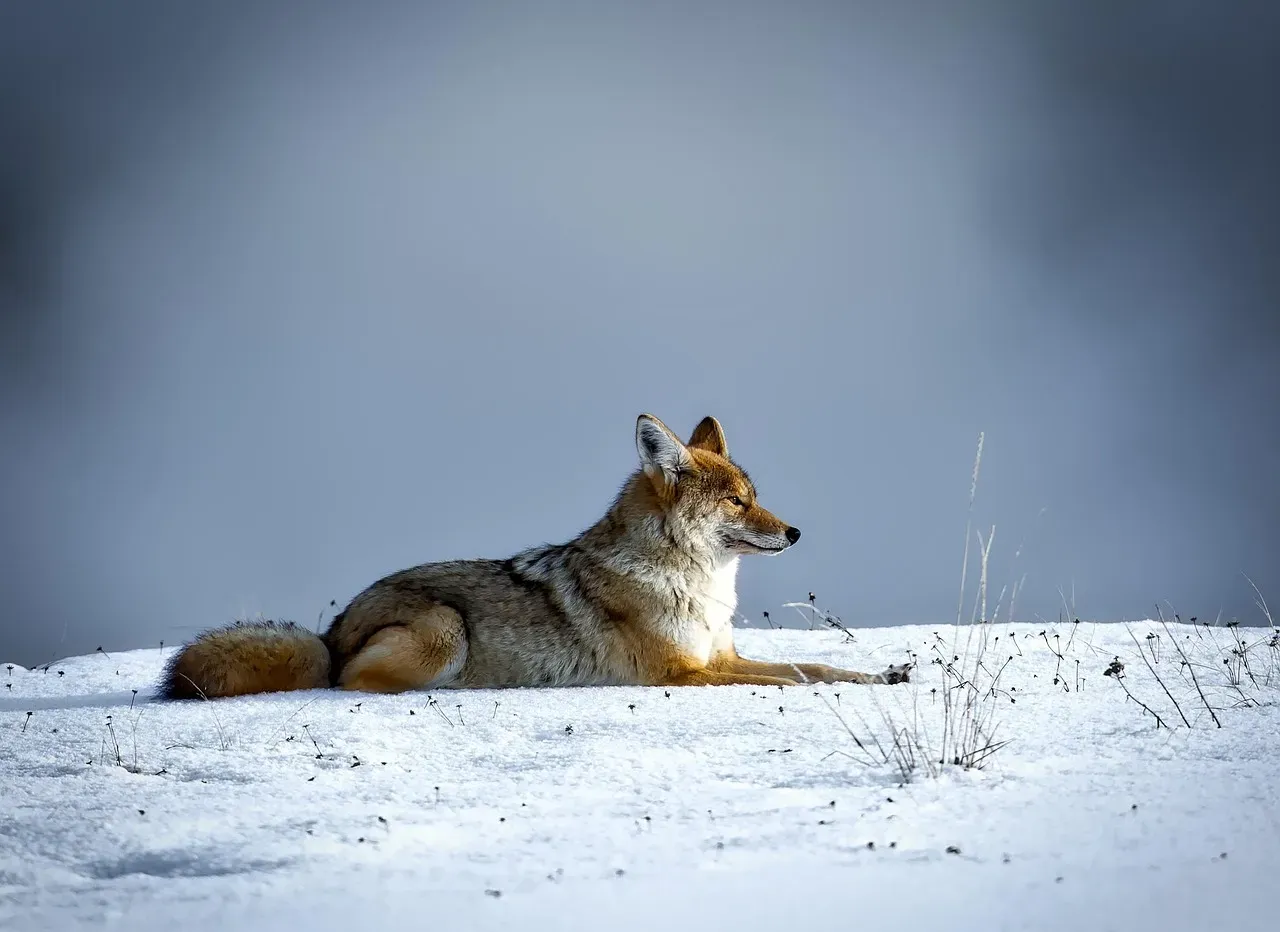
Coyotes range through larger yards and green spaces after dark, searching for small mammals and occasional fruit. Their howls and yips carry across quiet neighborhoods, signaling their presence to other animals. Footprints with claw marks often appear in mud or snow near wooded borders.
These adaptable predators have expanded into suburban and even urban areas across much of the country. They prefer to avoid people but will take advantage of unsecured pet food or fallen bird seed. Their role as top predators influences the behavior of smaller nocturnal species in the same yards.
Little Brown Bats
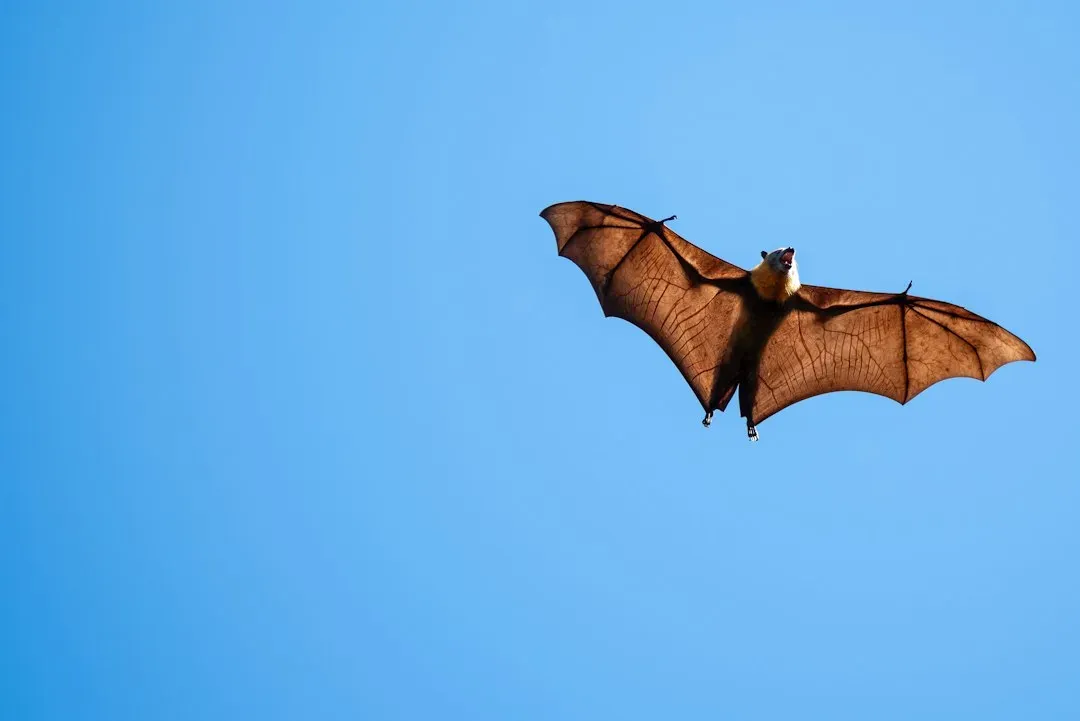
Little brown bats emerge at dusk to hunt flying insects above backyards and gardens. Their rapid, erratic flight patterns make them visible against the fading sky or under security lights. Bat houses mounted on poles or buildings can encourage them to stay and feed nearby.
These small mammals roost in tree cavities, attics, and behind shutters during the day. They consume large quantities of mosquitoes and moths each night, providing natural pest control. Their populations face challenges from habitat loss and disease, making backyard roosting sites increasingly valuable.
Barred Owls
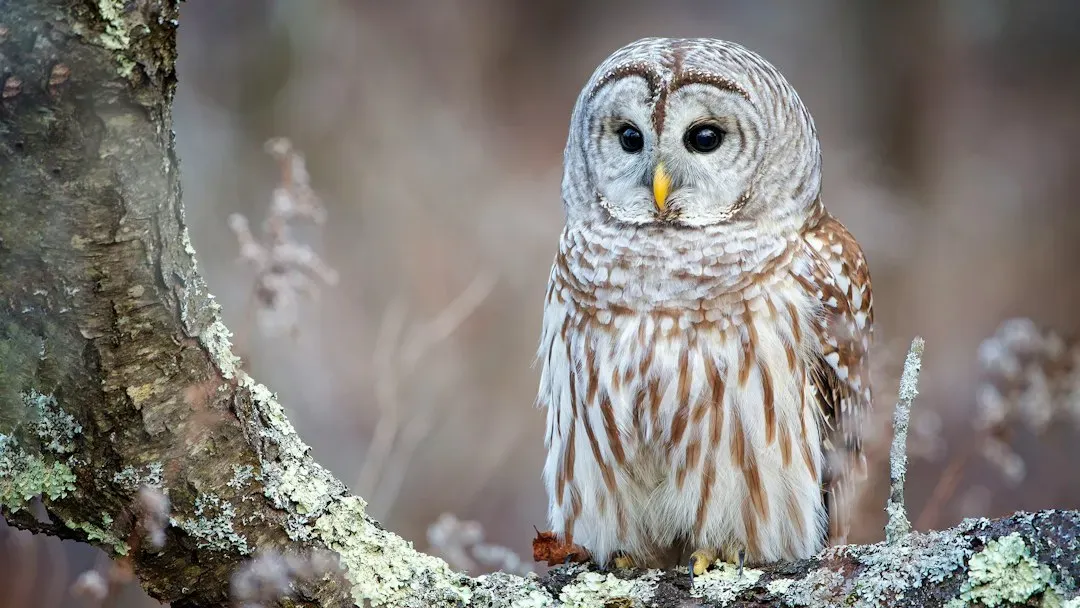
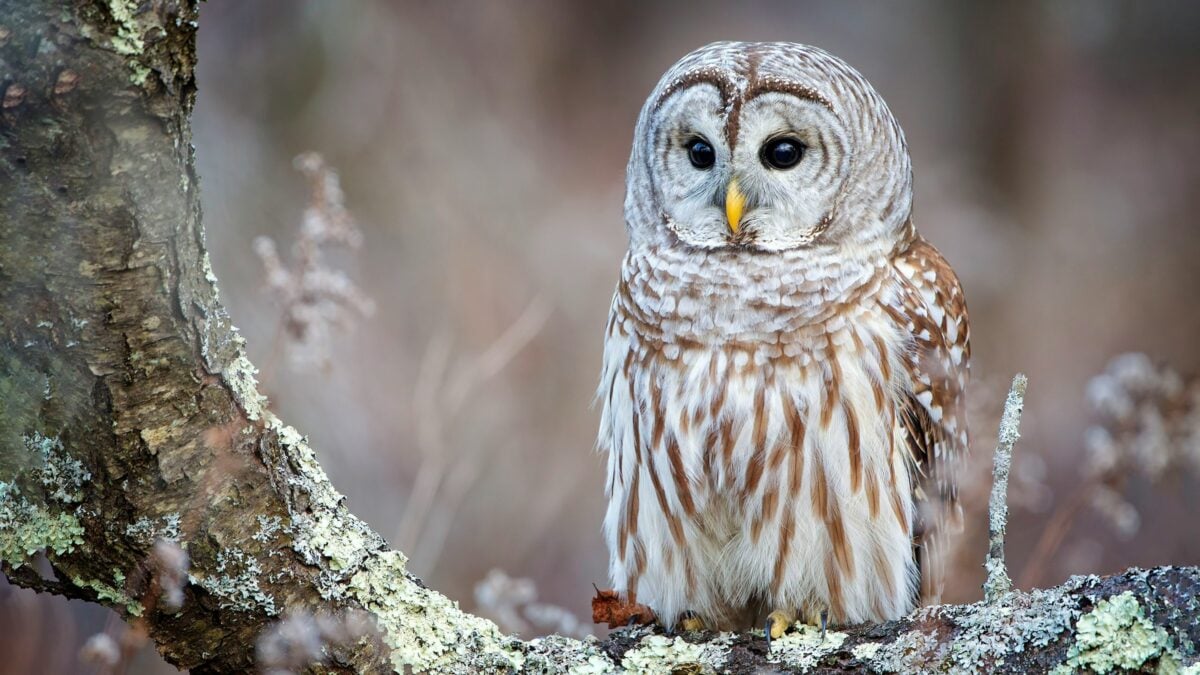
Barred owls call from trees at night with their distinctive who cooks for you pattern. They hunt small mammals and birds from perches overlooking lawns and open spaces. Their large size and rounded heads make them stand out when caught in a flashlight beam.
These owls have adapted to wooded suburbs where mature trees provide nesting cavities. They remain year round residents in many regions and defend territories that include several backyards. Hearing their calls adds a wild soundtrack to evening hours without requiring a trip to the woods.

Orthopedic Extra Large Dog Bed, Waterproof Washable XL Pet Bed 44"
Check Price on AmazonAs an Amazon Associate, we earn from qualifying purchases.
10/7/2026 1:32 pm GMTi
Dog Stairs for Bed 18" H, 4-Step Dog Steps for High Bed
Check Price on AmazonAs an Amazon Associate, we earn from qualifying purchases.
10/9/2026 2:42 pm GMTi

Earth Rated XL Dog & Puppy Pee Pads, Discreet Top, Max Absorbency
Check Price on AmazonAs an Amazon Associate, we earn from qualifying purchases.
10/7/2026 1:28 pm GMTi

PetSafe Oasys Pet Fountain, 1/2 Gallon (64 oz), Small Dogs & Cats
Check Price on AmazonAs an Amazon Associate, we earn from qualifying purchases.
10/8/2026 8:14 am GMTi

Hand Blown Glass Hummingbird Feeders for Outdoors Hanging, 24oz Wild Bird Nectar Feeder
Check Price on AmazonAs an Amazon Associate, we earn from qualifying purchases.
10/7/2026 1:23 pm GMTi
Deer Mice
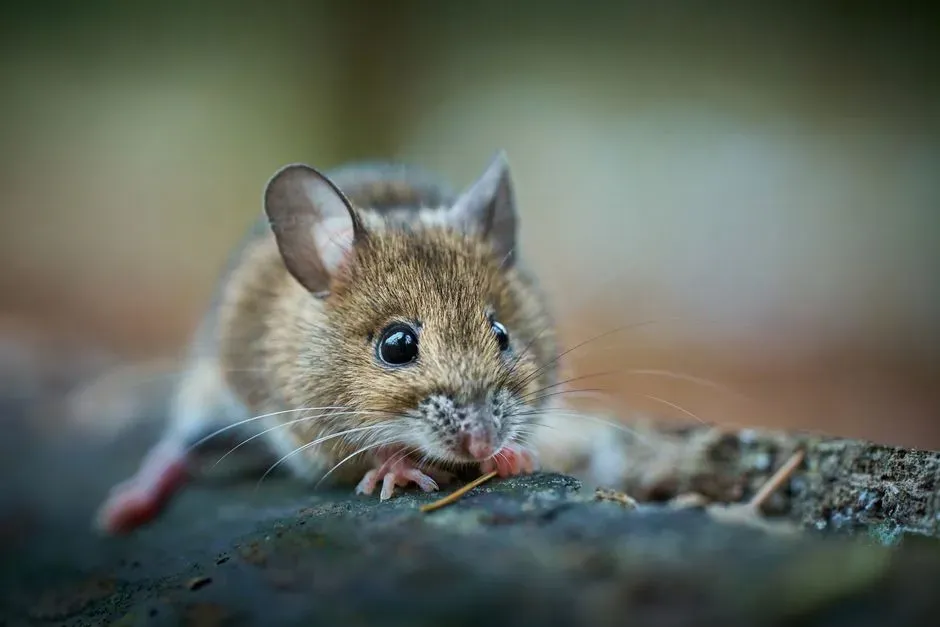
Deer mice scurry along baseboards, under porches, and through garden beds once darkness falls. Their large eyes and keen sense of smell help them locate seeds, insects, and stored food. Homeowners may notice small tracks or droppings near foundations as signs of their activity.
These rodents prefer areas with cover such as leaf litter or rock piles where they build nests. They stay active through winter by using insulated spaces around homes. Their presence supports owls and foxes that rely on them as a primary food source.
Norway Rats
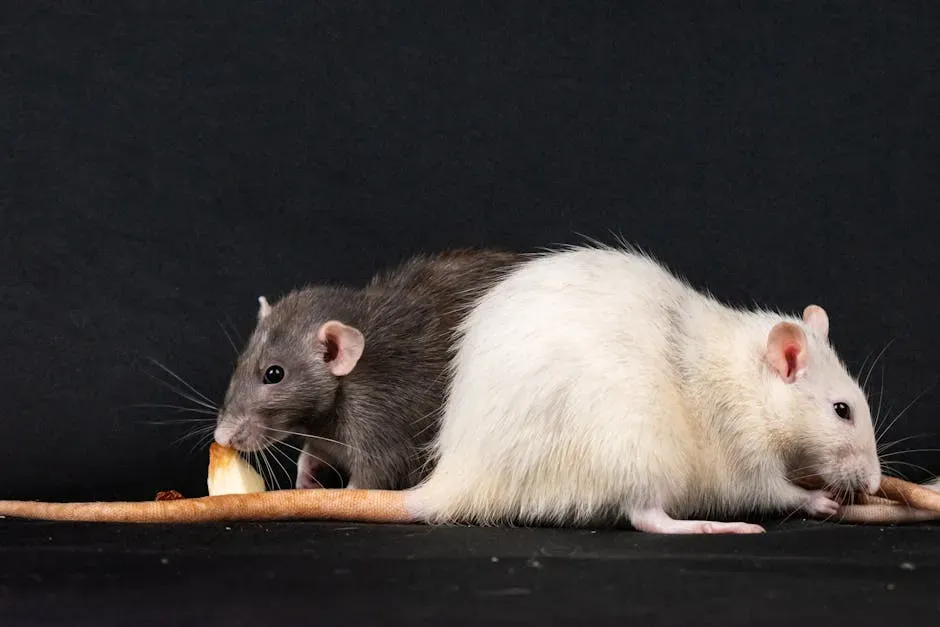
Norway rats forage along fences, alleys, and building foundations at night for food scraps and pet food left outside. Their strong teeth allow them to gnaw through many materials in search of entry points. Motion lights often reveal their quick dashes across open ground.
These rats thrive in areas where garbage and clutter provide both shelter and meals. They remain cautious and avoid open spaces when possible. Keeping yards tidy reduces their numbers and limits the resources they share with other nocturnal visitors.
American Toads
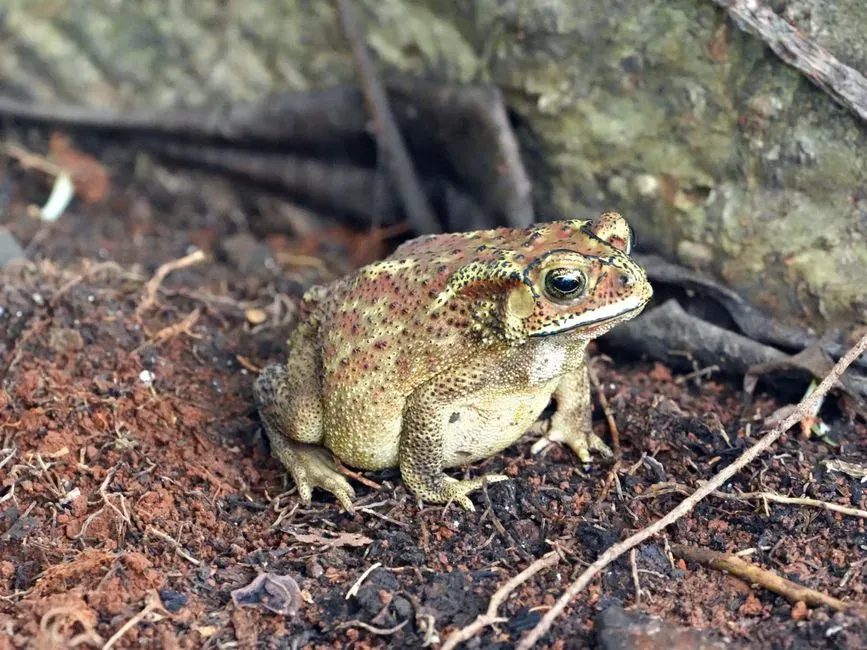
American toads emerge after dark to hunt insects and worms on moist lawns and garden paths. Their bumpy skin and hopping movement make them easy to spot near lights that attract prey. They return to the same hiding spots under logs or stones each morning.
These amphibians need nearby water sources for breeding but spend much of their time on land. They help control beetle and ant populations that can damage plants. Their presence indicates a yard with enough moisture and cover to support a small amphibian population.

Glass Hummingbird Feeder for Outdoors Hanging, 16 oz Leak-Proof Nectar Feeder with Bee Guards & Ant Moat
Check Price on AmazonAs an Amazon Associate, we earn from qualifying purchases.
10/7/2026 1:22 pm GMTi

Air Purifiers for Home Pets Large Room Up to 3000 Ft²,HEPA Air Cleaner with Washable Double-Side Filter, PM2.5 Air Quality Monitor,15dB Sleep Mode for Bedroom Odor Dust Pollen,White
Check Price on AmazonAs an Amazon Associate, we earn from qualifying purchases.
10/8/2026 8:23 am GMTi

Smart Bird Feeder with Camera Solar Powered, 2K HD Live Video, 10,000+ Bird Species AI Identification
Check Price on AmazonAs an Amazon Associate, we earn from qualifying purchases.
10/7/2026 1:22 pm GMTi

Halloween Cat Costume Cloak Witch Hat Pet Accessories
Check Price on AmazonAs an Amazon Associate, we earn from qualifying purchases.
10/9/2026 2:44 pm GMTi
Final Thoughts
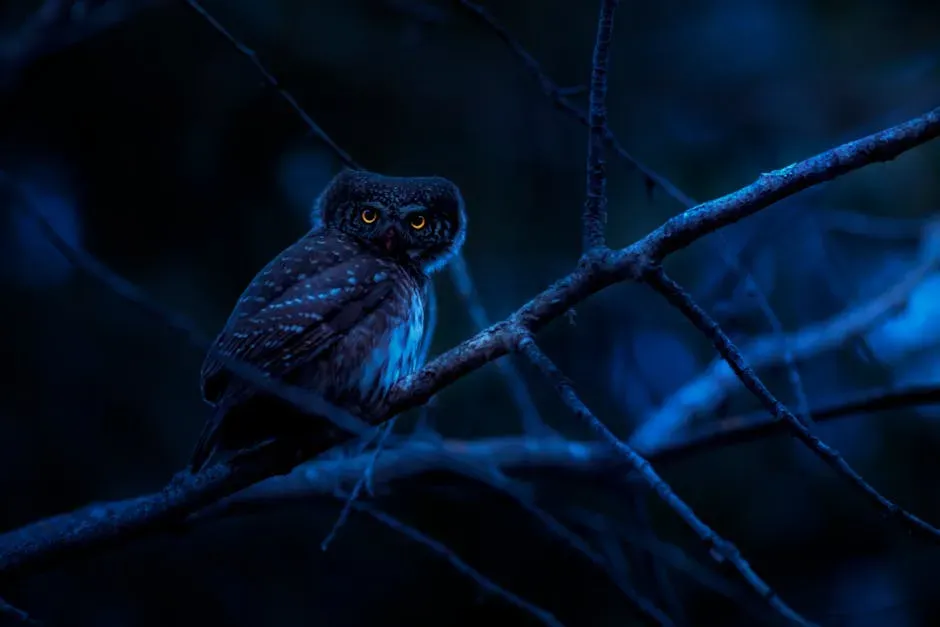
Paying attention to these nighttime residents changes how a backyard feels after sunset. Each animal fills a niche that keeps the local environment balanced in ways that benefit plants and people alike. Simple steps like securing trash and adding native plants can make any yard more welcoming to the species already living nearby.
Over time, noticing these patterns builds a deeper connection to the land right outside the door. The same space that feels ordinary by day reveals layers of life once the light fades. That quiet discovery remains one of the easiest ways to appreciate wildlife without leaving home.