


In the rolling hills and deep hollows of Appalachia, generations of mountain families learned to read the land and sky through the creatures that shared their world. Before any forecast existed, a sudden change in an animal’s behavior often meant it was time to gather wood, secure the livestock, or bring in the wash.
These old beliefs grew from careful watching over decades, passed down as practical wisdom rather than mere superstition. They reflect a deep respect for how wildlife senses shifts in pressure and moisture long before humans do.
Cats
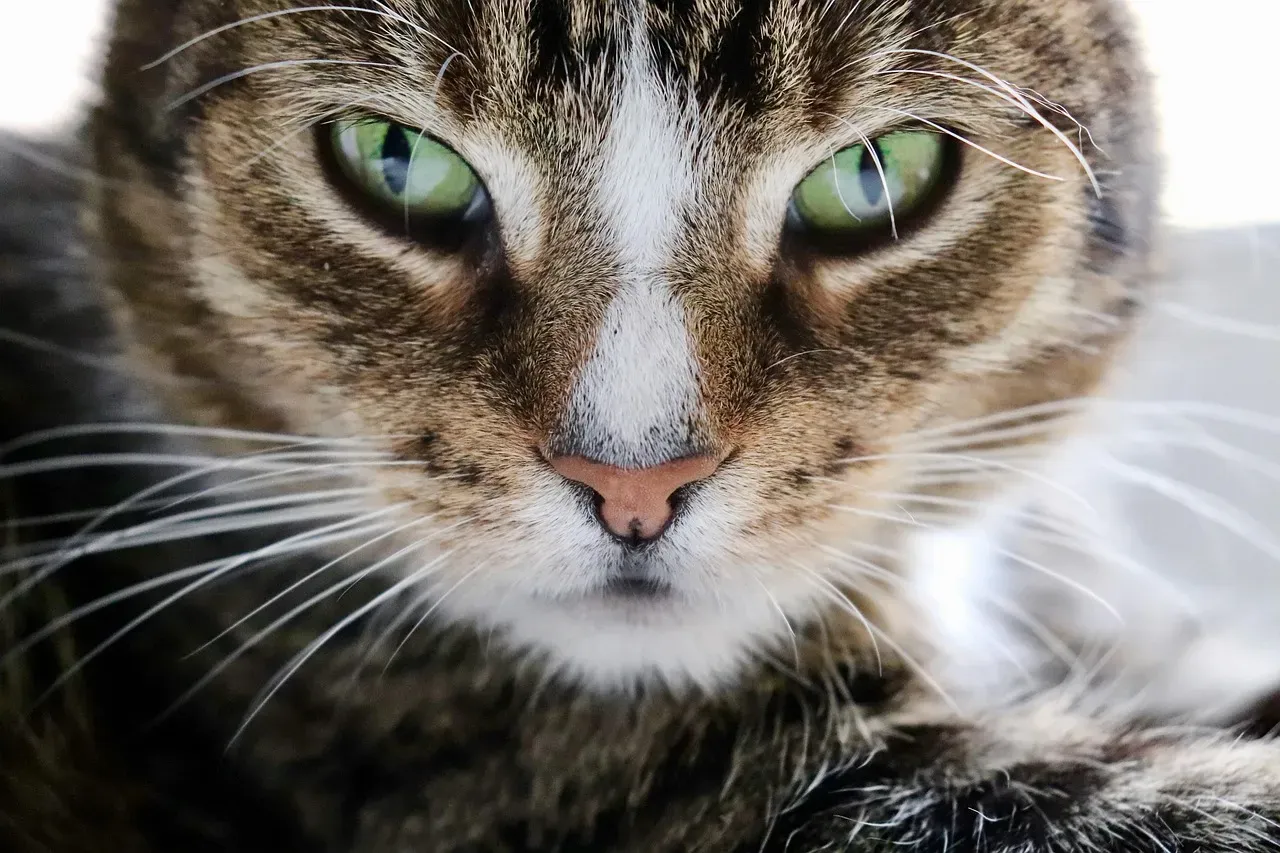
Cats held a special place in Appalachian homes as quiet observers of the weather. When one began licking its fur against the grain or washing its face over its ears, older folks took it as a clear sign that rain or a storm was on the way.
Restless pacing or sitting with its tail pointed toward the fire also counted as warnings. These habits seemed tied to the animal’s sensitivity to changes in the air, giving families a chance to prepare before the first drops fell.
Cows
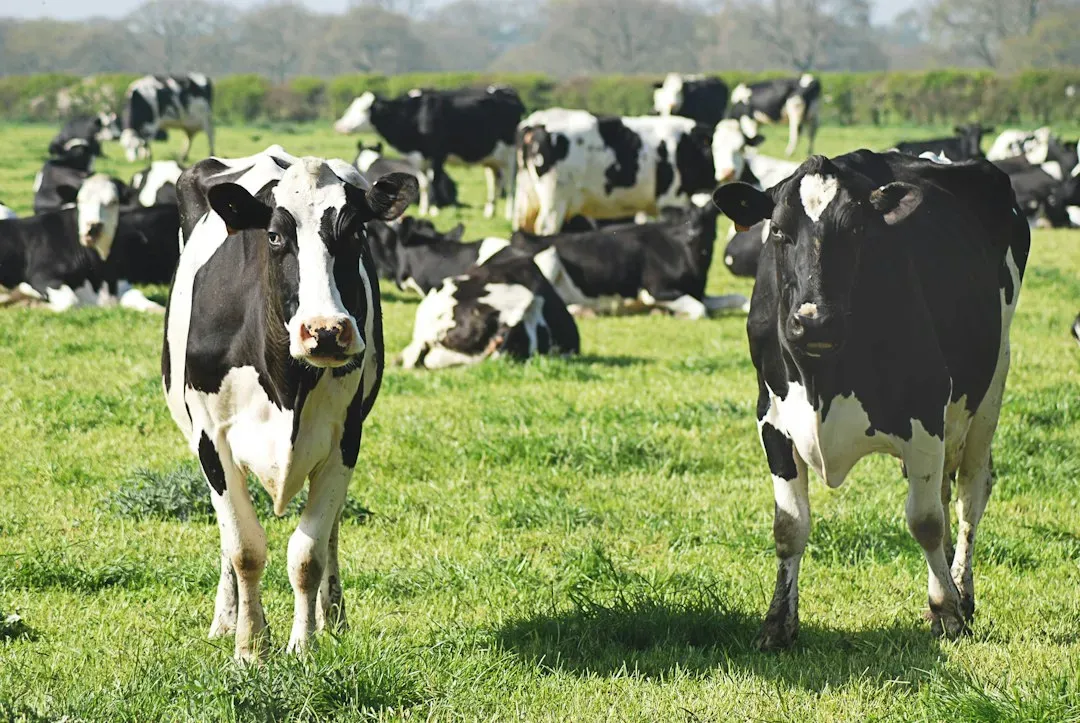
Cattle in the pasture offered some of the most commonly noted signs across the region. When cows lay down in groups or kept their heads turned into the wind, it often pointed to approaching rain or rough weather.
Some accounts also mention cows scratching at their ears more than usual as another indicator. Mountain people watched these patterns closely because the animals seemed to feel the drop in pressure that precedes a storm.
Frogs
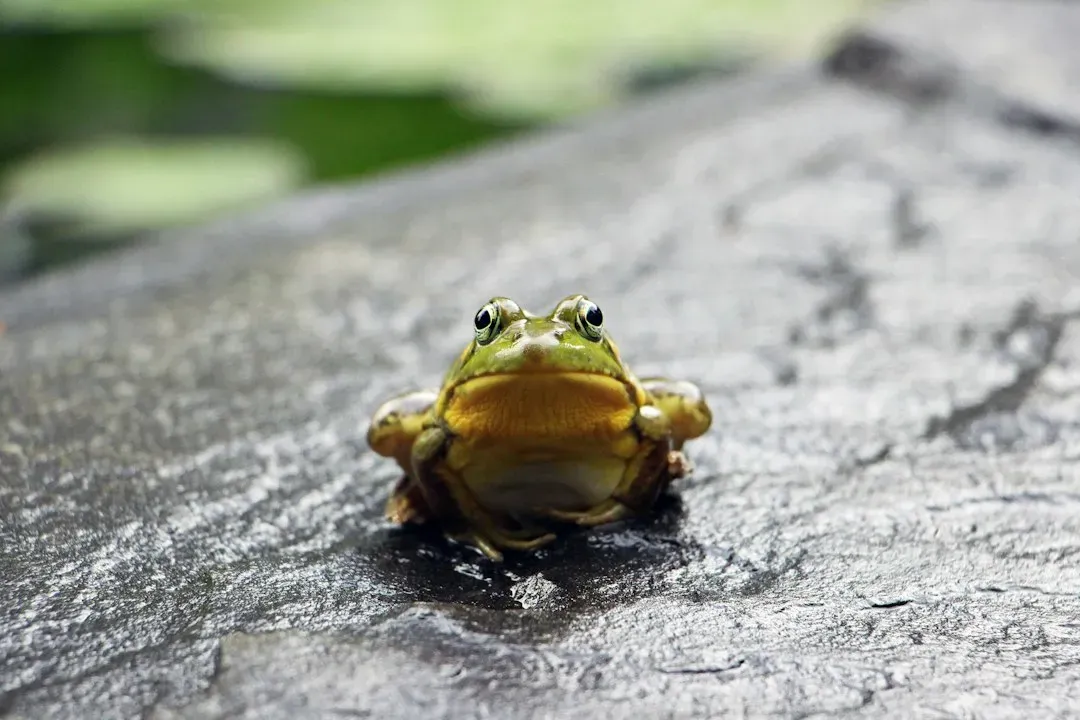
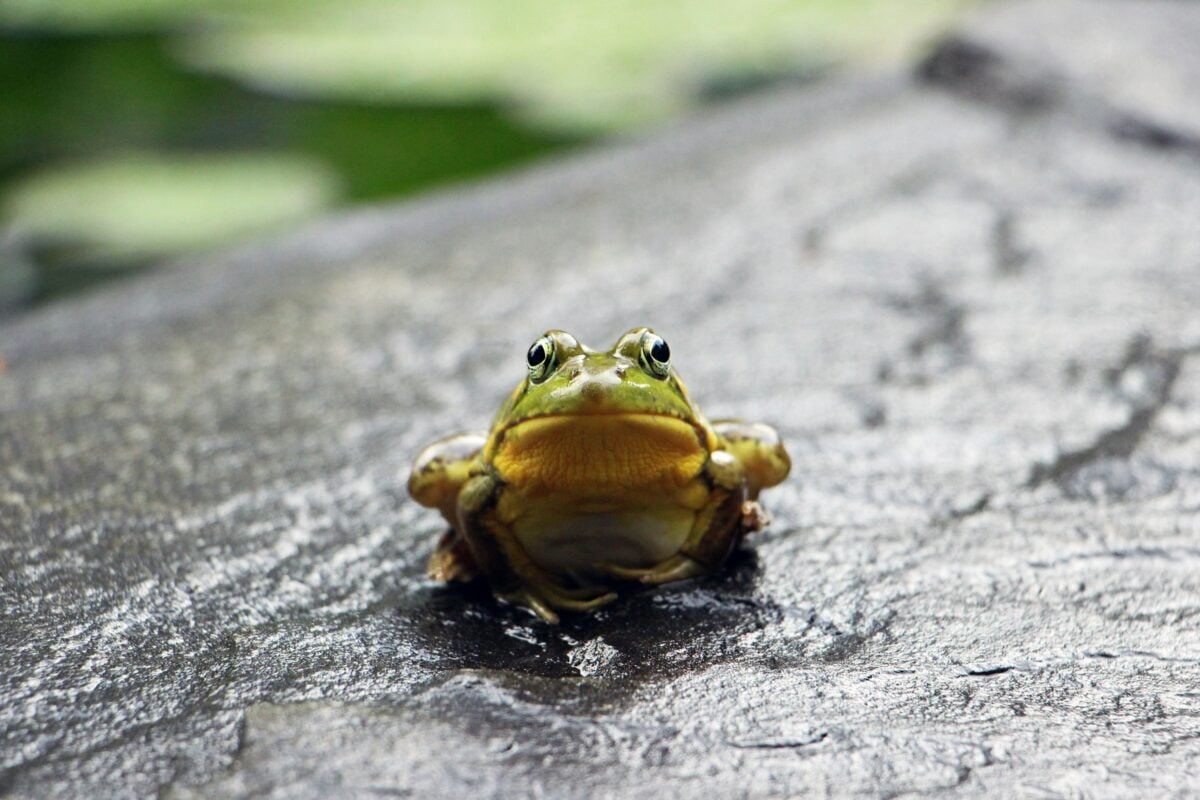
Frogs croaking loudly and persistently served as another familiar cue in Appalachian lore. Their calls grew more insistent when moisture built in the air, signaling that rain would soon follow.
Families living near creeks or ponds paid special attention to this chorus. The louder and more constant the sound, the more likely a storm was building overhead.

Portable Dog Water Bottle Foldable Dog Travel Water Bottle
Check Price on AmazonAs an Amazon Associate, we earn from qualifying purchases.
10/7/2026 1:29 pm GMTi

Air Purifiers for Home Pets Large Room Up to 3000 Ft²,HEPA Air Cleaner with Washable Double-Side Filter, PM2.5 Air Quality Monitor,15dB Sleep Mode for Bedroom Odor Dust Pollen,White
Check Price on AmazonAs an Amazon Associate, we earn from qualifying purchases.
10/8/2026 8:23 am GMTi
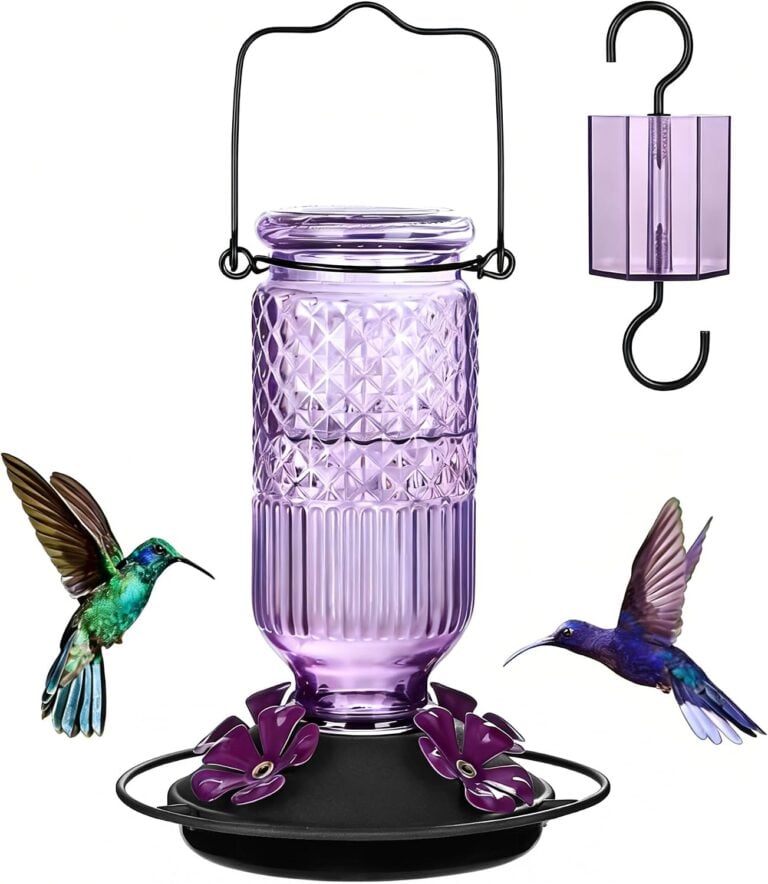
Glass Hummingbird Feeder for Outdoors Hanging, 16 oz Leak-Proof Nectar Feeder with Bee Guards & Ant Moat
Check Price on AmazonAs an Amazon Associate, we earn from qualifying purchases.
10/7/2026 1:22 pm GMTi
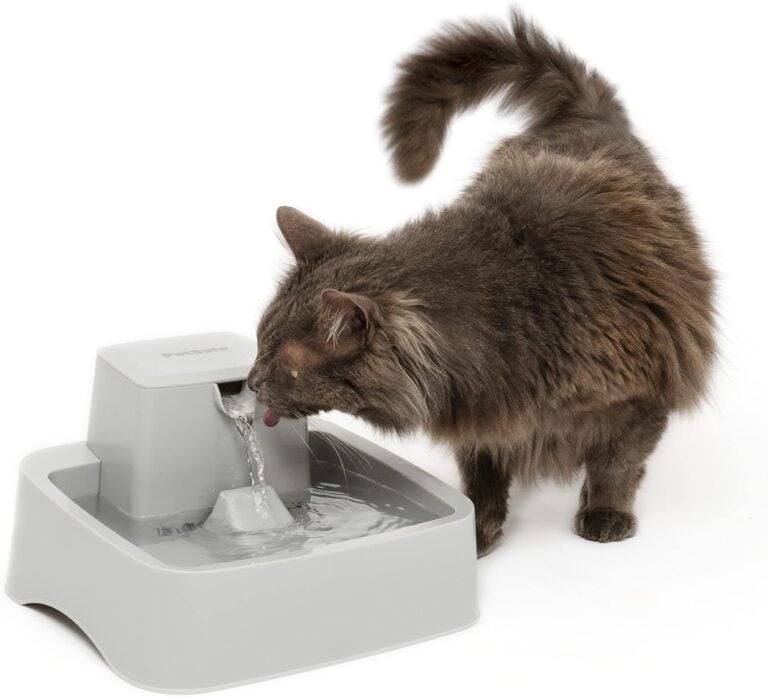
PetSafe Oasys Pet Fountain, 1/2 Gallon (64 oz), Small Dogs & Cats
Check Price on AmazonAs an Amazon Associate, we earn from qualifying purchases.
10/8/2026 8:14 am GMTi

Smart Bird Feeder with Camera Solar Powered, 2K HD Live Video, 10,000+ Bird Species AI Identification
Check Price on AmazonAs an Amazon Associate, we earn from qualifying purchases.
10/7/2026 1:22 pm GMTi
Pigs
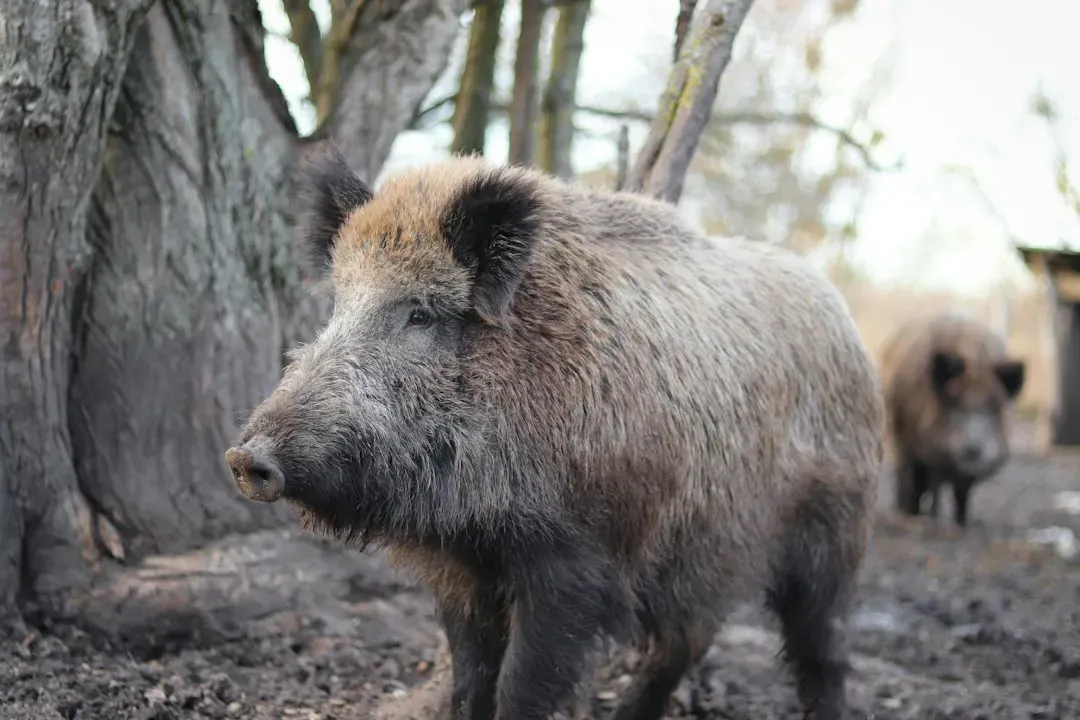
Hogs showed their own version of storm awareness through their bedding habits. When they started carrying sticks or straw in their mouths to build shelters, it was taken as a sign of stormy weather ahead.
This behavior stood out because pigs usually showed little interest in such tasks on calm days. Observers in the hills noted it as one of the more reliable animal signals for incoming rain.
Chickens
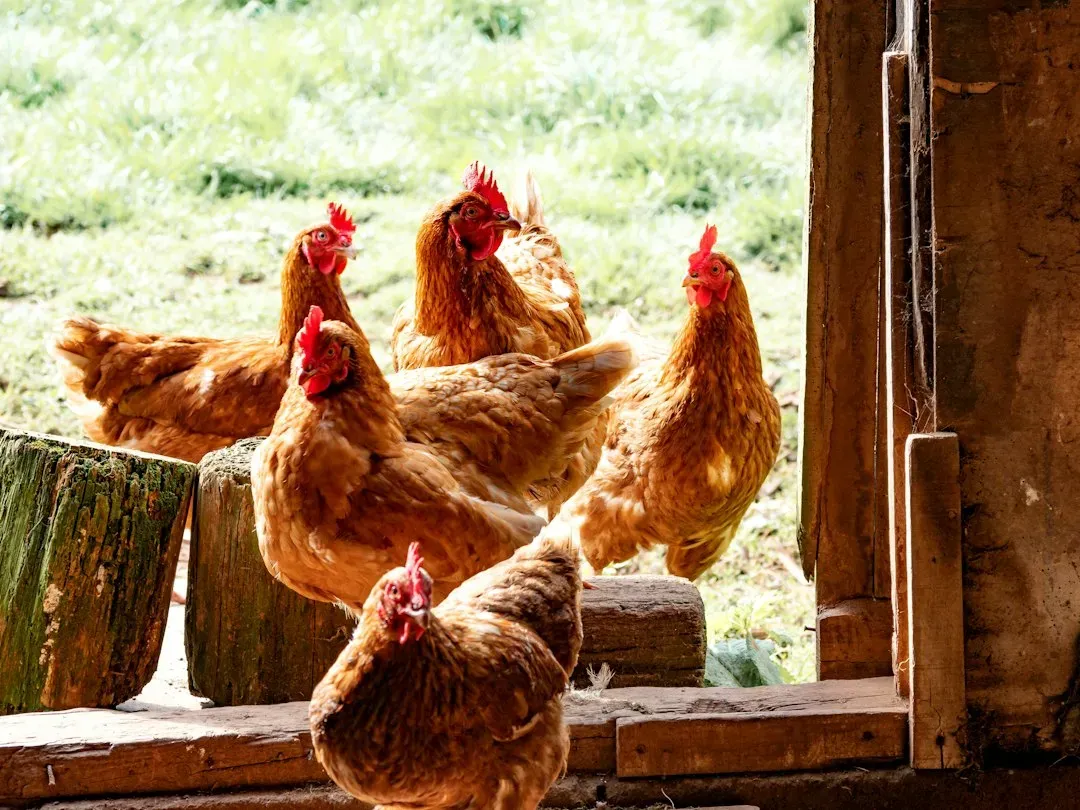
Chickens around the farmyard gave practical hints through their roosting patterns. Staying inside the coop longer than usual or settling low on their perches often meant a storm or heavy weather was approaching.
These birds seemed to sense the shift in conditions and sought extra protection. People who kept flocks learned to check on them as part of their daily weather watch.
Squirrels
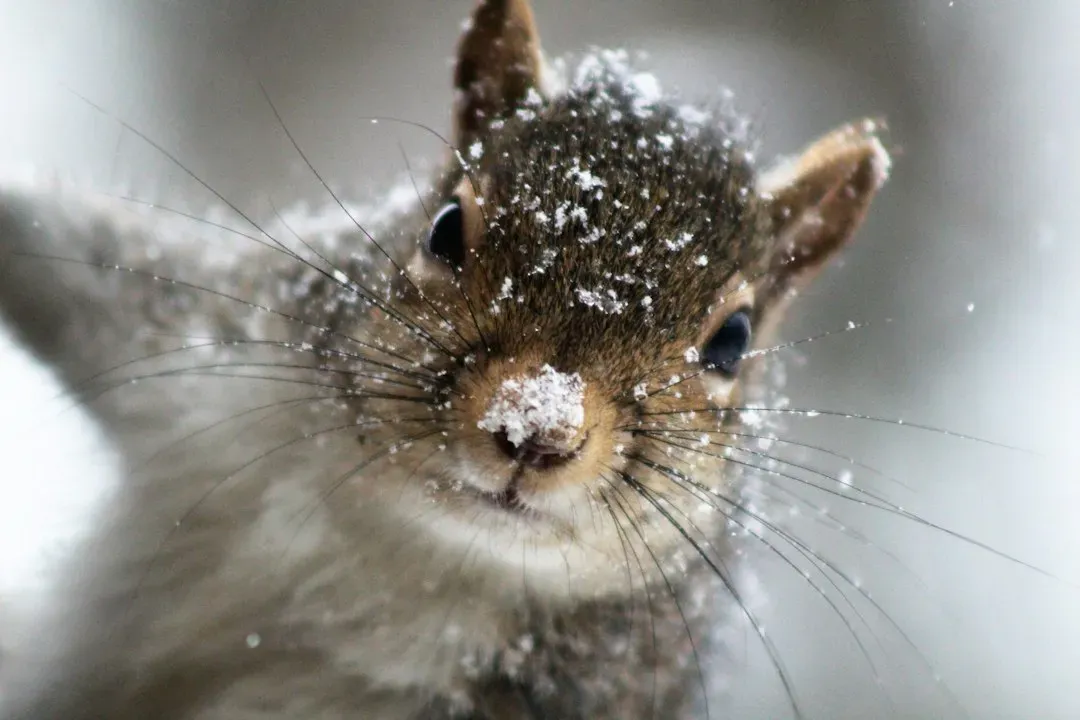
Squirrels displayed storm related activity through their gathering and nesting routines. When they worked with extra urgency or built nests lower in the trees, it sometimes indicated unsettled weather rather than just seasonal changes.
Their bushy tails and frantic movements drew notice during times when the sky looked fair. These signs blended with other observations to help predict short term shifts.

Earth Rated XL Dog & Puppy Pee Pads, Discreet Top, Max Absorbency
Check Price on AmazonAs an Amazon Associate, we earn from qualifying purchases.
10/7/2026 1:28 pm GMTi

Halloween Cat Costume Cloak Witch Hat Pet Accessories
Check Price on AmazonAs an Amazon Associate, we earn from qualifying purchases.
10/9/2026 2:44 pm GMTi

Halloween Dog Collar with Bow, Orange Cute Ghost Collar,
Check Price on AmazonAs an Amazon Associate, we earn from qualifying purchases.
10/9/2026 2:43 pm GMTi

Dog Stairs for Bed 18" H, 4-Step Dog Steps for High Bed
Check Price on AmazonAs an Amazon Associate, we earn from qualifying purchases.
10/9/2026 2:42 pm GMTi

Orthopedic Extra Large Dog Bed, Waterproof Washable XL Pet Bed 44"
Check Price on AmazonAs an Amazon Associate, we earn from qualifying purchases.
10/7/2026 1:32 pm GMTi
Crows
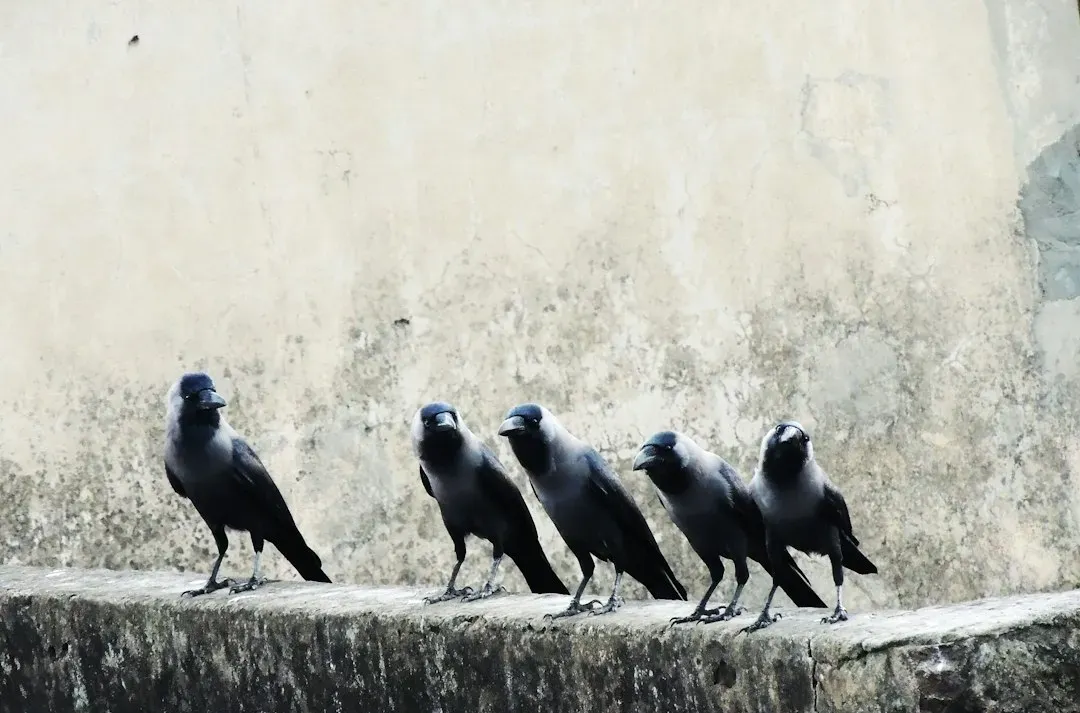
Crows gathering in larger flocks or calling in unusual ways stood out as another marker. Their behavior often changed when atmospheric conditions shifted ahead of rain or wind.
People in the mountains noted these birds as especially alert to coming changes. A sudden increase in their activity near home could prompt extra caution about the weather.
Ants
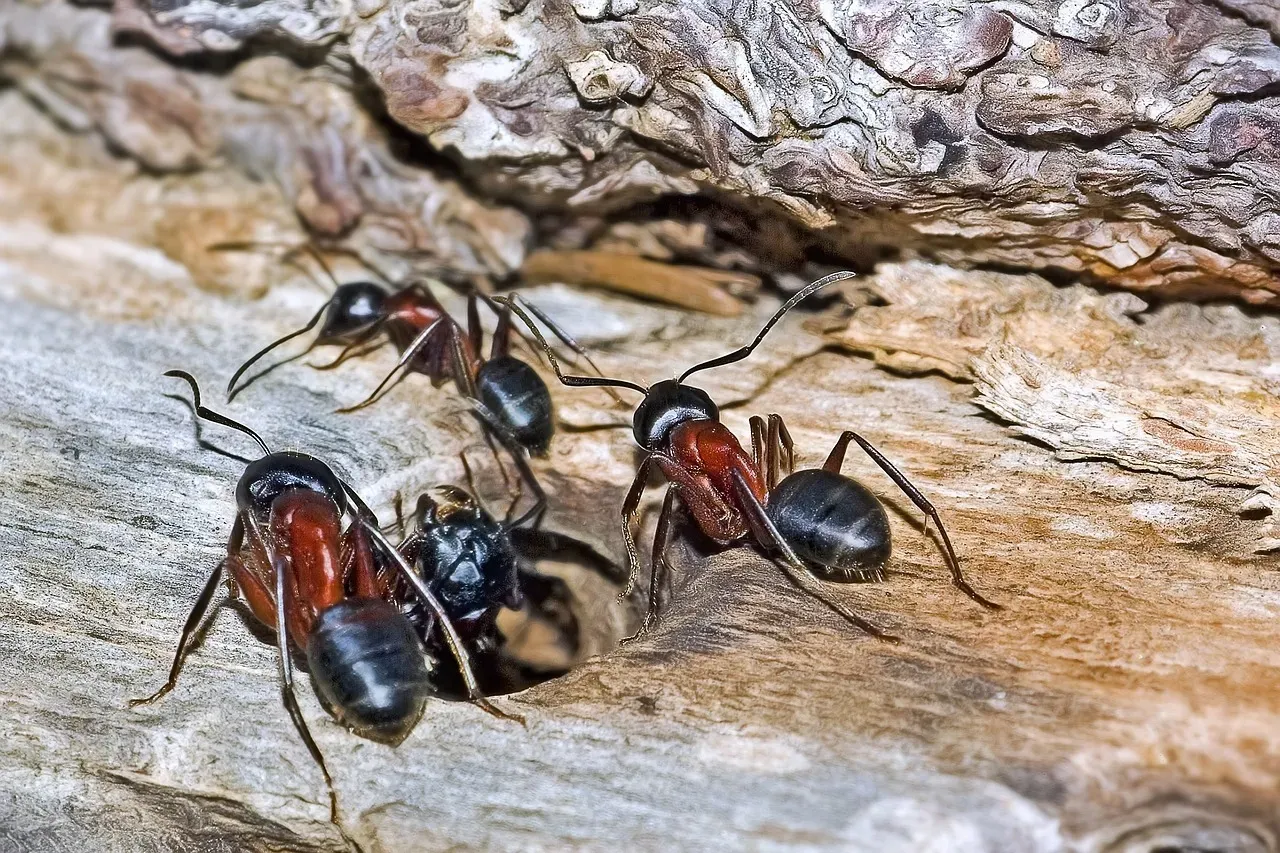
Ants closing off their hills or working at unusual heights provided a ground level clue. When they sealed entrances or built mounds higher than normal, it pointed to moisture on the way.
This small but consistent pattern fit into the broader set of signs that guided daily life. Watching the ground as well as the sky helped complete the picture of what might arrive.

Hand Blown Glass Hummingbird Feeders for Outdoors Hanging, 24oz Wild Bird Nectar Feeder
Check Price on AmazonAs an Amazon Associate, we earn from qualifying purchases.
10/7/2026 1:23 pm GMTi

Professional 7 in 1 Dog Paw Cleaner for Dogs & Cats - Includes 1 Portable Paw Washer, 1 Bath Brush
Check Price on AmazonAs an Amazon Associate, we earn from qualifying purchases.
10/7/2026 1:26 pm GMTi
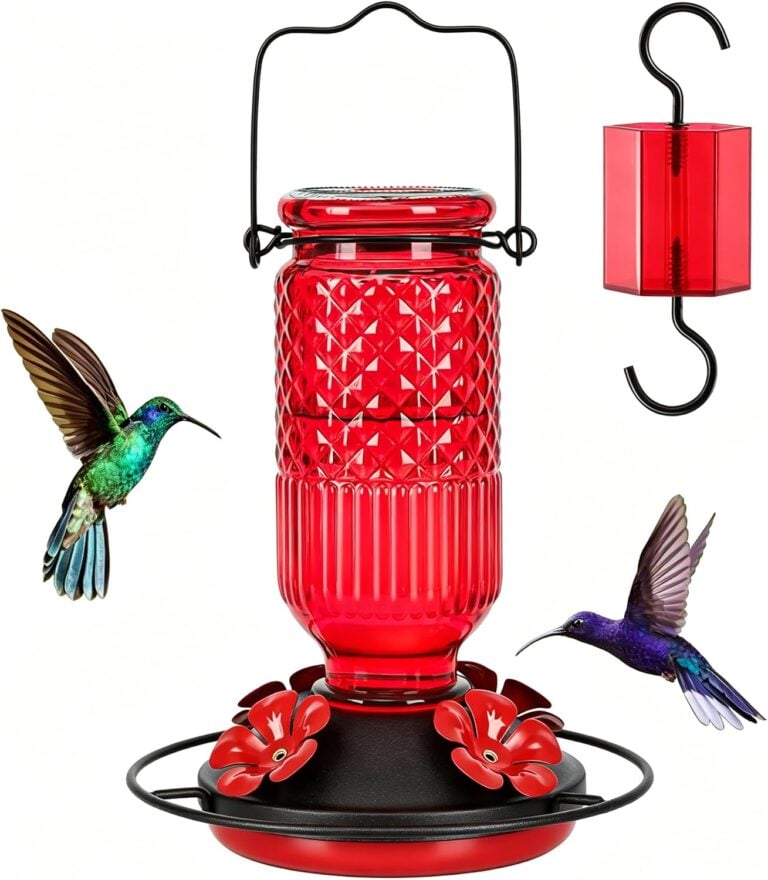
Glass Hummingbird Feeder for Outdoors Hanging
Check Price on AmazonAs an Amazon Associate, we earn from qualifying purchases.
10/7/2026 1:21 pm GMTi

2 Pcs Halloween Pet Hat Bandana Set, Witch Pumpkin Costumes for Dogs
Check Price on AmazonAs an Amazon Associate, we earn from qualifying purchases.
10/9/2026 2:45 pm GMTi
The Lasting Value of These Signs
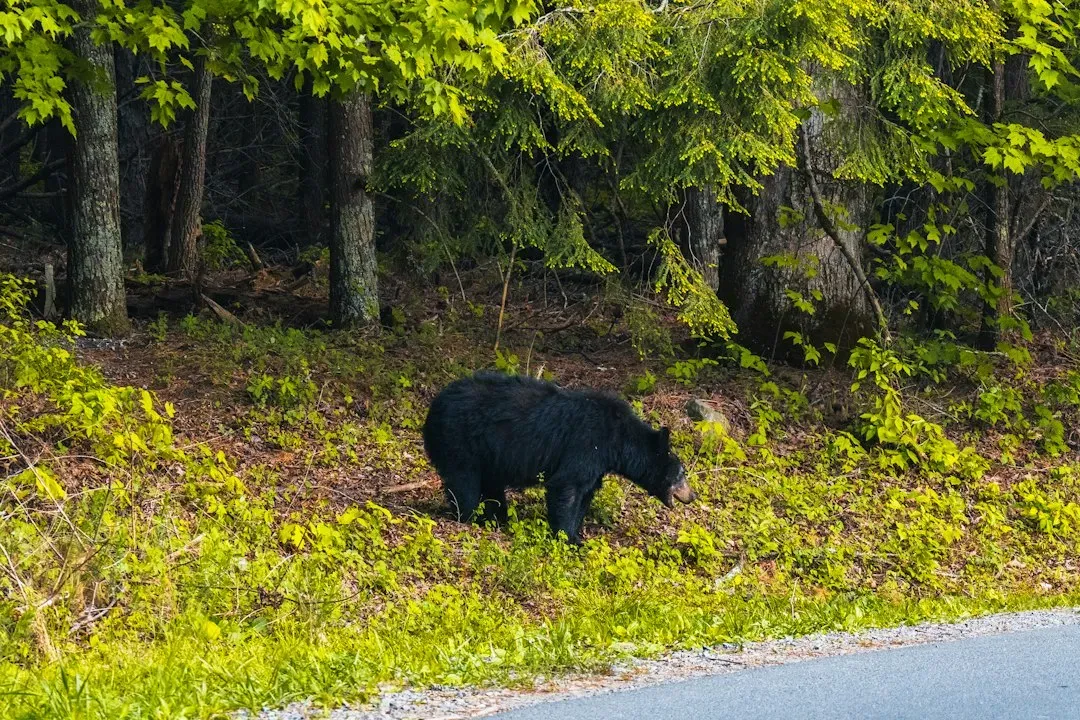
These traditions highlight how closely Appalachian communities once lived with their surroundings. Paying attention to animals encouraged a kind of mindfulness that modern forecasts sometimes overshadow.
Even today the habits remain interesting reminders of practical knowledge built over time. They invite anyone who steps outside to notice the small details that connect us to the natural rhythms around us.