

Think about it for a moment. While we rely on satellites, radar systems, and seismographs to forecast calamities, there are creatures all around us that might already know danger is coming. It sounds like something out of a fantasy novel, right?
Yet throughout history, people have witnessed animals behaving strangely just before earthquakes, tsunamis, and volcanic eruptions strike. Sometimes they flee to safety hours before disaster arrives. Other times they display inexplicable panic when everything still seems calm.
Scientists remain divided on whether this is genuine prediction or just heightened sensitivity to environmental changes. Either way, the behavior patterns are fascinating and could potentially save lives. So let’s dive into the mysterious world of animal disaster detection and explore which creatures seem to possess this remarkable ability.
1. Dogs: The Earthquake Barkers
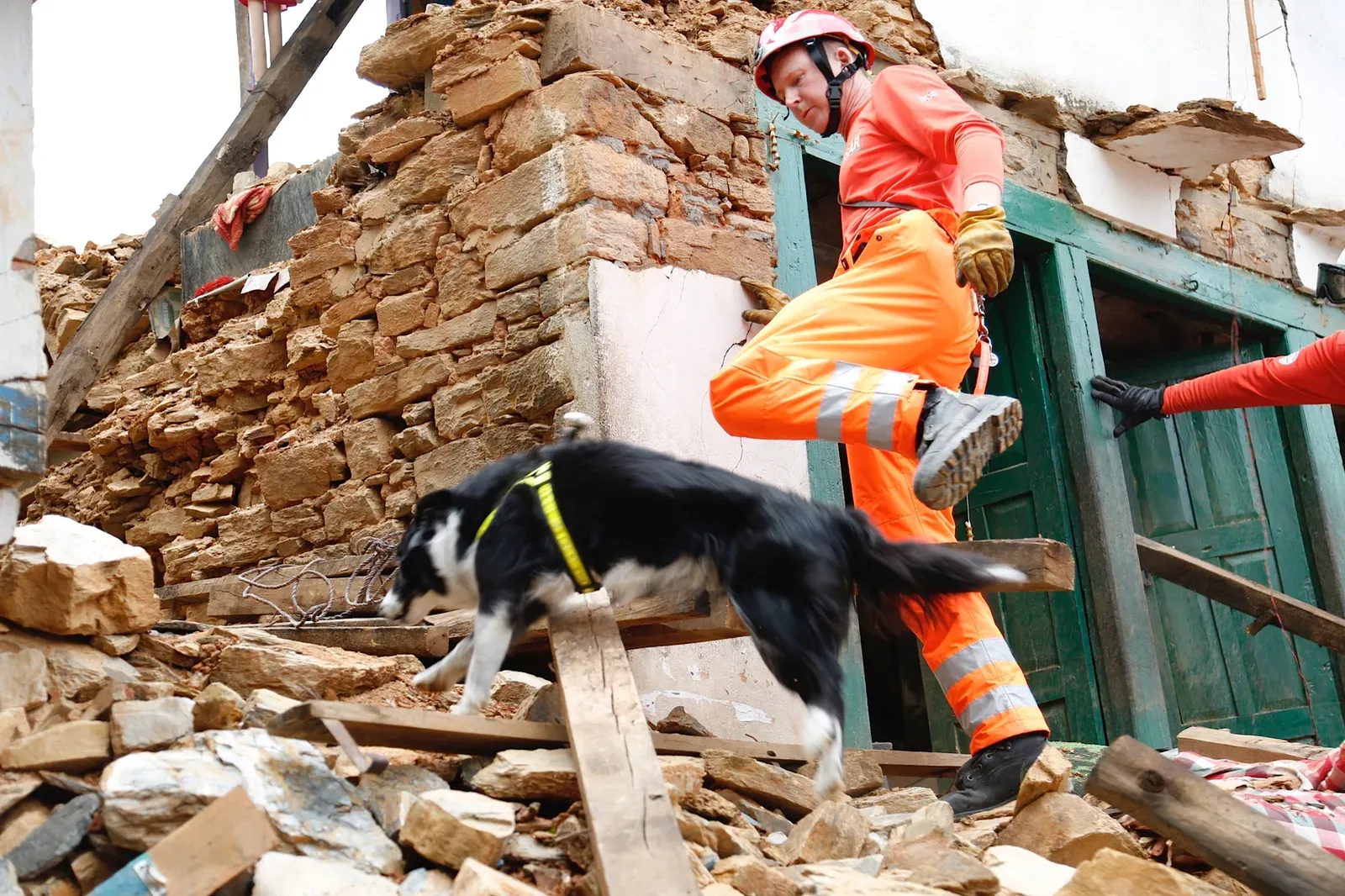
Your faithful companion might be more than just a loving pet. Dogs have been observed barking or pacing before tremors that humans cannot yet feel. This restless behavior often starts anywhere from minutes to hours before the ground begins to shake.
The reason behind this ability likely relates to their extraordinary hearing. Dogs can detect frequencies far beyond human capability, possibly picking up the subtle vibrations that precede major seismic events. They might also sense changes in the Earth’s electromagnetic field.
For centuries, people have described unusual animal behavior just ahead of seismic events: dogs barking incessantly. These accounts span different continents and cultures, suggesting there’s something real happening here.
Of course, dogs bark for many reasons. The challenge for scientists is distinguishing between ordinary agitation and genuine earthquake detection. Still, if your normally calm dog suddenly starts acting frantic for no apparent reason, it might be worth paying attention.
2. Elephants: Nature’s Seismographs
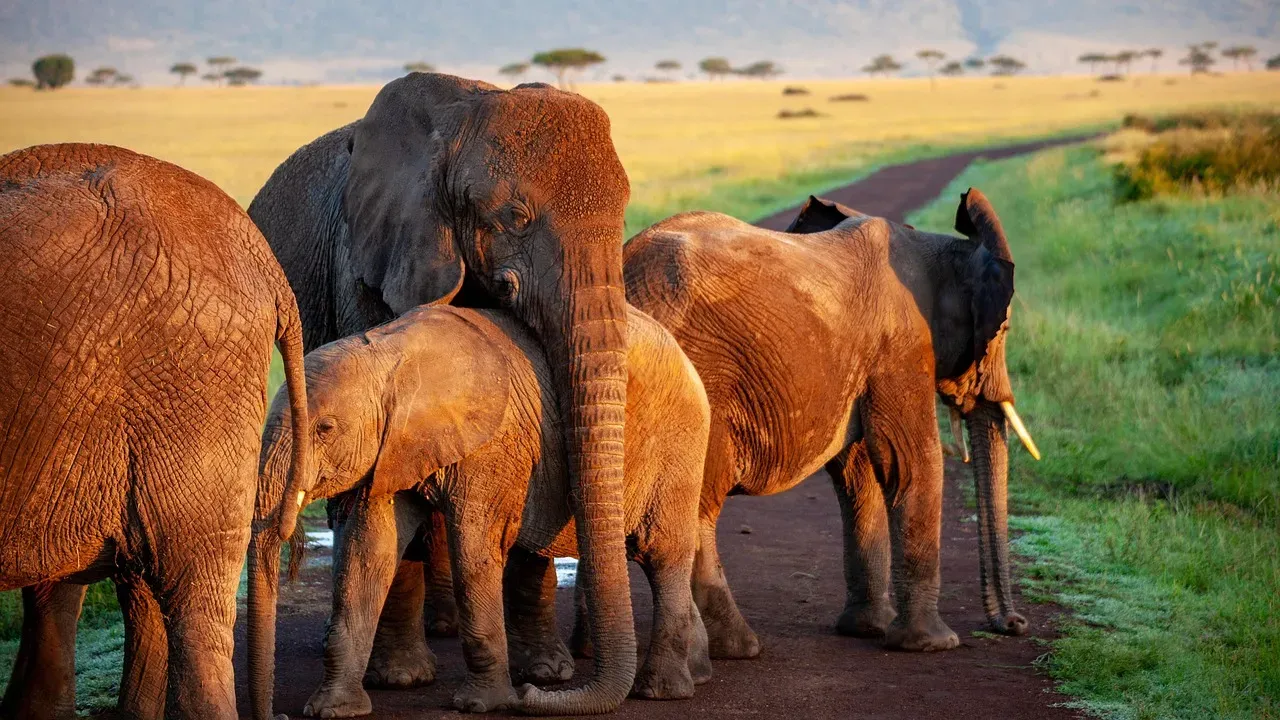
Elephants possess an almost supernatural awareness of danger. Their feet can detect infrasound vibrations traveling through the ground from miles away. This sensory superpower makes them incredibly attuned to geological disturbances.
In Sri Lanka, elephants reportedly fled to higher ground hours before the tsunami struck. Multiple witnesses reported seeing entire herds abandoning their usual routes and heading inland with urgent determination. The timing was uncanny.
These massive creatures communicate using low-frequency sounds that humans cannot hear. The same ability that helps them “talk” to each other across vast distances might also allow them to detect the rumbling precursors to earthquakes and tsunamis.
Their behavior before the 2004 Indian Ocean tsunami remains one of the most compelling pieces of evidence for animal disaster prediction. Many elephants survived because they simply knew to run.
What makes this even more remarkable is that tsunamis specifically are incredibly rare events. Yet somehow these animals understood the danger and responded appropriately.
3. Snakes: Cold-Blooded Early Warning Systems
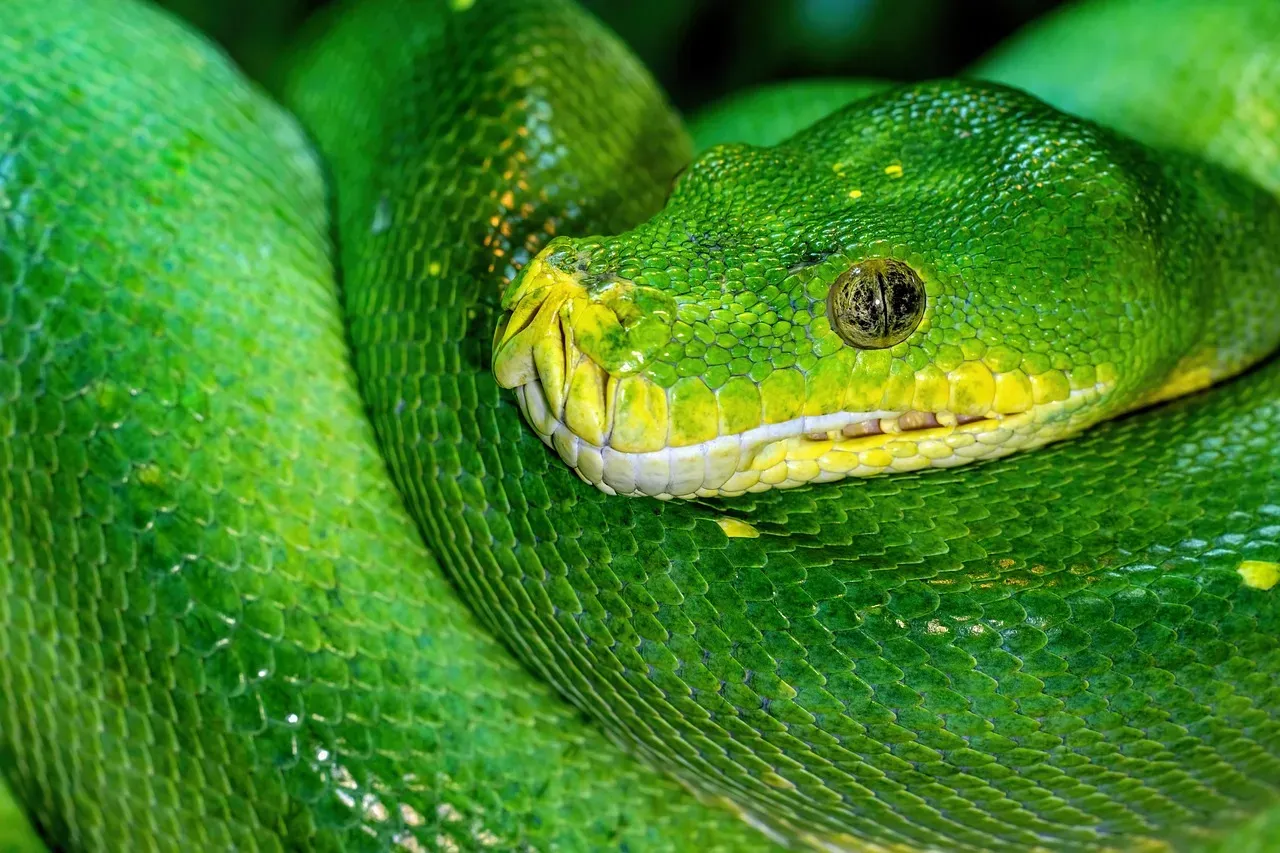
Here’s something that’ll send shivers down your spine. Despite freezing temperatures, scores of snakes slithered out of their hibernation dens in the weeks before a magnitude 7.3 earthquake struck the Chinese city of Haicheng on February 4, 1975. The reptiles’ behavior, along with other incidents, helped persuade authorities to evacuate the city hours before the massive quake.
Snakes emerging during winter when they should be dormant is extraordinarily unusual behavior. The fact that this happened right before a massive earthquake saved thousands of lives because officials took the warning seriously.
Researchers believe snakes might be sensitive to gases released from the Earth’s crust before earthquakes. They could also detect minute ground vibrations that intensify as pressure builds along fault lines.
There are many reports and stories of animals predicting disasters: snakes that awaken from hibernation prior to an earthquake. This pattern has been documented multiple times across different regions.
The Haicheng evacuation remains one of the most successful earthquake predictions in history, and snake behavior played a crucial role in that decision.
4. Birds: The Sky’s Sentinels

Birds are known to be sensitive to air pressure changes, and often hunker down before a big storm. This sensitivity makes them excellent predictors of severe weather events, from hurricanes to tornadoes.
Before volcanic eruptions, birds often abandon their nesting sites en masse. Roman historians noted that before the eruption of Vesuvius in 79 CE, birds abandoned Campania. The ancient documentation of this behavior shows how long humans have recognized this pattern.
Their ability to detect barometric pressure shifts gives them advance warning of storms that meteorologists might not predict for hours. Fishermen and farmers have relied on bird behavior for weather forecasting for generations.
Some species can also sense electromagnetic field changes. This dual sensitivity to both atmospheric and geological disturbances makes them particularly valuable as natural disaster detectors.
When birds suddenly fall silent or flee an area en masse, it’s often a sign that something significant is about to happen.
5. Sharks: Deep Water Escape Artists
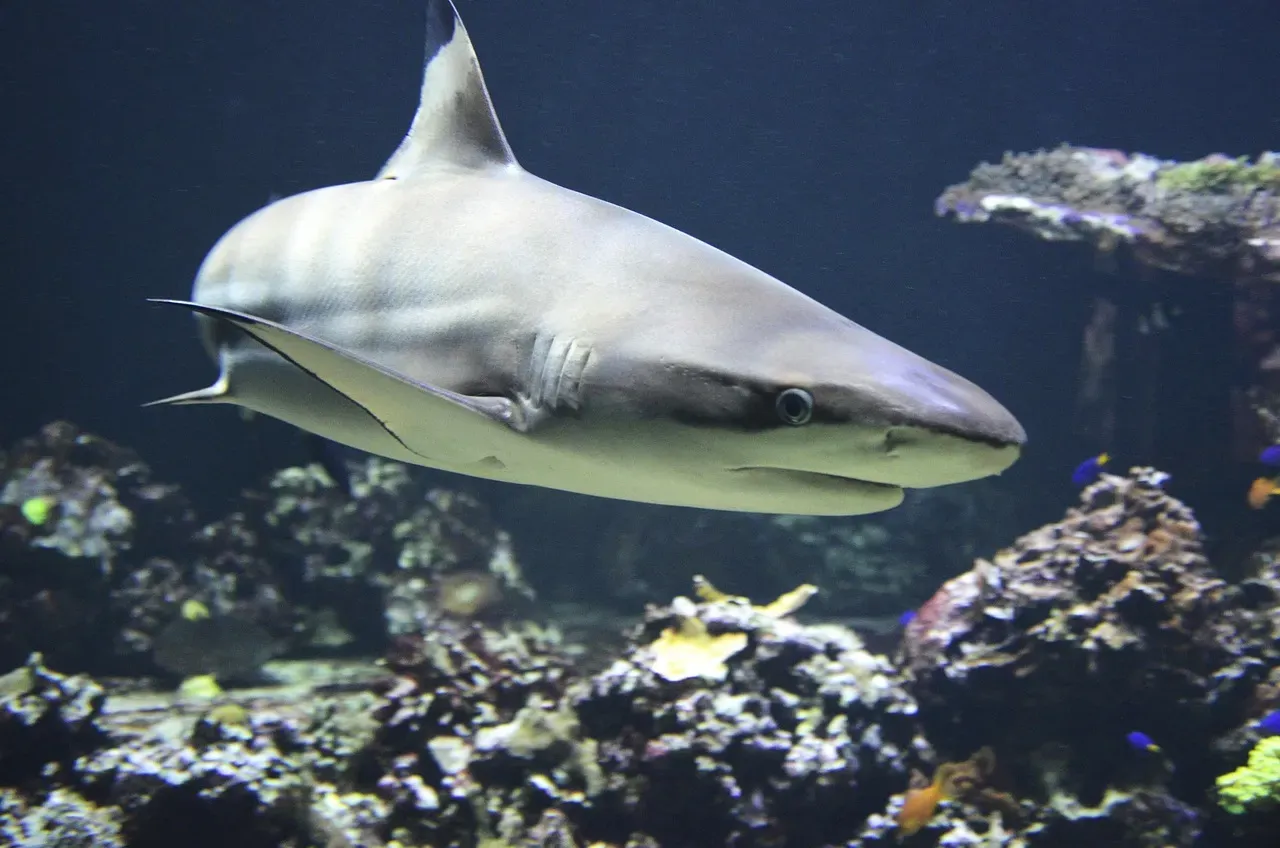
In Florida, researchers studying tagged sharks say they flee to deeper water just before a big hurricane arrives. The sharks don’t wait for the storm to approach. They leave sometimes a full day before conditions deteriorate.
Scientists tracking these movements believe the sharks are responding to dramatic pressure changes in the water. Hurricanes create massive low-pressure systems that sharks can apparently sense from considerable distances.
Their behavior isn’t random panic, either. They specifically seek deeper water where they’ll be safer from the violent surface conditions created by major storms. It’s calculated survival.
This has practical implications for researchers. Unusual shark movements detected through tracking systems could potentially serve as an early warning indicator for approaching hurricanes in certain regions.
The sharks aren’t predicting the future so much as reading environmental signals we can’t perceive. That subtle distinction doesn’t make their ability any less impressive, though.
6. Cats: Mysterious Feline Forecasters

Cat owners frequently report bizarre behavior before earthquakes strike. Cats hiding in unusual places, yowling incessantly, or refusing to stay indoors are common pre-earthquake reports. Many pet owners in Japan observed their cats becoming restless, vocalizing excessively, or hiding in the days leading up to the earthquake.
Their acute hearing and sensitivity to vibrations might explain this ability. Cats can detect high-frequency sounds and subtle movements that completely escape human notice. This makes them potentially valuable early warning systems.
The challenge is that cats are naturally neurotic creatures. They freak out over mundane things like vacuum cleaners and unexpected visitors. Distinguishing disaster prediction from ordinary feline weirdness is genuinely difficult.
Still, the sheer number of reports from different locations suggests there’s something real happening. Cats across Japan, California, Italy, and other earthquake-prone regions show similar pre-quake behavior patterns.
Maybe that’s why ancient cultures often viewed cats as mystical creatures with supernatural abilities. They were observing genuine sensitivity to environmental changes they couldn’t explain.
7. Toads: Amphibian Abandoners
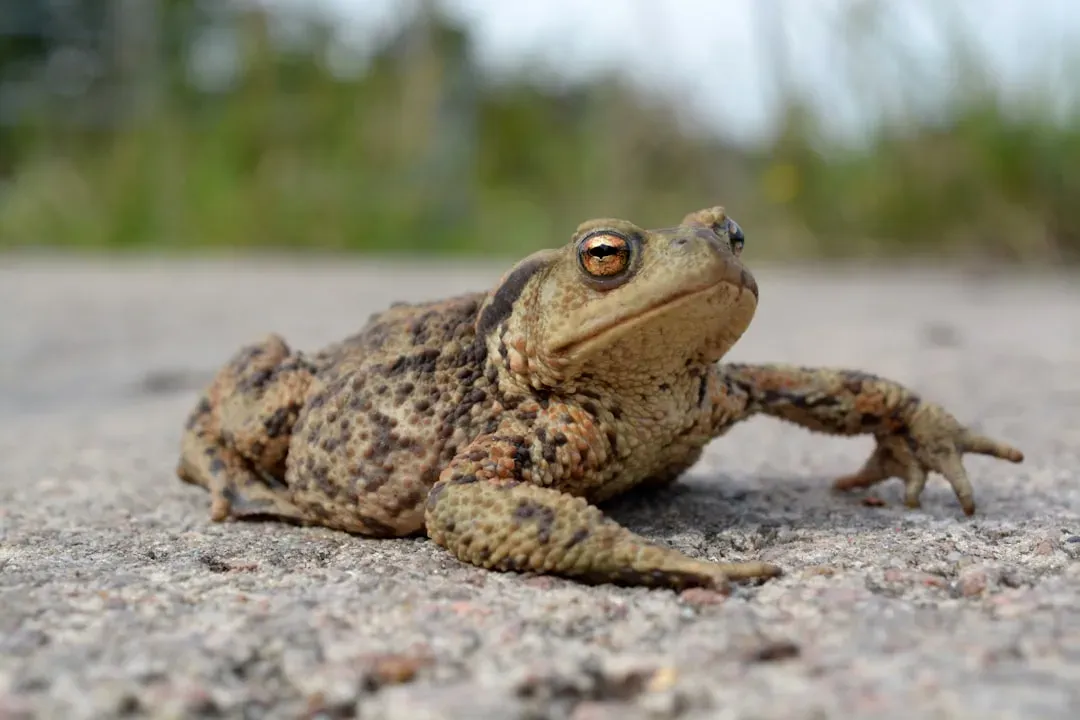
Analyses show that the amphibians were already behaving unusually five days before the earthquake and had ceased their spawning activity. This observation came from research near L’Aquila, Italy, where a major earthquake struck in 2009.
Toads abandoning their breeding grounds mid-season is incredibly abnormal. Reproduction is their primary biological imperative, so something serious must trigger such dramatic behavioral shifts.
Worms, for instance, are known to flee rising groundwater. Similar mechanisms might explain toad behavior. They could be detecting chemical changes in water or feeling vibrations through their sensitive skin.
The five-day advance warning they provided is particularly significant. That’s enough time for meaningful evacuation preparations if the behavior could be reliably interpreted as a danger signal.
Scientists studying amphibian behavior are now investigating whether toads and frogs could become part of biological early warning systems in seismically active regions.
8. Cows: Barnyard Prophets
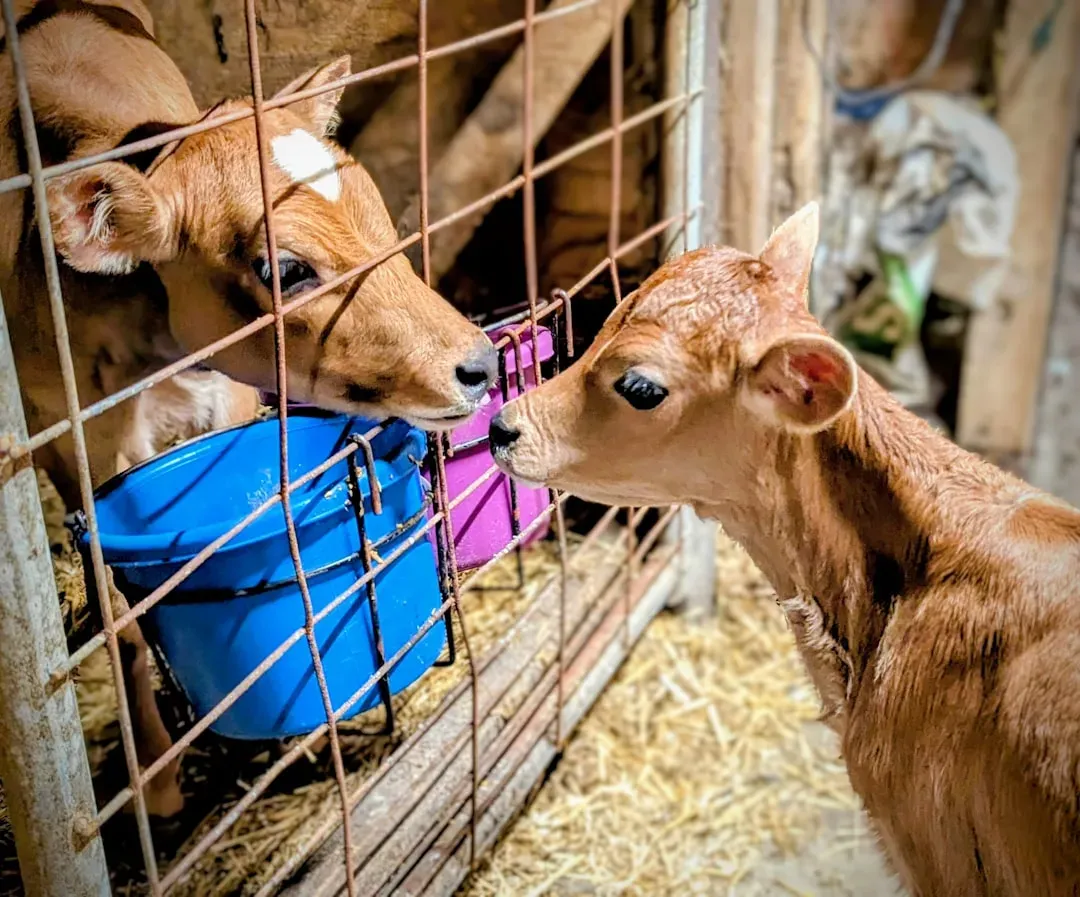
Farm animals display some of the most documented pre-disaster behaviors. Observations of livestock in China have shown behavioral anomalies, such as cows refusing to enter barns, in the days leading up to significant seismic events.
Cows halting milk production, refusing to eat, or showing extreme agitation are all reported warning signs. Sensors were attached to cows, sheep and dogs in an earthquake-prone area in Northern Italy and recorded their movements over several months. The movement data show that the animals were unusually restless in the hours before the earthquakes.
What’s particularly interesting is that proximity to the epicenter matters. The closer the animals were to the epicentre of the impending quake, the earlier they started behaving unusually. This suggests they’re detecting actual physical phenomena rather than just panicking randomly.
Farmers who work with their animals daily are often the first to notice these behavioral changes. Their observations have historically proven more reliable than casual pet owner reports because they know what normal looks like.
Modern sensor technology is now allowing scientists to track these behaviors continuously and objectively, potentially transforming anecdotal observations into hard data.
9. Goats: Mountain Warning Systems
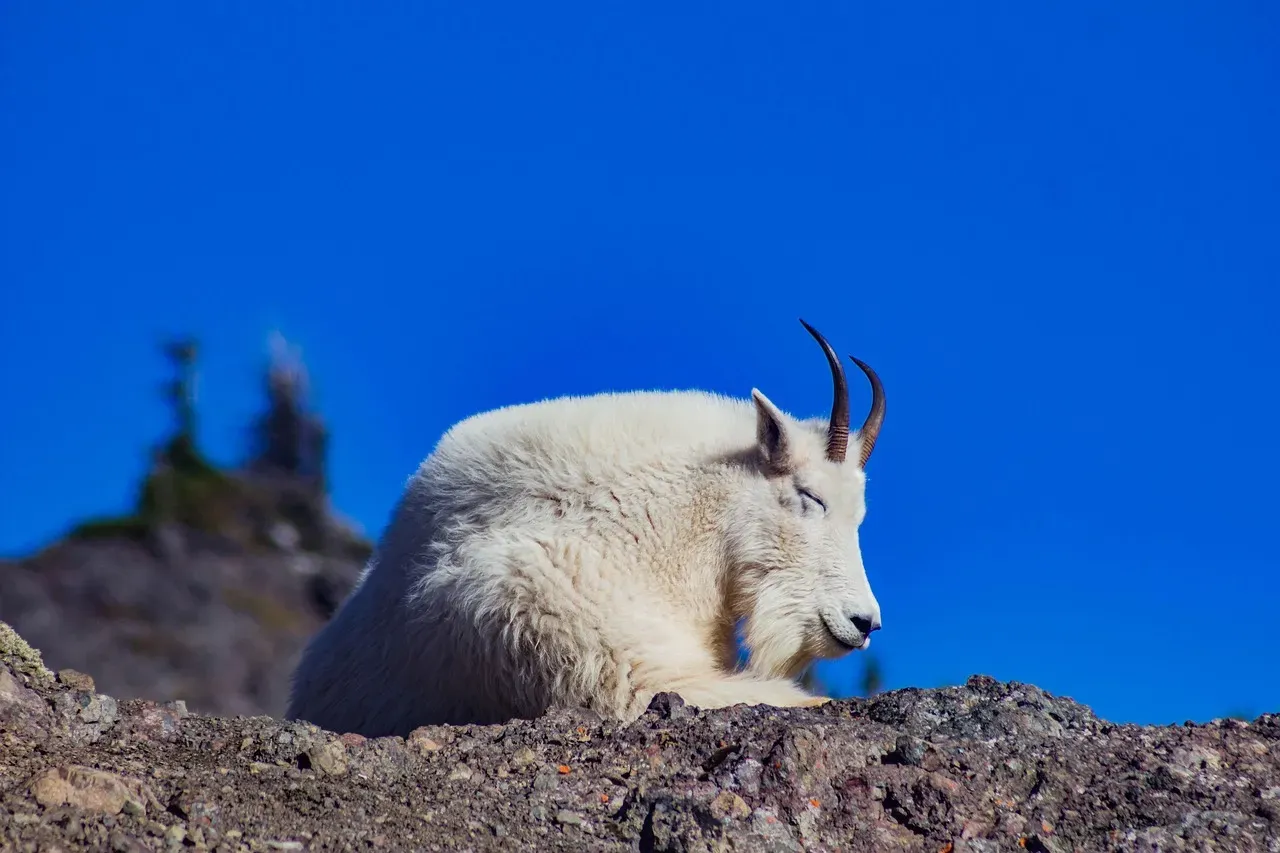
Goats living near Mount Etna in Sicily became the subjects of a fascinating study. At 10:20 p.m., Mount Etna began to spew large amounts of lava and ash into the air – six hours after the researchers had recorded unusual activity among the goats. Over the course of the study, which lasted two years, scientists were able to retrospectively “predict” a total of seven major eruptions based on their data.
Six hours advance warning of a volcanic eruption is genuinely significant. That’s enough time to evacuate nearby communities and prevent casualties. The consistency across seven separate eruptions makes this particularly compelling evidence.
Goats might be detecting gas emissions that increase before eruptions. They could also be feeling ground vibrations or sensing changes in the local electromagnetic field generated by moving magma.
The researchers fitted the goats with movement-tracking transmitters, allowing continuous monitoring without human observation bias. This technological approach provides more reliable data than eyewitness accounts.
Volcanic eruptions are somewhat more predictable than earthquakes because they involve visible precursor activity. Still, having an additional biological indicator could save lives in communities near active volcanoes.
10. Ants: Tiny Seismic Sensors
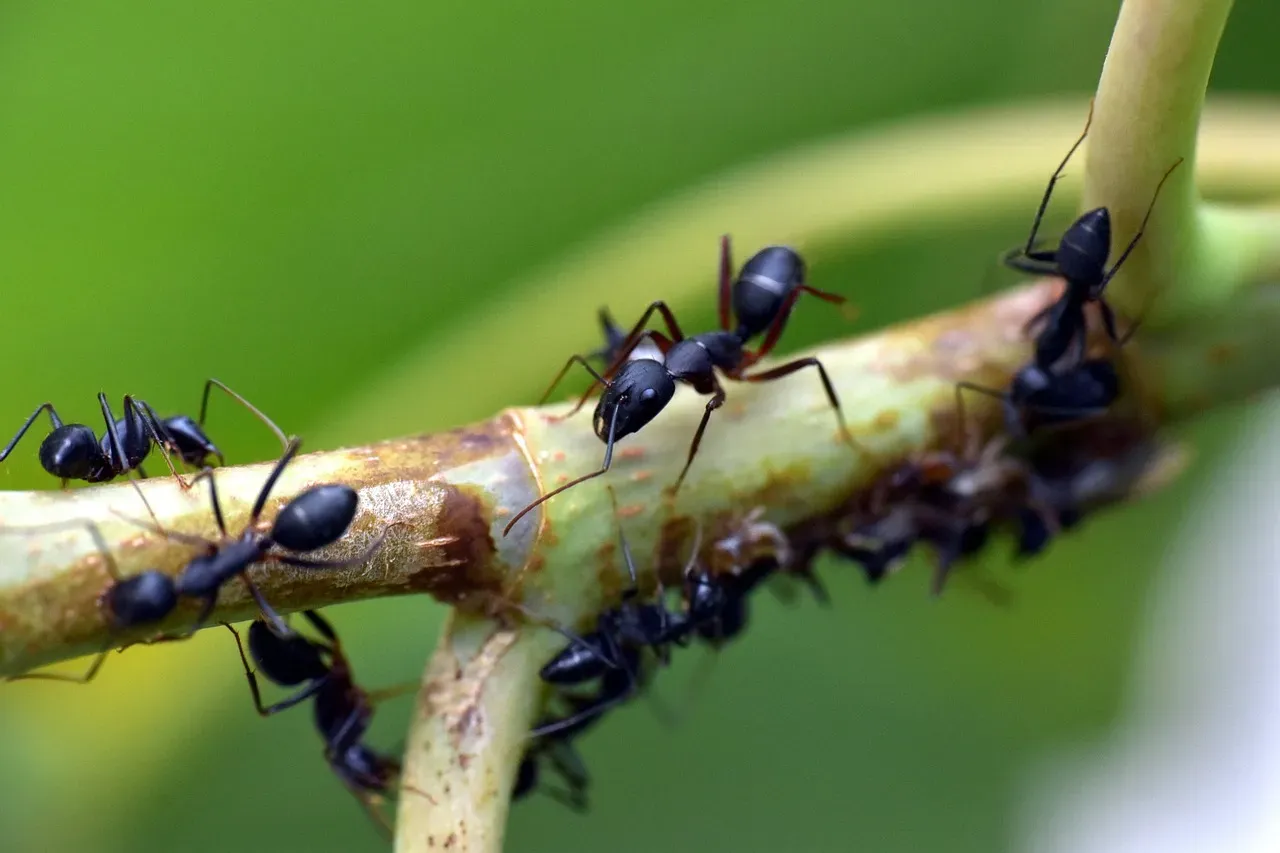
Germany scientists videotaped red wood ants that nested along a fault line and found they changed their usual routine before a quake, becoming more active at night and less active during the day. This reversal of normal behavior patterns occurred consistently before seismic events.
Ants are incredibly sensitive to ground vibrations because they live underground and communicate through substrate-borne signals. Even microscopic tremors could alert them to building geological stress.
Their colonial behavior makes them interesting subjects for study. When an entire colony changes its routine simultaneously, it’s easier to detect than individual animal behavioral changes.
The 2013 German research on ant colonies demonstrated that even tiny creatures can detect earthquake precursors. Size apparently doesn’t matter when it comes to seismic sensitivity.
Using video monitoring eliminates human observation bias and provides objective evidence of behavioral changes correlated with seismic activity.
11. Catfish: Electric Field Detectives
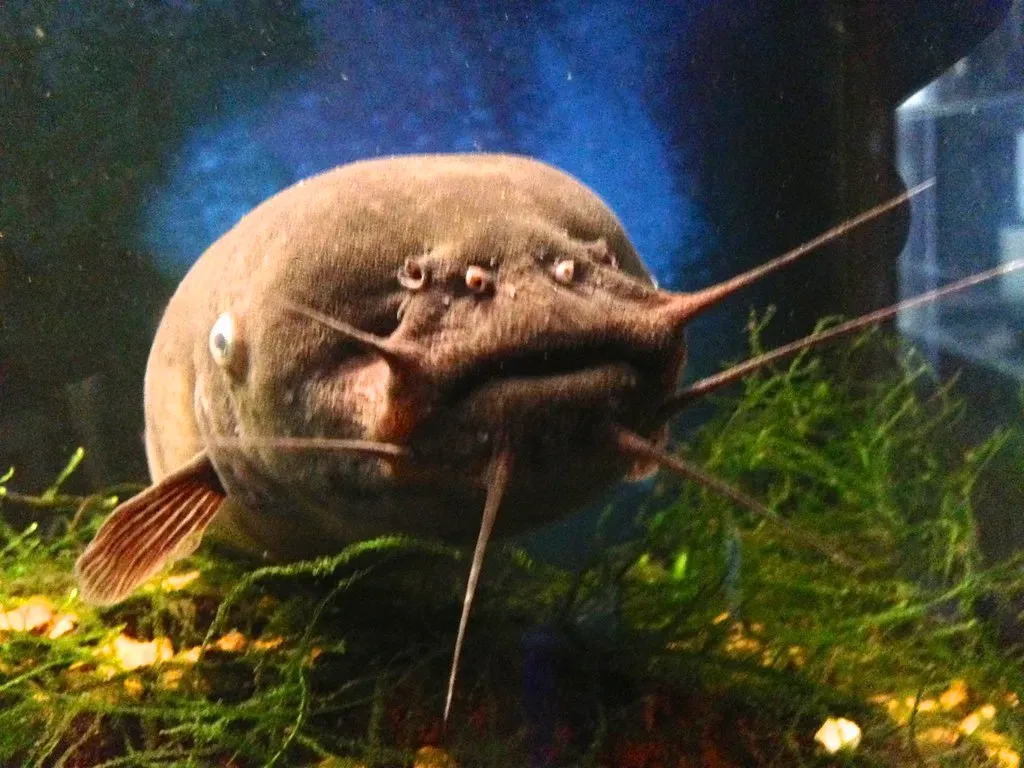
Quantum geophysicist Motoji Ikeya has found that certain animals react to changes in electrical currents. He now regularly monitors a catfish, the most sensitive of the creatures he has tested, to aid him in warning others of coming disaster.
Catfish possess specialized sensory organs that detect electric fields in water. Earthquakes can generate electromagnetic disturbances, and catfish apparently respond to these changes dramatically.
In Japanese culture, there’s actually a mythological giant catfish that supposedly causes earthquakes by thrashing beneath the islands. This folklore likely stems from centuries of observing real catfish behavior before seismic events.
The scientific monitoring of catfish for earthquake prediction represents a fascinating bridge between ancient folklore and modern research. What was once superstition might actually contain kernels of observational truth.
Using catfish as biological sensors could complement traditional seismographic equipment, providing an additional data point for earthquake early warning systems.
12. Hippos: Infrasound Responders
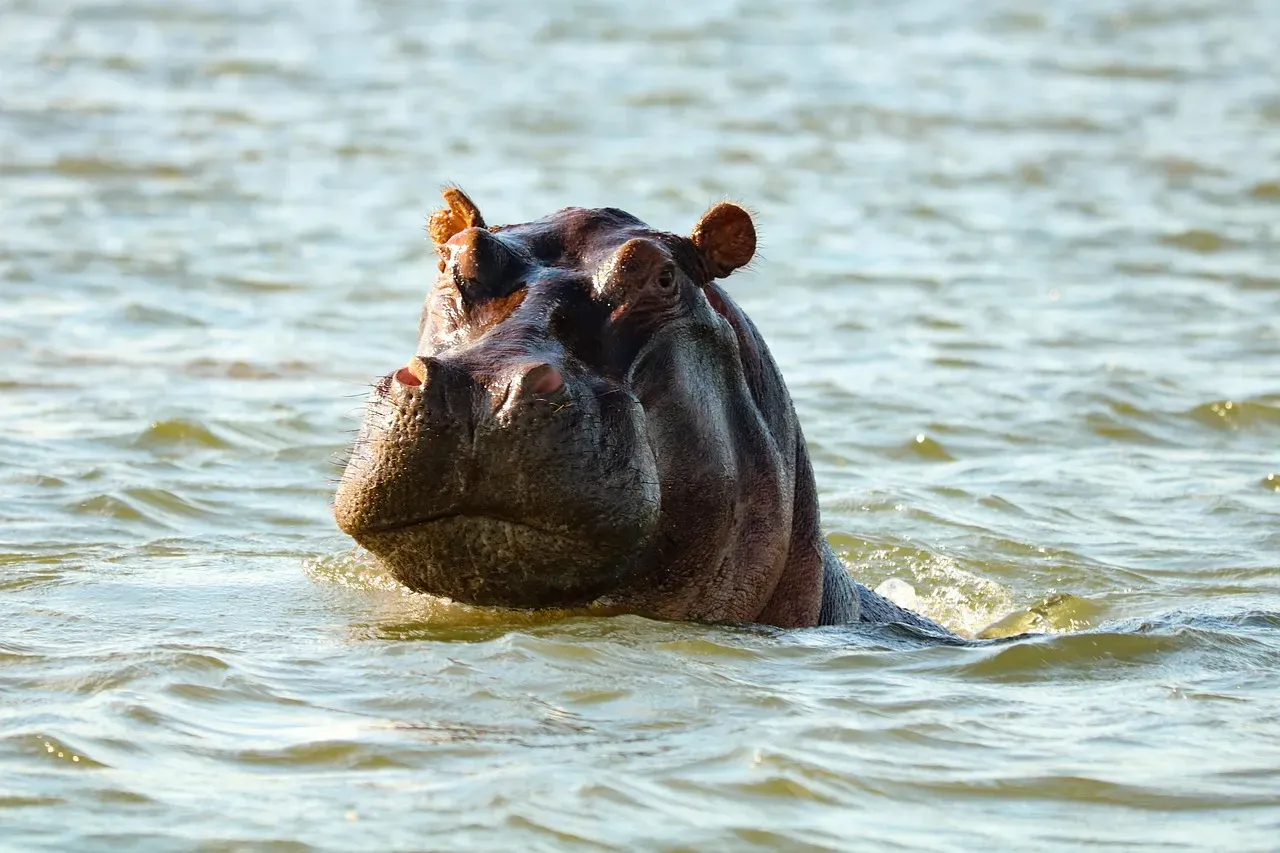
They hear these infrasonic sounds that are produced by earthquakes, which happen very infrequently, they probably are just terrified of that very deep, heavy sound coming from a wide angle distant area and they just want to get out of there.
Hippos communicate using infrasound frequencies below human hearing range. This same ability allows them to detect the low-frequency rumbles generated by geological disturbances before earthquakes and tsunamis.
Their panic response to these sounds isn’t necessarily sophisticated earthquake prediction. It’s more like hearing something terrifying and instinctively fleeing. The secondary benefit is that this flight response often saves them from the actual disaster.
During the 2004 tsunami, hippos in coastal areas reportedly moved inland before the waves struck. Whether they detected the earthquake’s infrasound or sensed the approaching tsunami through water vibrations remains unclear.
What’s certain is that their sensory abilities extend far beyond human perception. They’re experiencing environmental information we’re completely blind to.
Final Thoughts on Nature’s Warning System

The evidence suggests that many animals genuinely can detect environmental changes before disasters strike. Whether that constitutes true prediction or just heightened sensitivity to immediate precursors is still debated among scientists.
Evidence is mounting, therefore, that animals perceive impending disasters earlier than humans with their measuring equipment. Modern technology is finally allowing researchers to study these behaviors objectively rather than relying solely on anecdotal reports.
The practical applications could be revolutionary. Integrating animal behavior monitoring into existing early warning systems might provide those crucial extra minutes or hours needed for evacuations. It’s hard to say for sure, but the potential is undeniable.
Of course, we shouldn’t abandon scientific instruments in favor of watching catfish and goats. The ideal approach combines traditional monitoring with biological indicators for a more comprehensive understanding of approaching danger.
What do you think about trusting animals to warn us of disasters? Would you evacuate if your pets started acting strangely?
