


Worried about unexpected vet bills?
Pet insurance can cover thousands in unexpected vet costs. Get a free quote from Lemonade in under 2 minutes.
Get My Free Quote →Sponsored · Opens Lemonade.com
For decades, humans have prided themselves on being the planet’s primary tool users, considering this ability a defining characteristic of our species. However, as scientific research advances, we’re discovering that many animals are far more adept at using tools than we previously understood. From the depths of the ocean to the canopies of rainforests, remarkable examples of animal tool use continue to challenge our assumptions about non-human intelligence and problem-solving abilities. These discoveries not only reshape our understanding of animal cognition but also blur the lines that we once thought separated humans from other species. Let’s explore twelve fascinating animals whose sophisticated tool use has surprised even the most seasoned researchers.
12. New Caledonian Crows
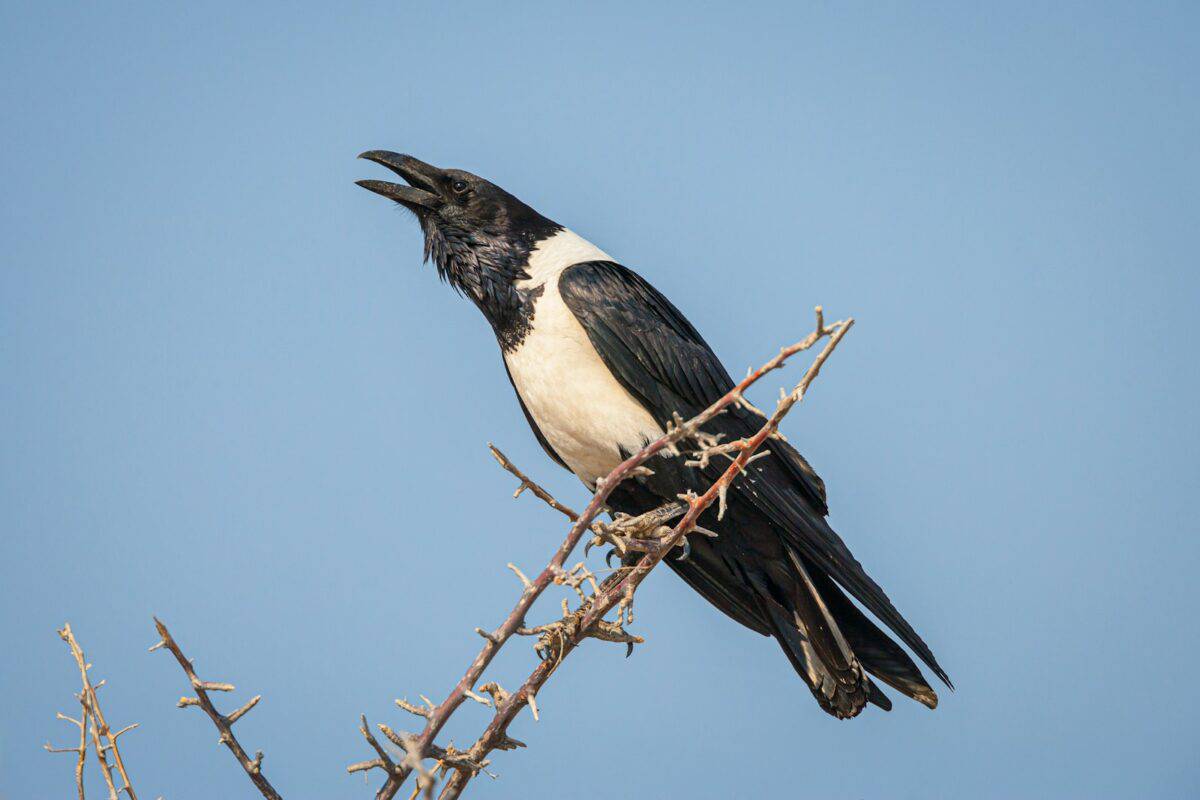
New Caledonian crows have repeatedly astonished scientists with their remarkable tool-making abilities. These birds not only use tools but craft them with precision that suggests planning and understanding of cause and effect. They fashion hooks from twigs and serrated edges from leaves to extract insects from hard-to-reach places. In laboratory settings, these crows have demonstrated the ability to solve complex, multi-step problems, sometimes performing better than young children in certain cognitive tests. What makes their abilities even more impressive is that they appear to pass this knowledge culturally, with younger birds learning from observing experienced tool users. Recent research has revealed that these crows maintain a specialized “toolkit” and select specific tools for particular tasks, showing an understanding of tool properties that was previously thought to be uniquely human.
11. Orangutans

Orangutans rank among the most sophisticated tool users in the animal kingdom, with abilities that extend far beyond what researchers initially documented. In the wild, these great apes craft specialized tools for extracting seeds from neesia fruits, which are protected by stinging hairs. They carefully whittle sticks to the perfect size and shape for this task, displaying remarkable precision. Orangutans have also been observed using leaves as makeshift gloves or napkins and constructing protective shelters from rain using large leaves. Perhaps most impressively, they’ve demonstrated the ability to use tools to access tools—a form of meta-tool use previously thought to be unique to humans. In rehabilitation centers, orangutans have been known to observe human behaviors and later imitate them, including using hammers, saws, and even attempting to start fires after watching humans do so. Their tool use varies between populations, suggesting cultural transmission of knowledge rather than purely instinctual behavior.
10. Bottlenose Dolphins
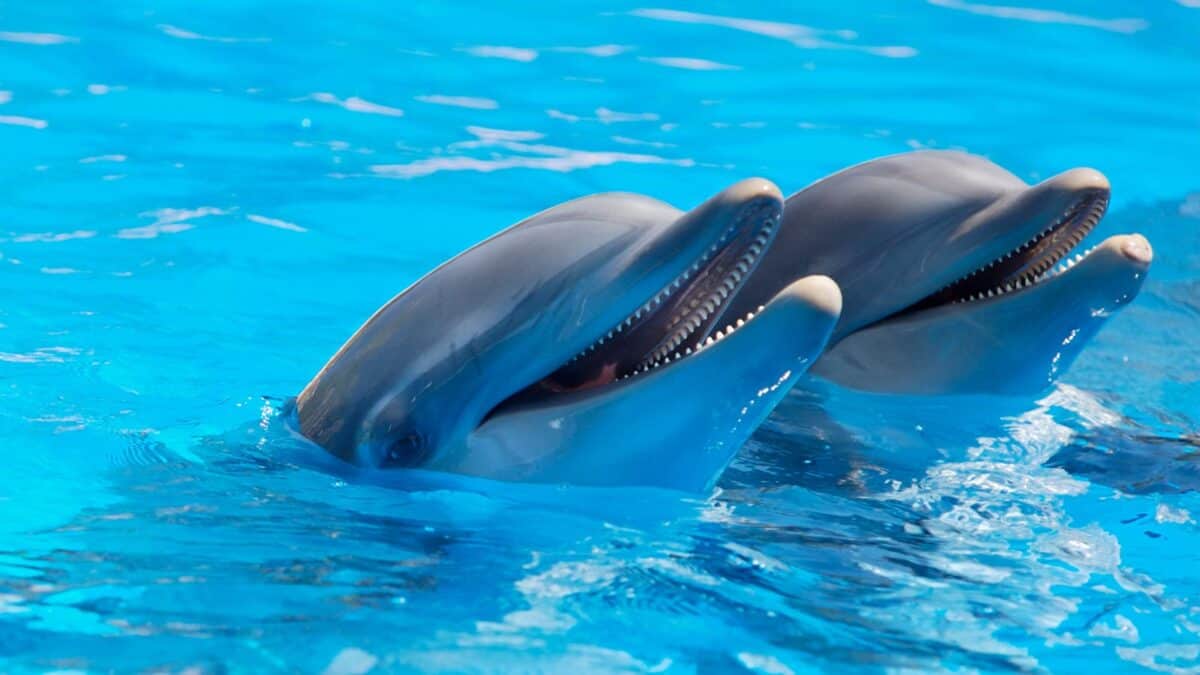
Bottlenose dolphins have surprised marine biologists with their sophisticated tool use, despite lacking hands or opposable thumbs. In Australia’s Shark Bay, scientists have documented dolphins using marine sponges as protective shields for their rostrums (beaks) while foraging along the rough ocean floor. This behavior, known as “sponging,” allows them to search for fish hidden in the sediment while preventing injuries. What’s particularly remarkable is that this behavior appears to be culturally transmitted, primarily from mother to daughter, creating a distinct “sponging culture” within certain dolphin communities. Recent observations have also revealed dolphins using shells to catch fish—they carry the shells in their mouths, wait for fish to seek shelter inside, then bring the shell to the surface and shake out the prey. This demonstrates not just tool use but an understanding of other animals’ behavior and how it can be exploited, revealing cognitive abilities far more advanced than previously recognized.
9. Egyptian Vultures
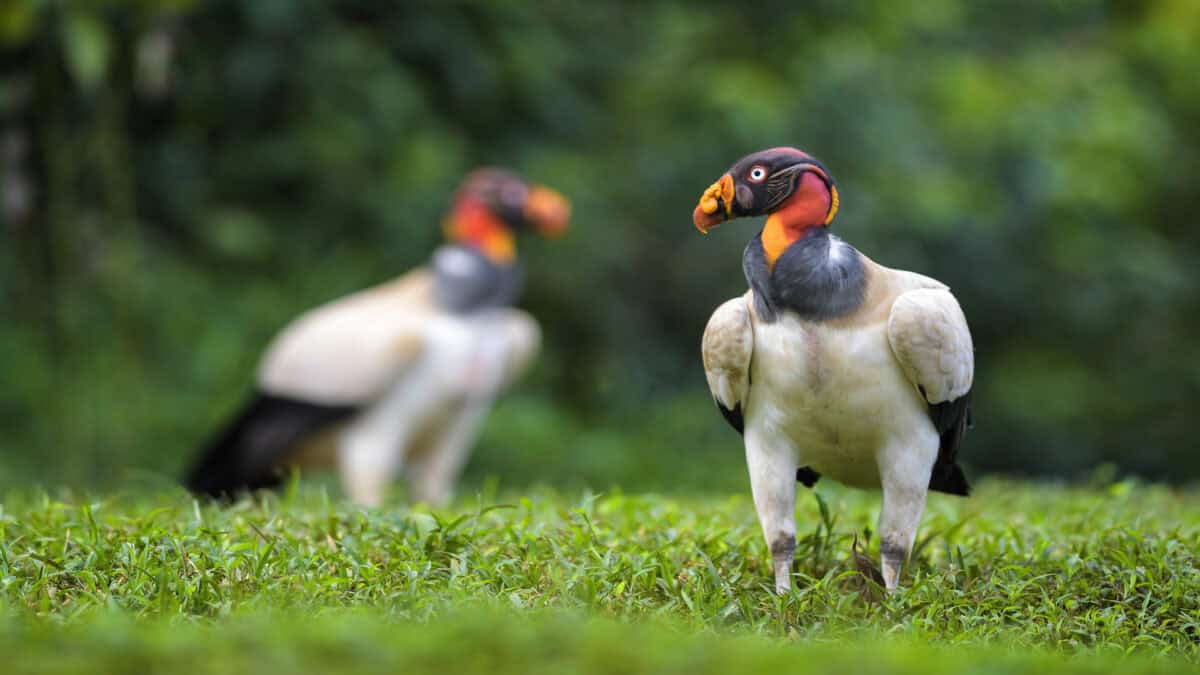
Egyptian vultures have developed a remarkable tool-using technique that demonstrates both intelligence and innovation. These birds use rocks as hammers to crack open ostrich eggs, which have shells too thick for their beaks to penetrate directly. The vultures carefully select appropriately sized stones, sometimes carrying them substantial distances specifically for this purpose. This behavior requires spatial reasoning, understanding of cause and effect, and the ability to select appropriate tools based on the task at hand. Researchers have noted that juvenile vultures learn this skill through observation of experienced adults, indicating cultural transmission of knowledge. What makes this behavior even more impressive is that it appears to be widespread throughout the species’ range, suggesting it may be a deeply ingrained part of their cognitive toolkit. Recent studies have also observed some Egyptian vultures throwing sticks and small rocks at potential threats, expanding our understanding of their tool-using capabilities beyond just food acquisition.
8. Octopuses
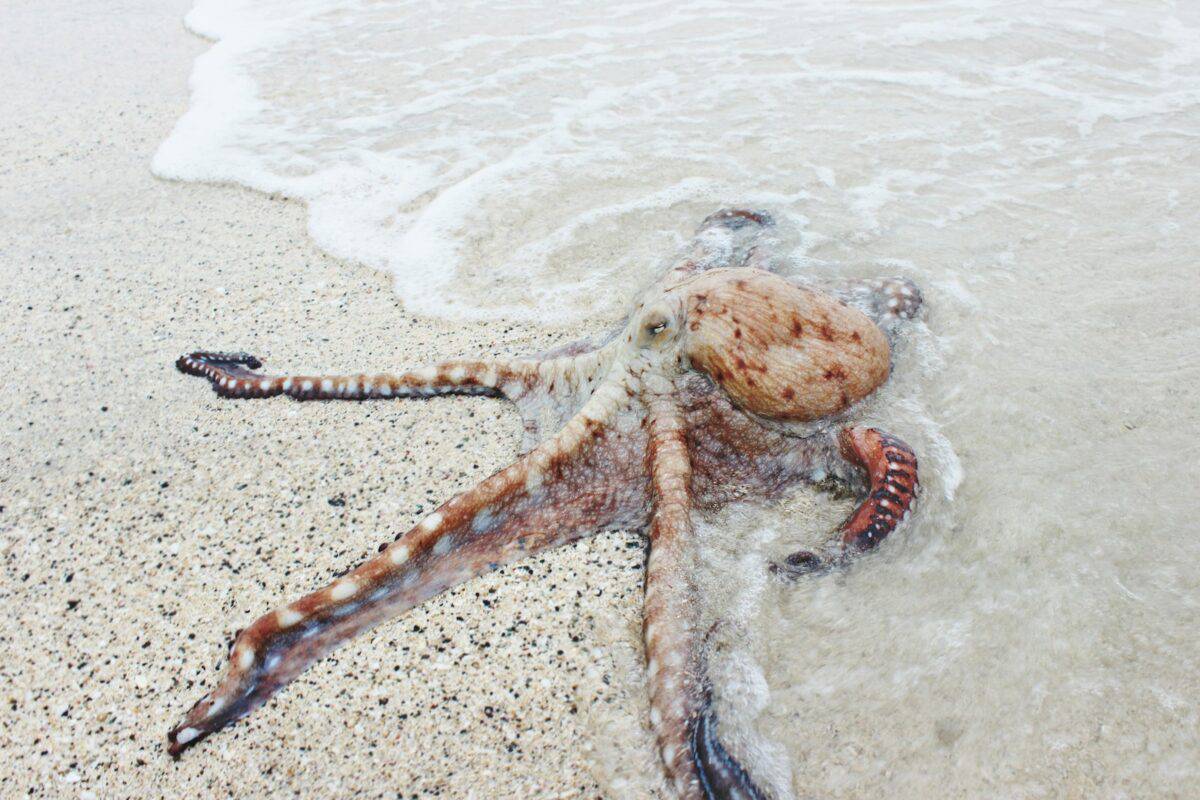
Octopuses have revolutionized our understanding of invertebrate intelligence, particularly through their surprisingly sophisticated tool use. Several species have been observed collecting and using coconut shells and other objects as portable shelters, effectively creating mobile homes they can carry across the ocean floor. This behavior requires both planning and an understanding of how the shells can be used for protection in open areas. Veined octopuses have been documented assembling multiple coconut shell halves as protective armor, which they can quickly reassemble when threatened. Beyond defensive tools, octopuses have been observed using rocks to wedge open bivalve shells and jets of water to repel unwanted items or predators. What makes these behaviors extraordinary is that they occur in an animal whose evolutionary lineage diverged from ours over 500 million years ago, suggesting that complex tool use may have evolved independently multiple times. Their tool use is even more remarkable considering octopuses have relatively short lifespans of 1-2 years, leaving little time for learning through experience.
7. Sea Otters
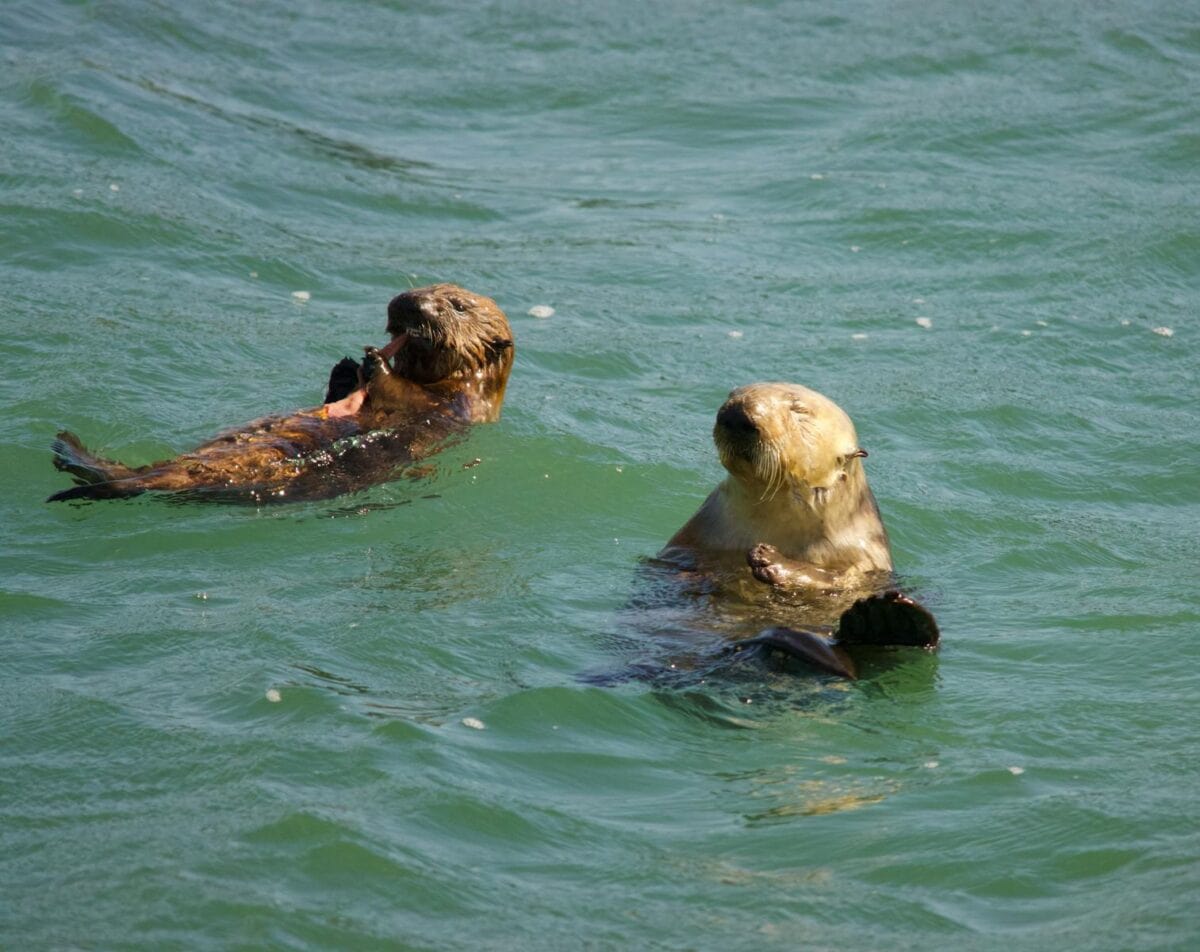
Sea otters are among the most charismatic marine tool users, with behaviors that demonstrate remarkable problem-solving abilities. These marine mammals are famous for using rocks as anvils to crack open shellfish, but recent research has revealed much more sophisticated aspects of this behavior. Individual otters often have preferred stones that they keep with them, storing them in loose skin pouches under their arms between foraging bouts—a primitive form of tool ownership previously thought to be exclusively human. Studies have shown that otters can distinguish between rocks of different weights and shapes, selecting those most appropriate for particular prey items. Some sea otters have even been observed using bottles or other human debris as substitute hammers when suitable rocks aren’t available, showing adaptability in their tool selection. Perhaps most impressively, this tool use appears to be culturally transmitted, with young otters learning the precise techniques from their mothers through years of observation and practice. This multi-generational knowledge transfer creates localized “cultures” of tool use techniques that vary between different sea otter populations.
6. Chimpanzees
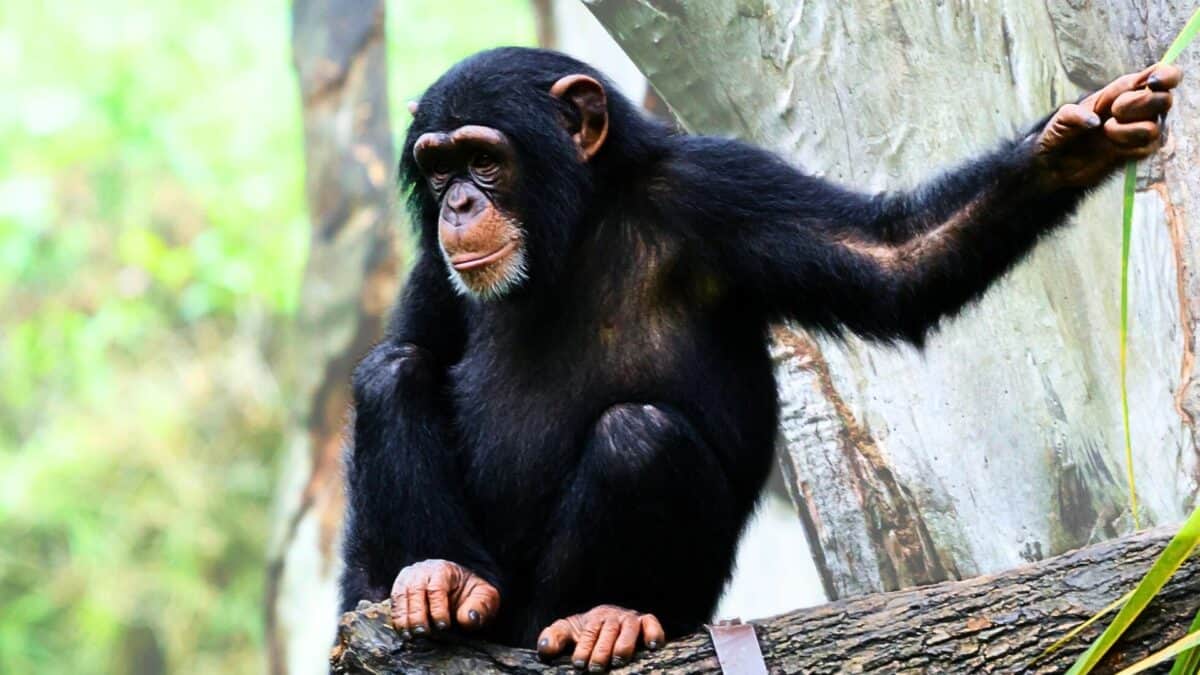
Chimpanzees display perhaps the most diverse and sophisticated tool use of any non-human animal, with capabilities that continue to expand as researchers observe more wild populations. Different chimpanzee communities have developed distinct tool-using traditions, essentially creating unique cultural practices across Africa. They craft fishing sticks precisely modified to extract termites from mounds, with some populations even creating “tool kits” with different implements for different stages of the process. In West Africa, chimps use stone hammers and anvils to crack nuts, with some individuals selecting specific stones and carrying them over considerable distances to productive nut trees. Recent research has documented chimps creating spears for hunting bushbabies, sharpening the ends with their teeth before thrusting them into tree hollows. Perhaps most surprisingly, some chimp communities have been observed using natural sponges made from chewed leaves to collect drinking water from tree hollows, and even creating leaf umbrellas during rainstorms. These diverse behaviors require sophisticated understanding of cause and effect, material properties, and in many cases, the transmission of knowledge across generations through teaching and learning.
5. Gorillas

While gorillas have historically been considered less adept tool users than other great apes, recent observations have dramatically changed our understanding of their capabilities. Wild gorillas have been documented using sticks to test water depth before crossing streams, essentially creating measuring tools that help them avoid dangerous situations. In another impressive display of tool use, gorillas have been observed using long branches as makeshift “ladders” to climb across difficult terrain or to access food sources. Some individuals use sticks to extract ants from nests or to gather herbs from stinging plants, demonstrating an understanding of tool-assisted food acquisition. In captivity, gorillas have shown even more extensive tool use, including using sticks to reach items outside their enclosures and, in one famous case, using a branch to check the depth of a moat. What makes these observations particularly significant is that gorillas have traditionally been viewed as primarily herbivorous animals with little need for complex extractive foraging techniques, suggesting their tool use may reflect general intelligence rather than just feeding adaptations.
4. Elephants

Elephants demonstrate remarkable tool-using abilities that showcase their problem-solving intelligence and dexterity despite their massive size. These giants have been observed modifying branches into fly switches, scratching sticks, and even reaching tools for accessing otherwise inaccessible food. In particularly impressive displays of ingenuity, some elephants in zoo settings have been documented moving large objects like logs to create stepping stools to reach food placed beyond their normal reach, demonstrating an understanding of cause and effect. Wild elephants in arid regions have been observed digging wells and then creating “plugs” from chewed bark to prevent the water from evaporating—effectively creating tools to conserve a critical resource. Asian elephants have been documented using branches to dislodge annoying parasites from their skin, carefully selecting tools of appropriate size and flexibility. Their trunk, with over 40,000 muscles and incredible sensitivity, gives elephants extraordinary precision in tool manipulation, allowing them to pick up objects as small as a grain of rice or as awkward as a large branch. What makes elephant tool use particularly significant is that it often occurs in social contexts, with younger elephants learning techniques through observation of their elders.
3. Archerfish
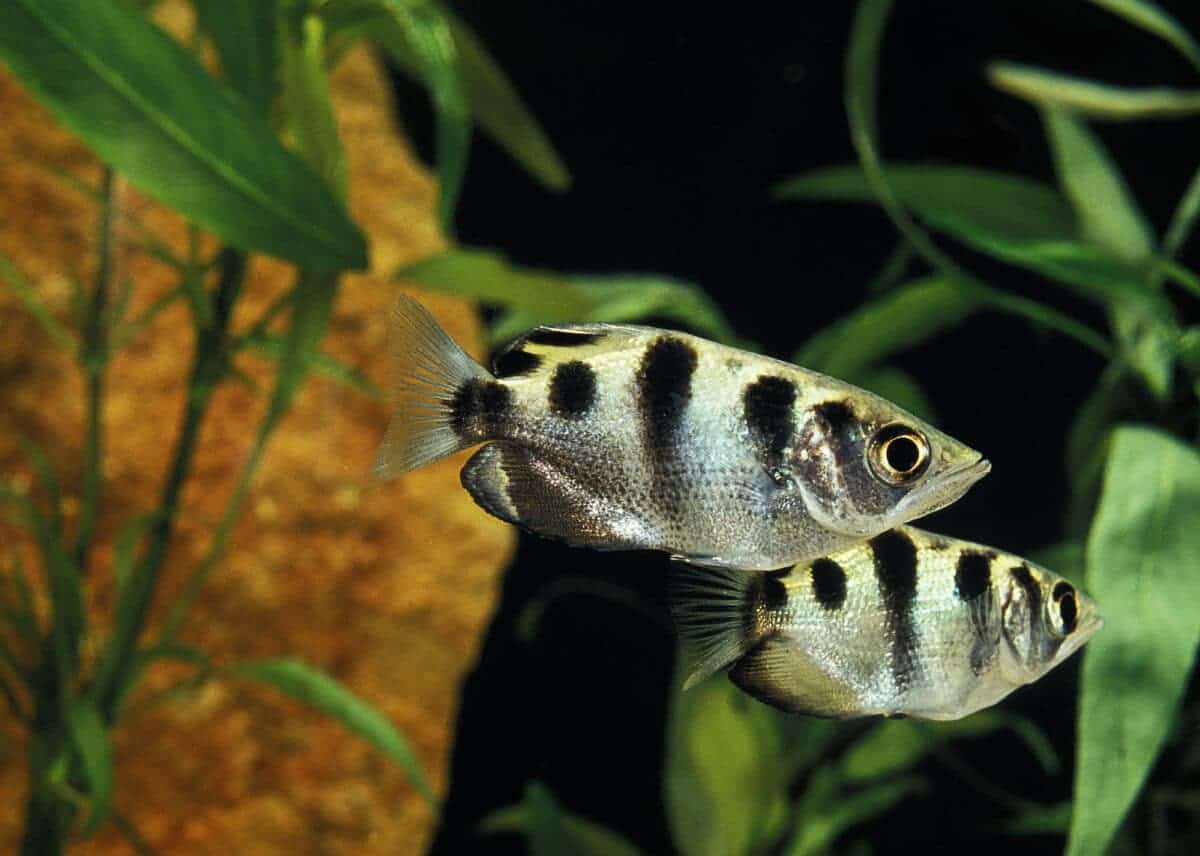
Archerfish represent one of the most remarkable examples of tool use in the animal kingdom, as they effectively weaponize water itself. These fish have specialized mouths that allow them to shoot precisely aimed jets of water at insects perched on vegetation above the water surface, knocking prey into the water where they can be consumed. What makes this behavior truly extraordinary is the physics involved—archerfish must compensate for light refraction at the water-air interface, essentially solving complex physics problems to aim accurately. Recent research has revealed that archerfish can learn to hit moving targets and can adjust the force of their water jets based on the size and distance of their prey, demonstrating remarkable calculation abilities. Young archerfish improve their shooting accuracy through observation of experienced individuals, suggesting a form of social learning previously unrecognized in fish. Perhaps most impressively, studies have shown that archerfish can recognize specific human faces, remembering which humans have previously provided food, indicating cognitive abilities far beyond what was previously attributed to fish. While different from conventional tool use, the archerfish’s water jets serve essentially the same purpose as throwing weapons used by humans—extending their body’s reach to affect distant objects.
2. Crocodilians

Recent observations have revealed surprising tool use in crocodilians that challenges our perception of these ancient reptiles as mere instinct-driven predators. Both crocodiles and alligators have been documented using sticks as bait to catch birds during nesting seasons, a behavior that demonstrates a sophisticated understanding of other animals’ behaviors and motivations. These reptiles deliberately position sticks on their snouts and partially submerge themselves near bird colonies. When birds approach to collect nesting material, the crocodilians strike with remarkable precision. This strategy requires patience, planning, and an understanding of cause and effect that was previously thought to be beyond reptilian cognition. What makes this behavior particularly impressive is that it appears to be seasonally specific, with crocodilians employing the technique primarily during bird nesting seasons, suggesting they understand the temporal patterns of their prey’s behavior. Some researchers have also observed younger crocodilians learning this technique through observation of adults, potentially indicating a form of cultural transmission previously unrecognized in reptiles. This discovery has prompted scientists to reconsider the cognitive capabilities of crocodilians, whose brains have been evolving alongside birds and mammals for over 200 million years.
1. Boxer Crabs
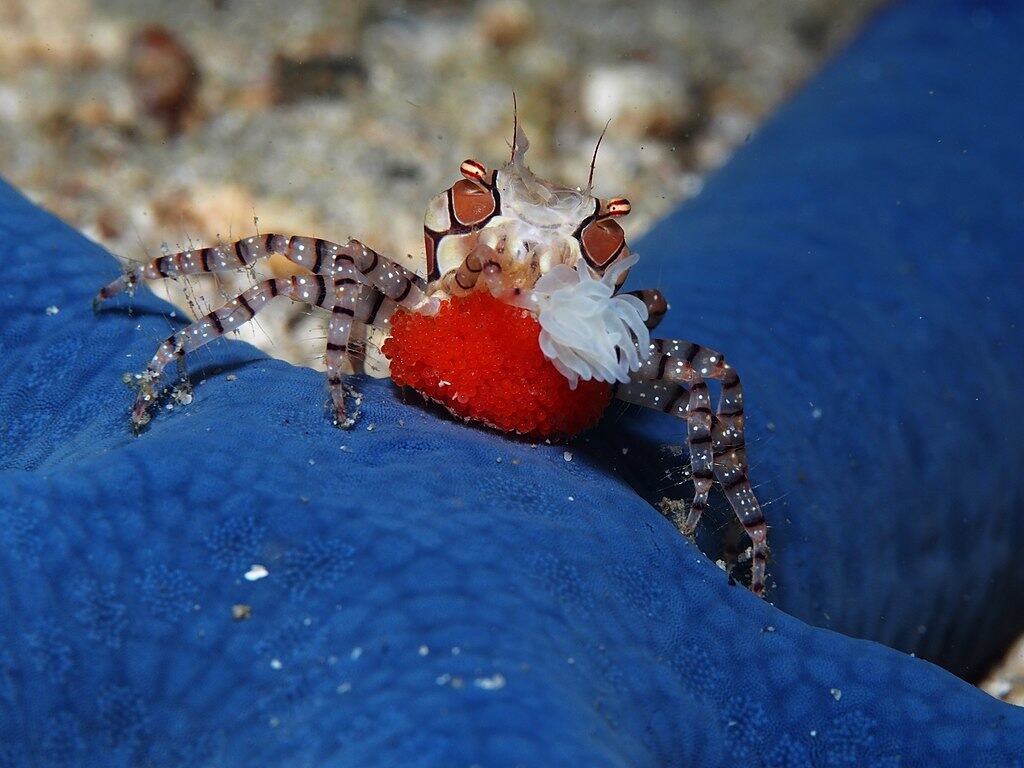
Boxer crabs (also known as pom-pom crabs) demonstrate one of the most unusual and sophisticated forms of tool use in the invertebrate world. These small crustaceans carry sea anemones in their claws, wielding them like living boxing gloves—hence their common name. While this might initially seem like simple object manipulation, closer observation reveals remarkable complexity. The crabs actively harvest and maintain these anemones, even splitting them to create matching pairs when necessary, effectively “farming” their tools. The anemones serve multiple functions: they provide defense through their stinging cells, help capture food particles with their tentacles, and may even provide camouflage. What makes this relationship particularly fascinating is that the crabs appear to understand the properties of their living tools, positioning the anemones to maximize their defensive capabilities when threatened. If a crab loses an anemone, it will actively search for a replacement or, remarkably, steal one from another boxer crab, demonstrating the value they place on these living tools. This relationship represents a unique intersection between tool use and symbiosis that challenges our definitions of both behaviors and reveals sophisticated cognitive abilities in these small invertebrates.
Conclusion:

The remarkable examples of tool use across the animal kingdom force us to reconsider our understanding of non-human intelligence and the cognitive abilities of diverse species. From the complex planning of New Caledonian crows to the living tools wielded by tiny boxer crabs, these behaviors reveal problem-solving capabilities that evolved independently across vastly different evolutionary lineages. What’s particularly significant is how many of these behaviors involve cultural transmission—knowledge passed between generations through observation and learning rather than through genetic inheritance. As research techniques advance and we observe more animals in their natural habitats, we continue to discover new examples of sophisticated tool use in unexpected species. These findings not only expand our appreciation for the cognitive abilities of our fellow creatures but also challenge us to consider what these shared capabilities mean for how we define human uniqueness and how we approach animal conservation and welfare.
Worried about unexpected vet bills?
Pet insurance can cover thousands in unexpected vet costs. Get a free quote from Lemonade in under 2 minutes.
Get My Free Quote →Sponsored · Opens Lemonade.com

As a little kid, I fell in love with nature, wildlife, and animals. Living in the USA, South Africa, Italy, China and Germany gave me the opportunity to discover the world's Wildlife. My favorite animals are Mountain Gorillas, Siberian Tigers, and Great White Sharks.
I'm a certified PADI Open Water Diver, went to Everest Base Camp and Trekked Gorillas in Uganda. I hold a Master of Science in Economics and Finance.
Please send any feedback to feedback@animalsaroundtheglobe.com
- 14 Incredible Ways Animals Outsmart Humans in the Wild - June 11, 2026
- 12 Wild Animal Misconceptions We Got from Movies - June 11, 2026
- 12 Species That Have Not Changed in Millions of Years - June 11, 2026