

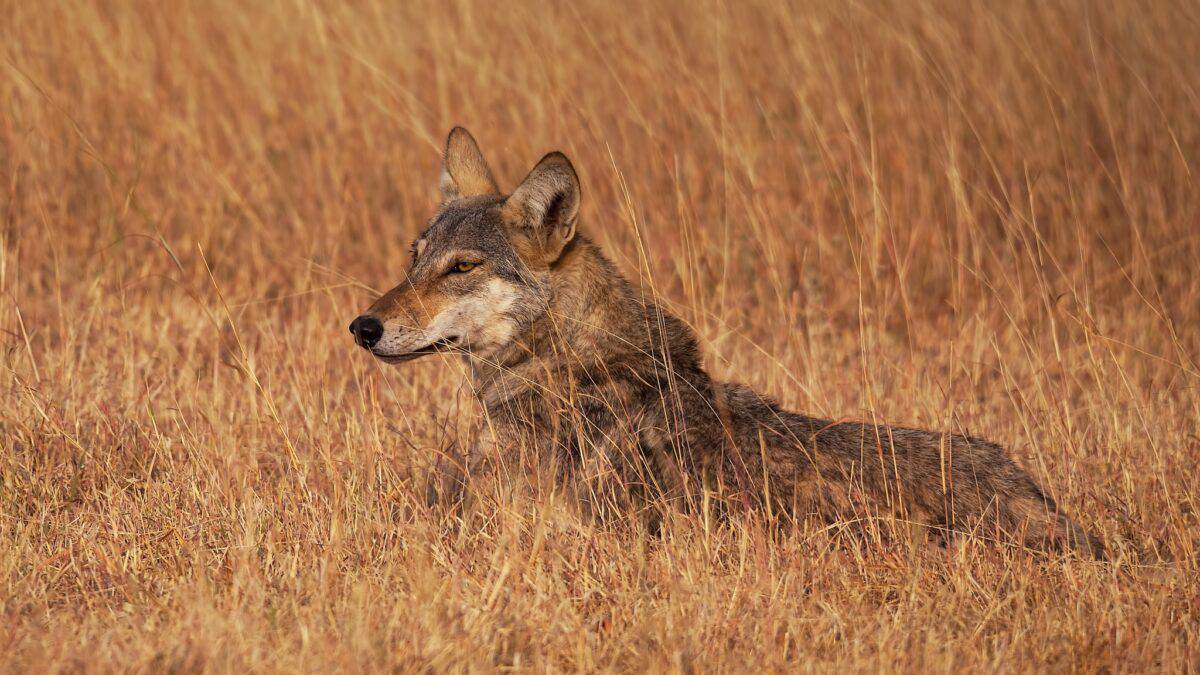
The great outdoors offers remarkable opportunities to observe wildlife in their natural habitats. However, not all animal encounters are safe for humans or beneficial for the animals themselves. Understanding which creatures deserve a respectful distance and which might tolerate closer observation can mean the difference between a magical wildlife experience and a dangerous situation. This comprehensive guide explores 12 animals you should absolutely avoid approaching in their natural environment, along with 8 species that typically pose minimal risk to careful observers. Whether you’re hiking through national parks, exploring tropical destinations, or simply venturing into your local woodland, this knowledge will help you interact with wildlife in ways that keep both you and the animals safe.
Animals to Avoid: Moose
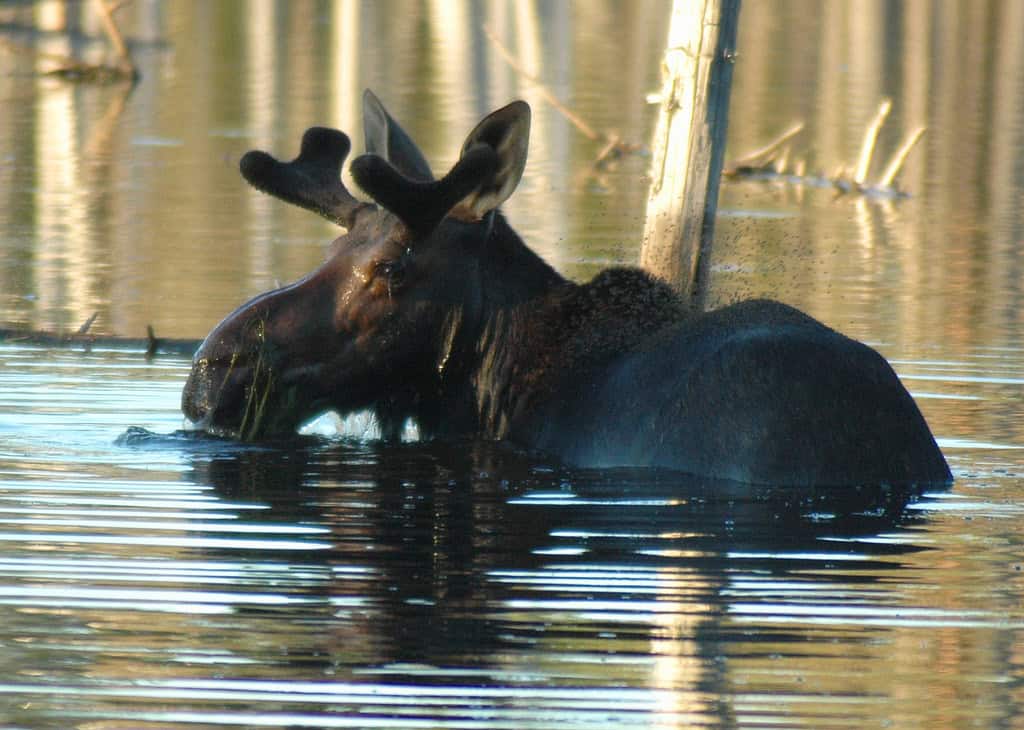
Despite their seemingly gentle, plodding demeanor, moose are among North America’s most dangerous wild animals. Standing up to 7 feet tall at the shoulder and weighing up to 1,500 pounds, these massive members of the deer family possess both the size and temperament to be lethal when provoked. Moose are particularly dangerous during two critical periods: rutting season (September to October) when males become aggressive in competition for mates, and calving season (May to June) when mothers fiercely protect their young.
Wildlife experts recommend maintaining at least 50 yards (150 feet) distance from moose. Unlike predators that typically give warning signs before attacking, moose may charge with little to no provocation or warning. Their powerful kicks can easily break bones or cause fatal injuries. If you encounter a moose that lays its ears back, stops feeding, or turns to face you directly, these are urgent warning signs to slowly back away. Never position yourself between a mother and her calf, and if a moose charges, run and place a large object like a tree between yourself and the animal.
Animals to Avoid: Hippopotamus
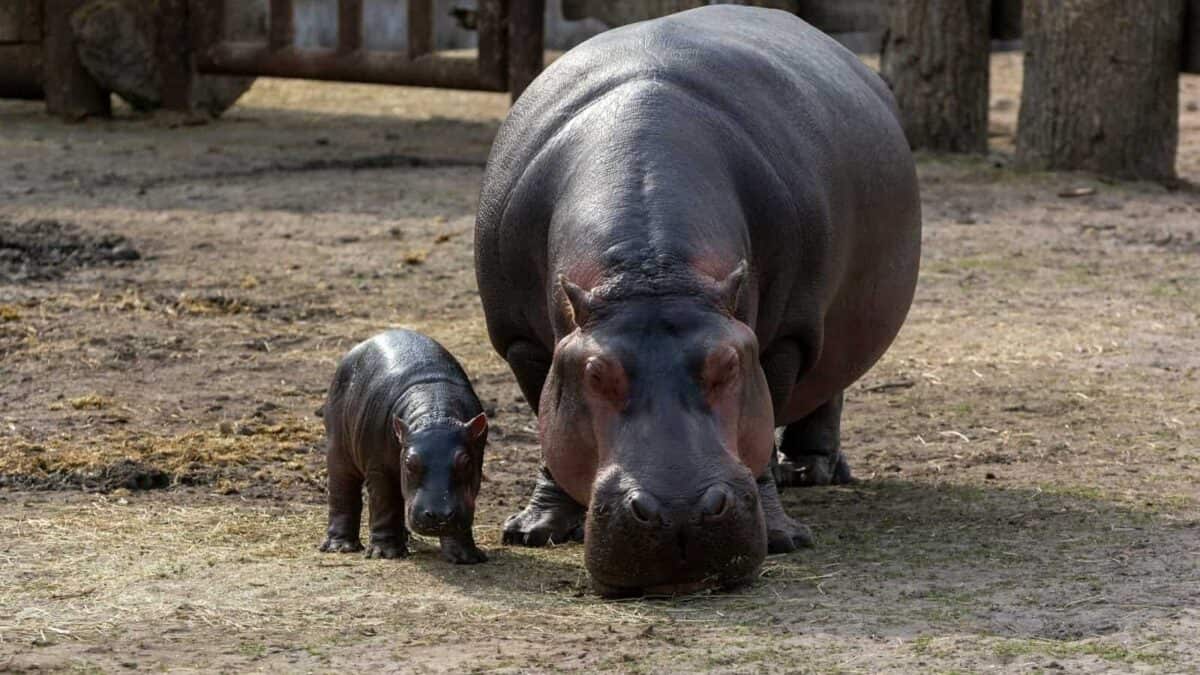
Hippos may appear docile as they lazily float in rivers and lakes, but they are consistently ranked among Africa’s deadliest animals, responsible for an estimated 500 human deaths annually. These semi-aquatic mammals can weigh up to 9,900 pounds and, despite their bulky appearance, can charge at speeds up to 20 mph on land. Their massive jaws can open to 180 degrees, revealing canine tusks that can grow up to 20 inches long and are capable of slicing through small boats or inflicting catastrophic wounds on humans.
Hippos are fiercely territorial in water and become particularly aggressive when they feel their young are threatened. They provide few warning signs before attacking and may pursue threats on land or in water. Tourists on African safaris should always observe hippos from tour vehicles at a safe distance, never approach water bodies in hippo territory on foot, and follow the strict guidance of experienced guides. Local communities living near hippo habitats understand the golden rule: always give these unpredictable giants a wide berth, especially between dusk and dawn when hippos typically leave the water to feed.
Animals to Avoid: Bison
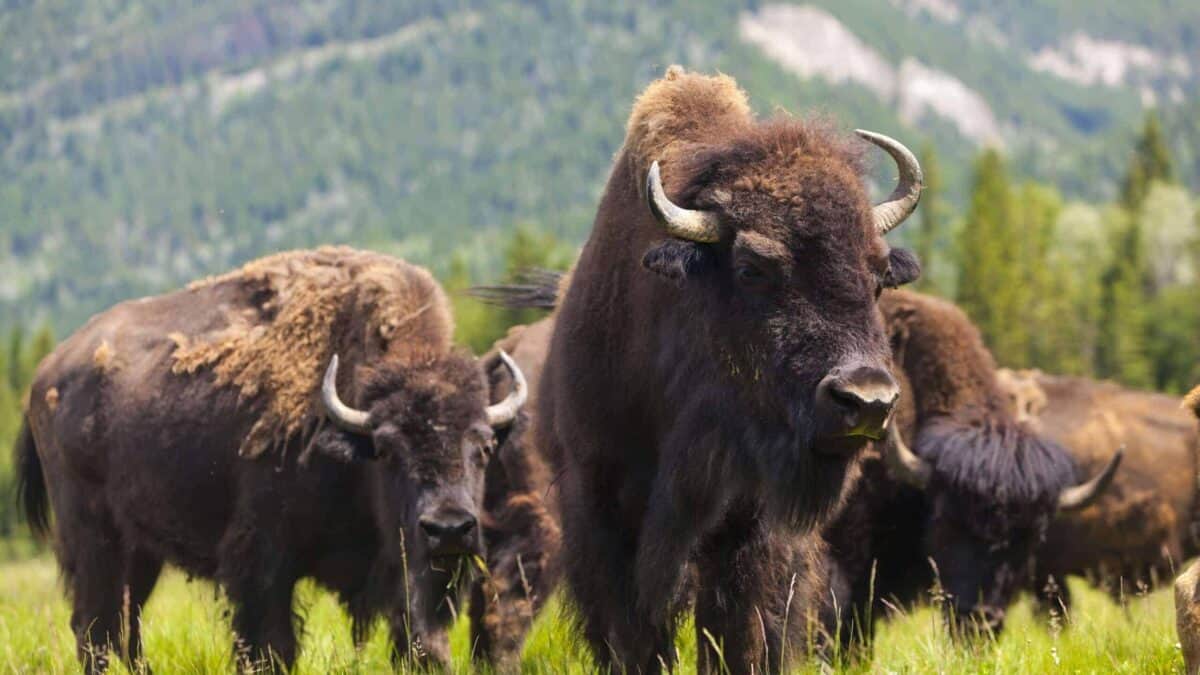
Bison, the largest land mammals in North America, combine tremendous power with surprising speed, making them particularly dangerous to unwary park visitors. Adult males can weigh up to 2,000 pounds and stand 6 feet tall at the shoulder. Despite their massive size, bison can sprint at 35 mph—three times faster than the average human—and can pivot with remarkable agility. Each year, bison injure more visitors in Yellowstone National Park than any other animal, primarily because tourists underestimate their speed and irritability.
National Park Service guidelines recommend staying at least 25 yards (75 feet) away from bison at all times. Warning signs that a bison is agitated include tail raising, pawing the ground, head shaking, and snorting. These seemingly docile animals can become aggressive with little provocation, especially during mating season (July-August) or when calves are present (April-June). If a bison approaches you, do not run immediately as this may trigger a chase response; instead, slowly back away while maintaining awareness of your surroundings, seeking barriers like vehicles or large trees if available.
Animals to Avoid: Polar Bears
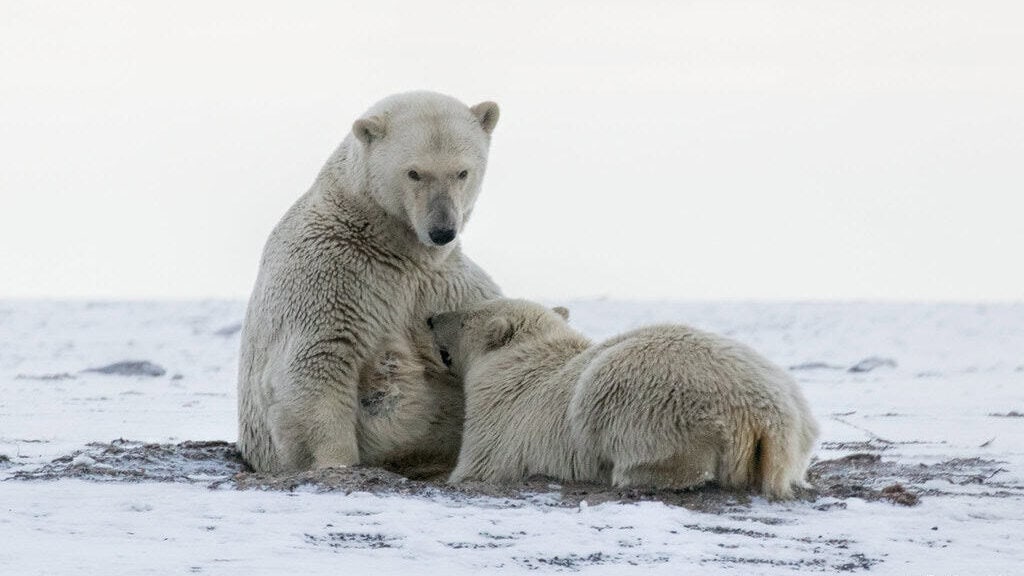
Polar bears stand among the few animals that will actively hunt humans as prey. As the largest land carnivores on earth, adult males can weigh over 1,500 pounds and stand 10 feet tall on their hind legs. Unlike many other bear species that may attack defensively, polar bears—particularly hungry ones—may view humans as a potential food source. Their Arctic environment, with scarce resources, has evolved them into efficient predators with tremendous strength and persistence in pursuit of food.
Anyone traveling in polar bear country should do so only with experienced guides and appropriate safety measures, including bear deterrents. Experts recommend maintaining vigilant bear watches in camp areas and traveling in groups. The traditional warning signs that work with other bears (making noise to avoid surprising them) may actually attract curious polar bears. Communities in polar bear territories often employ bear patrols and warning systems. Climate change has exacerbated dangerous human-polar bear interactions as diminishing sea ice forces bears to spend more time on land, increasing the likelihood of encounters with humans in coastal areas.
Animals to Avoid: Cape Buffalo

The Cape buffalo has earned its reputation as one of Africa’s “Big Five” dangerous game animals through its unpredictable temperament and remarkable capacity for vengeance. Weighing up to 1,900 pounds with massive horns that form a protective “boss” across their foreheads, these bovines are responsible for more hunter deaths in Africa than any other large animal. What makes Cape buffalo particularly dangerous is their herd mentality—when one buffalo is threatened, the entire herd may respond with a coordinated attack, and wounded buffalo are known to circle back to ambush their pursuers.
Unlike some dangerous animals that attack only when provoked or threatened, Cape buffalo have been observed demonstrating what appears to be calculated aggression, sometimes stalking and ambushing perceived threats. They are especially dangerous when wounded, old, or solitary (often called “dugga boys”). Safari guides recommend observing these animals only from vehicles at a safe distance, never approaching on foot without professional armed guides, and being particularly cautious near water holes where buffalo gather in the heat of the day. Their ability to hide in thick brush despite their size makes them even more dangerous in bushy terrain.
Animals to Avoid: Saltwater Crocodiles
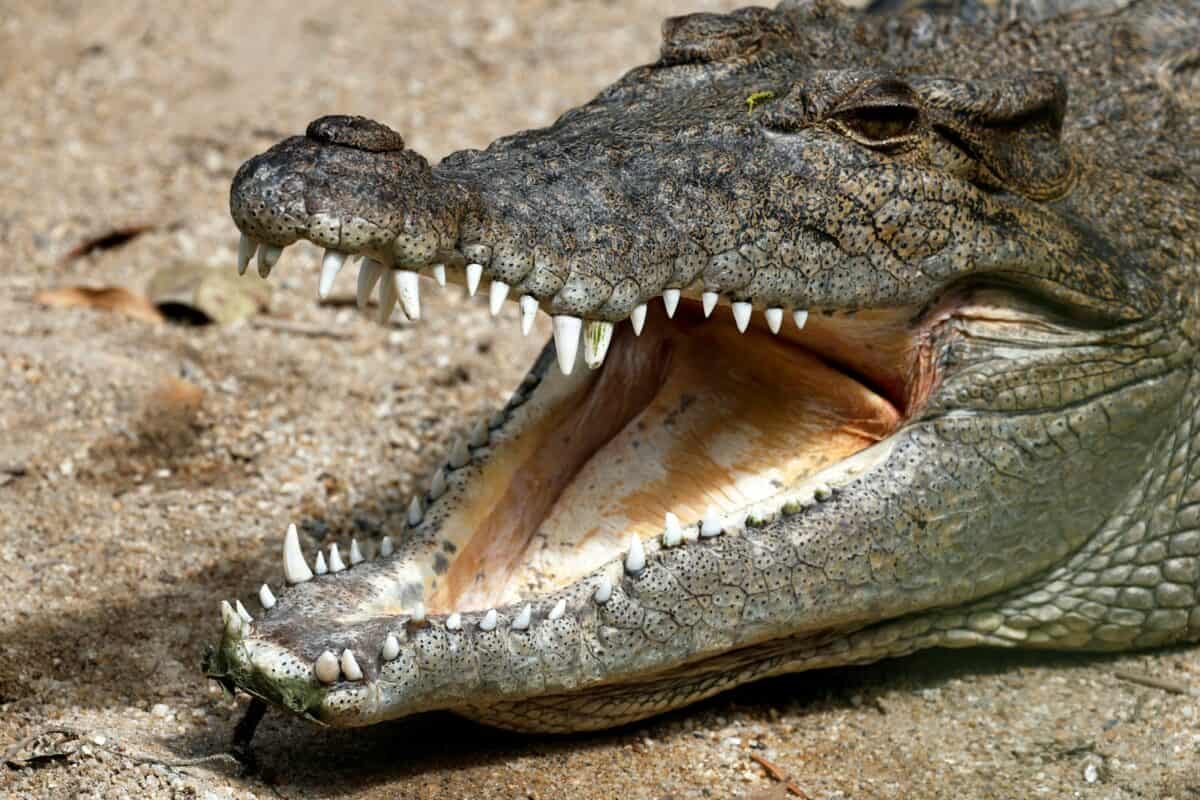
Saltwater crocodiles represent the pinnacle of reptilian predatory evolution and are responsible for numerous fatal attacks on humans annually across their range from Australia to India. Growing up to 23 feet long and weighing over 2,200 pounds, “salties” possess the strongest bite force of any animal alive today—measuring up to 3,700 pounds per square inch. These ancient predators are particularly dangerous because of their intelligence, patience, and hunting strategy: they remain nearly invisible at the water’s edge before exploding into action with extraordinary speed, capable of lunging at prey faster than humans can react.
Safety around saltwater crocodile habitat requires extreme vigilance. Never swim in waters that might contain crocodiles, stay at least 15 feet from water edges in crocodile country, avoid routinely visiting the same water spot at predictable times (as crocodiles learn patterns), and camp at least 50 meters from any water body in crocodile territory. Australian authorities warn that absence of warning signs does not indicate safe waters, and many attacks occur in areas where victims believed crocodiles were not present. Unlike alligators, saltwater crocodiles are known to actively stalk and hunt humans, making them one of the few animals that regularly view people as prey.
Animals to Avoid: Cassowary
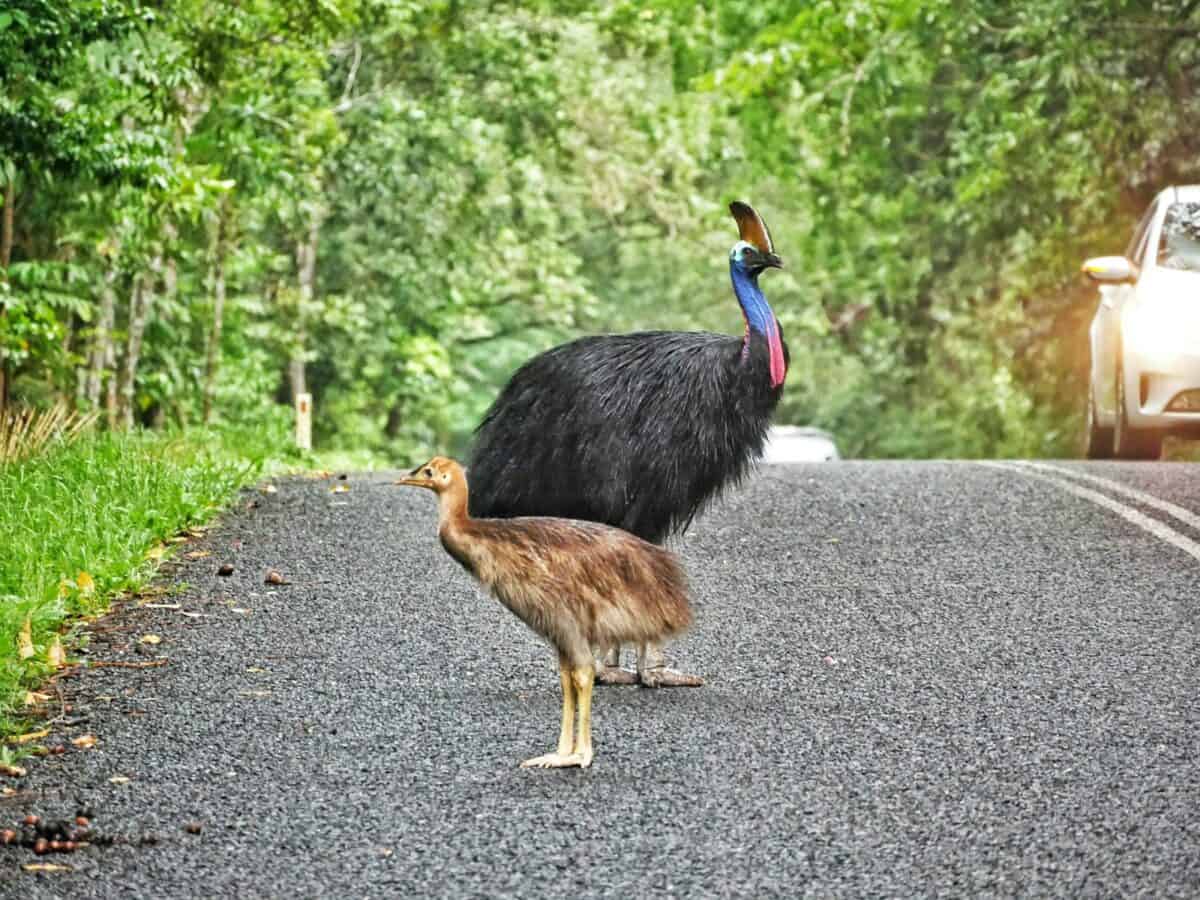
Often called the world’s most dangerous bird, the cassowary combines prehistoric appearance with genuinely lethal capability. Standing up to 6.5 feet tall and weighing up to 130 pounds, these flightless birds native to northern Australia and New Guinea possess 5-inch dagger-like claws on their inner toes that they can use with devastating effect. When threatened, cassowaries can deliver powerful kicks capable of disemboweling predators (or humans). Their territorial nature and unpredictable temperament have resulted in serious human injuries and even fatalities, earning them recognition from the Guinness Book of World Records as the world’s most dangerous bird.
Wildlife authorities recommend staying at least 30 feet away from cassowaries in the wild. These birds can run at speeds of up to 31 mph and jump nearly 7 feet high, making escape difficult if they decide to attack. Never approach cassowaries, especially during breeding season or when chicks are present (when male cassowaries, who raise the young, are particularly aggressive). Feeding cassowaries is strictly prohibited as it habituates them to humans and increases attack likelihood. If you encounter a cassowary, back away slowly, keep children close, and use a backpack or other object as a shield if charged. Their striking blue and red coloration may be beautiful, but it serves as nature’s warning sign to keep your distance.
Animals to Avoid: Wolverine
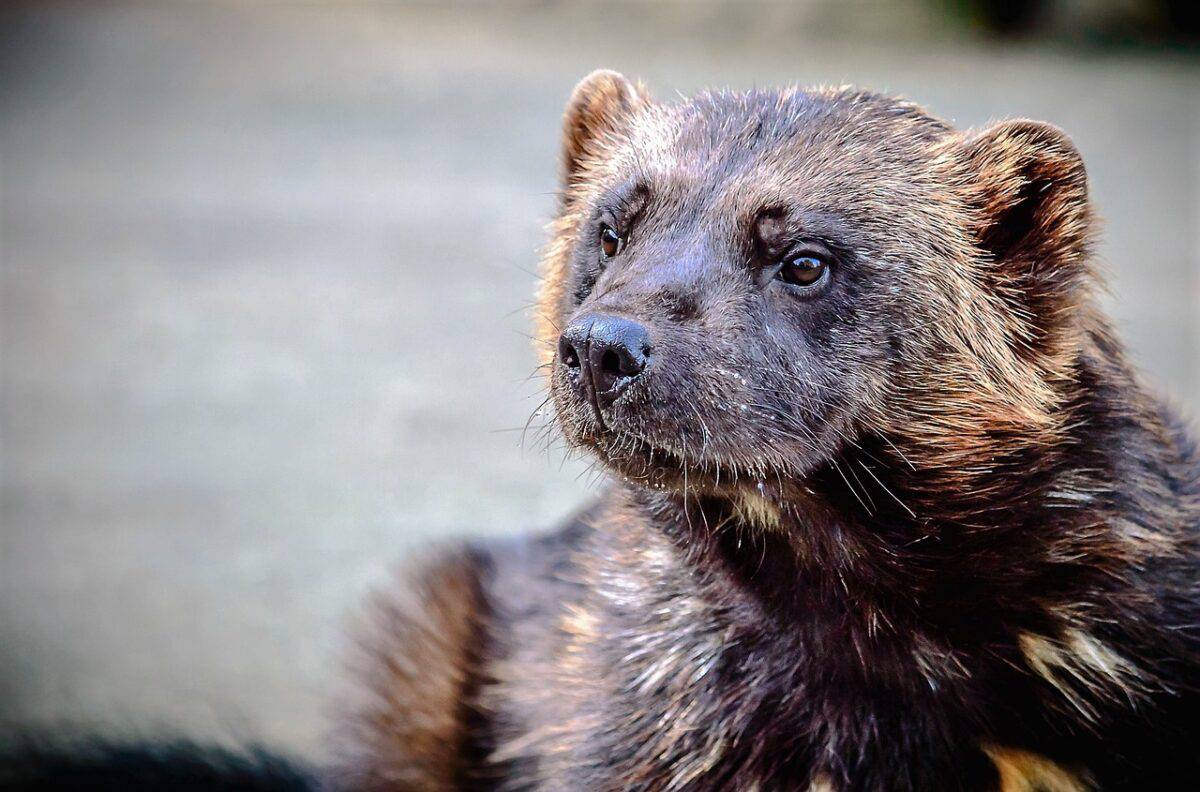
The wolverine may not be large—typically weighing between 20-40 pounds—but pound for pound, it’s one of the most formidable predators in North America. These stocky members of the weasel family possess remarkable strength, able to bring down prey many times their size and even drive bears and wolves away from kills. Their reputation for ferocity is well-earned; wolverines have specialized molars for crushing frozen meat and bone, and powerful jaws that can bite through thick hide and even metal (they’ve been known to chew through aluminum traps). Their fearlessness is legendary among wilderness enthusiasts and researchers alike.
Though wolverine attacks on humans are extremely rare due to their naturally reclusive nature and increasingly limited range, wildlife biologists strongly advise against approaching them under any circumstances. Wolverines have no fear of humans and will aggressively defend food caches, territory, or young. Their unpredictable temperament means even experienced handlers in wildlife rehabilitation settings maintain extreme caution. Fortunately, most hikers and outdoor enthusiasts in wolverine country never see these elusive creatures, as wolverines typically detect and avoid humans long before being spotted. If you’re lucky enough to observe one from a distance, consider it a rare privilege but maintain significant distance.
Animals to Avoid: Box Jellyfish

The box jellyfish represents one of the ocean’s most lethal inhabitants, responsible for more human deaths in Australia than sharks, saltwater crocodiles, and snakes combined. These nearly transparent predators possess up to 60 tentacles that can extend 10 feet, each containing millions of microscopic cnidocysts (stinging cells) that inject powerful venom on contact. The venom of certain box jellyfish species, particularly the Australian Chironex fleckeri, is among the most potent in the animal kingdom, capable of killing a human within minutes by causing cardiovascular collapse. What makes box jellyfish particularly dangerous is their active hunting behavior—unlike most jellyfish that drift passively, box jellyfish can swim at speeds up to 4 mph and actively pursue prey.
Prevention is critical when swimming in box jellyfish habitats, which include the coastal waters of northern Australia, the Philippines, and parts of the Indo-Pacific. Always observe jellyfish warnings at beaches, swim only in netted areas during jellyfish season, wear protective clothing like “stinger suits,” and carry vinegar (which deactivates unfired stinging cells) when in high-risk areas. If stung, immediately flood the area with vinegar, carefully remove tentacles using a stick or tweezers (never bare hands), seek emergency medical help, and be prepared to administer CPR as respiratory and cardiac arrest can occur within minutes. Unlike the temporary discomfort from common jellyfish stings, box jellyfish envenomation requires urgent medical intervention.
Animals to Avoid: Leopard
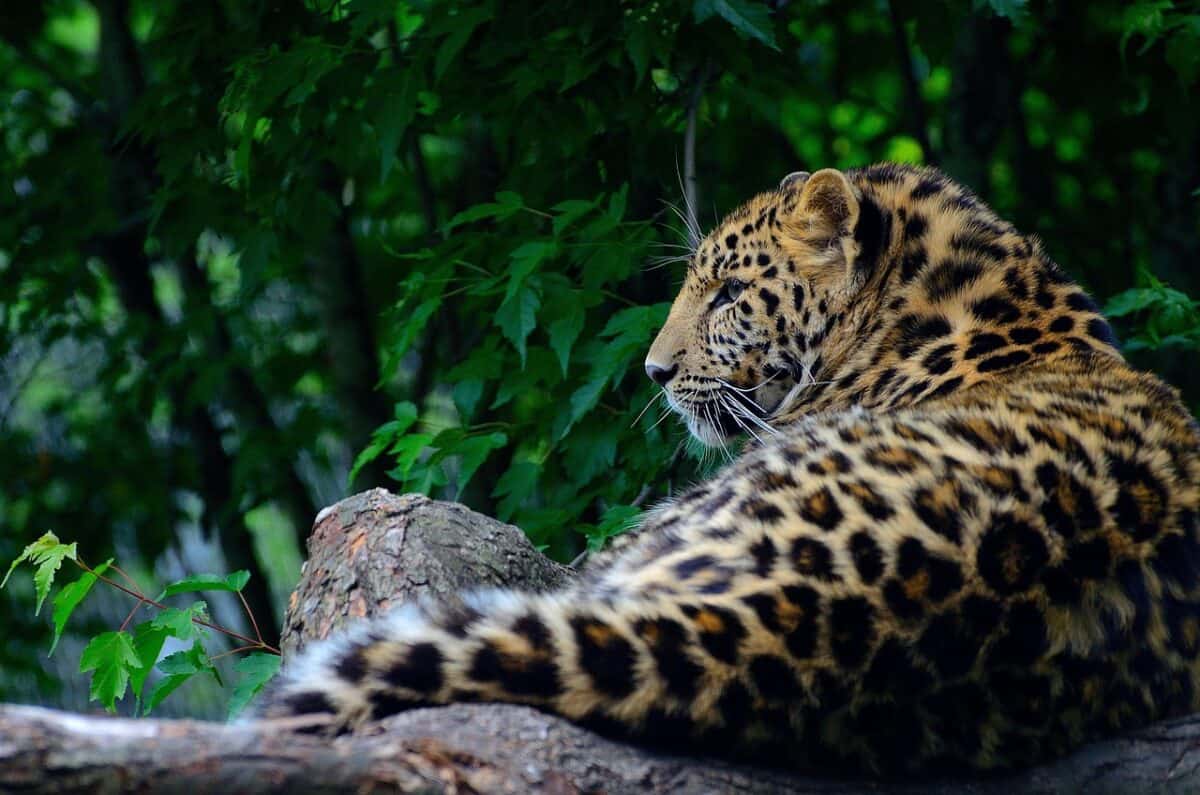
Among the big cats, leopards may not be the largest, but they are widely considered the most dangerous to humans due to their adaptability, stealth, and boldness. Weighing between 80-200 pounds, leopards possess extraordinary strength relative to their size, routinely hauling prey weighing twice their body weight up trees. What makes leopards particularly dangerous is their comfort living in proximity to human settlements and their occasional habit of viewing humans as prey. Unlike lions or tigers that typically avoid dense human habitation, leopards readily adapt to urban peripheries and agricultural landscapes, increasing potential conflict.
Leopard attacks often occur at night or during crepuscular hours when these ambush predators have the advantage. They are masters of stealth, capable of approaching undetected before launching lightning-fast attacks targeting the neck and throat. In areas with known leopard populations, wildlife officials recommend avoiding walking alone at night, securing livestock in predator-proof enclosures, keeping children supervised during dawn and dusk hours, and maintaining vigilance in areas with dense vegetation near settlements. Unlike some predators that may give warning signals before attacking, leopards typically strike without warning from concealment, making prevention through awareness of your surroundings the primary defense. Their adaptability and intelligence make them particularly dangerous, as they learn patterns and may return to areas where they’ve successfully hunted before.
Animals to Avoid: Komodo Dragon

The Komodo dragon, the world’s largest lizard, combines multiple lethal attributes that make it one of the planet’s most effective predators and extremely dangerous to humans. Growing up to 10 feet long and weighing over 300 pounds, these ancient reptiles possess powerful limbs tipped with razor-sharp claws, a flexible neck for lunging attacks, and serrated teeth that can tear huge chunks of flesh. Their saliva harbors numerous toxic bacteria and venom glands that prevent blood clotting and induce shock in prey. Even a single bite can prove fatal without prompt medical intervention, as the venom causes rapid blood pressure drop, internal bleeding, paralysis, and prevents wound healing.
Visitors to Komodo National Park in Indonesia must always be accompanied by trained rangers carrying forked sticks to redirect potential dragon attacks. Even with these precautions, dragons have occasionally stalked and attacked humans. These reptiles are surprisingly fast, capable of short bursts up to 12 mph, and are excellent swimmers. They employ ambush tactics and have remarkable patience, sometimes stalking prey for hours. Their acute sense of smell can detect blood or carrion from miles away. Park authorities enforce strict protocols: maintaining at least 15 feet distance, never approaching dragons while they’re feeding, avoiding female dragons during nesting season, and never wandering alone in dragon territory. Unlike many predators that avoid humans, Komodo dragons have been known to actively hunt people, particularly children or solitary adults.
Animals to Avoid: Hyenas
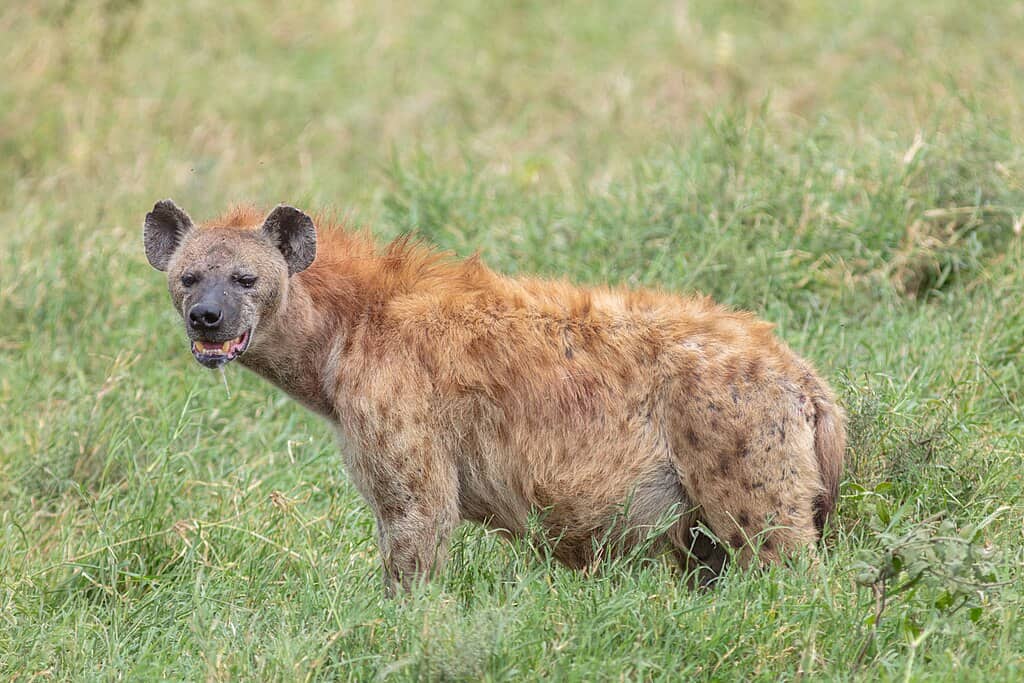
Despite their portrayal in popular culture as mere scavengers, hyenas—particularly spotted hyenas—are formidable predators responsible for numerous human attacks across their range in Africa. With the strongest jaws in the mammal world (capable of generating 1,100 pounds of pressure per square inch), hyenas can easily crush bones and tear through the toughest hides. An adult spotted hyena weighs between 110-190 pounds and possesses remarkable intelligence, complex social structures, and coordinated hunting tactics that make them particularly dangerous, especially when hunting in groups called clans. They’re capable of taking down prey much larger than themselves through teamwork and endurance.
Hyena attacks on humans typically occur in areas where natural prey has been depleted or where people sleep outdoors in unprotected areas. They are bold enough to enter camps and villages, particularly during droughts or food shortages. In parts of Africa where human-hyena conflict is common, communities employ multiple protection strategies: elevated sleeping platforms, thorn brush barriers around settlements, bright lights, and noise deterrents. If encountering hyenas in the wild, experts recommend standing tall, making yourself appear larger, maintaining eye contact, backing away slowly but confidently, and using any available noise makers to appear threatening. Unlike some predators that attack only when cornered, hyenas may test potential prey through strategic approaches, making consistent boundary-setting crucial during encounters.
Conclusion: Admire from Afar—For Their Safety and Yours
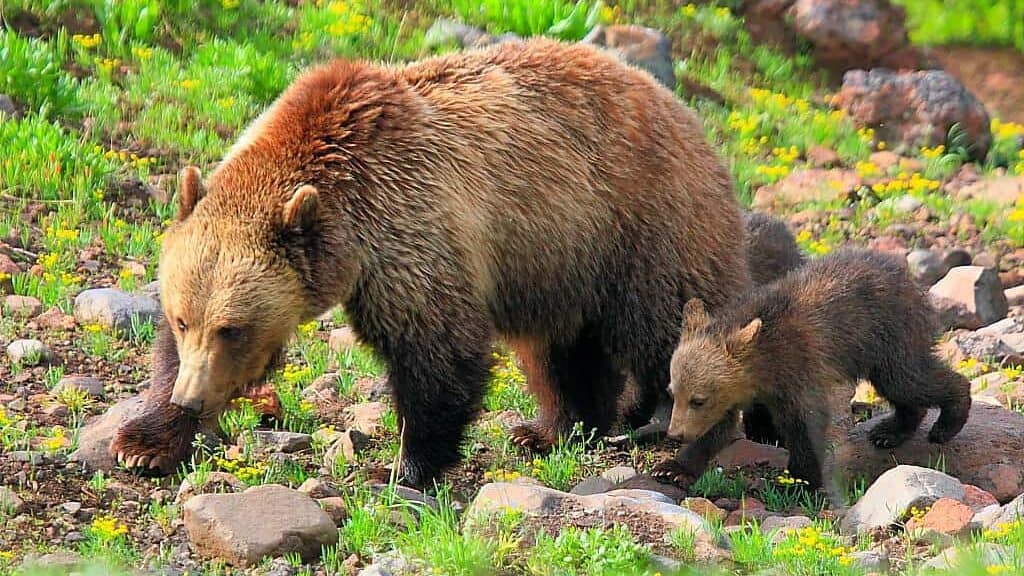
The wild is home to some of Earth’s most awe-inspiring creatures—but no matter how majestic, cute, or calm they may seem, certain animals should never be approached. From large predators like bears and mountain lions to deceptively docile-looking creatures like moose or bison, many animals are unpredictable and can become dangerous in an instant when they feel threatened or cornered. Even smaller creatures—like venomous snakes or protective mother animals—deserve a wide berth.
Respecting wildlife means understanding that these animals are not pets, photo ops, or attractions—they are living beings with instincts and boundaries that we must honor. Keeping your distance not only protects you, but it also prevents stress and potential harm to the animals themselves. The safest and most respectful encounters are those made with binoculars, patience, and a sense of humility. In the wild, the best rule to follow is simple: if it’s wild, let it stay that way.

From exploring the marine wonders in the Azores and witnessing the vast savannas of Kenya, to delving deep into the rich biodiversity of South Africa and traversing iconic landscapes in Australia and the US like Yellowstone, Chris's experiences are vast.
With a penchant for diving alongside sharks, the ocean holds a special place in his heart.
Through his academic insights, he champions wildlife conservation, striving with 'Animals Around The Globe' to cultivate a profound connection between humans and animals, enhancing our mutual appreciation.
Connect with him at Feedback@animalsaroundtheglobe.com.
- Why Spiders Don’t Get Stuck in Their Own Webs - July 20, 2026
- What Scientists Found in a 10,000-Year-Old Beehive - July 20, 2026
- This Spider Builds Fake Decoys of Itself - July 20, 2026