


In the scorching heat of the Australian outback, red kangaroos have developed a fascinating and effective cooling strategy that might seem unusual to human observers: they lick their forearms extensively during hot weather. This behavior isn’t random or merely for grooming purposes—it’s a sophisticated thermoregulation mechanism that helps these iconic marsupials survive in one of Earth’s harshest environments. The practice of forearm licking represents an evolutionary adaptation that showcases the incredible ways animals respond to environmental challenges. Let’s explore this remarkable cooling strategy and understand how it works to keep red kangaroos comfortable when temperatures soar.
The Red Kangaroo: Australia’s Iconic Marsupial
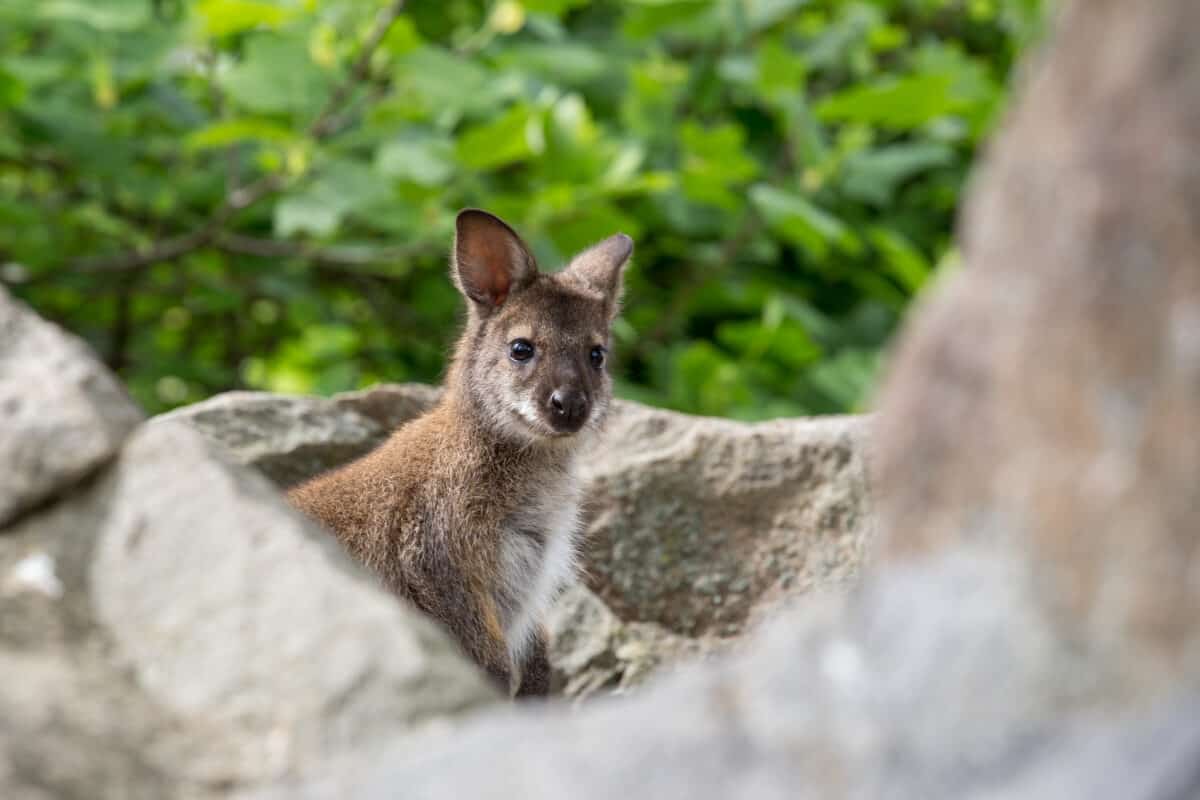
The red kangaroo (Osphranter rufus, formerly Macropus rufus) stands as the largest living marsupial on Earth. Males can reach impressive heights of up to 2 meters (6.6 feet) and weigh as much as 90 kg (200 pounds), while females are considerably smaller at about 40 kg (88 pounds). Their name comes from the reddish-brown fur of males, though females typically display a blue-gray coat.
These powerful creatures inhabit much of Australia’s interior, thriving in arid and semi-arid zones where temperatures regularly exceed 40°C (104°F) during summer months. Their remarkable adaptations to these harsh conditions include the ability to go without water for extended periods and, crucially, several specialized cooling mechanisms that prevent dangerous overheating.
The Challenge of Heat in the Australian Outback

The Australian outback presents a formidable thermal challenge to its inhabitants. Summer temperatures routinely reach 45°C (113°F) in shade, while ground surface temperatures can soar to a blistering 70°C (158°F). For large mammals like red kangaroos, this extreme heat poses a significant risk of hyperthermia—a potentially fatal condition where body temperature rises to dangerous levels.
Unlike humans, kangaroos cannot sweat across their entire body surface to cool down. The thermal challenge is further compounded by the kangaroos’ size (larger bodies retain more heat) and their active lifestyle, which generates additional internal heat. Without effective cooling strategies, these marsupials simply couldn’t survive in their native habitat, making their thermal adaptations crucial evolutionary developments.
Understanding Thermoregulation in Mammals

Mammals maintain a relatively constant internal body temperature regardless of environmental conditions—a process known as thermoregulation. When ambient temperatures rise, mammals typically employ several mechanisms to shed excess heat. These include sweating, panting, seeking shade, reducing activity, and increasing blood flow to the skin.
Most mammals sweat through specialized glands distributed across their bodies, but kangaroos have limited sweat glands, primarily located on their forearms. This anatomical peculiarity has shaped their cooling behaviors. The thermoregulatory goal remains constant: transfer excess heat from the body’s core to the environment. The forearm-licking behavior of red kangaroos represents a specialized adaptation to achieve this heat transfer efficiently in their challenging environment.
The Science Behind Forearm Licking
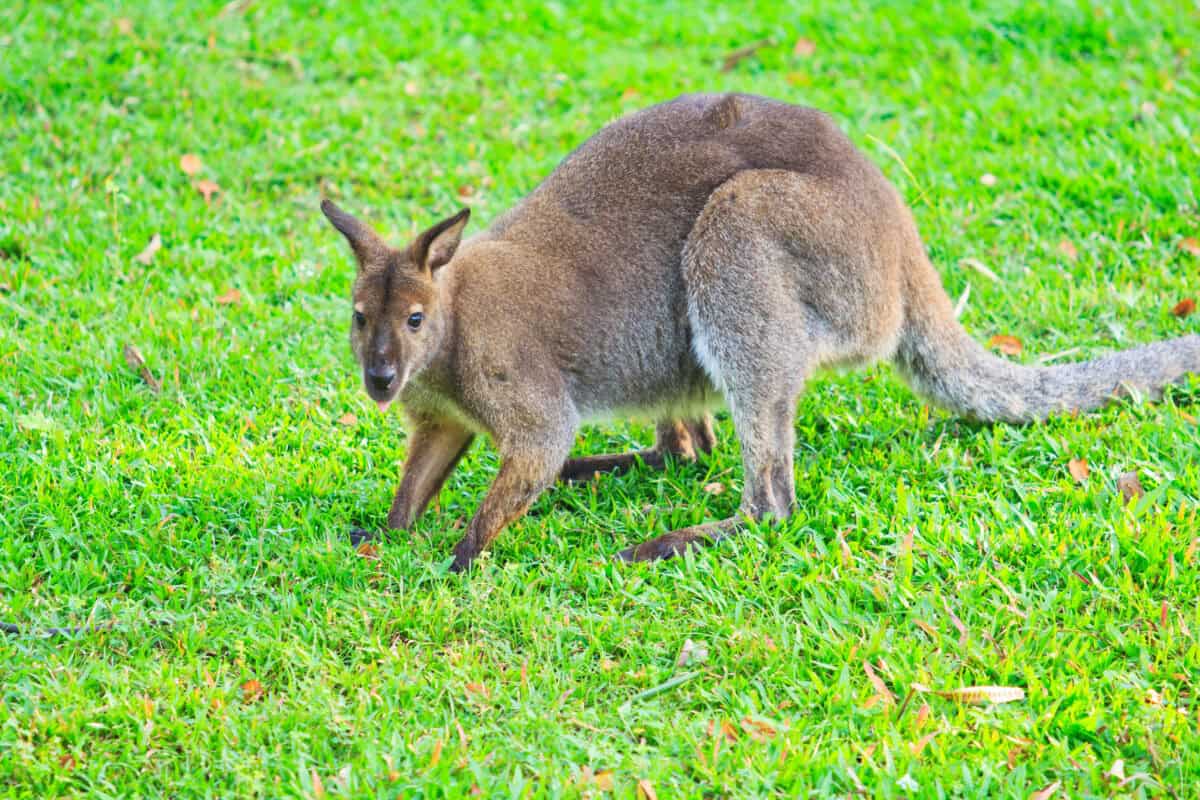
The forearm-licking behavior operates on a simple but effective principle: evaporative cooling. When a kangaroo licks its forearms, it coats them with saliva. As this moisture evaporates, it draws heat energy from the skin surface, creating a cooling effect. What makes this strategy particularly effective is the anatomy of the kangaroo’s forearms, which contain a dense network of blood vessels close to the skin surface.
As blood flows through these vessels, heat transfers from the blood to the cooler skin surface. The cooled blood then returns to the body’s core, gradually reducing overall body temperature. Scientists have observed that during extreme heat, red kangaroos may spend up to 40% of their time engaged in this cooling behavior, demonstrating its importance to their thermal regulation.
The Role of Blood Vessels and Vasodilation
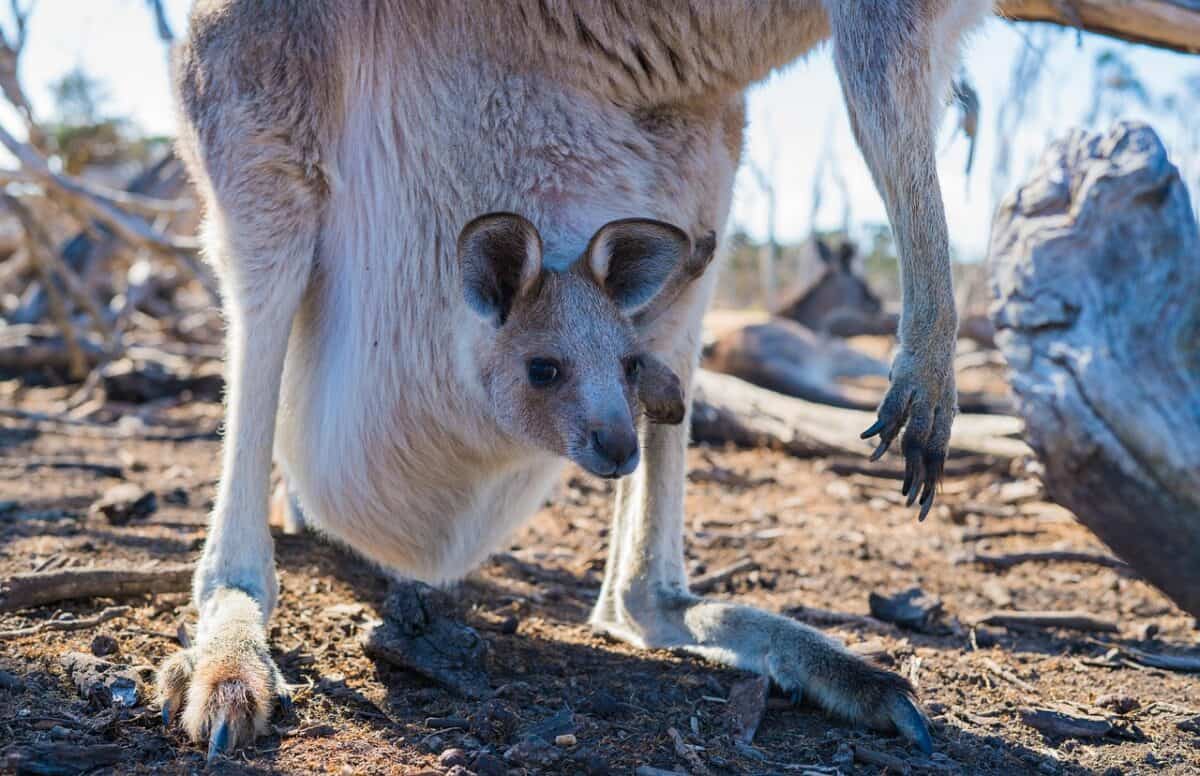
The effectiveness of forearm licking hinges on a physiological process called vasodilation—the widening of blood vessels. When a red kangaroo gets hot, blood vessels in its forearms dilate significantly, increasing blood flow to these areas by up to 300%. This vasodilation brings more warm blood from the core to the surface where it can be cooled.
Researchers using thermal imaging have documented that forearm temperatures can drop by 5-8°C (9-14°F) after licking episodes. The forearms essentially function as radiators, with their extensive vascular network optimized for heat exchange. This system is so efficient that some researchers estimate a kangaroo can dissipate up to 30% of its excess body heat through forearm cooling alone—a remarkable feat of evolutionary engineering.
Anatomical Adaptations Supporting This Behavior
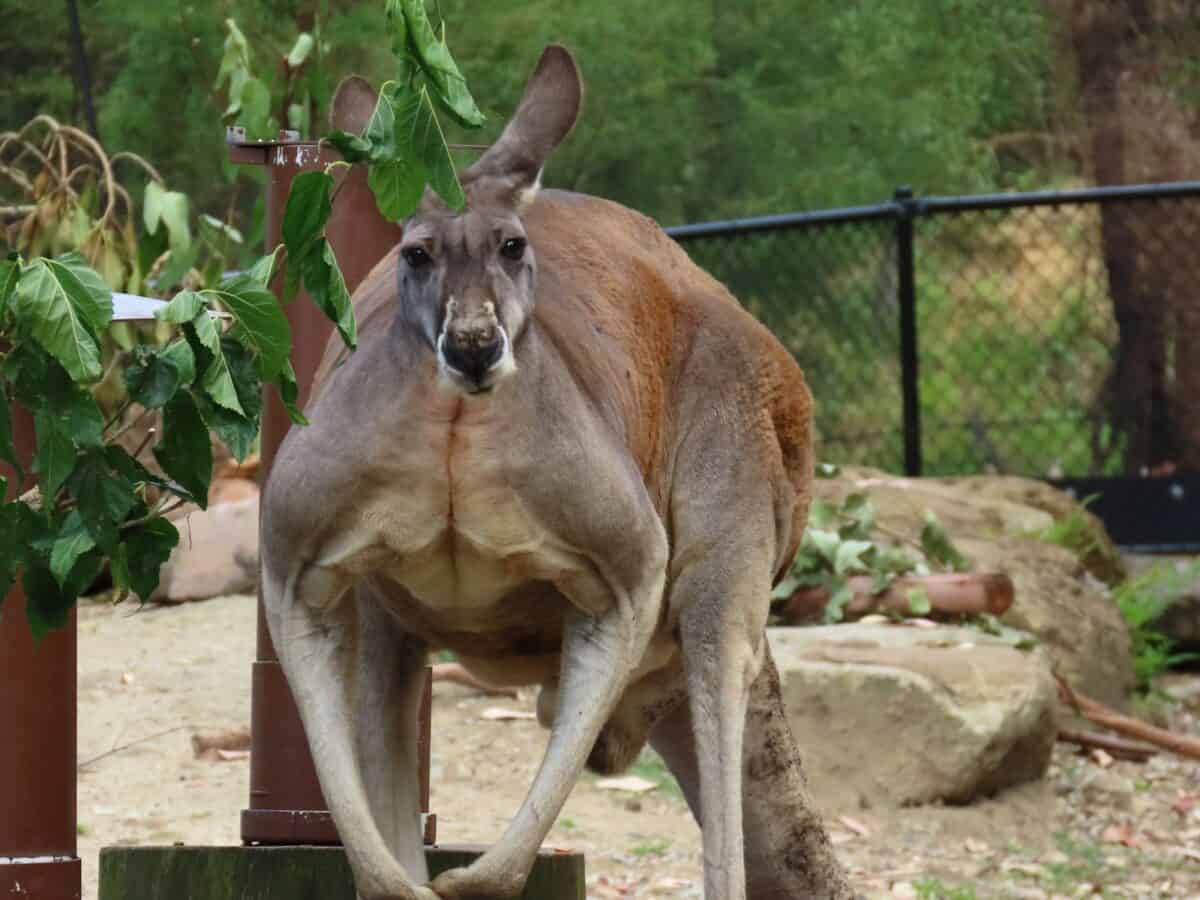
Red kangaroos possess several anatomical specializations that enhance their forearm-cooling strategy. Their forearms have significantly less fur than other body areas, increasing the effectiveness of evaporative cooling by allowing air to contact the skin directly. Additionally, the skin on their forearms is thinner than elsewhere on their body, further facilitating heat transfer.
Perhaps most importantly, kangaroos have a high density of sweat glands concentrated in their forearms—approximately five times more than in other body regions. These glands produce a small amount of moisture that works in conjunction with the applied saliva. When examined microscopically, the blood vessels in kangaroo forearms show unique adaptations that allow them to rapidly expand and contract, providing precise control over blood flow and, consequently, heat dissipation.
When and How Kangaroos Employ This Cooling Technique
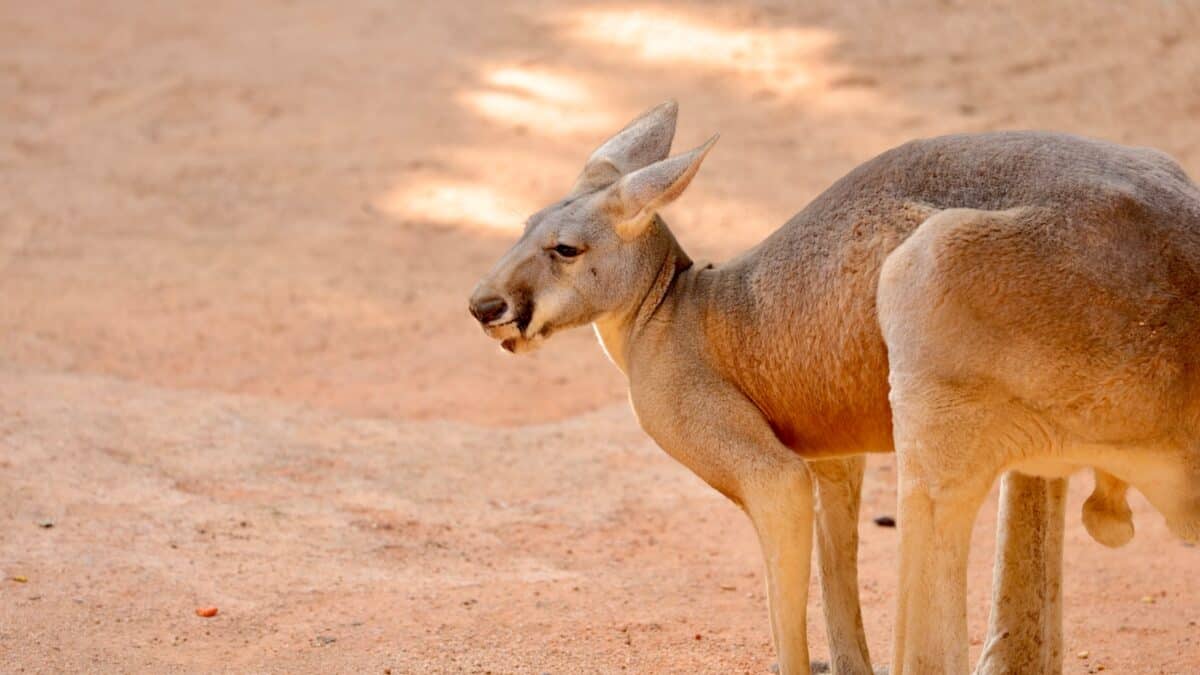
Forearm licking follows distinct patterns related to temperature thresholds. Research indicates that red kangaroos typically begin this behavior when ambient temperatures exceed 35°C (95°F). The frequency and duration of licking episodes increase proportionally with temperature—on the hottest days, kangaroos may lick their forearms every 10-15 minutes.
The technique itself is methodical: the kangaroo sits back on its haunches, brings one forearm to its mouth, and thoroughly licks from elbow to wrist, ensuring complete coverage. It then allows that arm to dry while repeating the process on the opposite limb. During extreme heat waves, kangaroos may combine forearm licking with shade-seeking and reduced activity, creating a comprehensive heat management strategy that minimizes water loss while maximizing cooling efficiency.
Comparing Kangaroo Cooling to Other Animal Adaptations

The red kangaroo’s cooling mechanism represents just one of many fascinating thermoregulatory adaptations in the animal kingdom. Elephants spray water on themselves and flap their ears, which contain extensive blood vessels, to create cooling airflow. Jackrabbits in desert environments have oversized ears that serve as heat radiators. Many birds pant and hold their wings away from their bodies to dissipate heat.
However, the kangaroo’s approach is particularly noteworthy for its water efficiency—critically important in arid environments. While panting (which kangaroos also do) can cause significant water loss through respiratory evaporation, forearm licking uses relatively small amounts of saliva applied precisely where it provides maximum cooling benefit. This water conservation aspect may explain why evolution has favored this unusual but effective cooling strategy.
Research Methods for Studying Kangaroo Thermoregulation
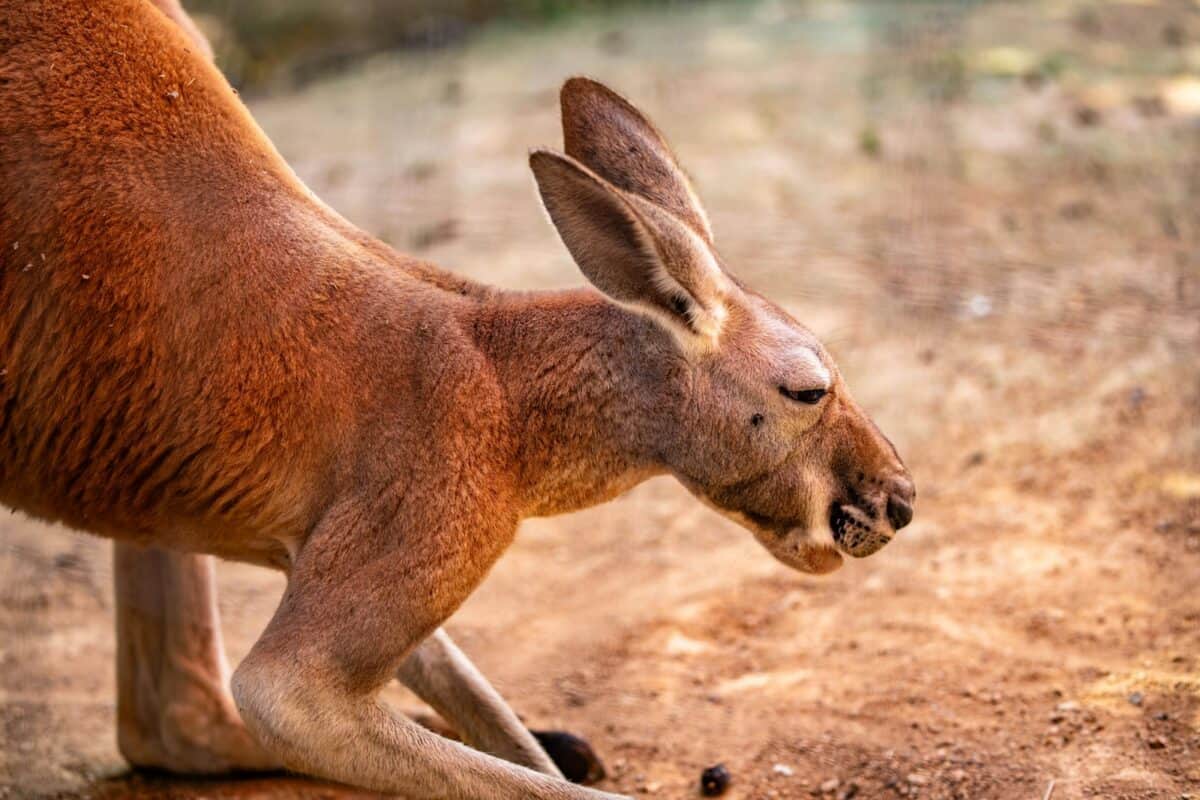
Scientists employ various techniques to study the effectiveness of forearm licking in red kangaroos. Thermal imaging cameras can visualize temperature changes across the kangaroo’s body before and after licking episodes. Implanted temperature sensors provide data on core body temperature fluctuations in relation to cooling behaviors. Some researchers use experimental setups where captive kangaroos are exposed to controlled temperature increases while their behavioral and physiological responses are monitored.
Blood flow measurements using Doppler technology have confirmed the dramatic increase in forearm circulation during heat stress. Field studies involve observing wild kangaroos and documenting the correlation between environmental temperatures and licking frequency. These multidisciplinary approaches have collectively built our understanding of this remarkable adaptation, though researchers acknowledge that aspects of kangaroo thermoregulation remain incompletely understood.
Climate Change Implications for Kangaroo Cooling
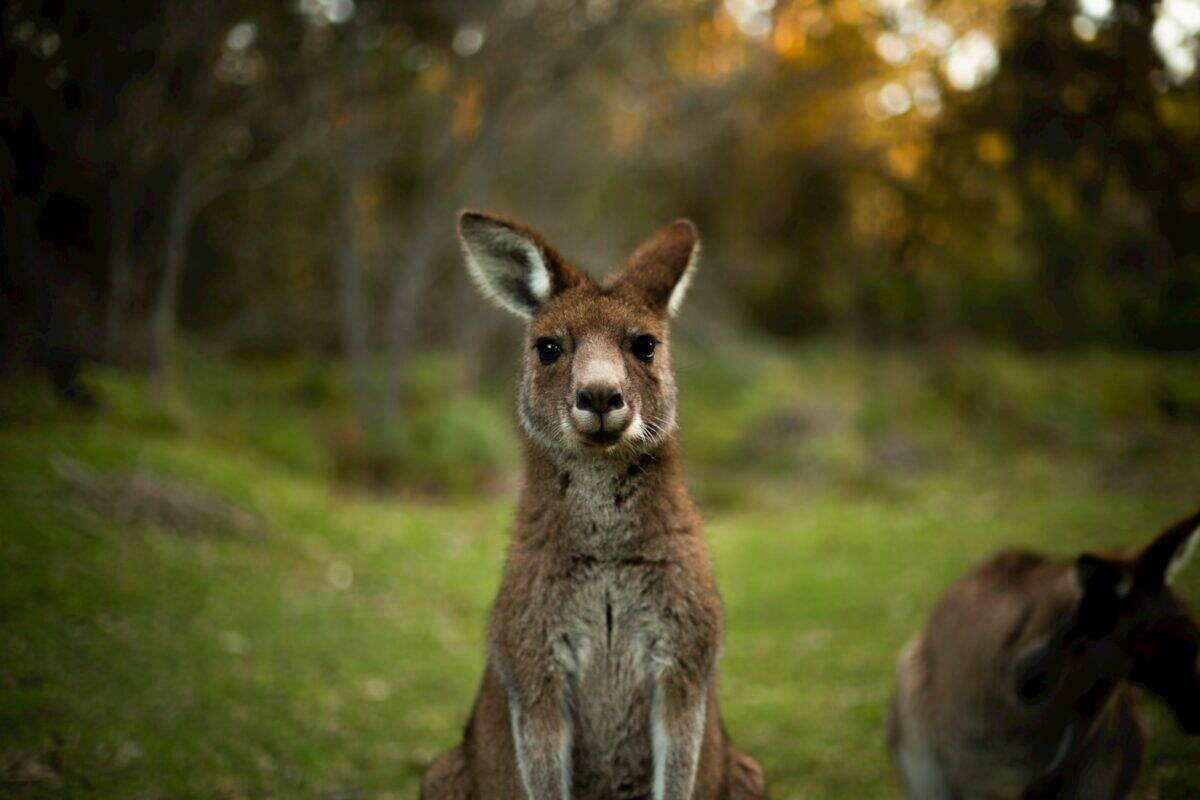
As global temperatures rise due to climate change, the effectiveness of kangaroos’ cooling adaptations faces new challenges. Australia has experienced increasingly severe heat waves, with temperatures in some regions regularly exceeding historical maxima. Research suggests that when temperatures climb beyond 45°C (113°F), even the combined cooling strategies of red kangaroos may become insufficient. Climate models predict that parts of central Australia could experience 50°C (122°F) days with increasing frequency in coming decades.
These extreme conditions may push kangaroos beyond their physiological limits. Some researchers have already documented behavioral changes, including altered activity patterns and habitat use, as kangaroos seek microenvironments that reduce heat stress. The future effectiveness of forearm licking as a cooling strategy may depend on how quickly kangaroos can adapt to rapidly changing thermal conditions.
Other Cooling Strategies in Red Kangaroos

While forearm licking represents a primary cooling mechanism, red kangaroos employ several complementary strategies to maintain thermal balance. They practice strategic shade-seeking, often resting under trees or rock overhangs during the hottest parts of the day. Kangaroos shift their activity patterns seasonally, becoming more nocturnal during summer months to avoid daytime heat. They also use postural adjustments—stretching out to maximize surface area for heat dissipation when cool surfaces are available.
During extreme heat, kangaroos reduce their movement to minimize metabolic heat production. Additionally, they pant at high rates, which provides cooling through respiratory evaporation despite the water loss involved. These various approaches work in concert, allowing kangaroos to employ the most water-efficient cooling methods first and reserve more water-intensive strategies for when they’re absolutely necessary.
Conservation and Human Applications
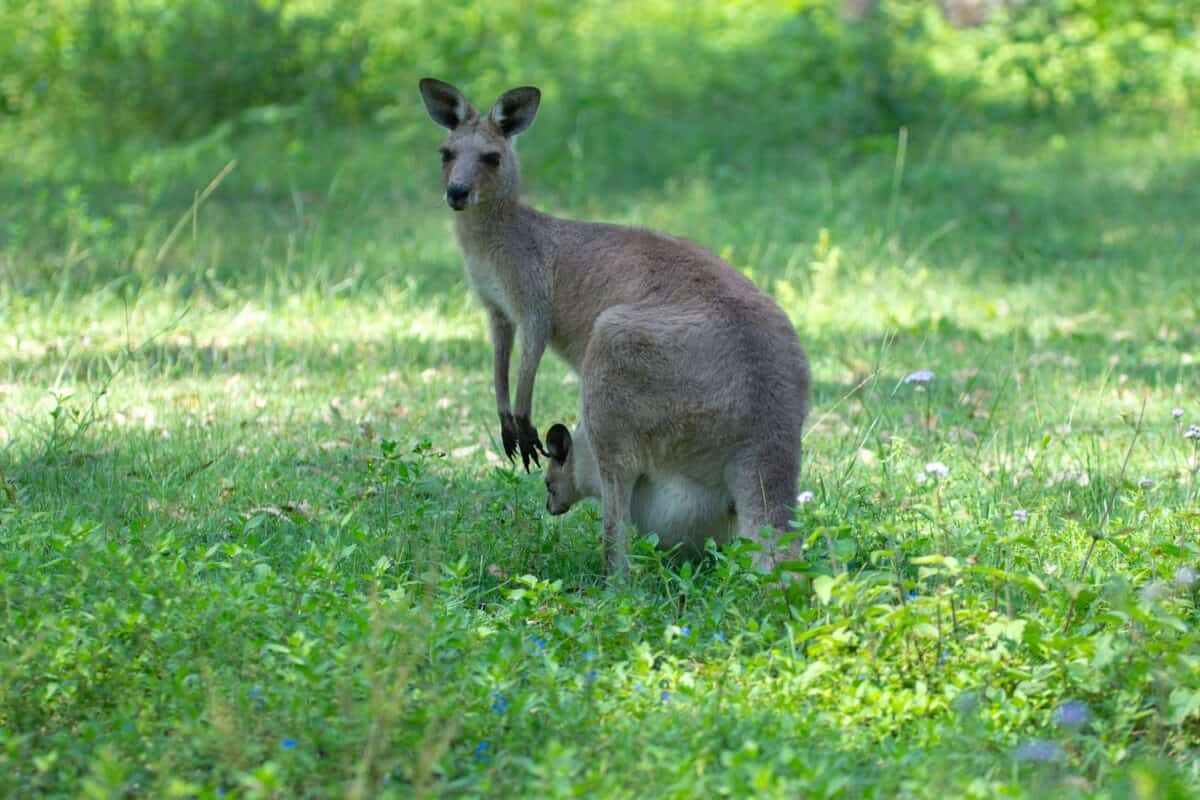
Understanding the red kangaroo’s remarkable cooling adaptations has implications beyond zoological interest. Conservation efforts increasingly focus on how climate change affects wildlife thermoregulation, with kangaroos serving as important model organisms. Their adaptations also inspire biomimetic cooling technologies. Engineers have developed cooling systems for buildings and electronics that mimic the localized evaporative cooling principles demonstrated by kangaroos.
In medical applications, targeted cooling of blood vessels in specific body regions has been explored for treating heat stroke and managing certain medical conditions. The water efficiency of kangaroo cooling also offers lessons for human water conservation in arid regions. As our planet warms, the evolutionary solutions developed by desert-adapted species like the red kangaroo provide valuable insights for both wildlife management and human innovation in thermal regulation.
Conclusion: Nature’s Ingenious Cooling System

The forearm-licking behavior of red kangaroos represents one of nature’s most elegant solutions to the challenge of staying cool in extreme environments. This seemingly simple behavior actually involves complex interactions between behavior, physiology, and anatomy—all fine-tuned through evolutionary processes to create an efficient cooling system. The specialization of blood vessels, strategic distribution of sweat glands, and behavioral adaptations work together in a remarkably integrated system that allows these marsupials to thrive in conditions that would be lethal to many other large mammals.
As we face a warming planet, the red kangaroo’s cooling strategies remind us of nature’s resilience and ingenuity while highlighting the very real limits of physiological adaptation in the face of rapid environmental change. Their story is not just about survival in the harsh Australian outback but stands as a testament to the extraordinary adaptations that evolve when animals face persistent environmental challenges.

From exploring the marine wonders in the Azores and witnessing the vast savannas of Kenya, to delving deep into the rich biodiversity of South Africa and traversing iconic landscapes in Australia and the US like Yellowstone, Chris's experiences are vast.
With a penchant for diving alongside sharks, the ocean holds a special place in his heart.
Through his academic insights, he champions wildlife conservation, striving with 'Animals Around The Globe' to cultivate a profound connection between humans and animals, enhancing our mutual appreciation.
Connect with him at Feedback@animalsaroundtheglobe.com.
- The Lizard That Shoots Blood From Its Eyes - July 21, 2026
- What Happens If Fireflies Stop Glowing? - July 21, 2026
- Coyotes Are Thriving in Every U.S. State — Even New York City - July 21, 2026