
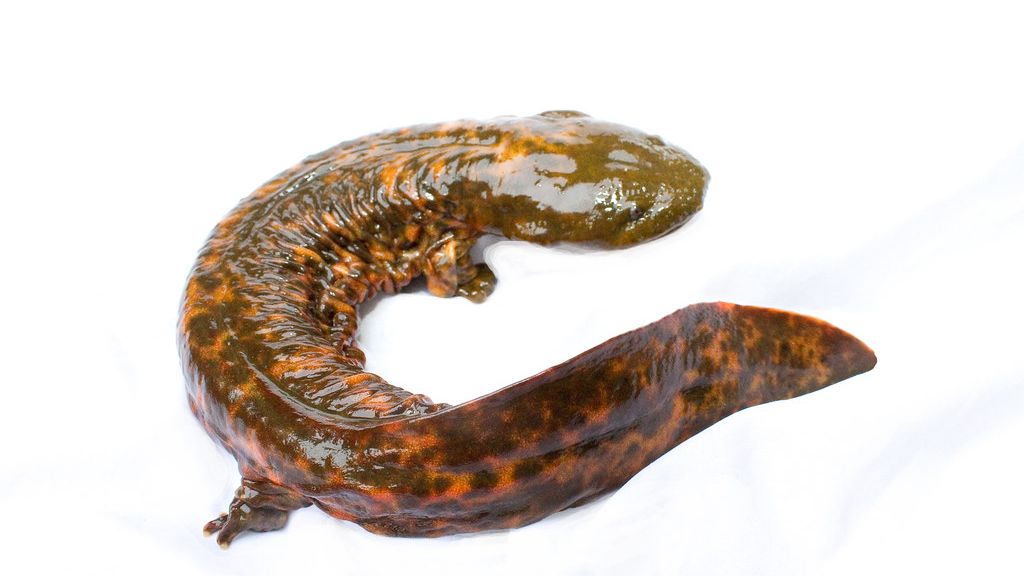
There’s something lurking beneath the rocks of Appalachian rivers that most people have never seen. It’s slimy, prehistoric looking, and surprisingly massive. The hellbender salamander remains one of North America’s most mysterious aquatic creatures, hiding in plain sight for millions of years while civilizations rose and fell around the rivers it calls home.
Despite their intimidating name and unusual appearance, these gentle giants play a vital role in our freshwater ecosystems. Yet many people who live near hellbender habitats have never even heard of them. Perhaps that’s part of the problem. As streams and rivers face mounting pressures from human activity, hellbender populations have plummeted to alarming levels across their historic range.
Let’s dive into the fascinating world of this remarkable salamander and discover why protecting them matters more than you might think.
This Is North America’s Largest Salamander
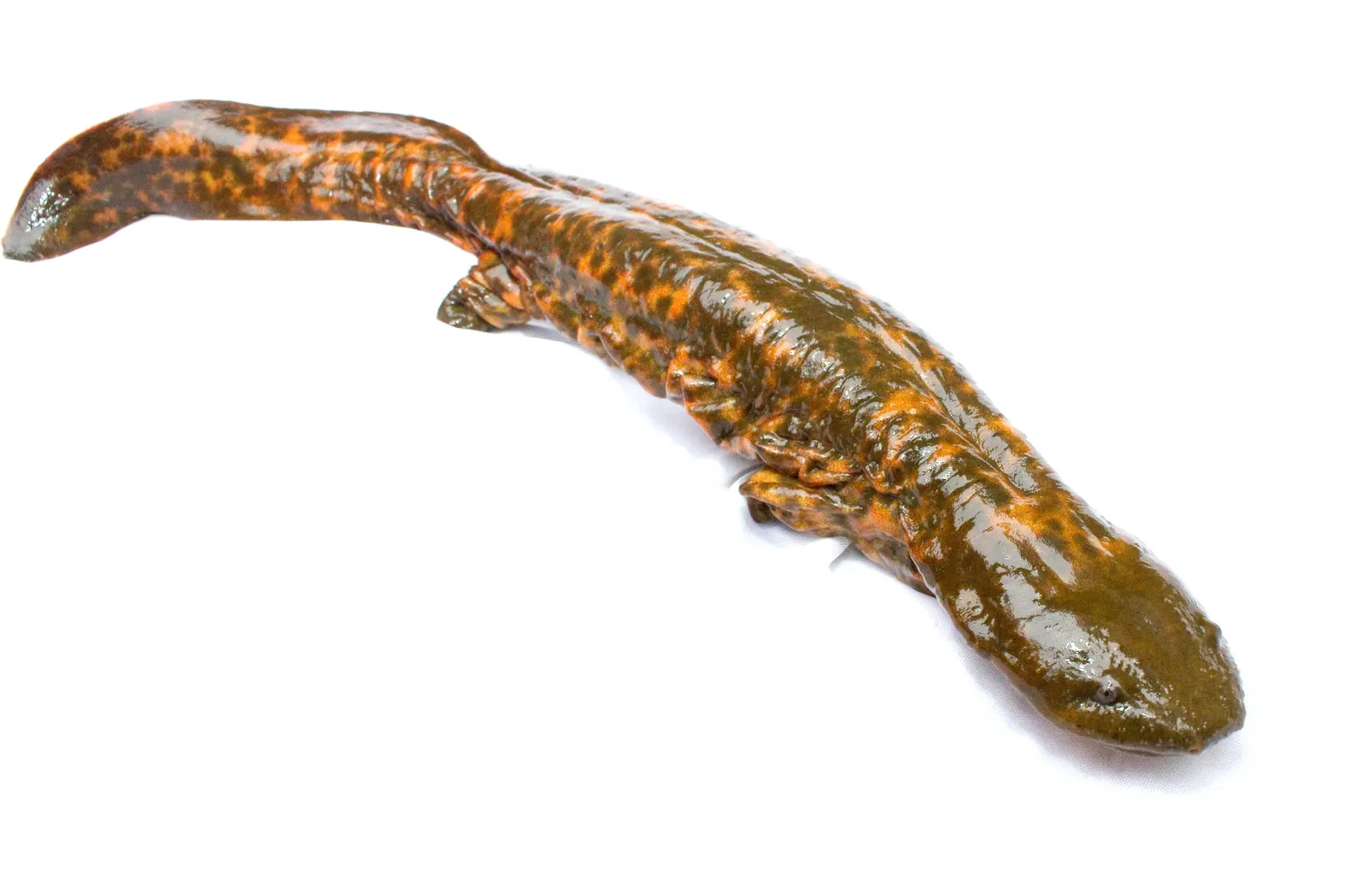
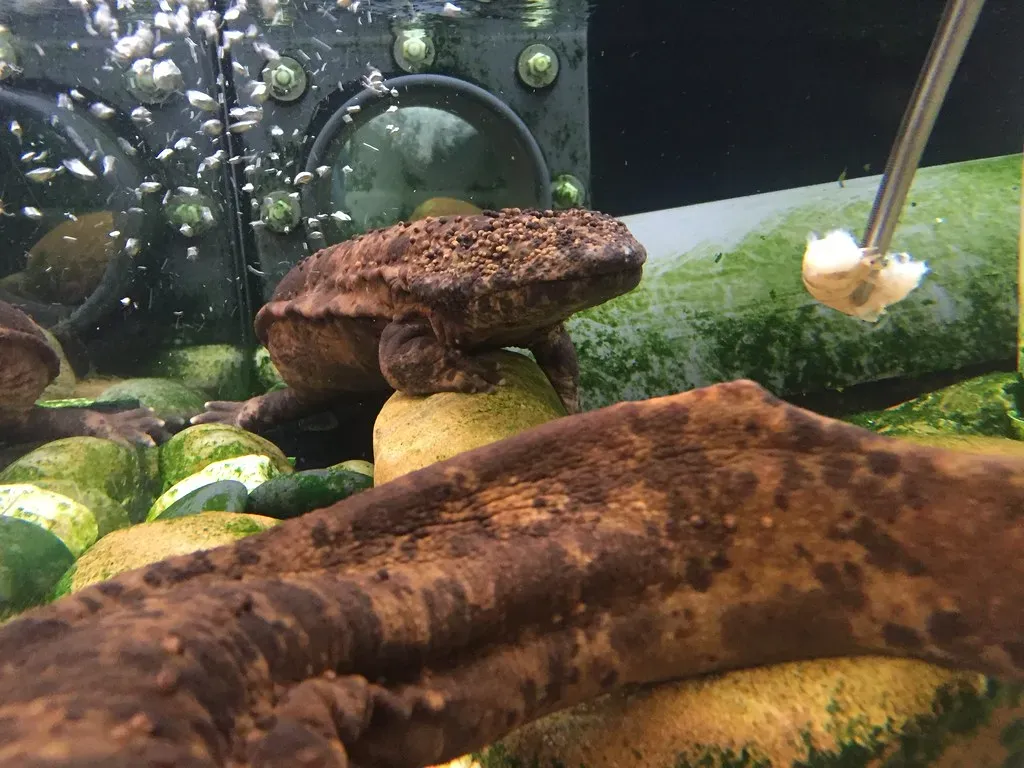
The hellbender can reach up to 29 inches in length and weigh between four to five pounds, making it truly massive by salamander standards. To put that in perspective, most salamanders you might encounter in your backyard would fit comfortably in the palm of your hand.
Hellbenders grow up to 30 inches long and are the third largest salamander in the world, with only their Asian cousins, the Japanese and Chinese giant salamanders, surpassing them in size. Their flattened bodies and broad heads give them an almost prehistoric appearance, like something that crawled out of the age of dinosaurs.
When you hold a hellbender (though you shouldn’t unless you’re a trained researcher), you’re holding a creature that weighs as much as a small chicken. The sheer bulk of these salamanders surprises most people who expect something tiny and delicate.
They’ve Been Around for 65 Million Years
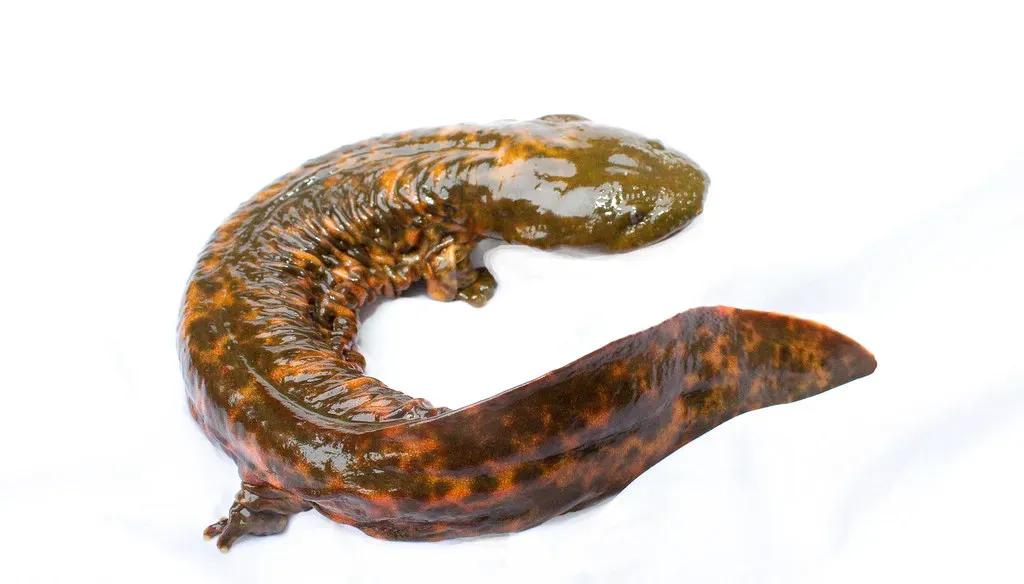
The hellbender fills a particular niche in its ecosystem, which either it or its ancestors have occupied for around 65 million years. Think about that for a moment. These salamanders were swimming in North American rivers when dinosaurs still walked the earth.
They have inhabited the rivers of the eastern United States for the last 65 million years and are indicators of healthy streams. Hellbenders witnessed the rise of mammals, the evolution of primates, and eventually the arrival of humans to the continent.
Their ancient lineage represents a direct connection to a world we can barely imagine. Honestly, there’s something humbling about knowing these creatures survived multiple mass extinctions and dramatic climate shifts, only to face their greatest challenge now from human activity.
Hellbenders Breathe Through Their Wrinkly Skin

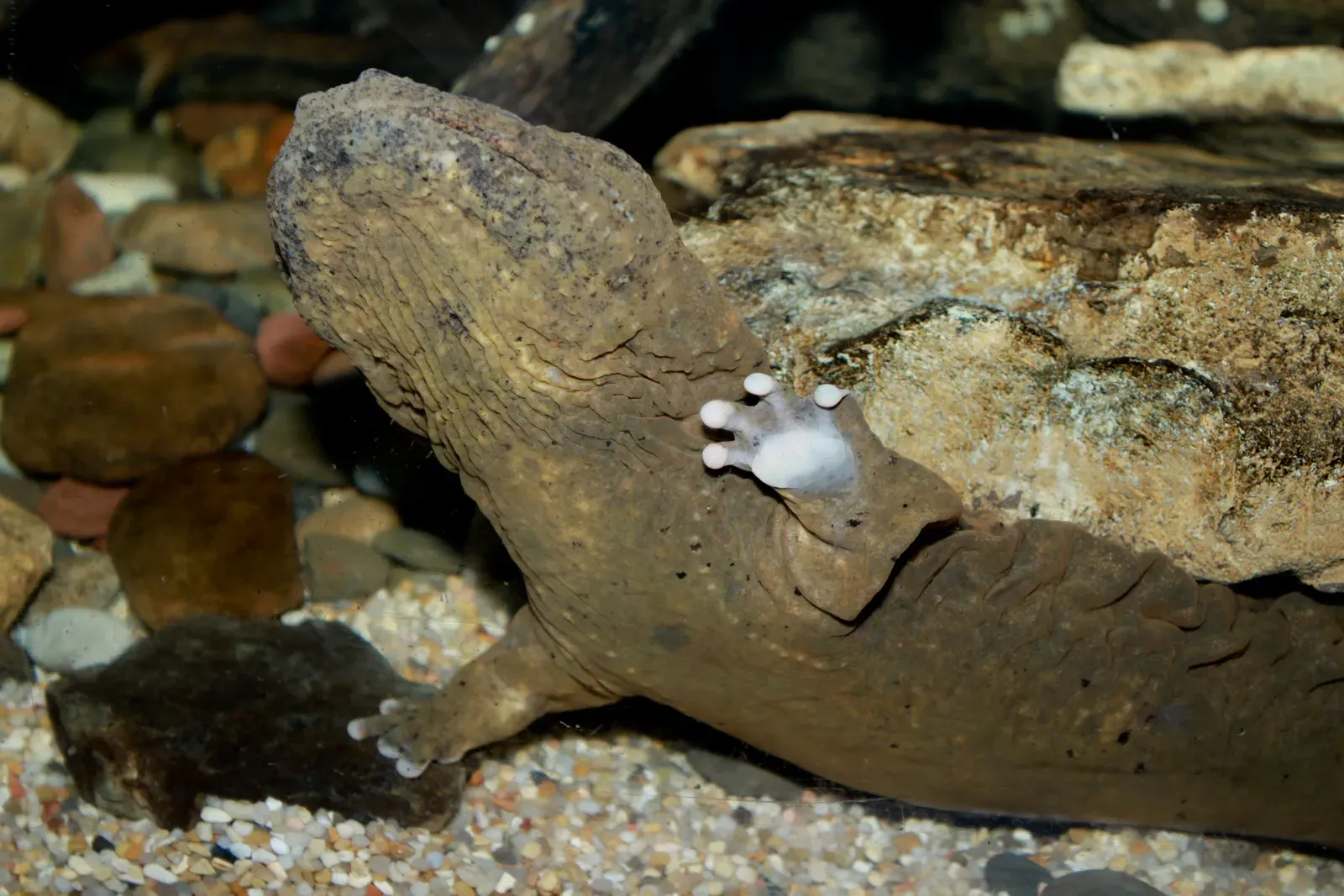
Here’s where things get really interesting. The hellbender employs an unusual adaptation for respiration through cutaneous gas exchange via capillaries found in its lateral skin folds. Those loose, wrinkled flaps of skin that make hellbenders look like they’re wearing an oversized suit aren’t just for show.
When hellbenders are about two years old, the gills disappear and they start breathing entirely through their skin. The wrinkles dramatically increase the surface area available for absorbing oxygen from the water, which is essential for their survival.
Hellbenders have large, simple lungs that are used for buoyancy instead of breathing. So yes, they technically have lungs, but they use them primarily to control whether they sink or float rather than for respiration. It’s a clever evolutionary trick that makes you wonder what other surprises nature has hidden in plain sight.
They’re Known by Some Truly Bizarre Nicknames
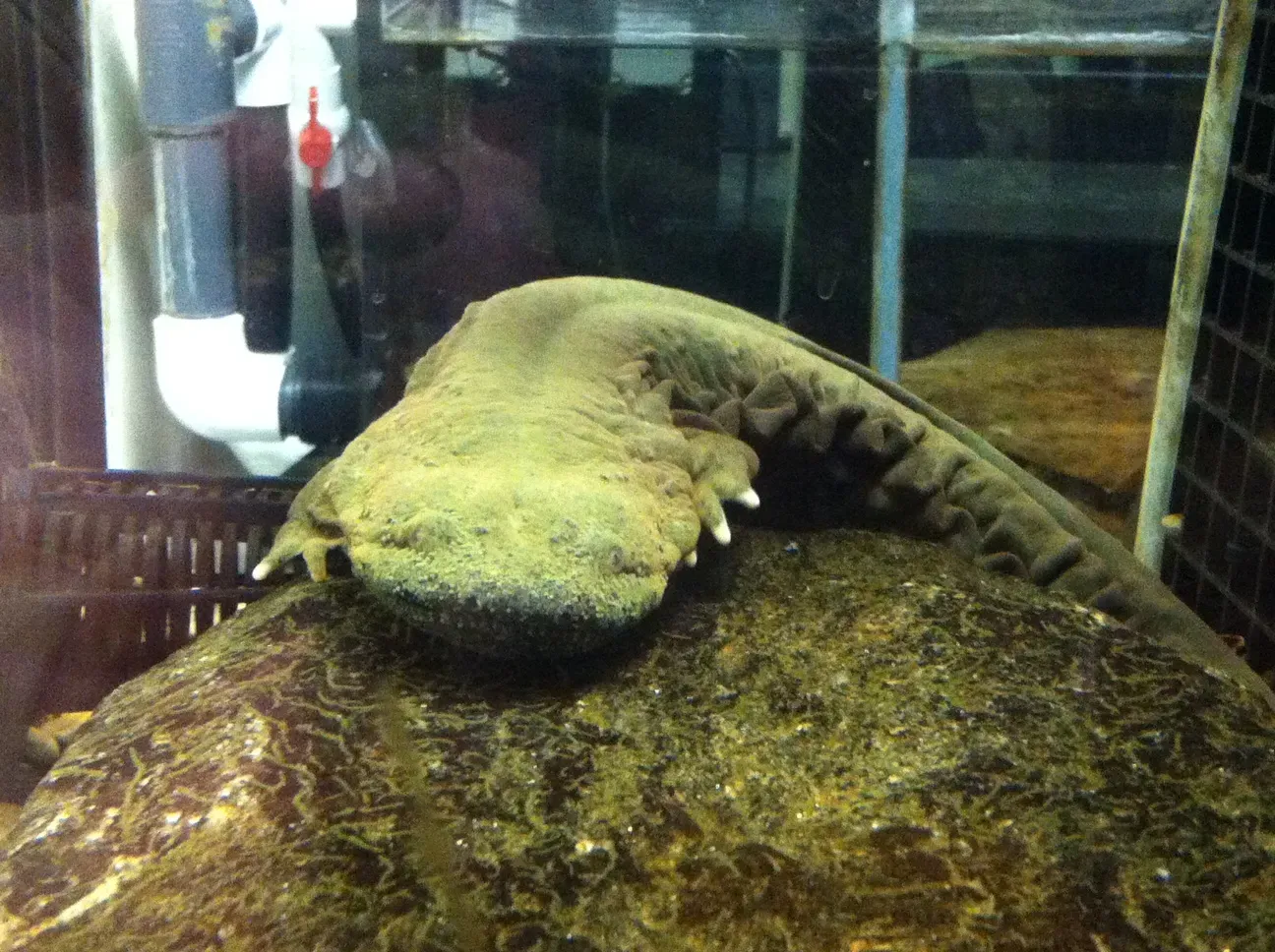
Other vernacular names include snot otter, lasagna lizard, devil dog, mud-devil, mud dog, water dog, grampus, Allegheny alligator, and leverian water newt. Honestly, whoever came up with these names had quite the imagination, though none of them are particularly flattering.
One theory claims the hellbender was named by settlers who thought it was a creature from hell where it’s bent on returning. Another rendition says the undulating skin of a hellbender reminded observers of horrible tortures of the infernal regions.
Let’s be real here, early European settlers apparently had a flair for the dramatic. These names reveal more about human fear of the unknown than anything about the hellbender itself, which is completely harmless despite its fearsome monikers.
The nickname that seems most popular today is actually quite disgusting but memorable. Many people affectionately call them snot otters because of their extremely slimy skin coating, though they’re not otters at all.
They’re Incredibly Picky About Where They Live
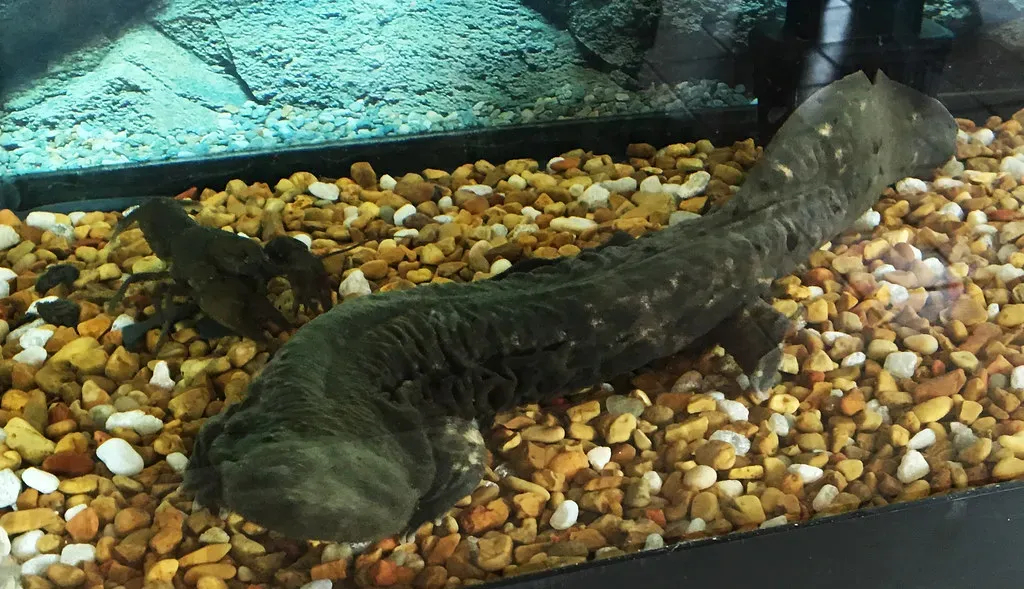
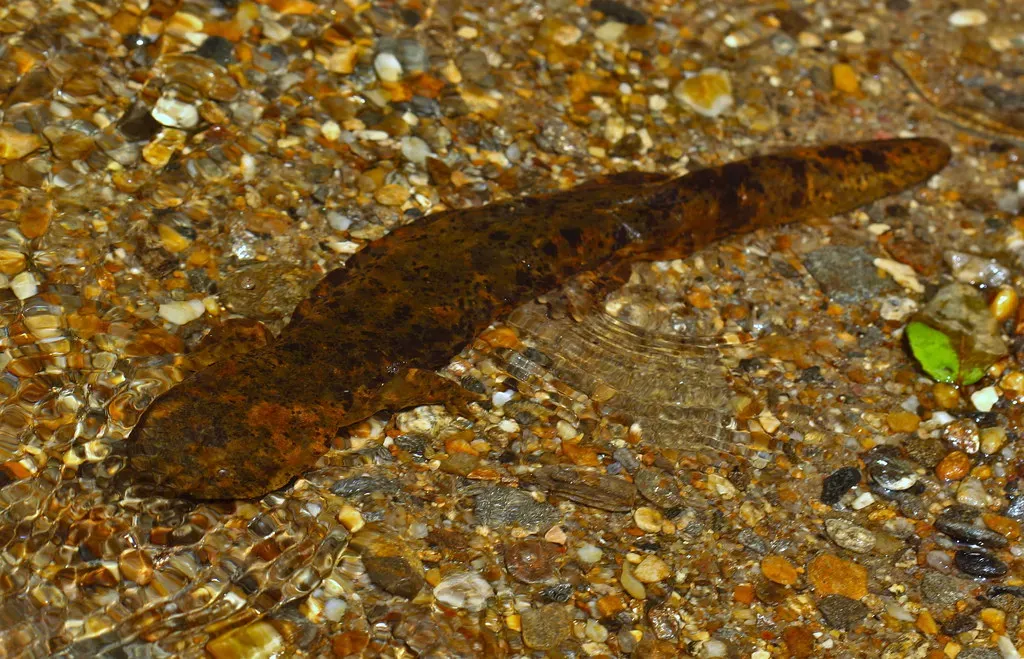
The hellbender salamander is considered a habitat specialist because its success is dependent on a constancy of dissolved oxygen, temperature and flow found in swift water areas. This specialization means hellbenders can’t just move to any old stream if their home becomes unsuitable.
Hellbenders require swift running, well-oxygenated, unpolluted streams and rivers with riffle areas and abundant large flat rocks. Without these specific conditions, hellbenders simply cannot survive, period.
Their presence is an indicator that the water is of good quality. Think of hellbenders as nature’s water quality inspectors. If you find healthy hellbenders in a stream, you can be fairly confident that stream is in excellent condition.
This pickiness about habitat is both a blessing and a curse. It makes them excellent indicators of ecosystem health, but it also means they’re extremely vulnerable to environmental changes that other species might tolerate.
Males Are Devoted Single Fathers
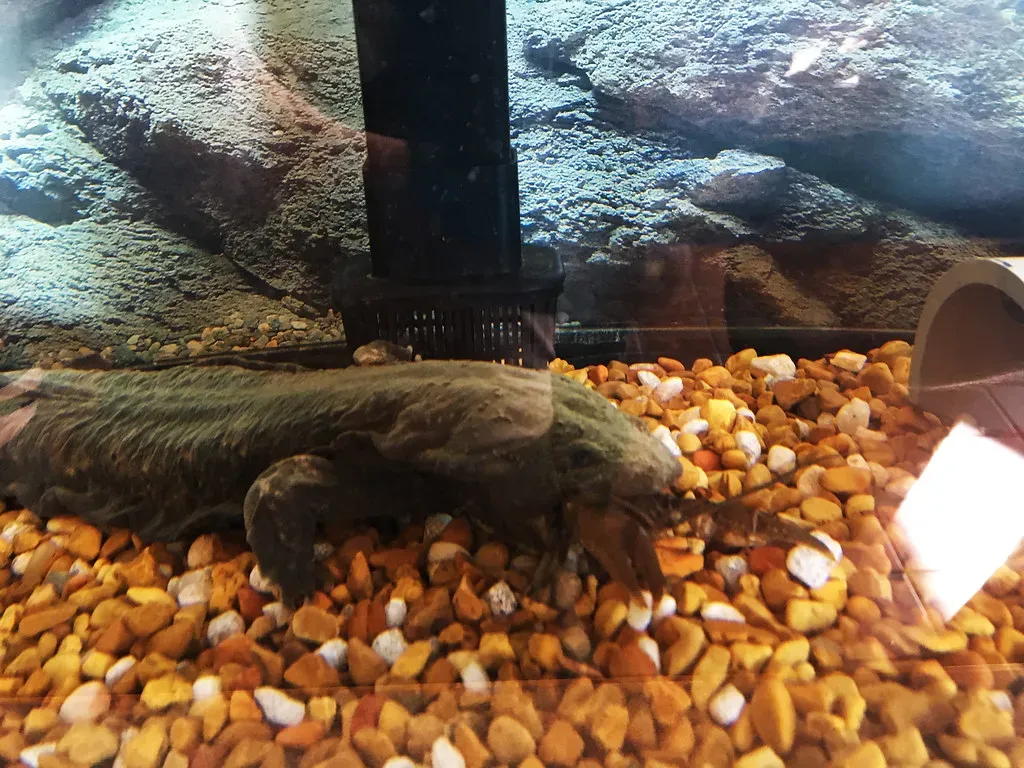
The hellbender breeding process is fascinating and challenges our assumptions about parental care in amphibians. Males stake out and guard large flat rocks, excavate nests underneath them, wait for females to enter and lay eggs, then fertilize the eggs and force the female out, guarding the eggs and young until the following spring.
Females lay a double strand of 100 to 500 eggs, which are fertilized externally, and eggs hatch in about two months. The male spends this entire time protecting his brood from predators and fanning water over the eggs to keep them oxygenated.
It’s honestly kind of touching when you think about it. The father hellbender stays vigilant for weeks, not eating much, just focused on ensuring his offspring survive. He’ll even aggressively defend the nest against other hellbenders who might try to eat the eggs.
Their Populations Have Collapsed Across Their Range
The numbers are shocking and honestly heartbreaking. Of the 626 known historical populations, 41% are believed to be extirpated, and another 36% are declining. That means roughly three quarters of all hellbender populations are either gone or shrinking.
Historically, eastern hellbenders have been documented in 626 populations, but recent data indicate only 371 of these populations remain, and among those, only 45 are stable while 218 are in decline. These aren’t just statistics on paper; they represent the disappearance of ancient lineages from rivers where they’ve lived for millennia.
The Ozark hellbender population has declined an estimated 75% since the 1980s, with only about 590 individuals remaining in the wild. In Missouri specifically, populations have crashed by roughly three quarters in just a few decades, which is an ecological catastrophe happening in slow motion.
What’s particularly concerning is the speed of this decline. We’re watching a species that survived for 65 million years potentially disappear within a human lifetime.
Sedimentation Is Their Biggest Enemy

According to the US Fish and Wildlife Service, water quality degradation, habitat destruction and modification, and disease all contribute to the hellbender’s decline, but the factor most impacting populations is sedimentation. Basically, mud and silt are slowly suffocating hellbender populations across their range.
When sediment covers the rocky stream bottoms hellbenders need, it buries the large flat rocks they use for shelter and nesting. It also fills in the spaces between rocks where young hellbenders hide, leaving them exposed to predators. The sediment reduces water quality and oxygen levels, making it harder for hellbenders to breathe through their skin.
Sedimentation derives from multiple sources: agriculture, silviculture, oil and gas development, residential development, off-road vehicles, impoundments, instream gravel mining, and road construction. It’s hard to say for sure, but the cumulative impact of all these human activities has fundamentally changed the character of many Appalachian streams.
The thing is, preventing sedimentation requires coordination across entire watersheds. One landowner protecting their stream bank isn’t enough if everyone upstream is letting soil wash into the water.
The US Fish And Wildlife Service Proposed Federal Protection in 2024
In December 2024, the U.S. Fish and Wildlife Service issued a proposal to classify the hellbender as endangered. This represents a major shift in how the federal government views the species’ conservation status.
The Service proposed to list the eastern hellbender as endangered throughout its entire range due to threats from sedimentation, water quality degradation, habitat destruction, disease and direct mortality. If finalized, this listing would provide critical legal protections and funding for recovery efforts.
The proposal came after years of advocacy from conservationists and scientists who had been sounding the alarm about declining populations. Hurricane Helene in 2024 caused significant damage to hellbender habitat in Appalachia by polluting waterways with large amounts of sediment and debris, which likely accelerated the timeline for federal action.
They Can Live for Decades in the Wild
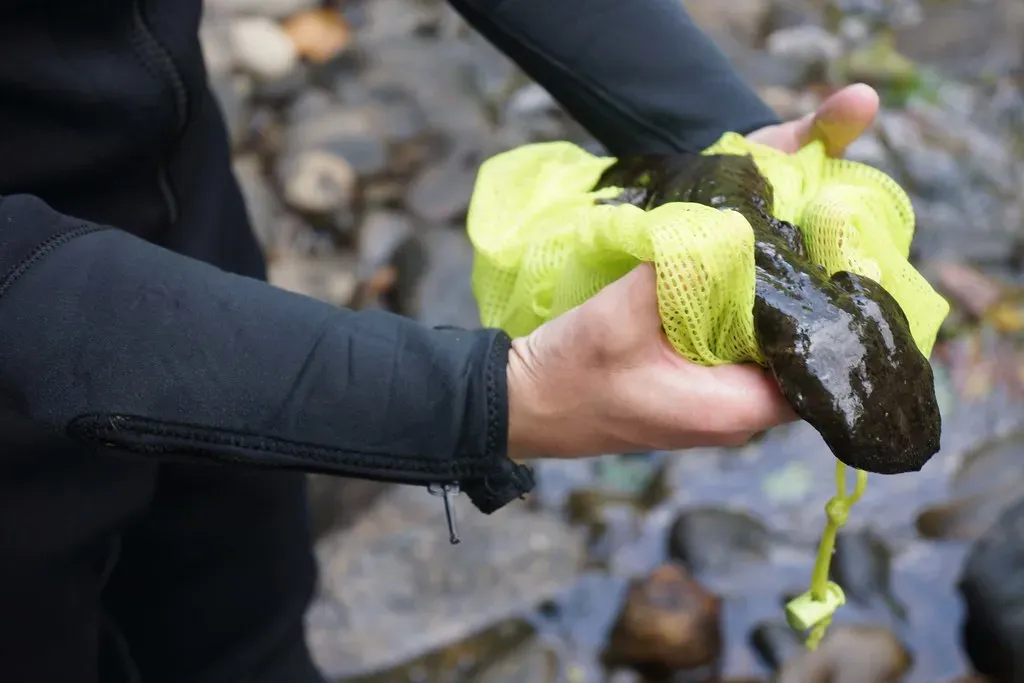
The life span of a hellbender in the wild is thought to be up to 25 years; they can live considerably longer in human care. Some estimates suggest they might live even longer than that in pristine conditions.
One study suggests hellbenders may live 50 years or more in the wild, though proving this is difficult since hellbenders are notoriously hard to study. Their longevity means that individual hellbenders might remember a time when their home streams were much healthier than they are today.
Hellbenders can live more than 30 years in the wild, with some estimates suggesting they may live at least twice that long. This long lifespan is typical of large salamanders but also means populations are slow to recover from declines. It takes years for hellbenders to reach sexual maturity, and they don’t produce massive numbers of offspring each year.
Long-lived species like hellbenders are particularly vulnerable to sudden environmental changes because they can’t adapt or reproduce quickly enough to compensate for losses.
Pennsylvania Made Them the Official State Amphibian
On April 23, 2019, Pennsylvania Governor Tom Wolf signed legislation making the eastern hellbender Pennsylvania’s official state amphibian. The designation was more than just symbolic; it represented growing public awareness about the species’ plight.
In 2019, the eastern hellbender officially became the state amphibian of Pennsylvania, a designation that promotes the need to restore water quality and preserve habitat. The legislation aimed to raise awareness about hellbenders among Pennsylvania residents who might never have heard of them despite living near hellbender habitat.
Interestingly, the path to this designation wasn’t smooth. There was actually debate about whether hellbenders or a different salamander species should receive the honor, which sounds like the kind of argument only herpetologists and dedicated conservationists would get passionate about.
State symbols might seem trivial, but they actually help conservation efforts by giving species a higher profile and making the public feel more connected to protecting them.
Fishermen Sometimes Kill Them Out of Fear or Ignorance

Anglers using live bait such as crayfish may sometimes catch a hellbender, and they will often cut the line or kill the hellbender due to the unfortunate misbelief that they are poisonous, when they are in fact harmless. This senseless killing continues to threaten hellbender populations even today.
In the early 1920s and 1930s, a bounty of twenty-five cents per hellbender was established in some areas because fishermen blamed them for declining fish populations. This persecution was based on completely false assumptions about hellbenders competing with sport fish.
Fishermen killed hellbenders because they believed hellbenders ate large quantities of fish, despite the fact that hellbenders mainly eat crayfish. The irony here is that by eating crayfish, hellbenders actually help maintain balanced aquatic ecosystems that support diverse fish populations.
Education is slowly changing attitudes, but misconceptions persist. Some people still fear hellbenders or think they’re dangerous, when in reality these salamanders are completely harmless to humans and beneficial to river health.
Conservation Efforts Are Underway But Face Challenges

Defenders of Wildlife launched the Southeastern Hellbender Conservation Initiative in 2017, and it’s now under the lead of USDA Natural Resources Conservation Services’ Working Lands for Wildlife Program, with biologists stationed across the Southeast. Multiple organizations are working to save hellbenders through various strategies.
Artificial nest boxes have shown promise in some areas. Artificial nest boxes have been successfully used for reproduction by eastern hellbenders in Ohio, West Virginia, Missouri, Virginia, and New York. These boxes provide safe nesting sites in streams where natural flat rocks have been removed or disturbed.
Head-starting programs collect eggs from the wild, raise young hellbenders in captivity until they’re large enough to have better survival odds, then release them back into their native streams. These programs have released hundreds of juvenile hellbenders, though it remains unclear whether these efforts will be enough to reverse population declines.
The biggest challenge is that you can’t just breed more hellbenders if their habitat continues to degrade. Conservation ultimately requires improving water quality and protecting stream habitats across entire watersheds, which is a massive undertaking requiring cooperation from landowners, industries, and government agencies.
Conclusion
The hellbender’s story is ultimately a story about the health of Appalachian rivers and streams. These ancient salamanders have survived for 65 million years, outlasting dinosaurs and countless other species. Yet within just a few human generations, we’ve pushed them to the brink of extinction through habitat destruction, pollution, and ignorance.
There’s still hope, though it requires action. Federal protections proposed in 2024 could provide crucial support for recovery efforts. Conservation programs are working to restore populations and educate the public. Most importantly, improving water quality benefits not just hellbenders but entire ecosystems, including the human communities that depend on clean water.
If we lose the hellbender, we lose more than just an odd-looking salamander. We lose a living connection to prehistoric times, a vital part of river ecosystems, and an indicator of water quality that humans also depend on. What do you think about these remarkable creatures? Have you ever encountered one in the wild?

- 7 Scents That Help Keep Ants Out of Your Kitchen Naturally - June 27, 2026
- 8 Native Plants That Naturally Attract Monarch Butterflies - June 27, 2026
- 10 Signs Your Cat Sees Your Home as Safe Territory - June 27, 2026