


The United States, with its vast coastline and expansive geography, has been shaped significantly by natural disasters, particularly hurricanes. These formidable storms have left indelible marks on the country’s history, shaping its infrastructure, economy, and even its culture. While they bring with them devastation, they also serve as catalysts for change, pushing communities to rebuild stronger and more resilient. Let’s delve into the stories of twelve hurricanes that have profoundly impacted the U.S., each with its own tale of destruction, resilience, and transformation.
The Great Galveston Hurricane of 1900

The Great Galveston Hurricane of 1900 remains the deadliest natural disaster in U.S. history. Striking Galveston, Texas, this catastrophic storm claimed the lives of an estimated 8,000 people. At a time when meteorological predictions were rudimentary, the residents were caught off guard by the sheer force of the hurricane. Buildings crumbled, and the city was submerged under a massive tidal surge. In the aftermath, Galveston embarked on an ambitious project to raise its elevation and construct a seawall, showcasing human determination to withstand nature’s fury. This disaster underscored the need for advanced warning systems, which later became a cornerstone for modern meteorology.
Hurricane Katrina (2005)

Hurricane Katrina is etched into the collective memory of the U.S. as one of the most devastating storms. Making landfall on the Gulf Coast, it wreaked havoc, particularly in New Orleans. The storm exposed vulnerabilities in the city’s infrastructure, with levee breaches leading to catastrophic flooding. Thousands were displaced, and the world watched as a major American city struggled to cope. The disaster highlighted the importance of effective emergency response and the socio-economic disparities that can affect recovery. As New Orleans rebuilt, it became a symbol of resilience and cultural preservation amidst adversity.
Hurricane Andrew (1992)

Hurricane Andrew, a Category 5 storm, barreled into South Florida with relentless force. It obliterated entire neighborhoods and left thousands homeless. The aftermath of Andrew was a turning point in building codes and insurance policies in Florida. Structures were reinforced, and communities became more prepared for future storms. The hurricane also emphasized the importance of mental health support for those affected by such traumatic events. Andrew’s legacy is one of transformation, as it propelled changes that have since saved countless lives and properties.
The Labor Day Hurricane of 1935

The Labor Day Hurricane of 1935 was a monster storm that struck the Florida Keys and was considered one of the strongest hurricanes to make landfall in the U.S. The hurricane decimated the region, particularly affecting the veterans working on the Overseas Railroad. The tragedy prompted a national outcry and led to significant changes in disaster response protocols. The storm’s legacy is captured in haunting photographs and personal accounts, reminding us of the raw power of nature and the human spirit’s capacity to rebuild.
Hurricane Sandy (2012)

Hurricane Sandy, often dubbed “Superstorm Sandy,” was a stark reminder of the northward reach of powerful hurricanes. It pummeled the Eastern Seaboard, causing extensive damage in New York and New Jersey. The storm surge flooded subway tunnels and left millions without power. Sandy prompted a reevaluation of coastal planning and infrastructure resilience in major urban centers. The impact on the densely populated areas highlighted the need for comprehensive disaster management strategies and spurred initiatives to mitigate future risks.
Hurricane Harvey (2017)

Hurricane Harvey unleashed unprecedented rainfall on Texas, particularly around Houston, resulting in catastrophic flooding. The storm stalled over the region, dumping more than 60 inches of rain in some areas. Harvey’s impact was felt across communities, prompting massive rescue efforts and highlighting the importance of community solidarity. The hurricane shed light on the challenges of urban planning in flood-prone areas and underscored the need for sustainable development practices. It also inspired innovations in flood management and emergency response.
Hurricane Camille (1969)

Hurricane Camille was a Category 5 hurricane that devastated the Mississippi Gulf Coast. With winds reaching 175 mph, it was one of the most intense storms to hit the U.S. Camille’s fury left behind a trail of destruction, and its legacy is still remembered in the region. The storm’s impact led to advancements in hurricane forecasting and public awareness campaigns, ensuring communities are better prepared for future events. Camille remains a benchmark for the destructive potential of hurricanes and the importance of resilience.
The Great New England Hurricane of 1938

The Great New England Hurricane of 1938 struck with little warning, catching residents off guard and causing widespread devastation. It was one of the rare hurricanes to impact the northeastern U.S. with such intensity. The storm uprooted trees, destroyed homes, and left a lasting imprint on the landscape. This hurricane highlighted the necessity for improved communication systems and forecasting techniques. It also prompted the development of better evacuation plans and community preparedness measures in the region.
Hurricane Michael (2018)

Hurricane Michael made landfall in the Florida Panhandle as a powerful Category 5 storm. Its rapid intensification caught many by surprise, leading to significant destruction in communities like Mexico Beach. Michael’s impact prompted discussions about the effects of climate change on hurricane behavior and the importance of adaptive strategies. The storm’s aftermath saw communities rally together to rebuild, showcasing the resilience and determination of those affected. Michael serves as a reminder of the need for vigilance and preparedness in the face of natural disasters.
Hurricane Ike (2008)

Hurricane Ike was a massive storm that impacted Texas and other Gulf Coast states. Its extensive wind field and storm surge caused significant damage, particularly in Galveston and Houston. Ike’s legacy includes lessons on the importance of evacuation orders and the challenges of post-disaster recovery. The storm also highlighted the need for improved infrastructure to withstand future hurricanes. Ike’s impact on the energy sector underscored the interconnectedness of critical systems and the importance of resilience planning.
Hurricane Hugo (1989)
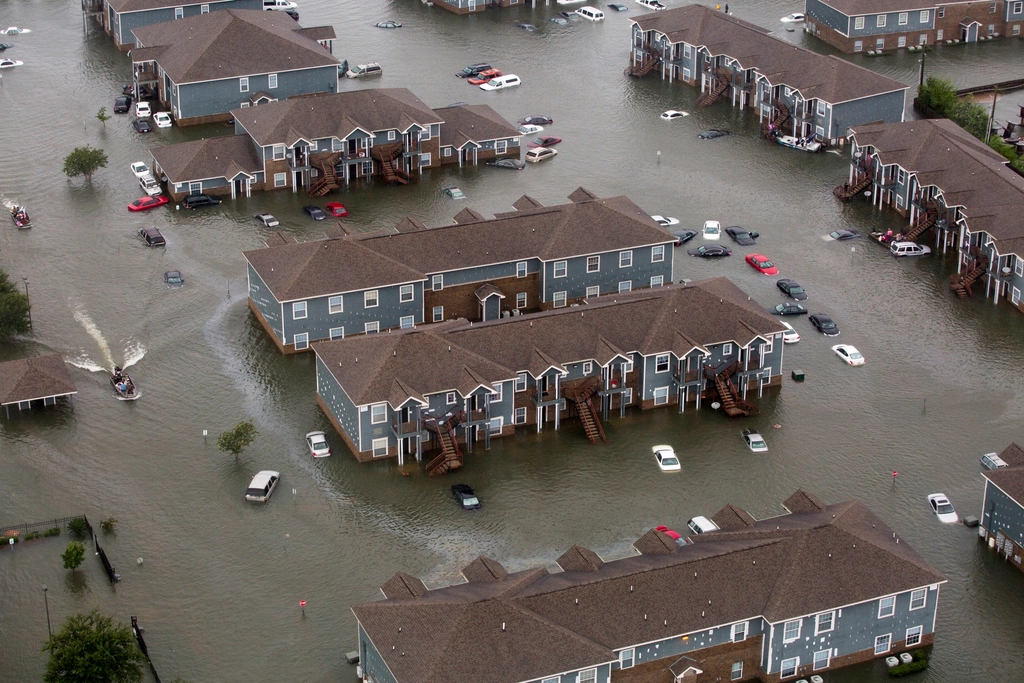
Hurricane Hugo was a powerful storm that struck the Caribbean and the southeastern U.S., particularly impacting South Carolina. Its impact was felt across the region, with extensive damage to homes, infrastructure, and agriculture. Hugo prompted significant changes in building codes and emergency management practices. The storm’s legacy is one of increased awareness and preparedness, as communities learned from the experience and implemented measures to mitigate future risks. Hugo’s impact on the tourism industry also highlighted the economic vulnerabilities of hurricane-prone areas.
Hurricane Florence (2018)
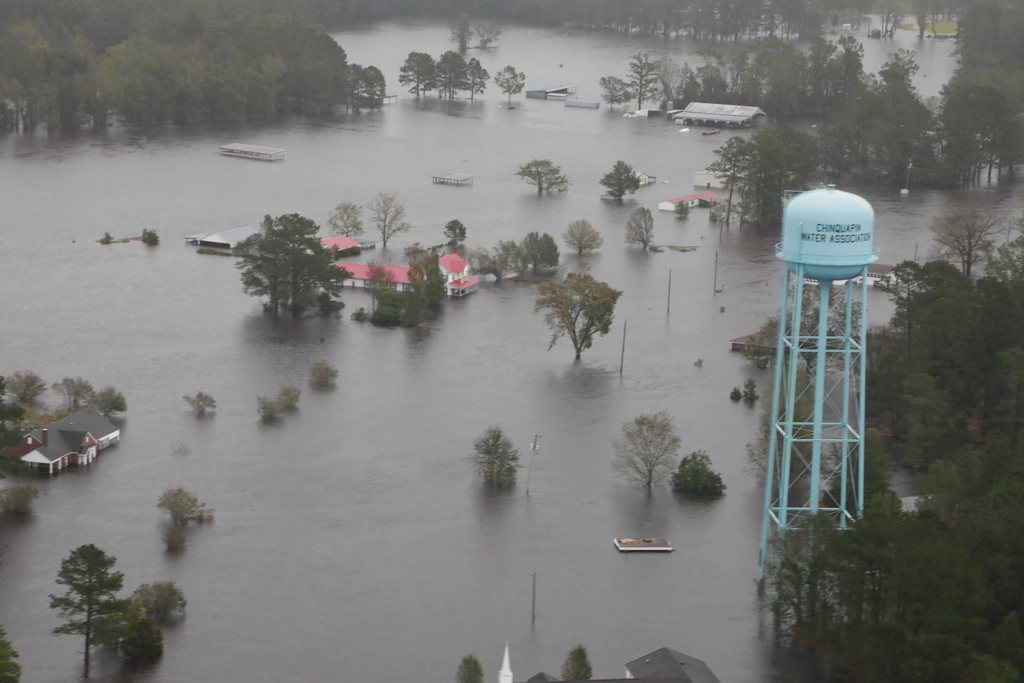
Hurricane Florence was a slow-moving storm that brought devastating flooding to the Carolinas. Its prolonged rainfall led to record-breaking river levels and widespread damage. Florence’s impact highlighted the challenges of water management and the importance of community resilience. The storm prompted discussions on the effects of climate change on hurricane patterns and the need for adaptive strategies. Florence serves as a reminder of the complex interplay between natural disasters and human systems, emphasizing the need for proactive planning and collaboration.
Conclusion
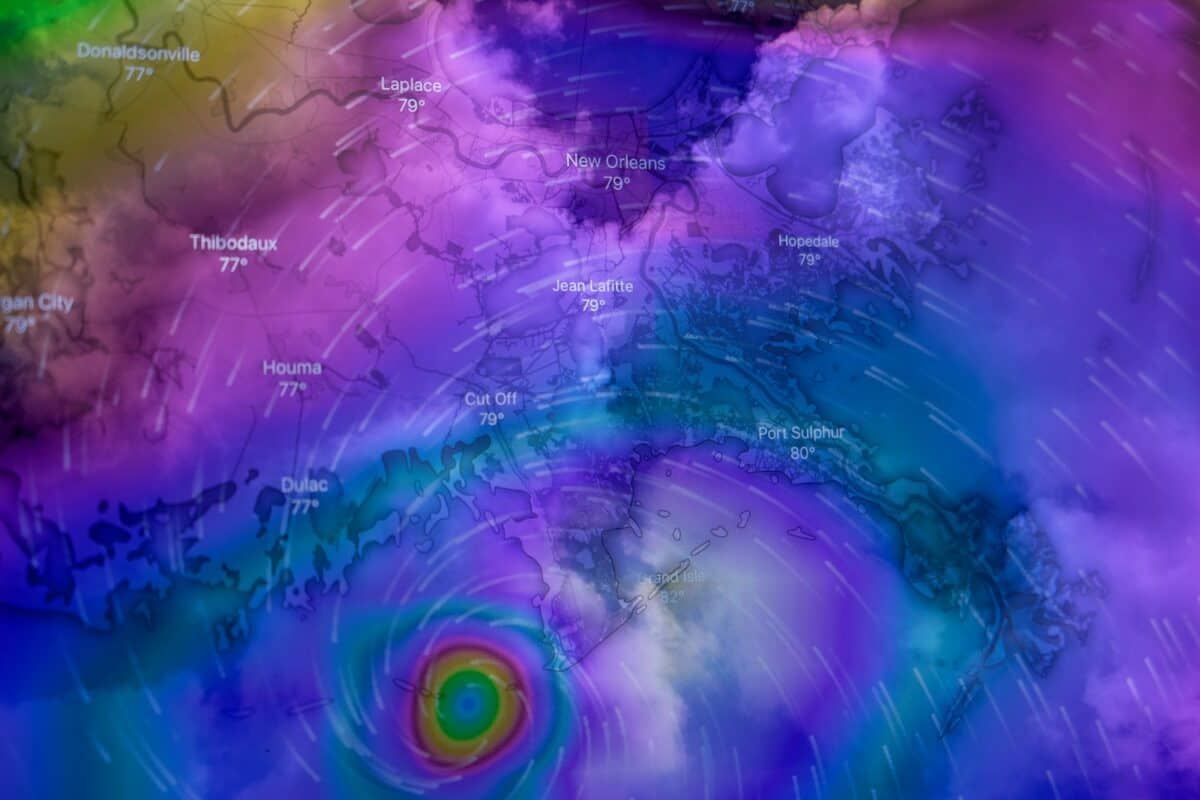
These hurricanes, each with their own unique story, have shaped the course of U.S. history. They serve as reminders of nature’s power and the resilience of communities in the face of adversity. As we learn from these past events, we continue to adapt, innovate, and prepare for the future.

As a little kid, I fell in love with nature, wildlife, and animals. Living in the USA, South Africa, Italy, China and Germany gave me the opportunity to discover the world's Wildlife. My favorite animals are Mountain Gorillas, Siberian Tigers, and Great White Sharks.
I'm a certified PADI Open Water Diver, went to Everest Base Camp and Trekked Gorillas in Uganda. I hold a Master of Science in Economics and Finance.
Please send any feedback to feedback@animalsaroundtheglobe.com
- 12 Sea Animals Believed to Bring Luck or Doom - July 29, 2026
- The Lizard That Can Run on Water – Nature’s Real-Life Jesus Lizard - July 29, 2026
- Why Some Fish Can Live in Both Freshwater and Saltwater - July 29, 2026